How to Calculate Lux Level for Your Industrial Warehouse?

Time:2026-06-27 Author:Oliver
0%

In industrial warehouses, proper lighting is crucial for safety and productivity. Understanding how to calculate lux level for industrial warehouse spaces helps to ensure optimal visibility. Lux is a unit that measures light intensity, crucial for both workers' comfort and compliance with safety regulations.

When determining the lux levels, various factors come into play. The size of the area, ceiling height, and the type of tasks performed significantly impact lighting requirements. It can be challenging to pinpoint the exact lux level needed, especially in large or complex warehouses. Relying solely on general guidelines may lead to inadequate lighting, causing risks and inefficiencies.

Attention to detail is vital when assessing lighting needs. It is essential to analyze specific areas within the warehouse to determine lux levels accurately. This process can reveal shortcomings in existing lighting and highlight the need for improvements. Employers must reflect on their current practices and be open to adjustments that enhance the working environment.
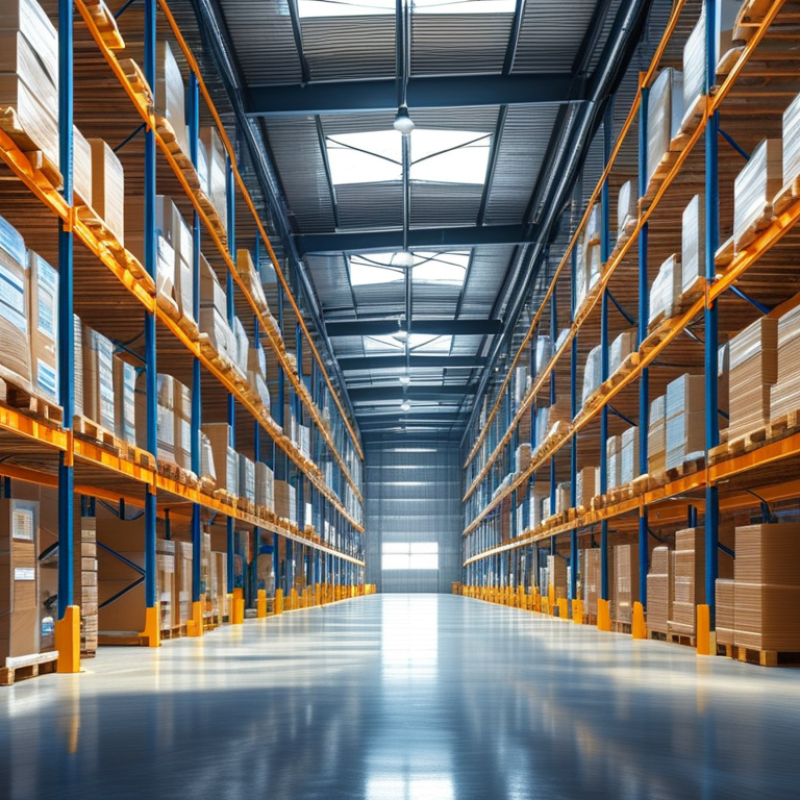
How to Calculate Lux Level for Your Industrial Warehouse?

Understanding Lux and Its Importance in Industrial Settings

In industrial settings, understanding lux levels is crucial. Lux is the unit measuring illuminance, and it reflects how much light is available in a given area. Proper lighting is vital for safety and productivity. Research from the Illuminating Engineering Society (IES) indicates that warehouses should have a minimum of 300 to 500 lux for general tasks. For precision work, this can rise to 750 lux or more.

These guidelines underline the importance of adequate lighting. Insufficient lux levels can lead to accidents and errors. Employees might struggle to see clearly, affecting their performance. A study by the American Society of Safety Professionals highlighted that poor lighting contributes to over 10% of workplace accidents. Lighting affects not only visibility but also employee morale and efficiency.

However, achieving optimal lux levels can be challenging. Each warehouse is unique, and factors such as layout and inventory type can complicate light distribution. Relying solely on general guidelines might not yield the best results. Continuous assessment of lux levels is necessary, as changing operations or layouts can alter lighting needs. Regular evaluations ensure that your lighting adapts to the demands of the space.

Factors Influencing Lux Levels in Warehouses

When considering lux levels in an industrial warehouse, several key factors come into play. The nature of the work affects lighting needs. Warehouses handling delicate materials require higher lux levels for precision. In contrast, storage areas might need less light. Understanding specific tasks is crucial. This ensures adequate visibility without wasting energy.

The layout of the warehouse also influences lux levels. High shelves and narrow aisles can create shadows. Effective lighting must counter these dark spots. Ceiling height matters too. Taller ceilings may require additional fixtures or brighter lights to achieve the desired lux levels. Employee feedback can reveal areas needing improvement.

Finally, ambient light conditions should not be overlooked. Natural light from windows can supplement artificial lighting. However, this can be inconsistent. Relying solely on natural light might lead to insufficient illumination during cloudy days. Maintaining an adaptable lighting system can address these fluctuations effectively. Regular assessments ensure that lighting meets ever-evolving operational needs.

Step-by-Step Guide to Measuring Lux Levels

Measuring the lux level in an industrial warehouse is crucial for workplace safety and productivity. Start by gathering your tools. You will need a lux meter, a notepad, and a measuring tape. Ensure the lux meter is calibrated correctly. Familiarize yourself with the meter's features. This prepares you for accurate readings.

Next, identify key areas in your warehouse. Focus on locations where work is performed most frequently. Consider different tasks and their light requirements. Measure lux levels at various times throughout the day. Natural light will fluctuate, affecting readings. Record the lux levels at different heights. Lighting may vary significantly from the floor to shelving units.

After collecting data, analyze the results. Compare your findings with industry standards for specific tasks. If your lux levels are low, re-assess your lighting setup. Look for areas that need brightening. It’s essential to reflect on how lighting affects productivity and safety. Engage employees in discussions about their experiences. Their insights can highlight areas for improvement.

Calculating Required Lux Levels for Different Warehouse Activities

In an industrial warehouse, different activities require specific lux levels for optimal productivity and safety. For general storage areas, aim for about 100-200 lux. This level is sufficient for moving goods and organizing inventory. However, when workers are handling merchandise, like picking orders, increasing the lux level to 300-500 is vital for reducingErrors.

Specialized tasks such as quality inspections may require even higher levels, typically around 500-750 lux. It helps employees identify defects more easily. Be sure to assess the workspace layout, as uneven lighting can create shadows. Shadowy spots may lead to accidents or overlooked items.

**Tips:** Consider using LED lights. They offer better brightness and longevity. Conduct regular lux level checks, especially if your warehouse layout changes. Engage your team. They can provide insights about visibility and comfort. Ensure that lighting is evenly distributed to enhance overall safety.

Lux Levels for Different Warehouse Activities

Choosing the Right Lighting Solutions Based on Lux Requirements

Choosing the right lighting solutions for your industrial warehouse involves carefully considering lux requirements. Lux is a unit of measurement that indicates the intensity of light on a surface. For warehouses, the recommended lux levels vary significantly based on the specific activities conducted. According to the International Commission on Illumination, areas meant for heavy machinery might require around 300 lux, while storage areas need about 100 lux.

To effectively meet these requirements, selecting appropriate lighting types is crucial. LED lights are often recommended due to their energy efficiency and longevity. They also provide better uniformity, reducing shadowing in work areas. A report from the U.S. Department of Energy suggests that transitioning to LED can reduce energy costs by up to 75%. However, investment in high-quality fixtures can be a challenge for many industrial operators.

Underestimating the importance of adequate lighting can lead to productivity loss and safety concerns. Additionally, businesses should evaluate their specific tasks. A picking zone may require higher lux levels compared to a storage area. Regular assessments of lighting conditions should be conducted. This ongoing evaluation ensures that lux levels remain within optimal ranges. Without this, you might find hidden costs appearing through mistakes or accidents that could have been avoided.

FAQS

: What factors affect lux levels in warehouses?

: The nature of work, layout, ceiling height, and ambient light influence lux levels.

Why do some areas require higher lux levels?

Areas handling delicate materials need higher illumination for precision and safety.

How does warehouse layout impact lighting?

High shelves and narrow aisles create shadows and dark spots that need addressing.

Why is employee feedback important?

Feedback reveals areas lacking sufficient light and helps improve working conditions.

Can natural light affect warehouse lighting?

Yes, natural light can supplement artificial lighting but may be inconsistent.

What is the recommended lux level for heavy machinery zones?

Areas for heavy machinery typically require around 300 lux for safety and efficiency.

What lighting type is often recommended for warehouses?

LED lights are favored due to their energy efficiency and reduced shadowing.

How can energy costs be reduced in warehouse lighting?

Transitioning to LED lighting can reduce energy costs by up to 75%.

What can happen if lighting needs are underestimated?

Poor lighting can lead to accidents, productivity loss, and hidden costs.

Why is regular lighting assessment necessary?

Ongoing evaluations ensure lux levels meet operational needs and avoid lapses in safety.

Conclusion

In the article "How to Calculate Lux Level for Your Industrial Warehouse?", the importance of understanding lux levels within industrial settings is emphasized, as proper illumination is crucial for safety and productivity. Various factors influencing lux levels in warehouses are discussed, including ceiling height, type of activities performed, and the efficiency of existing lighting.

A step-by-step guide highlights the process of measuring lux levels effectively, ensuring that facilities meet the necessary standards for different tasks. It also details how to calculate the required lux levels for diverse warehouse activities, tailoring lighting solutions to specific operational needs. The overall focus is on equipping facility managers with the knowledge of how to calculate lux level for industrial warehouse environments, ensuring optimal lighting for enhanced functionality and safety.

Oliver

Oliver

Oliver is a seasoned marketing professional with a wealth of expertise in driving brand awareness and engagement. With a deep understanding of our company's product offerings, he consistently delivers high-quality content that enriches our professional blog. His insights not only shed light on......