China Top 10 Industrial LED Drivers Lifespan Explained

Time:2026-09-01 Author:Isabella
0%

Understanding the lifespan of industrial LED drivers is crucial for manufacturers and users alike. What is the lifespan of industrial LED drivers? This question reflects a growing interest in efficient and durable lighting solutions.

LED drivers play a significant role in the performance of industrial lighting systems. Their lifespan can affect overall productivity and operational costs. Many users expect LED drivers to last several years, yet several factors can impact performance. Environmental conditions, thermal management, and quality of components contribute to longevity.

In practice, the lifespan of industrial LED drivers can vary widely. Some might last over 50,000 hours, while others may fail much sooner. Understanding these variations helps in making informed purchasing decisions. This knowledge is not just about numbers; it requires reflection on how to optimize lighting setups. Relevant insights from industry professionals can enhance reliability. Knowledge about product specifications and real user experiences is essential in navigating these choices well.
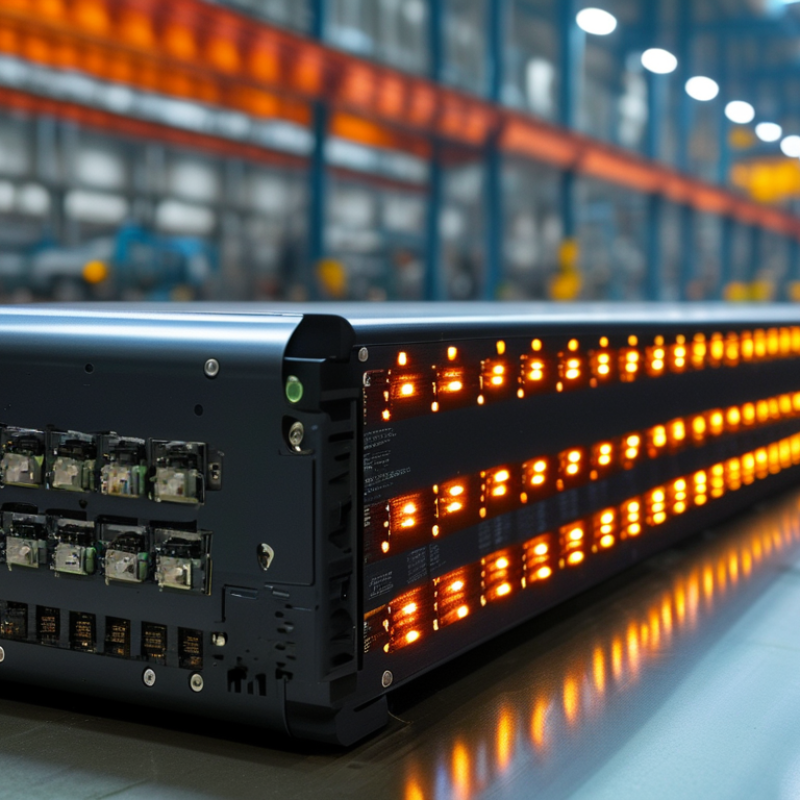
China Top 10 Industrial LED Drivers Lifespan Explained

Overview of Industrial LED Drivers in China

Industrial LED drivers play a crucial role in optimizing lighting solutions across various sectors in China. They regulate power to LED modules, ensuring efficiency and longevity. According to a recent report by Research and Markets, the market for LED drivers is projected to grow at a CAGR of 18.6% from 2023 to 2028. This growth is largely driven by the increasing demand for energy-efficient lighting.

In China's industrial sector, durability is key. Most LED drivers are expected to last between 50,000 to 100,000 hours, significantly reducing maintenance costs. However, factors such as temperature fluctuations and humidity can impact lifespan. A study by the Lighting Research Center highlighted that inadequate heat management can lead to a 30% reduction in driver lifespan. This underscores the importance of selecting high-quality components for industrial applications.

Industry professionals often overlook the impact of power fluctuations on driver performance. A comprehensive assessment of power stability can improve reliability. While the advancements in driver technology offer promising benefits, challenges remain. Stakeholders need to be vigilant about product quality and application conditions to truly harness the advantages of industrial LED lighting solutions.

China Top 10 Industrial LED Drivers Lifespan Overview

Key Factors Influencing Lifespan of LED Drivers

The lifespan of industrial LED drivers can vary significantly. Understanding the key factors influencing this lifespan is crucial for maintaining efficiency and reliability. These factors include operating temperature, electrical stress, and quality of manufacturing. Higher temperatures can lead to faster degradation of electronic components. Drivers operating in extreme conditions often fail prematurely.

Electrical stress is another notable factor. Overvoltage and fluctuations in current can accelerate wear. It’s essential to use drivers designed for specific applications to mitigate these risks. Proper circuit protection can greatly enhance the longevity of LED drivers.

Consider investing in quality components. Cheap, low-quality drivers may save costs upfront but can lead to higher expenses in the long run. Pay attention to the thermal management of your setup. Good ventilation helps maintain optimal operating temperatures, thus extending the lifespan of the driver. Selecting the right driver is critical; don’t overlook its specifications and capabilities.

Reflect on the importance of regular maintenance. Performing checks and updates can preemptively address potential issues. An informed approach can significantly enhance performance and lifespan. Understanding these factors enables users to make smarter choices in achieving reliable lighting solutions.

Comparison of Lifespan Across Top 10 LED Drivers

When evaluating industrial LED drivers, lifespan is a critical factor. Several industry reports highlight that the average lifespan of LED drivers varies significantly among different models. Generally, high-quality drivers can last between 50,000 and 100,000 hours. However, the actual lifespan can be impacted by several factors, including operating conditions, thermal management, and component quality.

In 2022, a report from the LED Industry Association noted that drivers with superior thermal management systems tend to outperform their peers. This difference can extend lifespan by up to 20%. Another study suggested that drivers exposed to high temperatures may experience a reduction in effectiveness. For instance, the same report indicated that a driver operating at 70°C could lose up to 50% of its lifespan compared to one operating at 25°C.

The variance among the top 10 LED drivers is not just about numbers. Real-world usage can present challenges. Some drivers may show early signs of decline due to power surges or inconsistent electrical supply. Maintenance practices play a vital role here. For example, regular inspections can prolong the operational life of these drivers, identifying issues before they escalate.

Applications and Usage Impacting Driver Lifespan

The lifespan of LED drivers is influenced significantly by their applications and usage patterns. In industrial settings, where conditions can be severe, the durability of LED drivers becomes crucial. A study from the Energy Efficiency Trends report indicates that environments with high humidity and temperature fluctuations can reduce driver lifespan by up to 30%. This highlights the need for careful consideration of installation locations.

For example, outdoor applications are notably challenging. In such scenarios, drivers may face dust, moisture, and temperature variations that can affect performance. Research from the International Energy Agency shows that LED drivers in harsh environments may need replacement every two to three years, compared to the typical five to six years in controlled indoor conditions. Regular maintenance and effective cooling solutions can mitigate these challenges but require investment and planning.

Furthermore, the electrical load and duty cycle play vital roles in driver longevity. Drivers operating at high loads or for extended periods are at greater risk for early failure. Experts recommend using drivers that are rated for higher wattages and incorporating dimming solutions to optimize performance. These adjustments can extend life significantly, ensuring that industrial LED systems remain reliable and efficient over time.

Future Trends in LED Driver Longevity and Improvements

The longevity of LED drivers is crucial for industrial applications. The average lifespan of a quality LED driver stands around 50,000 hours. This impressive figure has raised expectations among manufacturers and end-users. However, not all LED drivers perform equally. Variations in construction quality can lead to significant discrepancies in longevity.

Future advancements aim to enhance this lifespan even further. According to industry reports, improved thermal management techniques could increase driver longevity by up to 30%. Additionally, the integration of smart technology allows for real-time monitoring, enabling predictive maintenance. This proactive approach addresses wear-and-tear, potentially extending functionality beyond typical thresholds.

Yet, some challenges remain. Quality control issues may still plague production. Reports indicate that nearly 15% of LED drivers fail prematurely due to substandard components. This calls for rigorous testing and certification processes. Robust materials and design innovations are necessary to combat this issue effectively. The evolving landscape of LED technology drives continuous improvement, but vigilance in manufacturing remains key.

FAQS

: What is the role of industrial LED drivers in lighting solutions?

: They regulate power to LED modules, enhancing efficiency and lifespan.

How long do industrial LED drivers typically last?

Most last between 50,000 to 100,000 hours, reducing maintenance costs significantly.

What factors can negatively impact LED driver lifespan?

Temperature fluctuations and humidity can shorten lifespan significantly.

Why is heat management important for LED drivers?

Inadequate heat management can reduce lifespan by up to 30%.

What should be considered to improve LED driver reliability?

Assess power stability and select quality components for better performance.

How can electric stress affect LED drivers?

Overvoltage and current fluctuations may accelerate wear and reduce lifespan.

What is the impact of low-quality LED drivers?

They may save costs initially but can cause higher long-term expenses.

How can thermal management extend driver lifespan?

Good ventilation helps maintain optimal temperatures, enhancing longevity.

What future advancements are expected for LED driver technology?

Smart technology and improved thermal management could increase longevity.

What remains a concern in LED driver production?

Quality control issues lead to premature failures for about 15% of drivers.

Conclusion

The article "China Top 10 Industrial LED Drivers Lifespan Explained" provides a comprehensive overview of industrial LED drivers in China, emphasizing the key factors that influence their lifespan. It delves into important aspects such as the quality of components, thermal management, and operating conditions, which collectively determine what is the lifespan of industrial LED drivers.

Additionally, the article compares the longevity of the top 10 LED drivers available in the market and explores how different applications and usage patterns can impact these devices' operational life. It also looks ahead to future trends that aim to enhance the durability and efficiency of LED drivers, ensuring they meet the evolving needs of various industries.

Isabella

Isabella

Isabella is a dedicated marketing professional with a sharp focus on driving brand growth and engagement through strategic content creation. With an extensive background in digital marketing, she combines her passion for storytelling with her keen understanding of industry trends to deliver......