High bay LED fixtures illuminate warehouses, gyms, workshops, and distribution centers from heights exceeding 20 feet. Their lenses collect dust, oil mist, fibers, and airborne moisture. Small deposits can create visible dark patches on floors and workbenches.
Learning how to clean and maintain high bay LED fixtures protects light quality, safety, and operating value. The U.S. Department of Energy reports that LED products use at least 75% less energy than incandescent lighting and can last up to 25 times longer. That advantage is not maintenance-free. Heat, dirt, loose connections, and aging drivers can still reduce performance.
Lighting engineer James R. Benya emphasizes a practical principle: “Maintenance is part of the lighting design.” The message is simple. A fixture’s installation plan should include inspection access, cleaning intervals, and safe replacement procedures. The Illuminating Engineering Society also treats lumen maintenance, thermal conditions, and optical cleanliness as important performance considerations.
A reliable routine begins with a visual inspection. Look for gray film on lenses, yellowing, water marks, cracked housings, and flickering drivers. Turn power off before cleaning. Use a dry microfiber cloth or a manufacturer-approved damp solution. Avoid abrasive pads and pressure washing. They may damage seals or optical surfaces.
Conditions vary. A clean warehouse may need seasonal inspection, while a metalworking facility may require monthly checks. That judgment cannot be automated completely. Even careful teams miss corners. This guide explains how to build a safer, evidence-informed maintenance routine without assuming every high bay environment behaves the same.
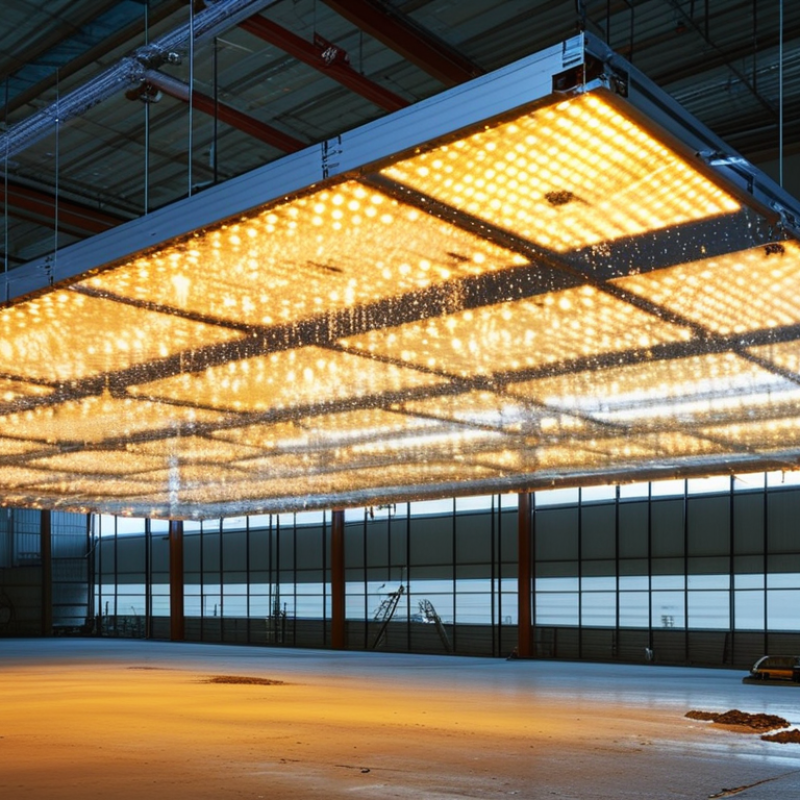
How to Clean and Maintain High Bay LED Fixtures
High-bay maintenance starts with risk assessment, not a cleaning cloth. In a warehouse, inspect lift access, falling-object hazards, hot surfaces, and exposed wiring. Shut off power before opening or touching a fixture. Use a stable platform and suitable protective equipment. I once focused on dusty lenses and overlooked a loose mounting bracket. That was a useful warning.
Check the fixture’s IP rating against its location. An IP rating indicates protection from solids and water, but it does not approve every cleaning method. A damp, dusty aisle may need different protection than a washdown area. Confirm the rating, installation instructions, and local electrical requirements. Never spray liquid directly onto the housing, lens, or connectors. Use a soft, dry cloth or a lightly dampened one, then allow the surface to dry fully.
A 50,000-hour L70 rating means the LEDs are expected to retain about 70% of their initial light output under stated conditions. It does not mean the fixture will run maintenance-free for 50,000 hours. Excess heat, blocked ventilation, voltage problems, and frequent contamination can shorten useful life. Inspect lenses, seals, thermal paths, drivers, and cable entries during scheduled visits. Measure light levels when possible. A bright-looking fixture may still deliver inadequate illumination. Record findings, even when the inspection seems routine. That record helps reveal gradual failures and supports safer replacement decisions.
| Maintenance Dimension | Typical Condition or Value | Recommended Action | Suggested Interval | Risk if Neglected |
|---|---|---|---|---|
| Cleaning and Inspection Program | ||||
| Visual inspection | Check for darkened LEDs, cracked lenses, loose fasteners, corrosion, water marks, and damaged wiring. | Inspect from floor level where possible, then use approved access equipment for closer examination. | Monthly in dusty or humid areas; quarterly in clean, dry areas | High |
| Lens and reflector cleaning | Dust, oil mist, and airborne fibers can reduce delivered light and increase thermal loading. | Switch off and isolate power. Wipe with a soft, lint-free cloth and a mild, non-abrasive cleaner. Do not use solvents, abrasive pads, or high-pressure spray unless specifically permitted. | Every 6–12 months; more often in heavy-dust environments | Medium |
| Heat-sink cleaning | Blocked fins or accumulated dust restrict heat dissipation and may shorten LED and driver life. | Remove loose dust with a soft brush or low-pressure dry air. Keep ventilation paths open. | Every 6–12 months | High |
| Mounting and suspension hardware | Vibration, thermal cycling, or corrosion can loosen brackets, chains, eye bolts, and safety cables. | Verify tightness and inspect for deformation or corrosion. Follow the fixture manufacturer’s torque requirements. | Quarterly and after unusual vibration or impact | High |
| Electrical connections | Loose terminals, damaged insulation, or moisture ingress may cause overheating, flicker, or arcing. | Qualified personnel should isolate power and inspect terminals, glands, conduit, and junction boxes. | Annually or according to the site electrical safety program | High |
| Light-output verification | A noticeable drop in illumination may indicate dirt, driver aging, thermal stress, or LED degradation. | Compare readings at consistent locations and conditions using a calibrated light meter. | Annually and after major maintenance | Medium |
| High-Bay Risk Assessment | ||||
| Working at height | Fixtures are commonly installed above production floors, aisles, or storage racks. | Use a documented fall-protection plan, suitable access equipment, exclusion zones, and trained personnel. | Before every access task | High |
| Electrical shock and arc risk | LED fixtures may remain connected to mains voltage even when the light is switched off. | Apply lockout/tagout, verify absence of voltage, and use qualified electrical workers. | Before cleaning, repair, or disassembly | High |
| Dust or combustible-material exposure | Dust accumulation can reduce cooling performance; certain combustible dusts may require specially certified equipment. | Assess the area classification and use only fixtures approved for the relevant hazardous location where required. | During facility risk reviews and after process changes | High |
| Moisture and chemical exposure | Wash-down, condensation, humidity, oils, and corrosive vapors can damage seals, lenses, and electrical components. | Confirm the enclosure rating and chemical compatibility. Inspect gaskets and cable entries for deterioration. | Monthly in wet or corrosive areas | Medium |
| IP Rating Selection and Maintenance Meaning | ||||
| IP20 | Protected against solid objects larger than 12.5 mm; no stated protection against water. | Suitable only for clean, dry indoor locations where splashing and dust are controlled. | Keep dry; inspect for dust ingress | High in wet or dusty areas |
| IP54 | Dust-protected and protected against water splashing from any direction. | Suitable for moderate indoor dust and occasional splash exposure, provided cleaning methods do not exceed the rating. | Inspect seals and glands during routine cleaning | Medium |
| IP65 | and protected against water jets from any direction. | Common choice for dusty industrial spaces. Do not assume it is suitable for immersion or every chemical wash-down process. | Inspect after wash-down or high-pressure cleaning | Medium |
| IP66 | Dust-tight and protected against powerful water jets. | Appropriate for more demanding wash-down conditions when the complete fixture and installation are rated accordingly. | Check seals, cable glands, and drain paths after cleaning | Low when correctly installed |
| IP67 | Dust-tight and protected against temporary immersion under the specified test conditions. | Useful where temporary flooding or immersion is possible; it does not automatically indicate suitability for continuous underwater use. | Inspect immediately after immersion or flooding | Medium |
| 50,000-Hour L70 Life Planning | ||||
| L70 rating | Approximately 50,000 operating hours means the LED light output is expected to remain at about 70% of its initial level under defined test conditions. | Use the rating for maintenance planning, not as a guarantee that every component will operate for exactly 50,000 hours. | Review performance annually | Medium |
| 12 operating hours per day | 50,000 hours ÷ 4,380 hours per year = approximately 11.4 years. | Plan condition checks before the estimated L70 point and monitor actual illumination. | Begin enhanced review after year 8–9 | Low with scheduled monitoring |
| 16 operating hours per day | 50,000 hours ÷ 5,840 hours per year = approximately 8.6 years. | Include driver condition, heat-sink cleanliness, and light-level testing in the replacement strategy. | Begin enhanced review after year 6–7 | Medium |
| 24 operating hours per day | 50,000 hours ÷ 8,760 hours per year = approximately 5.7 years. | Use preventive inspections and budget for phased replacement before critical light levels are reached. | Begin enhanced review after year 4–5 | Medium |
| Thermal operating conditions | High ambient temperature, blocked heat sinks, poor airflow, and frequent cycling can reduce practical service life. | Maintain clear heat-dissipation surfaces, verify operating temperature limits, and correct abnormal flicker or discoloration promptly. | At every scheduled inspection | High |
| Planning note: IP codes are based on enclosure protection classifications under IEC 60529. Actual cleaning chemicals, water pressure, ambient temperature, hazardous-area requirements, and maintenance intervals must be verified against the fixture installation instructions and site safety procedures. | ||||
: Notify affected workers and shut down every energy source. Apply lockout/tagout procedures. Isolate the disconnect and attach a personal lock and tag. Never trust a wall switch alone. Test for zero voltage with properly rated equipment.
Inspect the lift before use. Use required fall protection. Keep workers away from the area below the fixture. Check the floor for tools, cables, and wet spots. Small oversights can matter.
Use a dry microfiber cloth or a vacuum with a soft brush. Brush across heat-sink fins, not against them. Avoid scraping the lens. Do not use compressed air near seals, connectors, or electrical openings. Dust can move deeper.
Use a lightly damp cloth with mild detergent. Keep liquid away from drivers, wiring, seals, and ventilation openings. Dry the fixture carefully afterward. Never spray liquid directly onto the housing. That shortcut deserves reconsideration.
Match cleaning frequency to the surrounding environment. Inspect dusty warehouses about every three months. Record lens clarity, visible dust, and floor-level light readings. Compare readings after cleaning. One schedule may not fit every area.
Inspect lenses, housings, cooling fins, drivers, wiring, seals, and mounting hardware. Look for dark marks, bulging parts, loose terminals, and cracked casings. Check for brittle insulation, exposed copper, or corrosion. Record photographs, dates, and measured temperatures when possible.
Flattened, cracked, brittle, or gapped seals can allow moisture inside. Condensation may indicate seal failure, temperature cycling, or installation stress. Check cable glands and entry points for alignment and tightness. Do not assume cleaning fixed the issue.
Inspect the work area and reinstall all guards. Confirm every worker is clear before restoring energy. Authorized personnel should remove their own locks, except under documented procedures. Perform a functional check afterward. Watch for flicker, delayed startup, or unusual noise. Document problems, even when the light still works.
This guide explains how to clean and maintain high bay led fixtures safely and effectively in demanding industrial, warehouse, and commercial environments. Begin by assessing elevated-work risks, environmental conditions, and the fixture’s IP rating before starting. Review the expected 50,000-hour L70 LED life, then follow OSHA 1910.147 lockout/tagout procedures to isolate electrical power and prevent accidental energization during maintenance.
Use dry, low-pressure air, a soft brush, or a clean microfiber cloth to remove dust without scratching LED lenses or blocking heat sinks. During cleaning, inspect drivers, seals, connectors, and wiring for moisture intrusion, corrosion, looseness, or other IP65 protection failures. After reassembly, restore power according to site procedures and verify illumination levels, uniformity, and abnormal heat or flicker. For most facilities, schedule inspections and cleaning every 6–12 months, adjusting the interval based on dust, humidity, operating hours, and observed fixture performance.

 Lijah Light