In 2026, choosing anti-corrosive triproof lights requires more than checking brightness and price. Factories face moisture, dust, oil mist, cleaning chemicals, and temperature changes every day. A light may look sealed during installation, yet fail after months near a washdown area. Real operating conditions matter.
This guide explains why should factories switch to anti-corrosive triproof lights and how to compare products responsibly. Look beyond marketing labels. Check the IP rating, impact resistance, housing material, gasket quality, and tested corrosion performance. IP66 may suit dusty production zones, while harsher washdown areas may require stronger protection. However, ratings alone do not guarantee long service life. Installation quality remains important.
From practical lighting assessments, stainless steel clips, UV-resistant housings, and reliable thermal management can reduce maintenance interruptions. Efficient LEDs also lower energy use, but efficiency should be measured with the complete fixture. Examine lumen output, beam distribution, color temperature, flicker performance, and emergency-lighting compatibility. Factory workers need clear visibility around conveyors, storage racks, and inspection stations.
A careful buyer should request test reports, warranty terms, photometric data, and supplier support details. Certifications should be verified, not simply printed on a product page. Some specifications sound impressive but lack useful testing evidence. That deserves attention.
The best choice balances safety, durability, visibility, maintenance access, and total ownership cost. This article helps facility managers make that decision with practical criteria, honest comparisons, and room for reconsideration when site conditions change.
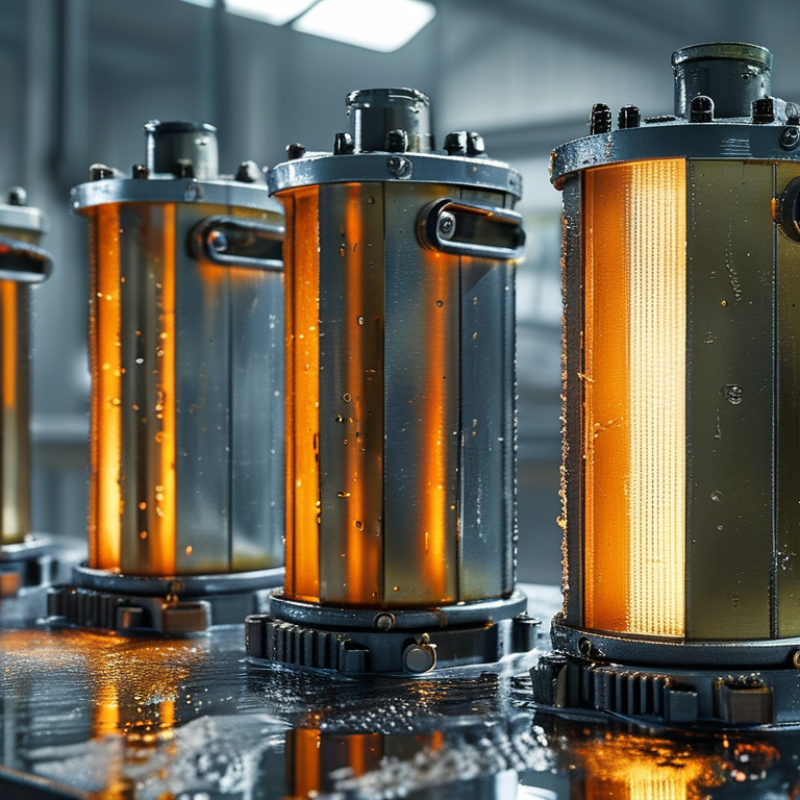
Anti-corrosive triproof lights are sealed LED fixtures designed for harsh, damp, dusty, and chemically active environments. “Triproof” usually means protection against dust, water, and corrosion. Many models also resist impact. Their housings commonly use polycarbonate or ABS, with silicone gaskets and stainless-steel clips. These details matter in car parks, food-processing rooms, tunnels, warehouses, and coastal facilities.
An IP65 or IP66 rating, tested under IEC 60529, shows strong dust and water protection. It does not automatically prove corrosion resistance. For impact protection, look for an IK08 rating under IEC 62262. Corrosion performance should include material information and salt-spray or cyclic-corrosion test results, such as ISO 9227 testing. The U.S. Department of Energy reports that LED lighting can use at least 75% less energy and last up to 25 times longer than incandescent lighting. Still, poor sealing can shorten that advantage.
Tips: Match the fixture to the site’s corrosivity level, not only its IP rating. Check gasket quality, mounting clips, cable glands, and cleaning chemicals. In coastal areas, request test evidence for salt exposure. A higher IP number is not automatically better. That assumption is easy to make, and often wrong. Inspect one installed sample after several months; real humidity can reveal weaknesses that brochures miss.
Anti-corrosive triproof lighting is essential where moisture, chemicals, salt, or airborne pollutants attack electrical fixtures.
Coastal warehouses face salt mist, especially near loading doors and open storage areas. Seawater residue can collect on lenses, screws, and cable glands. Standard waterproof lighting may still corrode quickly.
Wastewater plants need stronger protection. Hydrogen sulfide, constant humidity, and cleaning chemicals can damage metal housings and internal terminals.
Food-processing rooms also require careful selection because hot water, detergents, and frequent washdowns create harsh conditions.
In these areas, choose fixtures with sealed joints, corrosion-resistant materials, and suitable IP and impact ratings. IP66 may resist powerful water jets, but it does not automatically prove chemical resistance.
Agricultural buildings present another overlooked risk. Ammonia from livestock waste can attack weak coatings, while dust enters through poorly fitted connectors.
Underground garages, tunnels, and cold-storage rooms also benefit from anti-corrosive triproof designs. Temperature changes can create condensation inside low-quality fixtures.
Check the operating temperature, gasket material, mounting hardware, and cable entry design before installation.
A practical inspection should examine nearby chemicals, cleaning routines, salt exposure, and ventilation. Do not rely on appearance alone. A bright fixture can still hide damaged terminals.
No fixture is maintenance-free. I have seen specifications look suitable, yet installation details caused early corrosion. That is why site conditions deserve more attention than product labels.
Choosing anti-corrosive triproof lights in 2026 starts with the environment, not the product photograph. In a coastal loading bay, salt mist can attack exposed metal within months. I look for sealed housings made from UV-stable polycarbonate, powder-coated aluminum, or 316 stainless steel. Each material has trade-offs. Polycarbonate resists impact and stays light. Aluminum manages heat better, but damaged coatings can invite corrosion. Stainless steel performs well near saltwater, although it costs more and adds weight. Do not trust “rustproof” alone.
Protection ratings need careful comparison. IP65 blocks dust and water jets, while IP66 handles stronger jets. IP67 adds temporary immersion protection, but it does not automatically prove better daily sealing. For washdown areas, IP69K may matter. Check the test conditions and certification documents. An IK08 or IK10 impact rating helps where carts, tools, or low ceilings create hazards. A high rating is useful only when the enclosure, cable glands, and connectors share that protection. Test numbers can mislead.
Durability depends on details often missed during purchasing. Inspect gasket quality, screw material, lens thickness, drainage design, and driver temperature limits. During field inspections, I have seen loose end caps and brittle seals appear before LED failure. Ask for salt-spray results, thermal cycling data, and expected operating hours. Claims can be vague. I would compare maintenance records from similar sites, not just laboratory figures. Every rating reflects a test, not the exact dust, chemicals, vibration, and cleaning routine at your facility. That uncertainty deserves attention.
| Housing Material | Typical Corrosion Resistance | Recommended Protection Rating | Typical Impact Rating | Expected LED System Life | Best Applications | Main Limitations |
|---|---|---|---|---|---|---|
| Polycarbonate (PC) | High resistance to moisture, salts, and many common cleaning chemicals; does not rust. | IP65–IP66 | IK08–IK10 | Typically 50,000–100,000 hours, depending on LED temperature, driver quality, and operating conditions. | Parking areas, food-processing zones, warehouses, tunnels, wash-down areas, and coastal locations. | Can scratch or discolor under prolonged ultraviolet exposure if the formulation or UV protection is inadequate; thermal expansion is higher than metal. |
| Fiberglass-Reinforced Polyester (GRP/FRP) | Very high resistance to salt spray, humidity, acids, and many industrial chemicals. | IP65–IP66 | IK08–IK10 | Typically 50,000–100,000 hours for the LED system when thermal management is properly designed. | Chemical plants, wastewater facilities, marine infrastructure, fertilizer storage, and aggressive industrial environments. | May become brittle or chalky after long-term UV exposure if not UV-stabilized; surface finish can be less uniform than molded plastic or metal. |
| Powder-Coated Aluminum | Medium to high resistance when the coating is intact; exposed cuts, scratches, and dissimilar-metal joints require protection. | IP65–IP66 | IK08–IK10 | Typically 50,000–100,000 hours, subject to LED junction temperature and driver reliability. | General industrial buildings, commercial facilities, transport areas, and applications requiring good heat dissipation. | Chlorides and industrial pollutants can attack damaged coatings; galvanic corrosion may occur when incompatible metals contact each other in a wet environment. |
| Stainless Steel 304 | Good resistance in humid indoor and mildly corrosive environments; less suitable for high-chloride exposure. | IP65–IP66 | IK08–IK10 | Typically 50,000–100,000 hours for the LED system with suitable thermal design. | Commercial kitchens, indoor processing areas, warehouses, and general industrial facilities. | May develop pitting or tea staining in coastal, marine, or high-chloride environments; cleaning residues can accelerate surface corrosion. |
| Stainless Steel 316/316L | Very high resistance to chlorides and marine atmospheres because of its molybdenum content. | IP66–IP69K | IK08–IK10 | Typically 50,000–100,000 hours for the LED system; the enclosure can provide a long service life when correctly maintained. | Coastal sites, marine terminals, food and beverage plants, chemical facilities, and frequent high-pressure wash-down areas. | Higher material cost and weight; stainless steel grade alone does not guarantee corrosion resistance if welds, fasteners, seals, or drainage are poorly designed. |
Choosing anti-corrosive triproof lights in 2026 requires more than comparing lumen figures. Start with the working surface, mounting height, and task requirements. A warehouse aisle may need focused illumination, while a loading bay needs wider coverage. Use a calibrated lux meter where possible. Lumen ratings alone can mislead.
For light output, estimate the required lux, then allow for dirt, aging, and wall reflectance. In corrosive areas, salt deposits or chemical mist can reduce useful brightness. A practical maintenance factor helps prevent early underlighting. I have seen bright fixtures perform poorly when installed too high. That mistake is easy to overlook.
Color temperature also affects comfort and visibility. Around 4000K often provides balanced, neutral light for factories and storage rooms. Cooler 5000K light can improve visual contrast, but it may feel harsh in offices or inspection areas. Check color rendering when workers inspect labels, wiring, or surface defects. A CRI above 80 is commonly suitable, though critical color checks may need more. Beam angle should match the layout. Narrow beams suit high ceilings and long aisles. Wide beams reduce dark gaps between fixtures. Overlapping beams are useful, but excessive overlap wastes energy. Review the photometric file, not only the product image. Small layout changes can alter the result.
Choosing anti-corrosive triproof lights starts with the installation environment. Measure humidity, salt exposure, dust, and chemical vapors before selecting a housing. For coastal sites, sealed enclosures and corrosion-resistant fasteners matter more than appearance. Check the required IP rating, operating temperature, and mounting method against local electrical standards. A qualified electrician should verify the circuit and isolate power before work begins.
One detail is easy to miss. Keep the fitting level, so water cannot collect around the end caps. Use the supplied cable glands, tighten them firmly, and avoid bending cables sharply near the entry point. Stainless-steel screws can reduce rust, but incompatible metals may still cause galvanic corrosion. Leave enough clearance for heat dissipation. Do not cover the fixture with insulation or sealant unless the instructions specifically allow it. I once saw a sealed light fail because a cable gland was tightened unevenly.
Maintenance should follow the site conditions, not a convenient calendar. Inspect harsh industrial areas every three months and check for cracked lenses, loose brackets, damaged gaskets, or white corrosion marks. Clean dust and salt with a soft cloth, clean water, and mild detergent. Avoid abrasive pads and high-pressure spraying. After cleaning, inspect condensation inside the housing. Persistent moisture suggests a failed seal or blocked drainage path. Record each inspection, including the date, visible damage, and electrical test results. Small defects become expensive when ignored.
The chart shows practical starting intervals for inspection and cleaning. Dry indoor locations may be checked annually, while humid, coastal, industrial, and washdown environments require more frequent attention. Choose a fixture with at least IP65 protection for dust and water jets, corrosion-resistant hardware, sealed cable entries, and chemically compatible gaskets. During installation, isolate power, avoid damaging the sealing surfaces, tighten cable glands correctly, and prevent direct contact between dissimilar metals. Adjust the maintenance interval after the first inspection according to actual corrosion, dust, moisture, and chemical exposure.
Planning guidance only; verify the required IP rating and installation method against IEC 60529, local electrical codes, and the site environment.
: They are sealed LED fixtures for damp, dusty, corrosive, and demanding environments. Common uses include car parks, tunnels, warehouses, and coastal facilities. Sealing matters most.
It usually means protection from dust, water, and corrosion. Many fixtures also resist impacts from carts, tools, or low ceilings. The exact protection depends on testing and construction details.
No. IP65 and IP66 mainly describe dust and water protection. They do not automatically confirm resistance to salt or chemical corrosion. Ask for material details and corrosion-test evidence.
UV-stable polycarbonate is light and impact-resistant. Aluminum manages heat well, but damaged coatings may expose it to corrosion. 316 stainless steel performs well near saltwater, although it costs more. “Rustproof” alone is not enough.
IP65 resists water jets, while IP66 handles stronger jets. IP67 adds temporary immersion protection, but not necessarily better daily sealing. IP69K may suit demanding washdown areas. Ratings can mislead.
Check gaskets, cable glands, clips, screws, lens thickness, and drainage design. An IK08 or IK10 rating helps where impacts may occur. Every component should support the claimed enclosure protection. One weak gland can undermine everything.
A qualified electrician should isolate power and verify the circuit. Keep the fixture level, preventing water from collecting near end caps. Use the supplied cable glands and avoid sharp cable bends. Leave clearance for heat dissipation. Small flaws grow.
Inspect harsh industrial areas every three months. Look for cracked lenses, loose brackets, damaged gaskets, and white corrosion marks. Clean with a soft cloth, clean water, and mild detergent. Avoid abrasive pads and high-pressure spraying.
Persistent condensation may indicate a failed gasket or blocked drainage path. Stop assuming the fixture is fully sealed. Record the inspection date, visible damage, and electrical test results. Inspect one installed sample after several months, because real humidity may expose weaknesses.
Anti-corrosive triproof lights are sealed, durable fixtures designed to resist moisture, dust, chemicals, impact, and corrosion in demanding environments. They are especially suitable for factories, warehouses, food-processing areas, parking facilities, tunnels, workshops, and coastal or high-humidity locations. When selecting a fixture, compare housing materials, sealing quality, IP and IK protection ratings, operating temperature, service life, and resistance to cleaning agents or industrial vapors. These factors help answer why should factories switch to anti-corrosive triproof lights: they can improve lighting reliability, reduce maintenance interruptions, and provide safer, more consistent illumination.
The right model should also match the space’s required lumen output, color temperature, color rendering, and beam angle. Consider ceiling height, work activities, glare control, and energy efficiency before installation. Proper mounting, secure wiring, adequate spacing, and correct sealing are essential for long-term performance. Regular cleaning, inspection of seals and connections, and timely replacement of damaged components will help maintain protection and lighting quality throughout the fixture’s service life.

Lijah Light