How to Retrofit Metal Halide High Bays to LED in 5 Easy Steps?

Time:2026-07-18 Author:Aria
0%

Retrofitting metal halide high bays to LED lighting is a crucial step for many businesses. This transition not only improves energy efficiency but also enhances lighting quality. Experts like John Smith, a lighting specialist at BrightFuture, emphasize the benefits of this process. He states, "Switching to LED can reduce energy costs by up to 75%."

Understanding how to retrofit metal halide high bays to LED involves several considerations. First, assessing the current fixtures is vital. The right LEDs must match the ballast and fixture types. Additionally, new lighting can significantly alter the space's atmosphere.

While retrofitting can seem straightforward, challenges may arise. For example, ensuring proper installation is key to achieving optimal performance. A hasty installation could lead to flickering lights or inadequate brightness. Addressing these potential issues early can save time and resources. In conclusion, a thoughtful approach is essential for a successful retrofit.
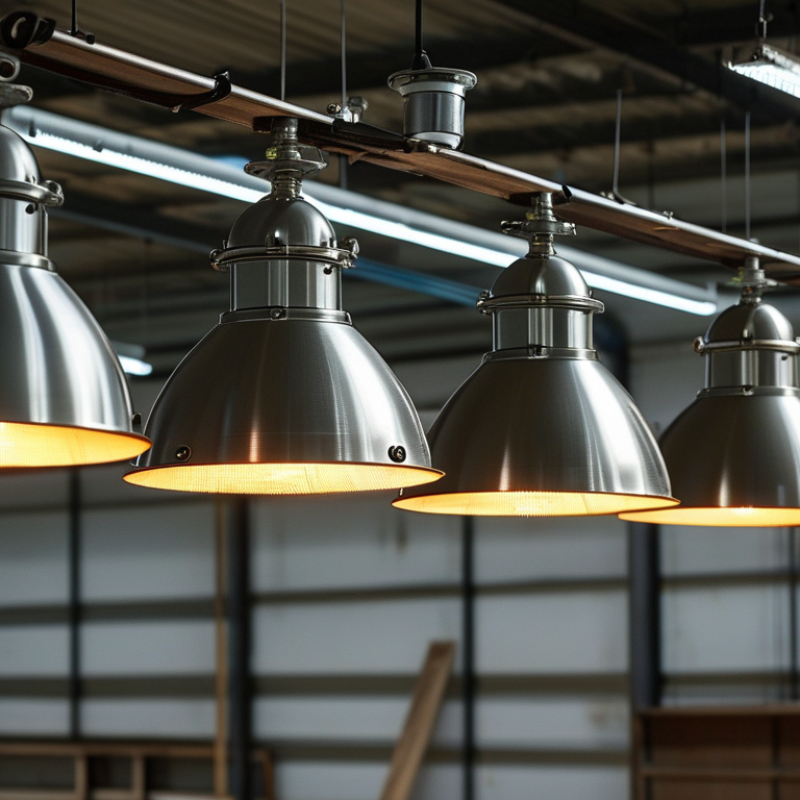
How to Retrofit Metal Halide High Bays to LED in 5 Easy Steps?

Understanding Metal Halide High Bays and LED Technology

Metal halide high bays are commonly used in industrial and commercial spaces. They offer strong illumination but come with several drawbacks. Their energy consumption is high, and they produce significant heat. The frequent need for bulb replacements can be a burden. This highlights the demand for more efficient lighting solutions.

LED technology presents an advantageous alternative. LEDs are energy-efficient and have a longer lifespan compared to metal halide bulbs. They produce less heat, which helps reduce cooling costs. Furthermore, LED systems provide better control over light output, allowing for customized illumination.

However, transitioning to LEDs is not without challenges. Some facilities may face compatibility issues with existing fixtures. This can lead to inefficiencies if not addressed properly. Keeping in mind the limitations of both technologies is essential for making informed decisions. The shift to LED should bear in mind the potential need for different wiring or drivers. Each step in the retrofit process requires careful planning and execution for successful implementation.

Assessing the Current Lighting Setup and Requirements

When considering a retrofit from metal halide high bays to LED, the first step is to evaluate your current lighting setup. Check how many fixtures you have. Take note of their wattage and the existing layout. This will help you understand the coverage area. Assess whether the brightness levels meet your needs. If areas appear dim, it’s crucial to identify where improvements are necessary.

Next, consider the specific requirements for your space. Different environments, such as warehouses or retail shops, can have varying lighting needs. Which tasks will be performed under these lights? Are there any seasonal considerations? Conducting a light level measurement will guide you. It’s important to remember that some fixtures might require more power than others. Keep this in mind as you evaluate your options. Consider potential obstacles, such as mounting heights, that could affect light distribution. Reflect on how these factors play a role in your final decision.

How to Retrofit Metal Halide High Bays to LED in 5 Easy Steps

Step Description Tools Required Estimated Time
1 Evaluate the existing metal halide setup and identify the total number of fixtures. Tape measure, Ladder 1 hour
2 Determine the necessary LED replacement wattage based on the lumen requirements. Calculator, Specification sheets 30 minutes
3 Select suitable LED high bay fixtures that meet the specifications. Internet, Product catalog 2 hours
4 Remove the existing metal halide fixtures safely. Wrench set, Safety goggles 1 hour
5 Install the new LED fixtures and ensure proper connections. Screwdriver, Voltage tester 2 hours

Choosing the Right LED Retrofit Kit for Your Needs

When considering retrofitting metal halide high bays to LED, selecting the right retrofit kit is crucial. LED options vary widely, and making an informed choice can significantly affect lighting performance and energy savings. Look for kits that fit your specific high bay fixture and meet your lighting needs.

When assessing a retrofit kit, check the lumens output. A common mistake is to overlook this detail. Brightness should match or exceed existing high bay lights. Pay attention to color temperature as well. A cooler temperature can enhance visibility in work environments, while warmer temperatures create a cozy atmosphere.

Tips: Always consult professionals for installation advice. Test lighting options in your space before committing. This helps avoid issues with insufficient lighting or mismatched aesthetics. Consider energy efficiency ratings too. Higher ratings lead to substantial long-term savings.

Choosing the right kit requires careful thought. Reflect on your workspace’s needs and the types of tasks being performed. This may guide you in selecting an appropriate lighting solution. Don’t rush the decision; take time to compare features and benefits from multiple sources.

LED Retrofit Kit Efficiency Comparison

Step-by-Step Installation Process for LED Retrofits

The shift from metal halide high bays to LED lighting involves a clear installation process. LEDs offer numerous benefits, including energy savings of up to 75%, reducing lighting costs significantly. Older metal halide lamps consume around 400 watts, while LED retrofits typically require just 100 watts. This change can lead to observable reductions in energy bills.

When considering a retrofit, ensure compatibility with existing fixtures. Many LED retrofits fit standard high bay designs. Remove the old fixture first, disconnect wiring, and secure the new LED fixture to avoid awkward positions during installation. Some installations may require new wiring or adjustment of the mounting hardware.

Tips: Always wear proper protective equipment during installation. This can prevent injuries and ensure a smoother process. Be mindful of fixture placement; central locations yield better light distribution. Regular maintenance checks on the lighting performance will help identify any issues early, ensuring reliability.

Be aware that retrofitting may not work for every scenario. Some ceilings might demand additional support for heavier LED units. It's wise to evaluate the structural integrity of your building before proceeding to avoid unexpected challenges. Don’t rush through inspections; overlooking details now could lead to costly adjustments later.

Ensuring Safety and Efficiency After Installation

When retrofitting metal halide high bays to LED, safety and efficiency must remain top priorities. Before starting, ensure all fixtures are de-energized. This prevents any unexpected shocks during installation. Double-check the compatibility of your LED retrofits with existing fixtures. Using the wrong type can not only void warranties but also lead to potential hazards.

During installation, maintain proper ventilation. Some LED kits may generate heat, though less than metal halide. Heat management remains crucial to ensure efficiency and longevity. It's important to allow enough space for air circulation. After the installation, run tests to check for any flickering or inconsistent light output. This might indicate poor connections or other inefficiencies.

Consider the operation environment as well. In warehouses or large spaces, the distribution of light can dramatically affect safety. Inadequate lighting can lead to accidents. Conduct a lighting audit after installation to spotlight any dark areas. This simple step can greatly enhance workplace safety. Regular maintenance checks are essential to ensure ongoing efficiency and to address any issues that may arise over time.

FAQS

: What are metal halide high bays, and where are they used?

: Metal halide high bays provide strong illumination and are often found in industrial and commercial spaces.

What are the downsides of metal halide high bays?

They consume a lot of energy and produce significant heat. Frequent bulb replacements can also be a hassle.

Why consider switching to LED technology?

LEDs are energy-efficient and last longer than metal halide bulbs. They produce less heat, saving on cooling costs.

What are the challenges of transitioning to LEDs?

Compatibility issues with existing fixtures may arise, which can lead to inefficiencies if not addressed properly.

How should I assess my current lighting setup before retrofitting?

Evaluate the number of fixtures, wattage, and layout. Ensure the brightness levels meet your needs, especially in dim areas.

What factors should I consider when determining lighting requirements?

Consider the environment type, tasks performed under lights, and any seasonal needs that may affect brightness.

How can I measure light levels effectively?

Conduct a light level measurement to understand coverage and where improvements are necessary for different zones.

Are there any obstacles that might affect light distribution?

Yes, mounting heights and other obstacles can impact how well light is distributed in your space.

Is it important to plan the retrofit process carefully?

Yes, careful planning is crucial. Different wiring or drivers may be needed, and each step requires execution precision.

What should I reflect on regarding lighting decisions?

Evaluate the limitations of each technology and consider how they tie into your specific operational needs and goals.

Conclusion

The article "How to Retrofit Metal Halide High Bays to LED in 5 Easy Steps" provides a comprehensive guide for those looking to transition from traditional metal halide lighting to more efficient LED systems. It begins by explaining the fundamental differences between metal halide high bays and LED technology, helping readers understand the advantages of switching to LED. The next sections focus on assessing the current lighting setup and identifying specific requirements, ensuring that the retrofit meets the necessary criteria for optimal performance.

Choosing the right LED retrofit kit is crucial, as this determines the success of the installation. The article outlines a step-by-step installation process that simplifies the transition, ensuring that even those with minimal experience can effectively complete the retrofit. Finally, it emphasizes the importance of safety and efficiency post-installation, providing tips to maintain the longevity and performance of the new lighting system. Overall, this article is an essential resource for anyone looking to learn how to retrofit metal halide high bays to LED efficiently and safely.

Aria

Aria

Aria is a dedicated marketing professional with a deep passion for innovative strategies and a keen understanding of our company's product offerings. With a wealth of experience in the industry, Aria excels at crafting engaging content that highlights the unique features and benefits of our......