High-reliability luminous solutions engineered for global commercial facilities, outdoor venues, and municipal infrastructure projects.
The paradigm shift toward green energy, smart city integration, and lowered operational overhead.
In modern industrial and commercial operations, parking lot lighting is no longer just a regulatory safety checkbox; it is a critical asset that influences energy profiles, liability management, and corporate carbon accounting. Across the Americas, Europe, and Asia-Pacific, corporate campuses, logistics hubs, shopping malls, and municipal garages are transitioning to ultra-efficient solid-state lighting systems. This global shift is driven by strict decarbonization targets (like the EU's Green Deal and local Net-Zero mandates) alongside the pressing need to reduce Total Cost of Ownership (TCO).
Legacy systems—such as metal halide (MH), high-pressure sodium (HPS), and mercury vapor lamps—represent heavy, inefficient operational burdens. They suffer from high lumen depreciation, require regular maintenance, and lack responsiveness. In contrast, modern industrial LED parking lot lights offer system efficacies exceeding 150 lm/W. They also provide precise photometric distribution, minimizing light pollution while maximizing ground illumination uniformity. This guarantees enhanced safety, reduced crime rates, and minimized physical liability risk for facility operators.
How B2B procurement managers, MEP engineering consultants, and global contractors source LED fixtures.
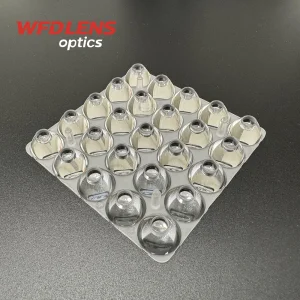
Fixtures must offer specialized Type III, Type IV, or Type V light distributions using high-grade optical polycarbonate lenses. Proper beam angles ensure maximum lateral spread in driveways and uniform forward-throw projection without spill light.
High-grade ADC12 die-cast aluminum housing act as efficient heat sinks, keeping LED junction temperatures below 75°C. Combined with premium Inventronics or MeanWell drivers, these fixtures guarantee over 50,000 hours of continuous service.
Outdoor lighting is exposed to voltage fluctuations and lightning strikes. Industrial procurement requires integrated 10kV to 20kV surge protection devices (SPDs) to prevent driver failure and maintain high system reliability.
Adapting lighting systems to municipal codes, dark-sky initiatives, and interconnected urban frameworks.
Industrial developments demand structural compatibility across multiple systems. Modern LED parking lot lights are engineered to integrate seamlessly with smart city protocols via standard NEMA 3-pin, 5-pin, or 7-pin receptacles. By using wireless communication nodes (such as Zigbee, LoRaWAN, or cellular NB-IoT), facility managers can dynamically adjust dimming levels, monitor active power metrics, and receive instant outage alerts through centralized asset management platforms.
Additionally, regulatory focus on ecological preservation has popularized the "Dark Sky Compliance" initiative. Top-tier manufacturers design fixtures that maintain a Uplight rating of zero (U0 in the BUG scale), ensuring zero light is wasted upwards. This design eliminates urban sky glow, protects native nocturnal wildlife, and conforms to local environmental zoning laws without compromising on-ground safety parameters.
Innovations defining the next decade: from advanced materials to multi-sensor edge computing nodes.
In the near future, parking lot luminaires will evolve from simple light fixtures into primary nodes for IoT data collection. By integrating microwave motion detection, ambient daylight sensing, and vehicle license plate recognition sensors, outdoor fixtures will dynamically alter lighting zones, track parking space availability, and bolster security networks at the edge.
Chip-scale package (CSP) LED chips and next-gen silicon carbide-based packaging technologies allow for extremely dense lumen outputs from smaller form factors. This enables sleeker, more aerodynamic luminaire shapes, reducing wind load resistance (EPA values) and structural requirements for mounting poles.
As battery storage chemistry migrates to highly stable Lithium Iron Phosphate (LiFePO4) systems, solar-grid hybrid systems are becoming standard. These systems draw power from solar-charged batteries during off-peak hours and pull from the grid only when backup energy reserves run low, securing an uninterrupted power source.
Guangdong Lijah Light Co., Ltd. is a professional manufacturer specializing in the research, development, production, sales, and service of modern, energy-efficient, and intelligent LED lighting solutions. As a technology-driven enterprise, we are committed to providing innovative, reliable, and sustainable lighting products for industrial, commercial, and outdoor applications worldwide.
With years of industry experience, Lijah Light has become a trusted partner for distributors, wholesalers, contractors, and project developers across Europe, Oceania, Southeast Asia, the Middle East, and other international markets. By combining advanced manufacturing technologies with continuous product innovation, we provide customers with high-quality lighting solutions that deliver outstanding performance, long service life, and significant energy savings.
Innovation is the driving force behind our continued growth. Our experienced R&D team works closely with our engineering, marketing, and sales departments to develop advanced lighting solutions that meet the evolving demands of the global market. Through continuous investment in product development and technological innovation, we are able to introduce efficient, reliable, and intelligent lighting products that create greater value for our customers.
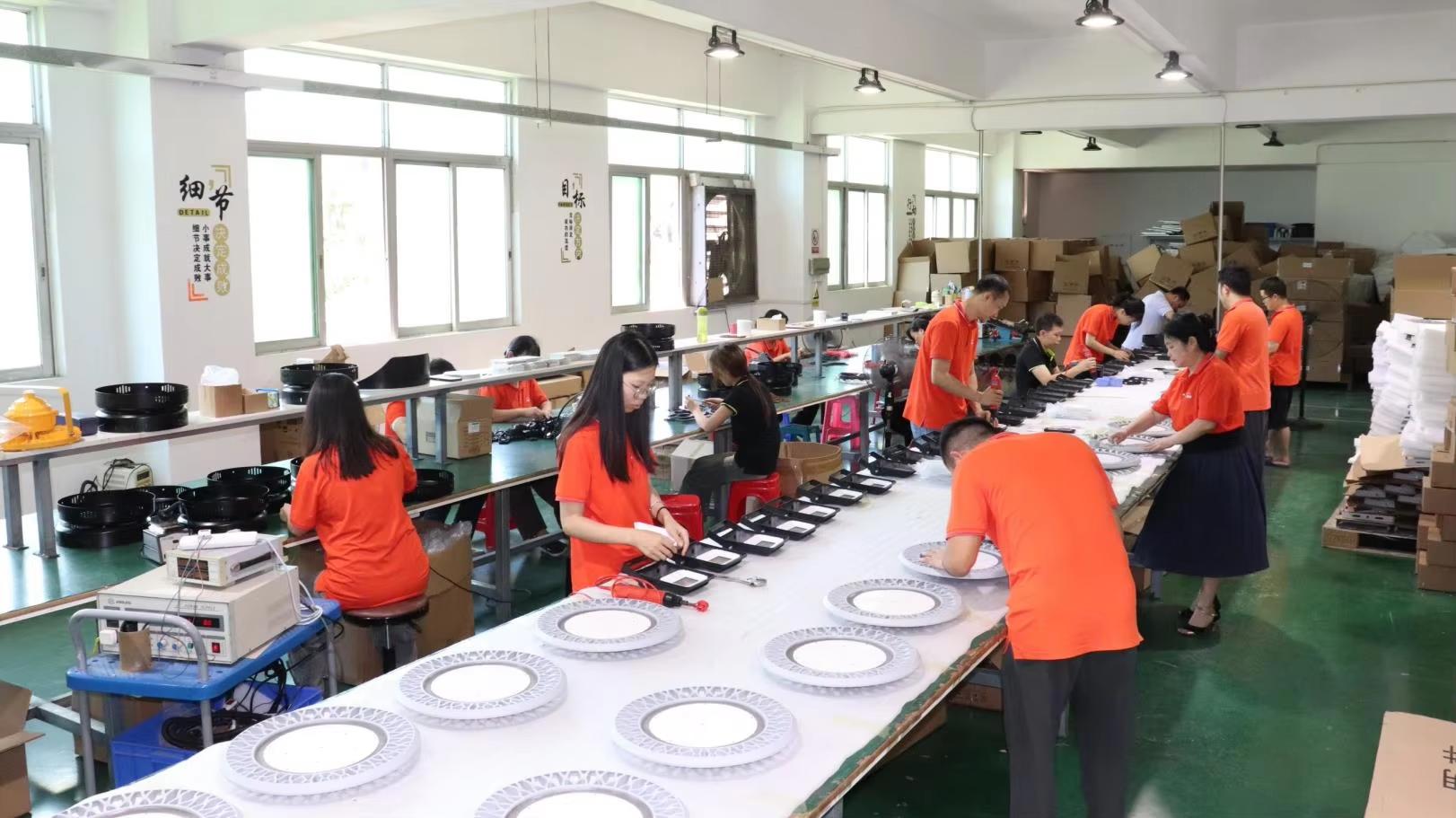
Quality is one of our core values. Our manufacturing processes are carried out under a strict quality management system to ensure every product consistently meets international standards. Our LED lighting products comply with CE and RoHS requirements, while many of our key products have also obtained internationally recognized certifications including TÜV, ENEC, VDE, SAA, C-Tick, CB, LM79, and LM80. These certifications demonstrate our commitment to product safety, environmental responsibility, and manufacturing excellence.
In addition to supplying high-quality LED lighting products, Guangdong Lijah Light provides professional lighting design support through DIALux simulation services. Our experienced engineers assist customers in optimizing lighting layouts, improving energy efficiency, and selecting the most suitable lighting solutions for industrial, commercial, and outdoor projects, helping to reduce installation costs while maximizing lighting performance.
Driven by continuous innovation and a commitment to excellence, Guangdong Lijah Light Co., Ltd. is dedicated to becoming a globally recognized brand in industrial and commercial LED lighting. We will continue to develop smarter, greener, and more energy-efficient lighting solutions that help customers reduce energy consumption, improve operational efficiency, and create safer, more sustainable environments for the future.
Guangdong Lijah Light Co., Ltd. — Lighting the Future with Innovation, Quality and Reliability.
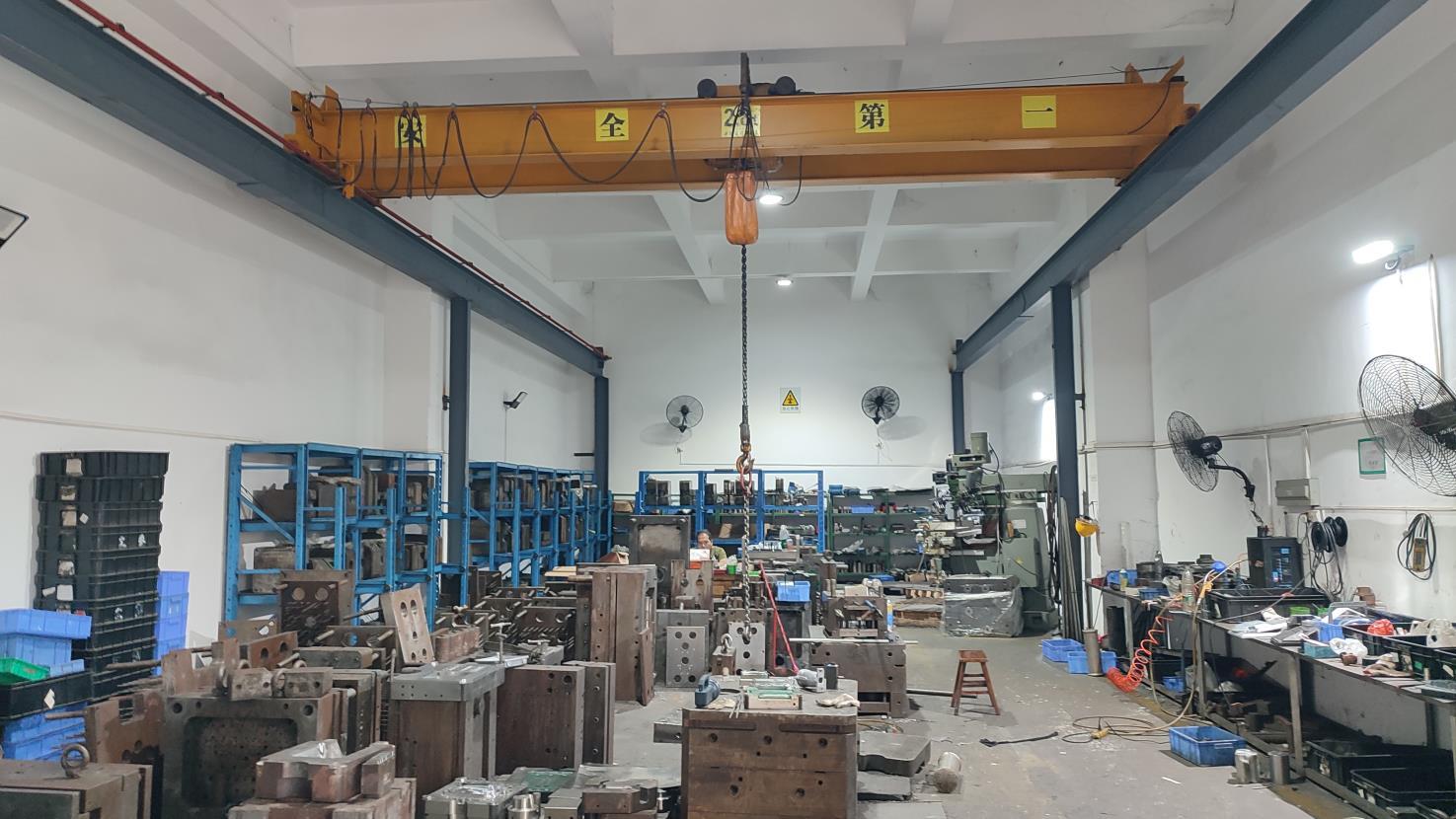
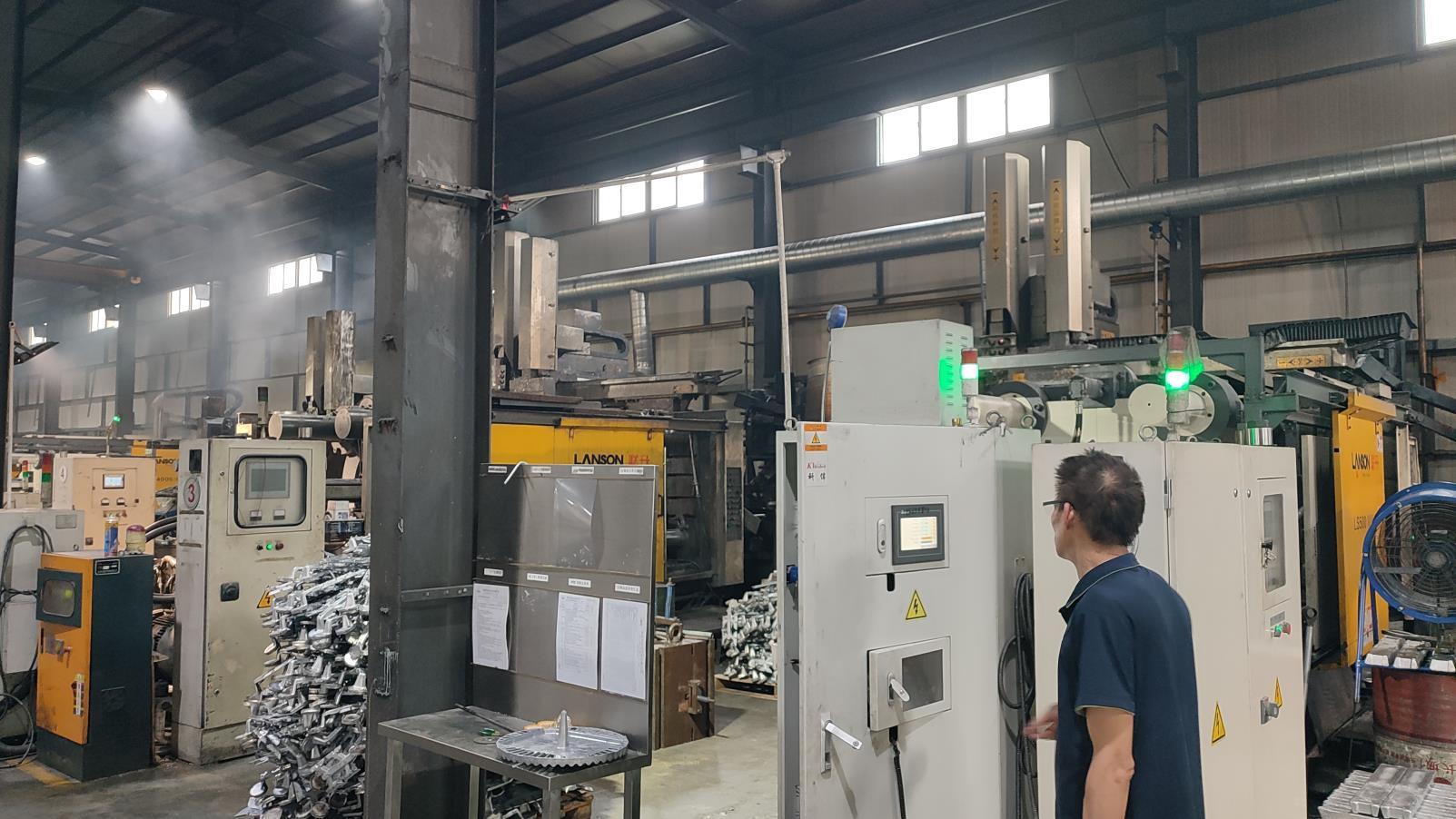
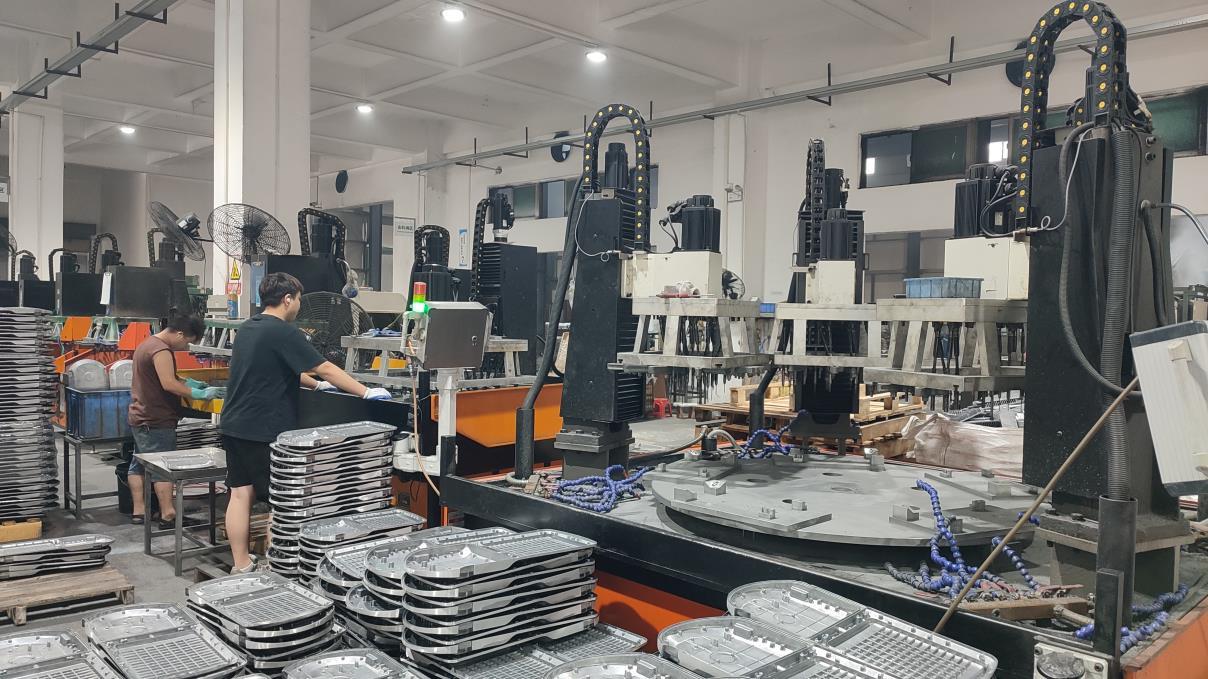
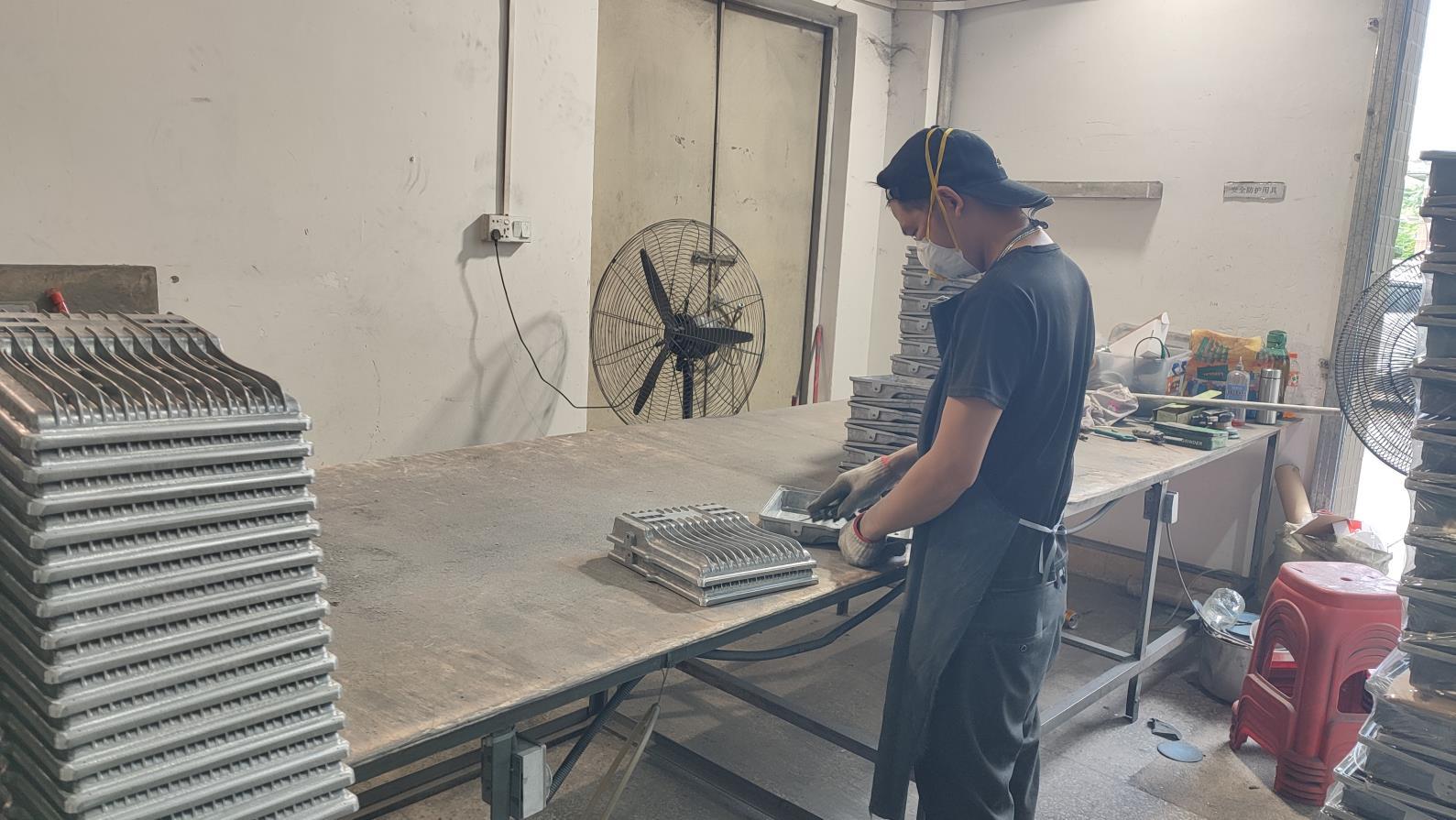
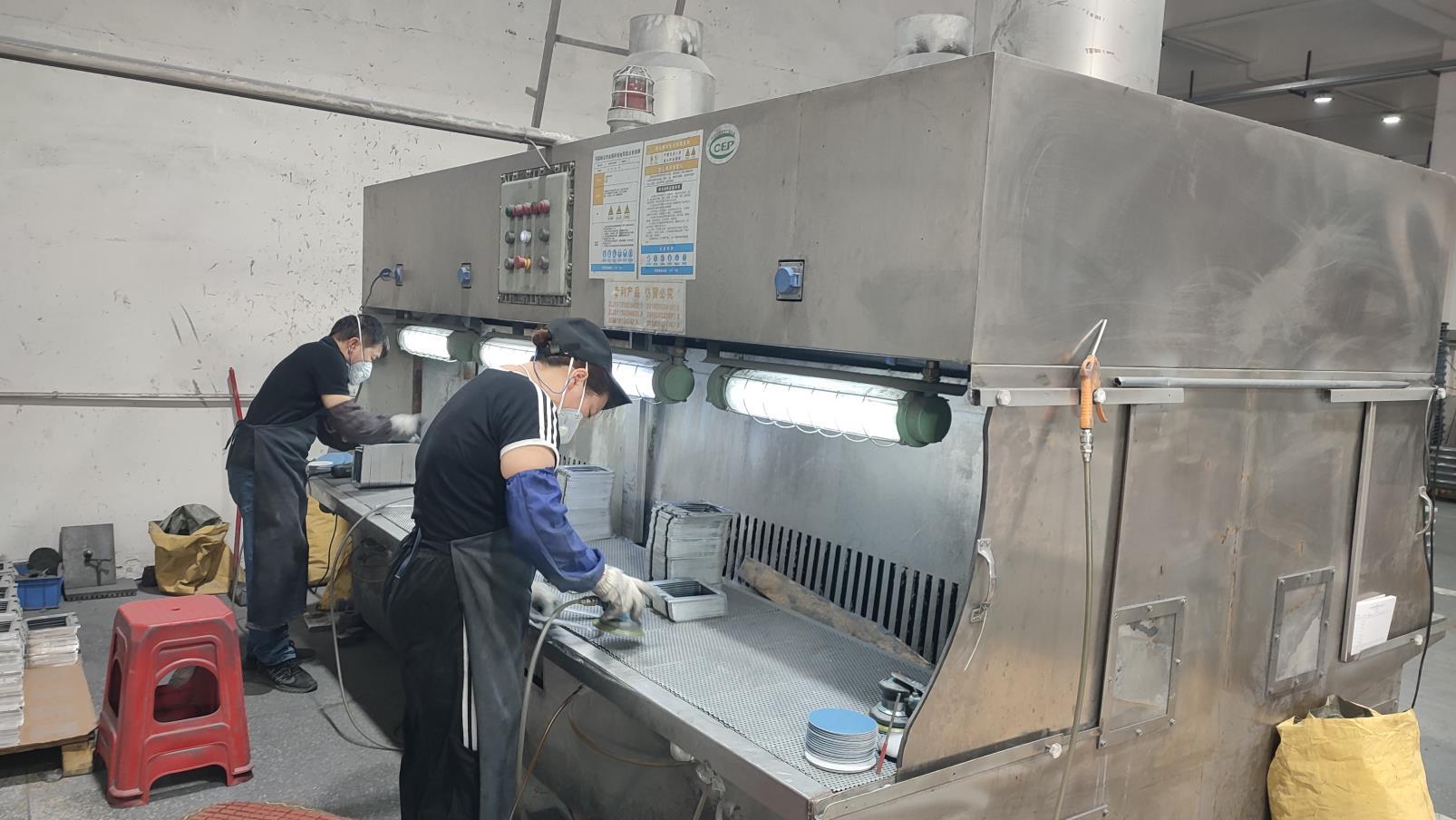
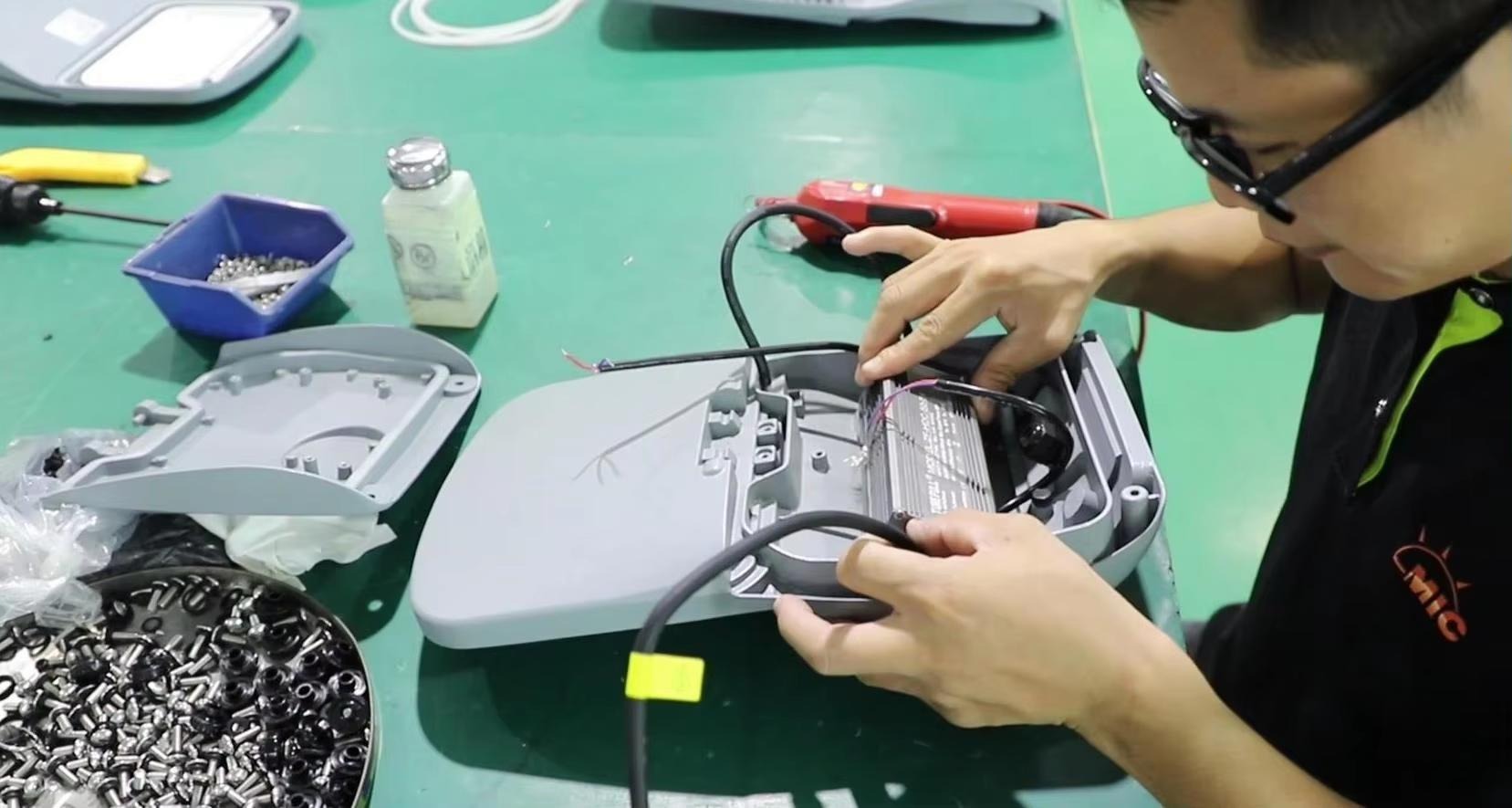
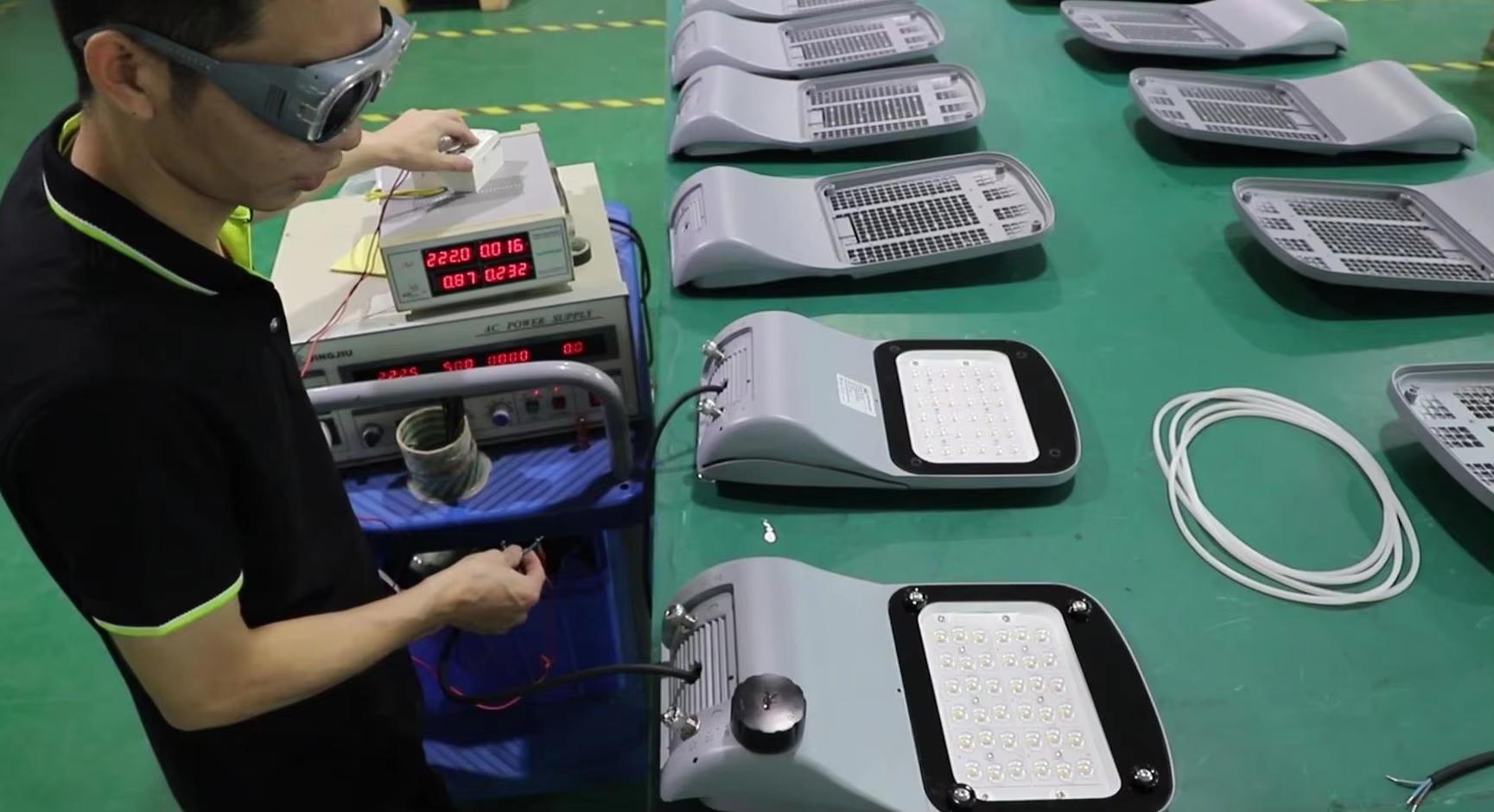
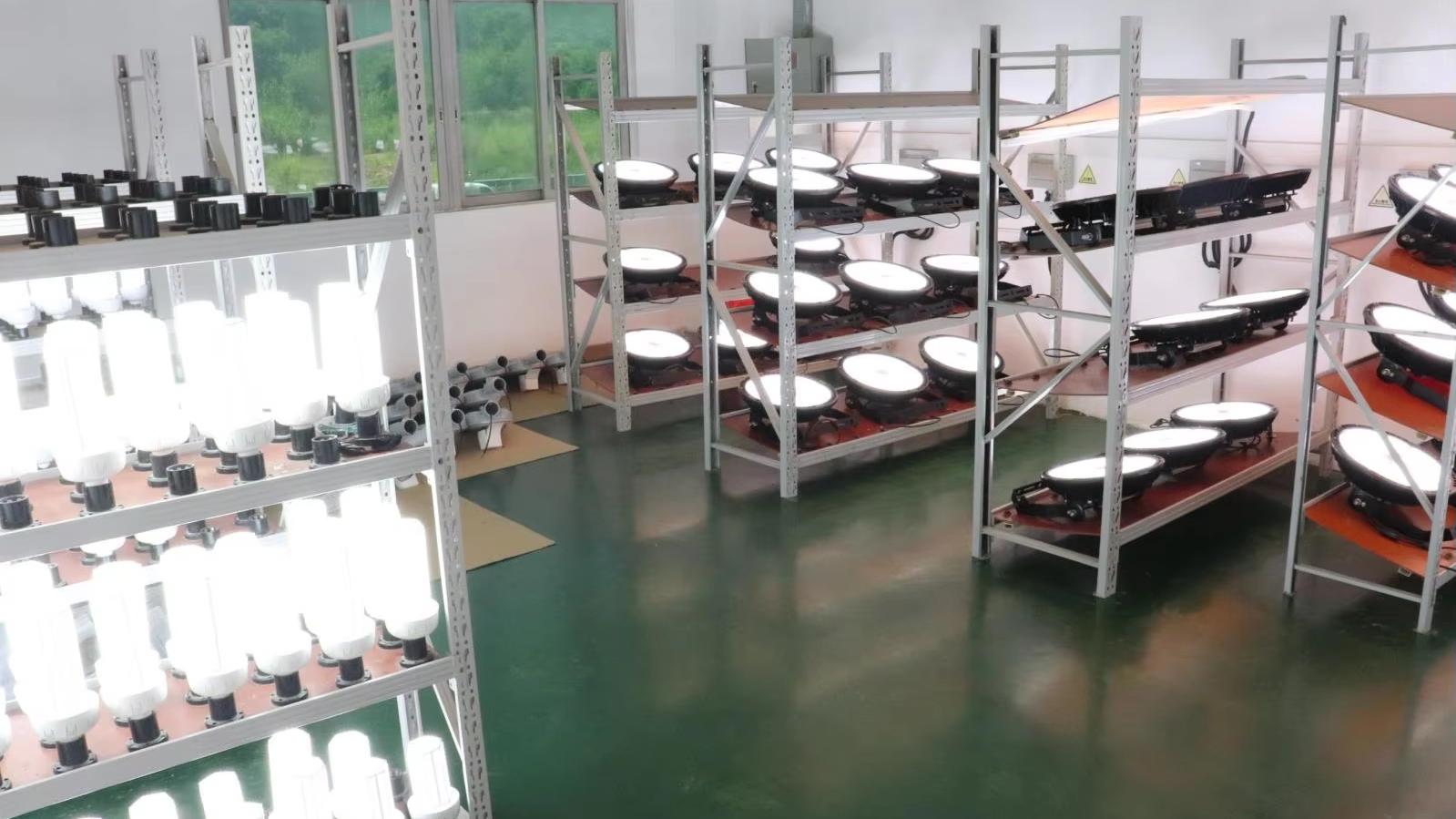
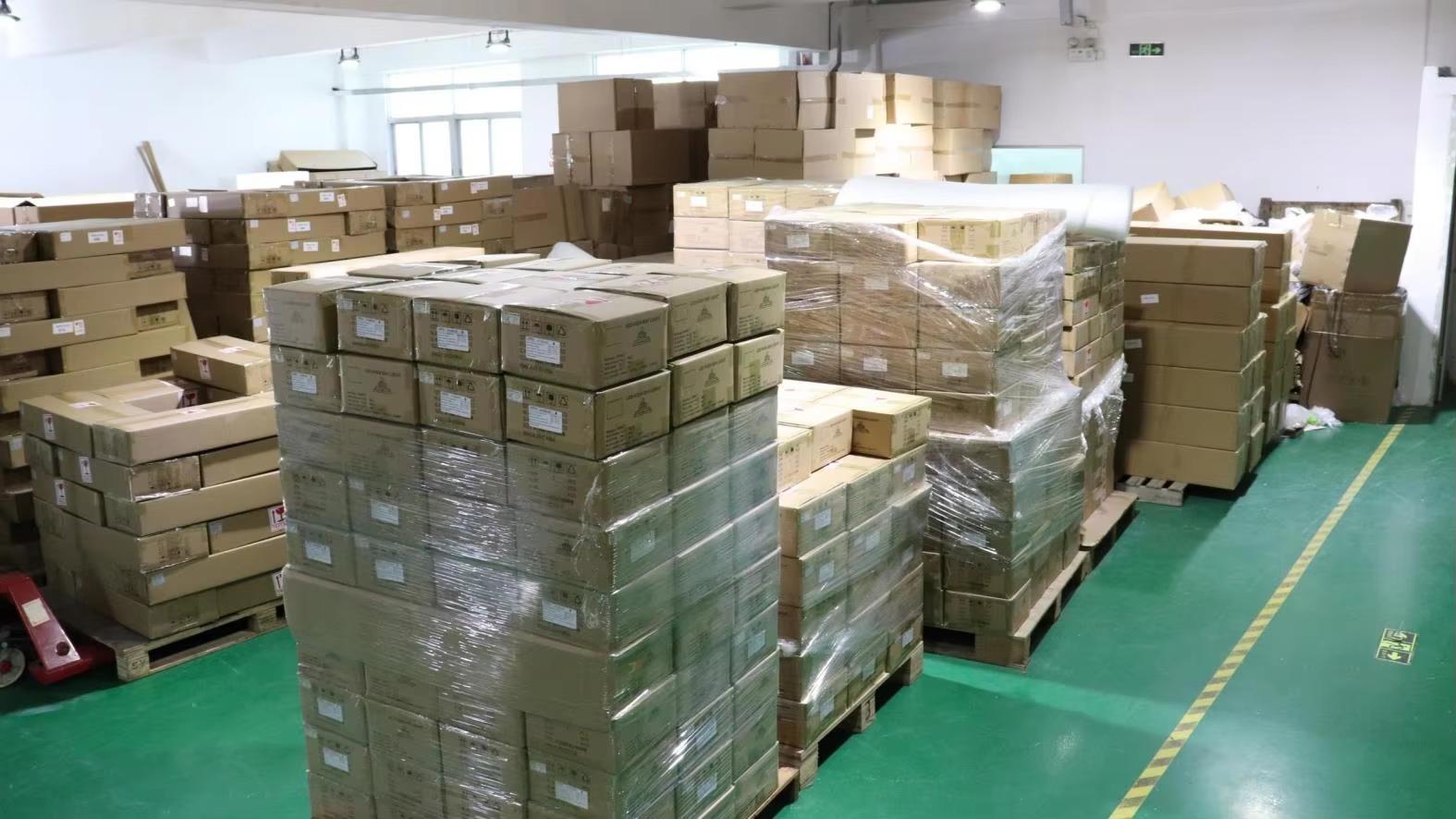
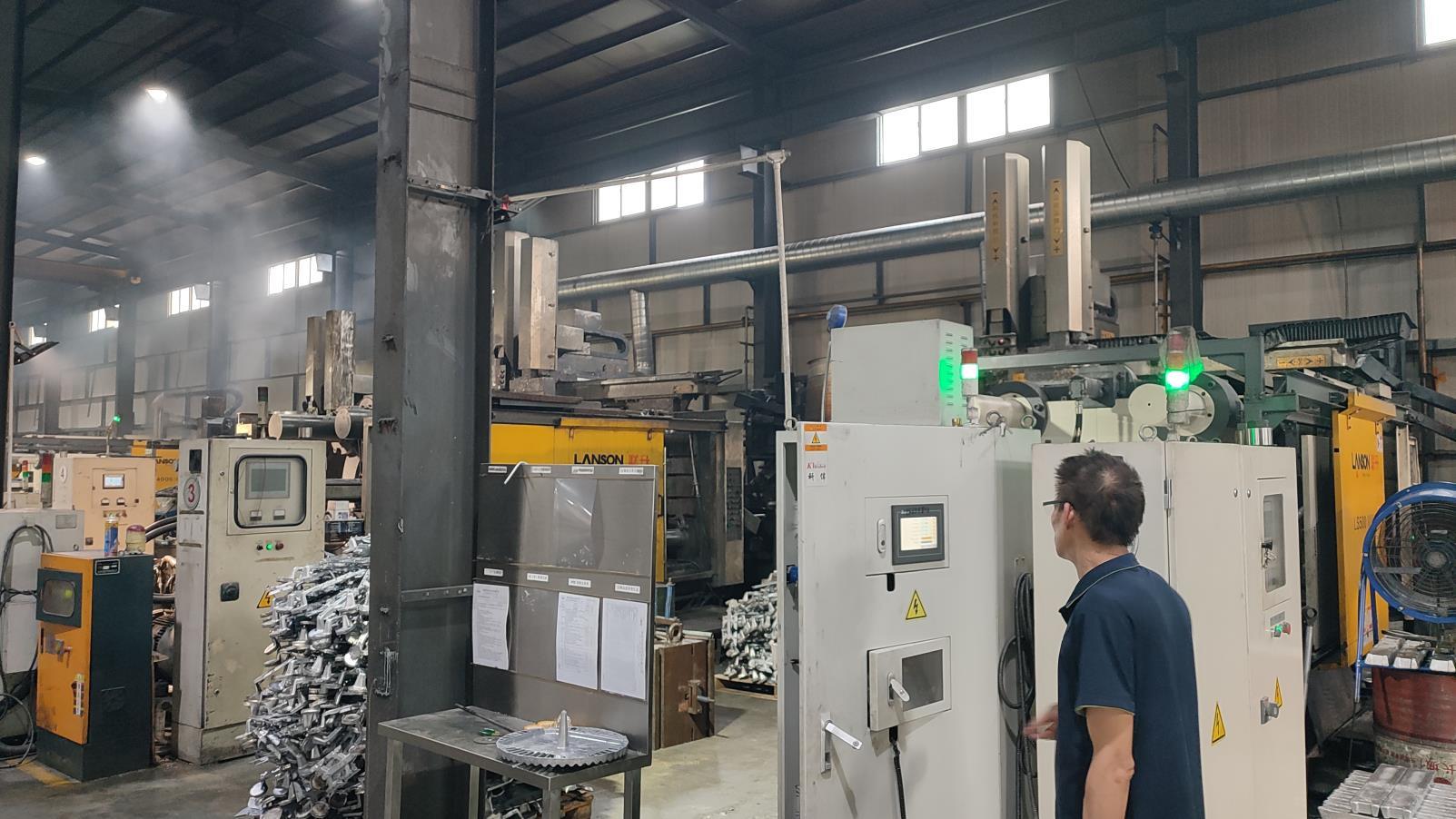
Step-by-step quality control and state-of-the-art machinery behind our high-performance luminaires.


Navigating cross-border electrical certifications and local commercial facility codes.
For B2B contractors and municipal planners, buying LED parking lot lights from China requires strict attention to compliance. Different regions mandate specific electrical and electromagnetic compatibility (EMC) standards. For instance, European distribution requires CE marking and ENEC/VDE validation. Projects in Australia and New Zealand rely on SAA and C-Tick compliance. North American specifications require UL or ETL listings alongside DLC (DesignLights Consortium) Premium status, which is vital for securing local utility energy rebate programs.
At Guangdong Lijah Light Co., Ltd., we handle these international compliance requirements beforehand. Every lighting series undergoes strict testing protocols to produce reliable LM-79 photometric files, LM-80 chip degradation data, and TM-21 remaining lifetime estimations. This detailed technical documentation ensures clear customs clearance and local building inspection approvals, saving contractors time and protecting project timelines.
Common questions from engineering planners, distributors, and purchasing managers.
The choice depends on the layout of your light poles. Type III distributions are standard for perimeter installations where light needs to be pushed forward over the parking spaces. Type V distributions distribute light symmetrically in all directions, making them ideal for central poles situated in double-wide parking lanes.
DIALux allows us to create a digital twin of your parking facility, factoring in pole spacing, mounting height, target illuminance (lux/footcandles), and local code requirements. This guarantees you purchase the correct fixture wattages and beam types, eliminating both dangerous dark zones and over-lighting issues.
Outdoor luminaires are highly vulnerable to voltage spikes from lightning strikes and switching transients on the municipal power grid. Standard industrial systems should include integrated 10kV to 20kV surge protection to prevent damage to the delicate internal LED driver.
LED retrofits typically cut energy usage by 55% to 70%. When combined with a 50,000-hour system lifespan (which eliminates bulb replacements for over 10 years), the maintenance and utility savings yield an average payback period of 18 to 24 months for commercial operations.
Yes. We construct our fixtures with standard 3-pin, 5-pin, or 7-pin NEMA receptacles. This allows you to install motion sensors, photo controllers, and smart wireless nodes that communicate via Zigbee, LoRaWAN, or DALI-2 protocols.
Explore our comprehensive selection of high-efficiency LED industrial and outdoor lighting solutions.
 Lijah Light