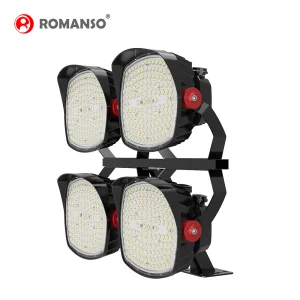
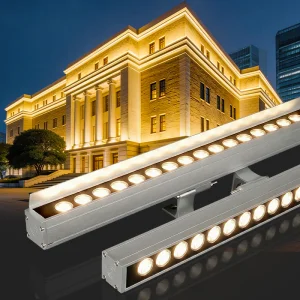
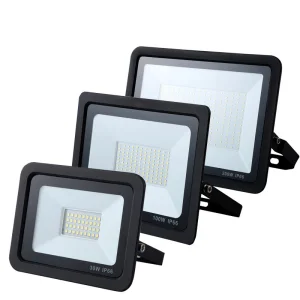
Explore our elite portfolio of high-performance luminaires engineered for architectural stability and superior thermal management.
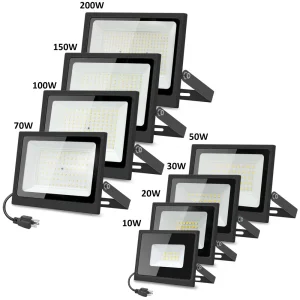
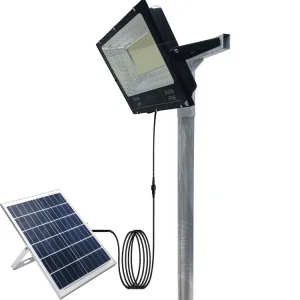
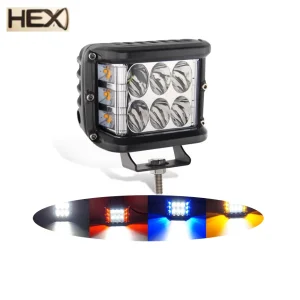
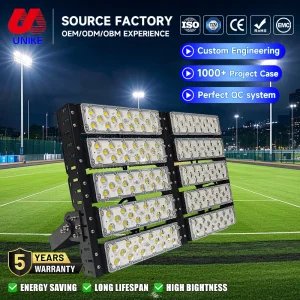
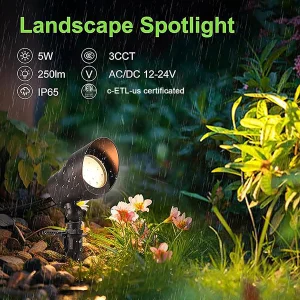
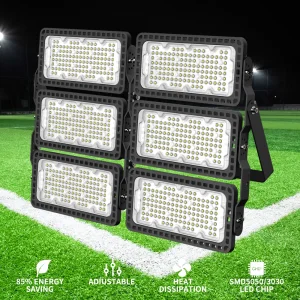
Analyzing market drivers, environmental regulations, and the paradigm shift toward highly efficient, customized solid-state lighting topologies.
The global industrial and commercial lighting markets are experiencing a rapid transformation driven by carbon neutrality mandates, escalating energy costs, and the absolute demand for operational resilience. Modern outdoor infrastructure, municipal stadiums, sports fields, logistics hubs, and processing centers no longer view lighting as a simple utility. Instead, custom-engineered LED flood light fixtures are integrated as strategic assets that optimize optical efficiency, enhance spatial safety, and slash operational overhead via advanced power factor correction and high luminous efficacy (often exceeding 160 lm/W).
As standard off-the-shelf catalog solutions struggle to meet precise architectural parameters, the commercial sector has pivoted toward custom OEM LED flood light fixture manufacturers. Tailored solutions ensure that specific beam spreads, color rendering index parameters (Ra80, Ra90), and thermal dissipation properties match local zoning laws, Unified Glare Rating limits, and structural load constraints.
Global standards, such as Europe’s ErP directive, DLC Premium guidelines in North America, and equivalent regulatory mechanisms across Asia-Pacific, require manufacturers to drastically lower energy budgets. Standard incandescent or high-pressure sodium (HPS) fixtures are obsolete. Current specifications demand low Total Harmonic Distortion (THD < 10%), high Power Factor (PF > 0.95), and precise dark-sky compliance to mitigate light pollution.
No two architectural sites share the exact same structural layouts or ambient demands. Industrial applications like chemical refineries, coastal ports, and specialized sporting arenas present unique structural stresses. Custom OEM manufacturing enables architectural and project design firms to select exact die-cast heat-sink footprints, target asymmetrical beam shapes, design bespoke mounting brackets, and choose driver components that withstand localized line-voltage spikes.
Modern flood lighting is rapidly transitioning into a primary node for the Internet of Things (IoT). Custom configurations often feature integrated Zhaga or NEMA sockets, enabling plug-and-play installation of daylight harvesting sensors, radar motion sensors, and wireless mesh networking antennas for automated municipal management.
Established as a professional technological powerhouse, Guangdong Lijah Light Co., Ltd. is a dedicated manufacturer specializing in the advanced research, custom development, precise manufacturing, and global sales of energy-efficient, high-performance LED lighting solutions. By focusing on industrial, commercial, and outdoor high-power applications, we have engineered robust lighting systems that thrive under extreme environmental conditions.
Our international client footprint spans across Europe, Oceania, Southeast Asia, and the Middle East. Through rigorous material selection, premium die-cast thermal design, and tight tolerance manufacturing, our products consistently deliver industry-leading lumens per watt, high stability, and long functional lifespans. We assist EPC contractors, industrial designers, and system integrators worldwide in developing custom OEM solutions that translate to reliable real-world performance.
A granular breakdown of our industrial production capabilities, highlighting quality checkpoints from raw molding to aging tests.
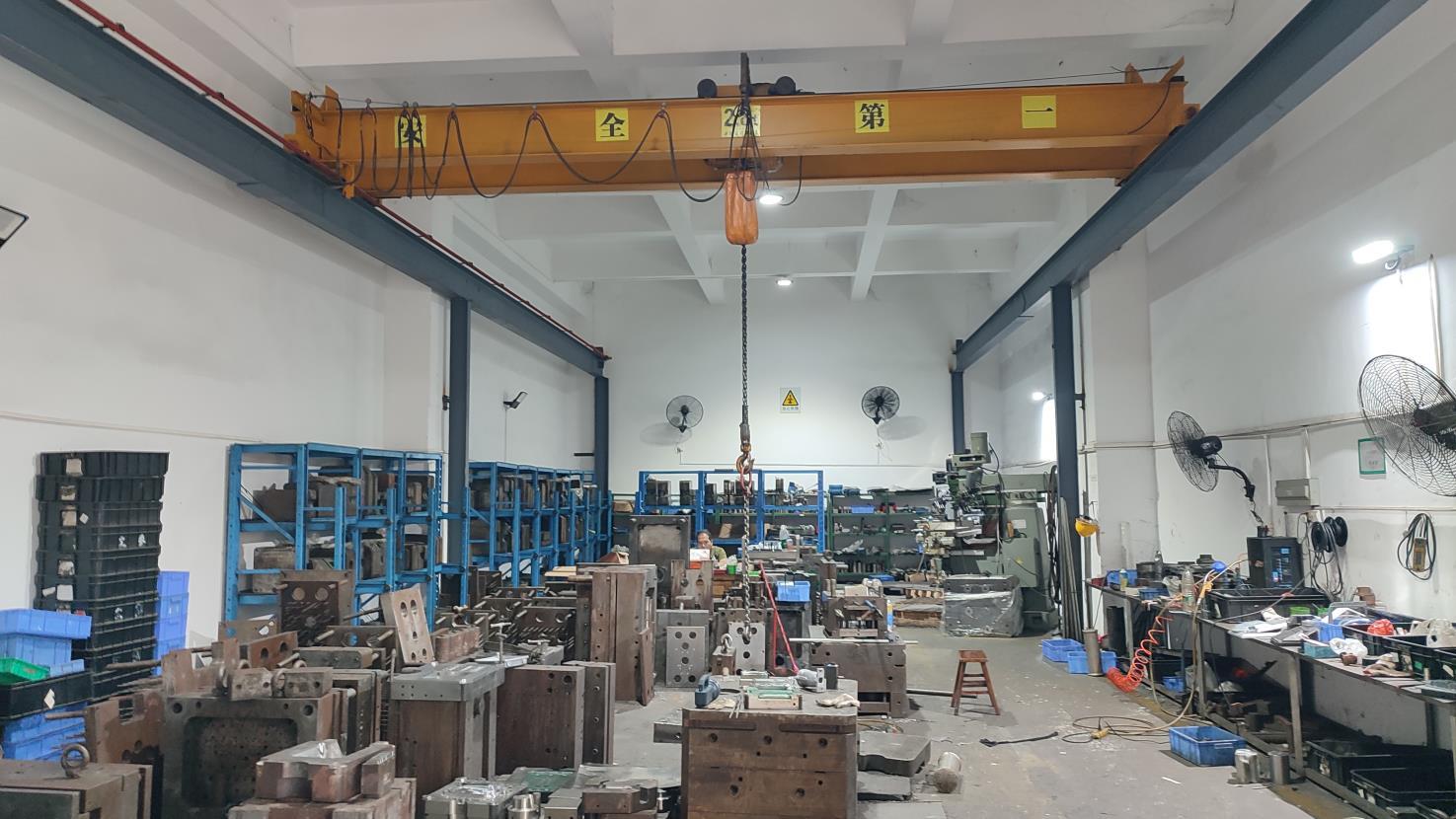
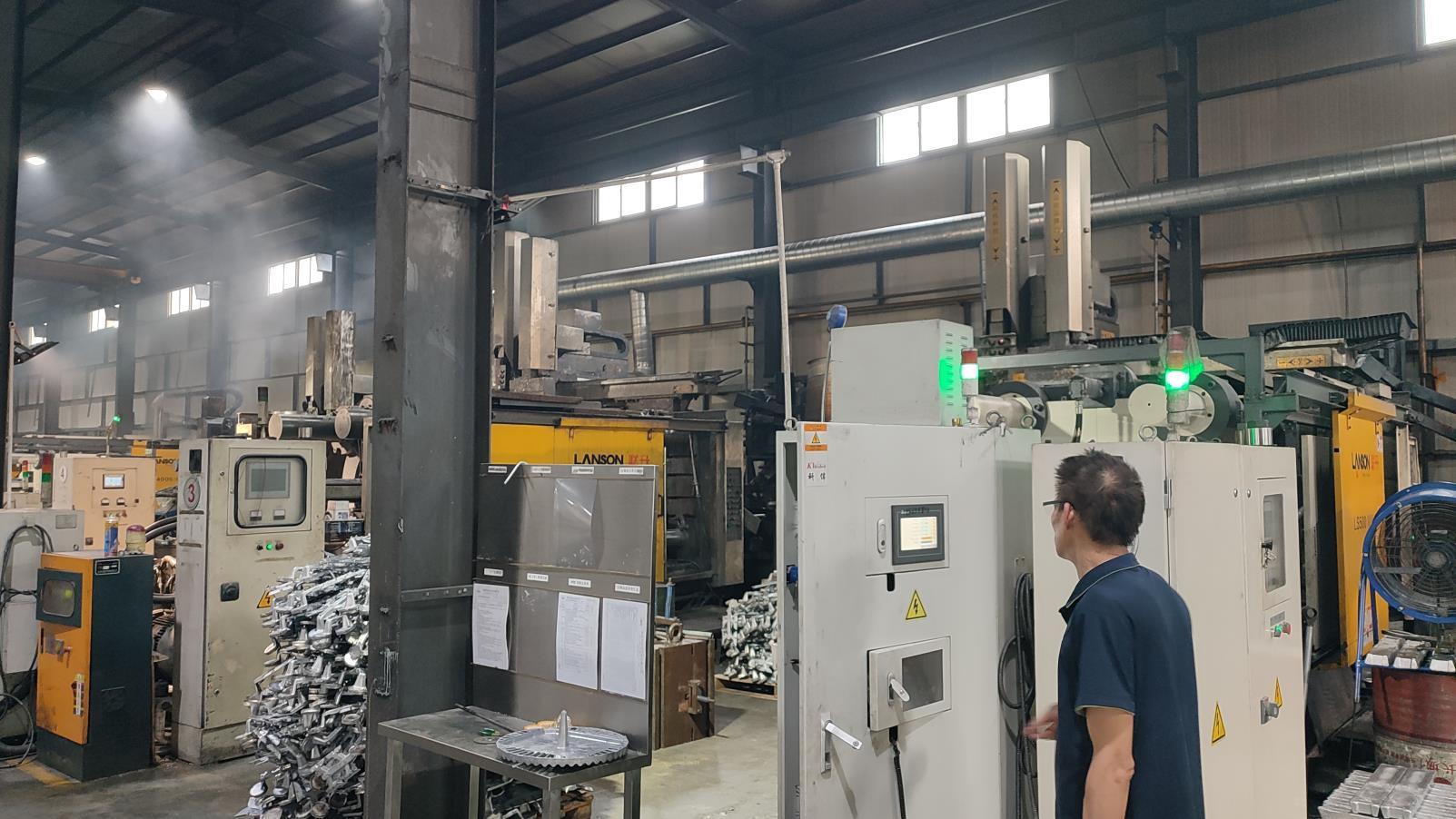
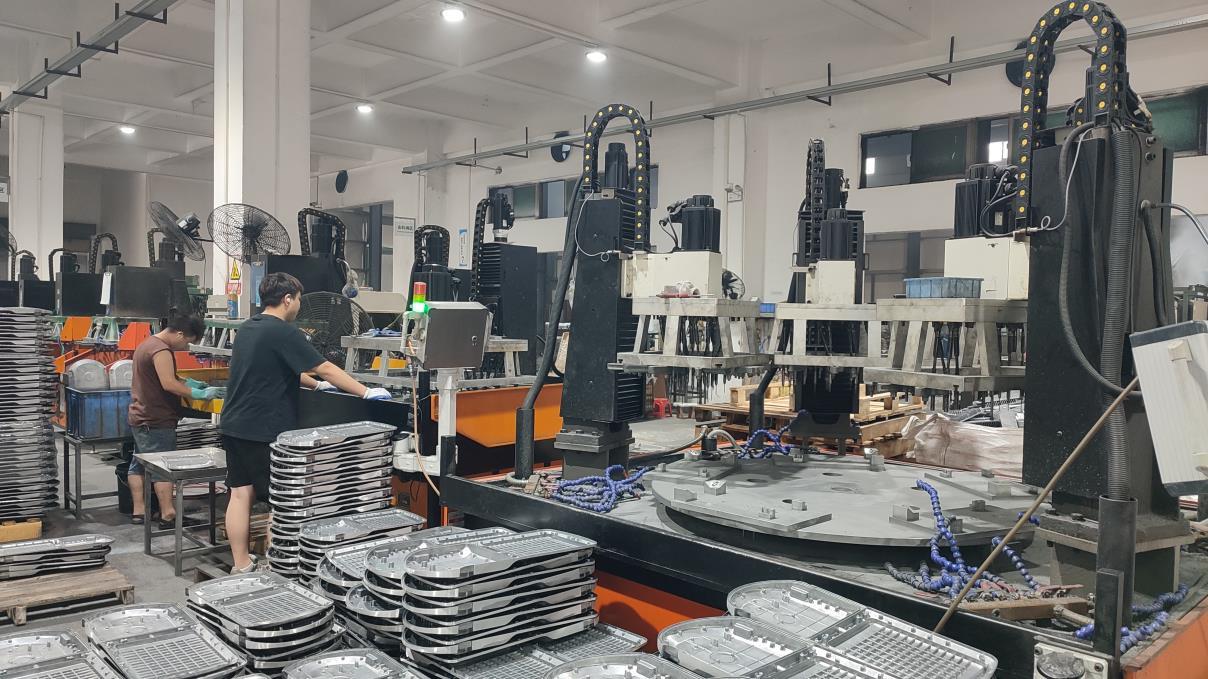
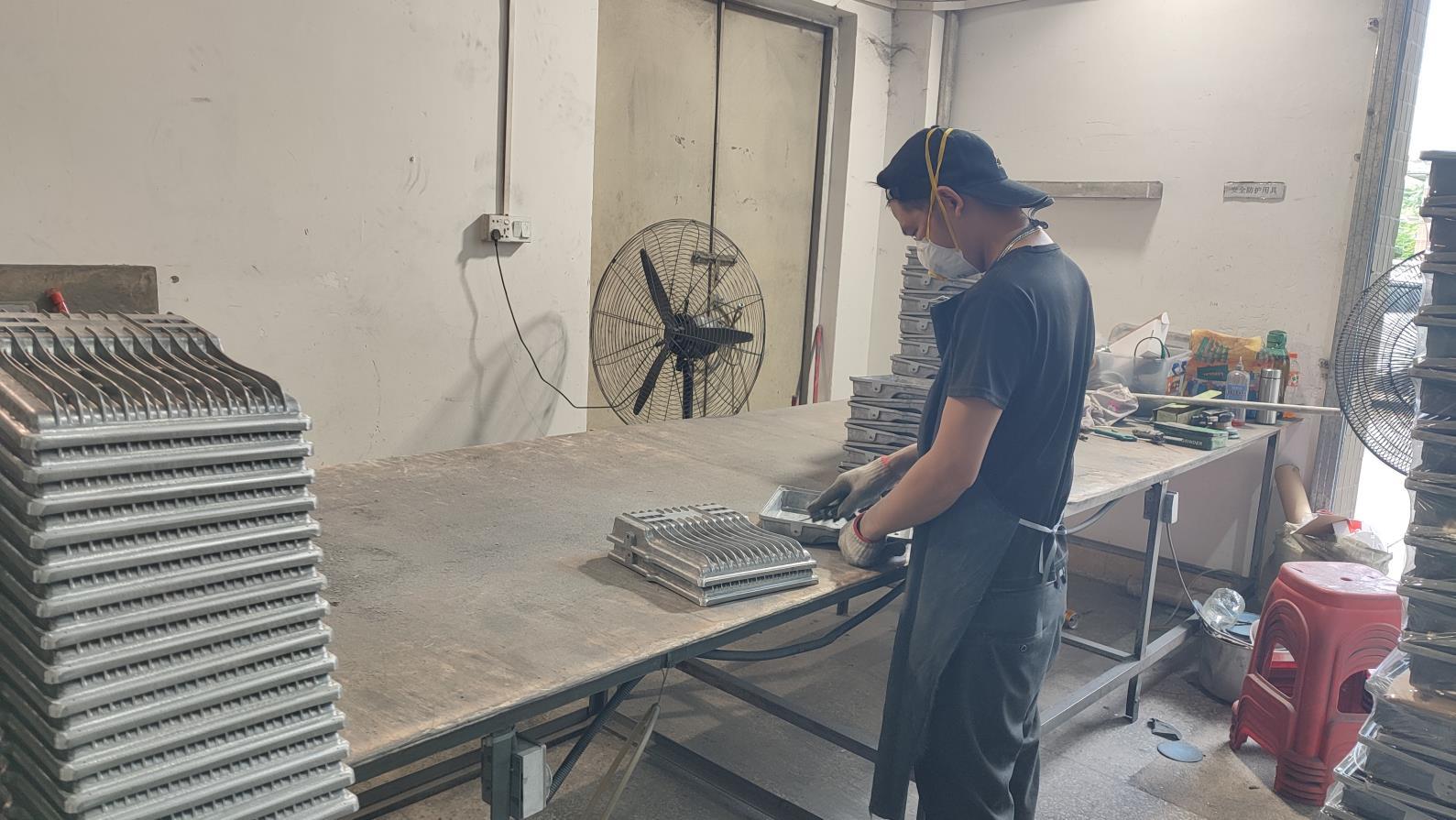
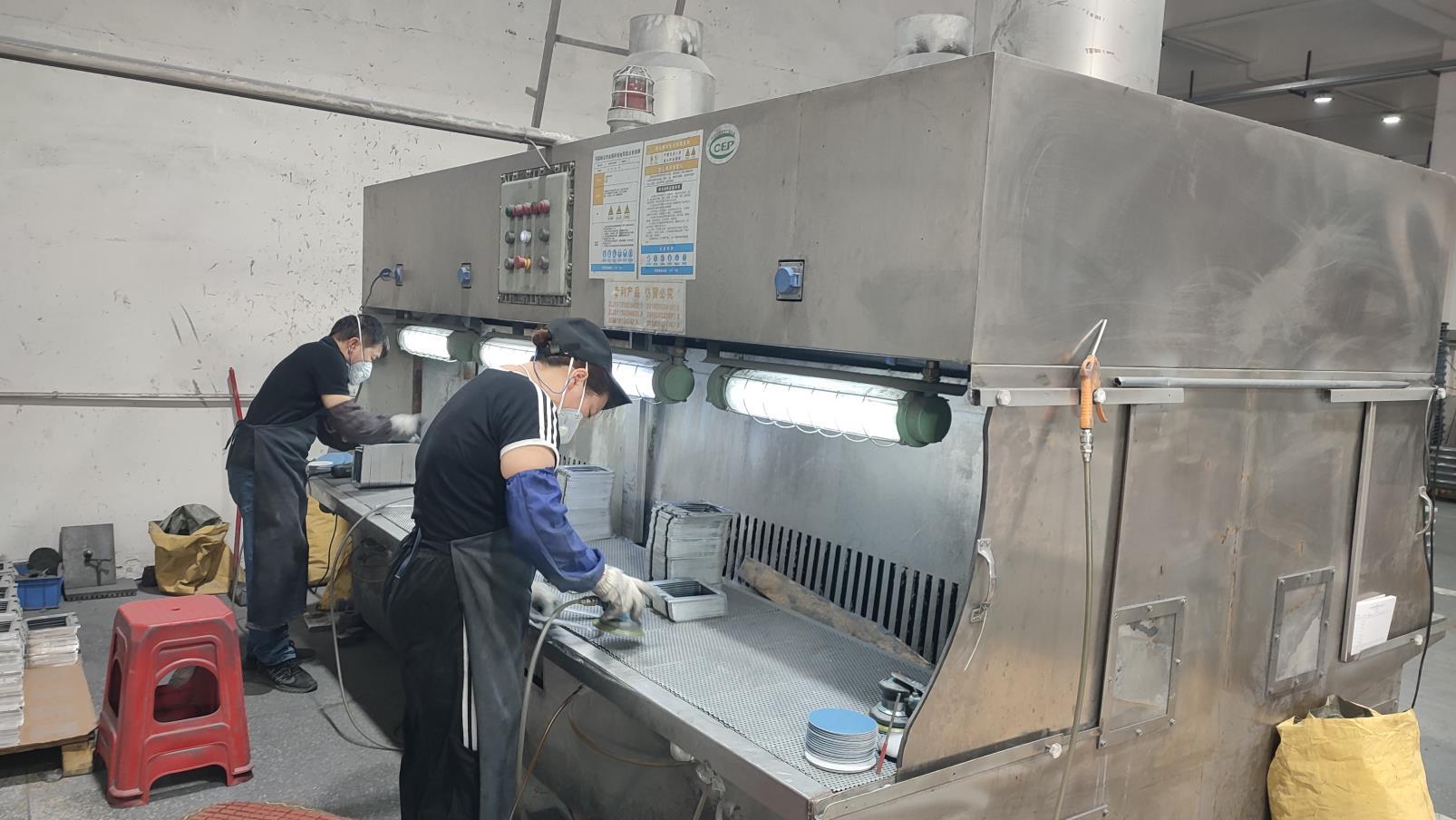
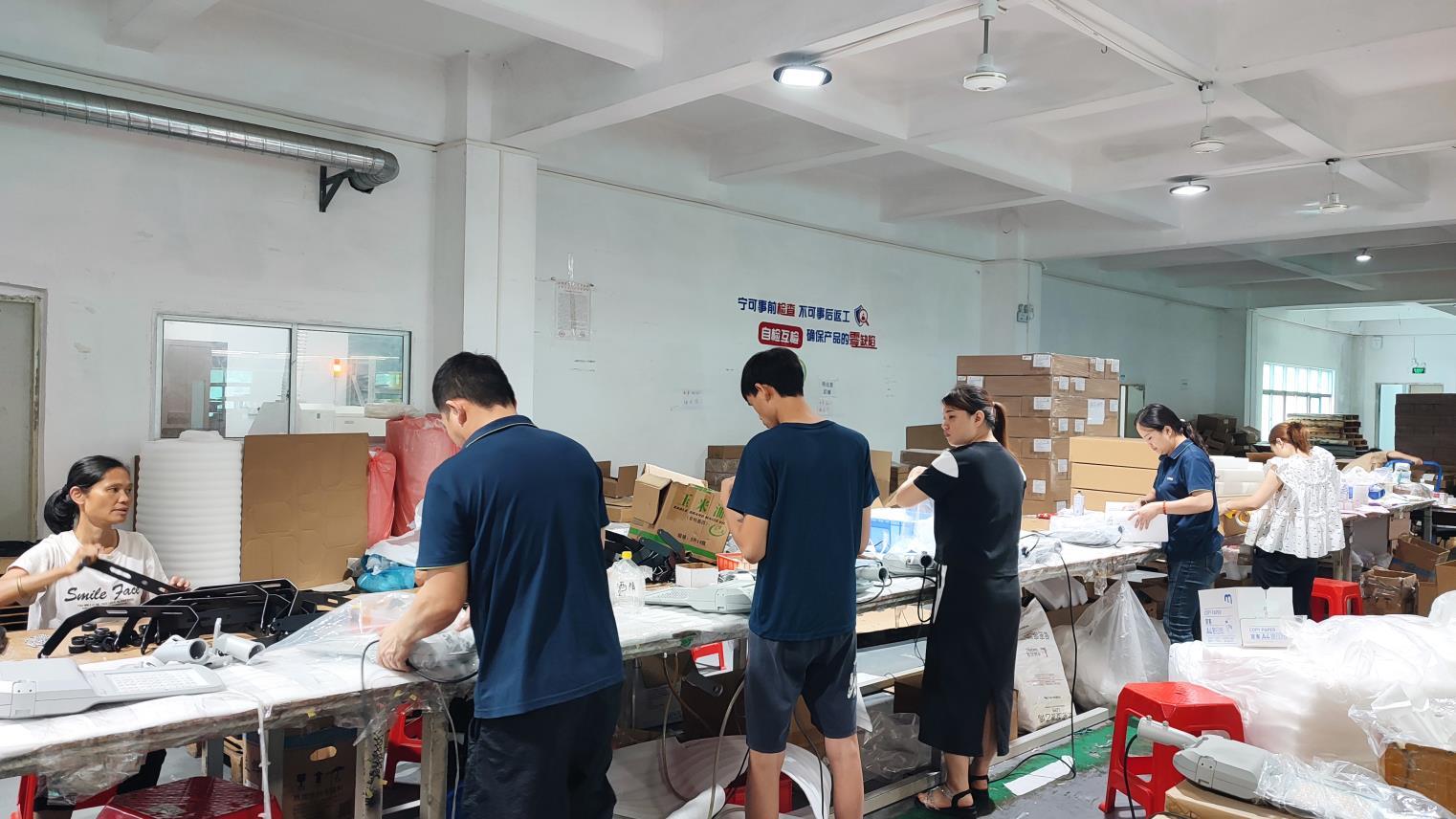
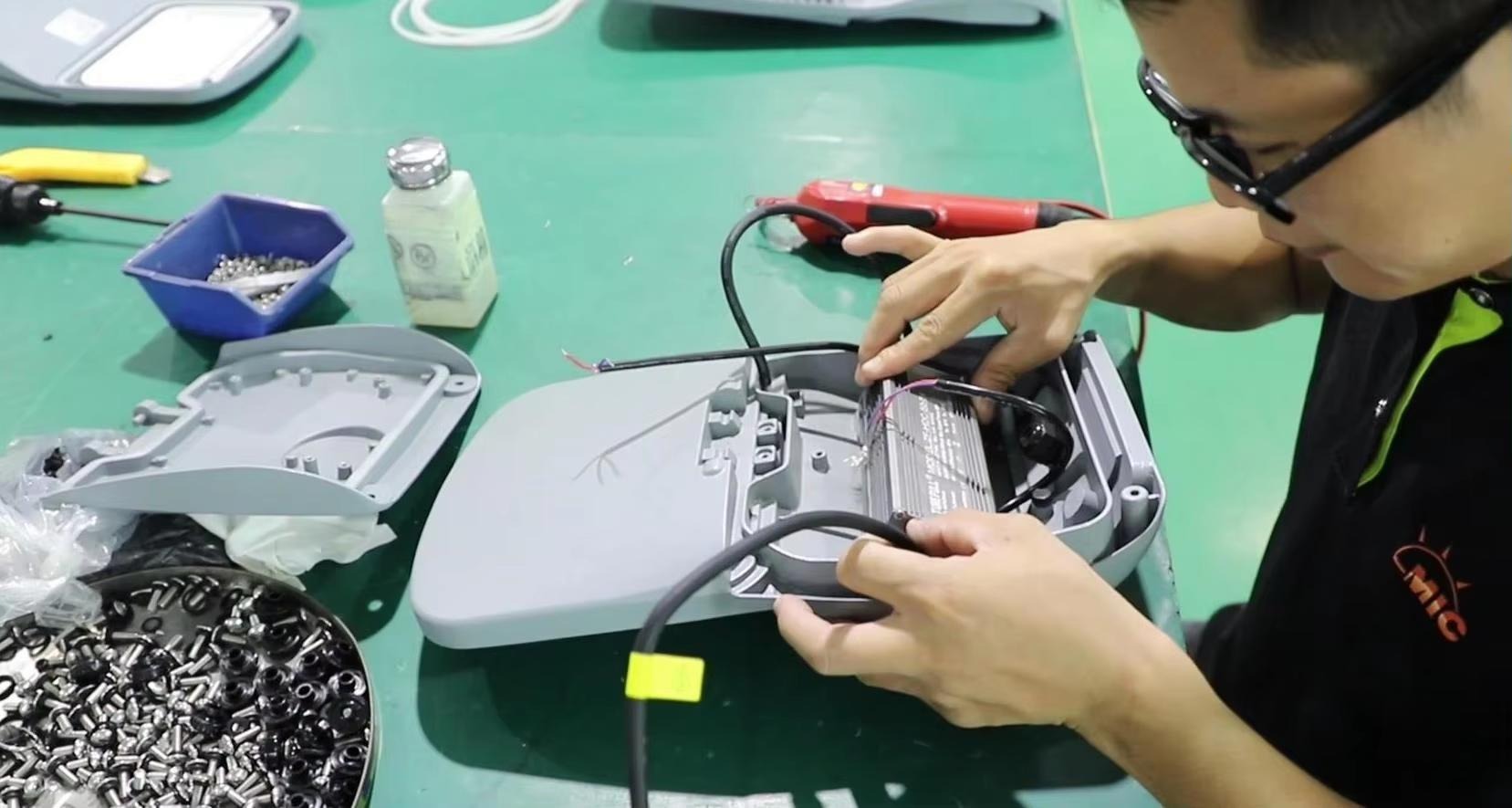
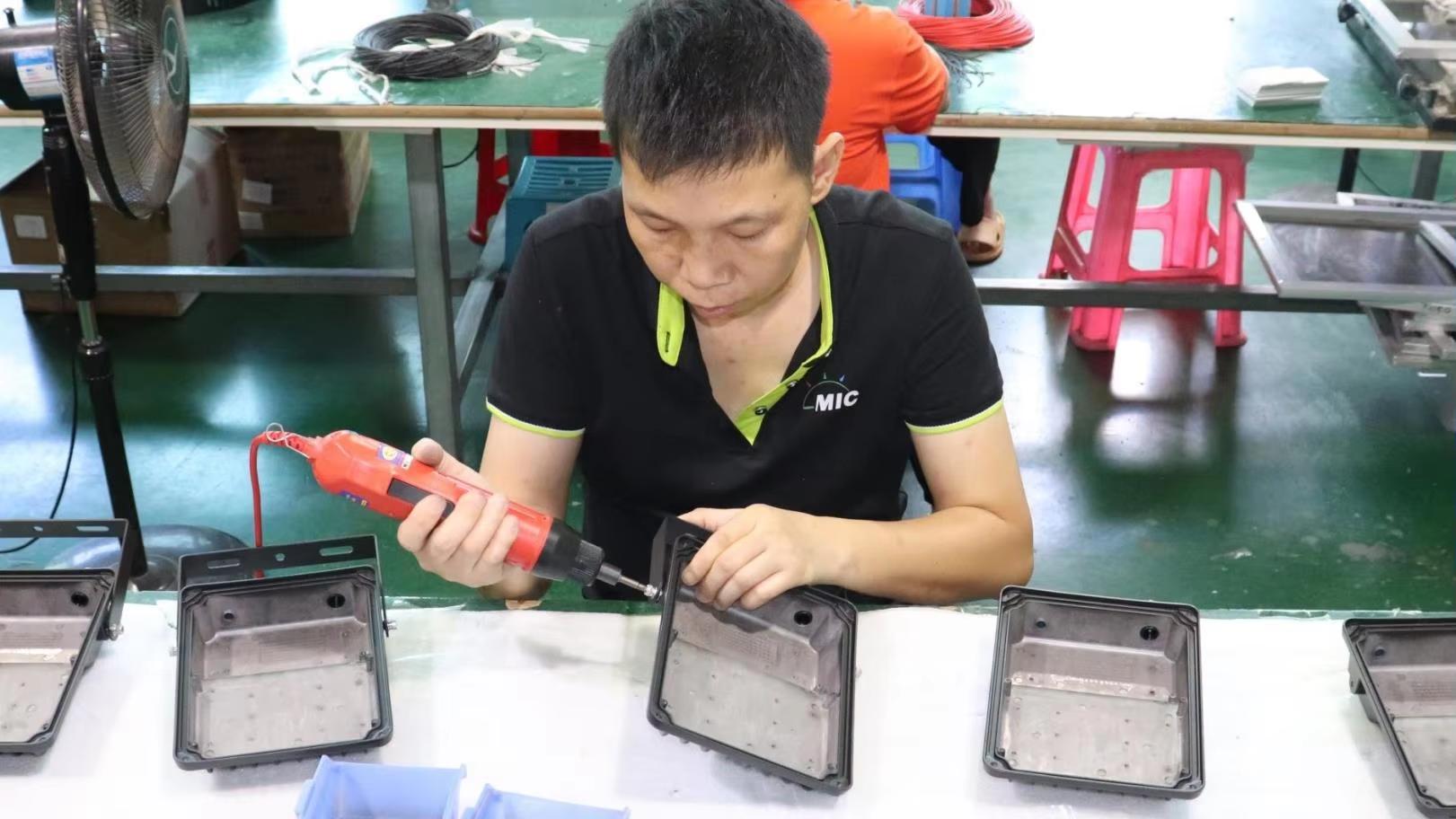
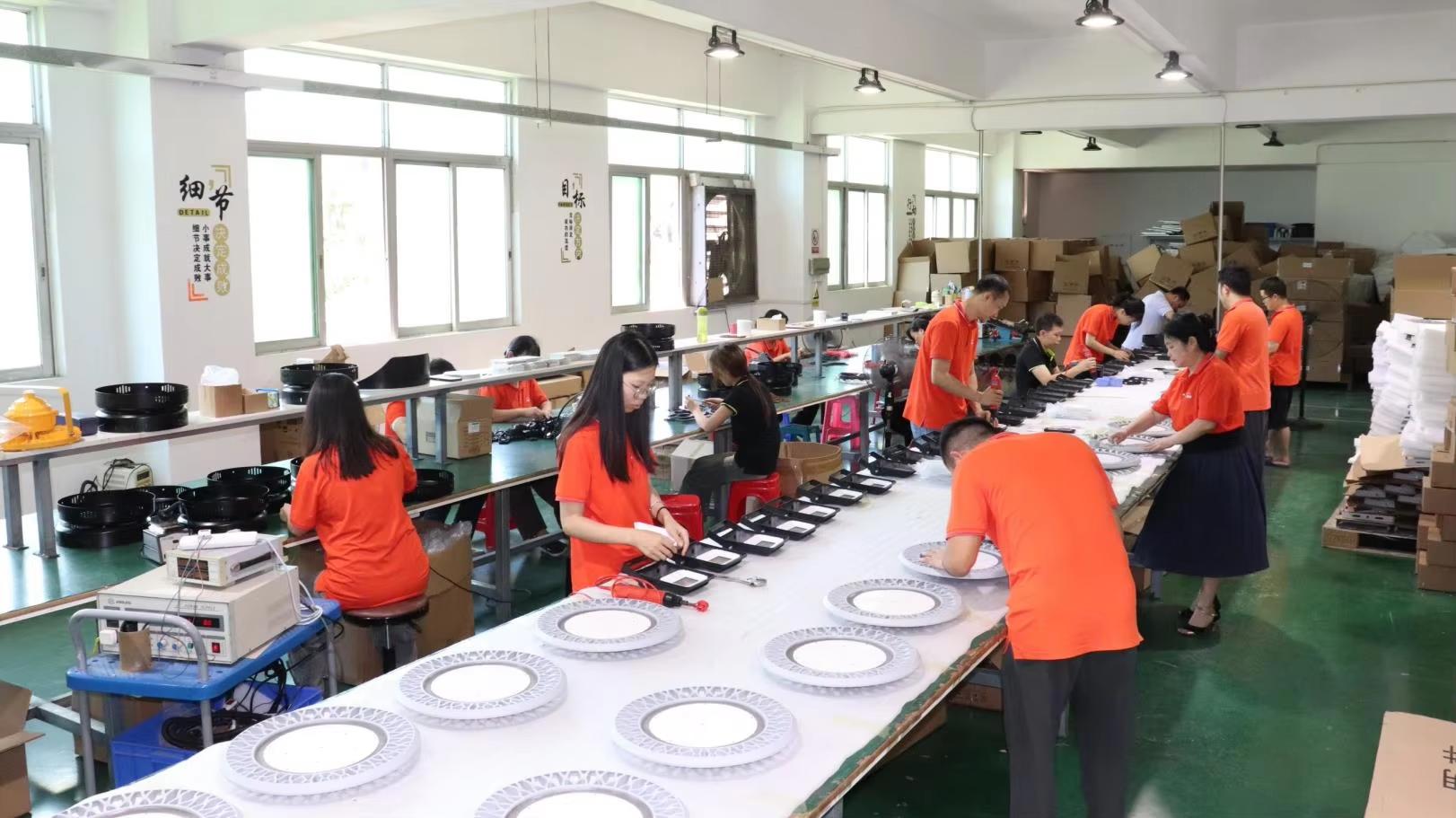
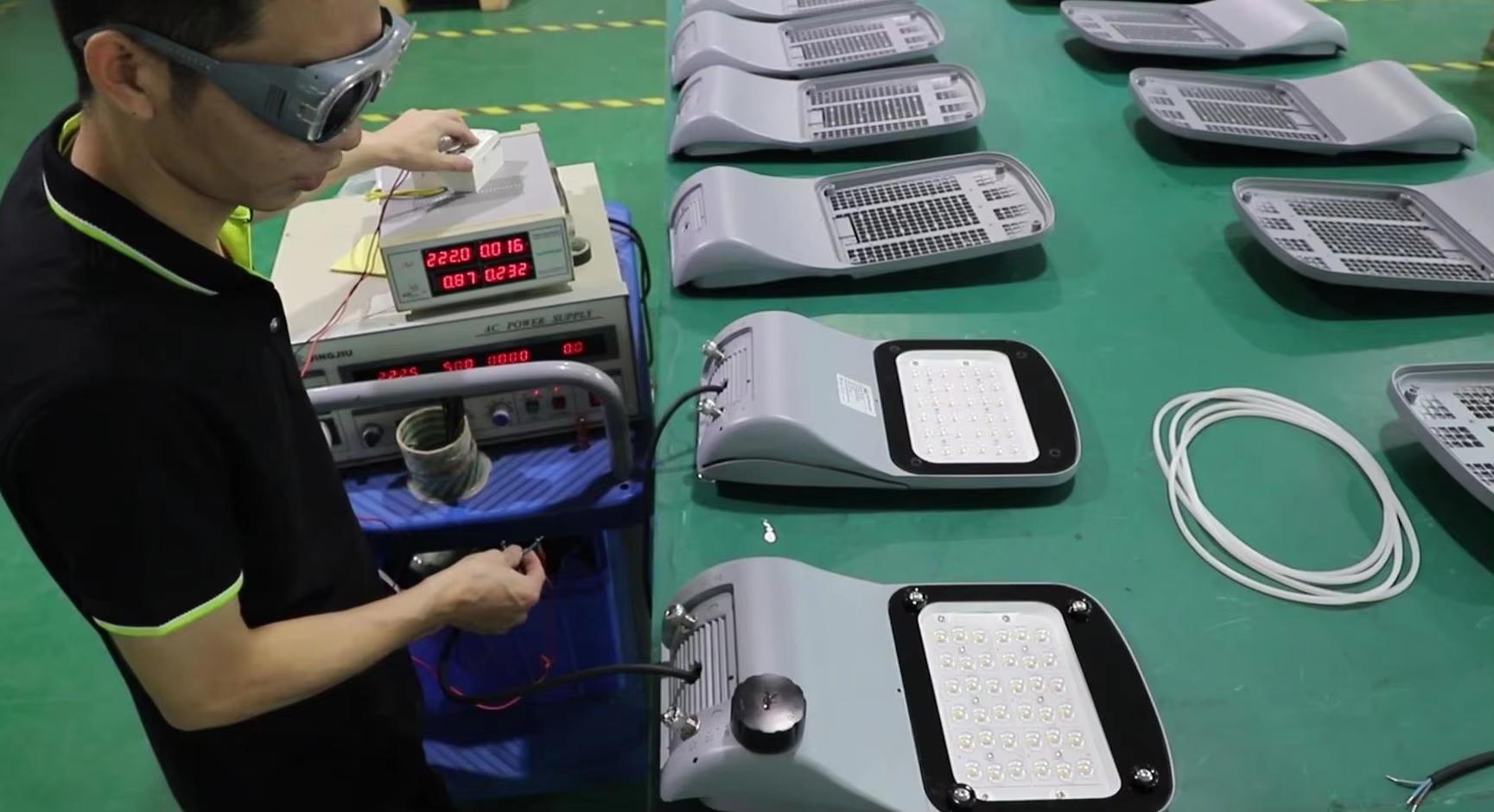
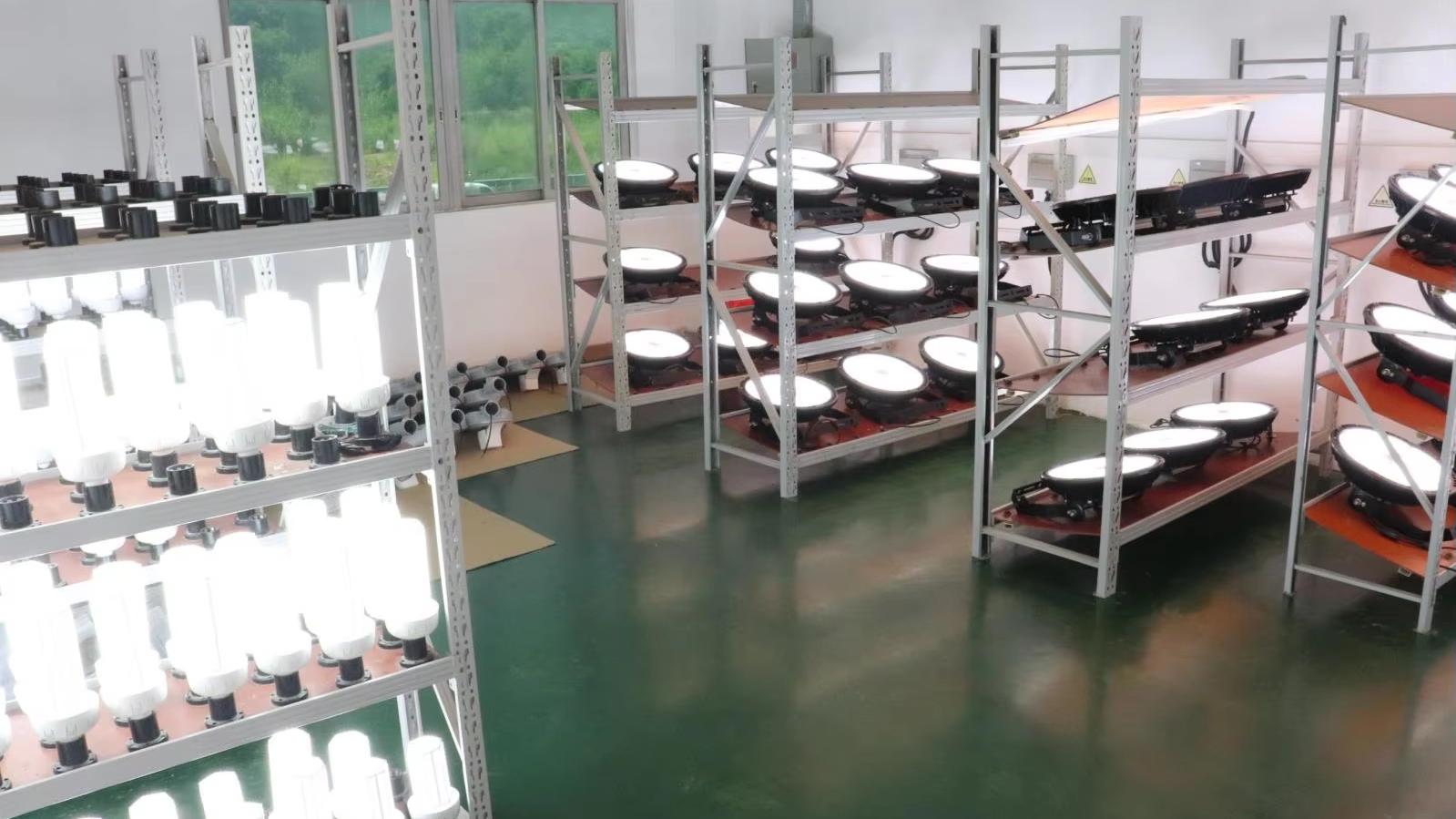
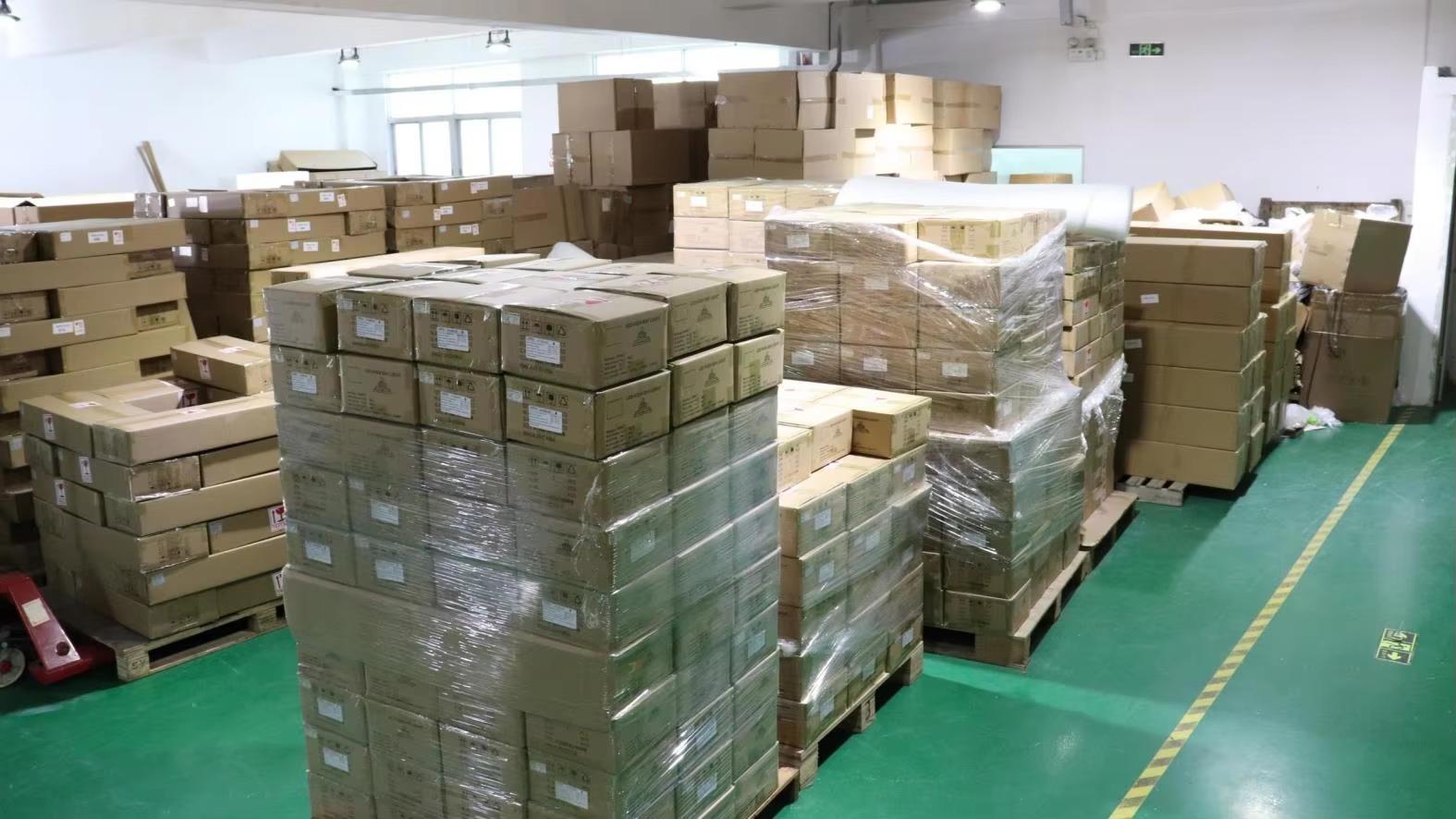
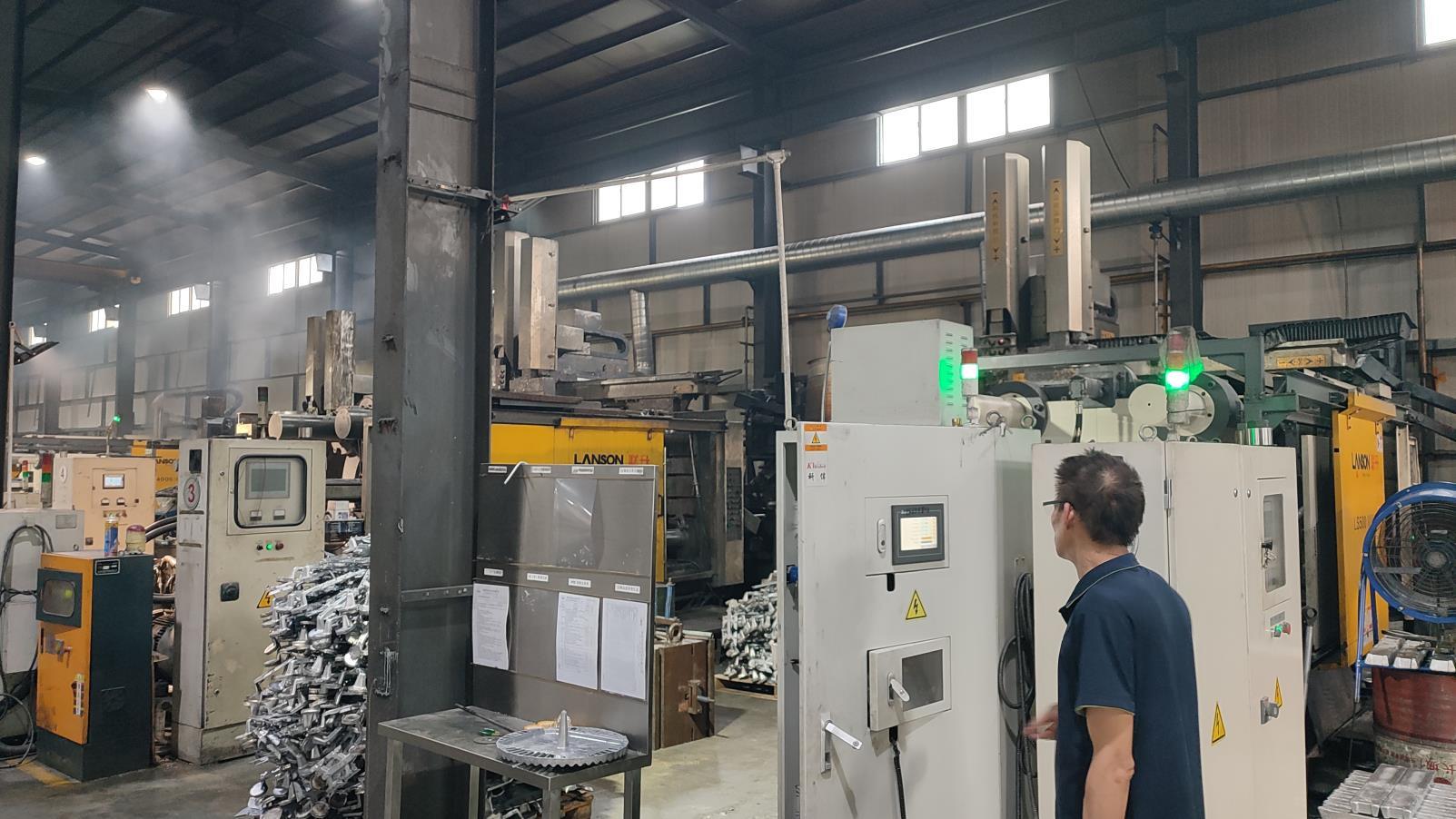
Our structured engineering plans to keep clients ahead of carbon goals, optical efficiency targets, and mechanical durability limits.
In the high-power illumination market, long-term stability hinges on maintaining safe junction temperatures at the LED silicon substrate level. Heat is the ultimate enemy of phosphor lifespan and luminous efficiency. Guangdong Lijah Light Co., Ltd. approaches thermal design holistically, incorporating high-purity aluminum alloys, precision molding, and localized engineering strategies to optimize performance.
By using premium die-cast ADC12 aluminum alloys and flow-through convection topologies, we ensure that heat sinks rapidly conduct thermal energy away from the critical driver capacitors and light-emitting components. Our high-pressure die-casting processes optimize density, eliminating internal air pockets that disrupt thermal conductivity.
We develop high-transmittance, non-yellowing PMMA lens matrices. These lenses provide narrow, medium, wide, or asymmetrical light distributions (e.g., Type II, III, IV, or V). This ensures maximum lux delivery inside targeted design parameters, avoiding spill light in nearby residential zones.
To withstand the unstable power conditions typical of heavy industrial grids or lightning-prone outdoor fields, our customized LED fixtures feature Class I/Class II driver options, combined with 10kV to 20kV surge protection devices (SPDs) to shield against voltage fluctuations.
Providing specialized illumination templates designed for the unique environmental stresses of key heavy industries.
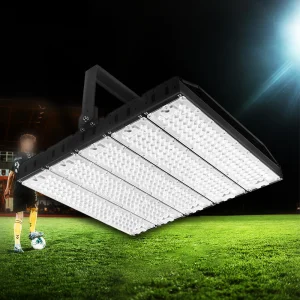
High-mast installations at professional sports arenas demand glare control and high color rendering index (CRI > 80, TLCI > 90) to support high-definition television broadcasts and slow-motion video capture. Our optical systems are engineered for flicker-free operation (ripple current < 3%), delivering uniform lighting across playing fields.
Salt spray, high relative humidity, and harsh marine atmospheres rapidly corrode lower-grade metallic enclosures. We build maritime-ready custom fixtures using protective powder coatings, specialized electrophoretic primers, and grade 316 stainless steel mounting hardware.
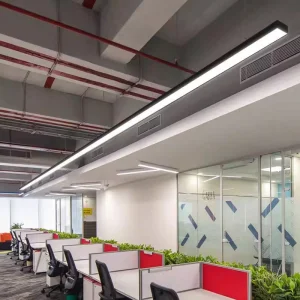
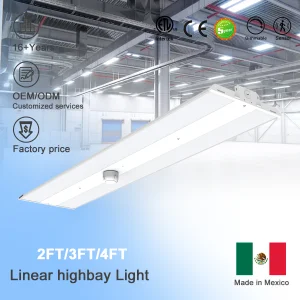
Large manufacturing facilities and distribution centers require long-lasting fixtures to avoid frequent, costly maintenance. Our linear pendant strip lights and high-bay fixtures are designed for fast installation, with options for continuous row mounting and integrated daylight sensors.
Providing clear, technical answers to common queries raised by procurement managers, engineers, and project developers.
We use high-purity ADC12 die-cast aluminum alloys, which provide excellent thermal conductivity and high mechanical stability. Exposed fixtures are protected by AkzoNobel anti-corrosion powder coatings and assembled with 304 or 316 stainless steel hardware. This prevents oxidation and corrosion, even in humid, coastal, or industrial environments.
Our fixtures feature custom heat sink designs that separate the driver compartment from the LED light engine. By creating flow-through thermal convection pathways and using high-conductivity thermal interface materials (TIMs), we keep LED junction temperatures well below the critical 85°C limit. This preserves system efficacy and extends the overall life of the components.
Yes. Our in-house technical department provides full DIALux simulations. We supply complete IES files detailing horizontal and vertical illumination levels, uniformity ratios, and light spill metrics. This helps designers verify performance before placing an order.
Our fixtures carry a range of international safety and environmental certifications, including CE, RoHS, TUV, ENEC, VDE, SAA, C-Tick, and CB. We test our products according to LM-79 and LM-80 standards to guarantee real-world lumen maintenance and performance.
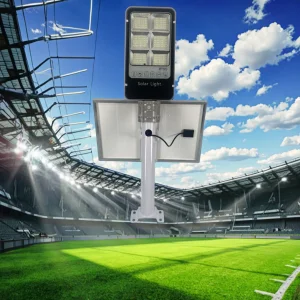
Yes. We offer custom electrical driver configurations to support 100-240VAC, 277VAC, 347VAC, and 480VAC inputs. We can also provide low-voltage DC options (12VDC/24VDC/48VDC) for integration with off-grid solar installations or localized industrial equipment.
We provide a standard 3-year to 5-year warranty across our commercial and industrial lines, backed by a calculated L70 lifespan of 50,000 to 100,000 hours. The precise warranty details depend on the driver selection, project location, and operating temperatures.
Quality control is integrated into every step of our production process. After molding, casting, and polishing, each product undergoes manual inspections, ingress pressure testing, and continuous high-temperature aging tests for 24 to 48 hours. This helps ensure reliability before packaging and shipping.
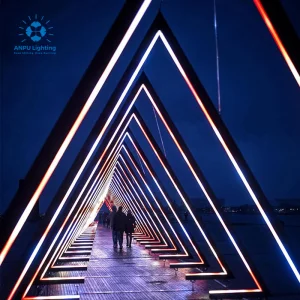
Yes. We offer custom correlated color temperatures (CCT) from warm 2700K up to cool 6500K, as well as programmable RGB and RGBW color-changing options. These fixtures can be controlled using standard DMX512 or DALI dimming protocols for decorative facades, monuments, and bridges.
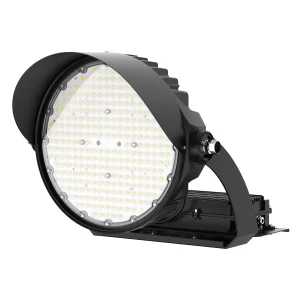
Highly durable lighting products designed to meet demanding performance criteria for modern architectural projects.
 Lijah Light