Precision-engineered optical products combining performance, energy efficiency, and modern design aesthetics.
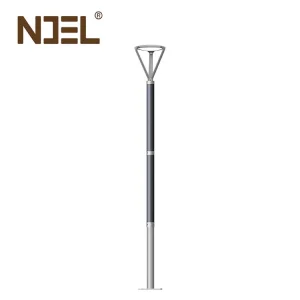
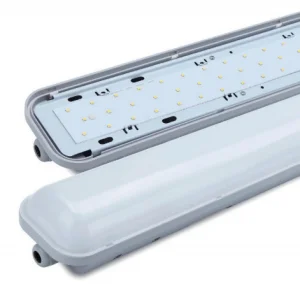
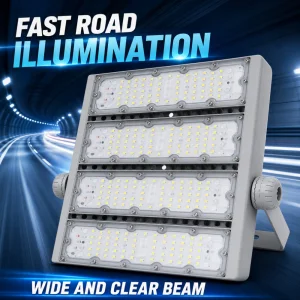
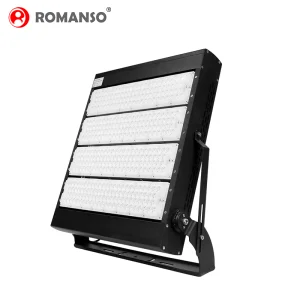
Decoding the shift towards sustainable, smart, and architecturally integrated decorative lighting solutions.
Commercial and industrial lighting setups are heavily governed by energy-efficiency directives such as Europe’s Ecodesign and ErP standards, alongside North America's DLC (DesignLights Consortium) criteria. Modern LED decorative systems are no longer simply visual enhancements; they must deliver high lumens-per-watt efficiency (often exceeding 140 lm/W) while maintaining a strict Unified Glare Rating (UGR) to enhance public safety and lower civic energy expenditures.
Modern decorative and landscape luminaires serve as the digital nodes of Smart Cities. Integrating motion-sensing radar, phototransistor controllers, DALI-2 protocols, and Zigbee/LoRa node transmitters allows custom street lighting, pathway guides, and high-mast installations to operate on demand. By leveraging intelligent dimming schedules and ambient-light tracking, operators report operational footprint reductions up to 70%.
High-powered outdoor LED systems face severe thermal loads, which accelerate luminous efficacy decay. To combat this, precision manufacturing utilizes die-cast aluminum (ADC12/A380 grade) alloy housings featuring optimized fins to maximize convective airflow. Effective heat dispersion, paired with high-conductivity thermal interfaces (TIMs), keeps junction temperatures below 75°C, ensuring the system reaches a rated life of L70 > 50,000 hours.
Guangdong Lijah Light Co., Ltd. stands as a premier technology-driven enterprise specializing in the research, development, and high-volume manufacture of state-of-the-art, energy-efficient, and intelligent LED lighting products. Focused on delivering solutions for commercial, industrial, and outdoor applications, we support partners across Europe, North America, Oceania, and the Middle East with tailored OEM and ODM services.
Our operation integrates robust industrial manufacturing lines with complex optical design software and validation laboratories. From initial concept drawings to structural analysis, thermal flow calculations, and photometric tests (using goniophotometric systems and integrating spheres), Lijah Light delivers professional-tier products that reliably endure harsh climates while maintaining optical precision.
We provide comprehensive DIALux simulation services for projects worldwide. This ensures planners can verify average lux levels, overall uniformity (U0), and glare ratings before purchasing. Our optical engineers produce detailed reports based on actual site layouts, helping contractors lower project costs, minimize over-lighting, and pass local government inspection compliance audits.
From raw aluminum ingots to fully packaged, certified fixtures—our vertically integrated processes guarantee consistent output quality.
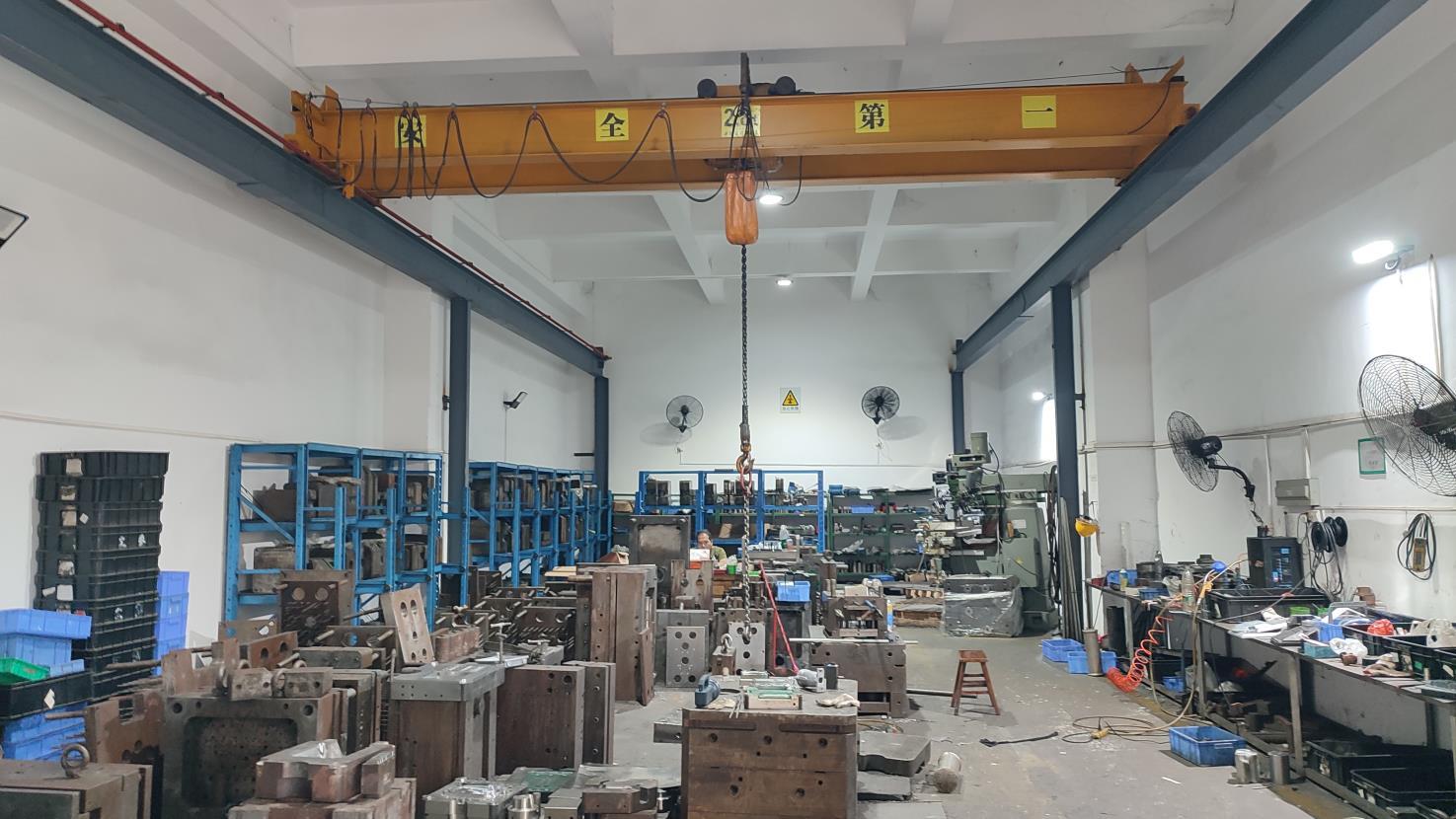
Precision Molding
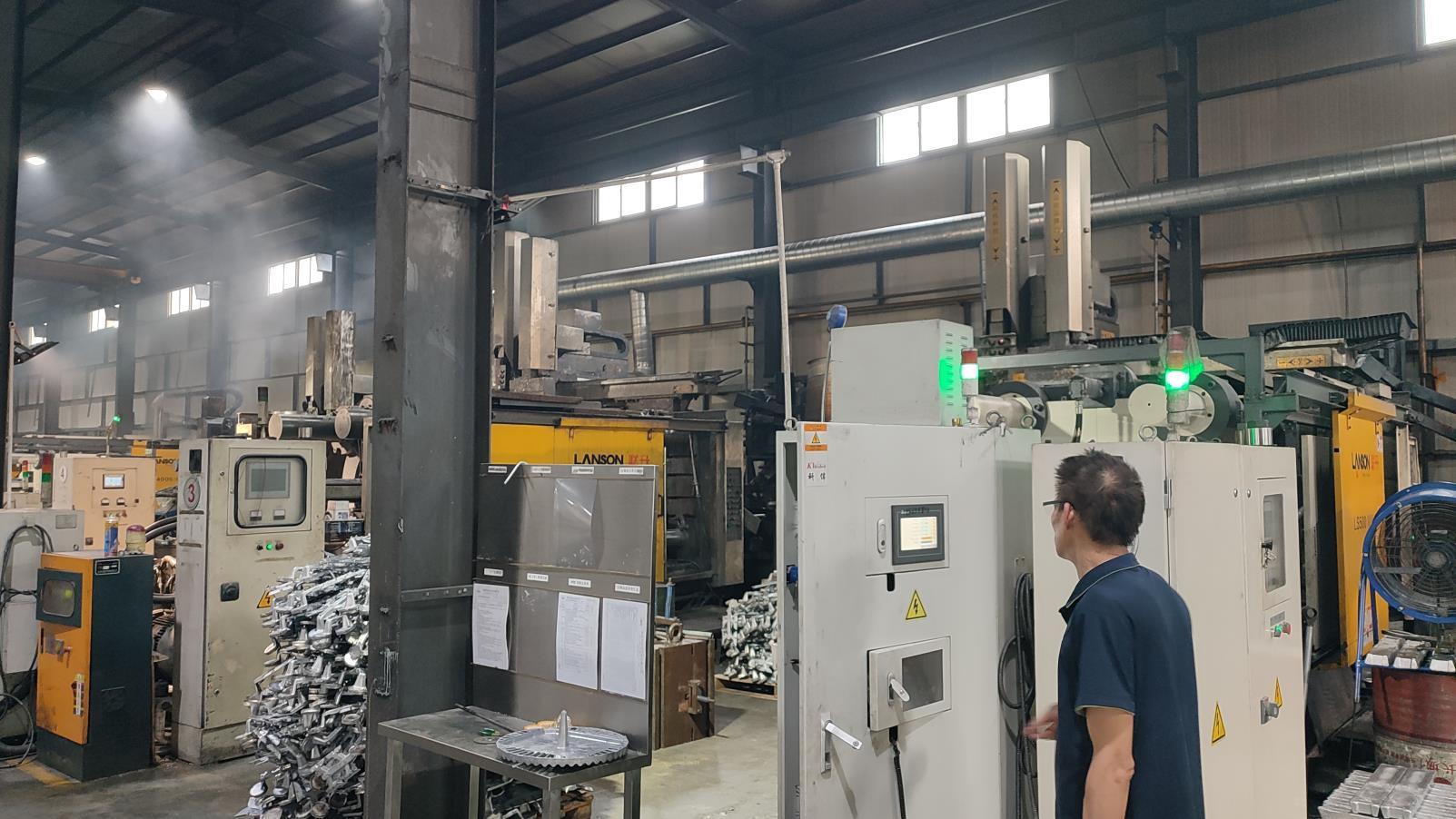
High-Pressure Die-casting
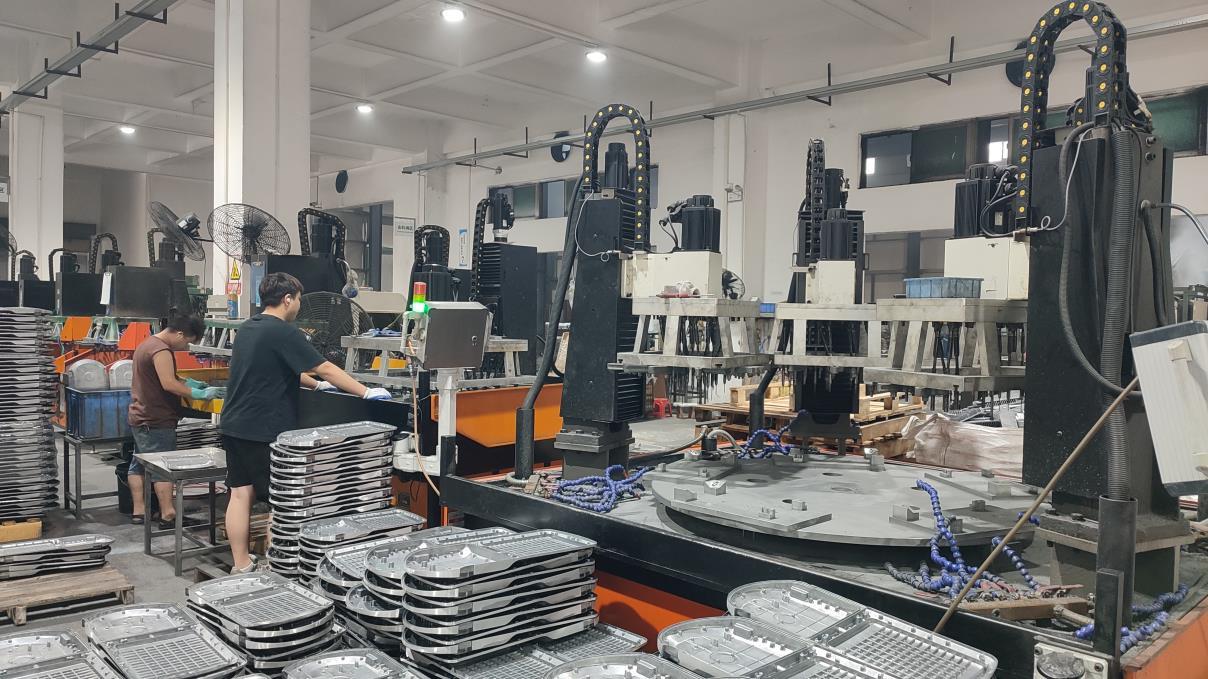
CNC Automated Drilling
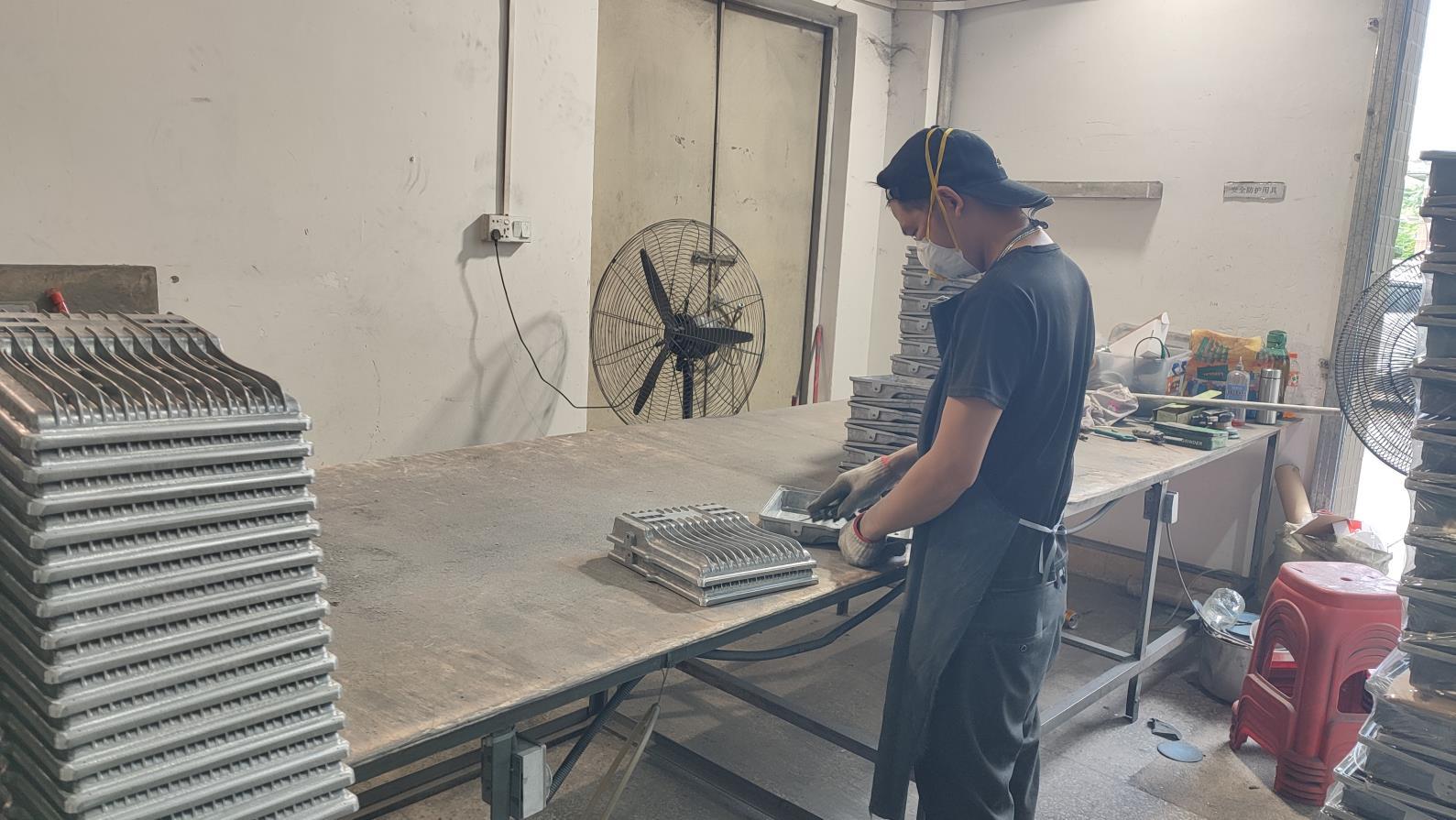
Robotic Flash Trimming
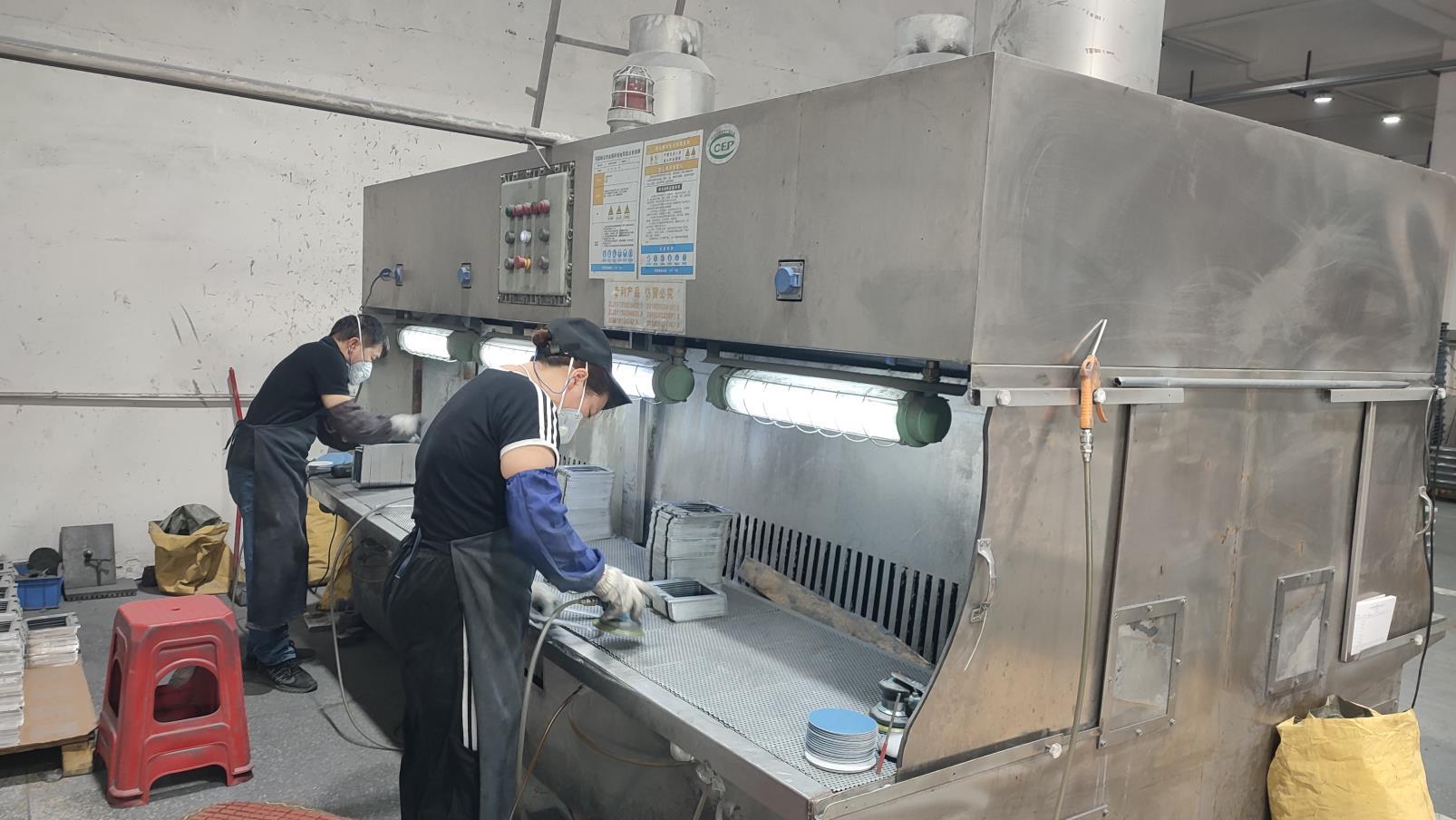
Surface Polishing
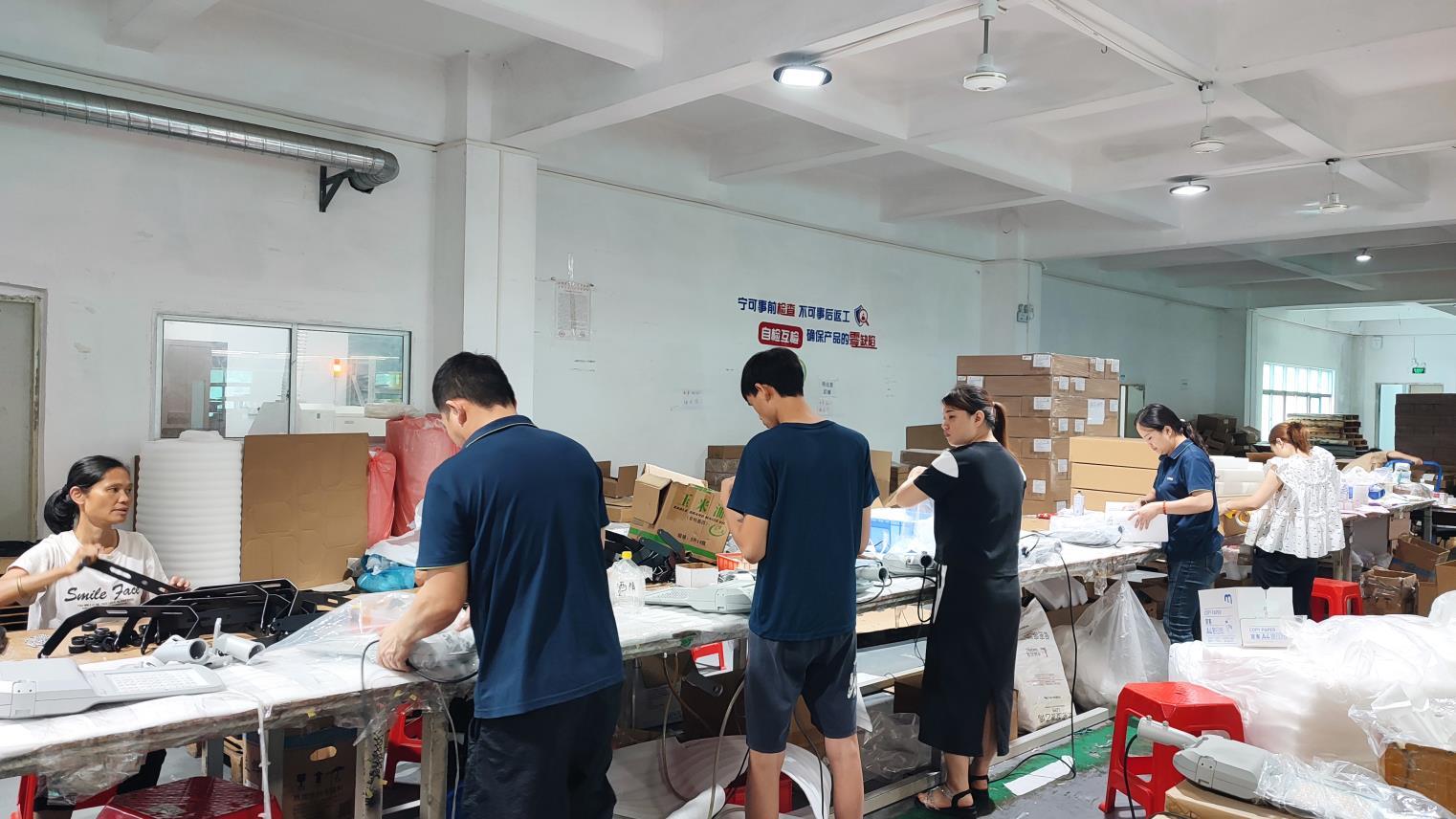
Unit Packaging
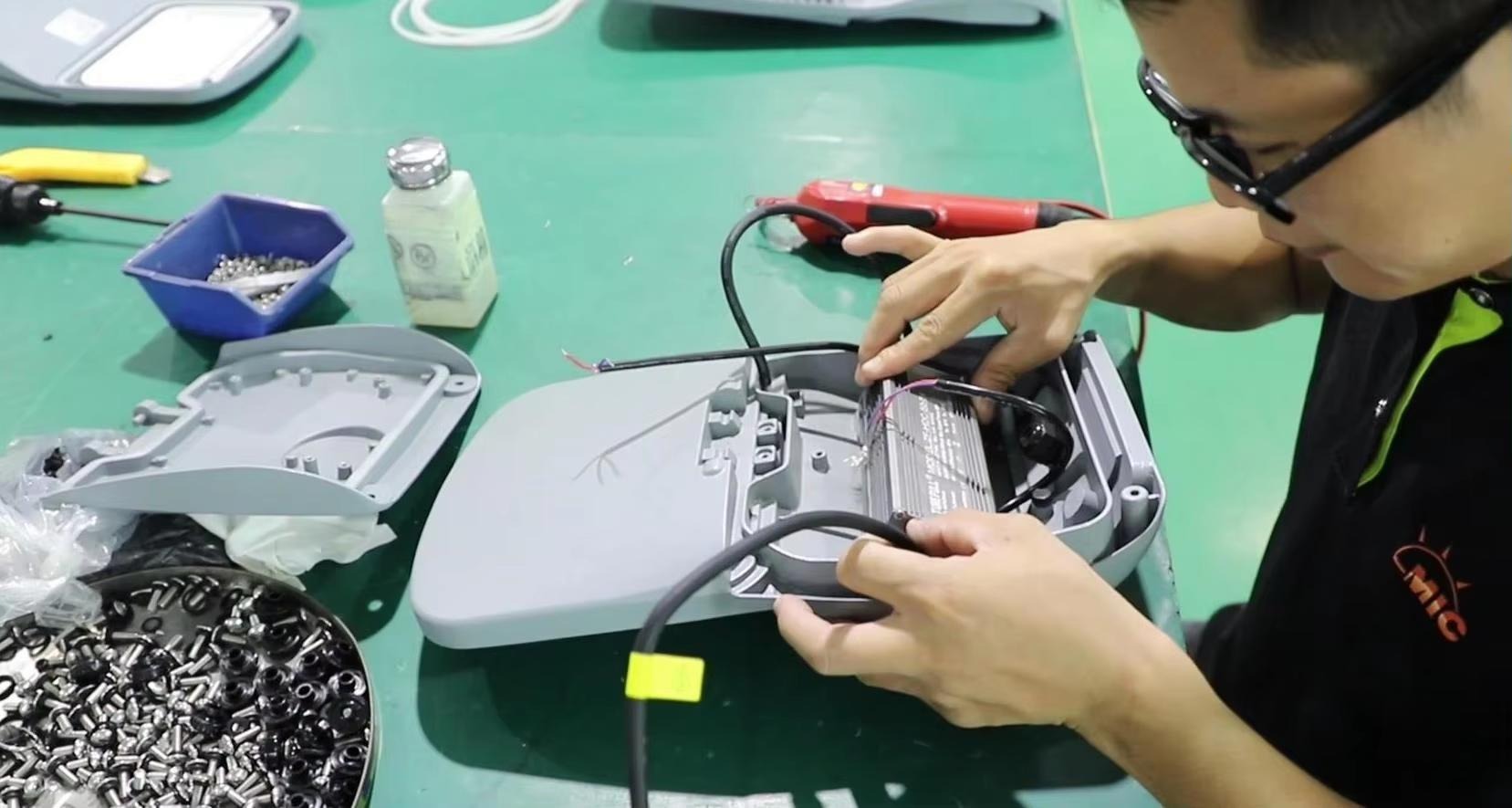
Electronic Assembly Line
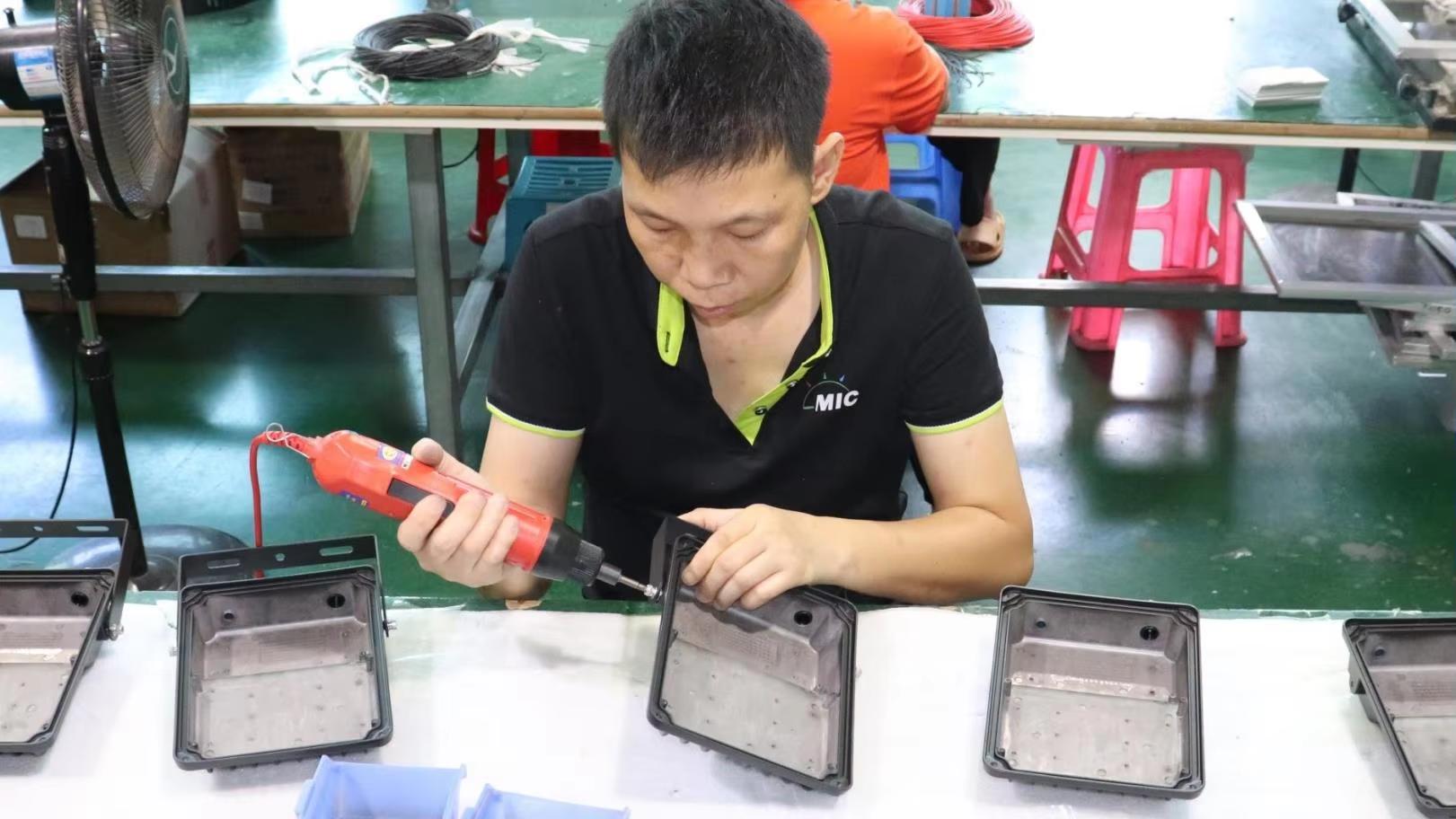
Component Integration
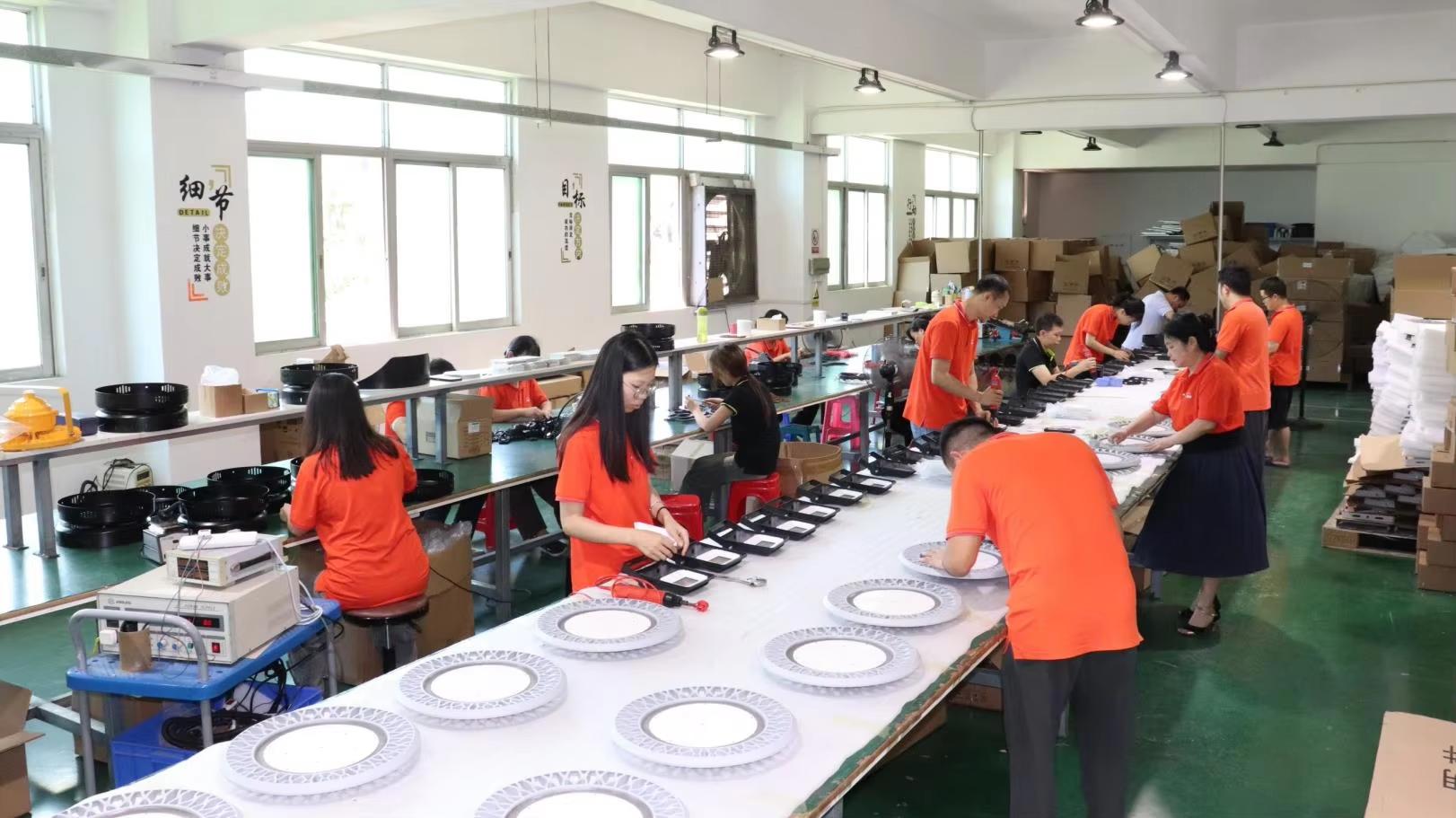
Final Luminaire Assembly
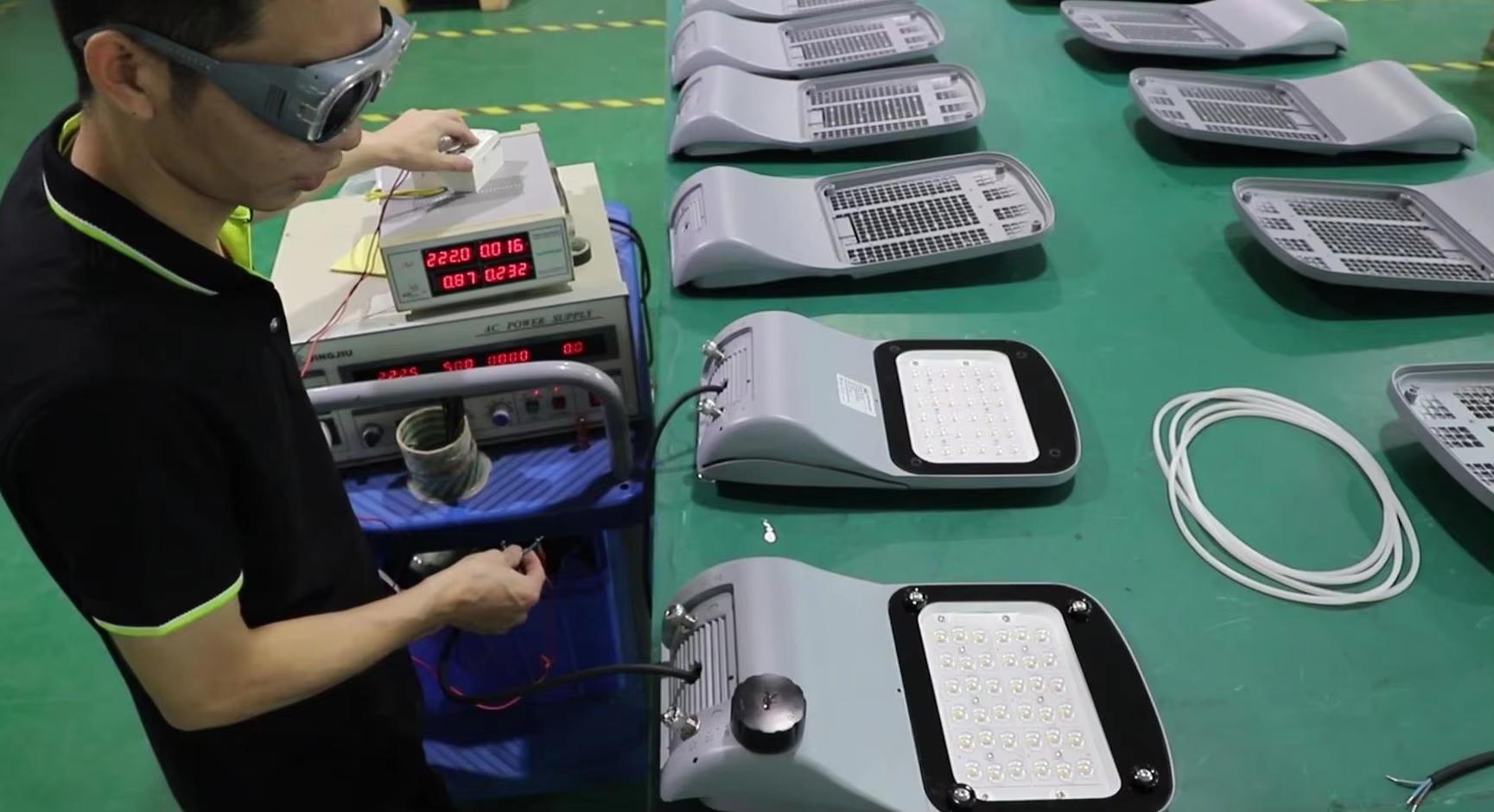
IP66 ingress Protection Testing
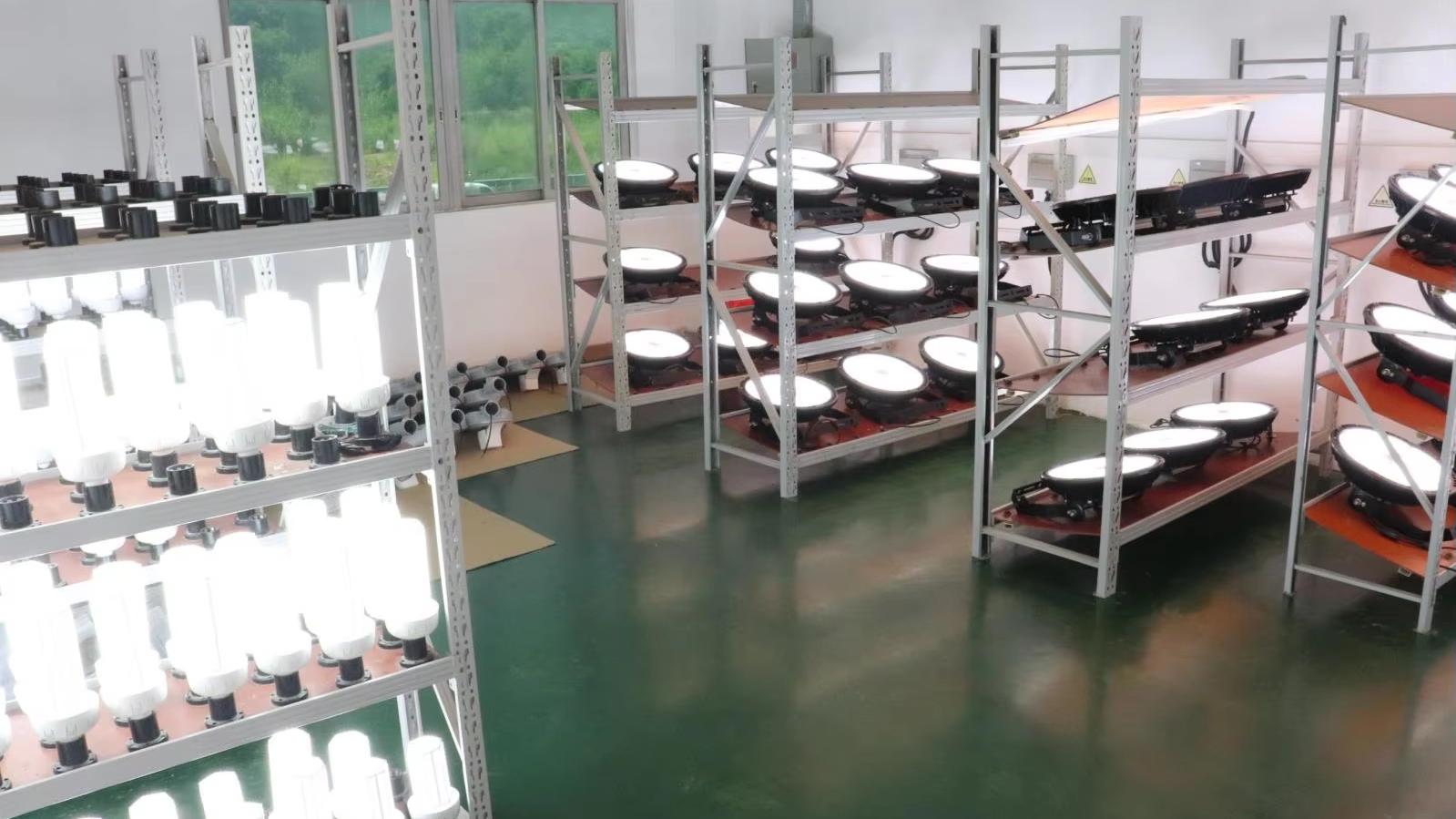
48-Hour Full-Load Aging Test
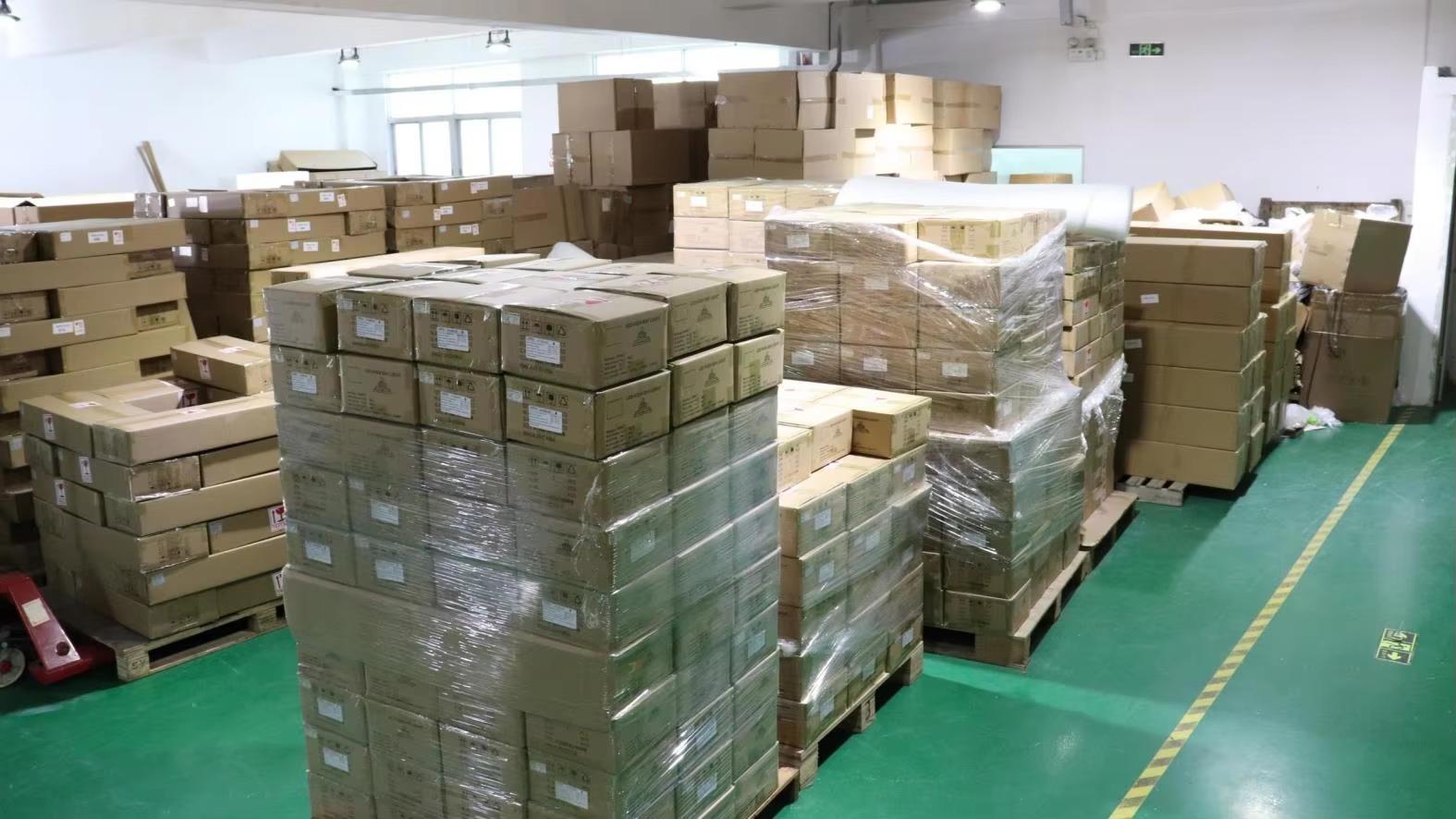
Storage & Logistics Prep
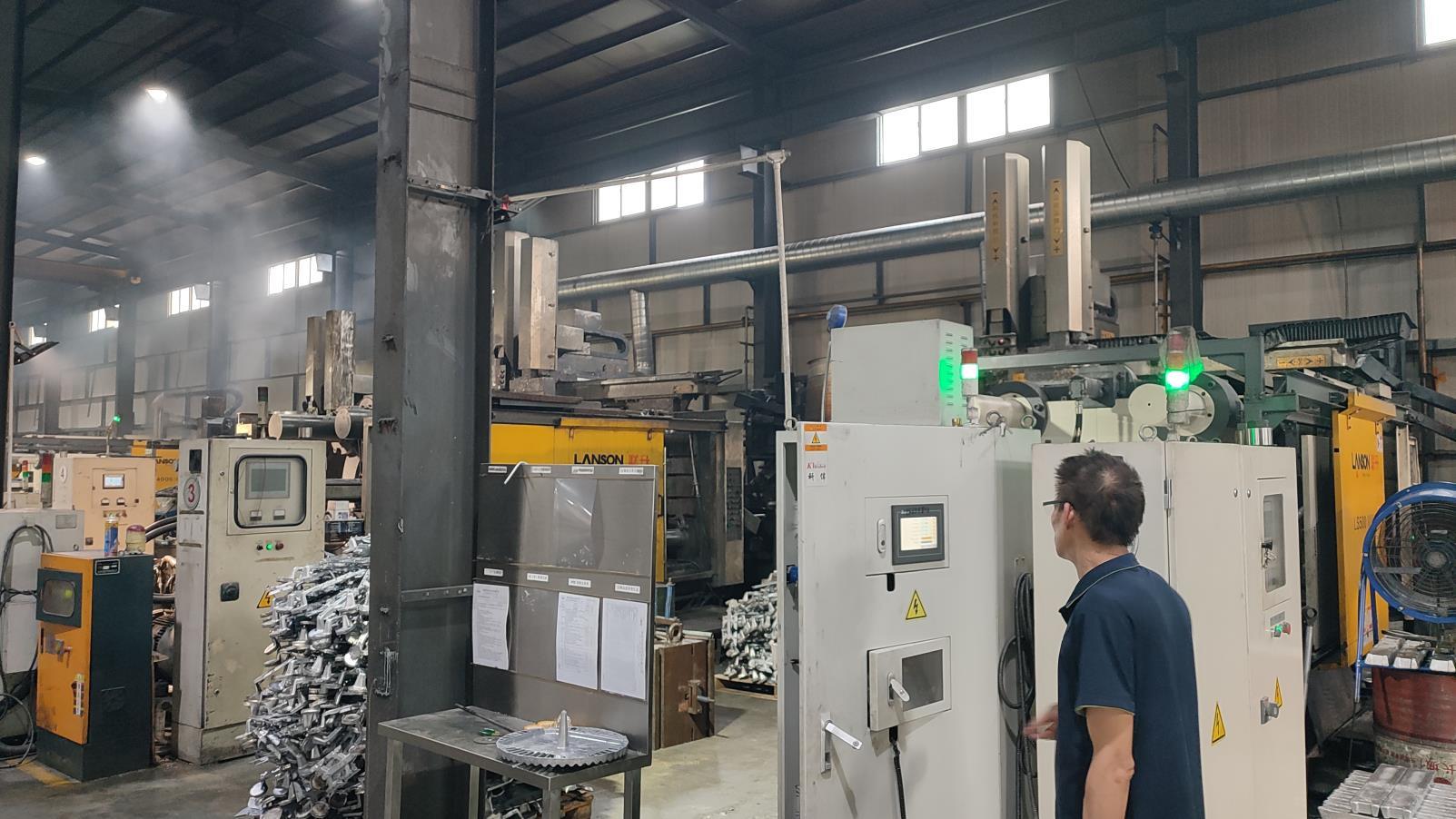
Heavy-Duty Automated Die-Casting Machinery
How we design lighting structures to survive environmental stressors and maximize luminous efficiency.
Standard architectural decorative lighting suffers from moisture ingress and salt-spray corrosion in coastal regions. Lijah Light utilizes raw aluminum ingots that undergo high-grade electrostatic powder-coating processes. Pre-treated surfaces receive zinc phosphate coatings to block rust, combined with double-sealed silicon gaskets. These allow our fixtures to maintain their IP65/IP66 waterproof performance, preventing interior humidity condensation from damaging the high-brightness LED modules.
Correct light distribution prevents light pollution in residential spaces and targets high-value areas. Our lenses are constructed from optical-grade, UV-stabilized polymethyl methacrylate (PMMA) or polycarbonate (PC) materials. This preserves color temperature stability and resists yellowing under solar radiation. By controlling beam angles through multi-faceted reflectors, we achieve high lux levels on designated paths while maintaining zero upward light emission to satisfy local dark-sky compliance laws.
Lijah Light products undergo third-party laboratory verification to ensure conformity with top safety and performance standards worldwide.
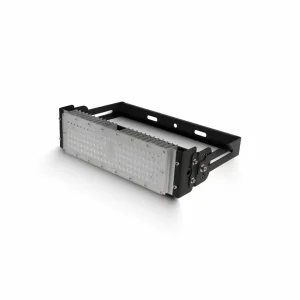
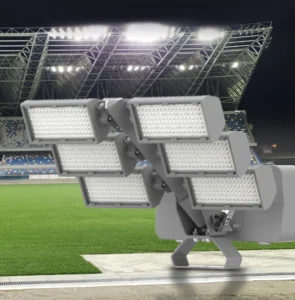
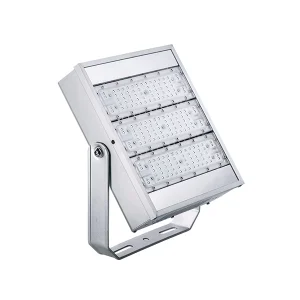
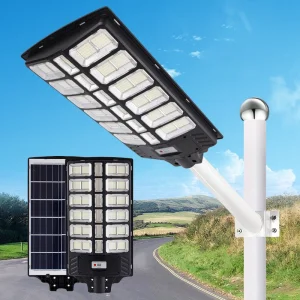
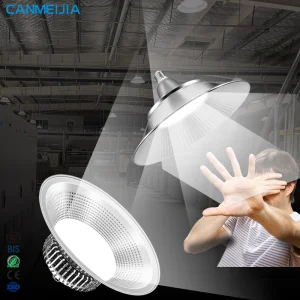
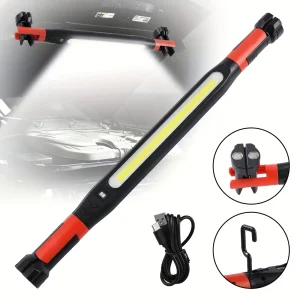
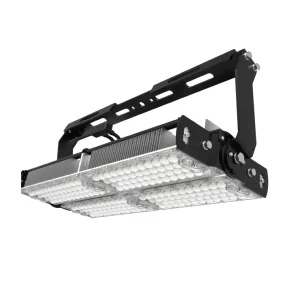
From high-bay warehouse operations to high-power commercial floodlights—our heavy-duty product selection.
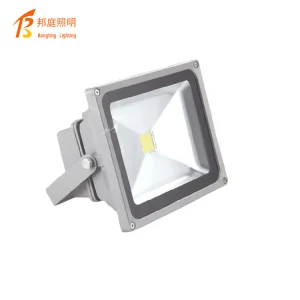
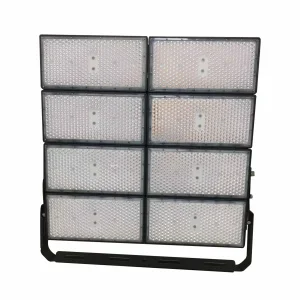
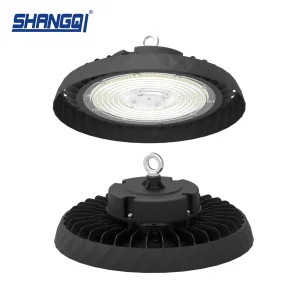
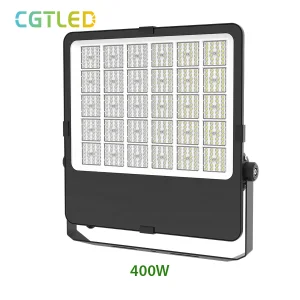
Common inquiries from lighting engineers, project distributors, and procurement leads regarding LED specification standards.
For commercial-grade applications, the housing should be made of heavy-duty die-cast aluminum (such as ADC12) to provide rapid thermal heat dissipation. The lens must feature UV-stabilized polycarbonate or tempered glass to resist solar yellowing. Pre-treatment with chromate conversion coating followed by marine-grade electrostatic powder spray is essential to prevent degradation in high-salinity or wet environments.
IP (Ingress Protection) ratings define dust and water resistance. For outdoor decorative post tops and garden paths, a minimum of IP65 is required, protecting the internal electronics against dust ingress and low-pressure water jets. For heavy rain, snow, or commercial washdown environments, IP66 or IP67 ratings are recommended to maintain fixture integrity and avoid internal condensation.
A DIALux design maps simulated light coverage onto digital CAD elevations. This layout specifies output lux levels, light distribution curves (IES files), and uniformity indices (U0). Using these simulations, planners can optimize light placement to prevent dark areas, lower overall energy consumption, and verify local zoning compliance before committing to product purchase.
LM-79 measures total luminous flux, electrical power, and chromaticity on the complete luminaire. LM-80 verifies lumen maintenance of the LED package components over thousands of hours of operation. Together, they prove the validity of lifetime claims (like L70 > 50,000 hours) by showing how well the design manages LED driver and junction temperatures over long operational cycles.
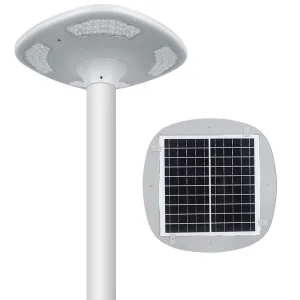
High-performance solar systems combine Monocrystalline silicon PV panels, long-cycle LiFePO4 batteries, and MPPT (Maximum Power Point Tracking) charge controllers. Integrated motion sensors, coupled with scheduled power dimming profiles (e.g., 100% output for 3 hours, then 30% until activated), ensure reliable light output even during multiple consecutive cloudy days.
 Lijah Light