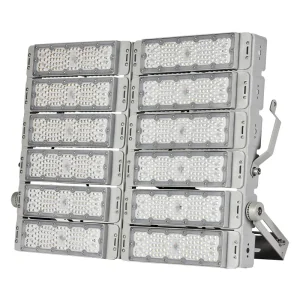
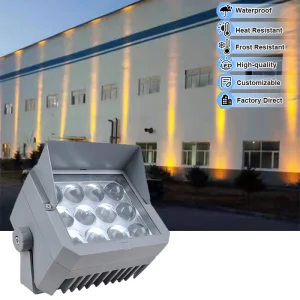
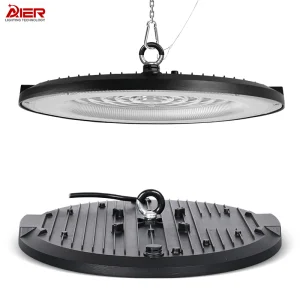
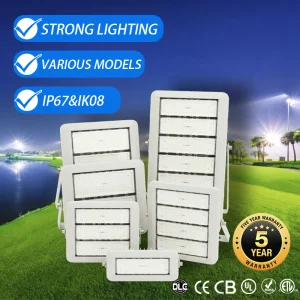
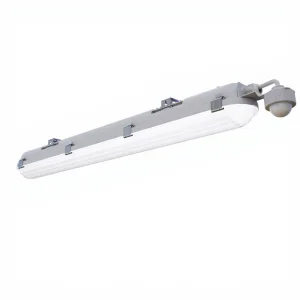
Explore our flagship heavy-duty lighting products configured for harsh environments, high output, and long-term operating durability.
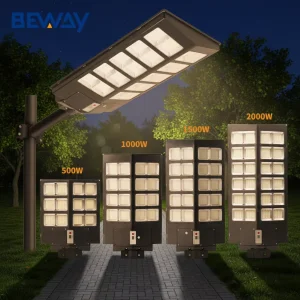
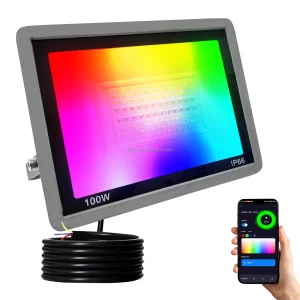
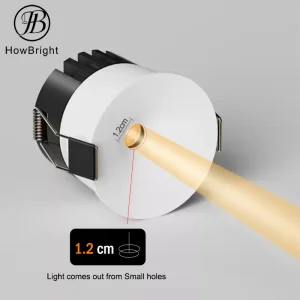
Understanding the global transition to high-power solid-state lighting and its role in sustainable heavy operations.
Modern industrial landscapes are undergoing a massive transition driven by stricter environmental guidelines, carbon reduction goals, and the economic necessity for operational efficiency. Traditionally, massive manufacturing complexes, maritime shipping yards, transportation nodes, and sports structures relied heavily on High-Pressure Sodium (HPS) and Metal Halide (MH) lamps. These legacy systems are not only energy-inefficient but also pose significant maintenance burdens, slow restrike times, and lack smart network compatibility.
As governments implement Net Zero 2050 directives, energy codes like ASHRAE 90.1 and Title 24 demand severe reductions in Lighting Power Density (LPD). For industrial projects, meeting these requirements while maintaining safe illumination levels on the ground requires highly specialized optical and electrical design. This is where professional-grade, high-output LED floodlights designed by specialized OEM/ODM manufacturers become indispensable. By upgrading to customized LED solutions, heavy industries routinely realize energy savings between 50% and 75%, while concurrently improving foot-candle consistency and mitigating glare risks.
An inside look at the high-grade components and mechanical architecture defining commercial-grade floodlighting systems.
Utilizing premium COB (Chip-on-Board) and SMD (Surface Mounted Device) arrays from Tier-1 suppliers like Lumileds, Osram, Bridgelux, and Cree. These components undergo rigorous LM-80 testing to project L70 and L90 lifespans using TM-21 algorithms, ensuring minimal lumen depreciation over decades of continuous multi-shift usage.
Powering the luminaires are industry-standard constant current drivers (MeanWell, Inventronics, Sosen) capable of wide voltage tolerances (100-277V / 347-480V). Engineered with internal 10kV/20kV surge protection, a Power Factor exceeding 0.95, and Total Harmonic Distortion (THD) below 15% to safeguard facility power networks.
High-grade PMMA or polycarbonate optical lenses deliver symmetric and asymmetric light distributions (e.g., 30°x70°, 60°x120°). Optimized polar distribution patterns maximize ground lux concentration while driving down UGR (Unified Glare Rating) scores to safe operating baselines.
The life expectancy of an industrial LED luminaire is governed almost entirely by its junction temperature (Tj). High-wattage floodlights operate in demanding environmental profiles. Without advanced thermal mitigation, thermal runaway quickly degrades efficiency, shifts color coordinates (CCT shift), and induces early driver failure.
Guangdong Lijah Light leverages heavy die-cast ADC12 aluminum housings. The heat sinks are simulated using CFD (Computational Fluid Dynamics) tools to design cooling fins that encourage natural convection currents. This prevents the buildup of particulate matter and facilitates fast thermal energy transfer away from the copper-core metal-clad PCBs (MCPCB), maintaining junction temperature well below 85°C.
How we transform project specifications into bespoke commercial-grade lighting hardware.
Every heavy-duty industrial project presents unique lighting hurdles. A shipyard in Northern Europe has vastly different spatial and mounting parameters than a warehouse in Oceania. As a specialized OEM/ODM factory, Guangdong Lijah Light provides the structural, optical, and electrical customization required to satisfy precise engineering bid specifications.
Our engineering team translates architectural floor plans or exterior layouts into detailed 3D DIALux lighting designs. We calculate vertical and horizontal illumination levels, uniformity ratios, and UGR ratings, ensuring you win tenders by proving performance before physical assembly begins.
From custom powder coatings (C5-M marine-grade paint) for high-salinity harbor environments, to specialized bracketry (yokes, slip fitters, tenon adaptors), we customize the mechanical structure to integrate with existing mounting configurations.
We support standard 0-10V, DALI-2, and Zigbee dimming controls. Sensor options include photocells, microwave motion sensors, and integrated smart nodes compatible with smart city or smart warehouse central management software.
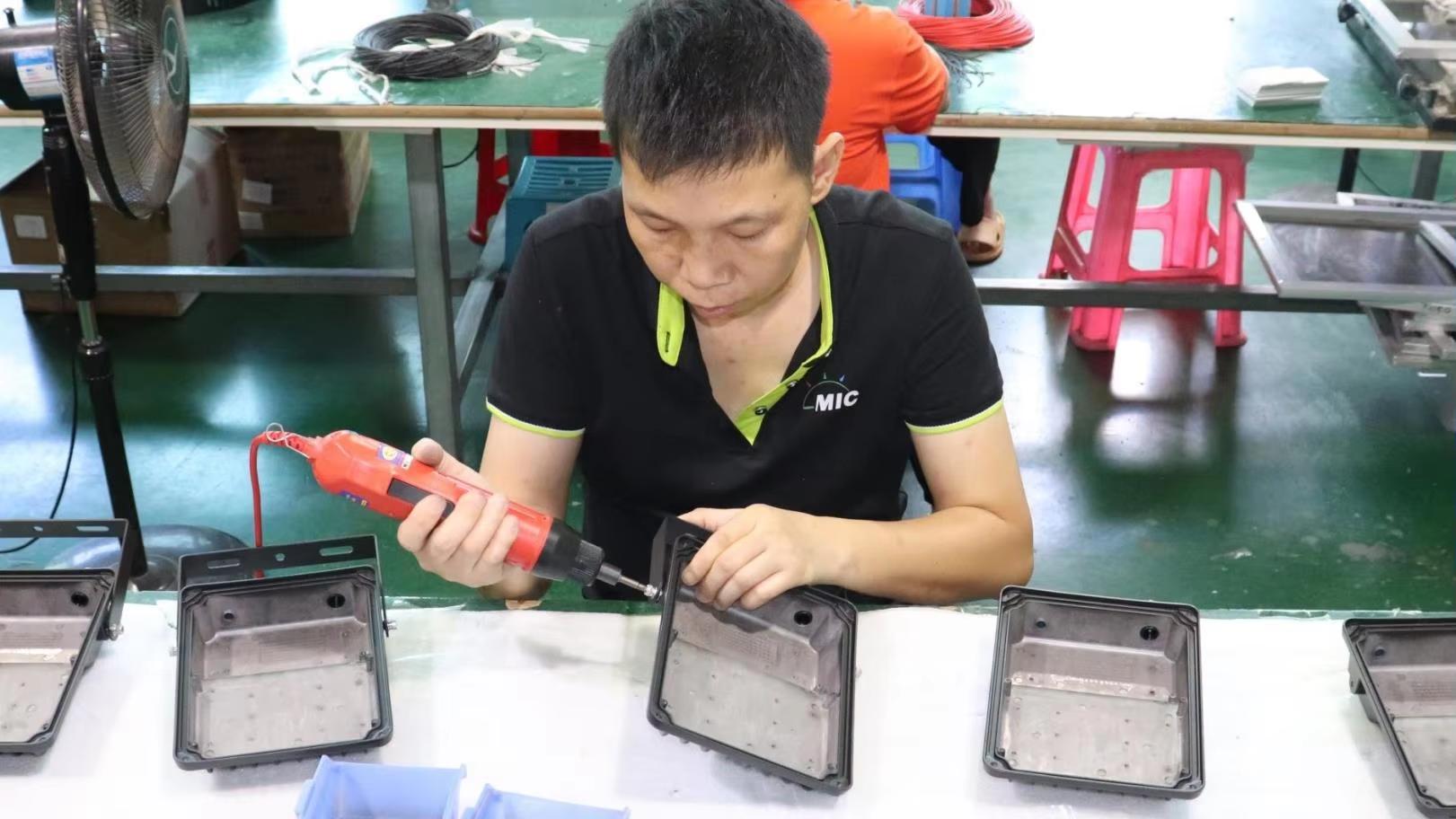
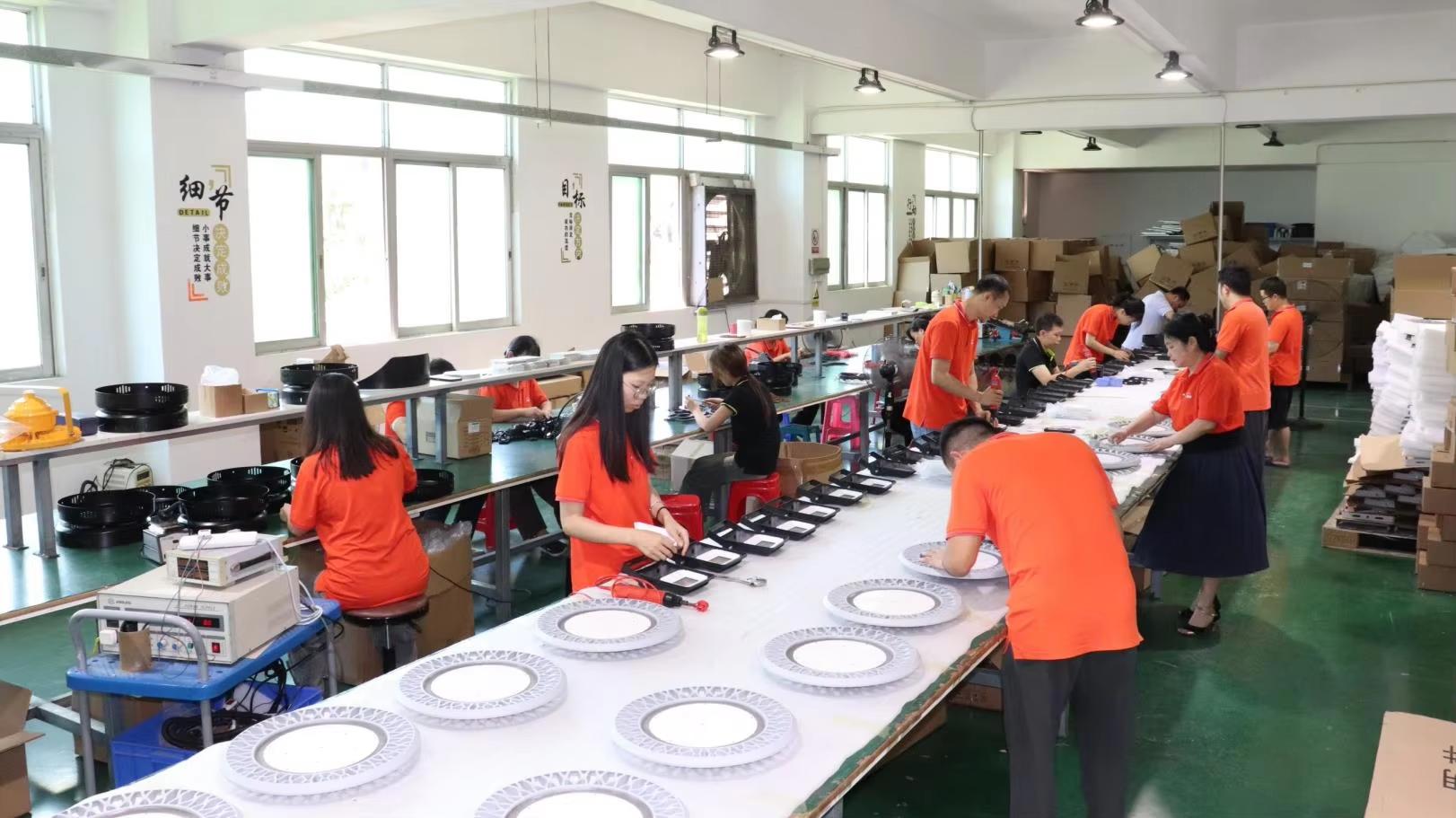
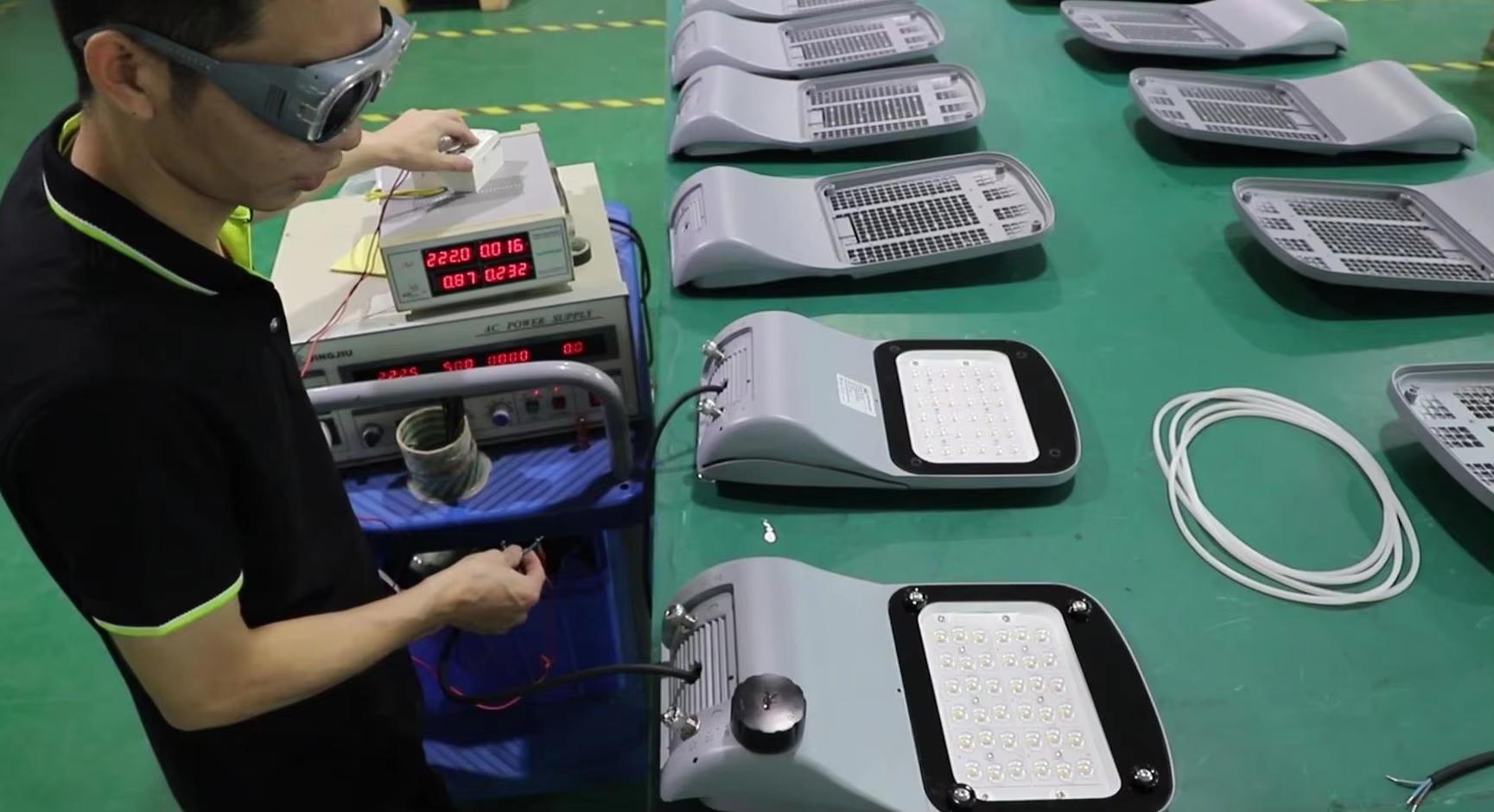
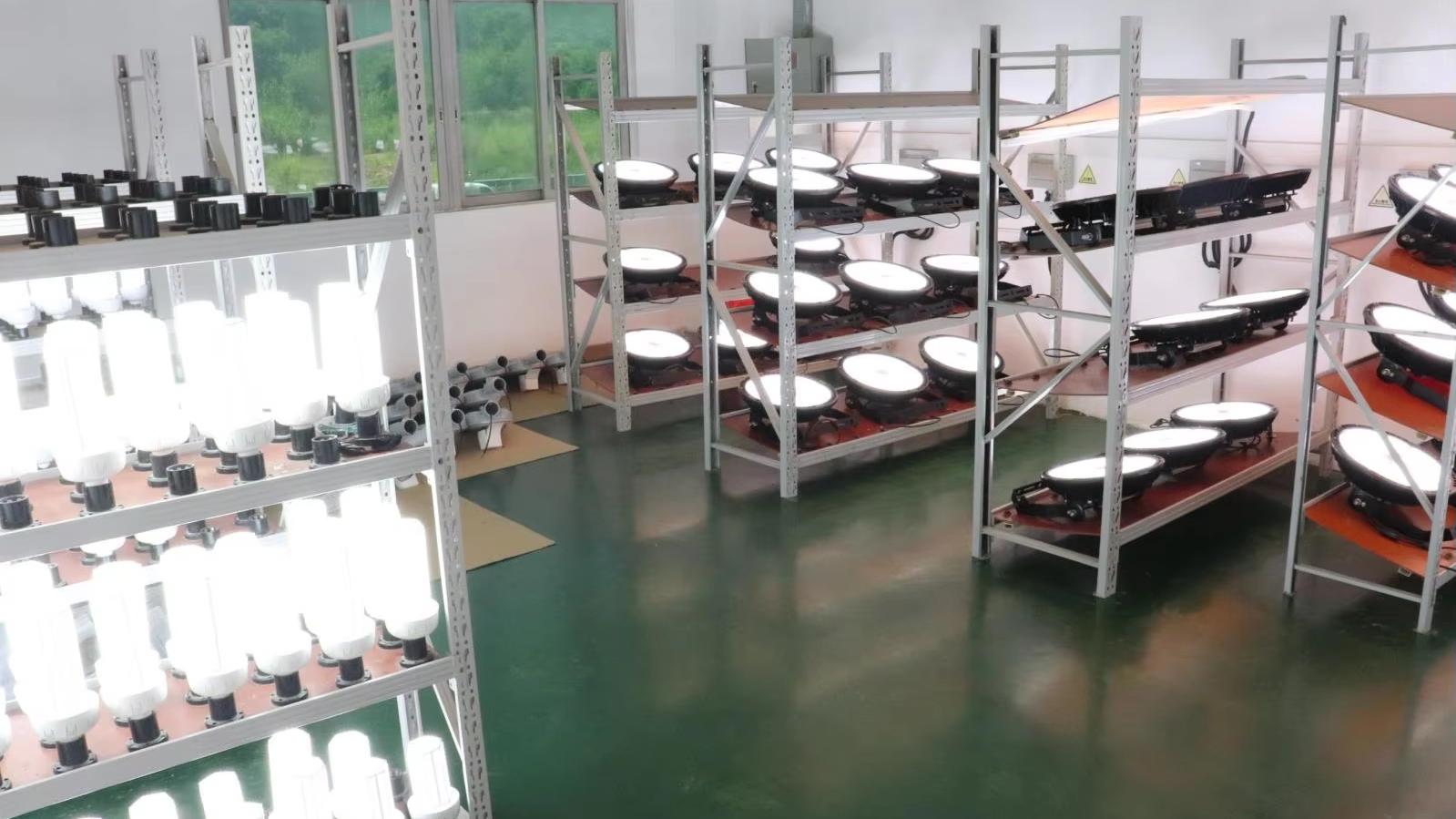
An authentic visual trace of our factory floor, displaying the heavy machinery, precision tooling, and quality checkpoints that build every product.
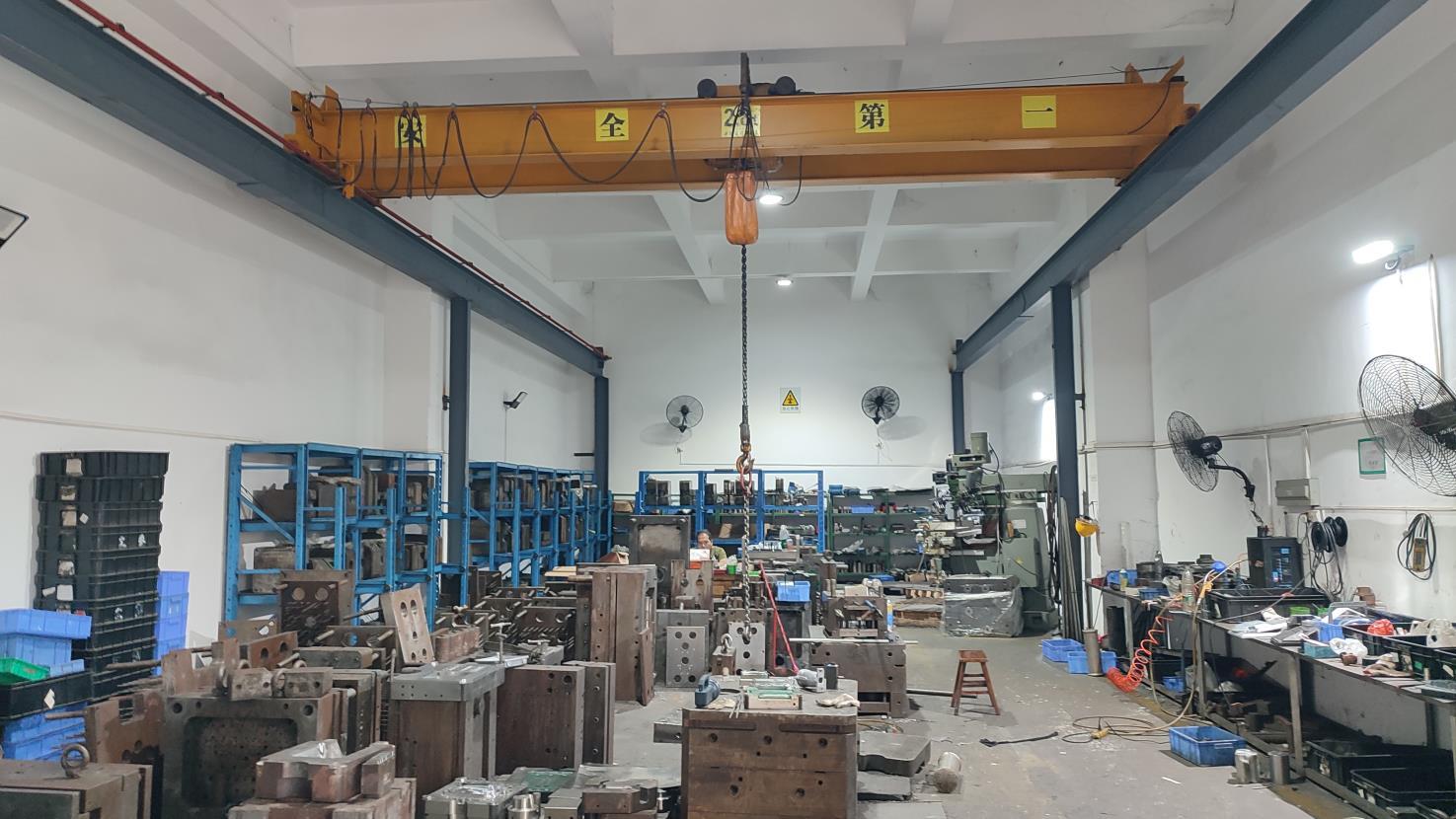
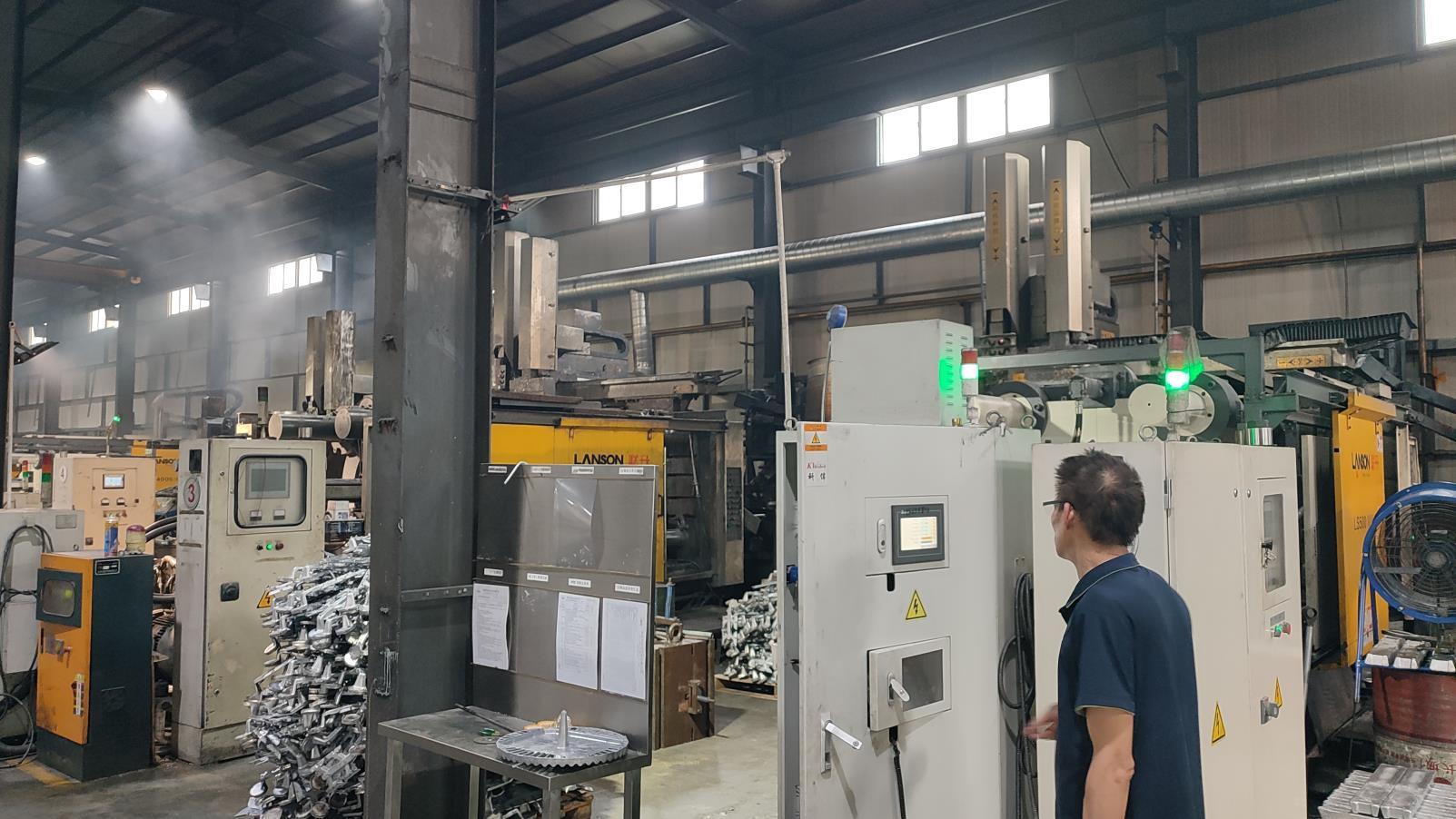
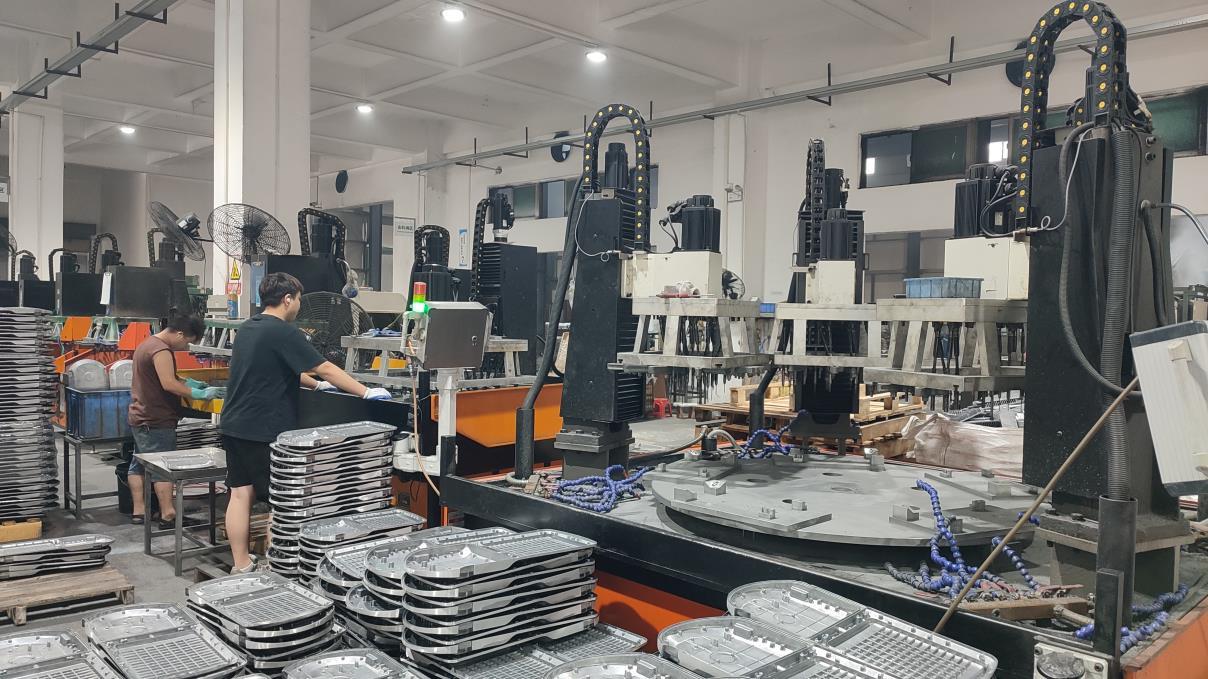
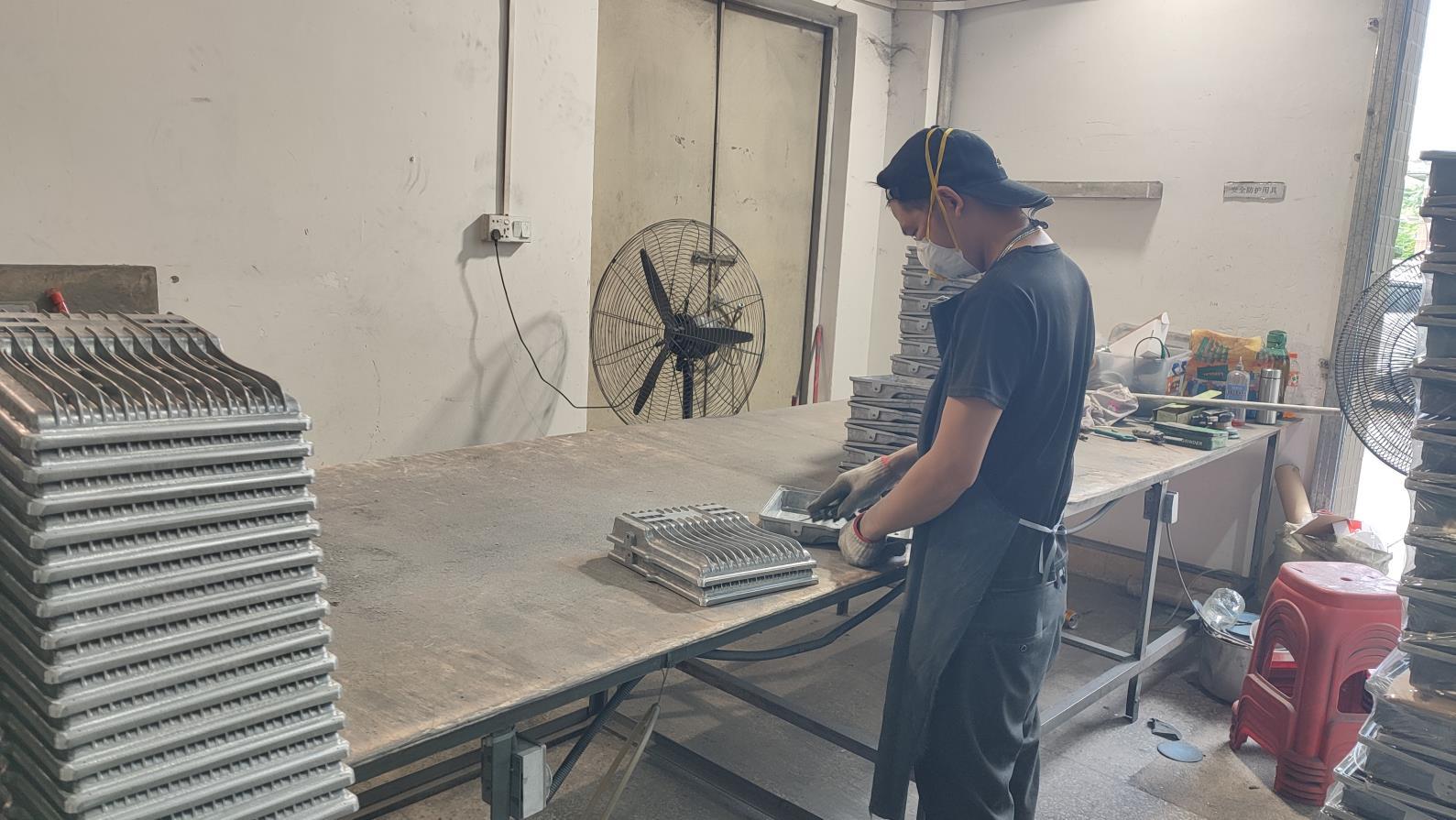
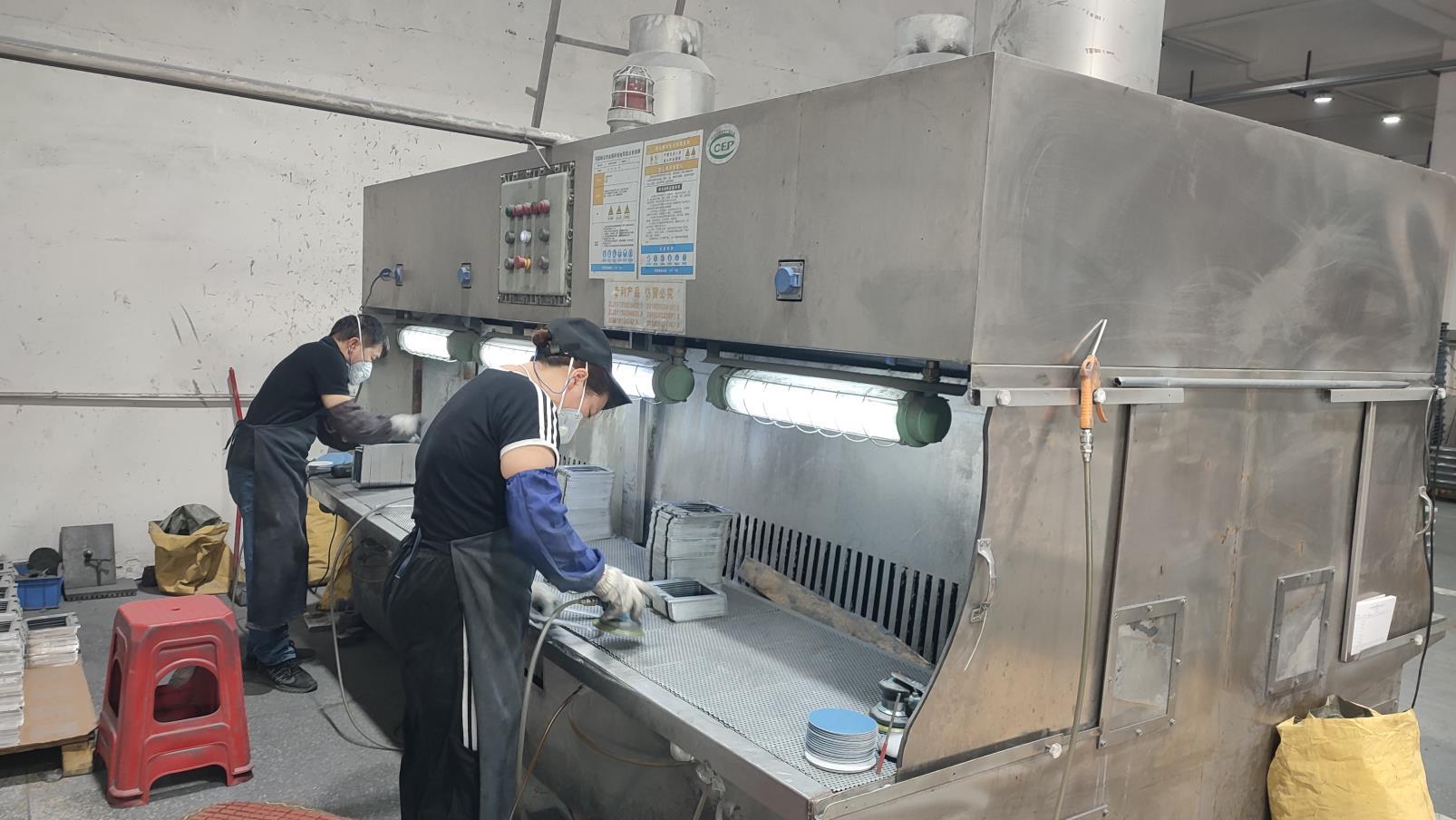
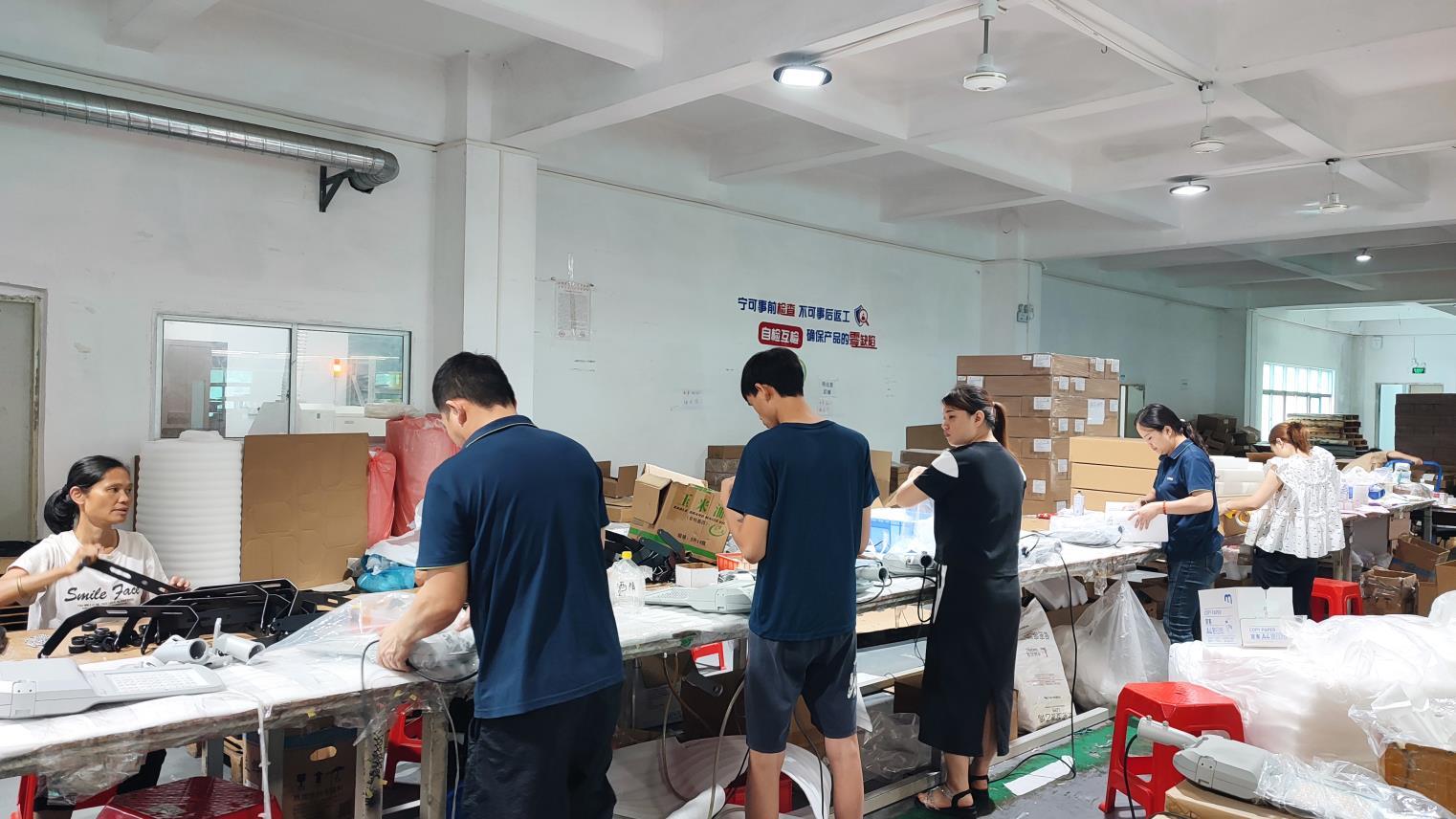
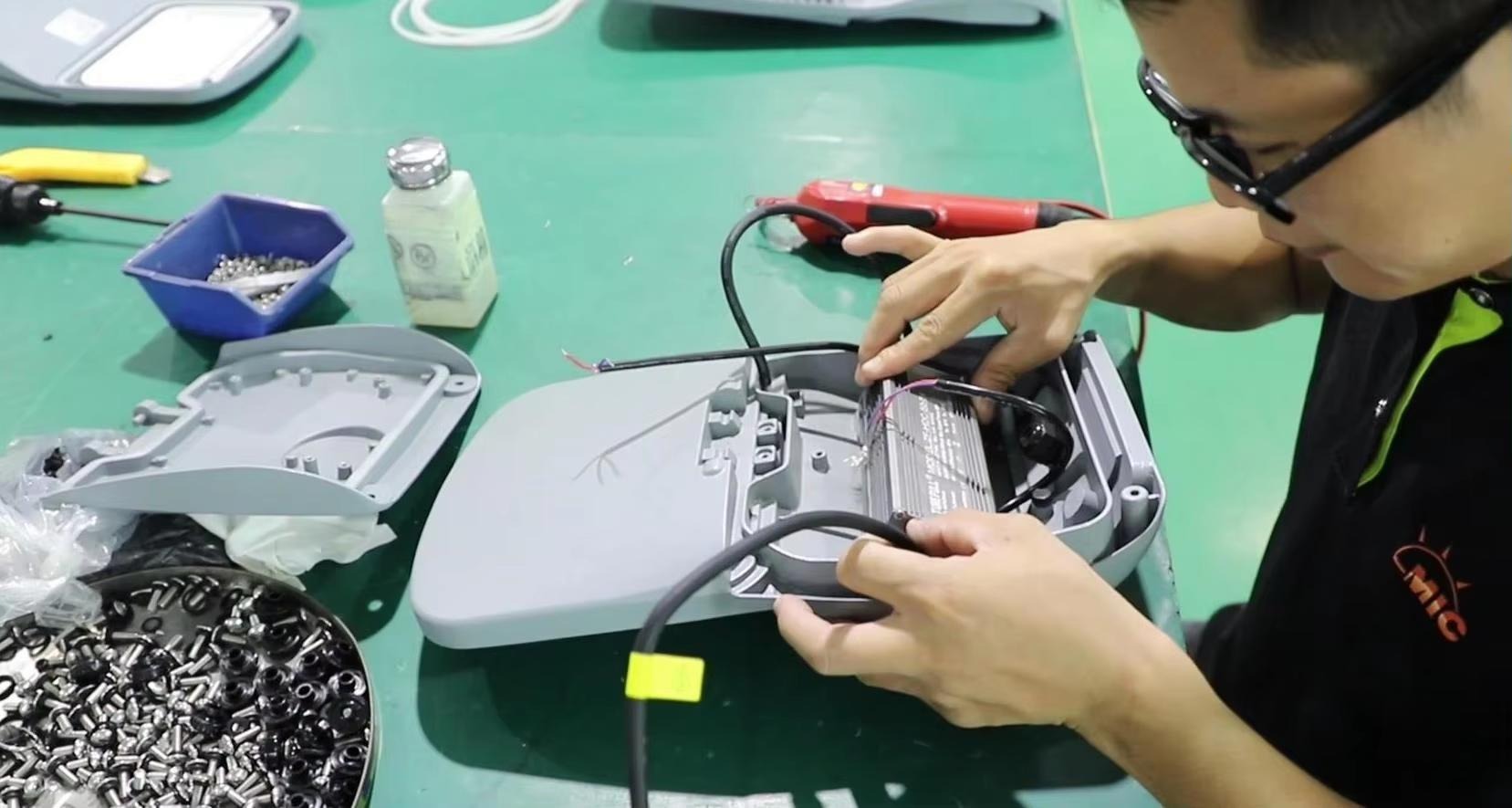
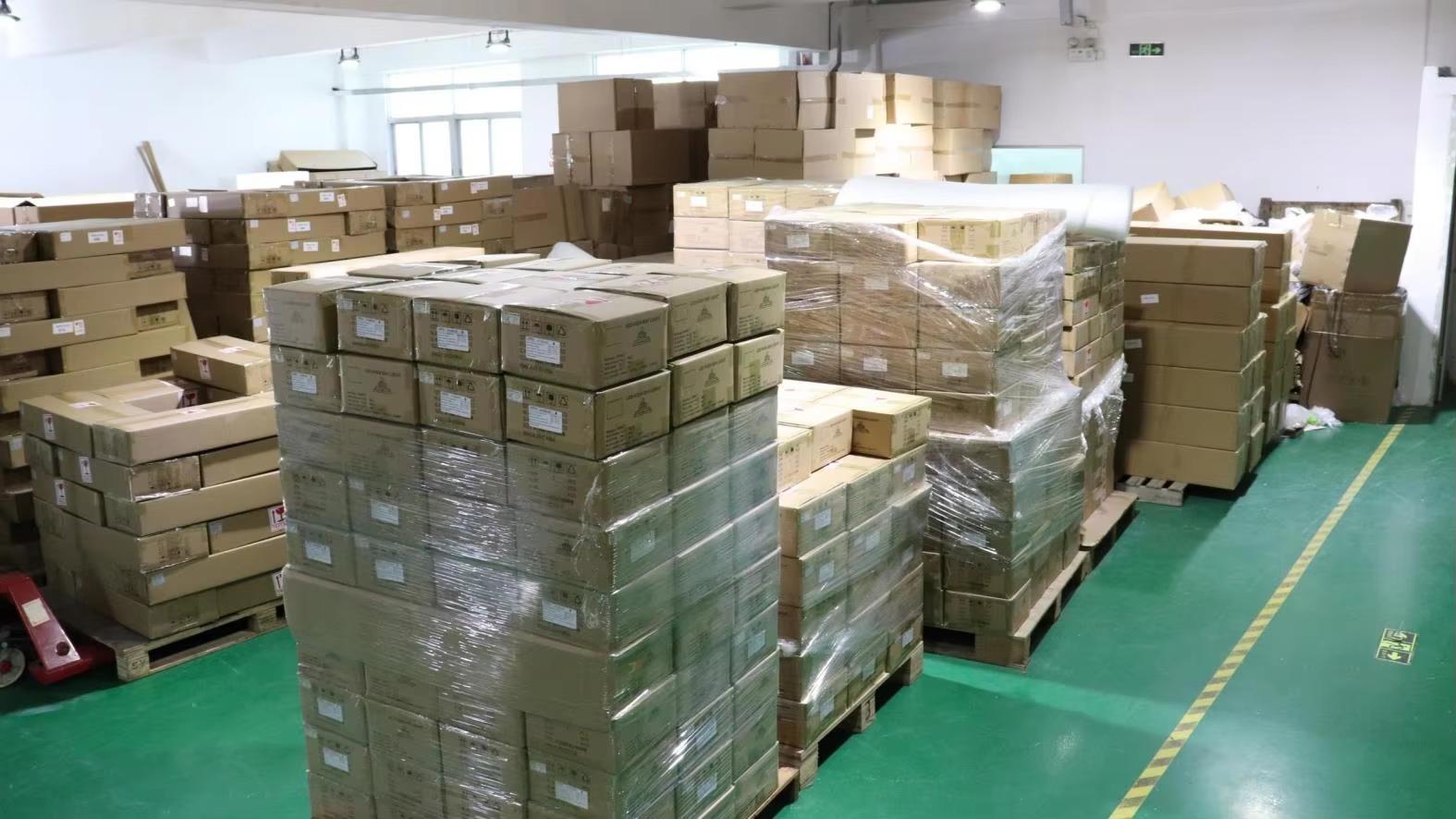
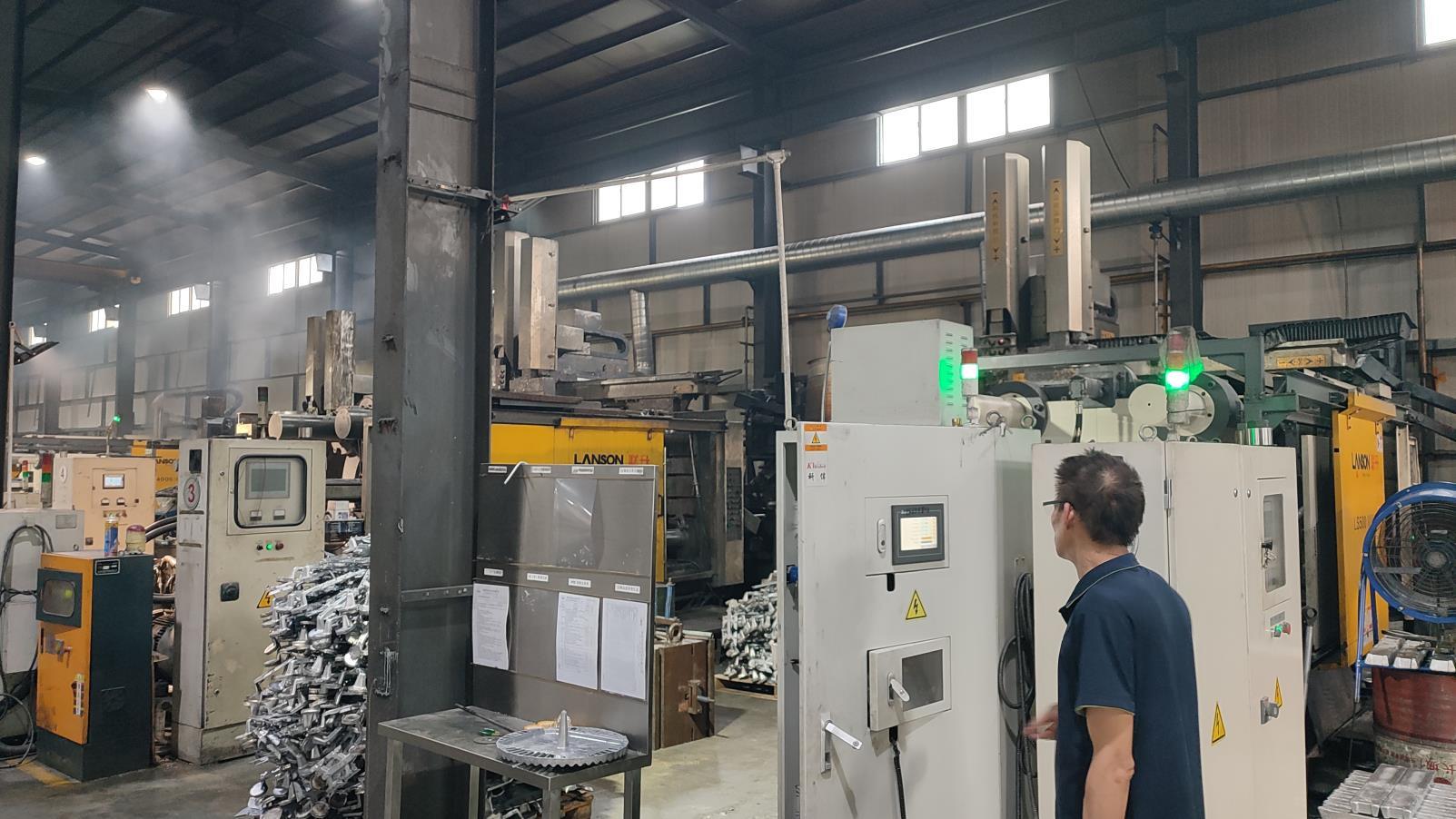
Meeting high quality benchmarks to secure smooth local integration in worldwide markets.
B2B buyers, municipal authorities, and enterprise customers cannot afford the liability of installing non-compliant hardware. Poorly engineered LED luminaires can cause radio frequency interference, fail dielectric strength tests, or degrade rapidly in damp conditions. At Guangdong Lijah Light Co., Ltd., safety and performance verification are built into the design process.
Our products are strictly certified to comply with CE and RoHS rules. Furthermore, depending on custom OEM requirements, our key industrial lighting systems have gone through tests to obtain highly coveted marks:
Compliance with TÜV, ENEC, VDE, and CB schemes ensures electrical integrity, safe low-voltage operation, and strict insulation parameters across the EU and Middle Eastern projects.
Secured SAA and C-Tick certifications, validating that our power components match the demanding Australian and New Zealand grid standards, preventing radio frequency pollution and harmonic feedback.
Our luminaires feature testing in accordance with LM-79 for optical distribution and LM-80 for lumen maintenance, guaranteeing our lighting values match the engineering files provided to your DIALux planners.
How our floodlighting lines are tailored to survive specific commercial and geographic parameters.
High-bay interiors and sorting yards suffer from high ambient temperatures, vibration from overhead cranes, and airborne particulate dust. Our IP65/IP66 systems are engineered to handle high temperatures and feature shock-resistant gaskets that preserve seal integrity over long operations.
Salt spray and high humidity quickly attack aluminum housings. We apply specialized electrophoretic primers and multi-layered polyurethane finishes to earn ISO 9227 C5-M marine-grade corrosion certificates. Stainless steel 316 hardware ensures mounting brackets never fail due to rust.
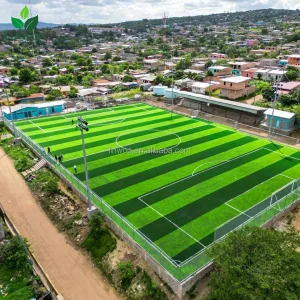
Modern HD and 4K sports broadcasting requires flicker-free performance. By keeping ripple current below 3%, our custom drivers eliminate slow-motion video strobing, while maintaining high color rendering indexes (CRI > 80/90) for maximum athlete and spectator visual clarity.
Anticipating the technological integration of IoT and modular design inside upcoming commercial lighting systems.
Integration of standard Zhaga and NEMA sockets onto standard floodlight designs to receive plug-and-play photocells and IoT controllers. Moving toward self-diagnostic systems that report power usage anomalies and temperature spikes to maintenance teams via web dashboard interfaces.
Deploying multi-channel spectral arrays that allow customization of the blue-light ratio. Minimizing blue wavelengths prevents skyglow, meeting dark sky standards while accommodating ecological regulations around migratory bird paths and marine turtle nesting sites.
Moving toward 100% recycled aluminum alloys for our cooling heatsinks. The goal is to reduce the carbon footprint of production, supporting carbon tax compliance and environmental reporting requirements for global buyers.
Clear answers to technical and logical questions when importing, bidding, or custom manufacturing industrial floodlighting systems.
Browse our remaining specialized industrial product solutions, built for stability and efficiency.
 Lijah Light