High-performance engineering luminaires built for critical infrastructure, athletic venues, and high-security zones worldwide.
In the modern commercial and industrial landscape, security lighting has evolved far beyond the simple act of illuminating dark pathways. Today, it constitutes a vital line of defense in risk management, site safety, and automated surveillance integration. As cities transform into smart metropolises and industrial facilities expand to operate 24/7, the demand for highly efficient, reliable, and intelligent security lighting systems has reached unprecedented heights.
Globally, the transition from conventional high-pressure sodium (HPS) and metal halide (MH) fixtures to high-efficiency Light Emitting Diode (LED) systems is nearly complete. The drivers for this market shift are deep-seated:
From deep-sea shipping docks and sprawling airport perimeters to remote mining sites and municipal pedestrian zones, the requirements for lighting hardware are severe. Equipment must resist extreme corrosion, withstand physical impacts, handle transient voltage spikes, and continue to operate at optimum thermal boundaries. Finding the right manufacturer who has structural expertise and deep supply chain control is the first critical step for global procurement directors.
When analyzing the global security lighting export market, China—specifically the Guangdong industrial cluster—stands as the undeniable core. This leadership is not built merely on pricing models, but on deep structural integration, continuous raw material supply chain alignment, and rapid engineering prototyping capabilities.
The manufacturing ecosystem in Guangdong consolidates every stage of luminaire production within a single geographic region. A typical factory has direct local access to die-cast aluminum alloys, specialized optical glass and polycarbonate lens molders, advanced automated surface mount technology (SMT) facilities, high-performance LED driver manufacturers (such as Inventronics, Sosen, and Meanwell), and world-class testing laboratories. This hyper-localized ecosystem translates to huge advantages for B2B buyers:
Structural designs can be drafted, simulated in DIALux, physically modeled, and thermally tested within a fraction of the time required in western markets.
Leading factories operate massive testing laboratories in-house. Equipment undergoes rigorous IP66/IP67 ingress validation, IK mechanical impact tests, salt-spray chamber runs, and long-term aging cycles under variable thermal loads.
By automating the core processes of die-casting, SMT circuit placement, and aging, manufacturers achieve extreme consistency in unit quality while keeping bill-of-materials (BOM) costs globally competitive.
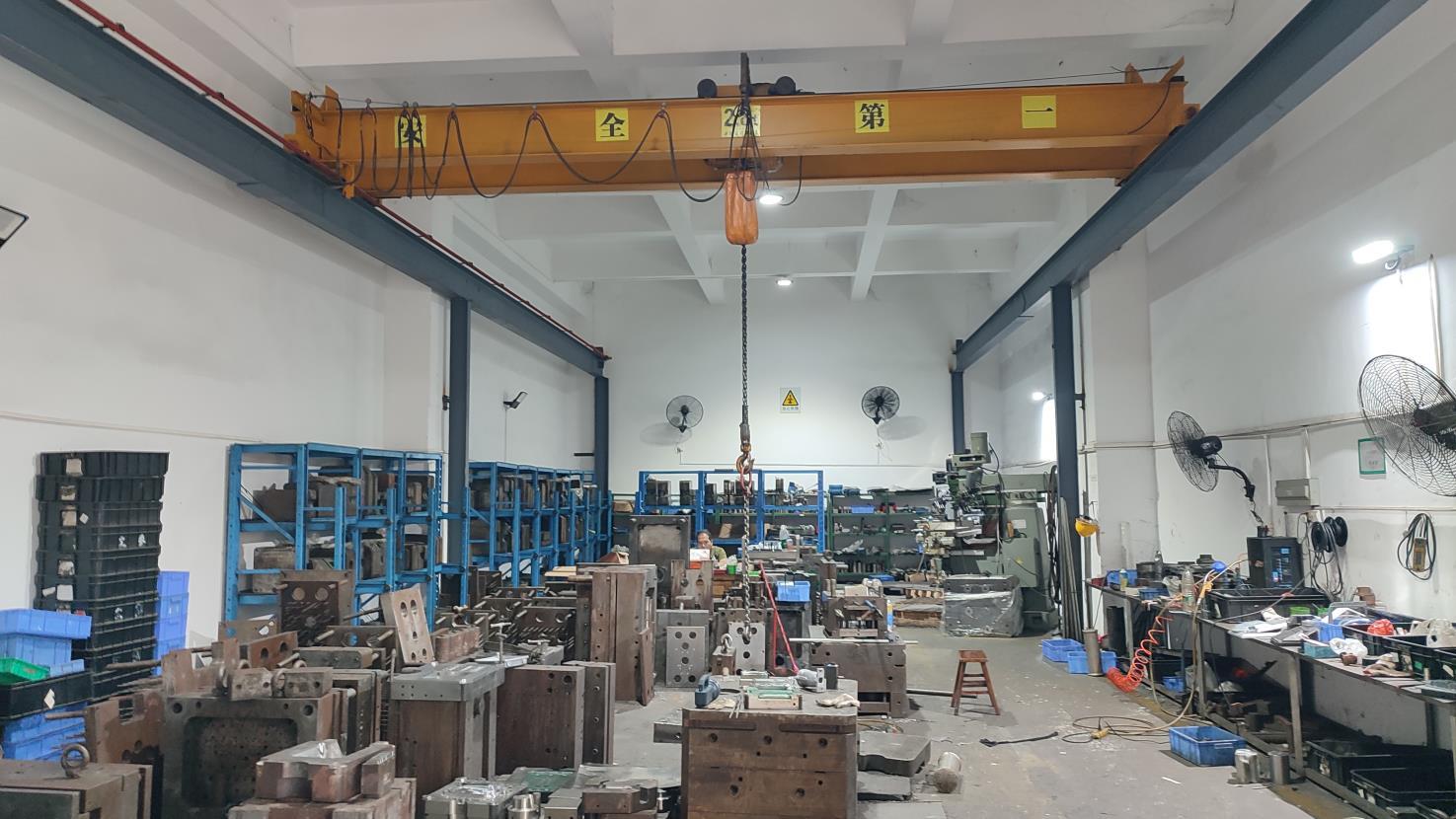
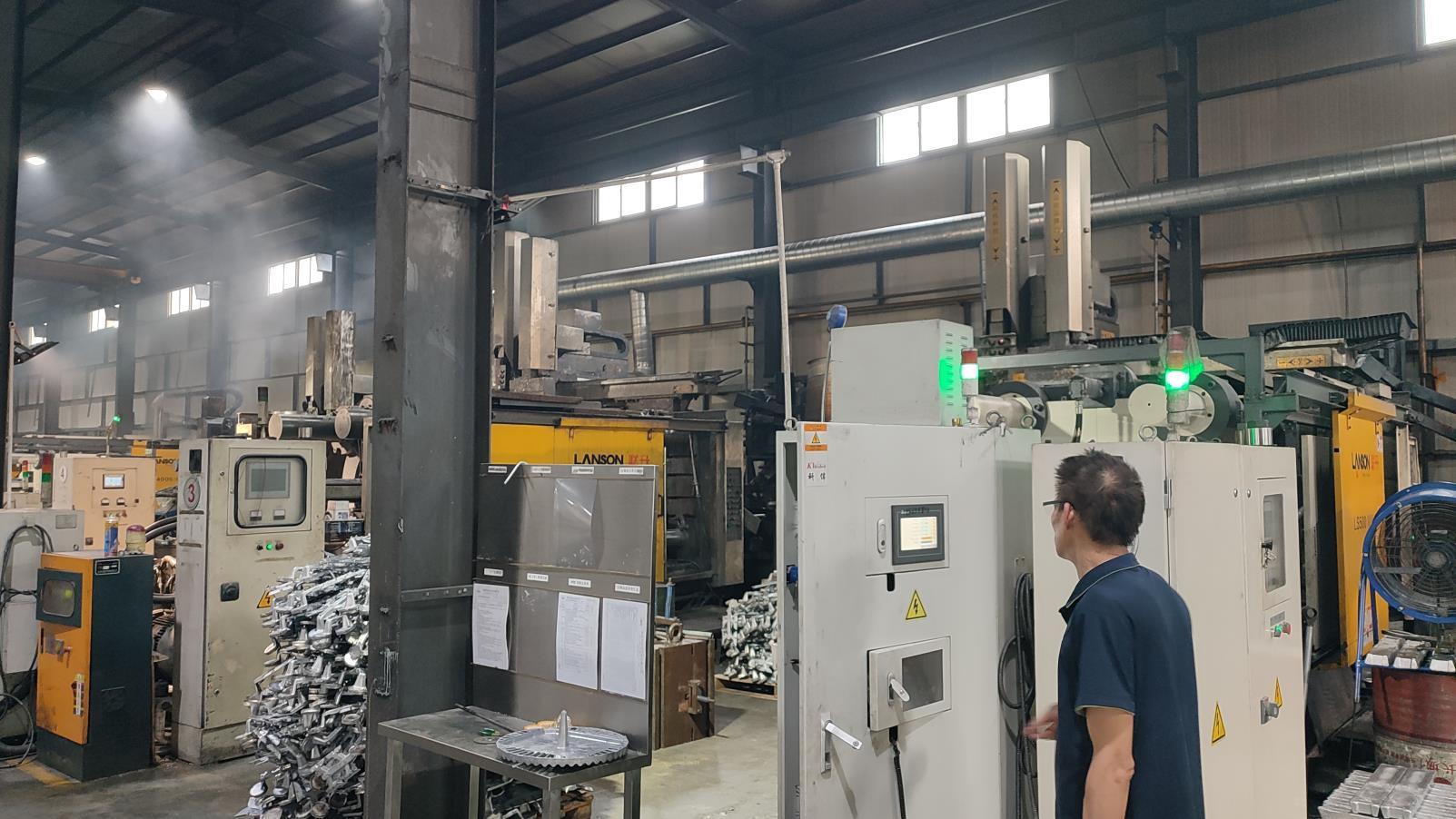
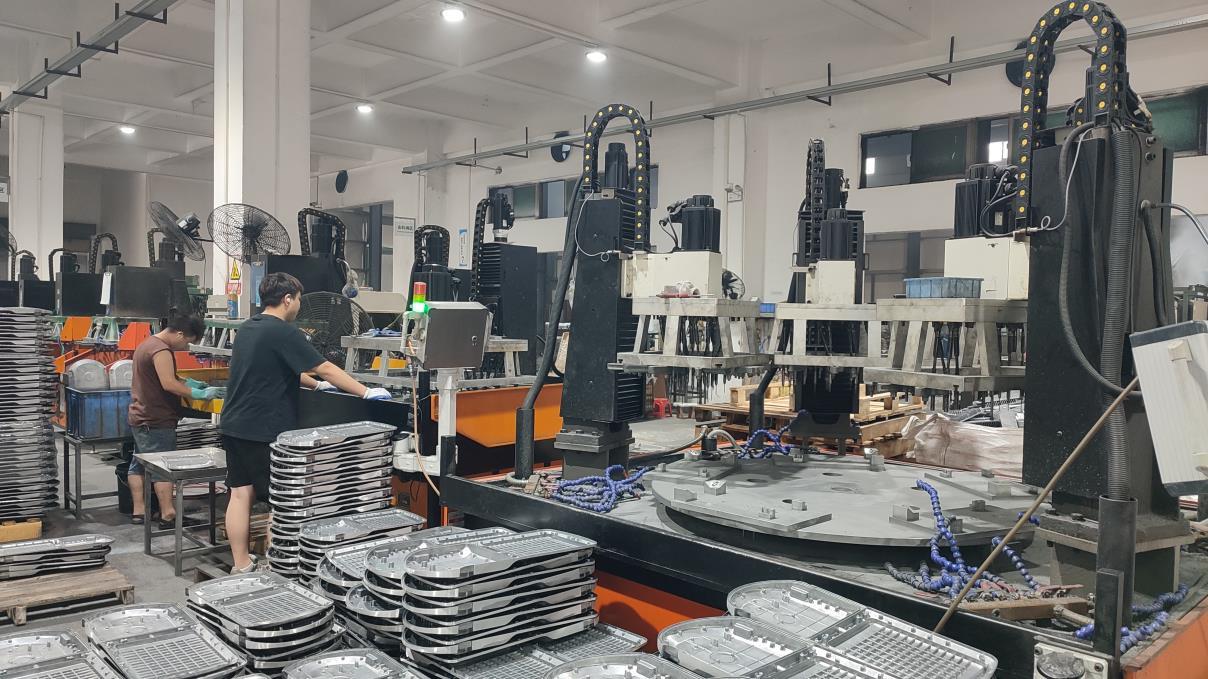
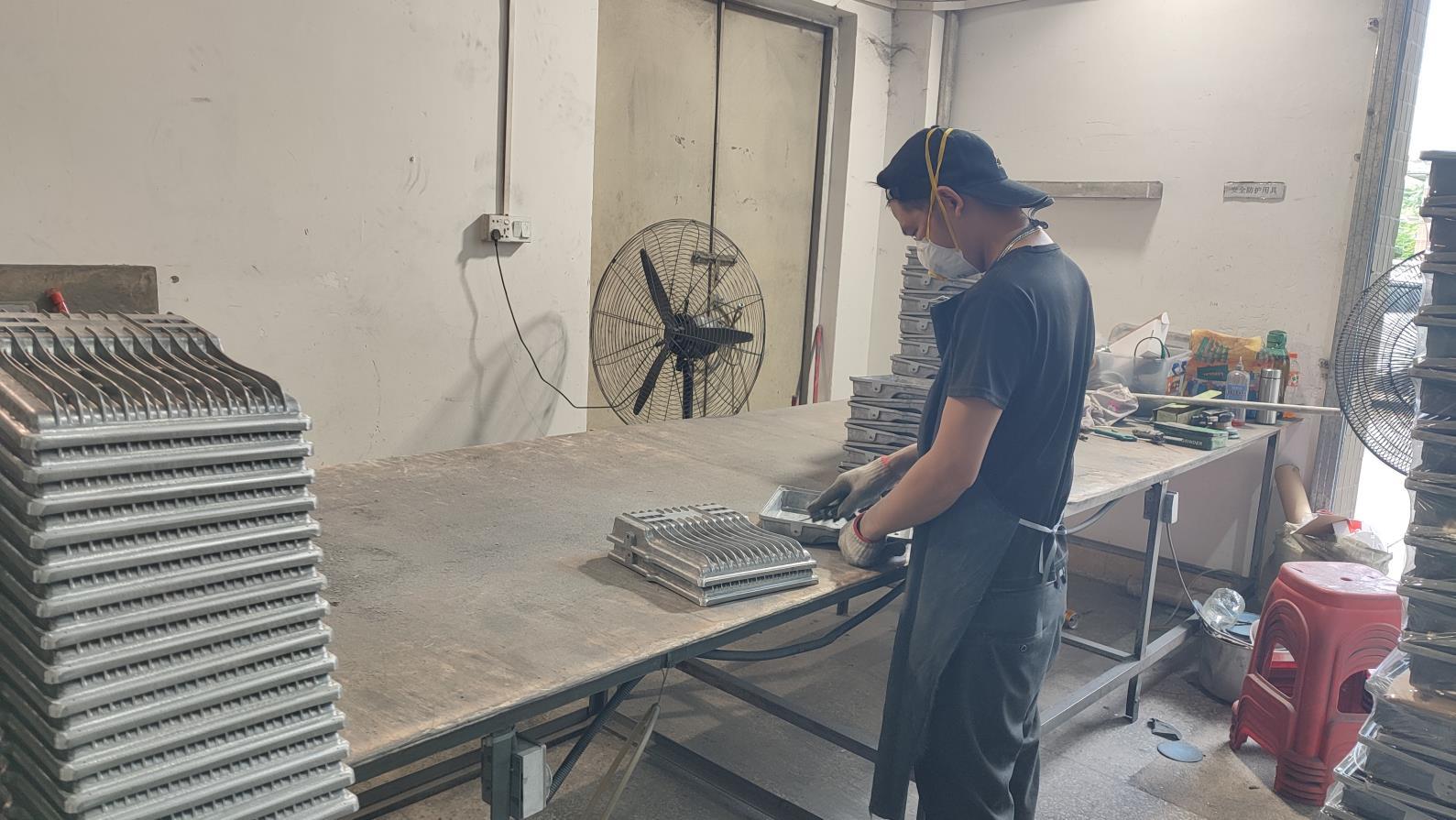
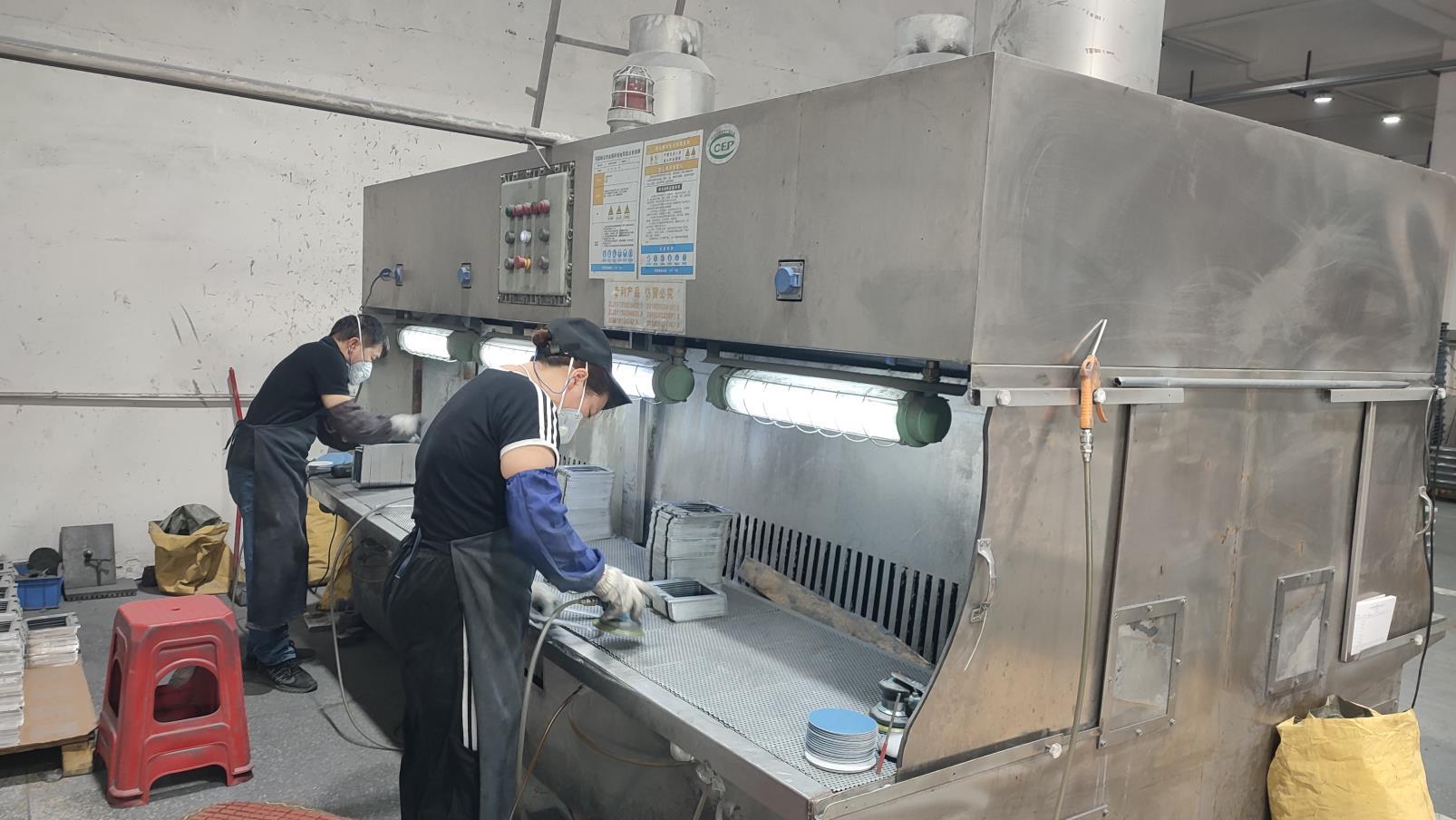
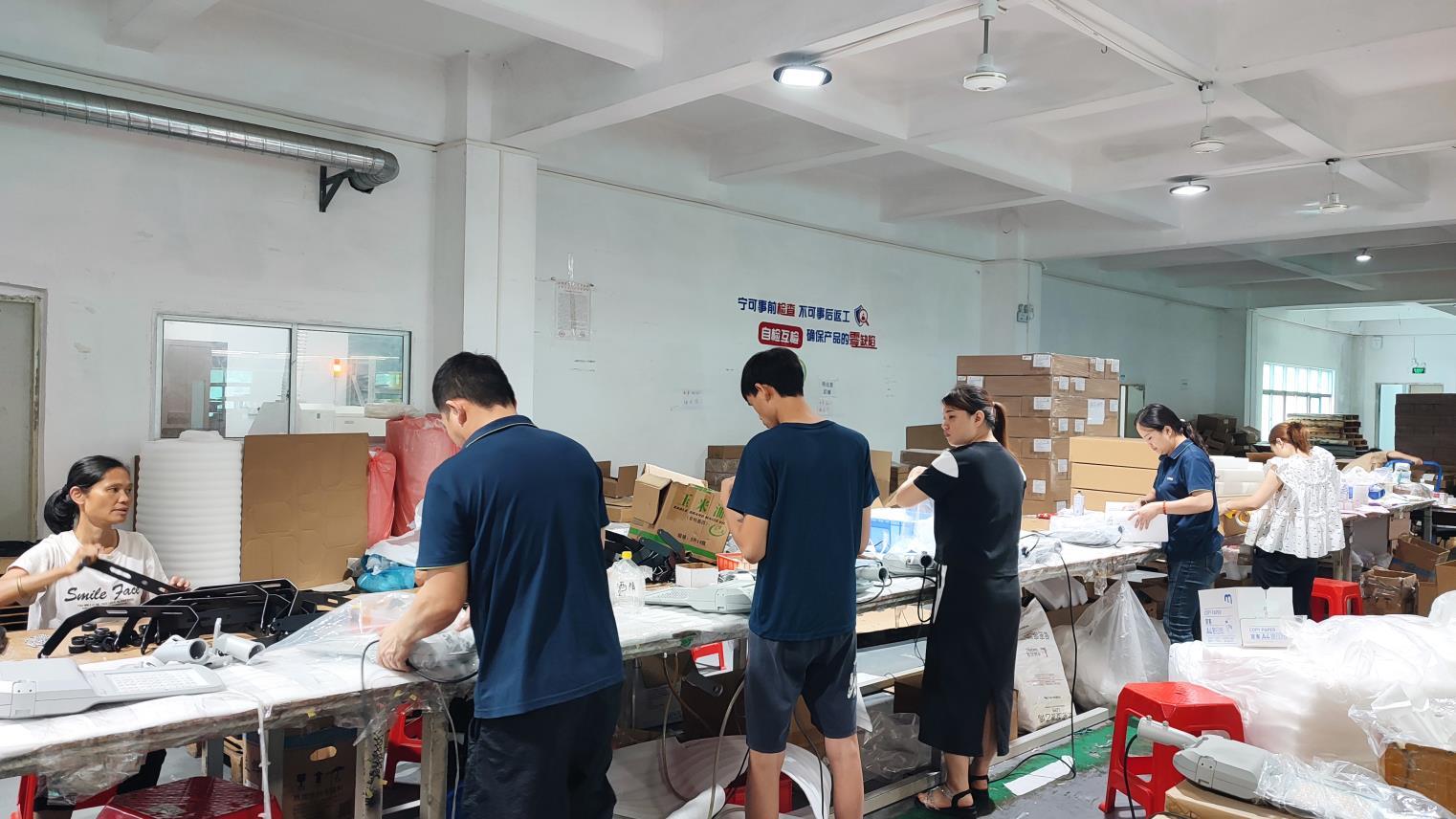
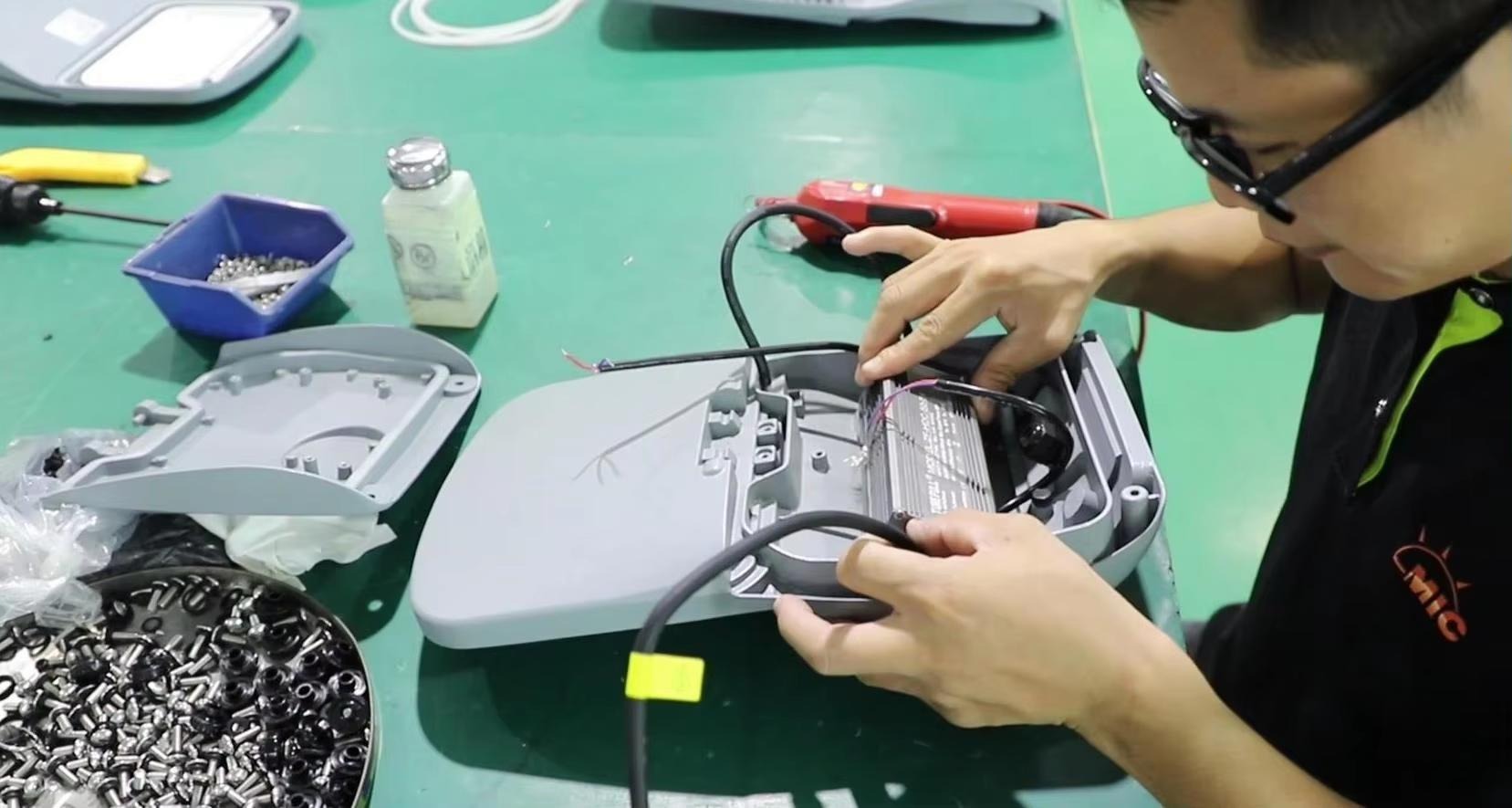
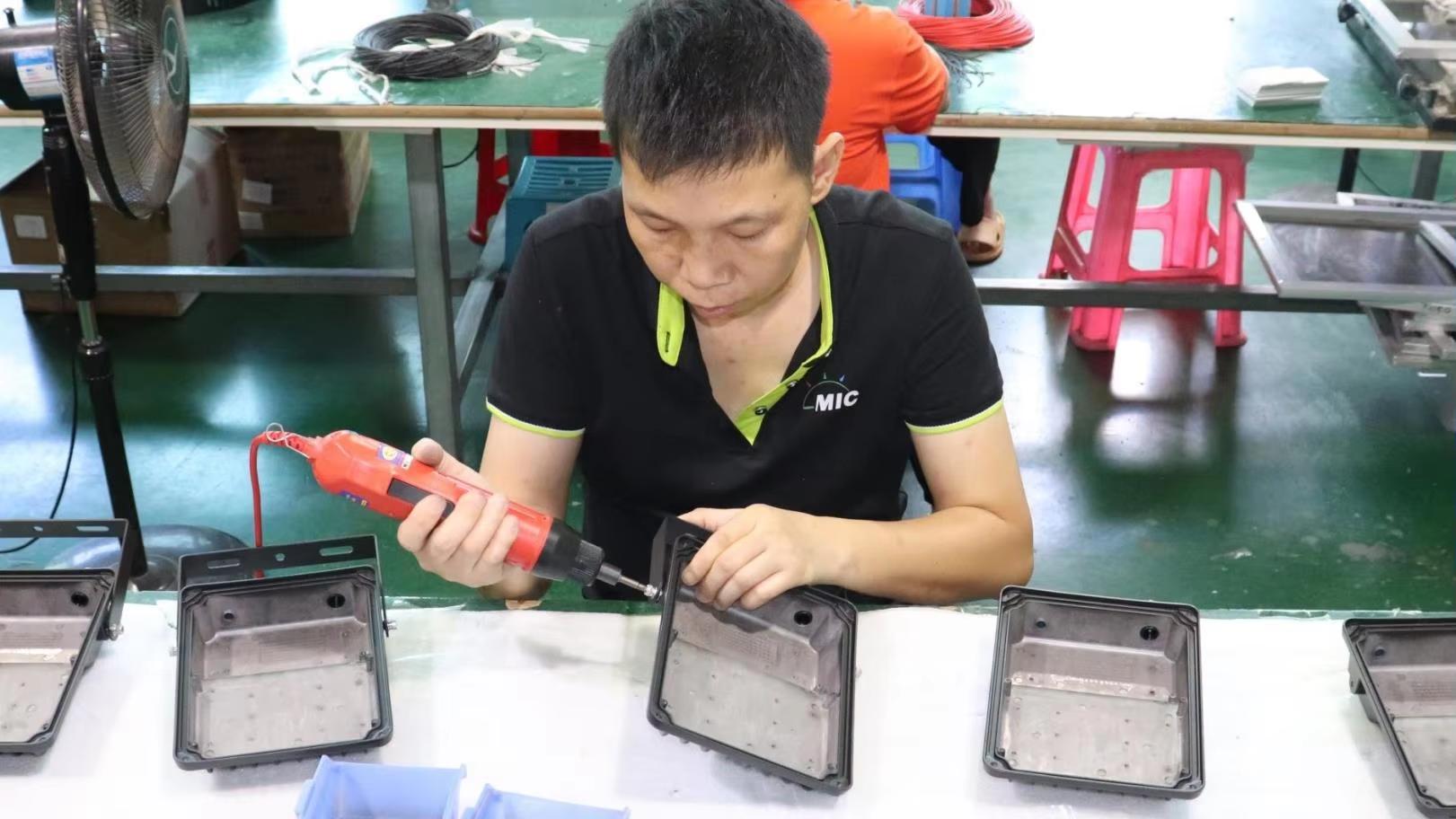
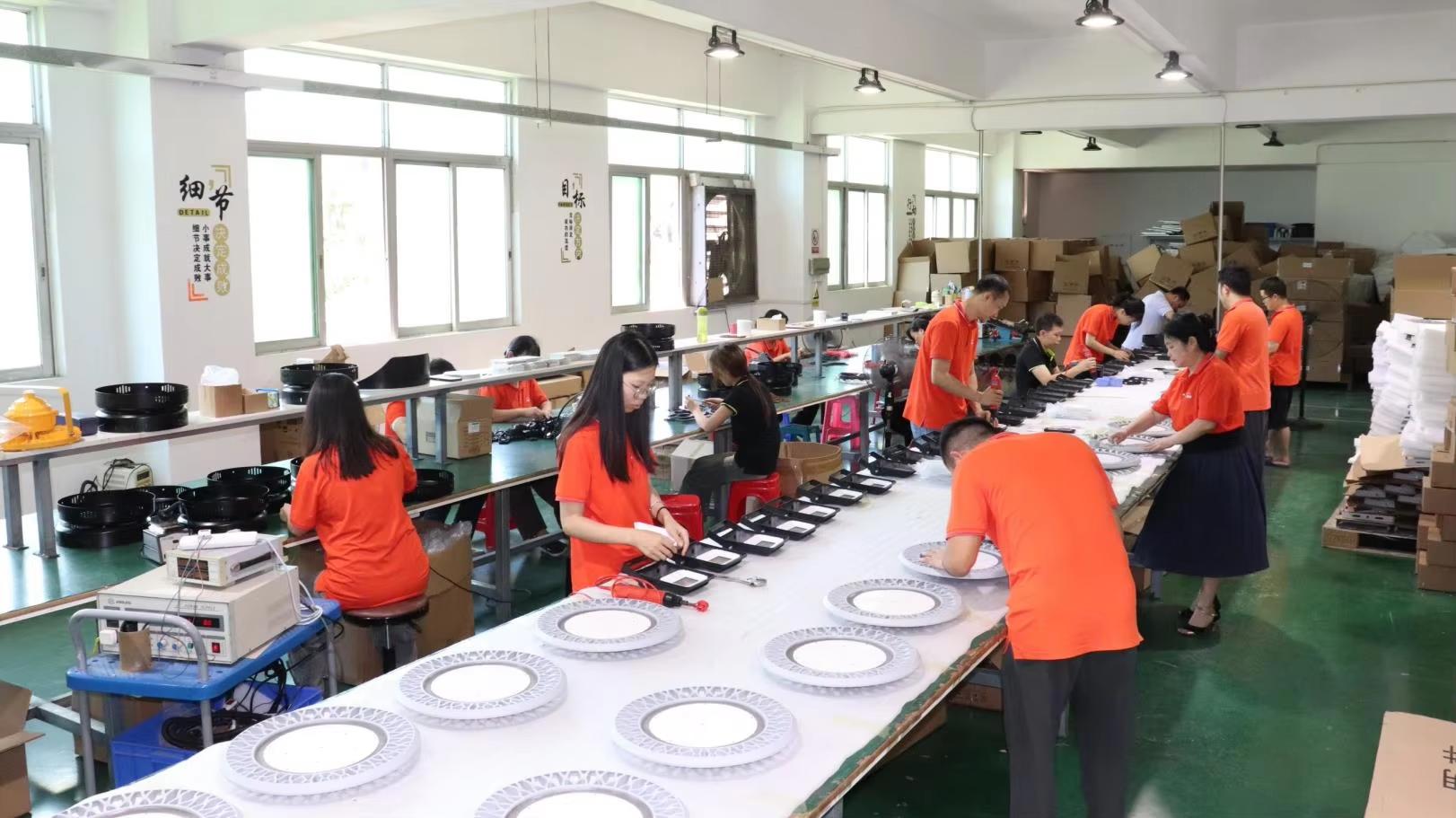
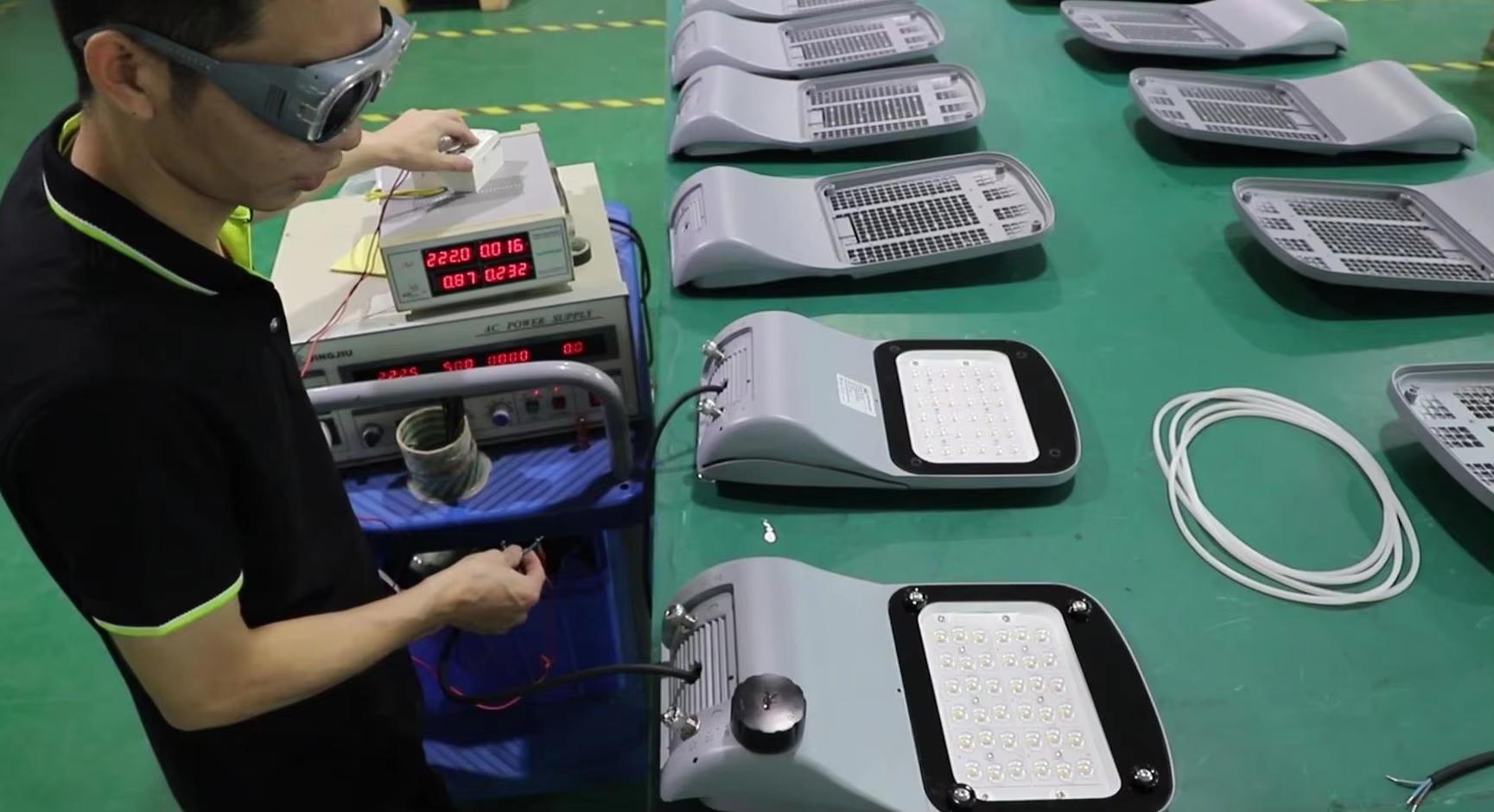
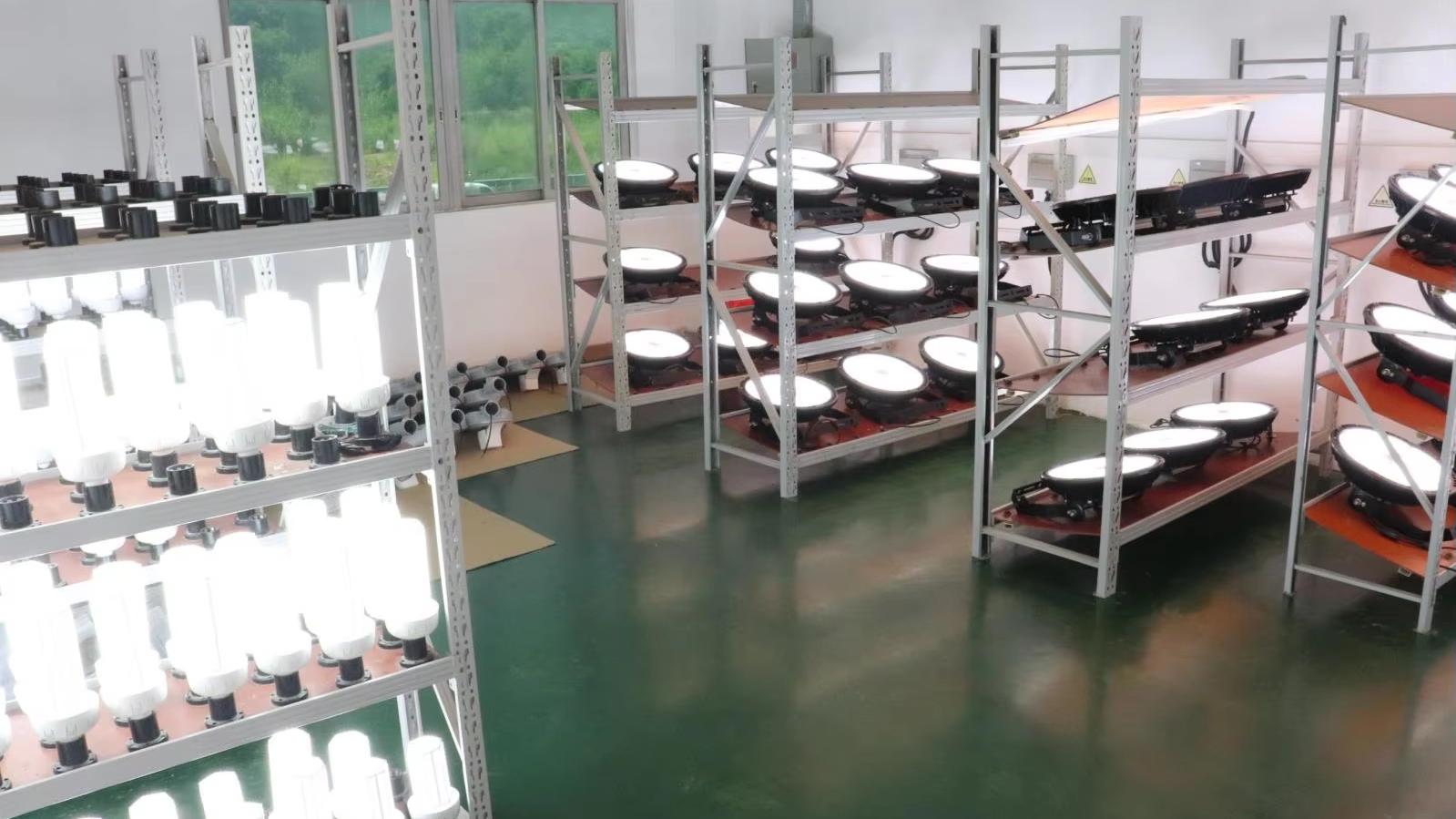
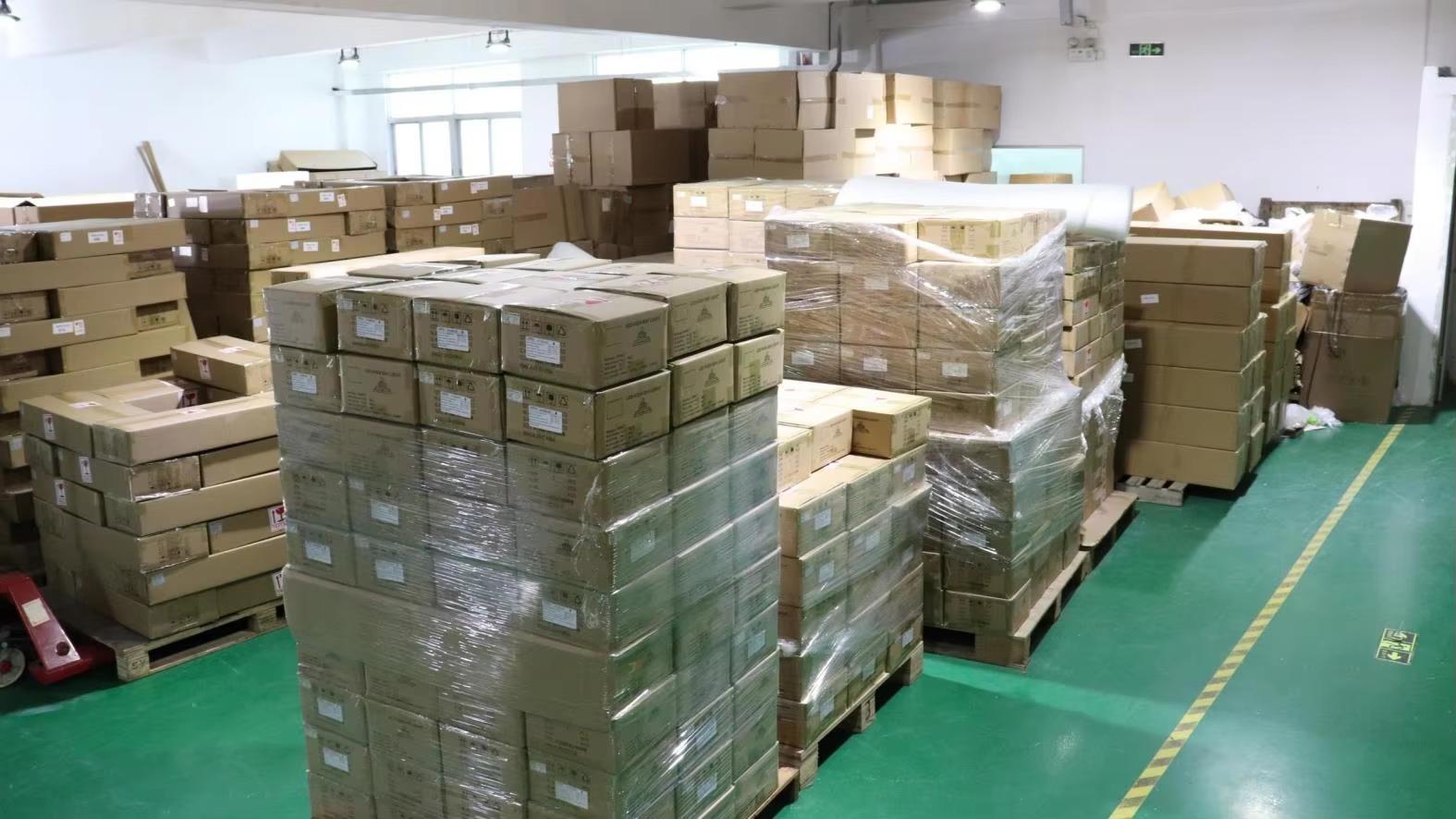
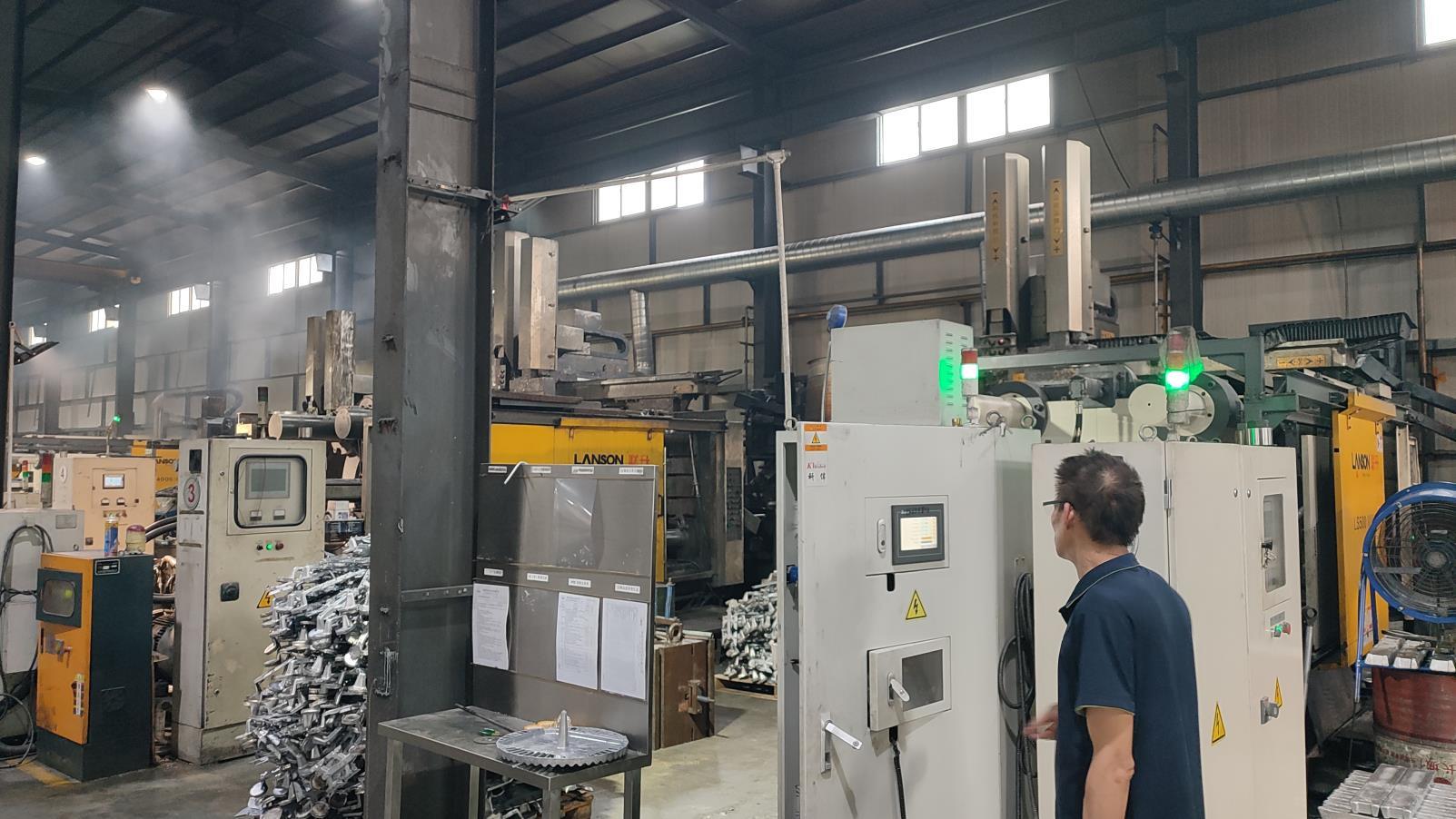
A prime example of engineering excellence in the heart of this manufacturing cluster is Guangdong Lijah Light Co., Ltd. As a specialized manufacturer focused on the research, development, production, and worldwide exportation of industrial and intelligent LED lighting solutions, the company serves as a critical partner for global distributors, contractors, and project developers.
Lijah Light's R&D division focuses heavily on thermal management and optical efficiency. Their engineers design fixtures that optimize air convection, which keeps junction temperatures low. This ensures that their high-output floodlights and high-bays maintain their lumen output over decades of use. By working with advanced optical modeling software, the R&D team can customize beam patterns to match specific customer requirements. This minimizes light pollution and glare while maximizing the illumination of the target area.
To operate effectively in high-barrier markets like the European Union, North America, and Oceania, manufacturers must meet strict certification standards. Guangdong Lijah Light maintains a rigorous quality management system. Their product range complies with RoHS and CE standards, and key models have achieved certifications from top international testing laboratories, including:
In B2B purchasing, buying the hardware is only one part of the challenge. Implementing it correctly requires precise planning. Lijah Light addresses this by offering comprehensive DIALux simulation services. Their engineering team models projects before manufacturing begins. This ensures that factors like average lux, uniformity ratios, and unified glare rating (UGR) meet international safety guidelines. By planning layouts beforehand, buyers can avoid purchasing unnecessary fixtures, which helps reduce installation costs and ensures compliance with municipal codes.
Security lighting requirements vary significantly depending on the operational environment. A design that works well for a commercial parking lot may be unsuitable for a sports stadium, an industrial warehouse, or an offshore facility. Below, we examine the typical application scenarios for industrial security lighting, matching them with their required technical specifications:
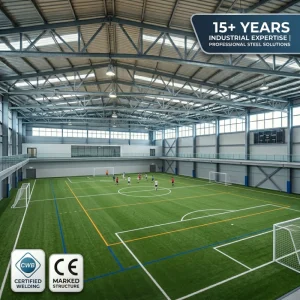
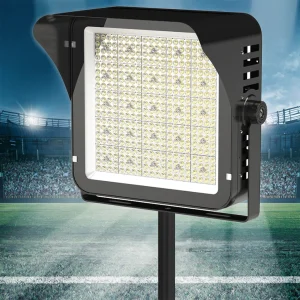
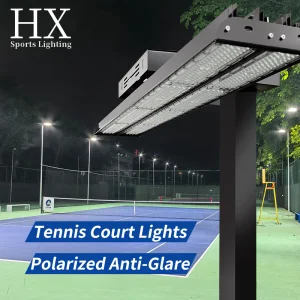
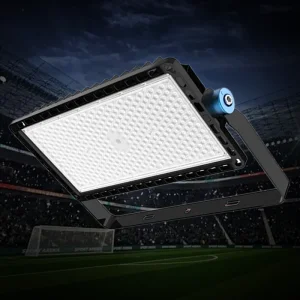
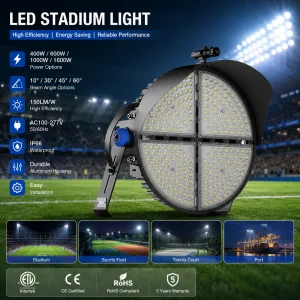
Sports lighting requires high light levels and excellent uniformity. The main challenges are eliminating glare for players and spectators and avoiding flicker for high-definition broadcasts. For modern prefabricated soccer structures and sports venues, lighting designs use high-wattage LED floodlights (400W to 1000W) equipped with asymmetric optical lenses. These systems redirect light directly onto the field, minimizing spill light into neighboring areas and the sky.
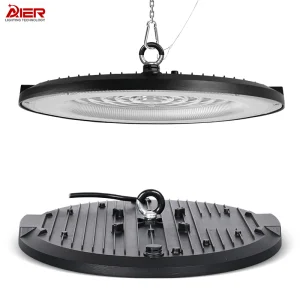
Inside active workshops and warehouses, visibility directly impacts operational safety. Using high-bay lighting with wide-angle distributions (e.g., 90° or 120°) helps eliminate shadows between tall storage racks. The fixtures must have reliable ingress protection (IP65+) to prevent dust and moisture from entering, especially in facilities without temperature control. Using integrated smart controllers allows the system to dim down during quiet hours and instantly ramp up to full brightness when motion is detected.
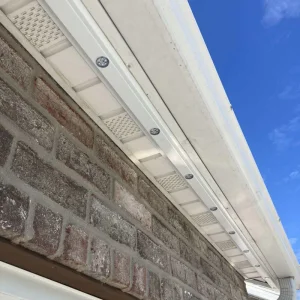
Outdoor perimeter lighting must withstand constant exposure to rain, wind, dust, and corrosive air. Choosing housings made of die-cast aluminum alloys treated with anti-corrosion powder coatings helps prevent degradation over time. The optical lenses must be UV-stabilized to prevent yellowing or cracking under sun exposure. For areas with high risk of vandalism, using IK08 to IK10 impact-resistant housings is essential to keep the light source protected.
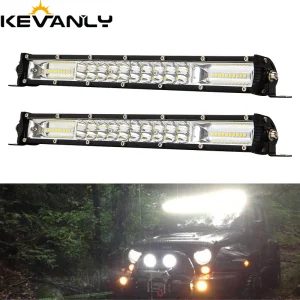
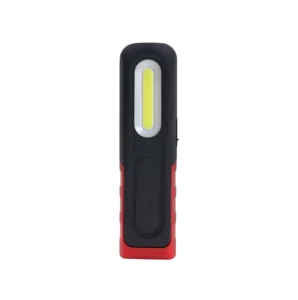
Temporary job sites, emergency response teams, and off-road maintenance crews require portable, highly durable lighting solutions. Portable LED work lamps must be built with impact-resistant housings and durable mounting systems, such as magnetic bases or heavy-duty tripods. These portable fixtures often run on rechargeable DC power systems, providing bright, reliable light for hours of continuous work in remote areas.
For B2B buyers evaluating LED manufacturers, comparing spec sheets is not enough to guarantee a successful long-term installation. When reviewing bids for large-scale security projects, purchasing teams should focus on these key technical metrics:
The security lighting sector continues to evolve as new technologies emerge. Keeping up with these trends is important for buyers looking to invest in future-proof lighting systems:
Modern security lighting is increasingly integrated into broader smart city networks. Using standard interfaces like Zhaga or NEMA sockets allows cities to mount smart nodes directly onto street lights. This enables remote monitoring, real-time energy reporting, and automatic fault detection, making maintenance much more efficient.
As cities focus more on reducing light pollution, dark-sky compliance has become a major design requirement. Manufacturers are designing luminaires with sharp cut-off optics that direct light only where it is needed. This helps prevent light spill into adjacent properties and reduces overall skyglow, protecting local ecosystems.
Modular lighting fixtures allow maintenance crews to replace individual LED boards or drivers without replacing the entire housing. This modular design lowers long-term maintenance costs and reduces material waste, supporting corporate sustainability goals.
Answers to common technical questions regarding the selection, installation, and operation of industrial LED security luminaires.
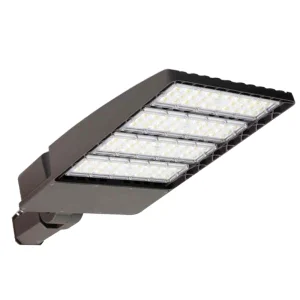
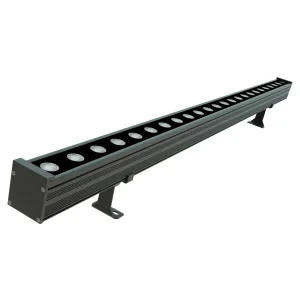
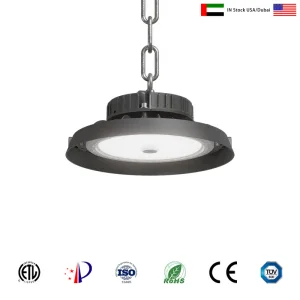
Explore our full line of industrial high-bays, architectural washers, and smart road lighting systems designed for global distribution.
 Lijah Light