Explore our premium grade off-grid LED lights engineered with integrated battery backups and high-performance drivers for global commercial applications.
An in-depth analysis of battery chemistry breakthroughs, localized emergency applications, and supply chain resilience in China's manufacturing core.
The global industrial landscape is undergoing a silent infrastructure revolution. Driven by green building mandates, the rise of logistics automation, and the need for disaster-resilient facilities, commercial enterprises are migrating away from legacy grid-dependent emergency lighting toward autonomous, lithium-battery integrated LED systems. Traditionally, nickel-cadmium (Ni-Cd) and sealed lead-acid (SLA) batteries dominated emergency fixtures. However, strict environmental policies, high maintenance overheads, and weight considerations have paved the way for advanced lithium chemistries—predominantly Lithium Iron Phosphate (LiFePO4 / LFP) and Lithium Nickel Manganese Cobalt Oxide (NMC).
For procurement officers, EPC contractors, and global distributors, sourcing directly from a leading China LED Lithium Battery Lights Factory like Guangdong Lijah Light Co., Ltd. offers a key competitive advantage. It bridges the gap between state-of-the-art battery management technologies (BMS) and cost-efficient scale production. Achieving high E-E-A-T (Experience, Expertise, Authoritativeness, Trustworthiness) in high-intensity lighting systems requires understanding the interdisciplinary integration of mechanical heat sinking, optical design, intelligent charging microchips, and stringent international safety certifications.
When selecting a manufacturing partner, looking solely at lumen-per-watt values is no longer sufficient. Modern procurement requires analyzing "system lifecycle value" which includes battery cell degradation curves, low-temperature discharge efficiency, heat protection circuits (BMS), and compliance with UN38.3 transport safety regulations for lithium battery-powered goods.
Understanding the critical demands of worldwide industrial procurement from modern Chinese factories.
In lithium battery integrated lights, the BMS acts as the safety core. It prevents overcharging, deep discharge, short circuits, and thermal runaway. Global enterprises require BMS with intelligent microcontrollers that run periodic self-tests, communicating fixture health status via wireless protocols (DALI, Zigbee, or Bluetooth Mesh) to central building management units.
Unlike standard LED luminaires, lithium-battery integrated lights produce dual heat sources: the LED chip junction temperature and the battery cell packaging temperature during rapid charge cycles. Premium manufacturers utilize separated structural cavities—die-cast aluminum housings with heat sinks isolated from the battery sleeve, ensuring battery temperatures remain below 50°C to prolong cycle life.
Navigating global customs with lithium batteries requires highly specific, certified quality structures. Manufacturers must possess certified UN38.3 documentation, Material Safety Data Sheets (MSDS), and transport safety testing reports. Furthermore, the final fixture must achieve regional electrical codes such as CE-EMC, RoHS, TÜV-GS, SAA, VDE, and ENEC for market deployment.
How Guangdong Lijah Light Co., Ltd. integrates advanced tooling, precision die-casting, and continuous testing to support global scale demands.
The manufacturing ecosystem in Guangdong, China represents the pinnacle of vertical integration for LED rechargeable lighting. Unlike fragmented factories that source external die-cast housings, driver PCBs, and battery modules from uncontrolled third-party vendors, Guangdong Lijah Light Co., Ltd. runs a deeply integrated production system. Our facility controls every critical process phase: from internal molding, precision high-pressure aluminum die-casting, and robotic machining, to surface treatment, automated SMD pick-and-place component mounting, and multi-stage environmental testing.
This vertical integration directly translates into supply chain resilience and cost-efficiency. In an era plagued by raw material volatility and chip shortages, having in-house control over key tooling and mechanical die-casting processes enables quick modifications for bespoke OEM/ODM projects. If a client requires a localized emergency fixture with specific DALI drivers, customized battery capacities, or extreme wind-resistance brackets, our engineers can prototype and simulate performance within hours utilizing computerized thermal modeling and DIALux light distribution simulations.
Through our dedicated DIALux simulation service, our engineering teams provide customers with comprehensive lux maps, unified glare rating (UGR) calculations, and energy consumption projections. This mitigates compliance risk for commercial contractors, ensuring that the selected products meet target lux requirements for parking lots, stadiums, and factories before a single unit is shipped.
A transparent look inside our industrial operations, highlighting the rigorous stages of manufacturing that build reliable, high-performance LED luminaires.
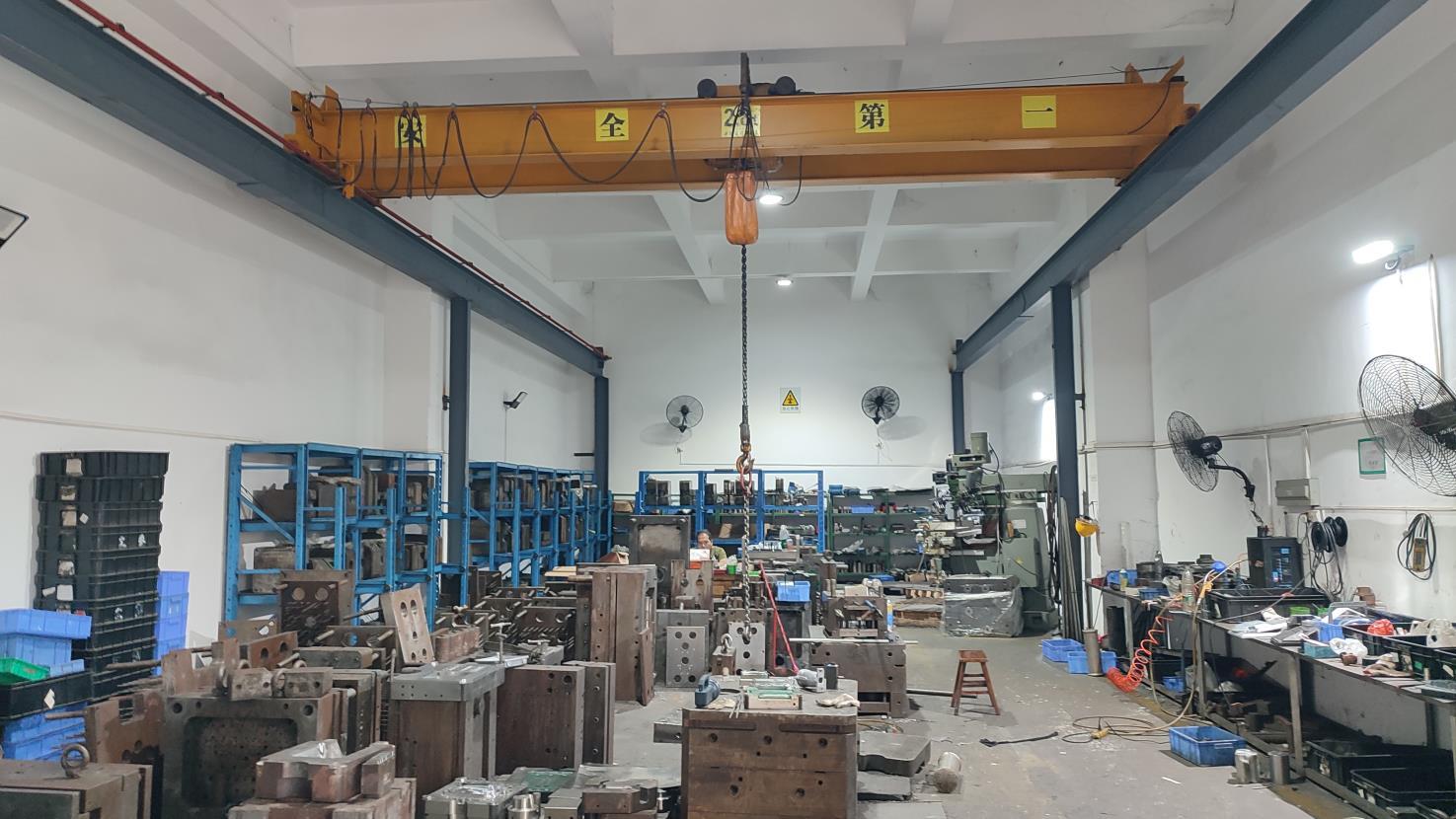
High-precision mold manufacturing using structural modeling. Custom designs are crafted to maximize passive cooling capabilities and structural load tolerances.
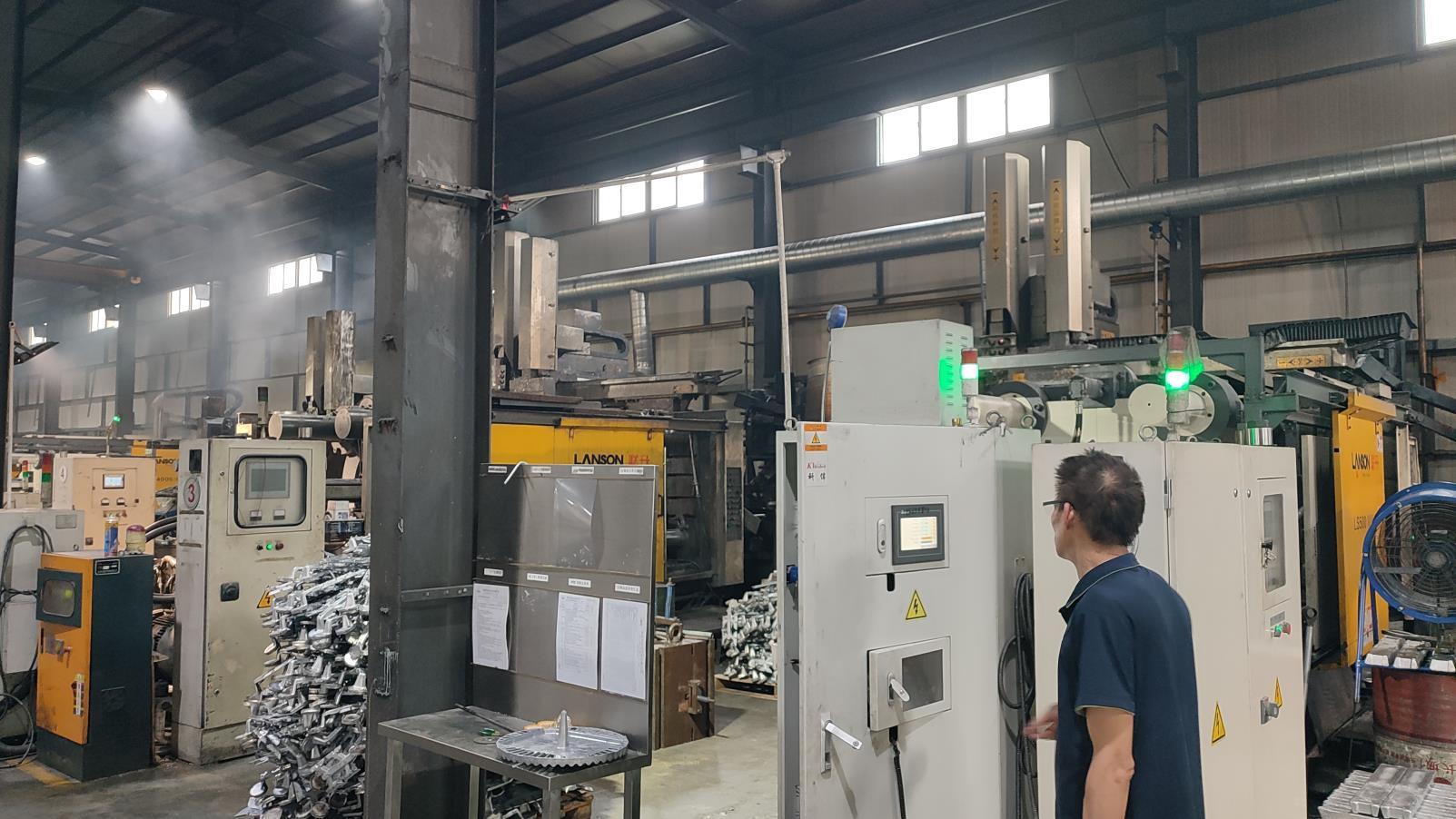
Heavy-duty aluminum alloy smelting and high-pressure casting. Creates the ultra-tough outer housings required for IP66 and IP67 weather-rated stadium and street lights.
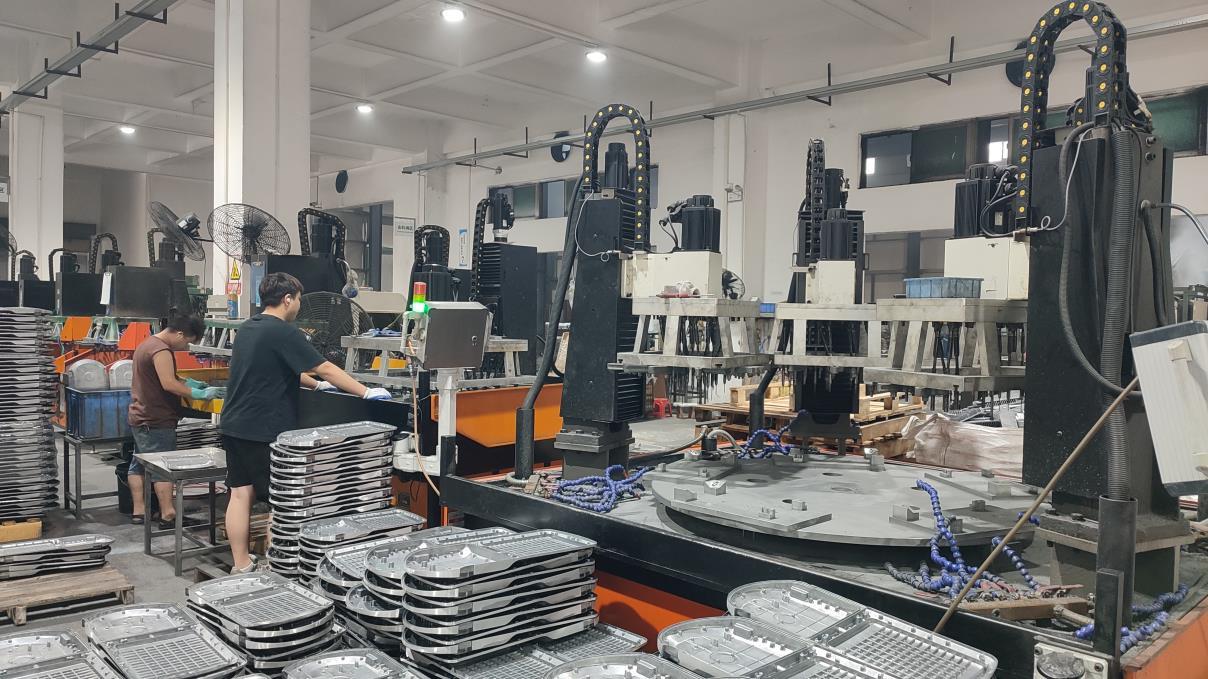
Automated CNC drilling systems ensure precise alignment for screws, mounting brackets, and power-cable ingress points to prevent leakage and water pooling.
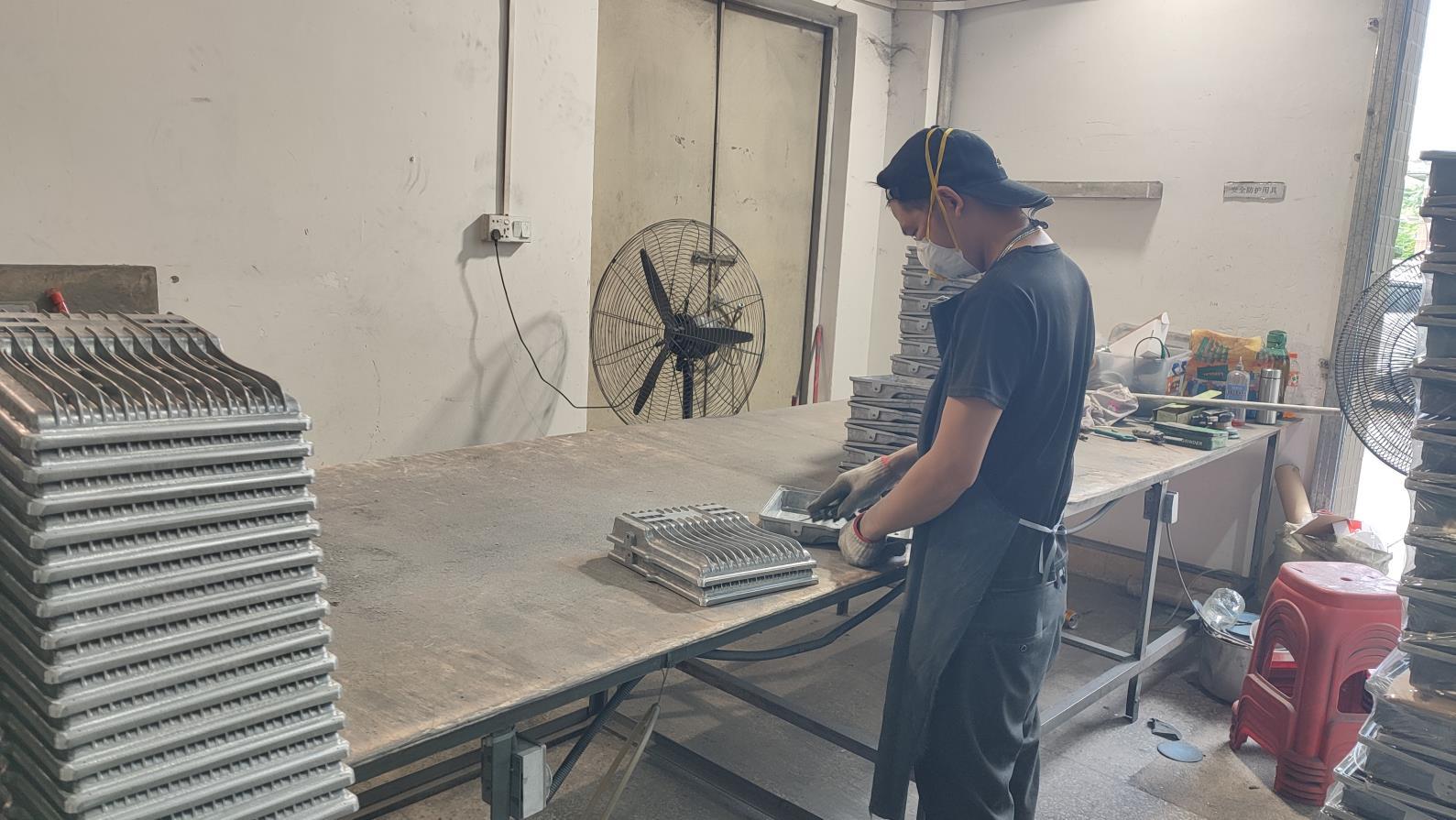
Removing excess casting flash and structural burrs. This ensuring exact mechanical dimensions and flawless fitments with silicone sealing gaskets.
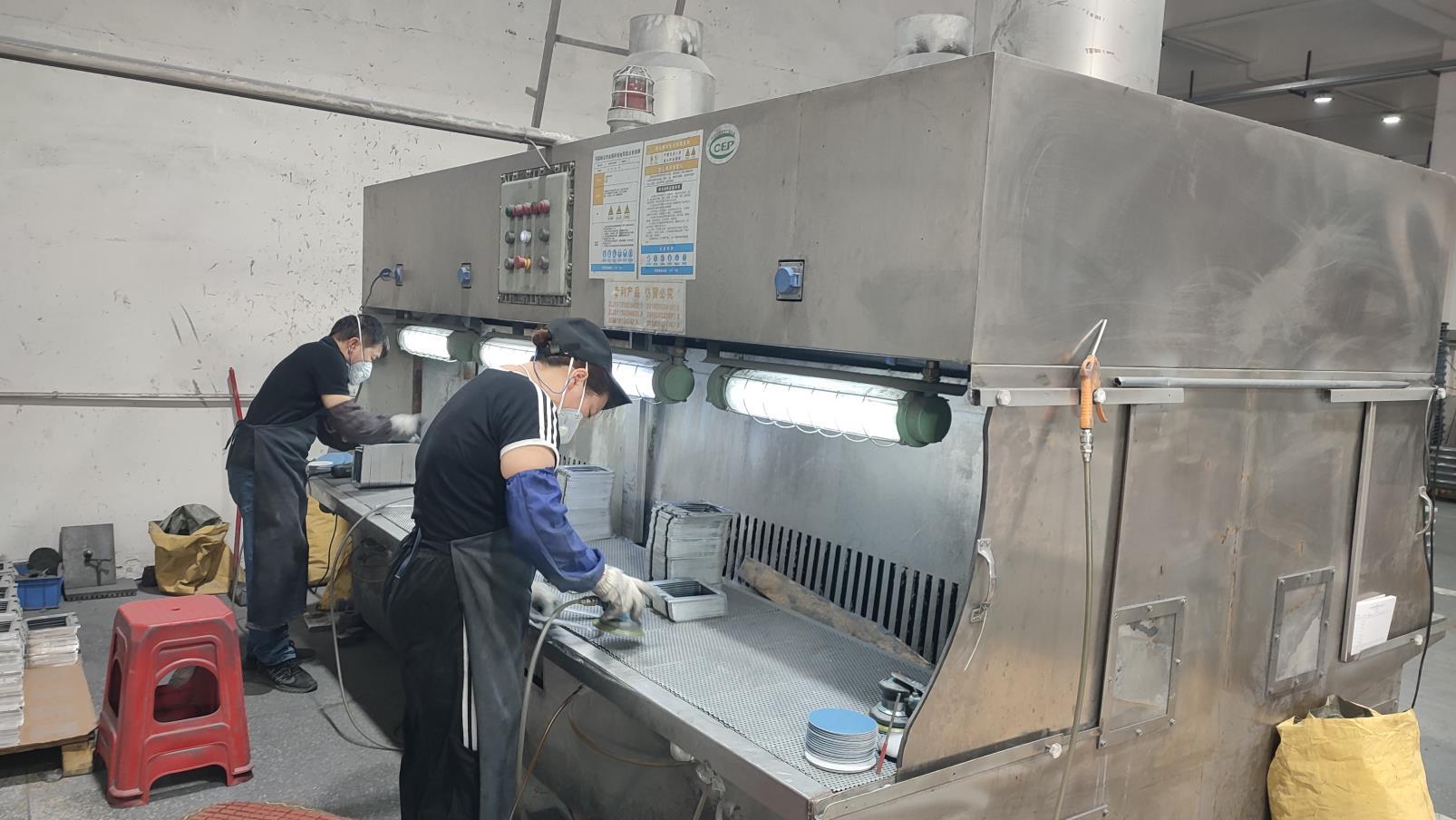
Precision grinding and polishing finishes the metal surfaces. This prepares the alloy for protective anti-corrosion powders and marine-grade painting treatments.
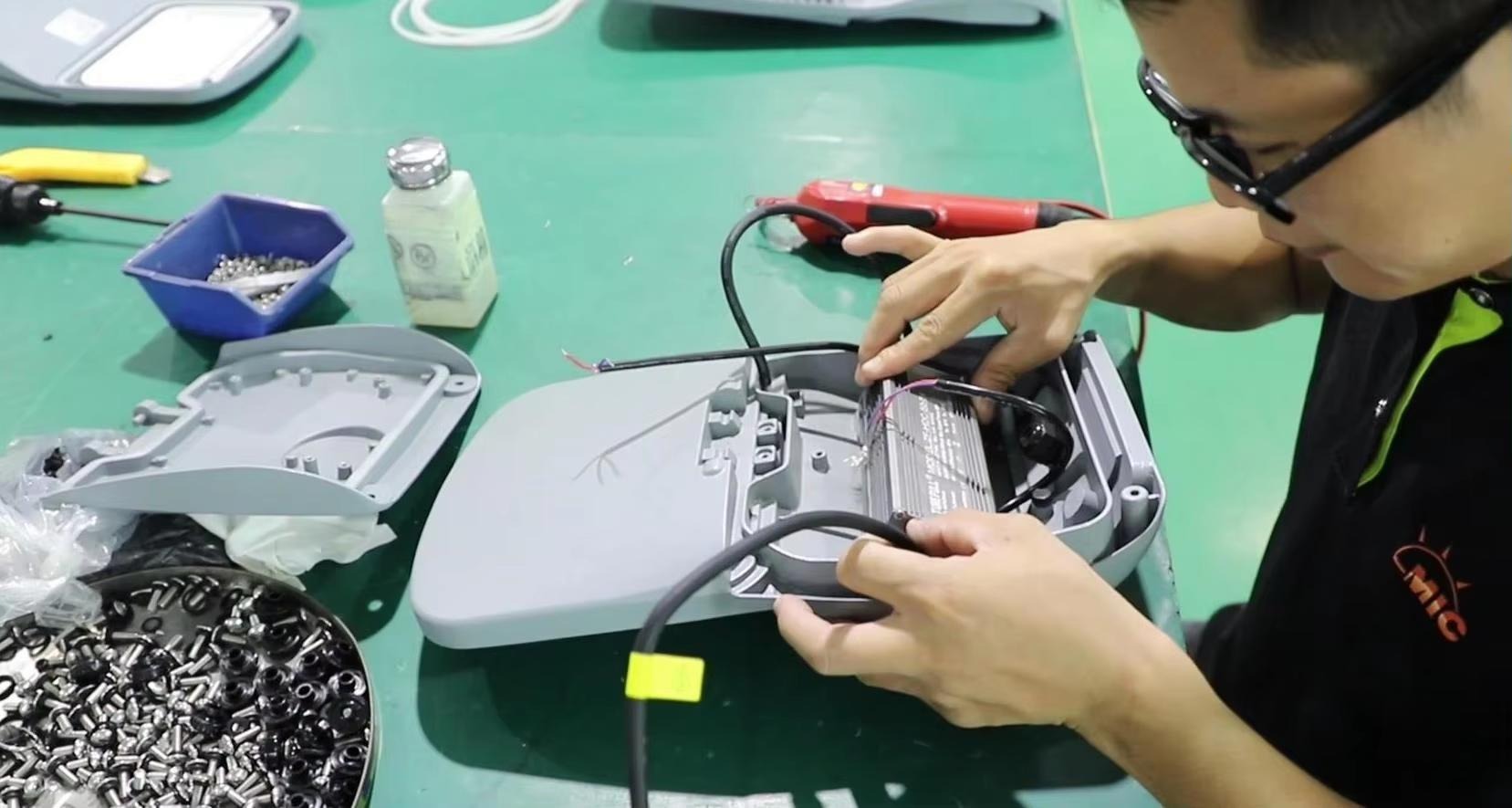
Initial preparation of sub-assemblies. Drivers, control cards, sensors, and structural seals are organized in a clean environment.
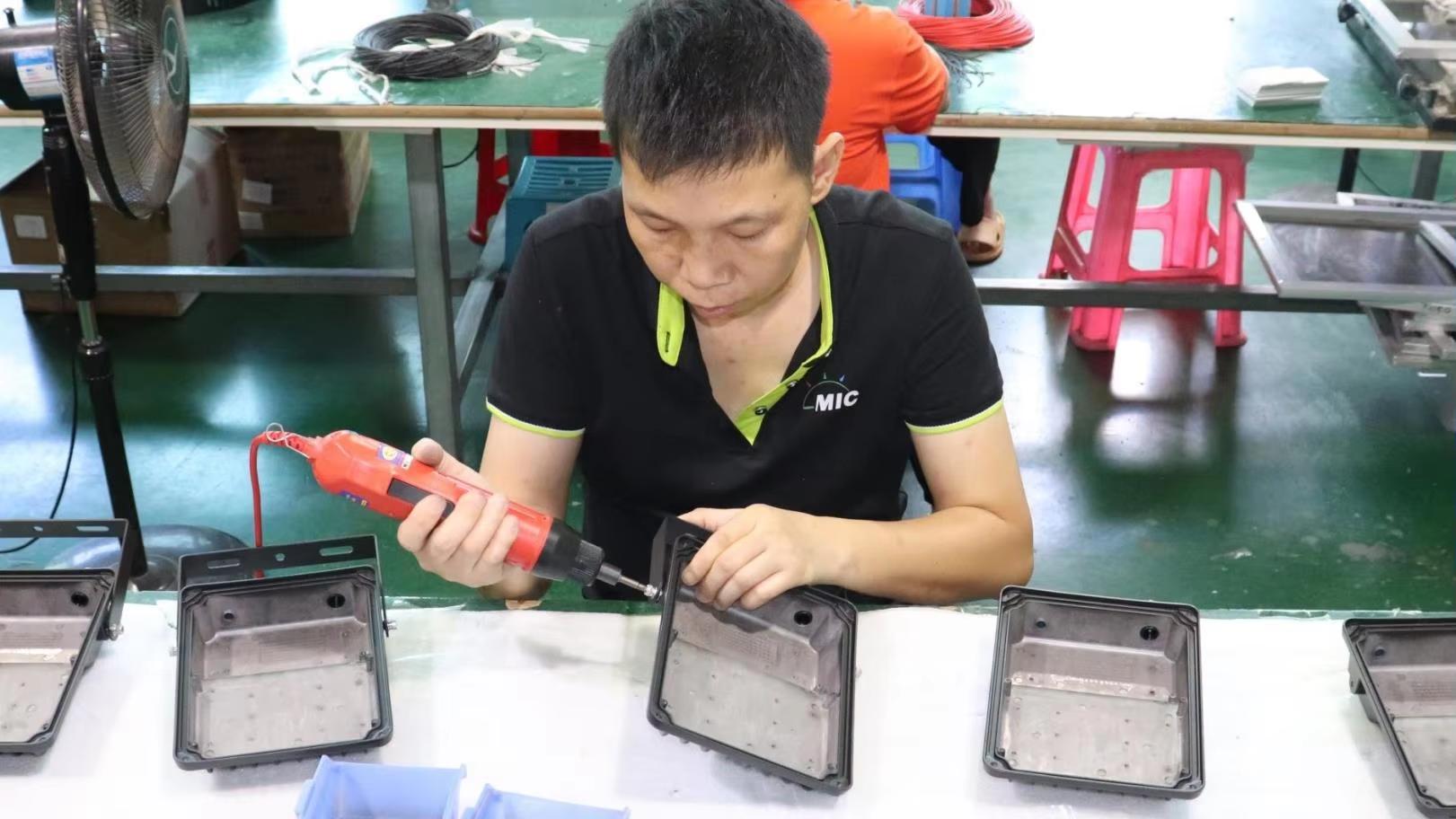
Integration of high-capacity lithium battery cells, high-performance LED modules, optical reflectors, and thermal isolation barriers.
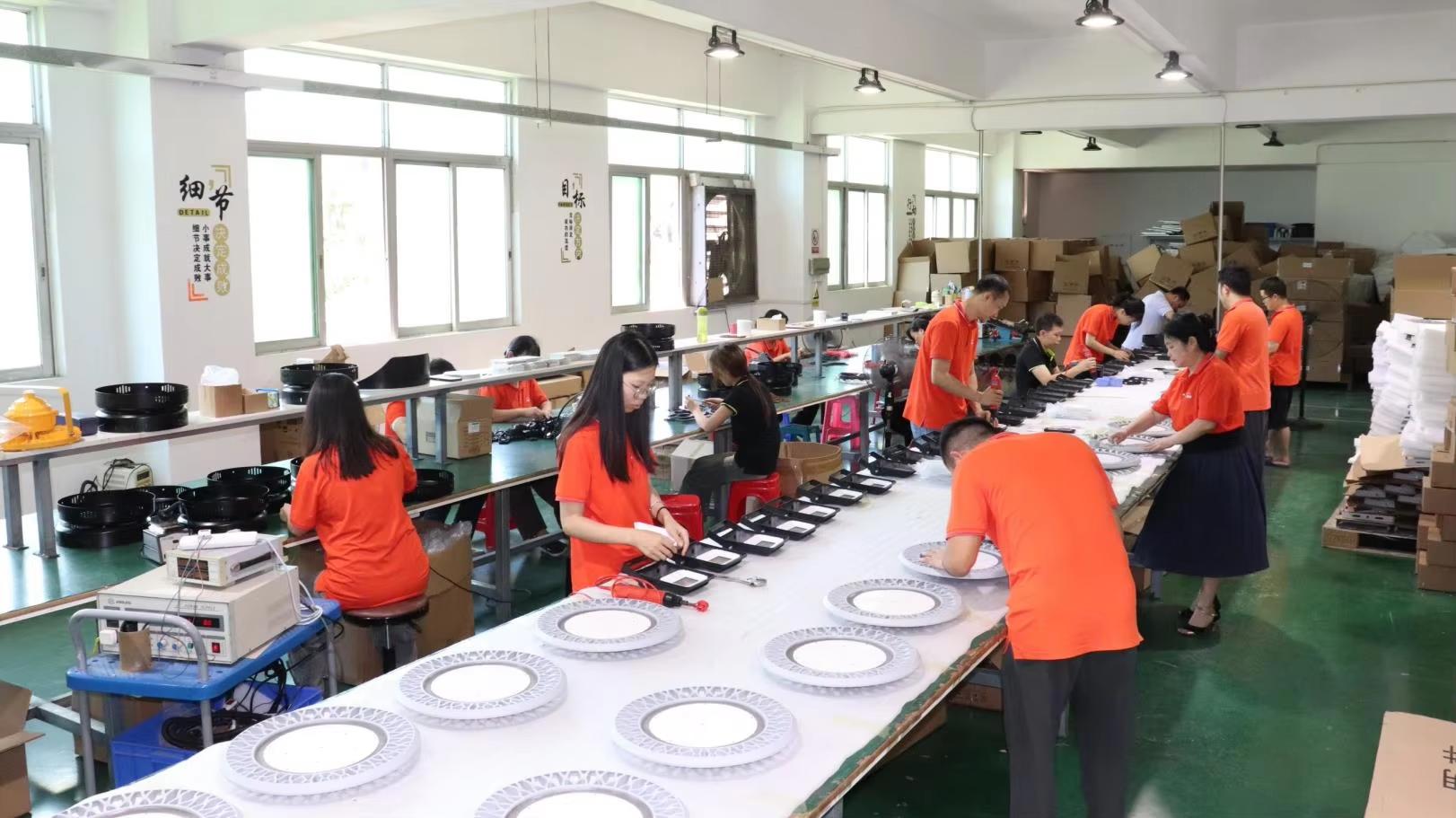
Final casing seal. Integrating high-performance optical lenses with IP66-rated structural gaskets, mechanical brackets, and outer shieldings.
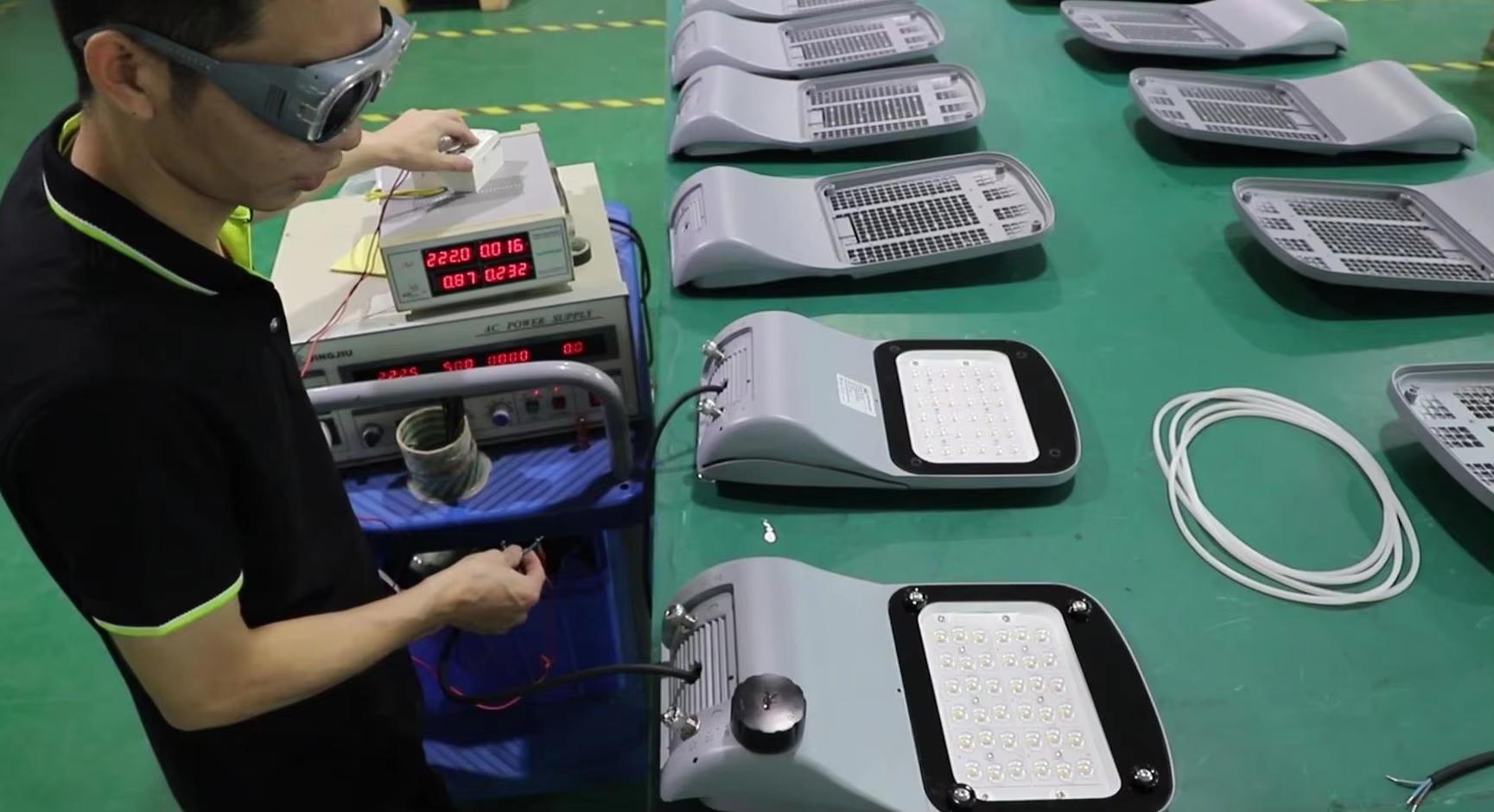
Comprehensive quality testing checks for electrical leakage, insulation resistance, light intensity, smart sensing controls, and driver parameters.
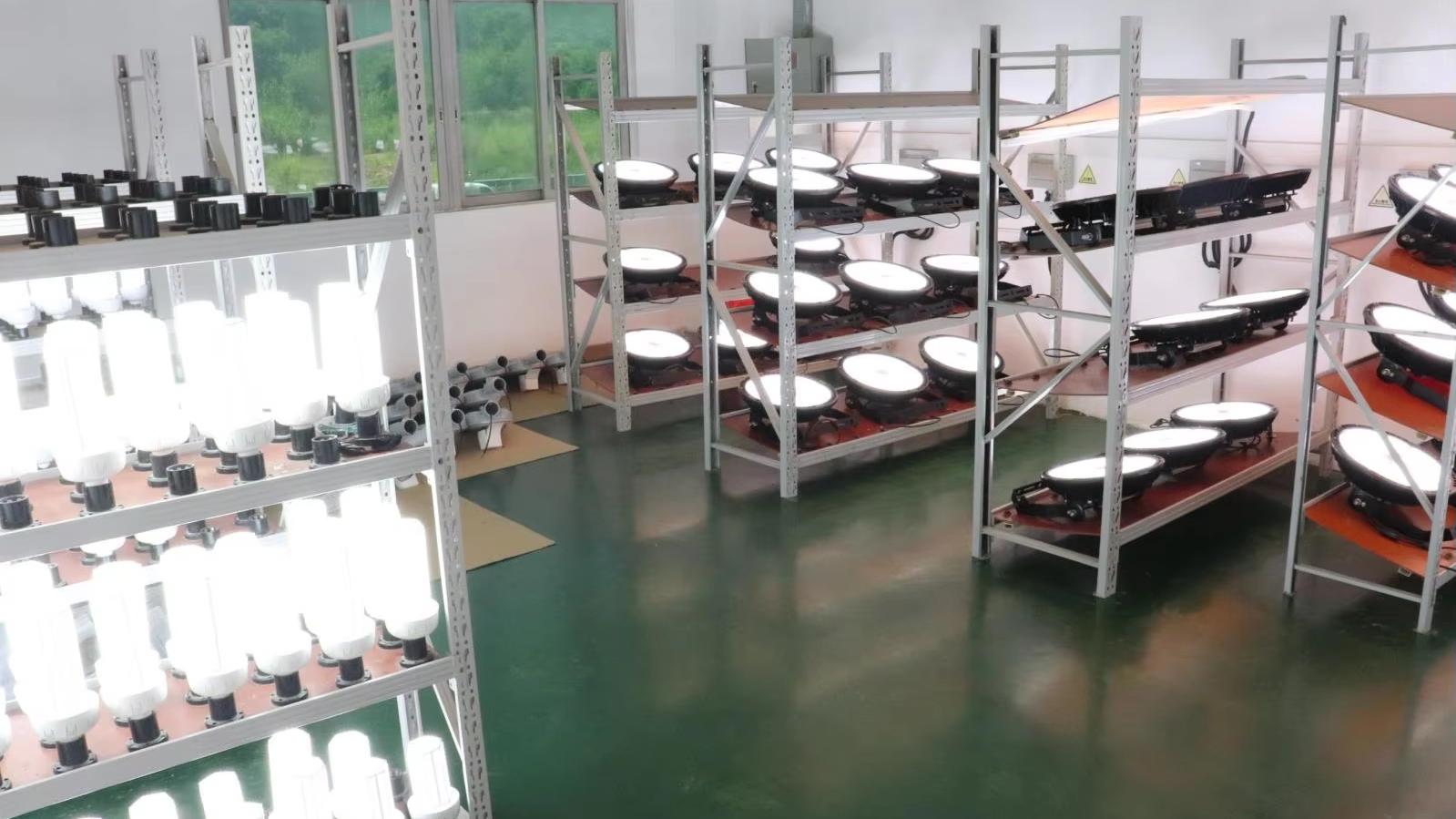
Continuous high-stress burn-in testing. Products are subjected to multi-hour active run cycles to monitor heat output and isolate early component failures.
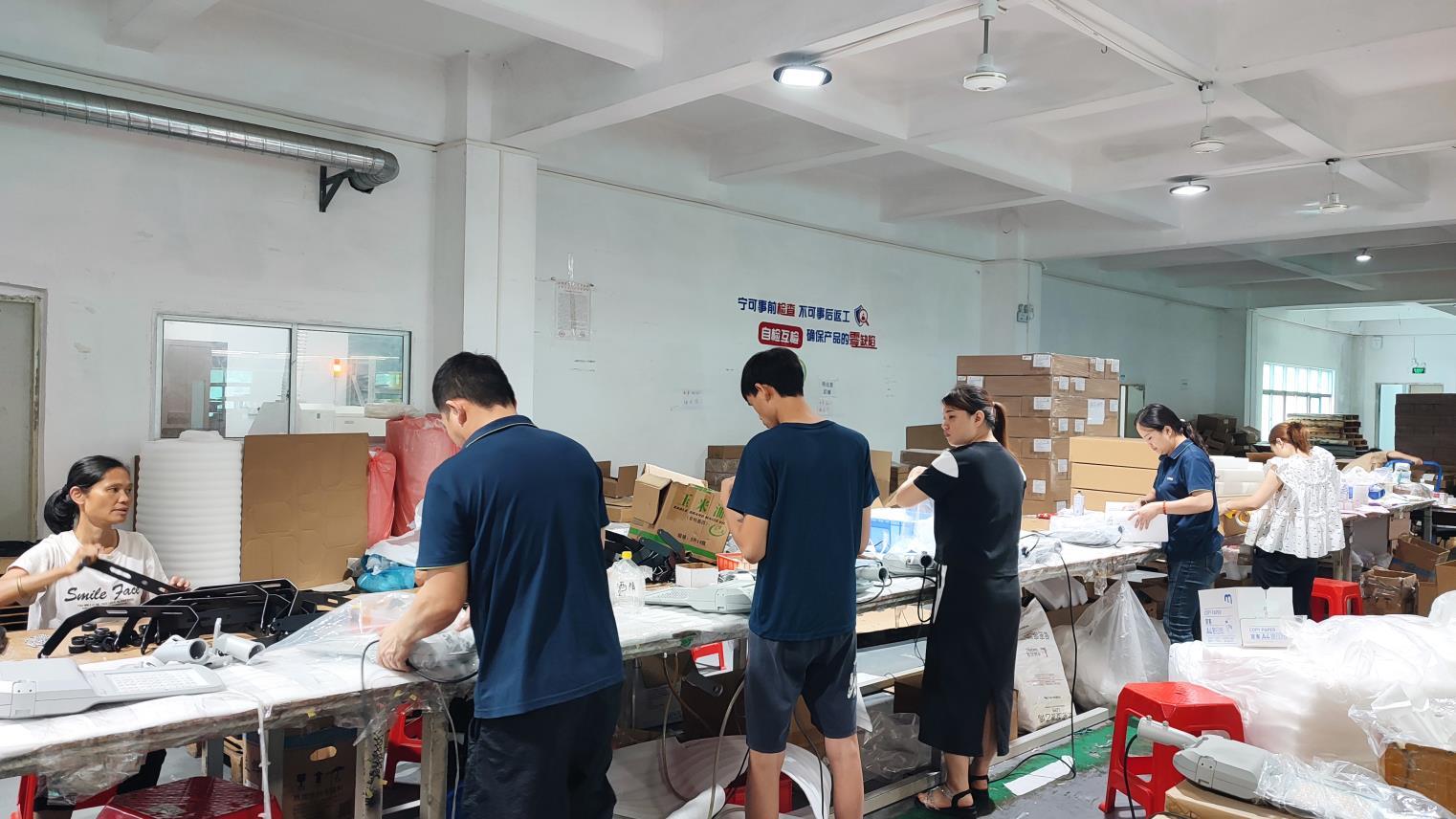
Safe packaging using shock-absorbing, eco-friendly materials to prevent impact damage to optics, components, and casings during international transit.
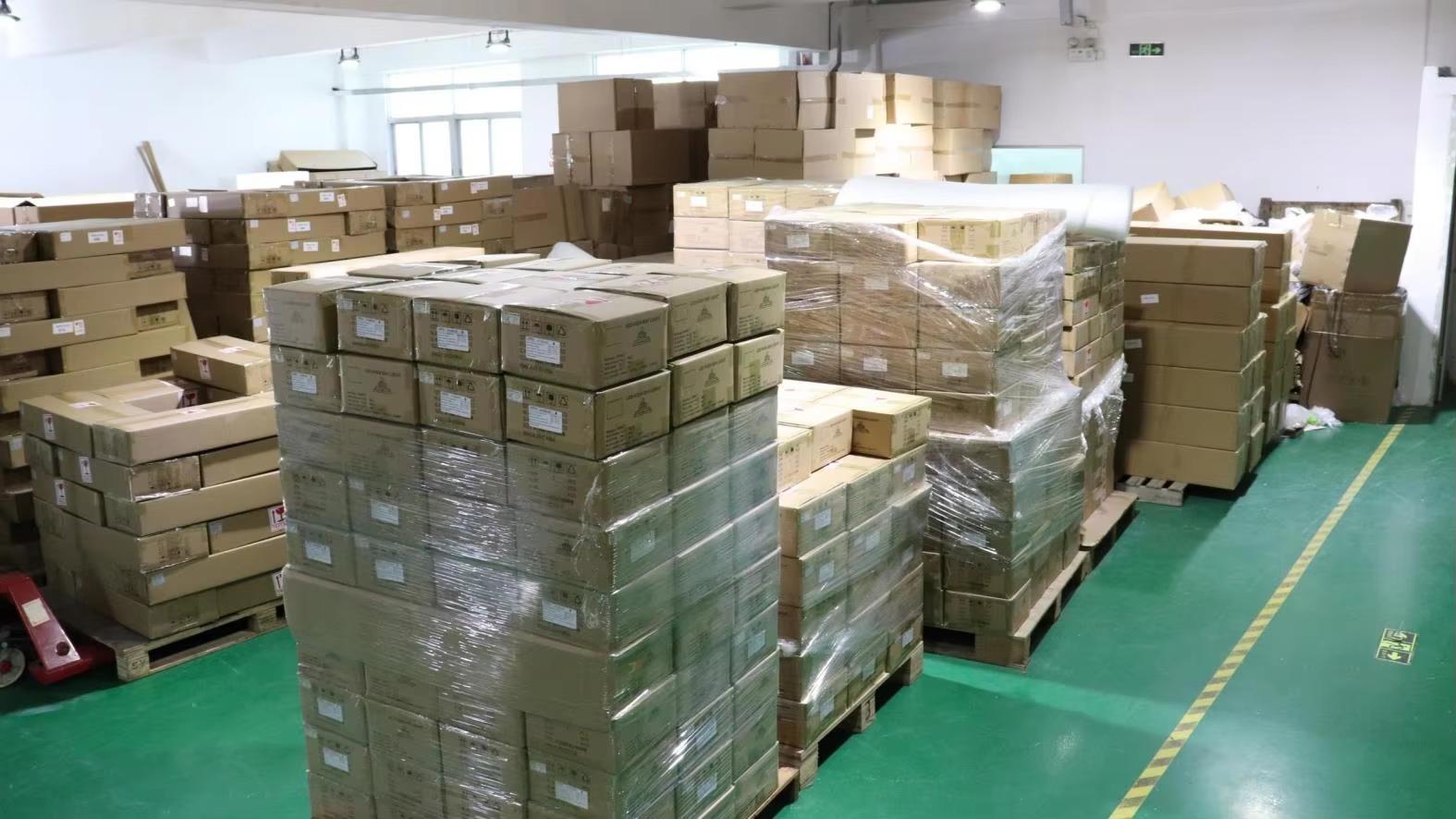
Organization in our humidity-controlled warehouse. Sorted and palletized under clean safety standards for dynamic international logistics dispatch.
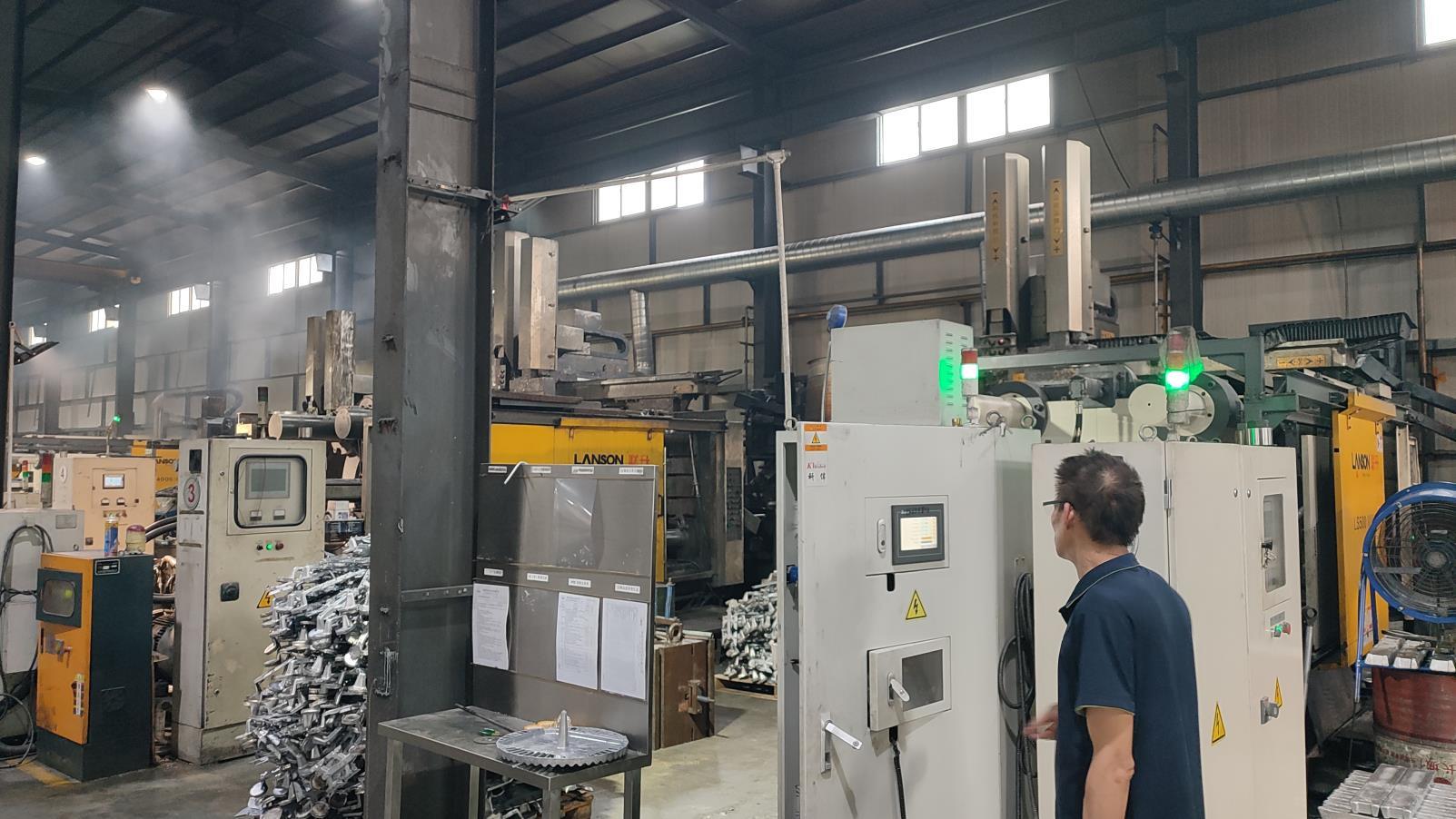
Heavy-tonnage industrial casting machinery forming structural frames, heat-sink arrays, and specialized outdoor architectural housings.
The chemistry and electronic engineering advancements shifting the threshold of off-grid lighting.
In B2B purchasing, selecting the appropriate battery chemistry is a critical business decision. Understanding the engineering properties of different lithium formats helps projects run optimally across their design lifespans. We analyze the differences below:
LiFePO4 (LFP) has emerged as the premier battery chemistry for stationary and portable industrial lighting systems. While NMC cells offer higher nominal energy densities, LFP is preferred for structural security. LFP boasts thermal runaway thresholds up to 600°C (compared to NMC's ~200°C), minimizing the risk of fire or gas discharge under intense sun exposure. Furthermore, LFP provides a superior lifespan of over 2,000 to 3,000 charge-discharge cycles at 80% Depth of Discharge (DoD), whereas NMC cell capacities degrade after 500 to 800 cycles. This long cycle life significantly reduces maintenance costs, making LFP the standard for remote high bay installations and outdoor solar park lighting.
During localized power failures, high-performance battery-integrated luminaires switch to backup mode within milliseconds. Advanced driver circuits utilize high-speed comparator ICs to detect AC input voltage dropouts. Once a failure is detected, the emergency power line switches battery power directly to the LED array. Premium systems utilize isolated buck-boost driver architectures to keep the output constant, ensuring that the lumen output remains stable even as the battery voltage drops during discharge.
To maximize operational runtimes on battery reserves, lights utilize integrated microwave motion sensors and light-sensitive photocells. Unlike PIR sensors which lose sensitivity at temperatures above 35°C, microwave sensors detect minute shifts in movement through electromagnetic waves, operating reliably in harsh workshops and high-bay warehouses. If activity ceases, the fixture drops its power consumption to a dim 10-20% standby mode, reserving battery runtime for critical situations.
Real-world integration of battery-integrated LED systems across diverse sectors.
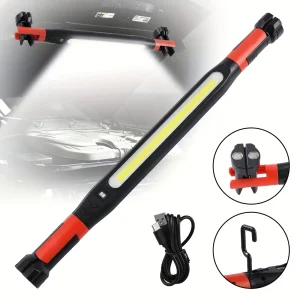
Automotive service bays require high-impact, portable magnetic clamp lights. Standard work lights often fail due to engine grease, mechanical drops, or lack of power outlets. A cordless 2000mAh rechargeable mechanic work light with heavy-duty magnets mounts directly under chassis and hood frames. Its IP44 housing keeps it safe from grease, moisture, and mild solvents, improving worker safety and productivity.
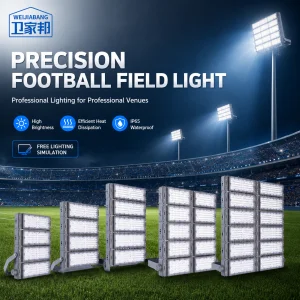
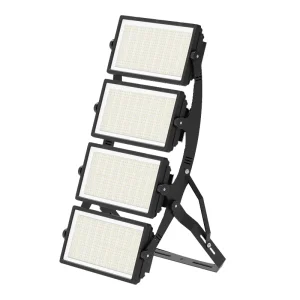
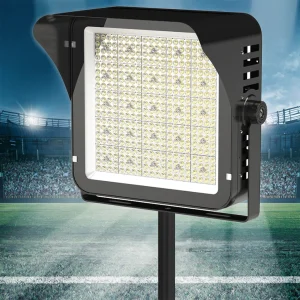
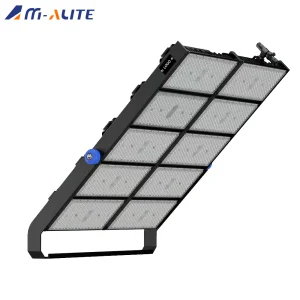
Remote sports fields, municipal arenas, and school courts face significant trenching and cabling costs to run grid power. Utilizing high-efficiency stadium floodlights paired with high-capacity solar lithium batteries enables fast installation without excavation. These systems provide consistent high-lumen output during games, and recharge through high-efficiency solar cells during the day.
High-rise facade lighting and bridge projects require rugged, waterproof IP66 linear wall washers. In these applications, power grids can fluctuate or drop out completely. Integrating localized battery modules within architectural fittings protects light programs and color sequences from unexpected power interruptions, maintaining building aesthetics and safety lighting.
Your Trusted Technology-Driven Partner for Intelligent and Energy-Efficient LED Systems.
Guangdong Lijah Light Co., Ltd. is a professional manufacturer specializing in the research, development, production, sales, and service of modern, energy-efficient, and intelligent LED lighting solutions. As a technology-driven enterprise, we are committed to providing innovative, reliable, and sustainable lighting products for industrial, commercial, and outdoor applications worldwide.
With years of industry experience, Lijah Light has become a trusted partner for distributors, wholesalers, contractors, and project developers across Europe, Oceania, Southeast Asia, the Middle East, and other international markets. By combining advanced manufacturing technologies with continuous product innovation, we provide customers with high-quality lighting solutions that deliver outstanding performance, long service life, and significant energy savings.
Innovation is the driving force behind our continued growth. Our experienced R&D team works closely with our engineering, marketing, and sales departments to develop advanced lighting solutions that meet the evolving demands of the global market. Our manufacturing processes are carried out under a strict quality management system to ensure every product consistently meets international standards. Our LED lighting products comply with CE and RoHS requirements, while many of our key products have also obtained internationally recognized certifications including TÜV, ENEC, VDE, SAA, C-Tick, CB, LM79, and LM80. These certifications demonstrate our commitment to product safety, environmental responsibility, and manufacturing excellence.
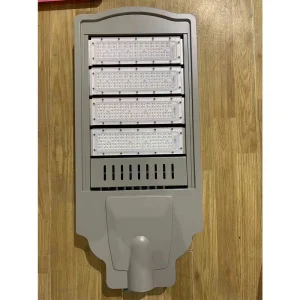
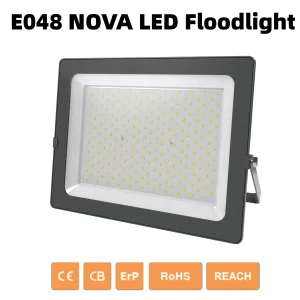
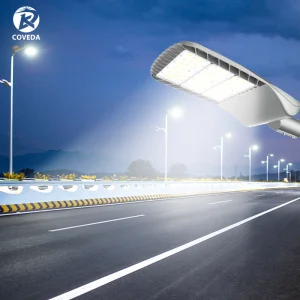
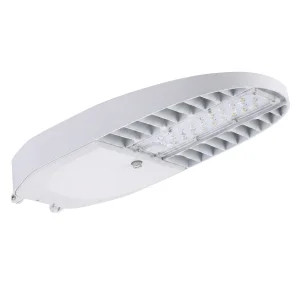
Explore our high-performance floodlights, street lights, and specialized commercial high bays.
Detailed technical answers addressing core logistics, product lifespans, standards, and engineering queries.
LiFePO4 offers exceptional thermal safety (thermal runaway temperature of 600°C vs. NMC's 200°C) and a significantly longer lifespan (2,500+ cycles vs. 800 cycles). This reduces maintenance costs and ensures safe operation under direct sunlight and high ambient temperatures.
For European markets, fixtures require CE, RoHS, and ENEC certifications. For North America, UL, ETL, or FCC approval is required. In addition, the lithium battery cells must carry UN38.3, MSDS, and IEC 62133 compliance certificates for safe shipping and customs entry.
Extreme cold (below 0°C) slows chemical reactions inside lithium batteries, temporarily reducing effective capacity. Extreme heat (above 55°C) can accelerate cell degradation. To address this, Guangdong Lijah Light incorporates high-performance BMS thermal sensors that monitor and regulate battery output and charging parameters.
Yes, our engineering team provides complimentary DIALux simulation services. By analyzing your architectural files (.DWG or 3D formats), we simulate light distribution, lux values, and energy consumption to help select the optimal fixture configurations.
A standard 2000mAh rechargeable mechanic work light charges in 3.5 to 4 hours via USB-C or AC adapters. It provides 3 to 4 hours of continuous runtime at maximum output, and up to 10 hours on energy-saving eco modes.
We verify ingress ratings through physical testing. After casting and trimming, the housings are sealed using custom silicone gaskets and machine-injected sealant. Assembled fixtures undergo pressure chambers and water jet testing to confirm IP65, IP66, or IP67 ratings.
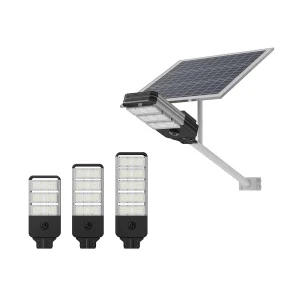
Split solar designs allow the solar panel to be oriented toward optimal sunlight exposure, while the light fixture can be pointed where illumination is needed. This flexibility maximizes energy collection efficiency, especially in higher-latitude regions.
Guangdong Lijah Light offers a standard 3 to 5-year warranty on commercial fixtures, covering the driver and LED modules. The integrated lithium battery packs carry a 2 to 3-year performance warranty depending on the selected battery chemistry and installation environment.
 Lijah Light