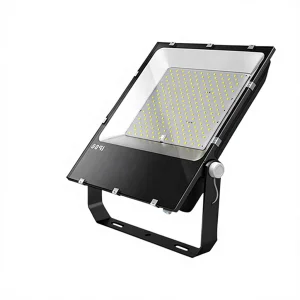
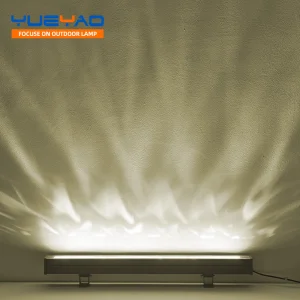
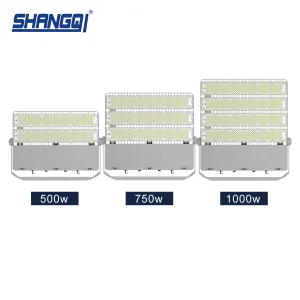
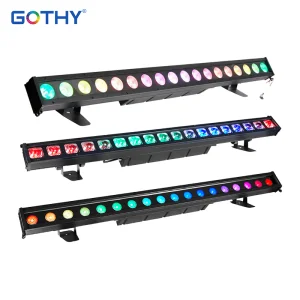
Explore our top-performing LED systems, engineered for maximum lumen output, robust thermals, and unparalleled energy efficiency across demanding environments.
An authoritative analysis on industry transitions, regulatory frameworks, and thermodynamic engineering breakthroughs.
The paradigm shift from conventional Metal Halide (MH) systems to high-power, solid-state LED configurations has accelerated globally. Driven by rigorous international standards, including FIFA's Class V illumination criteria, UEFA elite requirements, and HDTV broadcasting compliance guidelines, modern installations prioritize light quality over raw luminous quantity. Modern sports facilities demand fixtures that offer a high Color Rendering Index (CRI ≥ 85) and an exceptional Television Lighting Consistency Index (TLCI ≥ 90). The total absence of optical flicker is essential for high-speed, super-slow-motion cameras, ensuring broadcasters can deliver seamless 4K and 8K visual streams without luminance fluctuation.
Modern architectural and stadium lighting demands sophisticated optical control. Dark Sky initiatives and strict municipal zoning ordinances require zero upward light output (ULR = 0%) to prevent light pollution in surrounding communities. Achieving this relies on custom-engineered, asymmetric optical distributions that project light precisely onto the playing surface or designated target areas. This limits light spill and glare (Unified Glare Rating, UGR < 19), preventing discomfort for athletes and spectators while optimizing power usage. High-precision PMMA lenses, offering tailored distributions from 15° narrow spots to 120° wide flood spreads, allow engineers to meet exacting lighting standards without energy waste.
At high wattages (500W to 1200W+), heat dissipation is critical to maintaining system lifespan. If the LED junction temperature exceeds 85°C, performance degrades rapidly, accelerating lumen decay and color shifting. State-of-the-art stadium lights utilize die-cast A380 or ADC12 aluminum housings with integrated aerodynamic heat sinks. These configurations leverage natural convection currents to move heat away from the core components. Coupled with phase-change thermal interface materials (TIM) and isolated driver chambers, these designs ensure the light source remains cool. This enables an operational lifespan exceeding L70/B10 at 50,000 hours, even in harsh hot-climate environments.
The integration of digital control interfaces—such as DALI-2, DMX512, and 1-10V analog systems—has transformed stadiums into dynamic visual hubs. Designers can execute complex theatrical pre-game shows, synchronize lighting effects with audio feeds, and adjust light levels based on real-time ambient conditions. For non-broadcast events or maintenance operations, systems can dim to 20-50% capacity, reducing energy consumption and lowering operational overhead. Advanced IoT drivers also allow for predictive monitoring, tracking energy usage, thermal profiles, and components status to streamline maintenance across complex, high-mast installations.
A technology-driven enterprise specialized in the research, development, production, and service of modern, energy-efficient, and intelligent LED lighting solutions.
As a professional manufacturer with years of industry experience, Guangdong Lijah Light Co., Ltd. is a trusted partner for distributors, wholesalers, contractors, and project developers across Europe, Oceania, Southeast Asia, the Middle East, and other international markets. By combining advanced manufacturing technologies with continuous product innovation, we provide high-quality lighting solutions that deliver outstanding performance, long service life, and significant energy savings.
Innovation is the driving force behind our growth. Our experienced R&D team works closely with engineering, marketing, and sales departments to develop advanced lighting solutions that meet the evolving demands of the global market. Through continuous investment in product development and technological innovation, we introduce efficient, reliable, and intelligent lighting products that create greater value for our customers.
Our manufacturing processes are carried out under a strict quality management system to ensure every product consistently meets international standards. Our LED lighting products comply with CE and RoHS requirements, while many of our key products have also obtained internationally recognized certifications including TÜV, ENEC, VDE, SAA, C-Tick, CB, LM79, and LM80. These certifications demonstrate our commitment to safety, performance, and reliability.
We provide comprehensive DIALux simulation services to help customers optimize their layouts, improve energy efficiency, and select the right products for industrial, commercial, and outdoor projects. Our engineering team assists with customized design support, helping to reduce installation costs and maximize lighting performance.
Located in Guangdong, the heart of the global electronics and LED supply chain, we leverage high-speed logistics and shipping corridors. This proximity enables rapid transit, efficient bulk consolidation, and reliable global container loading, ensuring projects stay on schedule and under budget.
Under strict quality control systems, each manufacturing step is engineered to produce high-performance outdoor and industrial lighting products.
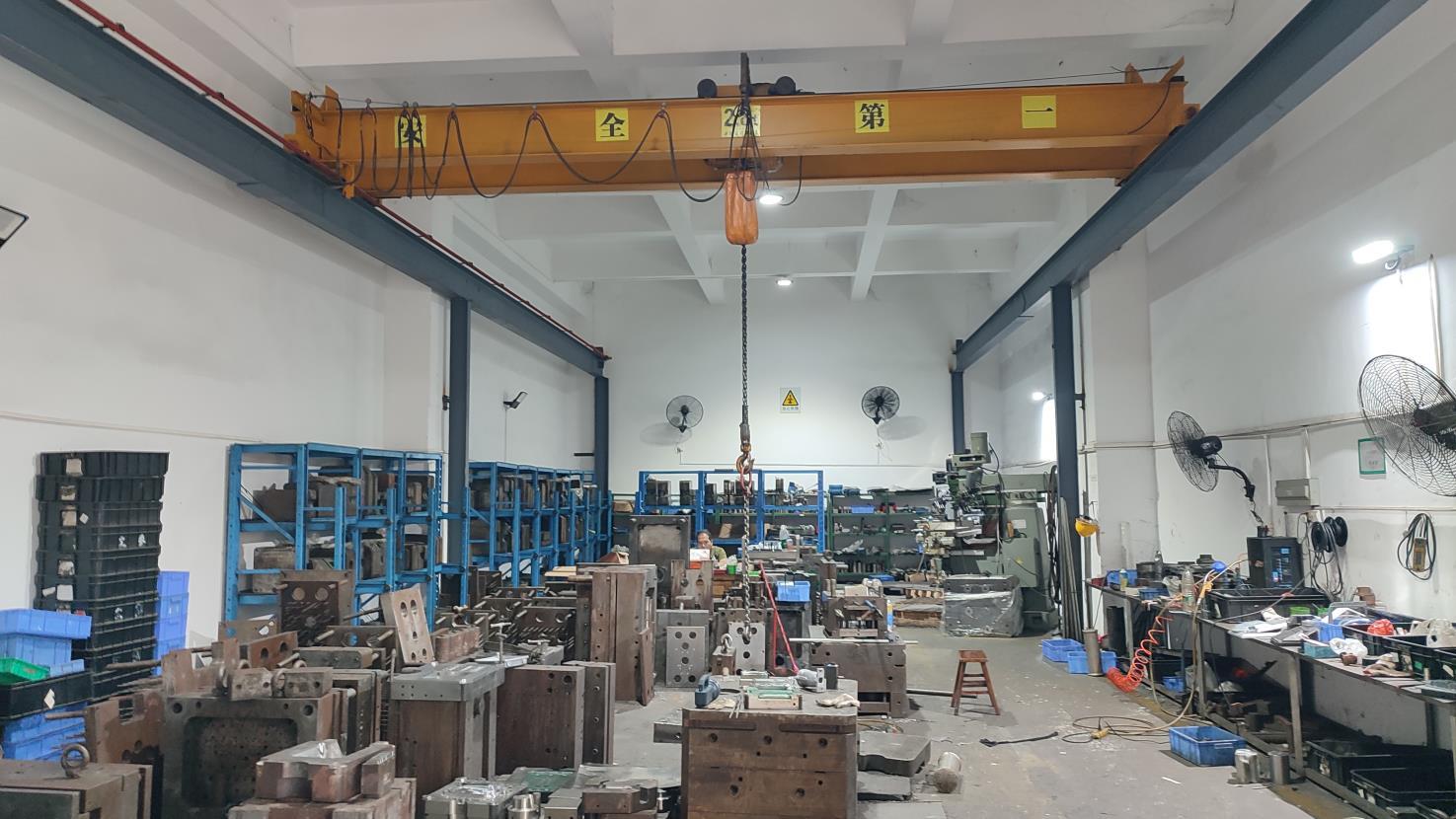
Precision molds are fabricated to exact CAD specifications, ensuring robust thermal structures and housing tolerances.
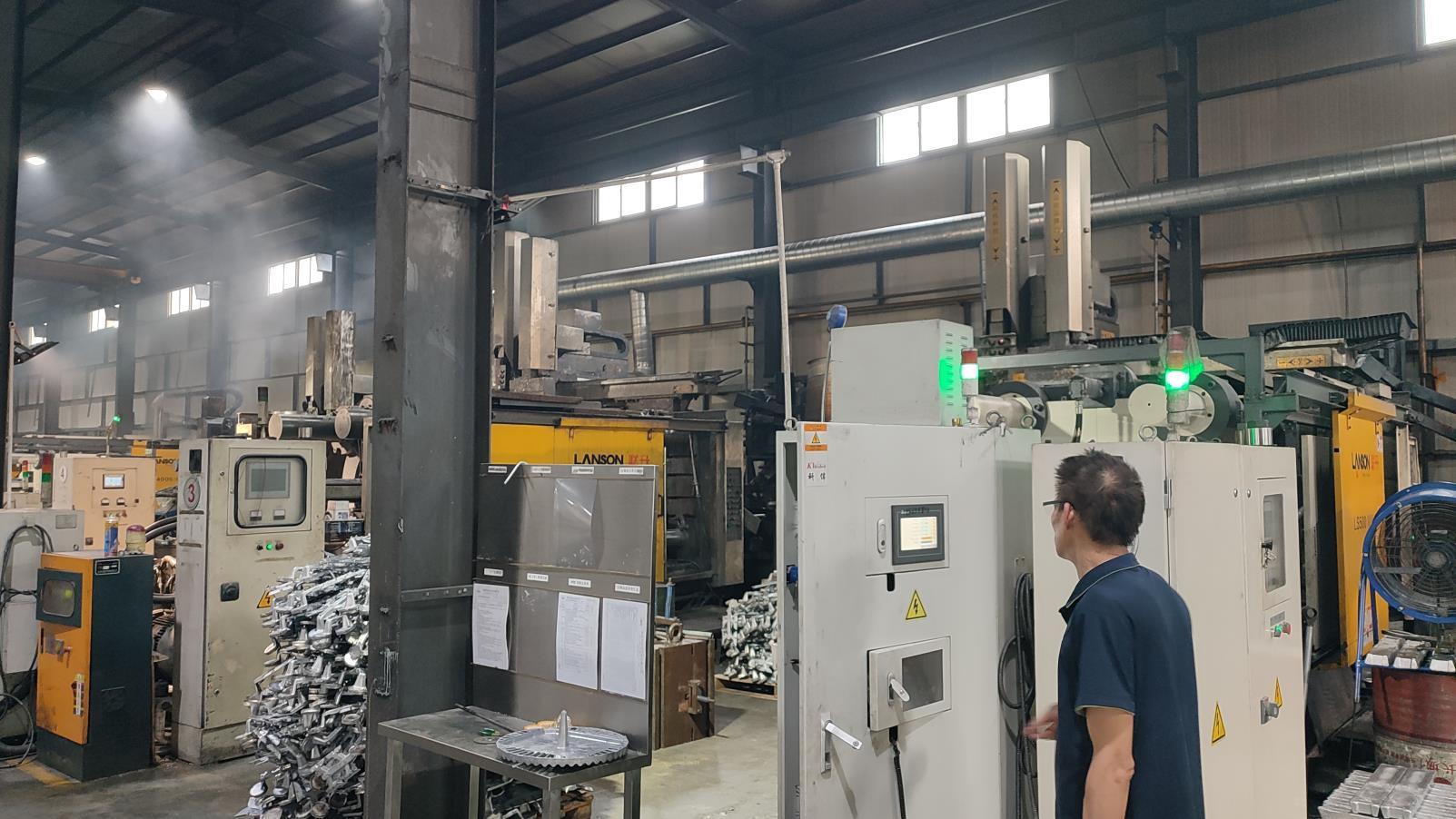
High-pressure die-casting forms high-density aluminum alloy housings, optimizing structural integrity and heat dissipation.
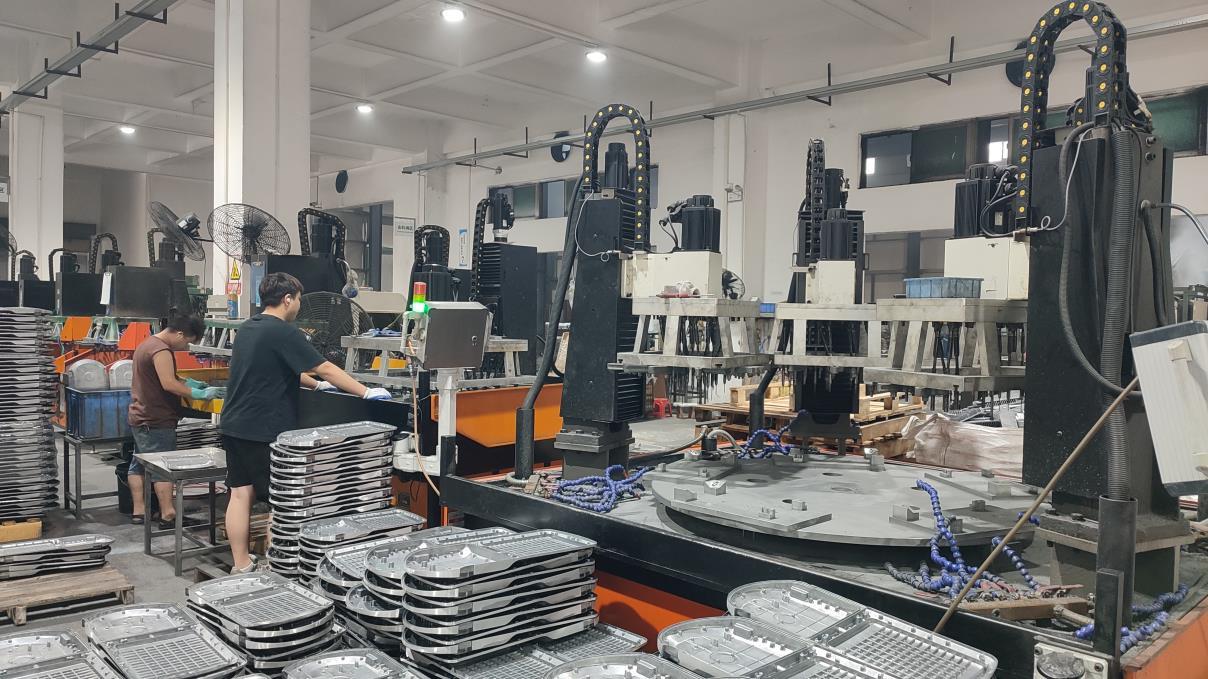
CNC automated drilling creates precise attachment points for brackets, wire glands, and internal components.
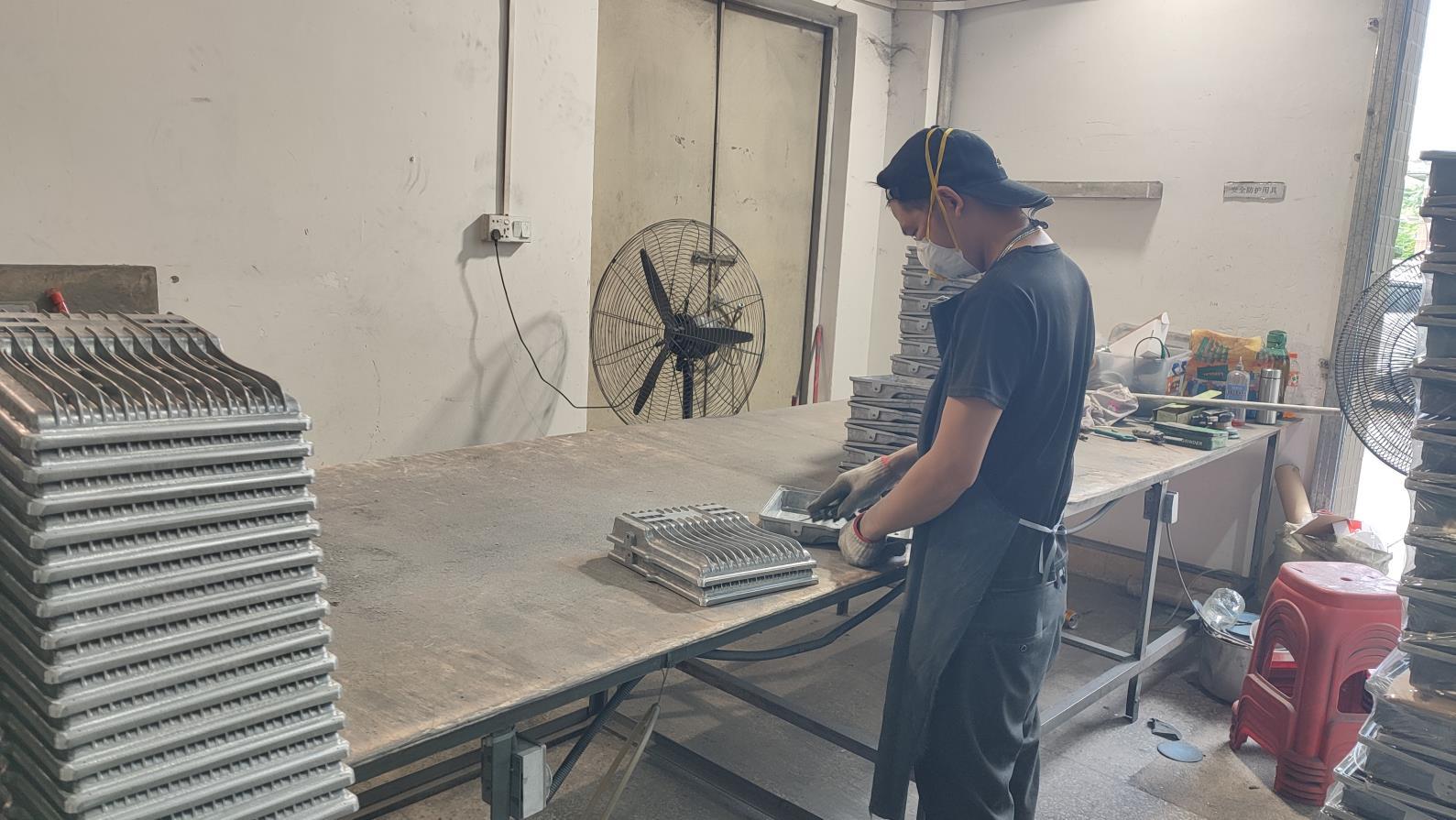
Automated and manual trimming removes excess flash and metal burrs from raw die-cast components.
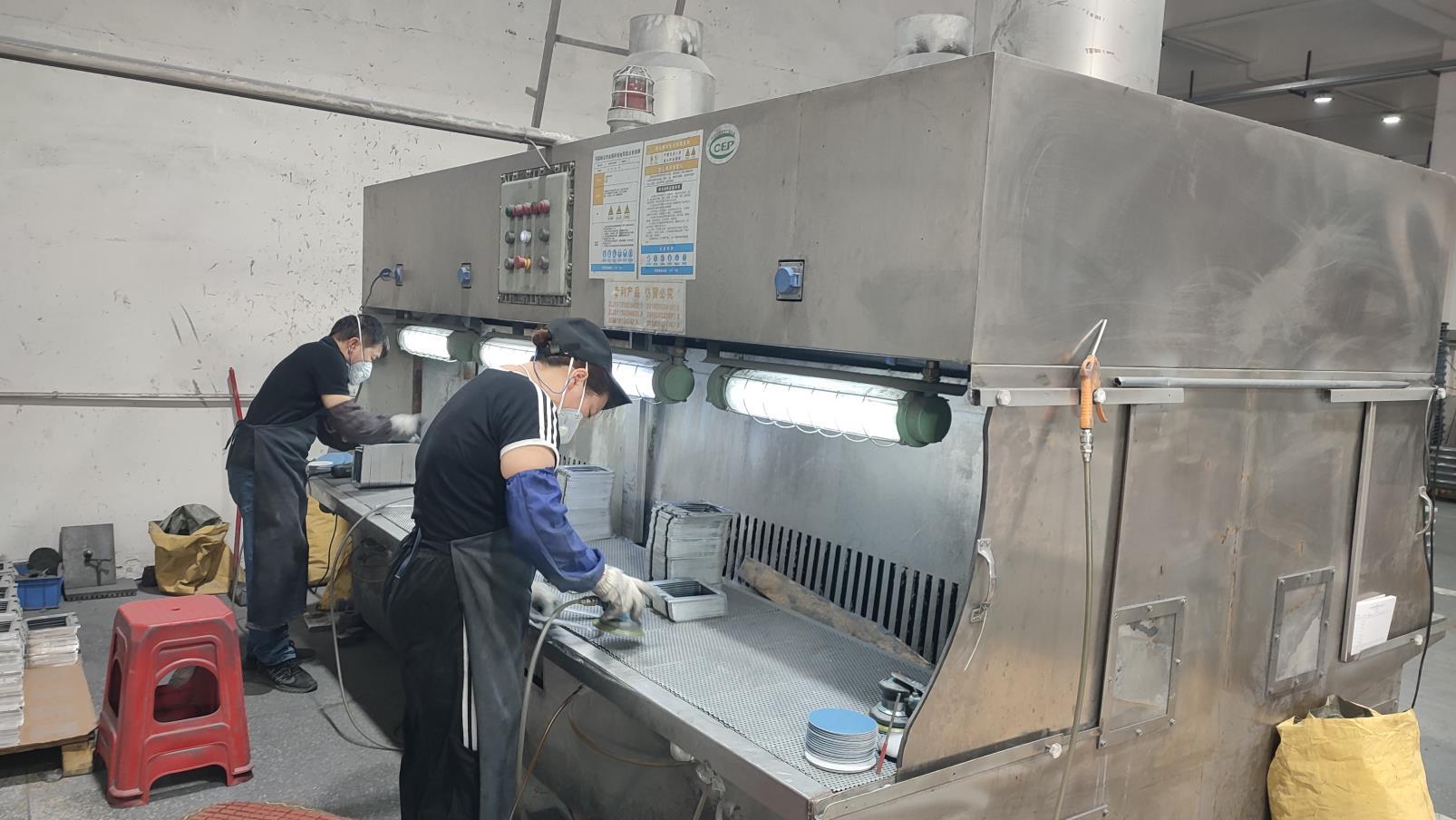
Detailed polishing ensures a smooth outer surface, preparing the aluminum housing for optimal paint adhesion.
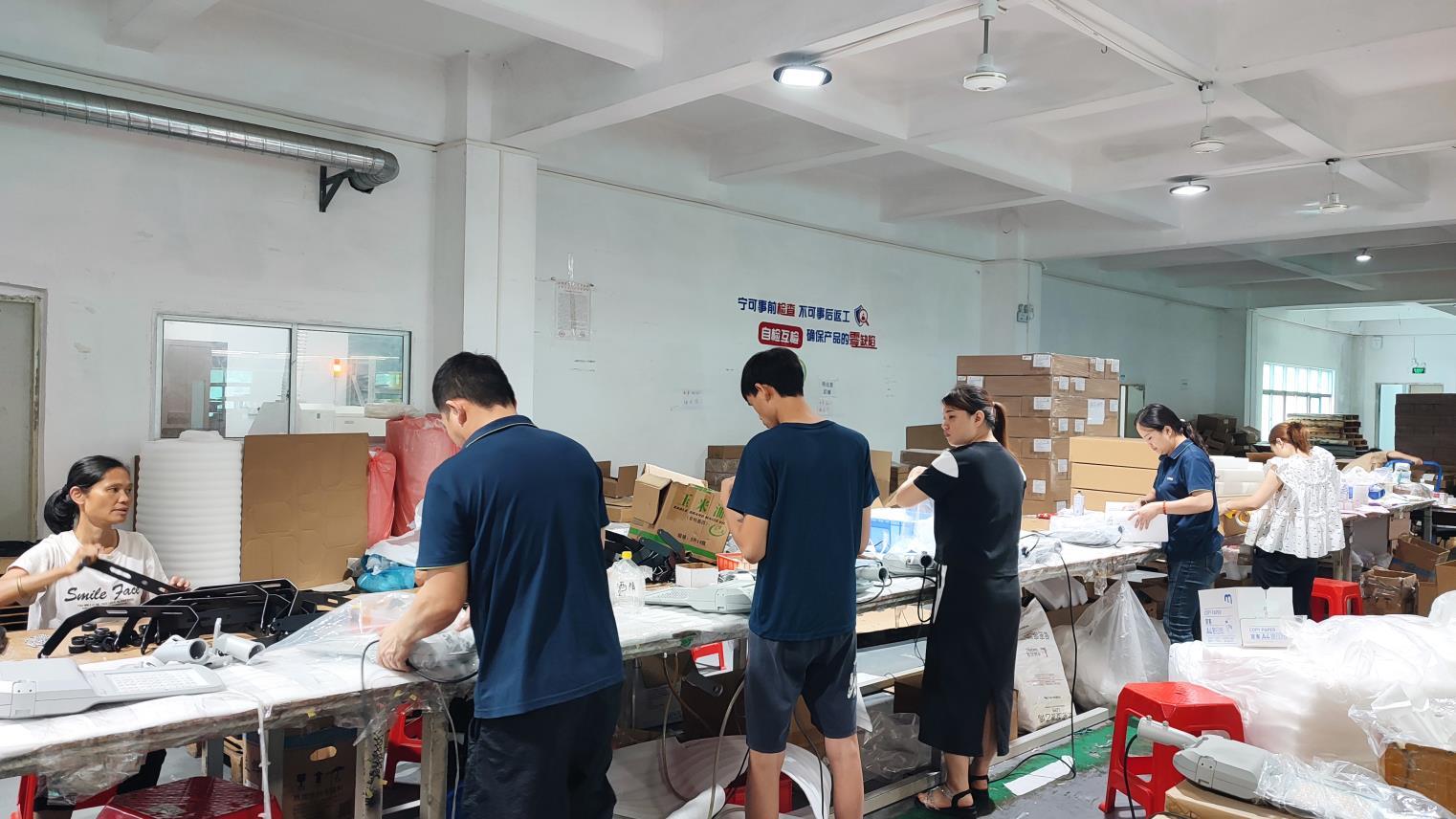
Initial packaging and sorting of processed metal components keeps parts clean and organized for assembly.
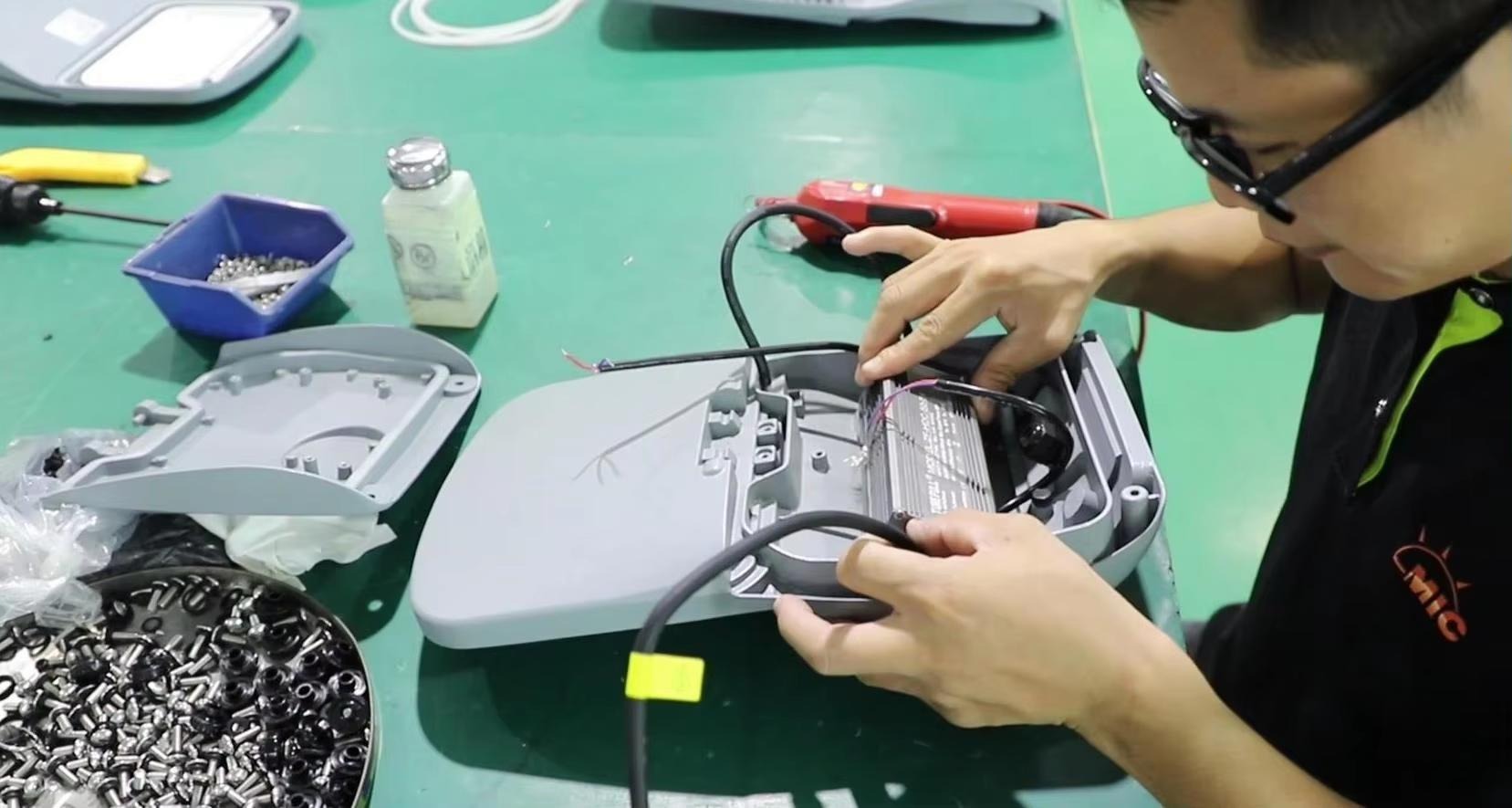
Integration of high-quality thermal interface materials and basic hardware components onto the raw housing.
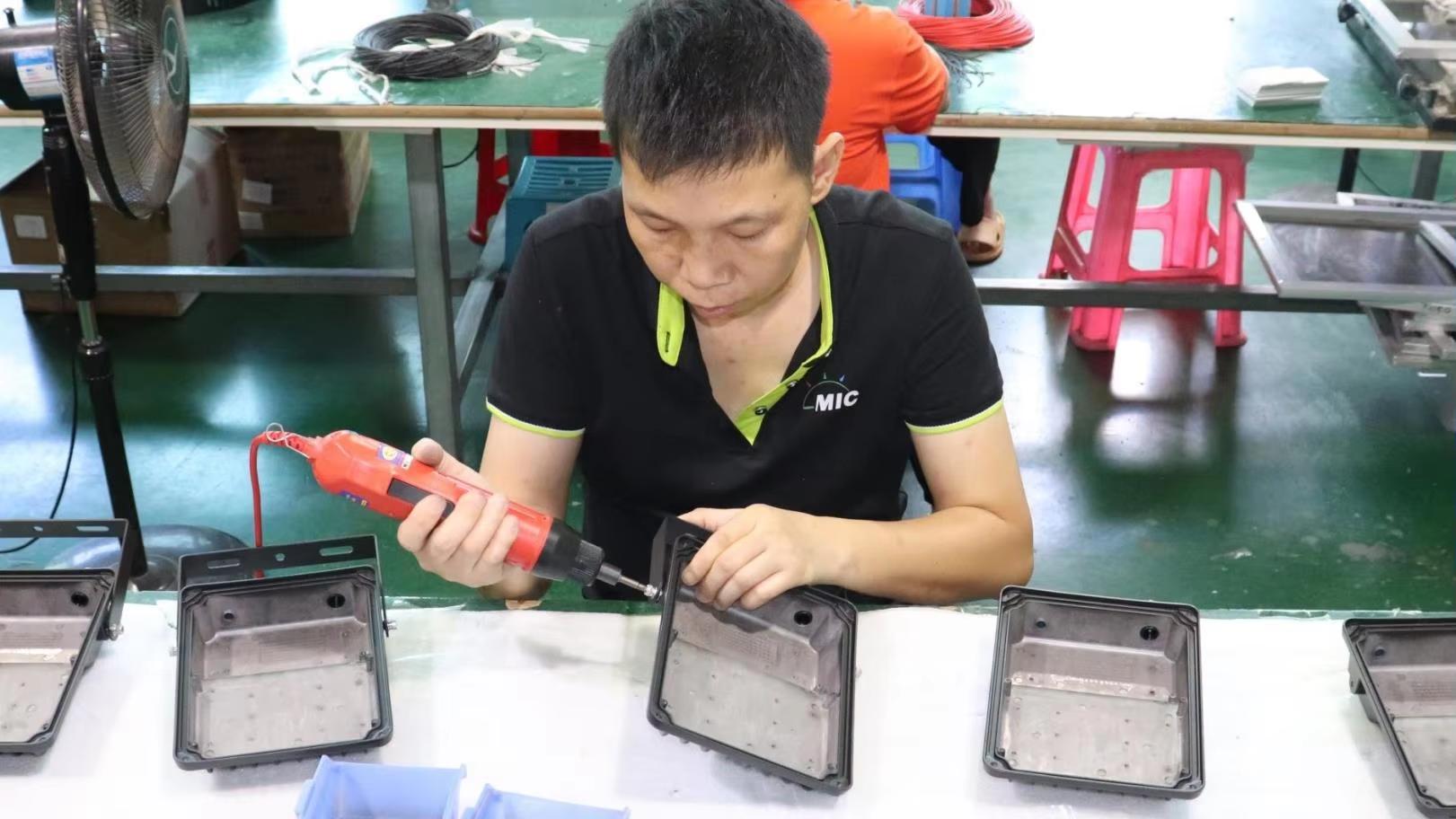
Installation of electronic drivers, custom lens optics, and protective seals onto the sub-assemblies.
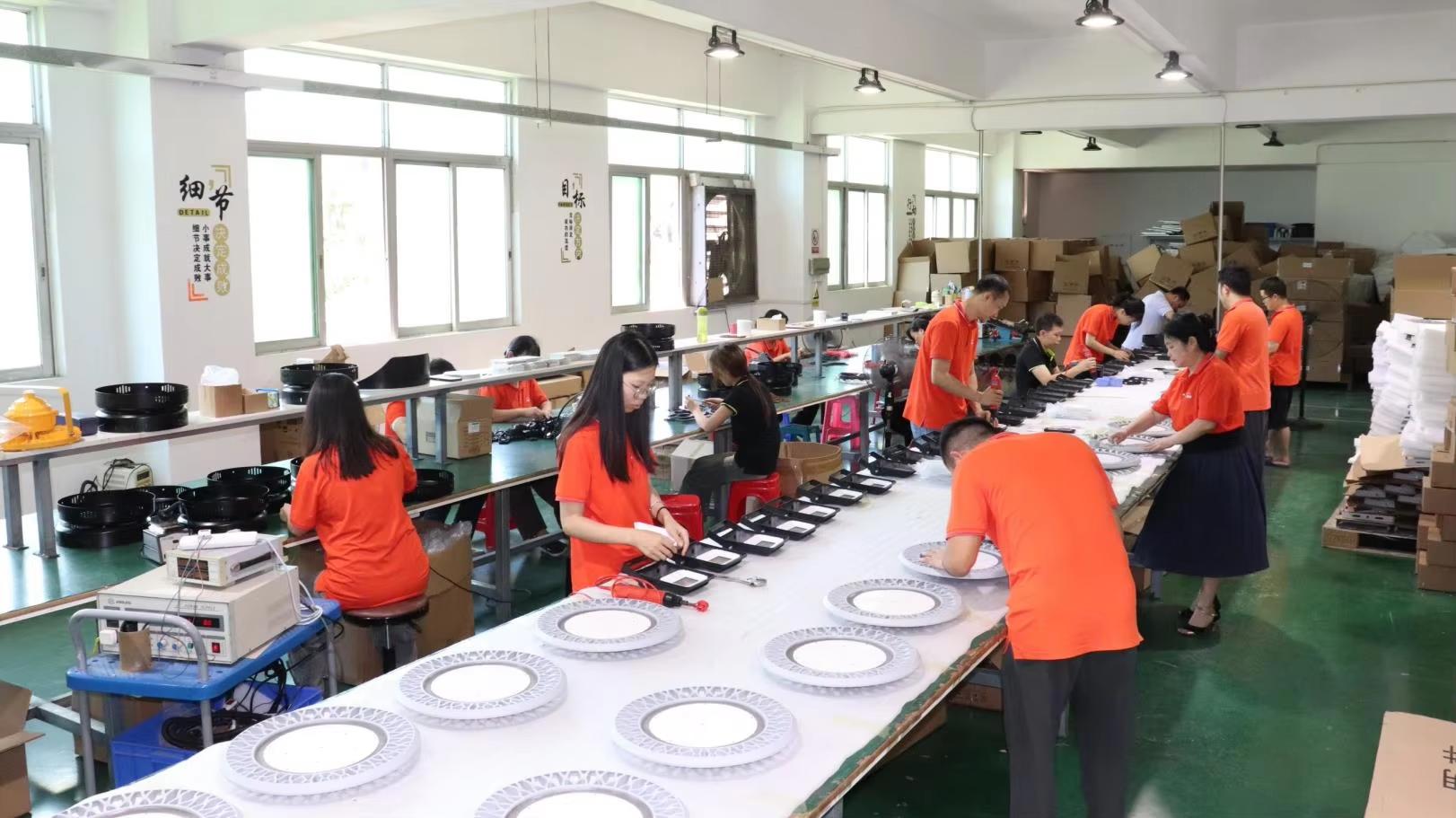
Final assembly joins all mechanical, optical, and electrical components into a complete, sealed fixture.
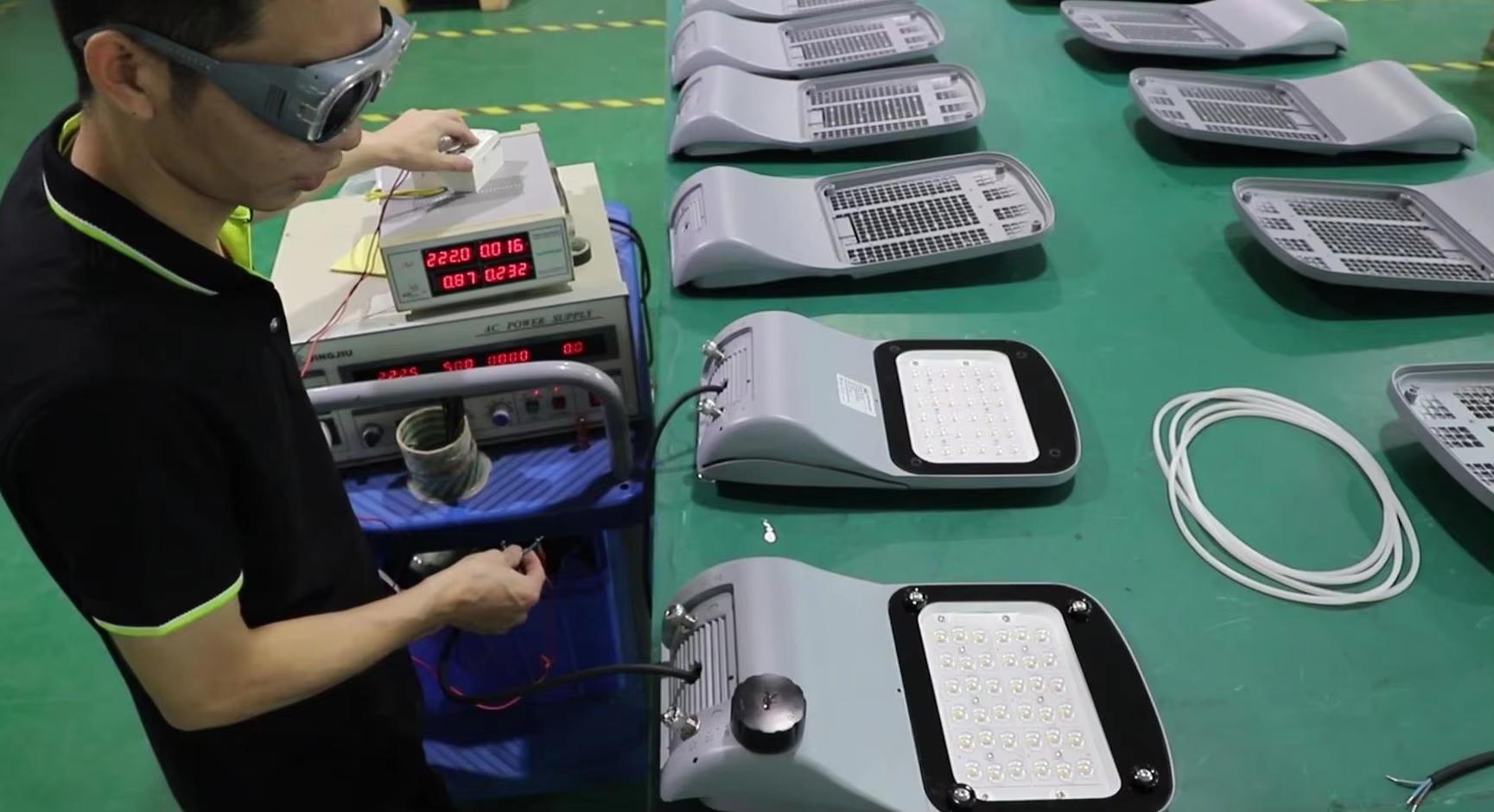
Rigorous quality checks verify optical distribution, wattage parameters, and driver electrical characteristics.
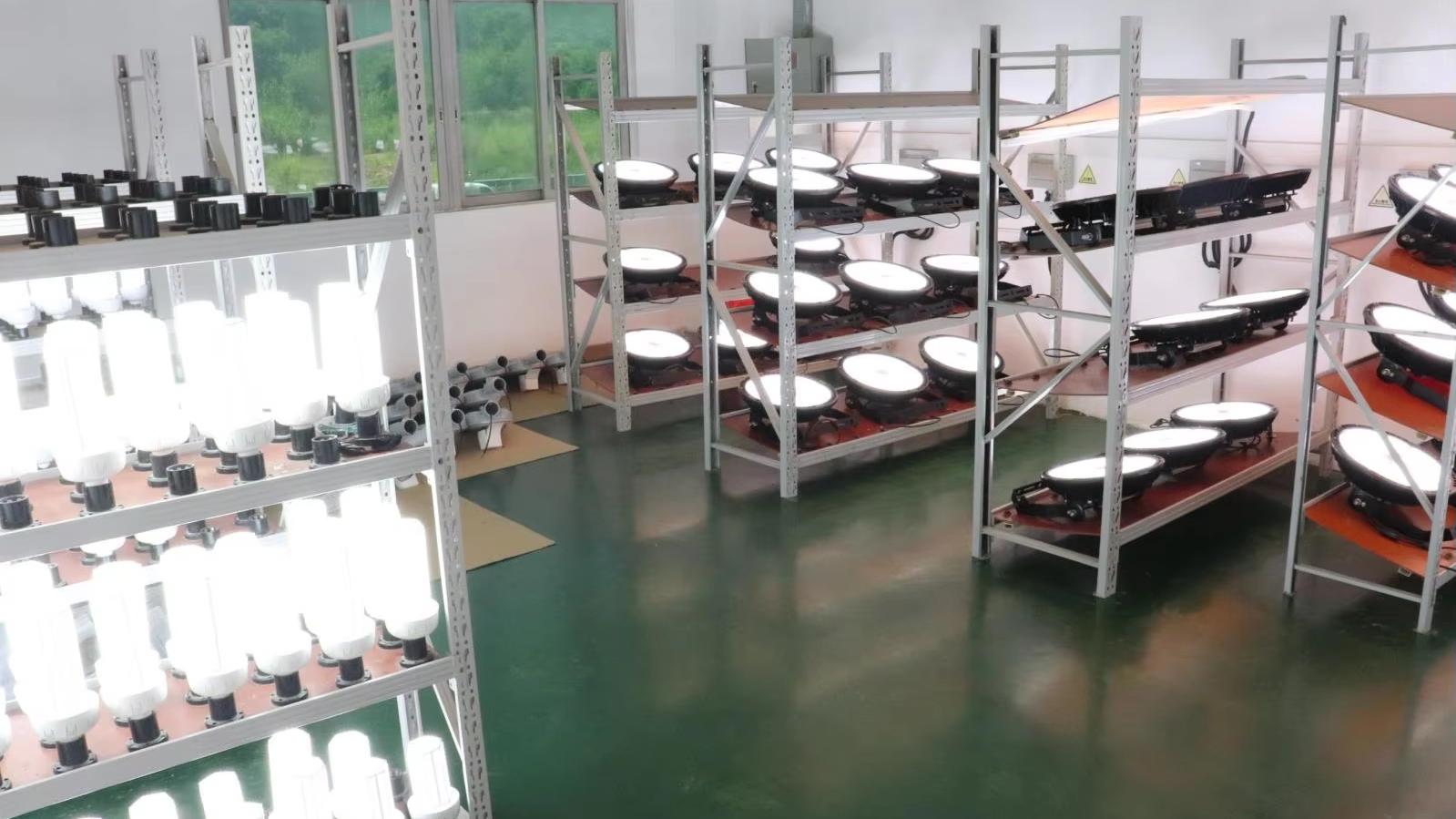
Extended high-temperature burn-in tests stabilize electronics, ensuring long-term field reliability.
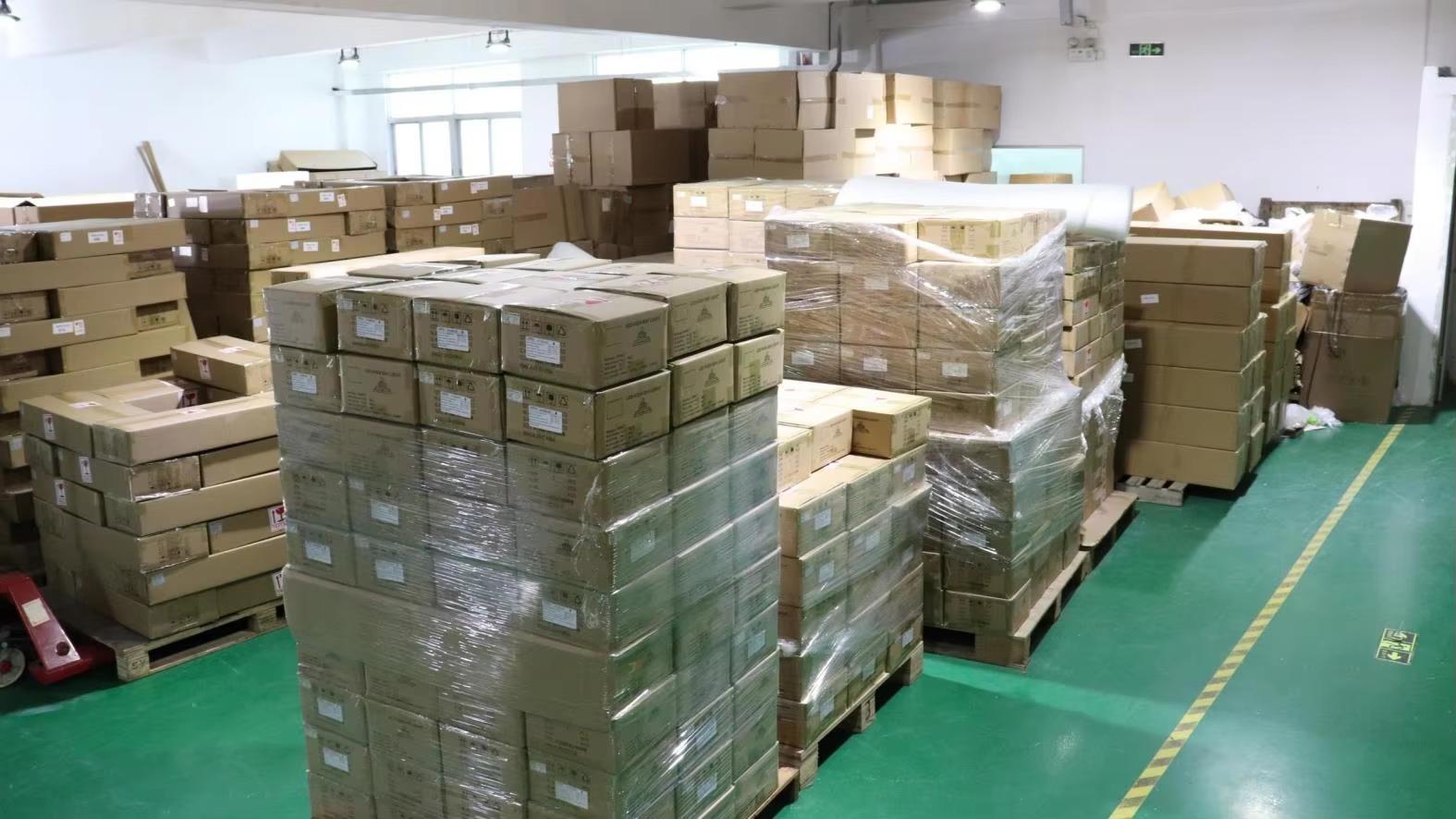
Finished fixtures are packaged in protective cartons and stored in a temperature-controlled logistics hub.
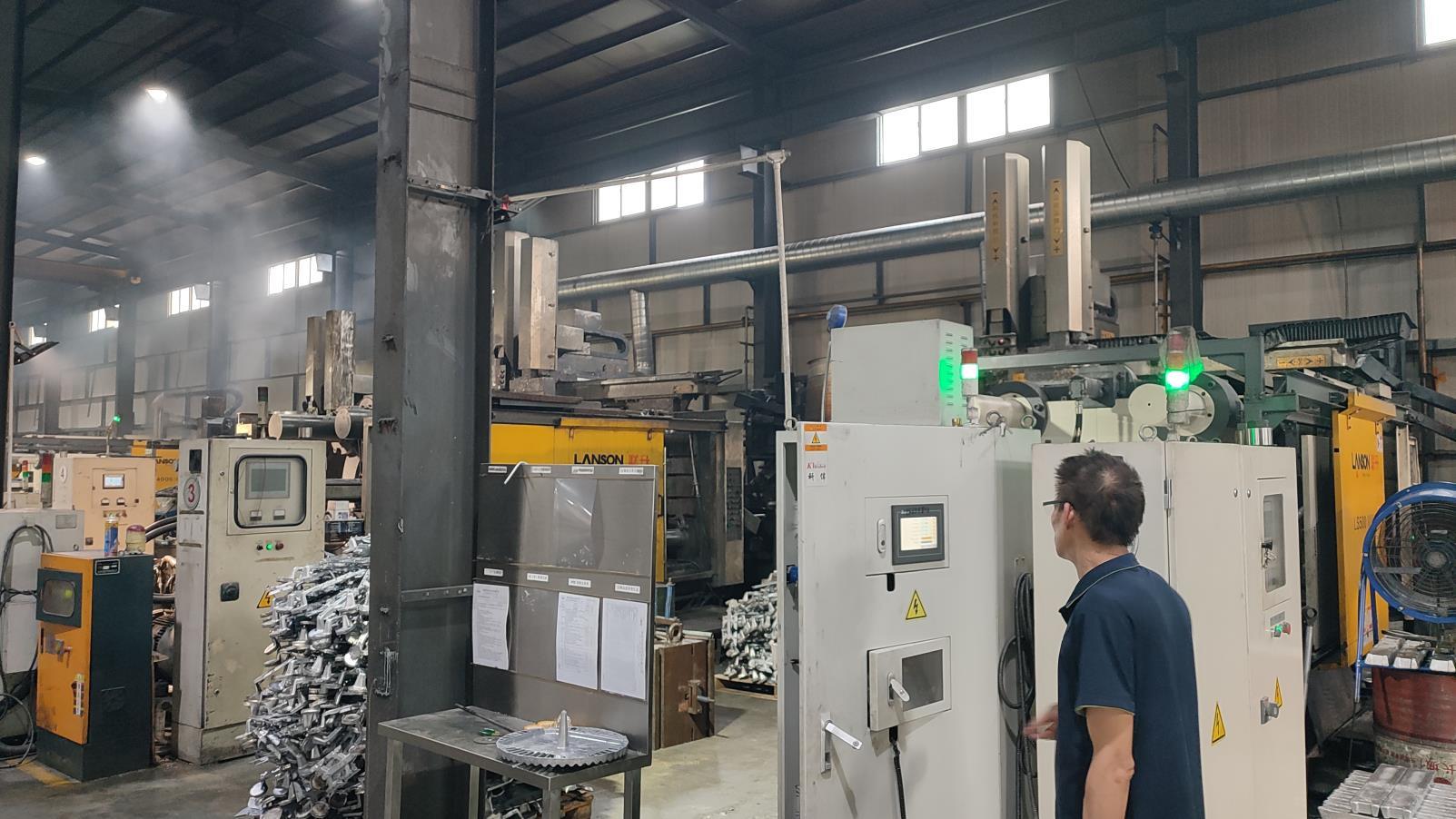
Heavy-duty die-casting equipment underpins our manufacturing scale and capacity, ensuring consistent quality across high-volume production runs.
A guide for engineering consultants, municipal procurement teams, and EPC contractors sourcing commercial-grade LED systems.
Procurement teams often focus on wattage instead of system efficacy. Modern designs deliver between 140 lm/W and 170 lm/W. Selecting high-efficacy systems allows you to lower the overall operating wattage while maintaining required lux levels. For example, a high-efficiency 600W fixture can replace a lower-performing 1000W model, yielding a 40% reduction in energy usage and lowering wiring, circuit breaker, and pole load requirements.
Stadium fixtures must withstand environmental exposure over decades of service. Look for features like marine-grade conversion coatings, specialized powder coatings that pass 1000-hour salt spray tests (ASTM B117), and IP66 ingress protection. Vibration testing is also essential to ensure components remain secure under high wind-load conditions common to elevated pole mountings.
Always verify raw photometric data (.IES or .LDT files) through independent laboratory tests (LM-79 reports). This data details luminaire light distribution, enabling design teams to build accurate DIALux simulations. Independent verification ensures the physical fixtures will perform as designed, preventing costly on-site adjustments after installation.
High-capacity electrical grids require clean power profiles to prevent distribution losses. Ensure the drivers you specify support a Power Factor ≥ 0.95 and maintain a Total Harmonic Distortion (THD) ≤ 15% across operating ranges. Certified high-performance drivers help prevent system resonance issues and protect electrical components from premature degradation.
Answers to common technical, mechanical, and logistical questions raised by electrical engineers, EPC contractors, and procurement departments.
Discover our comprehensive range of specialized lighting products, designed to meet rigorous standards across industrial sites, warehouses, and commercial spaces.
 Lijah Light