Explore our leading selection of heavy-duty, high-performance LED luminaires engineered for warehouses, manufacturing floors, cold storage, and rough industrial environments.
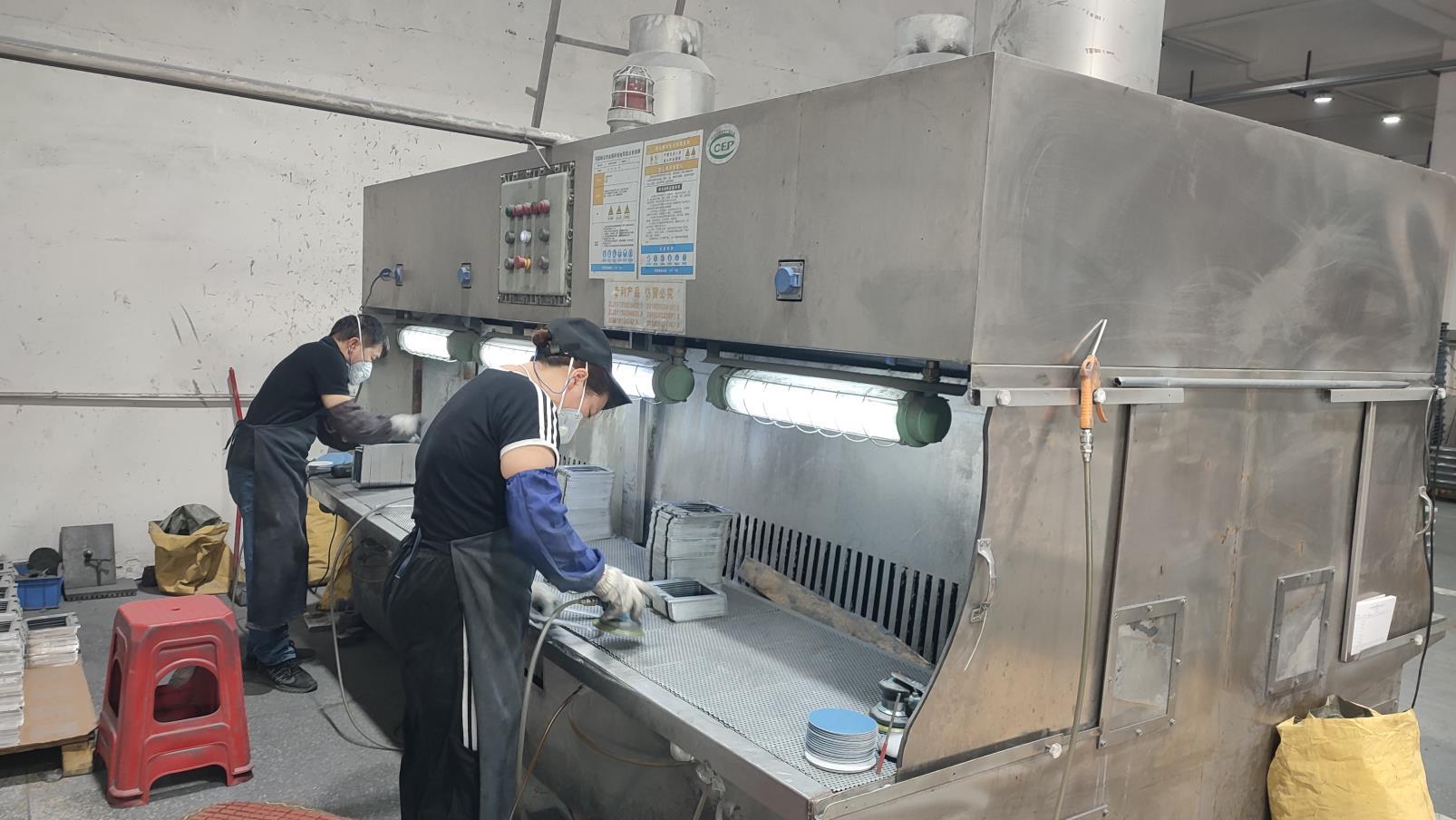
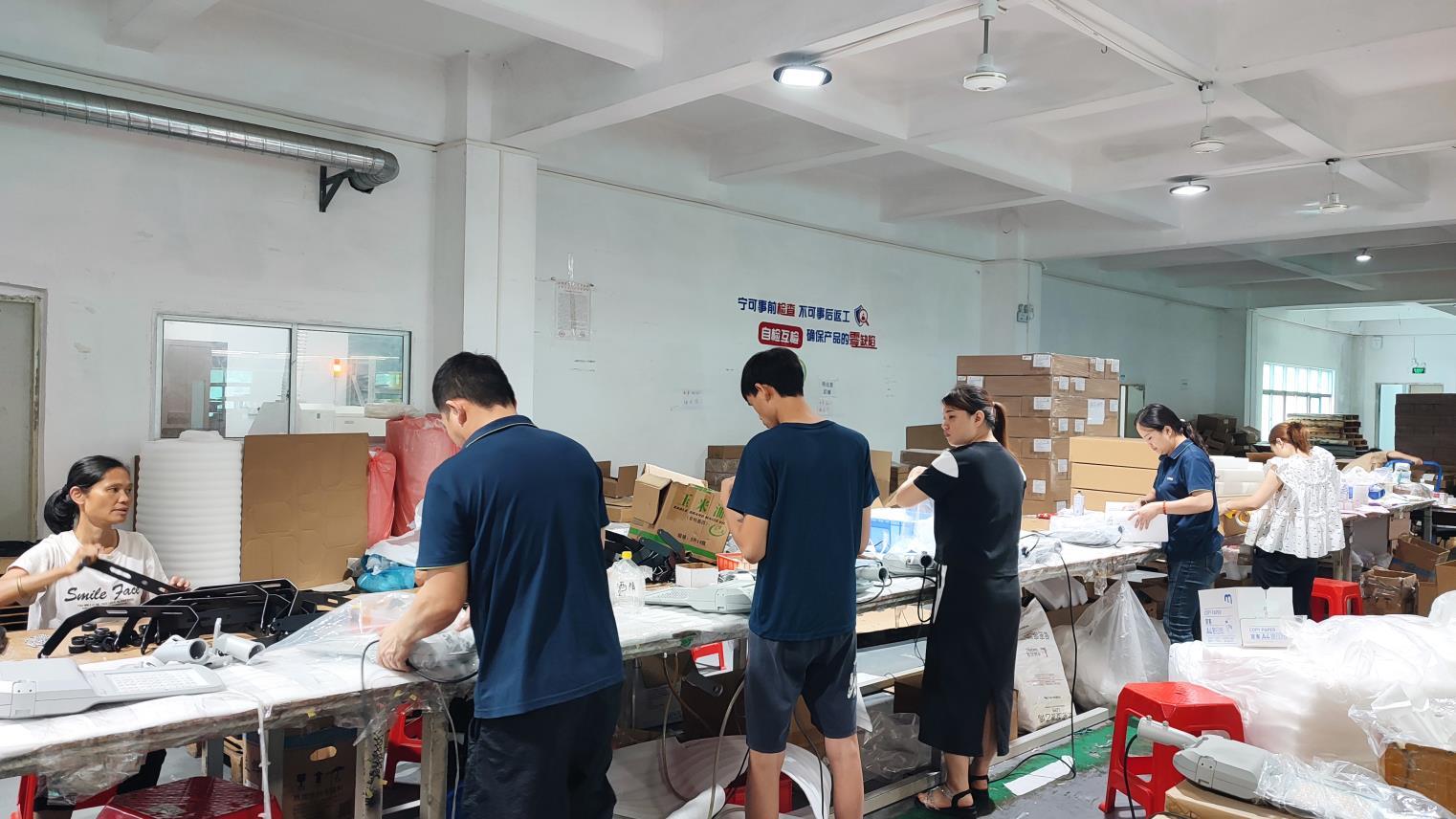
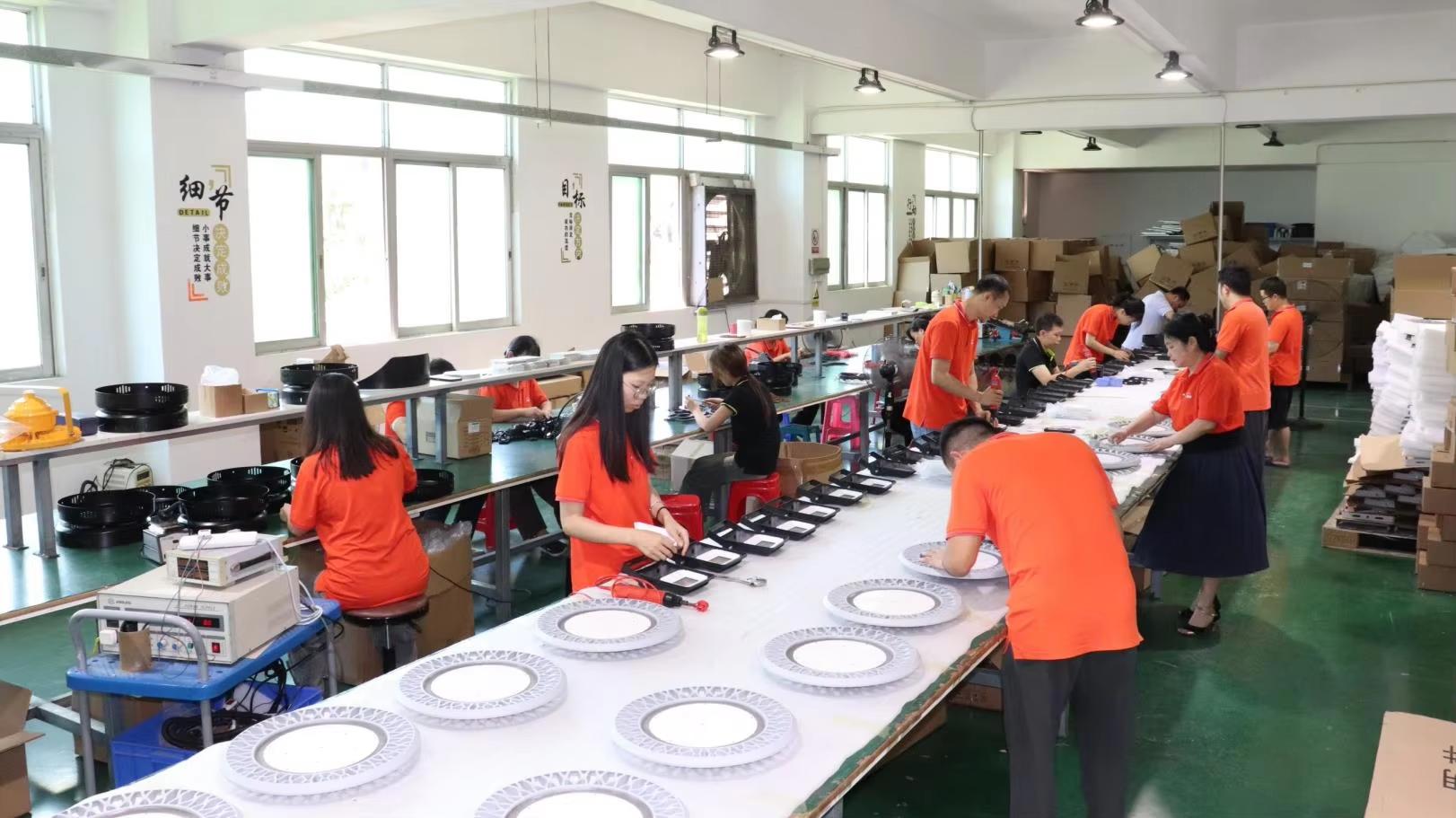
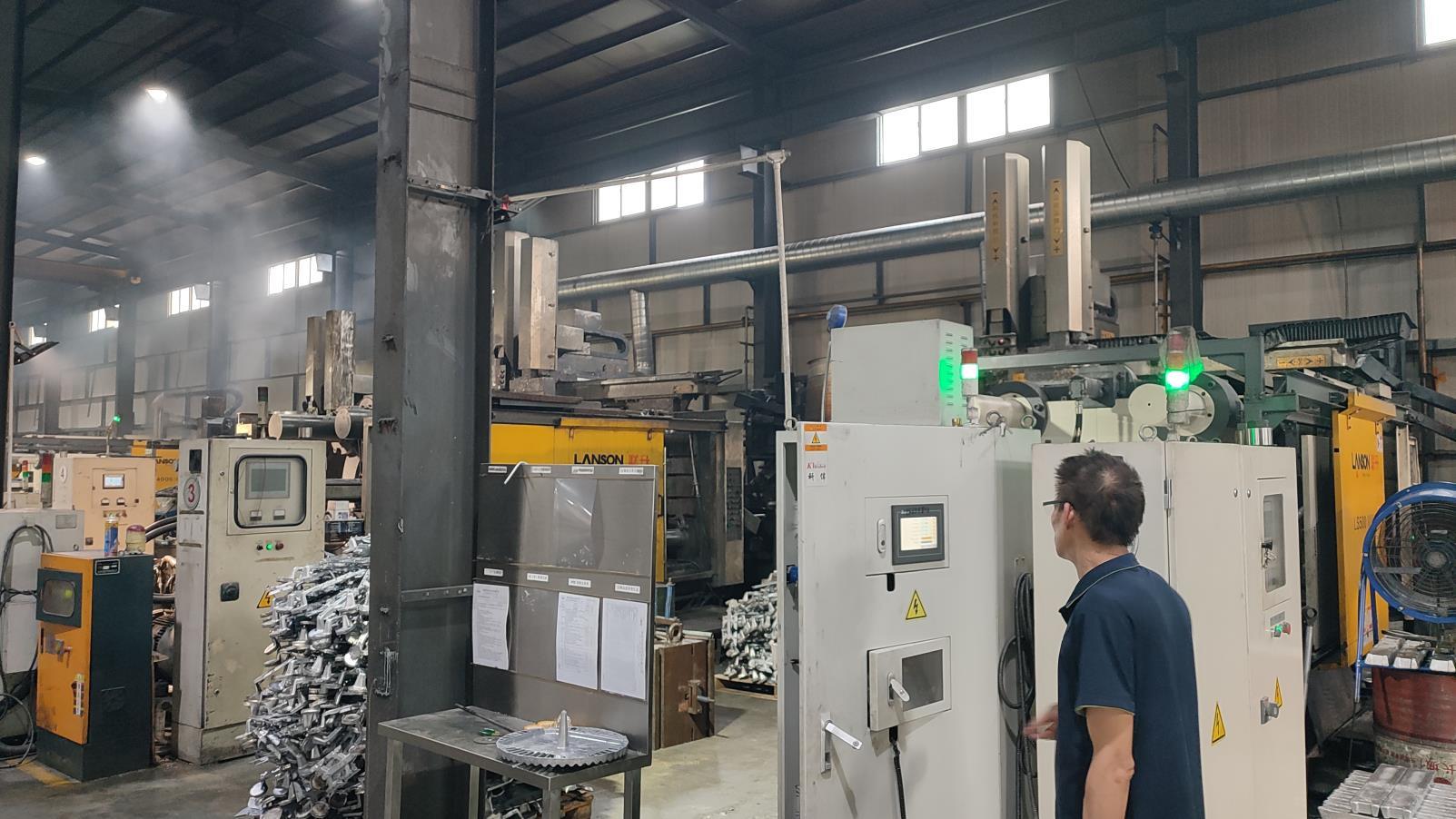
Guangdong Lijah Light Co., Ltd. is a modern, high-technology manufacturer specializing in the engineering, production, global distribution, and professional servicing of commercial, industrial, and outdoor LED lighting solutions. Leveraging sophisticated manufacturing infrastructure and deep technical expertise, we design high-efficiency luminaires optimized to handle the rigors of modern supply chains, marine transport hubs, heavy industrial complexes, and deep cold storage facilities.
With an emphasis on reducing carbon footprints and maximizing electrical efficiency, Lijah Light has built an extensive global footprint. We serve as a direct manufacturer and reliable OEM/ODM partner for commercial lighting contractors, industrial facility managers, distribution networks, and logistics developers across Europe, Oceania, Southeast Asia, and the Middle East.
Technological differentiation is central to our company mission. Our dedicated research and development division collaborates closely with material engineers, thermal scientists, and lighting layout professionals. By systematically analyzing the thermal pathways of high-lumen density LEDs, we refine die-cast aluminum heat-sink structures and driver electrical architectures to prevent premature lumen degradation.
We continually incorporate modern components, such as multi-die packages, robust surge protection devices (SPDs), and smart controls (DALI-2, Zigbee, microwave motion sensors) to keep our product portfolios current with the energy-saving policies of the world's most regulated markets.
High-bay lighting design requires a precise understanding of visual comfort, shadows, and lux distribution. A simple "one-size-fits-all" layout can lead to high glare (UGR > 25), insufficient lighting on lower rack shelves, and unnecessary power consumption.
Lijah Light mitigates these issues by offering professional DIALux photometric simulations. Our engineers model your warehouse or facility dimensions, ceiling heights, rack spacing, and reflectance values. This process ensures the precise quantity and beam angle of fixtures are selected, optimizing uniformity, satisfying local labor codes, and minimizing initial hardware overhead.
An authoritative analysis of the structural, thermal, and regulatory elements governing high-performance logistical facility design.
In an era characterized by global supply chains, e-commerce fulfillment hubs, and cold-storage operations, warehouses have evolved from simple static storage areas into highly automated, 24/7 high-density environments. This evolution demands a shift in lighting strategies. The standard practice of installing generic high bays without consideration of racking structures, vertical lux uniformity, or glare rating is no longer adequate.
Today, facility engineers prioritize Total Cost of Ownership (TCO) and decarbonization targets. Modern industrial lighting must reconcile safety mandates with tight energy consumption budgets. Implementing high-efficacy LED lighting systems is one of the most effective ways to lower operational emissions, as lighting can account for over 50% of an industrial facility's electricity load.
High-ceiling warehouse structures (from 8 meters to over 20 meters) present unique lighting design challenges. Selecting and placing luminaires requires addressing three main issues:
Operating as a global exporter requires deep familiarity with local building codes, safety rules, and energy rebates. We ensure our product designs comply with these specific regional requirements:
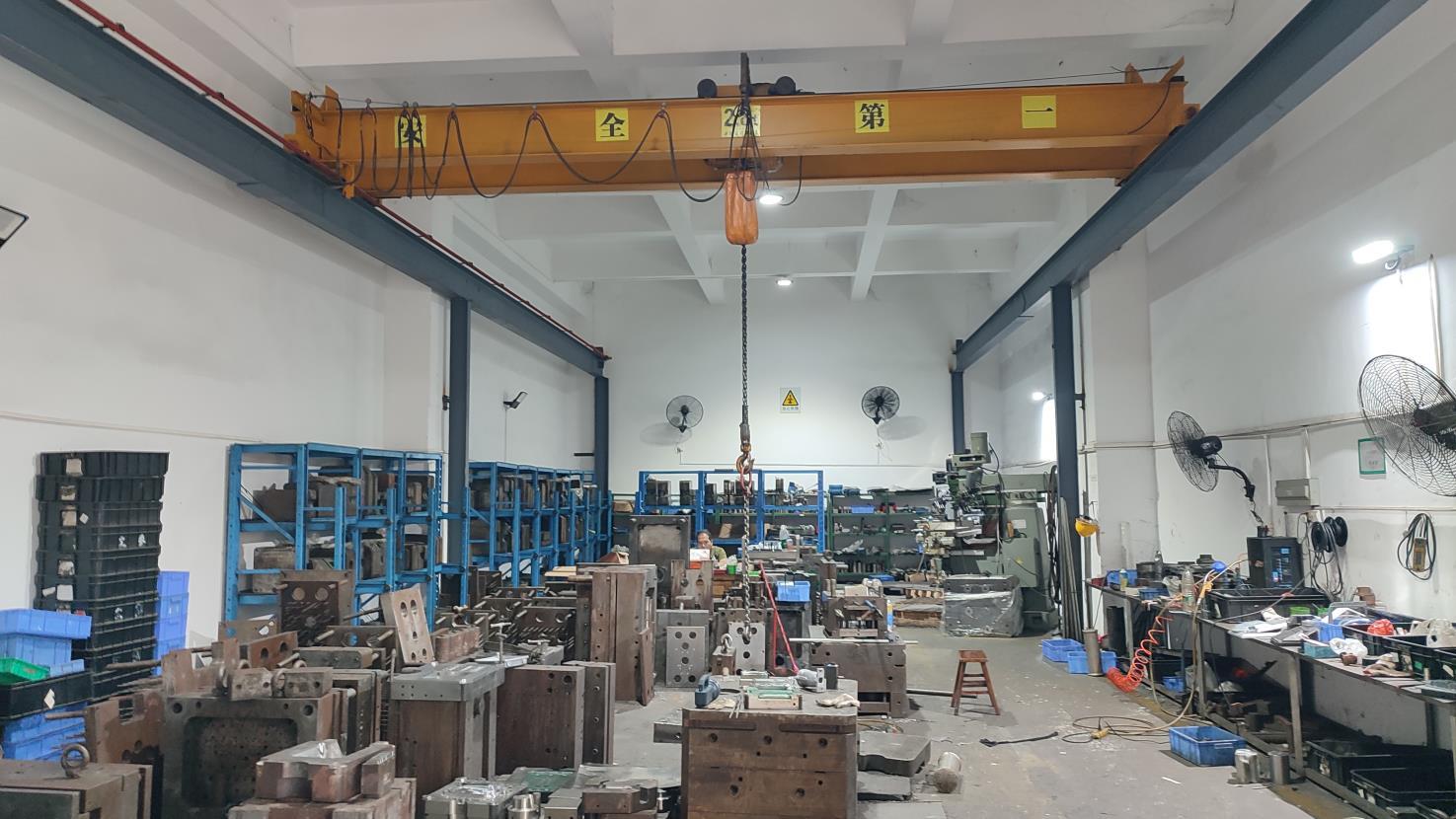
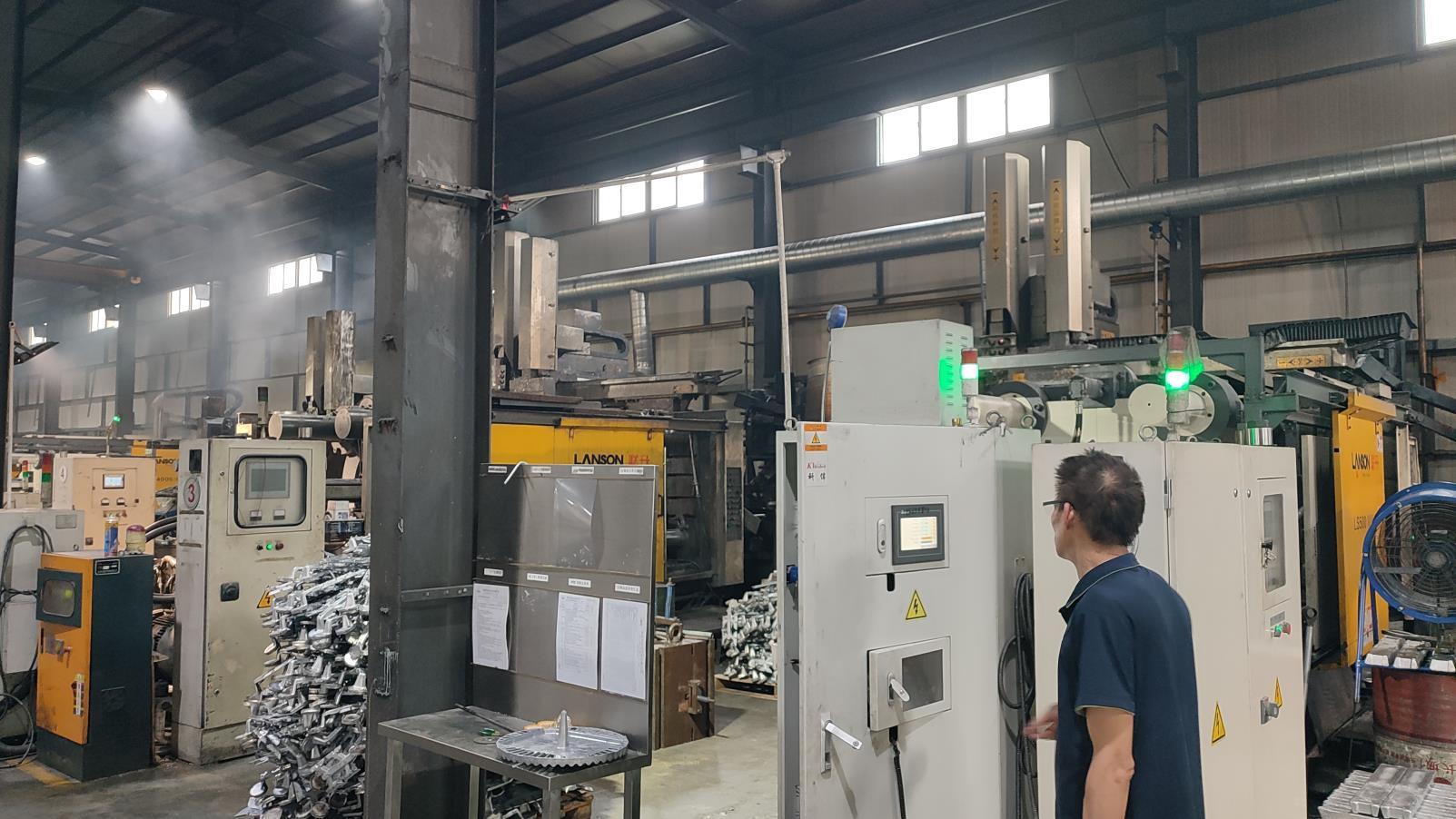
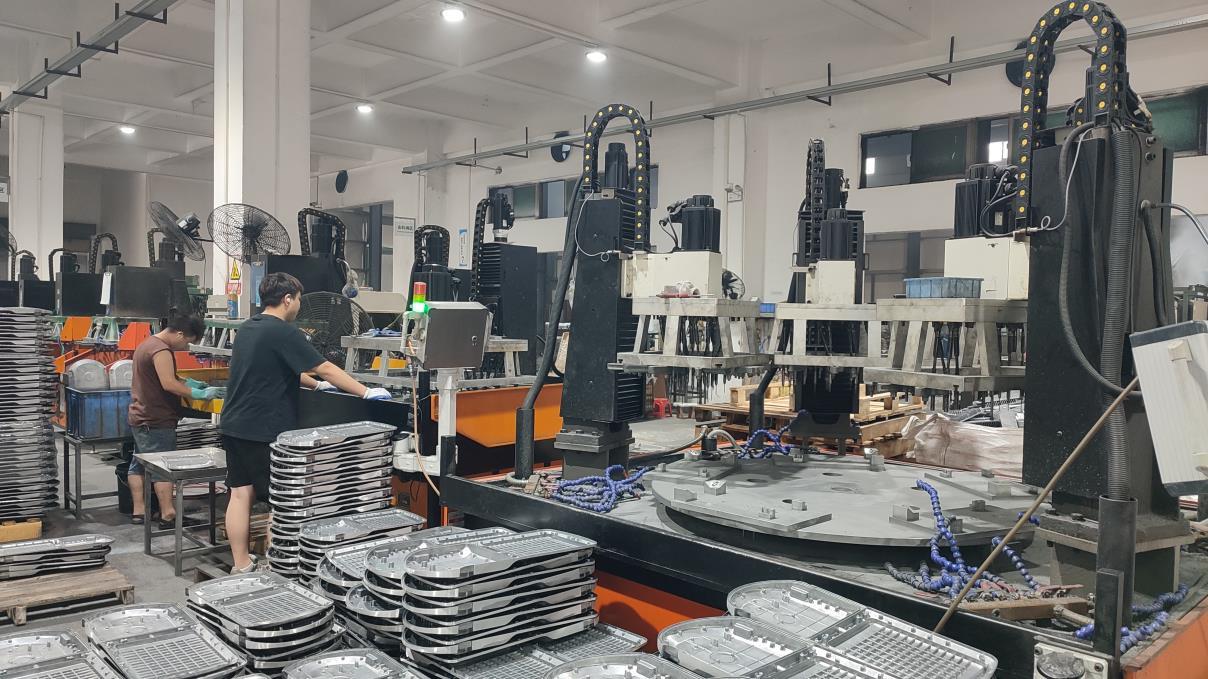
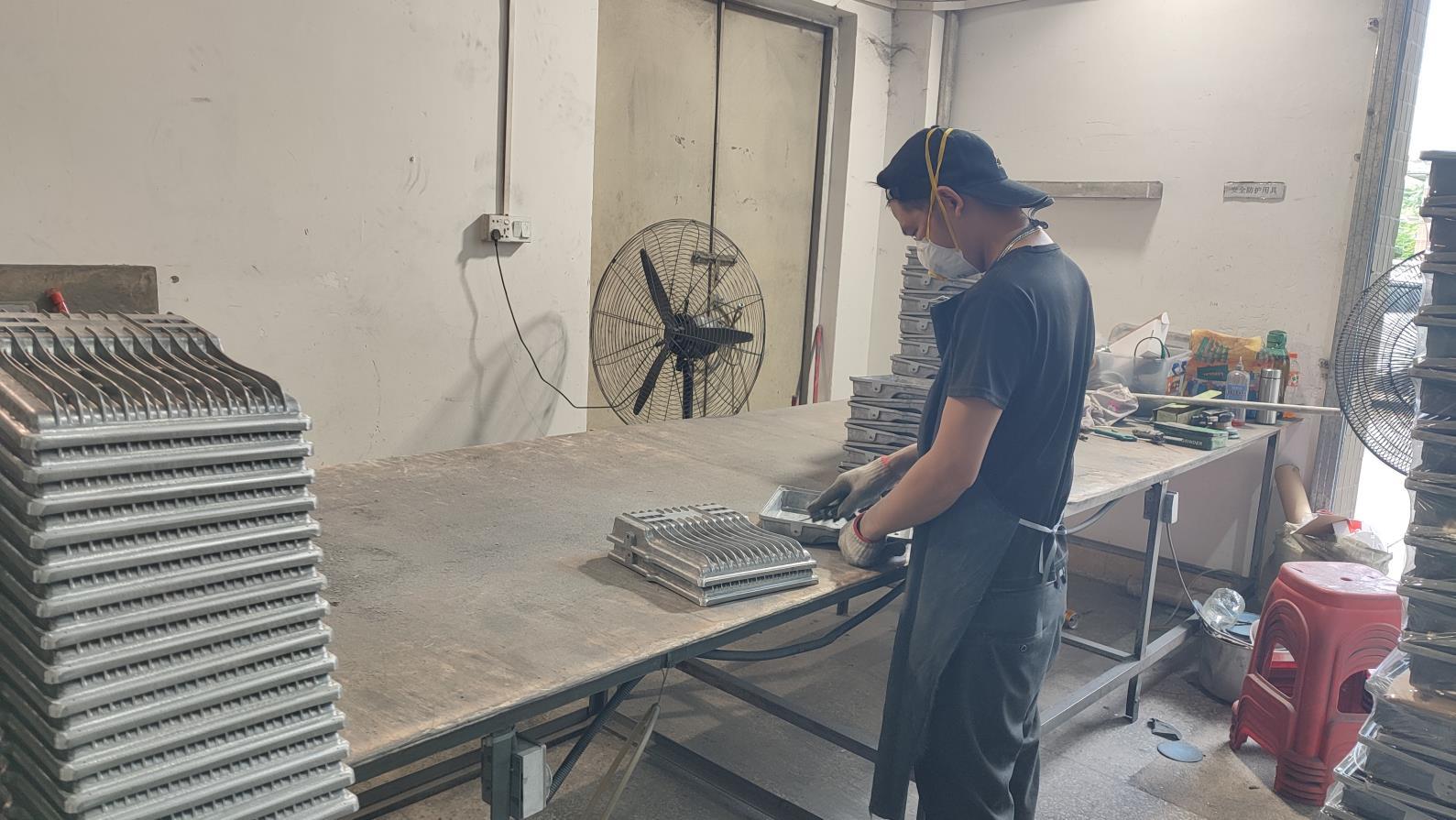
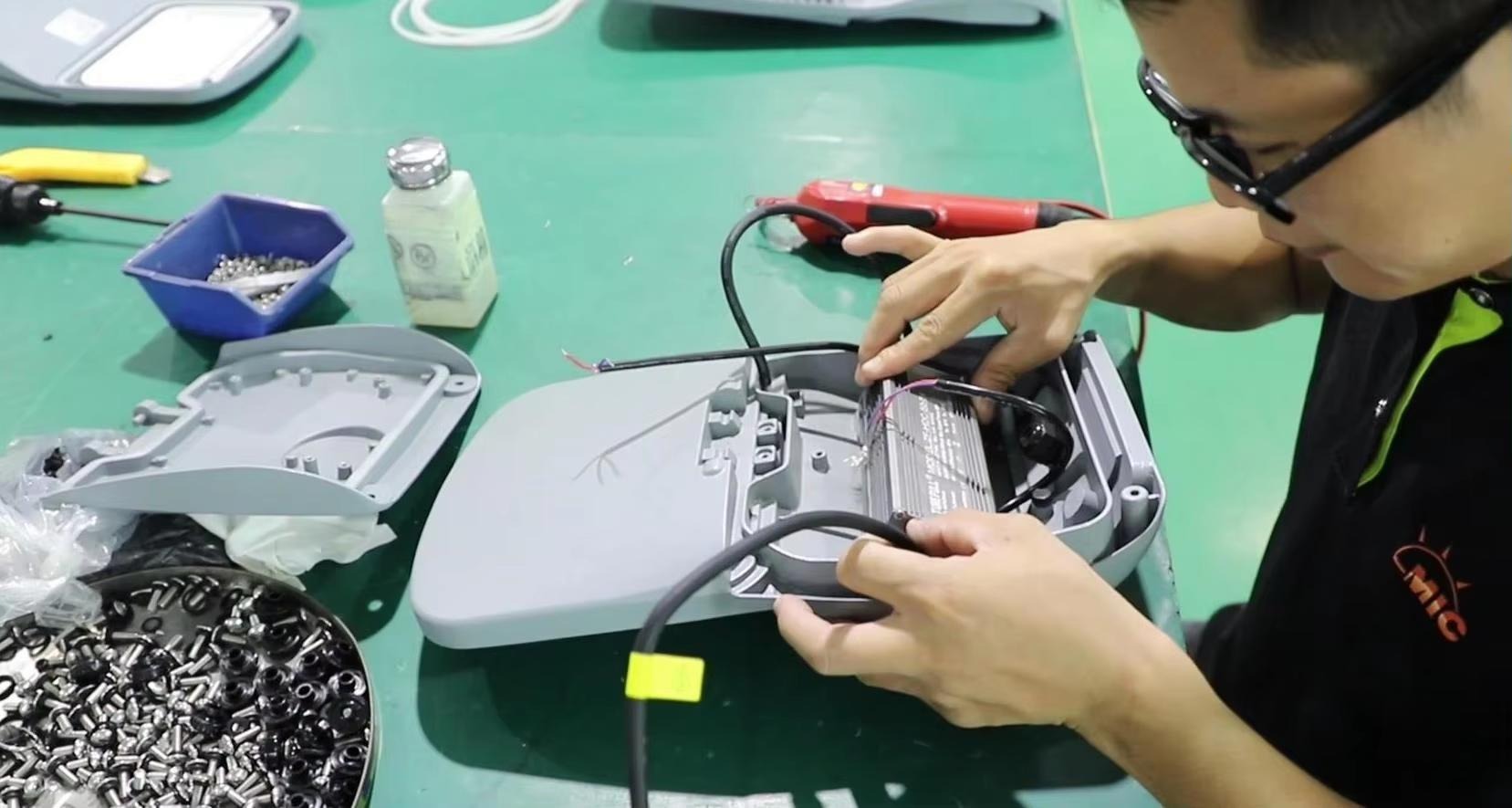
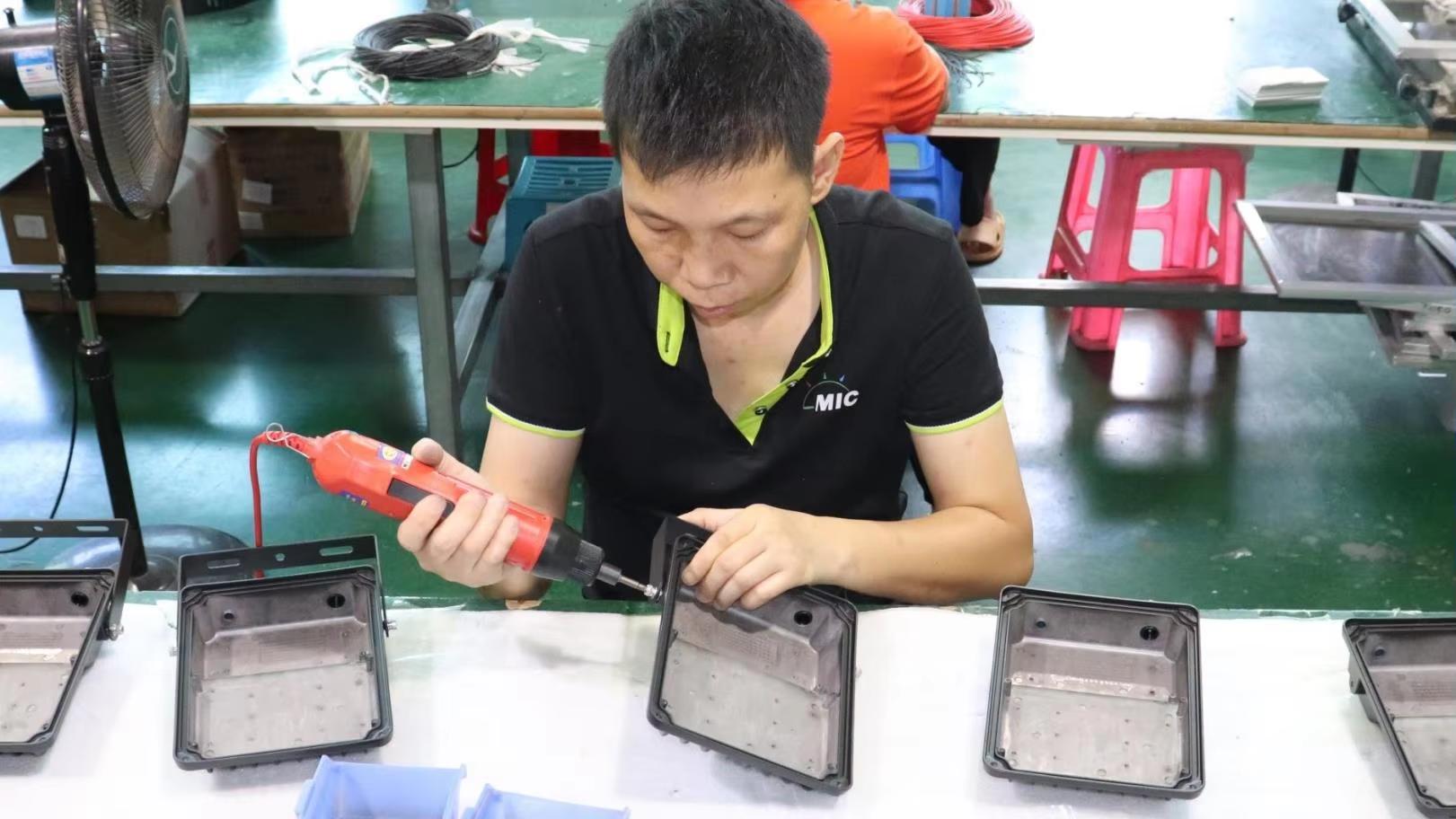
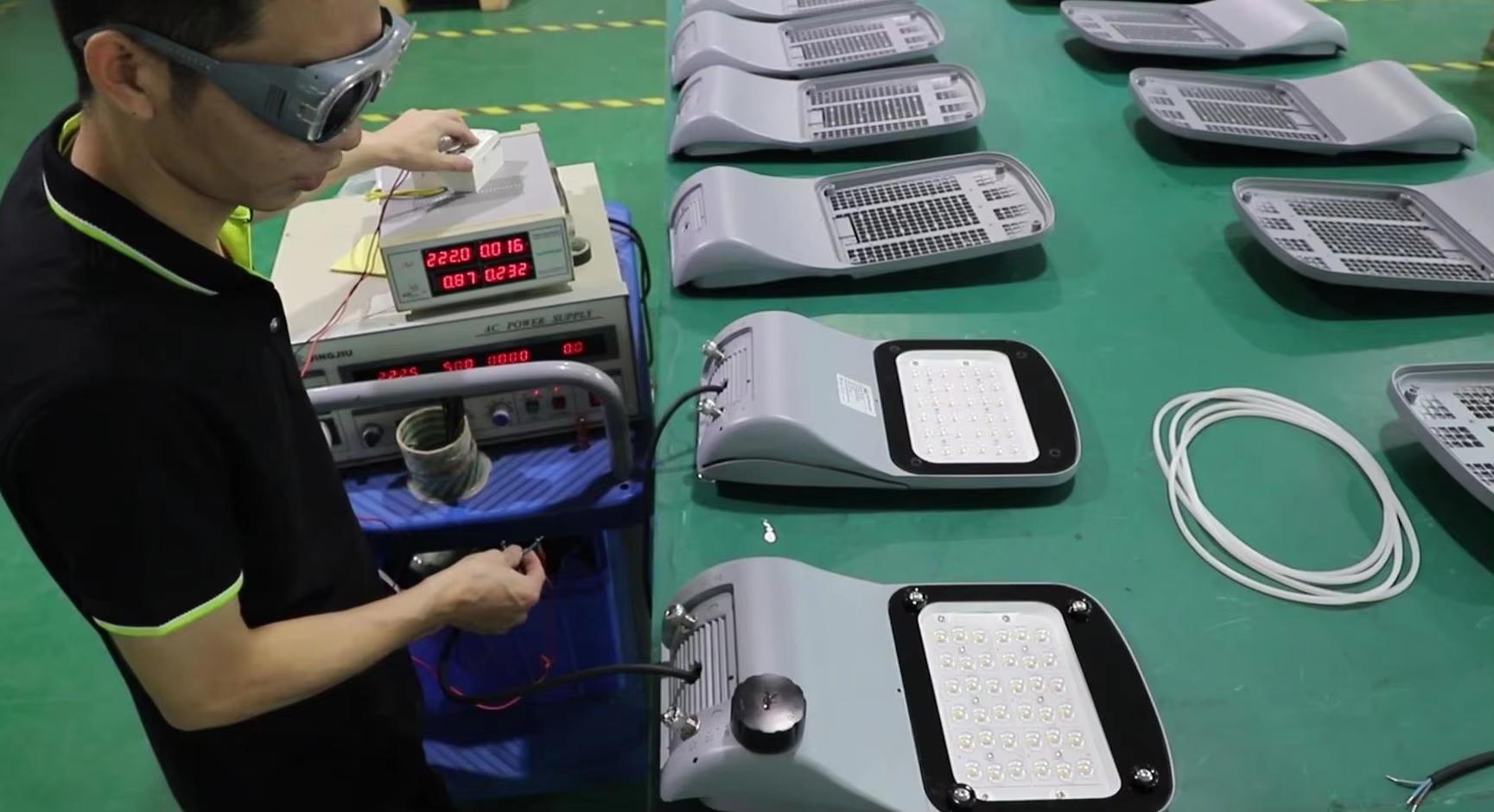
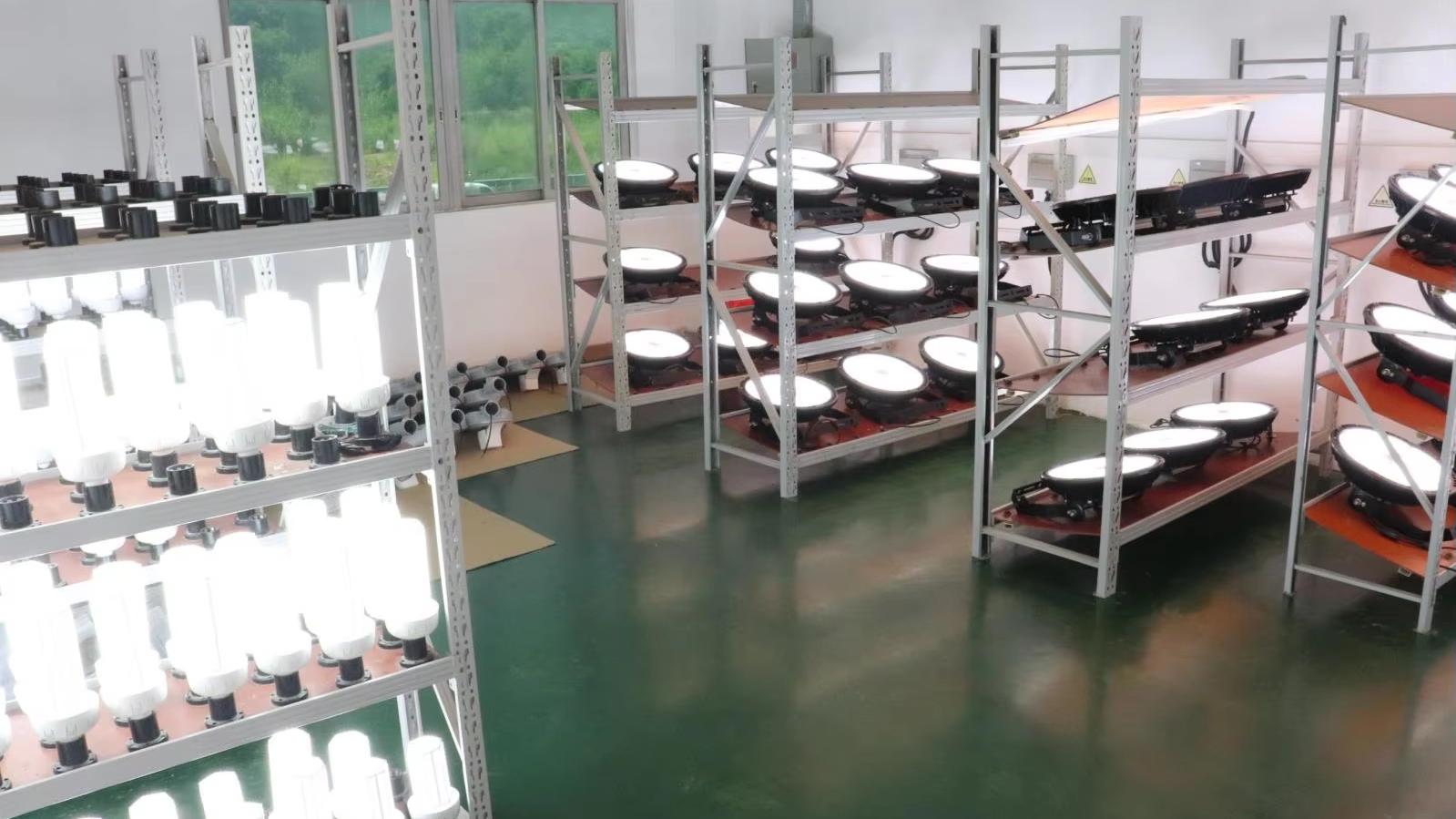
Every stage of production at Guangdong Lijah Light Co., Ltd. is managed under a strict ISO 9001:2015 quality management framework.
The industrial lighting sector is transitioning toward network-connected nodes. The next generation of Lijah Light products integrates smart controls to optimize savings. By incorporating microwave occupancy sensors, luminaires auto-dim to 10% brightness when aisles are clear, returning to full output immediately upon detecting motion.
We are also adopting daylight harvesting systems. These adjust artificial light levels based on incoming natural light through warehouse skylights. Together with DALI-2 wired protocols and wireless mesh systems like Casambi, these controls enable centralized power monitoring, predictive maintenance notifications, and layout alterations without physical rewiring.
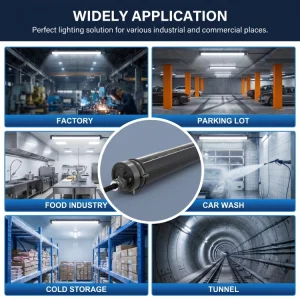
Industrial settings expose lighting fixtures to extreme physical challenges, including temperature drops in cold storage, airborne dust in woodworking, and chemical exposure in food processing. Standard fixtures often fail under these conditions due to moisture ingress or lens degradation.
Lijah Light designs fixtures with high ingress protection (IP65, IP66, and tubular IP69K models) and robust materials, such as impact-resistant polycarbonate lenses (IK08-IK10 rated) and corrosion-proof powder-coated housings. This structural design prevents degradation from thermal cycling and industrial cleaning agents, ensuring safe operation in complex environments.
B2B procurement prioritizes the total lifecycle cost of equipment over initial purchase price. Opting for cheaper, low-efficiency fixtures often results in higher utility rates, recurring maintenance costs, and productivity losses during repair shutdowns.
Lijah Light helps minimize TCO by combining high luminous efficacy (fewer fixtures required to reach target lux levels) with a reliable driver architecture that minimizes maintenance calls. Choosing our high-efficiency fixtures lowers energy usage, reduces air conditioning load in cooled facilities, and qualifies projects for energy efficiency grants and utility rebates.
Technical answers to critical engineering, safety, and sourcing questions commonly raised by electrical contractors and procurement managers.
LED performance and driver lifespan drop when exposed to high heat near the ceiling. If junction temperatures exceed safe limits, phosphor degradation occurs, shifting color temperature and reducing lumen output. Lijah Light resolves this by using die-cast aluminum heat sinks designed with open thermal channels. This layout maximizes natural convection, drawing heat away from LEDs and driver compartments to ensure stable performance, even in ambient temperatures up to 50°C.
Symmetrical beam angles disperse light in a circular pattern, directing a large portion of output onto the top shelves of racks and creating glare while leaving the floor dim. In contrast, narrow, asymmetrical light distributions (like 30°×90° or 60°×120°) focus light directly down the center of narrow aisles. This layout improves vertical lux uniformity on shelving faces, reduces glare, and ensures barcodes and labels are easily readable from floor level to top rack shelves.
IP ratings specify ingress protection. IP65 denotes protection against low-pressure water spray from any angle. IP66 indicates protection against high-pressure water jets, suitable for heavy washdowns. IP69K represents protection against high-pressure, high-temperature washdowns (80°C at 100 bar pressure) from close range. For food processing facilities or livestock barns, IP69K is required, while standard warehouse bays typically need IP65 or IP66 fixtures to protect against dust and condensation.
The DesignLights Consortium (DLC) sets strict efficacy and reliability standards for commercial lighting. DLC Premium certification indicates a higher efficacy rating than standard certification, requiring at least 120-140 lm/W depending on product type. In North America, utilities use the DLC list to determine rebate amounts. Installing DLC Premium fixtures maximizes these financial incentives, often covering 30% to 70% of the hardware cost and speeding up project payback.
Cheap LED drivers produce high temporal light modulation, commonly known as flicker. While sometimes invisible to the naked eye, this flicker can cause headaches, eye strain, and fatigue. In spaces with rotating machinery, flicker can also create a stroboscopic effect, making moving parts appear stationary or slow. Lijah Light uses high-quality flicker-free drivers with a ripple current under 3% to maintain a stable, safe visual environment in high-risk industrial settings.
Yes. By using drivers compatible with DALI-2 (Digital Addressable Lighting Interface) or wireless mesh systems like Casambi, our industrial fixtures connect directly with building management systems. This integration allows facility managers to set automated schedules, monitor energy use in real time, configure dynamic motion sensor groups, and receive automatic alerts for driver or LED failures, simplifying maintenance across large complexes.
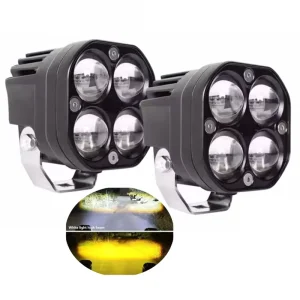
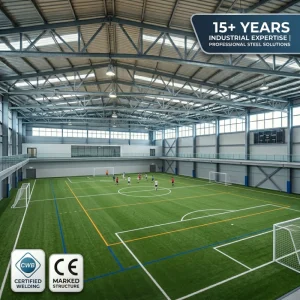
Explore our specialized heavy-duty lighting systems, engineered for extreme conditions, specialized transport applications, agricultural sites, and large-scale sports structures.
 Lijah Light