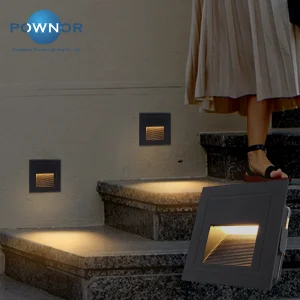
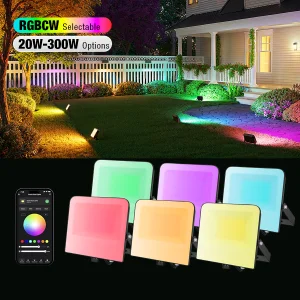
Discover our highly efficient, industrial-grade luminaires optimized for exceptional longevity, extreme environments, and superior system integration.
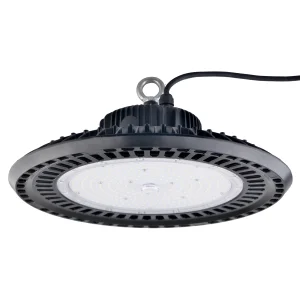
Understanding the foundation of Guangdong Lijah Light Co., Ltd. through technical benchmarks, strict design processes, and international service standard execution.
Guangdong Lijah Light Co., Ltd. stands at the forefront of the commercial and industrial lighting industry as a high-technology, research-driven manufacturer. Our operations are vertically integrated to specialize in the research, development, engineering, production, and worldwide service of energy-efficient and smart LED lighting systems. Rooted in structural reliability and high performance, we address the critical pain points of lighting designers, energy managers, and procurement professionals.
By leveraging advanced thermal dissipation designs, highly efficient driver units, and state-of-the-art optical systems, we build solutions that deliver continuous luminous efficacy. We work closely with international engineering channels, wholesale networks, and industrial facility managers across Europe, Oceania, Southeast Asia, and the Middle East to satisfy rigid design frameworks and strict municipal guidelines.
Our operational philosophy centers on Information Gain—providing real technical depth, test reports, and configuration alternatives instead of generic product claims. From raw ingots to final quality assurance, we operate with transparent standards that ensure our clients receive luminaires engineered to last decades.
Analyzing current development trajectories in photovoltaic conversion, battery chemistry optimization, and digital control integration.
Our R&D team targets the transition to next-generation Monocrystalline N-Type Silicon and bifacial photovoltaic structures. By achieving conversion efficiencies approaching 23.5% to 25%, our systems extract higher energy density per square meter. This minimizes the structural profile and wind load on light poles while ensuring consistent charging capacity under diffused winter sunlight or low-angle atmospheric conditions.
Moving away from legacy Lead-Acid and standard Ternary Lithium chemistries, we engineer our systems using safe, long-lifecycle Lithium Iron Phosphate (LiFePO4) battery packs. These packs offer more than 4,000 charge cycles at 80% depth of discharge (DoD). Equipped with customized Battery Management Systems (BMS), they remain protected against thermal runaway, deep discharge, and overcharging in ambient temperatures ranging from -20°C to 65°C.
Every solar array uses a high-efficiency Maximum Power Point Tracking (MPPT) controller, capturing up to 99% of available solar power. Incorporating smart dimming profiles and microwave motion sensor integration, the system dynamically scales power usage. By modulating luminous intensity based on ambient battery capacity and foot traffic, our fixtures deliver reliable operation across multiple continuous overcast days.
Providing customized systems designed to solve infrastructural lighting challenges across diverse environments.
In municipal roadways and urban planning projects, lighting solutions must align with carbon-reduction targets. Guangdong Lijah Light provides fully integrated solar roadway lights and high-efficiency grid systems that minimize installation costs. By eliminating the need for extensive underground wiring and trenching, our systems reduce overall project timelines. This approach is highly effective in historic preservation zones, remote highways, and coastal parkways where electrical infrastructure is unavailable or cost-prohibitive.
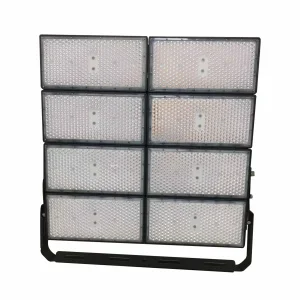
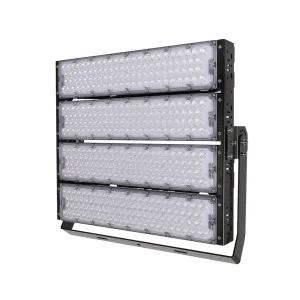
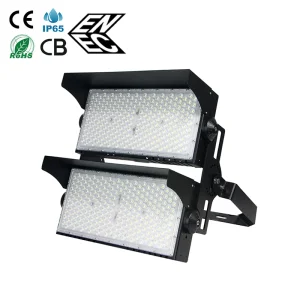
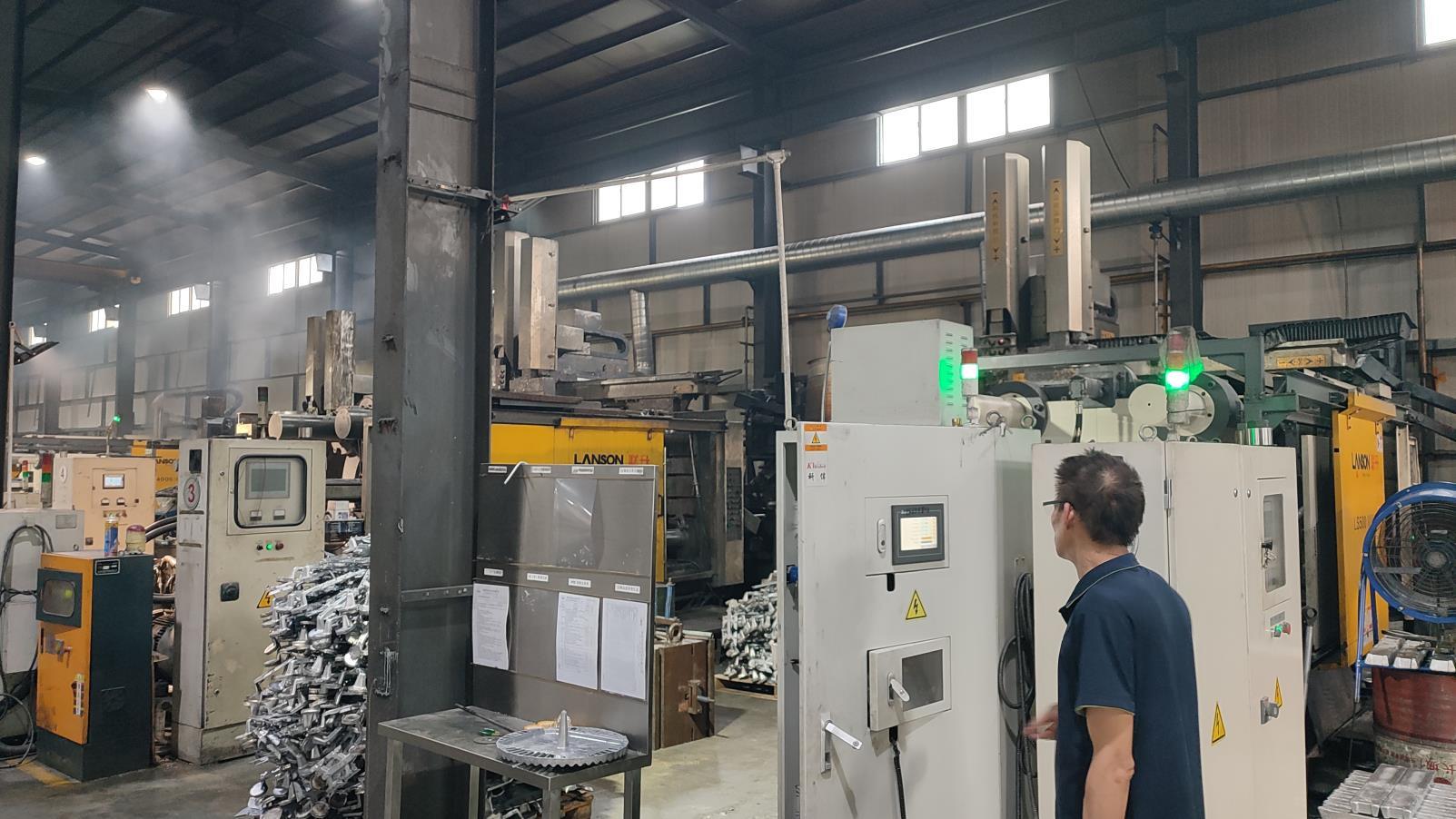
For industrial parks and maritime logistics centers, our high-mast floodlights (ranging up to 1000W) deliver stable, high-lumens illumination. These units are built with anti-corrosive ADC12 die-cast aluminum alloys and coated with powder finishes. This construction provides reliable performance when exposed to high humidity, salt spray, and corrosive environments, making them ideal for container terminals, commercial dry docks, and chemical manufacturing yards.
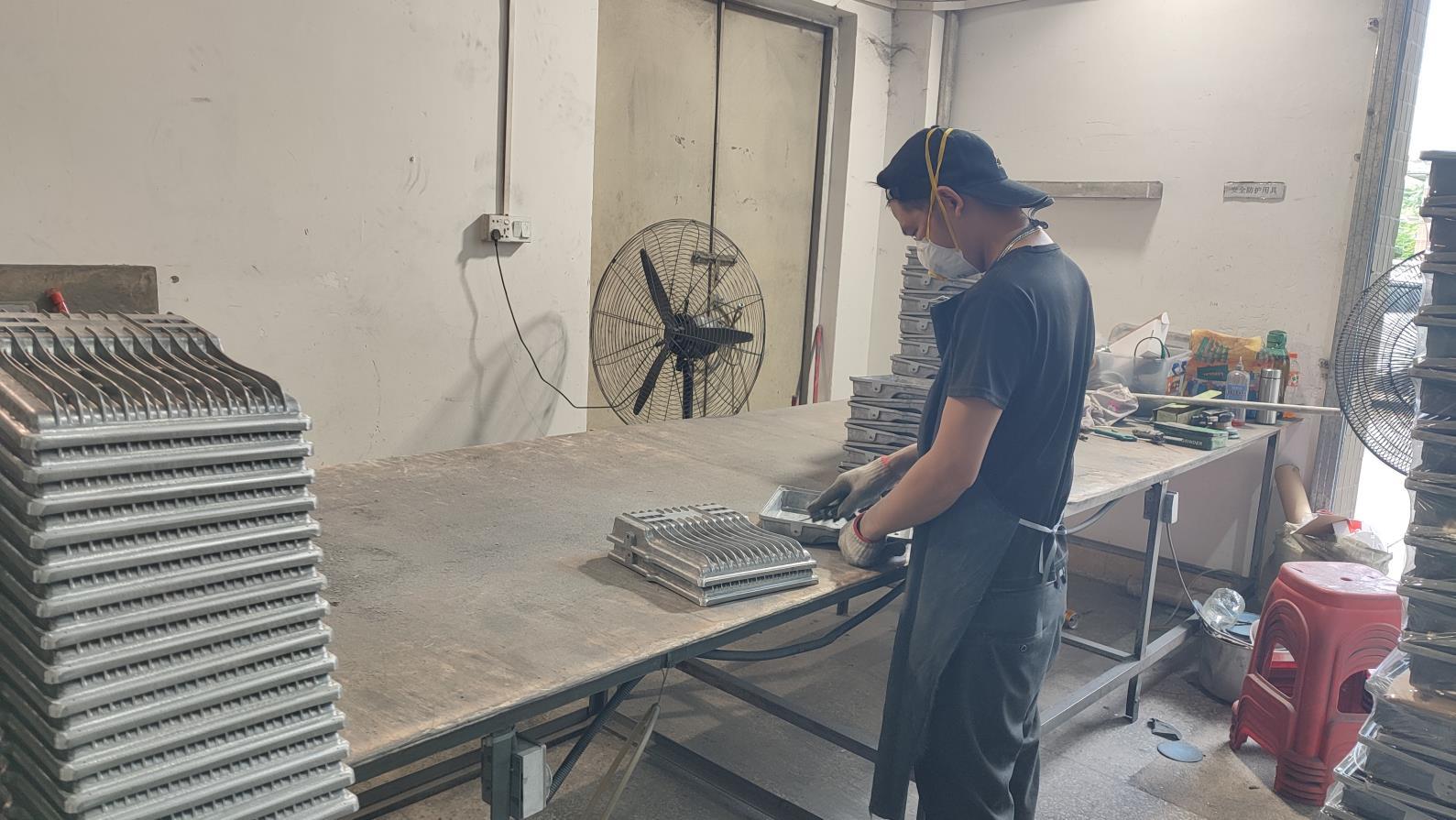
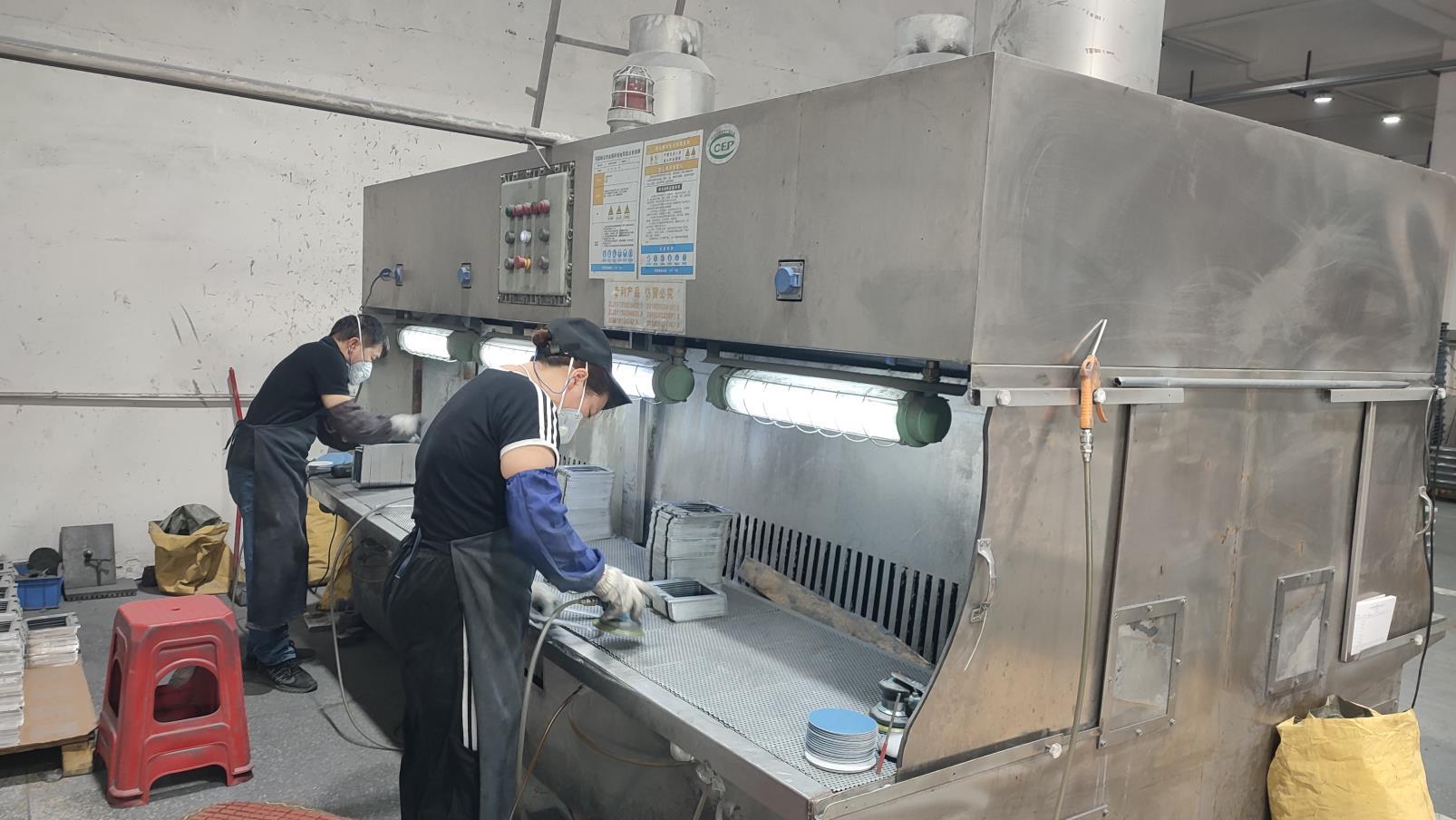
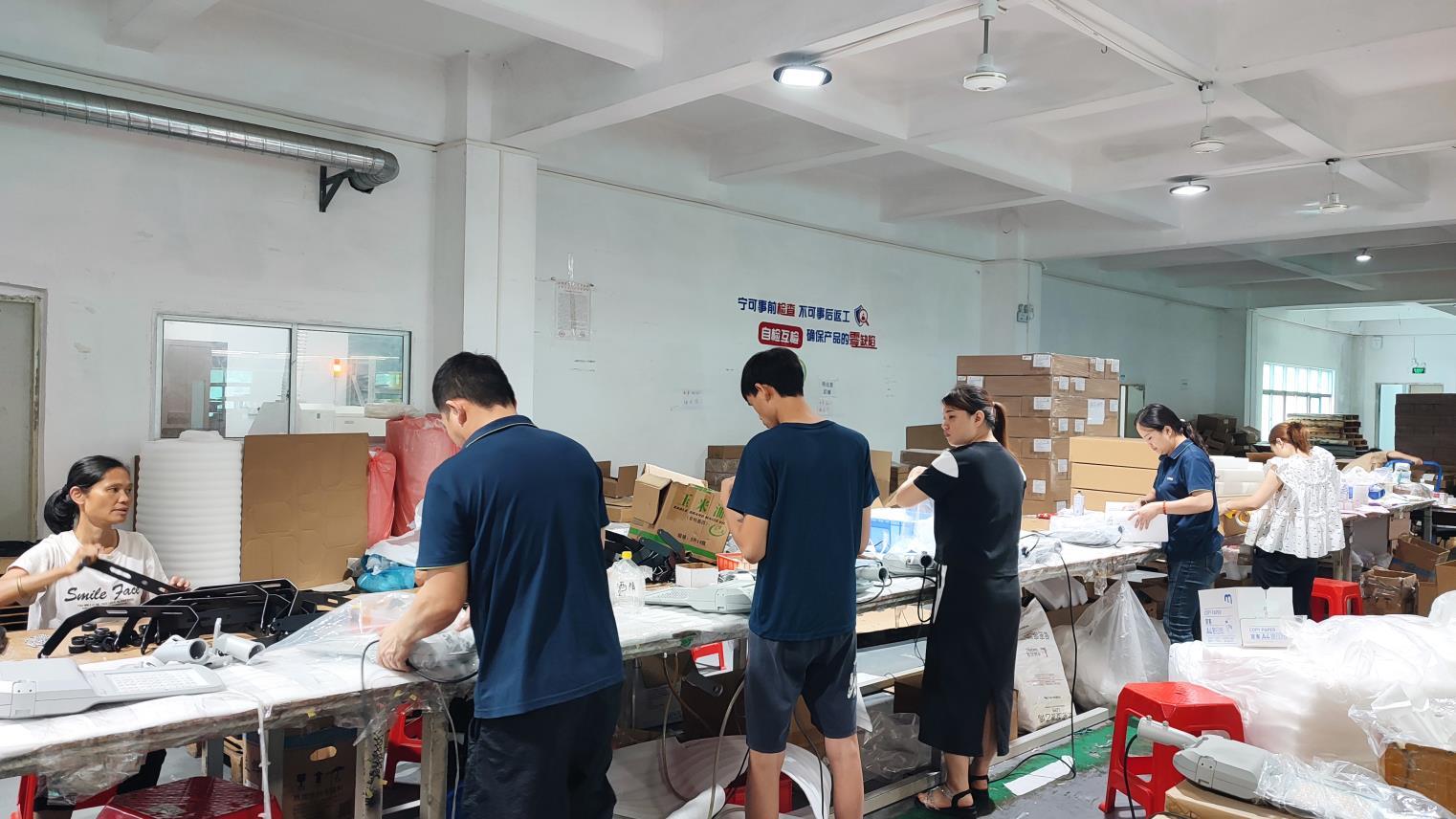
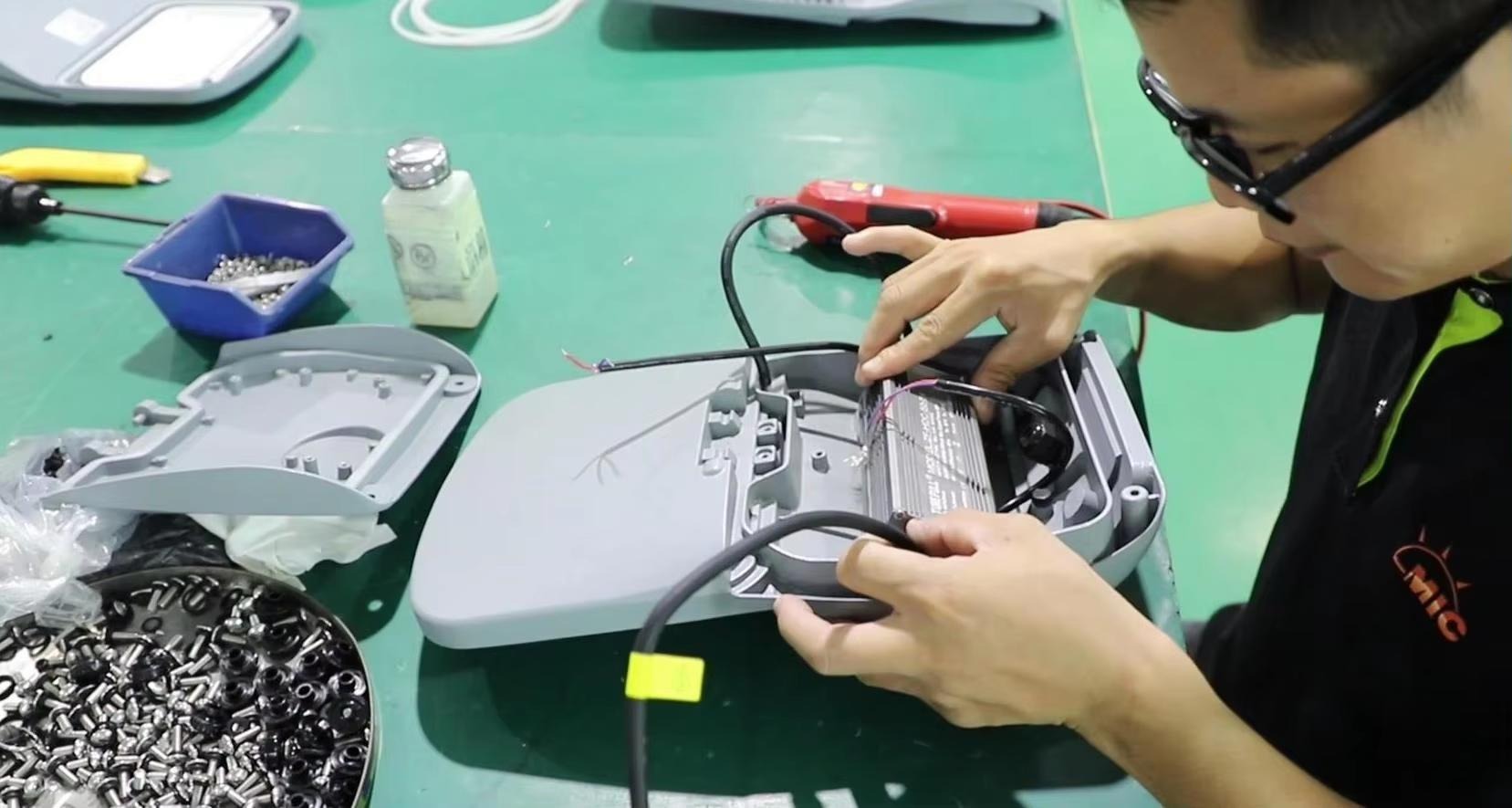
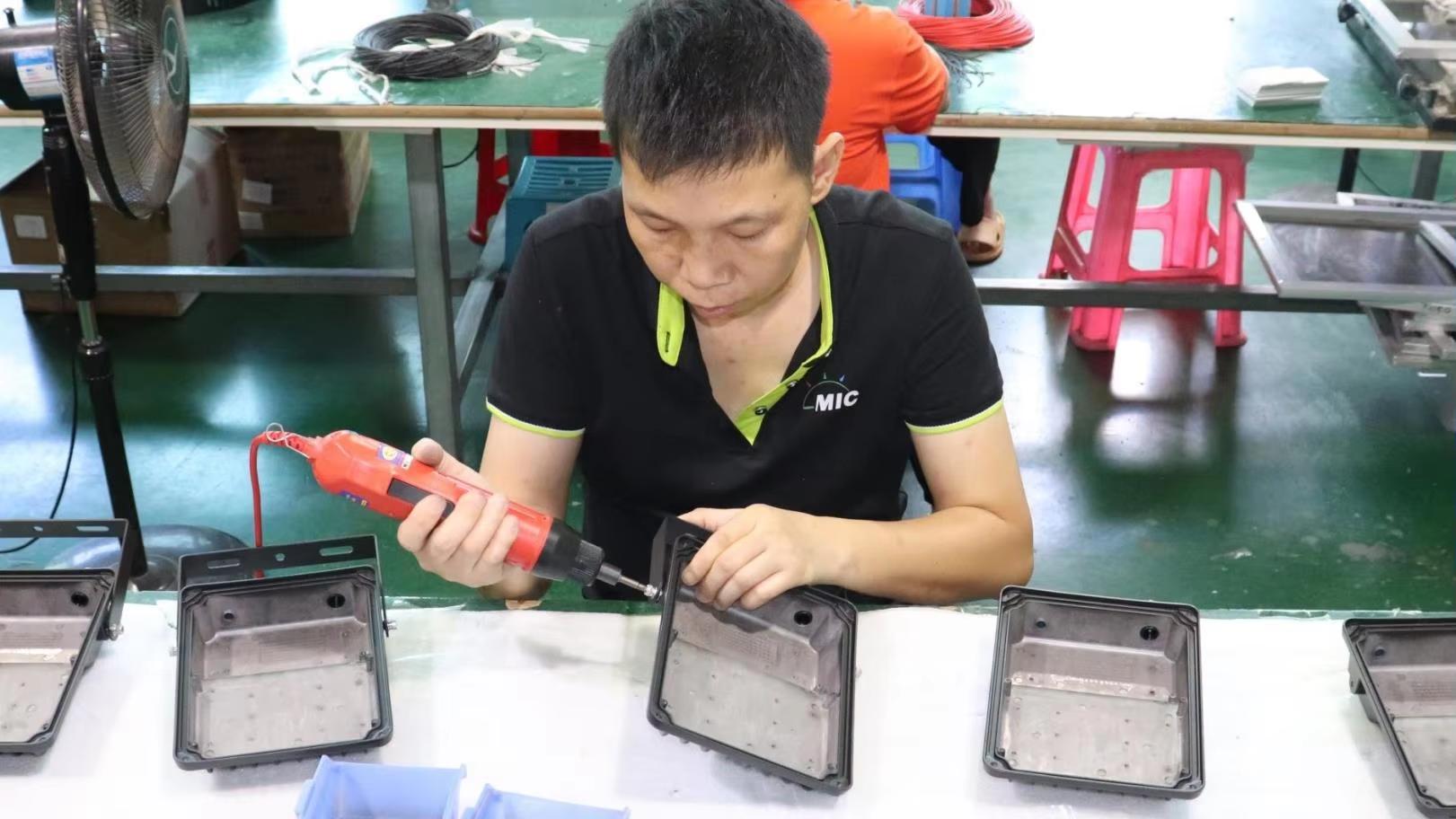
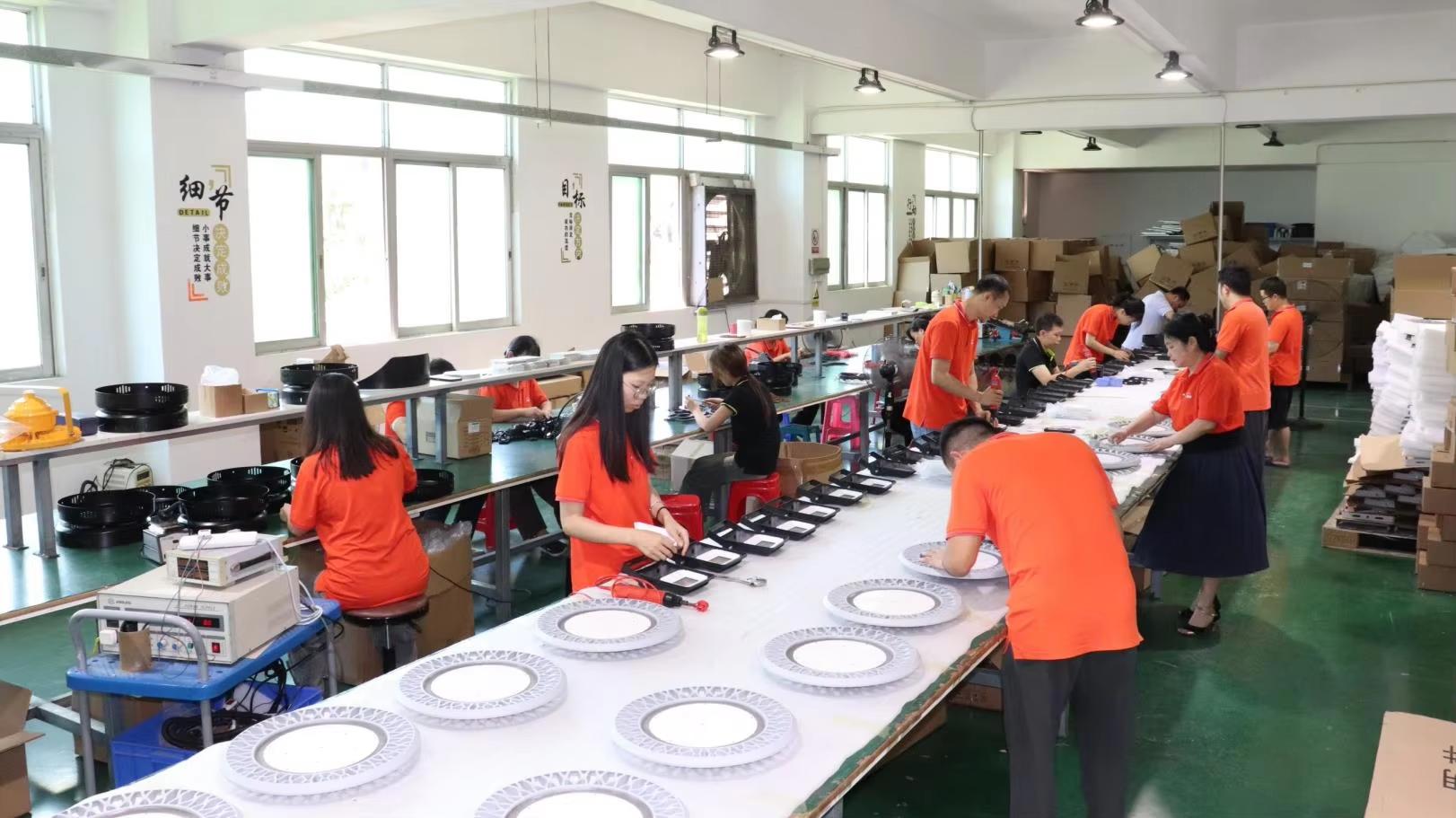
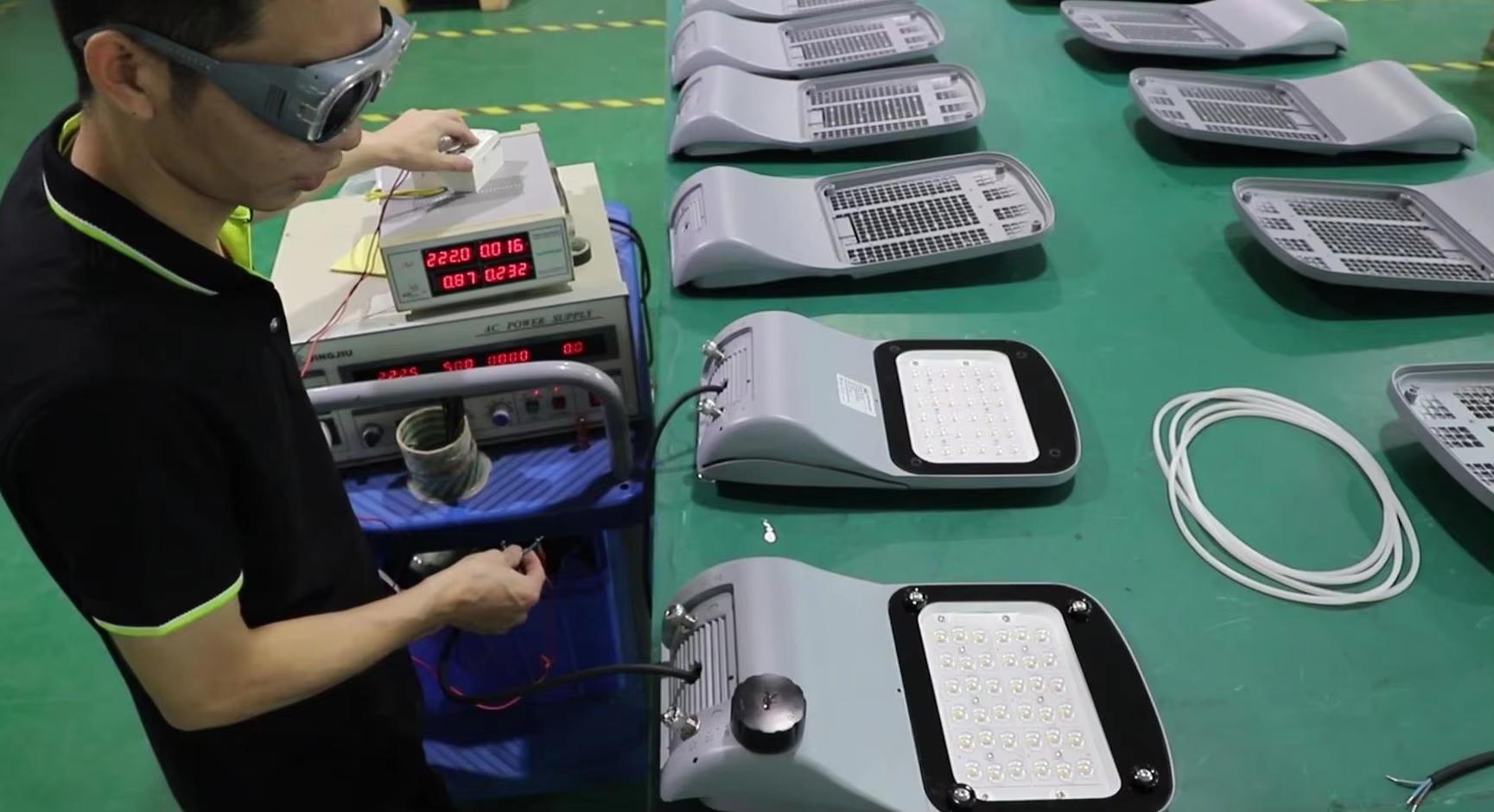
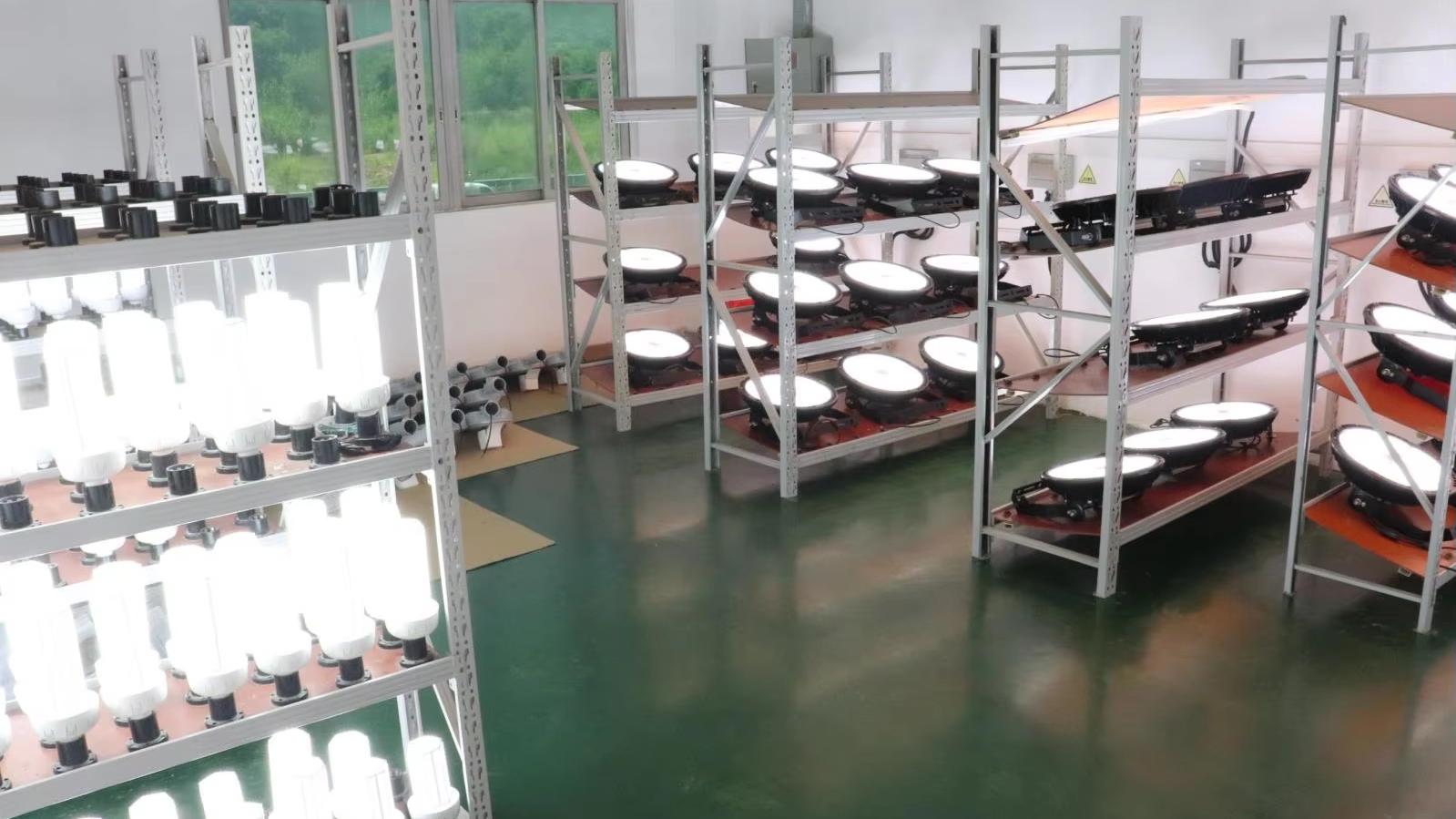
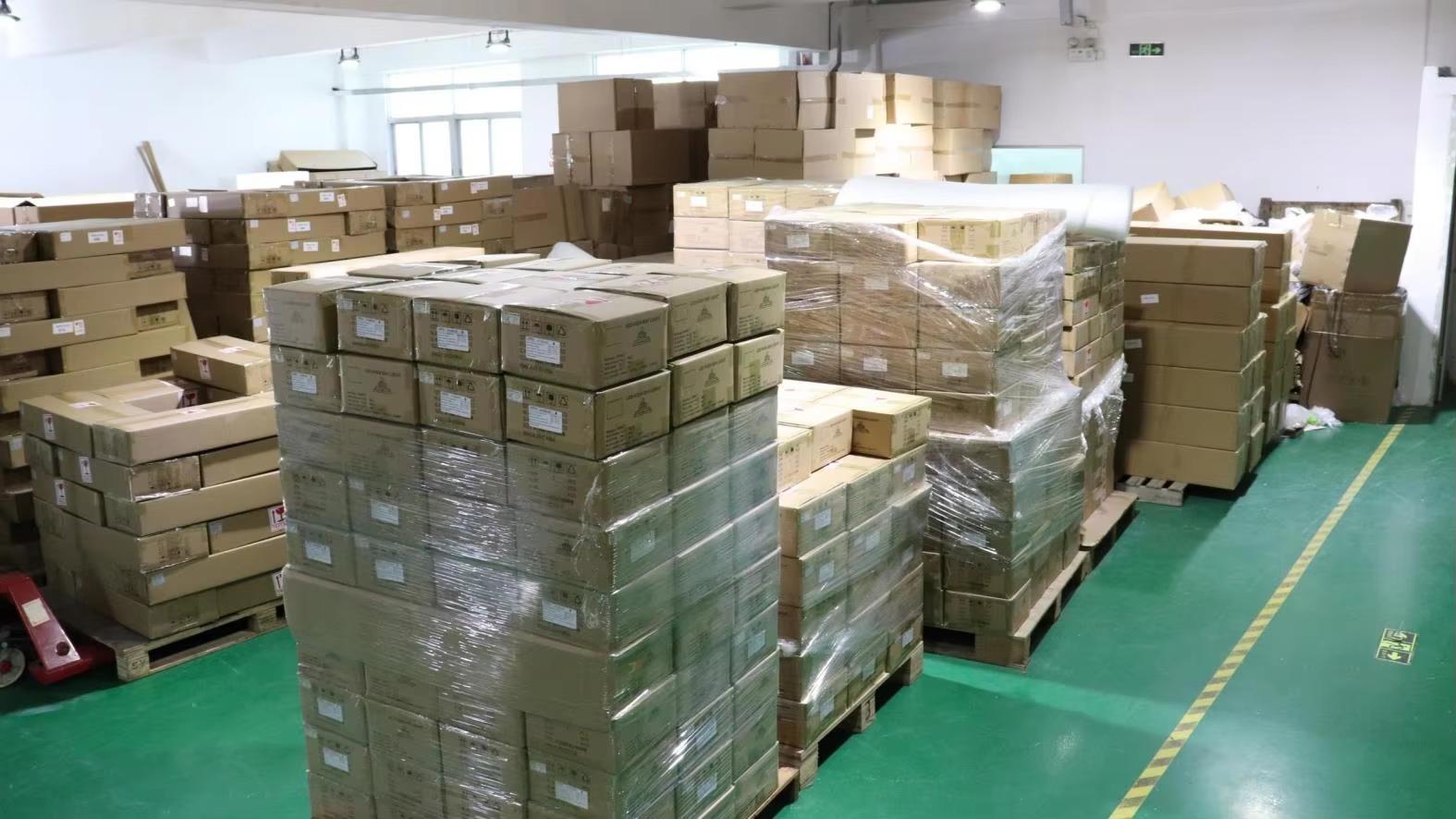
Our vertically integrated manufacturing facility in Guangdong implements rigorous quality checkpoints at every stage, from raw metal to shipping-ready fixtures.
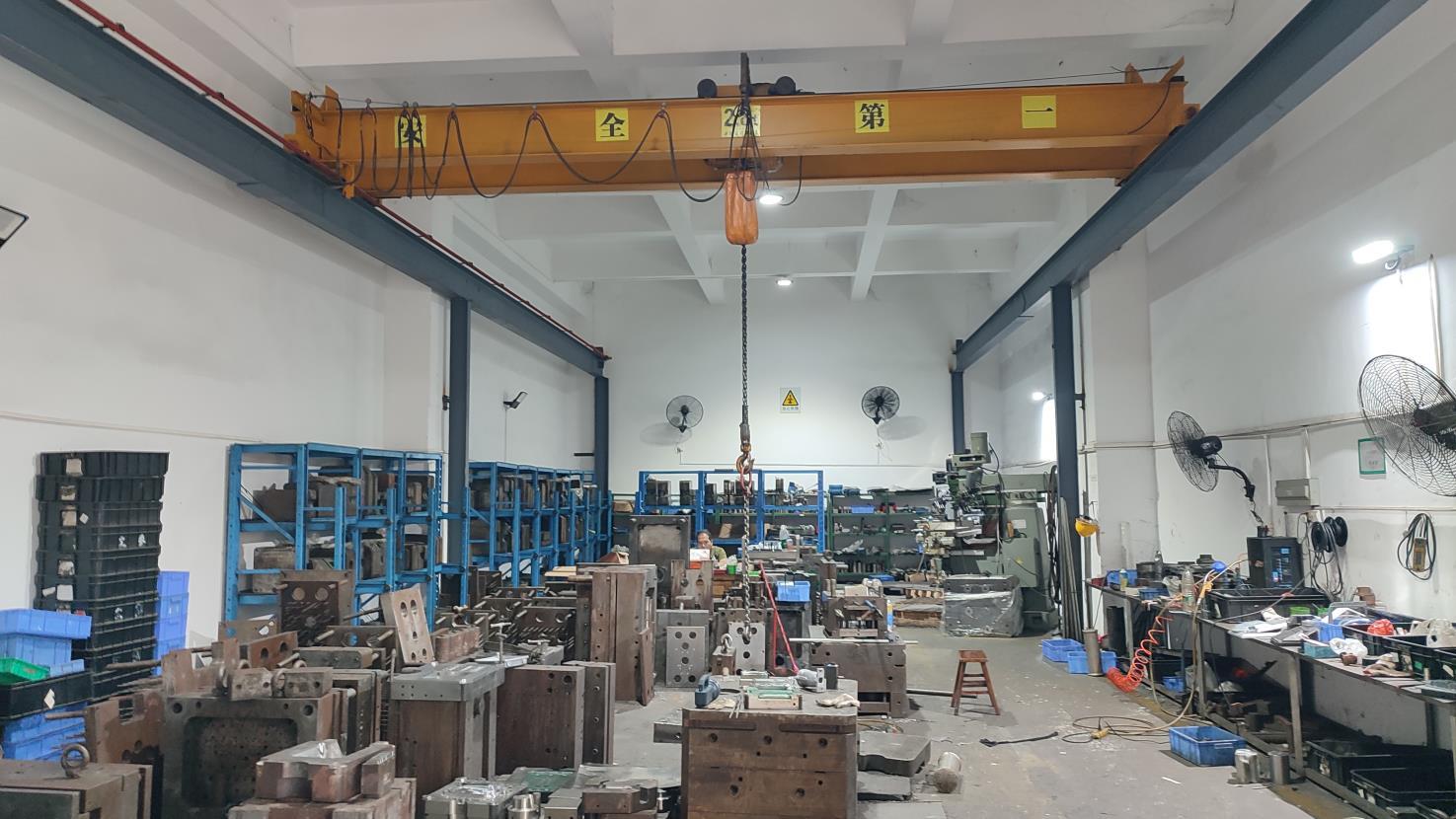
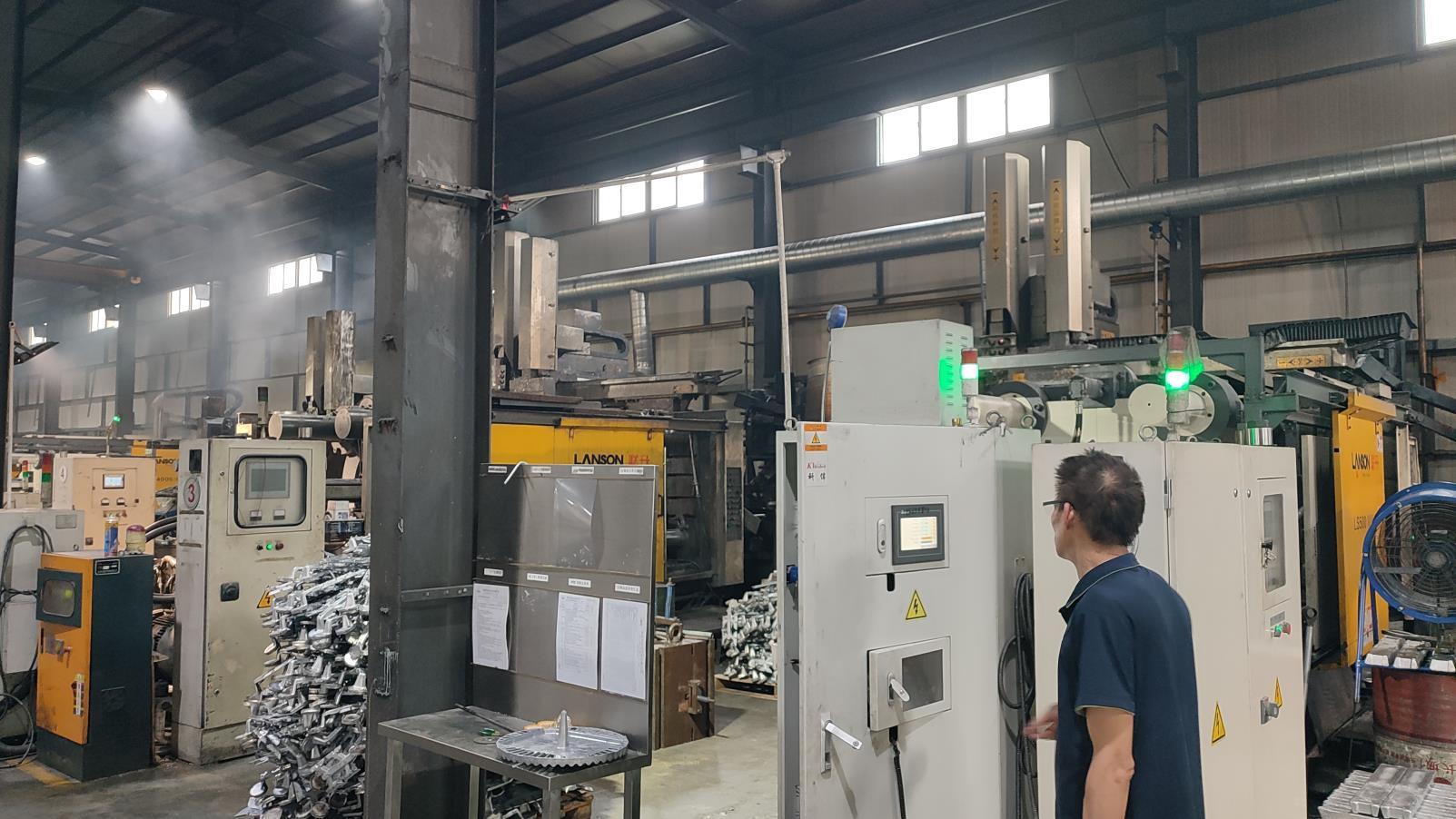
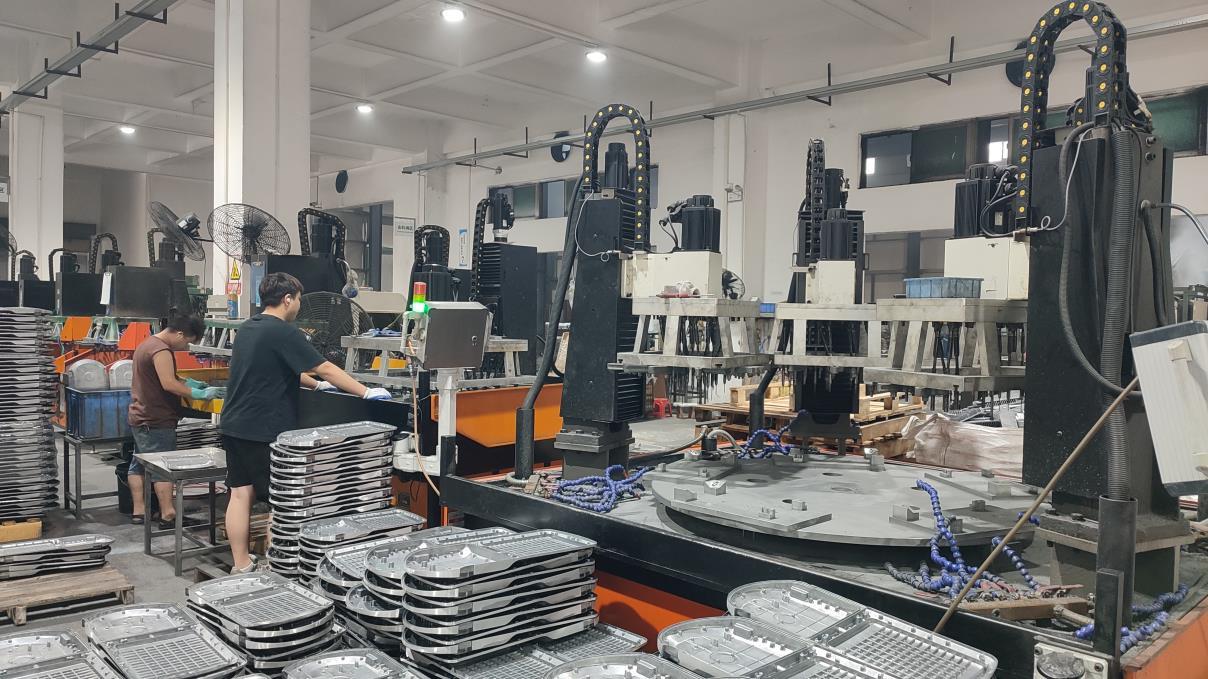
How we address capital-expense models, shipping risks, and localized regulatory compliance.
Global procurement requires thorough documentation, supply predictability, and quality control. At Guangdong Lijah Light, we simplify the path to project delivery by integrating full-service support directly into our pricing model. Large-scale infrastructure projects require precise luminaire placement to avoid costly redesigns. Our engineering office provides free DIALux simulations, delivering precise photometric calculations that guarantee compliance with regional illumination guidelines.
Additionally, we address logistics and customs requirements by providing comprehensive documentation including certified test files (IES files), bill of materials (BOM), and factory testing certifications. Our packing and shipping protocols ensure all optical assemblies, solar panels, and battery compartments are crated to survive long ocean voyages, keeping shipping losses negligible.
Ensuring our products comply with local regulatory codes for smooth integration into international markets.
Our quality control processes conform to international standards, ensuring smooth customs processing and hassle-free operation. Lijah Light products are fully compliant with CE and RoHS directives for European markets. For high-spec industrial installations, we secure certifications from bodies such as TÜV, ENEC, and VDE, ensuring our internal driver designs and electrical components meet strict isolation and surge protection requirements.
For Oceania, we provide products with full SAA and C-Tick compliance, verifying that our radio-frequency emissions and overall grid configurations meet local electrical safety rules. We support all lighting products with LM-79 and LM-80 test reports. These reports provide verified details on lumen maintenance and color stability over time, giving engineers the data they need to calculate system lifetimes accurately.
Answers to common technical questions regarding industrial solar design, battery longevity, and international distribution.
Our systems are built with adjustable autonomy configurations (typically 3 to 5 nights of reserve power). Through smart MPPT controllers and intelligent power management algorithms, the system monitors the battery's state of charge (SoC). If charging efficiency drops due to cloud cover, the controller automatically adjusts the dimming curve. This maintains essential pedestrian safety illumination while protecting the battery pack from deep discharge.
LM-80 is the standard method for testing LED chip package degradation over time under controlled operating temperatures. TM-21 uses this data to project the overall luminous output degradation over decades. By providing verified LM-80/TM-21 data, Lijah Light shows that our LED components meet L80B10 guidelines. This guarantees that at least 90% of our LED components will maintain at least 80% of their initial light output after 50,000 hours of operation.
Lithium Iron Phosphate (LiFePO4) chemistry offers significant safety and operational advantages for outdoor solar lighting. LiFePO4 batteries have a higher thermal runaway threshold (up to 60°C) compared to Ternary Lithium (approx. 250°C), making them safe for hot climates. In addition, LiFePO4 batteries deliver more than 4,000 cycles at 80% depth of discharge, compared to about 800 to 1,000 cycles for Ternary Lithium, which lowers maintenance costs over the system's life.
We use active thermal control alongside specialized heat sinks. Our high-power floodlights feature independent structural modules cast from ADC12 aluminum. These modules include open-air cooling channels that take advantage of natural convection. This keeps the junction temperature of our LED chips well below 80°C (even in hot ambient conditions), preventing color shifts and output drops.
Yes. Our optical team uses precision PMMA lens arrays to configure Type I, II, III, IV, and V asymmetrical and symmetrical distributions. During the DIALux simulation phase, our engineers select the best lens configuration for your project. This ensures maximum light distribution across roads, fields, or loading zones while reducing light spill and glare.
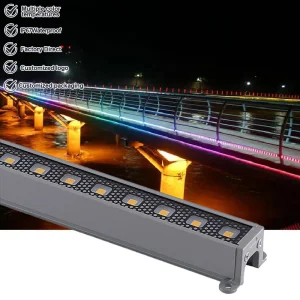
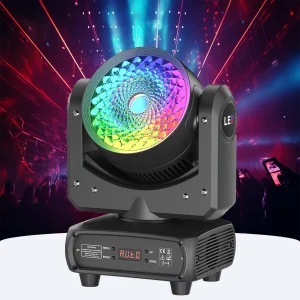
Browse our selection of specialized industrial luminaires, architectural washers, and customized project fixtures.
 Lijah Light