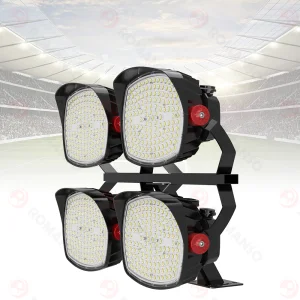
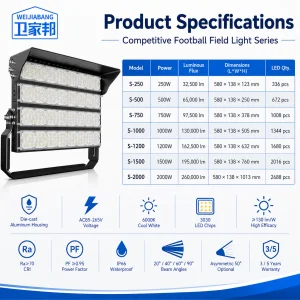
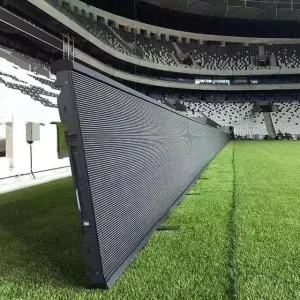
Engineered for major sports arenas, local school campuses, and community recreational spaces in Southern California.
In modern athletic and industrial operations, lighting has evolved from a basic utility into a critical driver of efficiency, compliance, and high-quality broadcasting. Within the Los Angeles metropolitan area and Southern California's broader commercial landscape, lighting design faces unique structural demands, environmental regulations, and energy mandates. This whitepaper analyzes the commercial dynamics, engineering protocols, and supply chain strategies necessary for deploying institutional-grade LED sports and high-mast lighting solutions in California.
Operating a commercial facility or athletic stadium in Southern California requires navigating a complex matrix of regulatory codes. The state's energy codes are among the most stringent in the world, requiring imported or locally distributed lighting systems to meet strict operational baselines.
To achieve the high performance required for elite athletic fields and industrial transportation hubs, manufacturers must prioritize specific engineering details:
Thermal Engineering & Dissipation: High-power luminaires operating at 600W to 1500W generate significant heat. Standard die-cast housings are insufficient without advanced vertical convective fin geometry. Utilizing high-conductivity ADC12 die-cast aluminum prevents thermal accumulation at the LED junction, extending the lifespan of the chips (L90 > 50,000 hours) and maintaining color consistency.
Optical Precision and TLCI: For professional sports broadcasting, color accuracy is essential. Luminaires must achieve a Television Lighting Consistency Index (TLCI) of 90+ and Color Rendering Index (CRI) of 80/90 to support flicker-free high-speed cameras filming at 4K or 8K resolution. This is achieved by utilizing premium LED chips combined with customized multi-angle optical lenses.
Our engineering team provides comprehensive DIALux simulation models to ensure your project complies with California Title 24 and Dark-Sky policies.
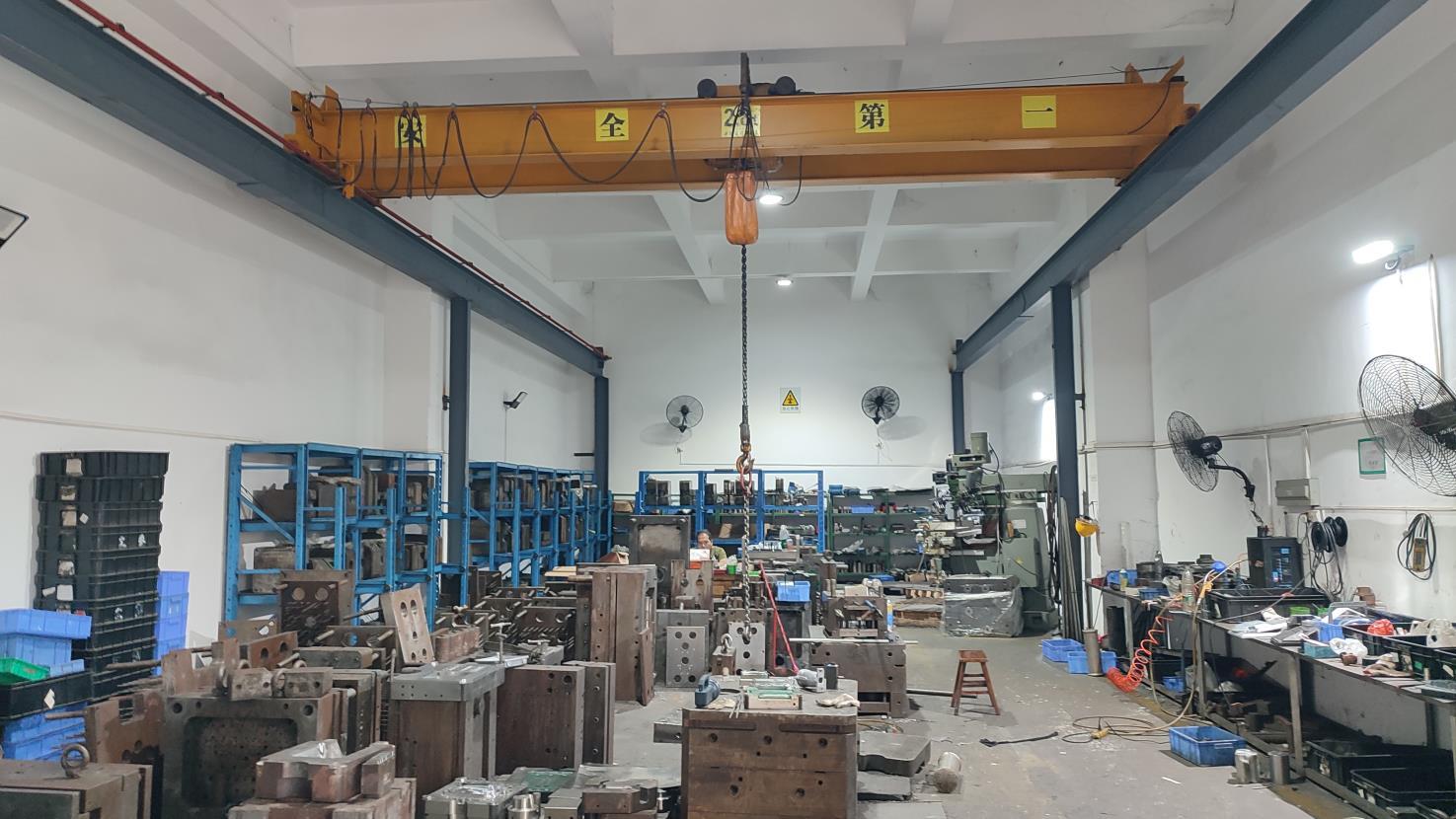
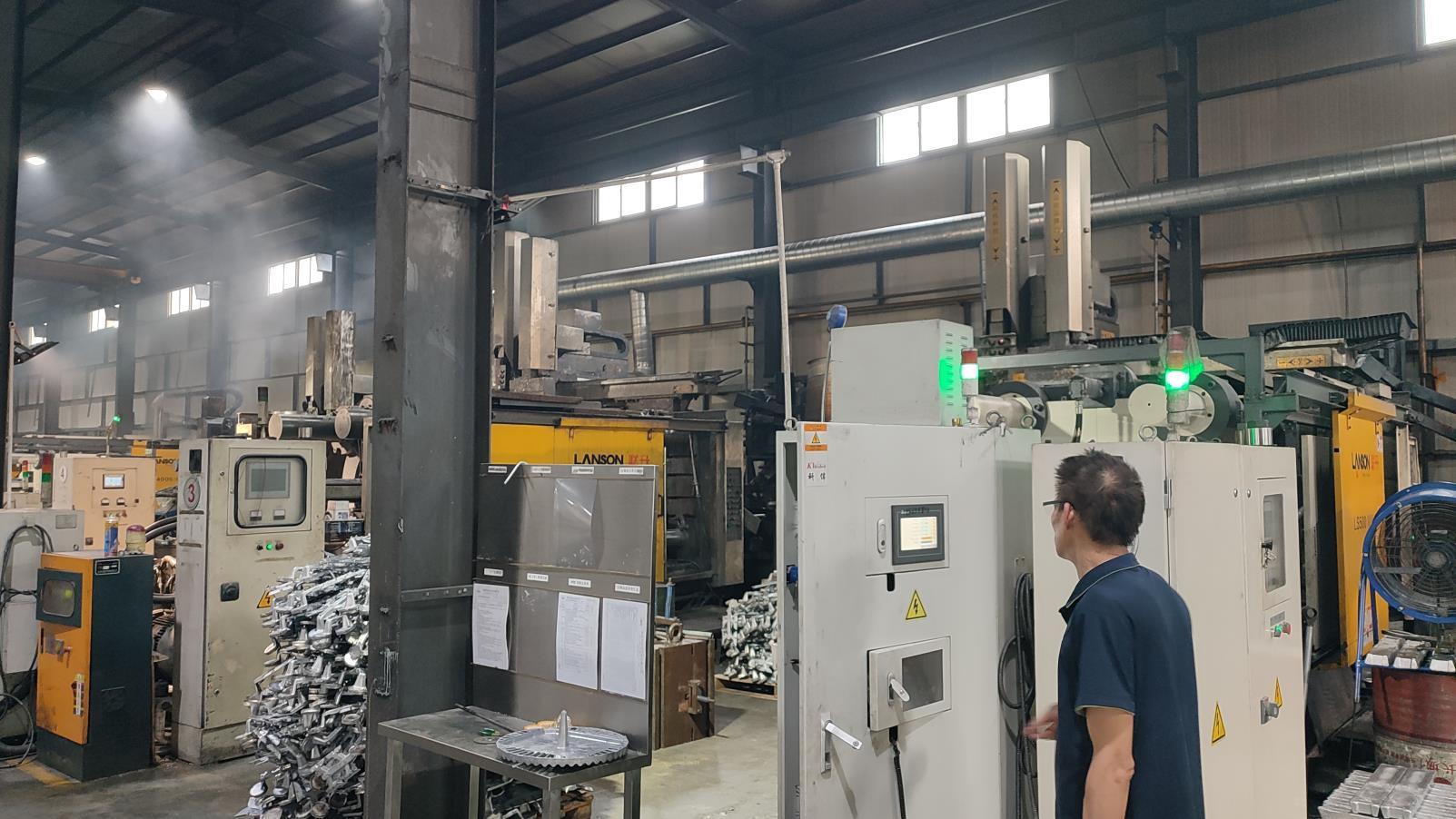
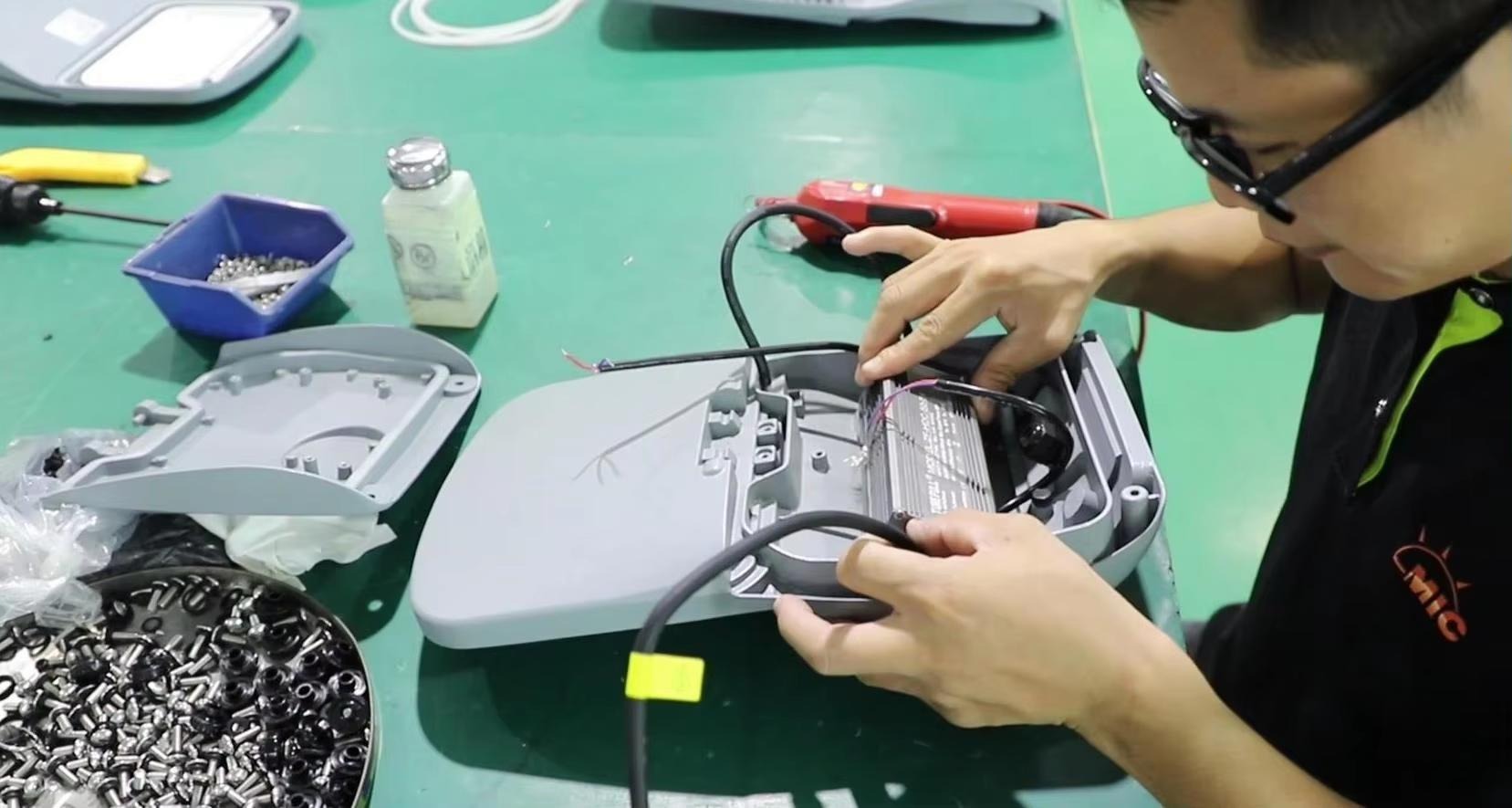
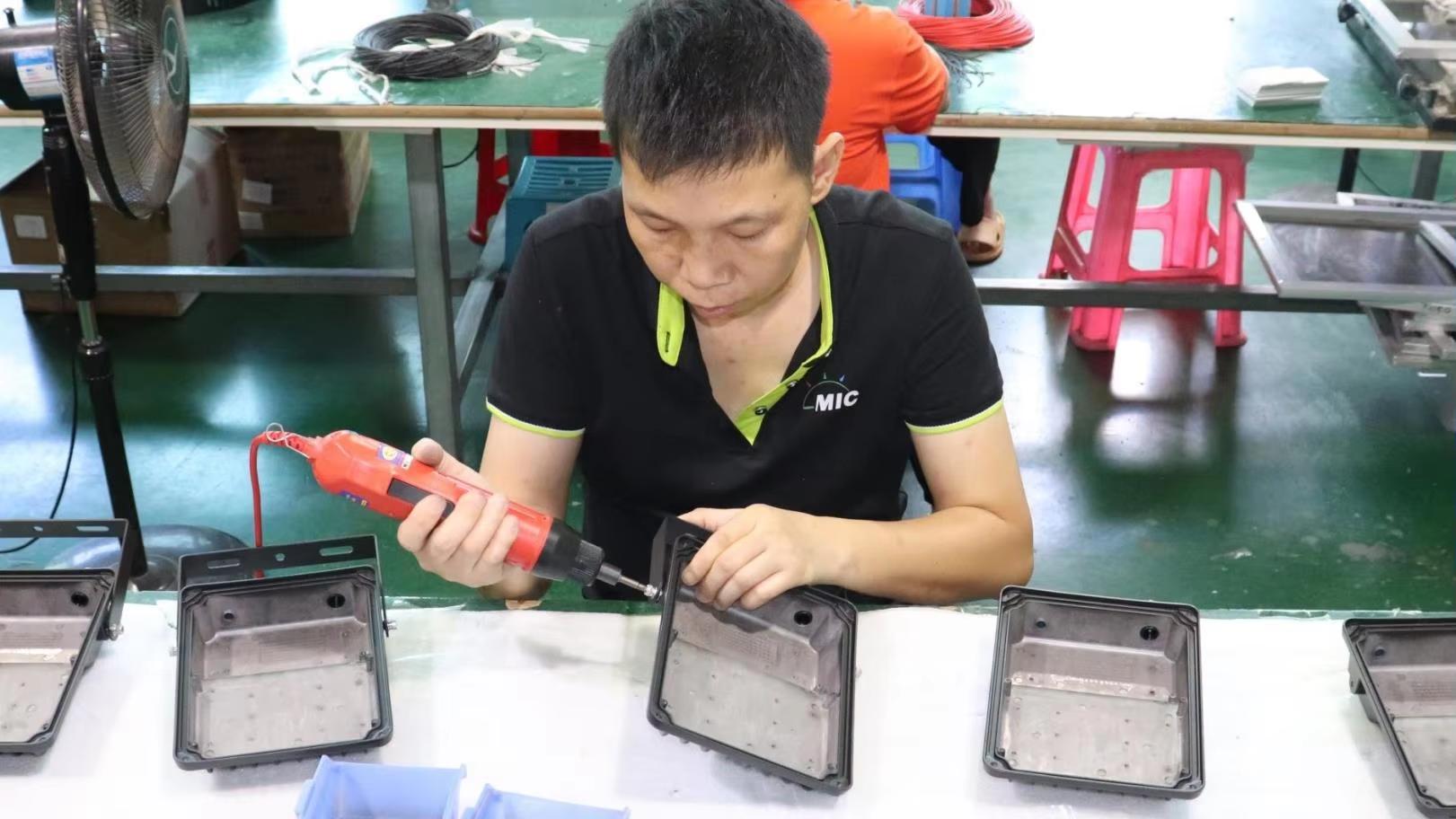
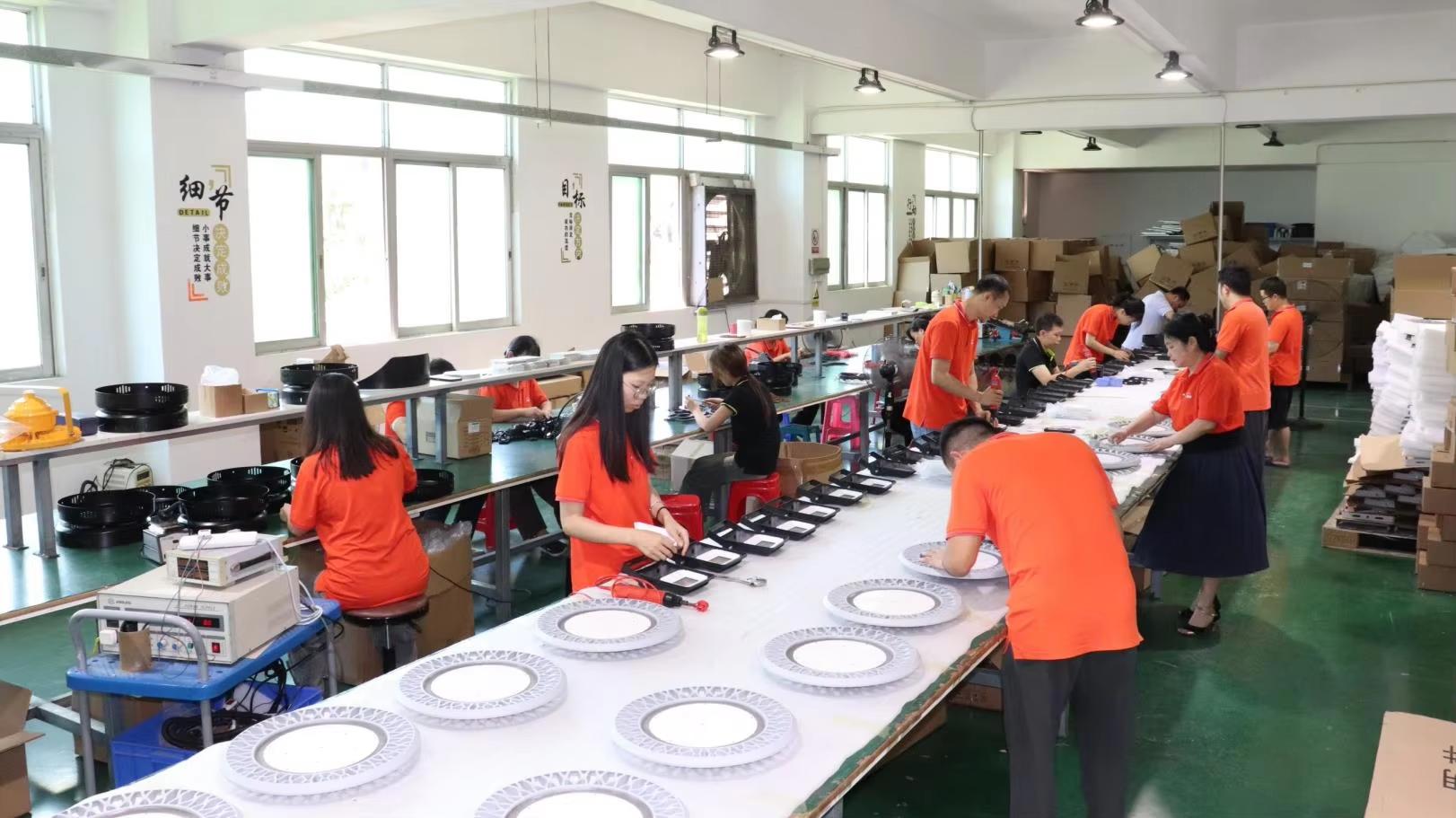
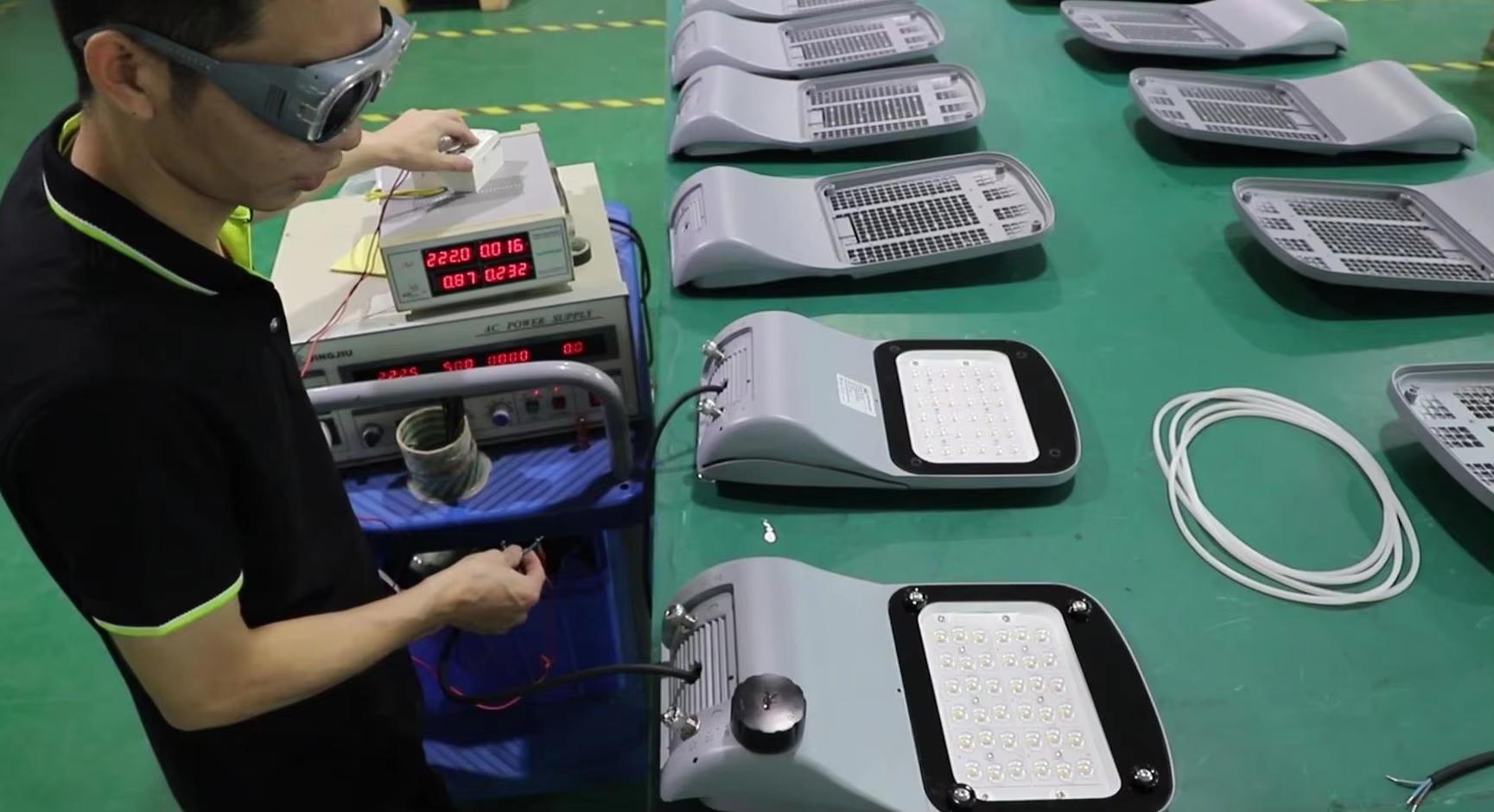
Send Inquiry NowSmart Factory 4.0 Processes & Supply Chain Resilience
Guangdong Lijah Light Co., Ltd. is a professional manufacturer specializing in the research, development, production, sales, and service of modern, energy-efficient, and intelligent LED lighting solutions. As a technology-driven enterprise, we are committed to providing innovative, reliable, and sustainable lighting products for industrial, commercial, and outdoor applications worldwide.
By integrating advanced manufacturing technologies with continuous product innovation, we support distributors, contractors, and project developers in North America, Europe, and the Middle East. Through strict quality assurance processes and DIALux engineering simulations, we optimize lighting layouts to lower installation costs while maximizing visual performance.
To support global supply chains, our factory operates under a strict quality management system. Our LED lighting systems comply with CE and RoHS requirements, while many of our key products have also obtained internationally recognized certifications including TÜV, ENEC, VDE, SAA, C-Tick, CB, LM79, and LM80. By combining advanced manufacturing technologies with rigorous testing, we ensure reliable performance in challenging environments.
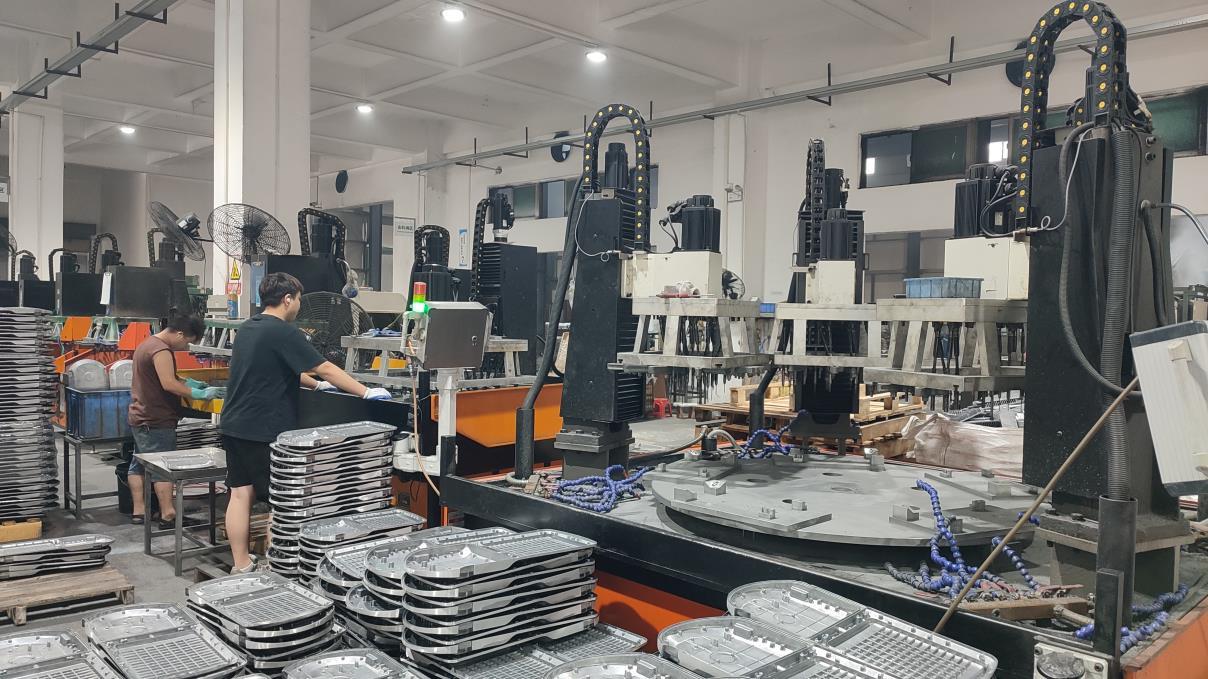
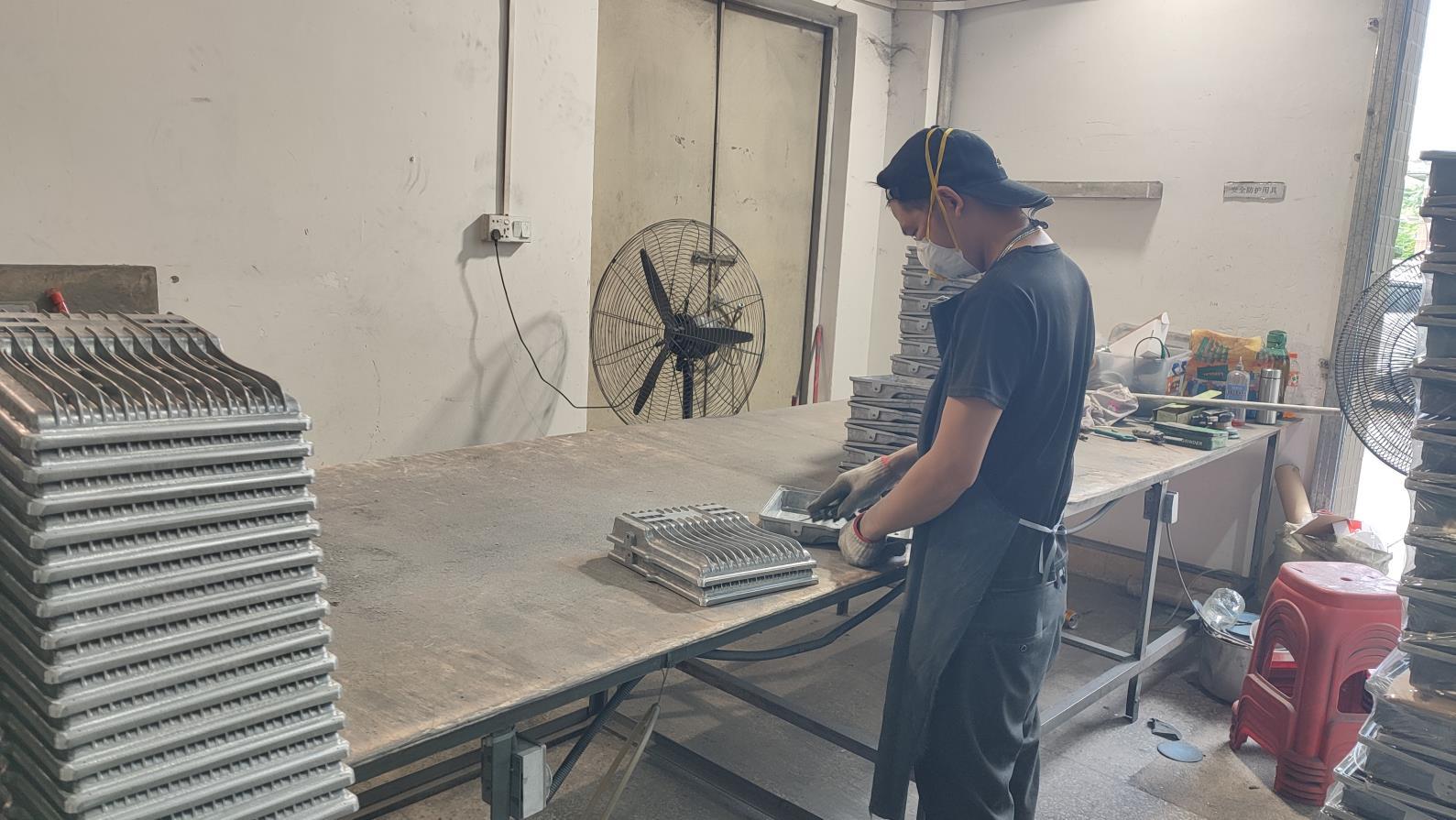
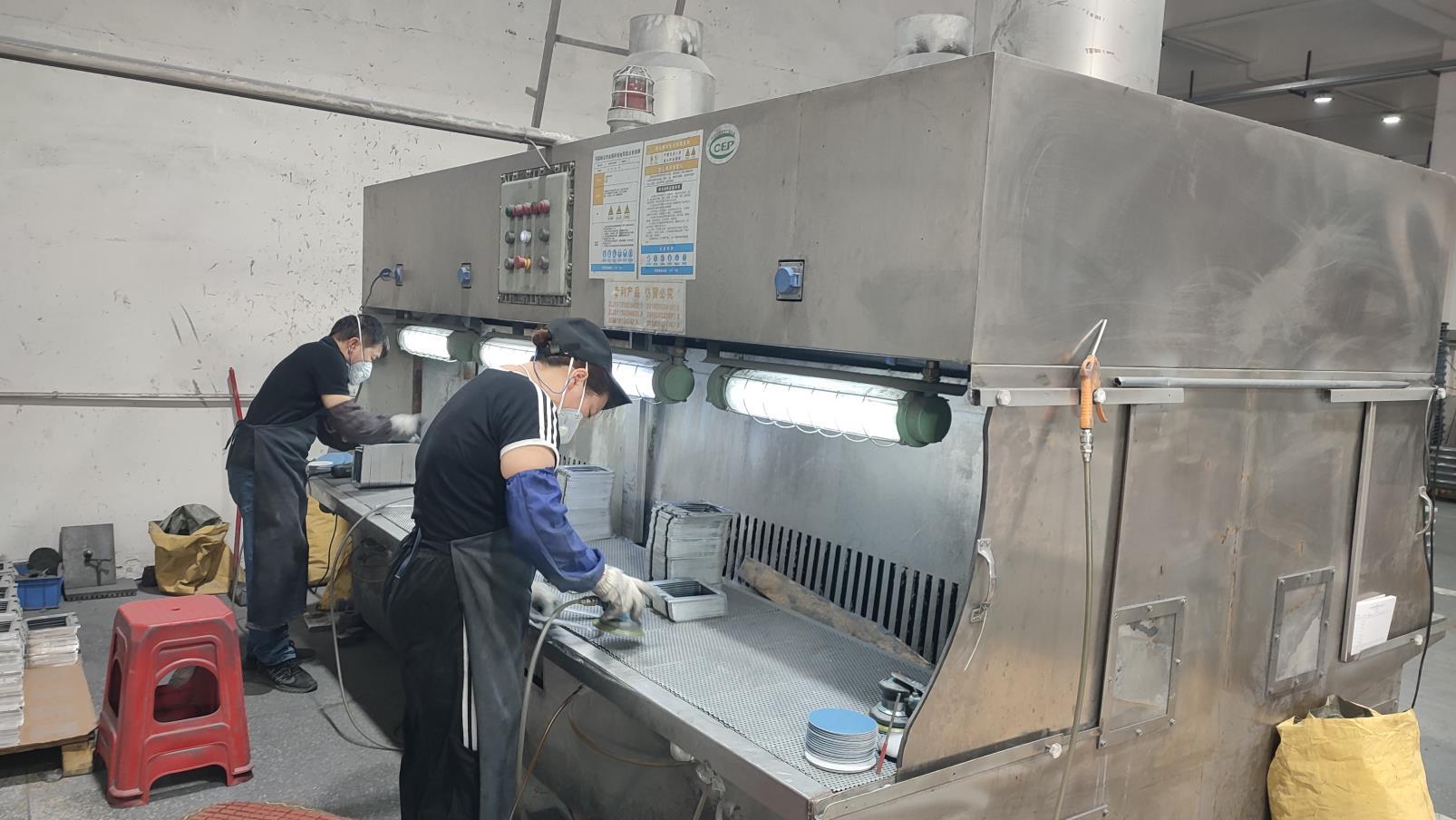
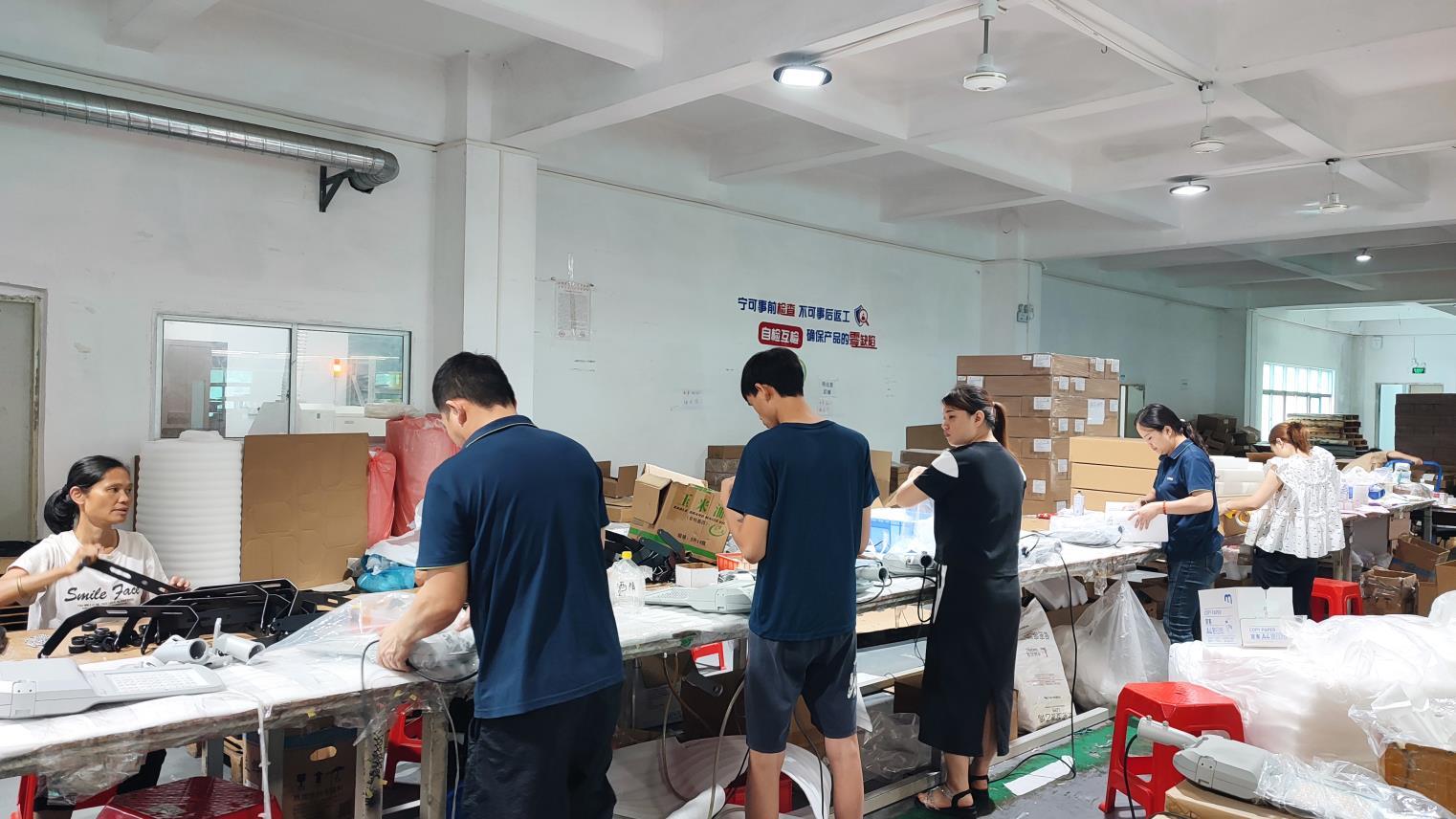
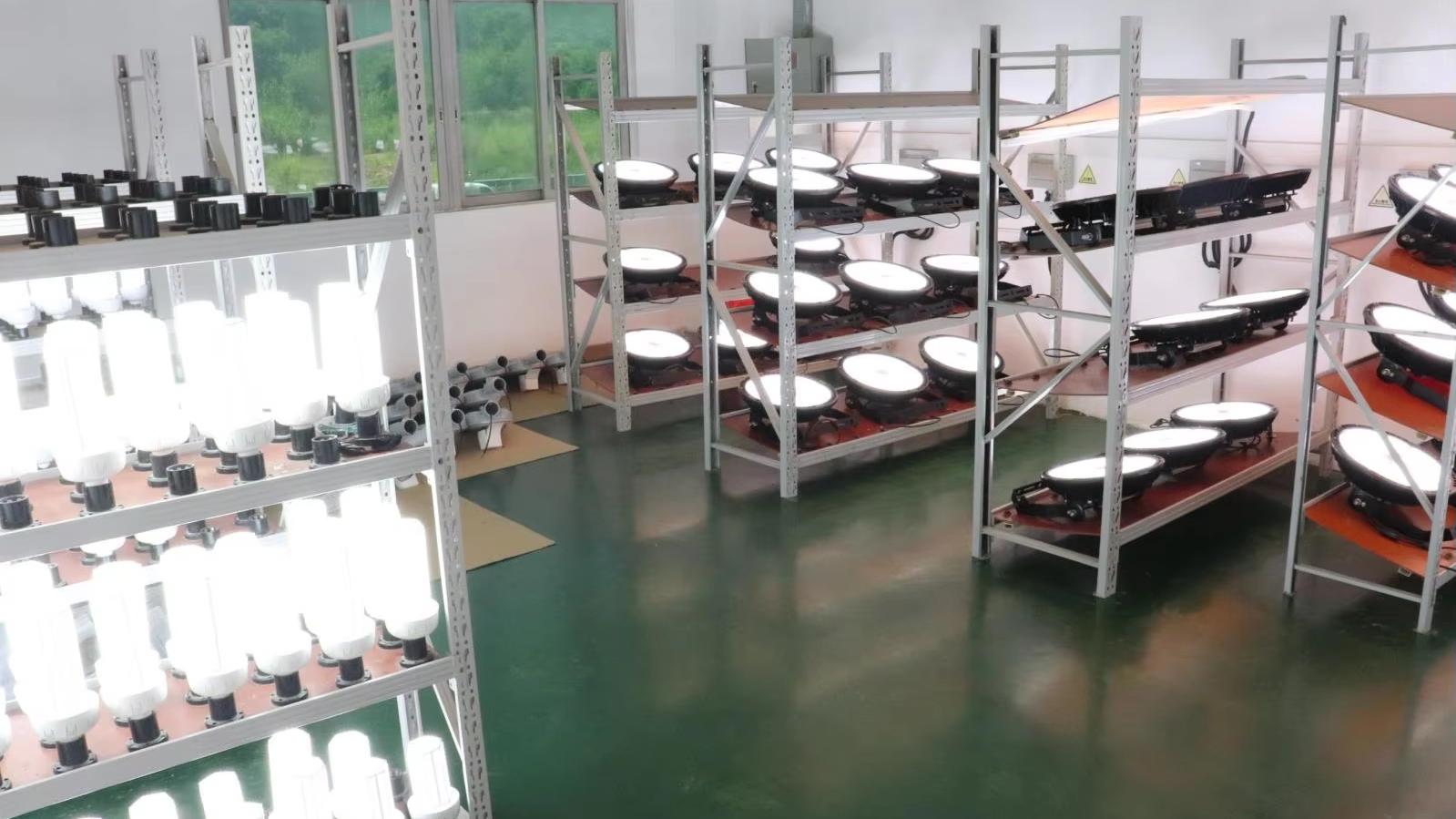
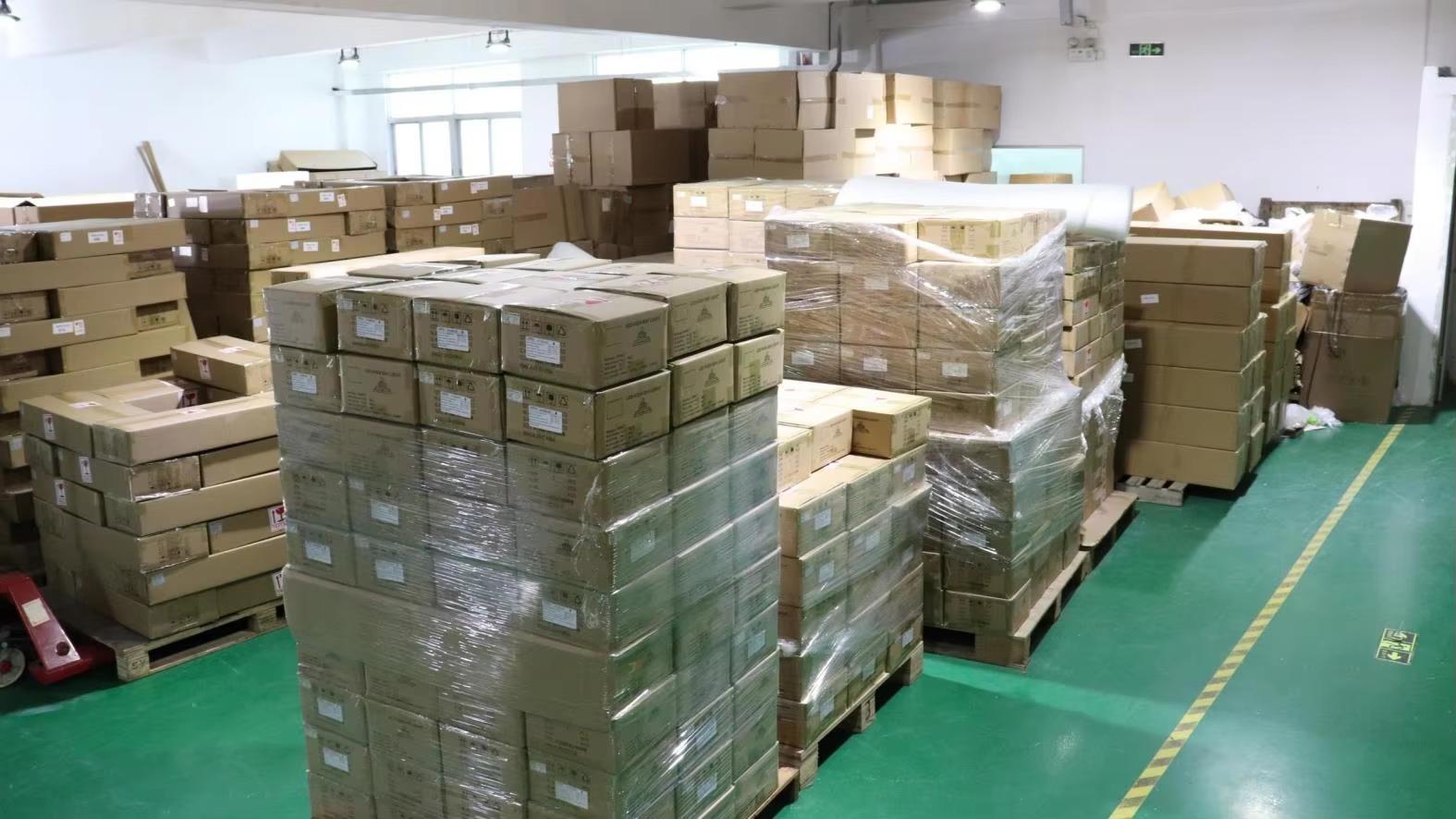
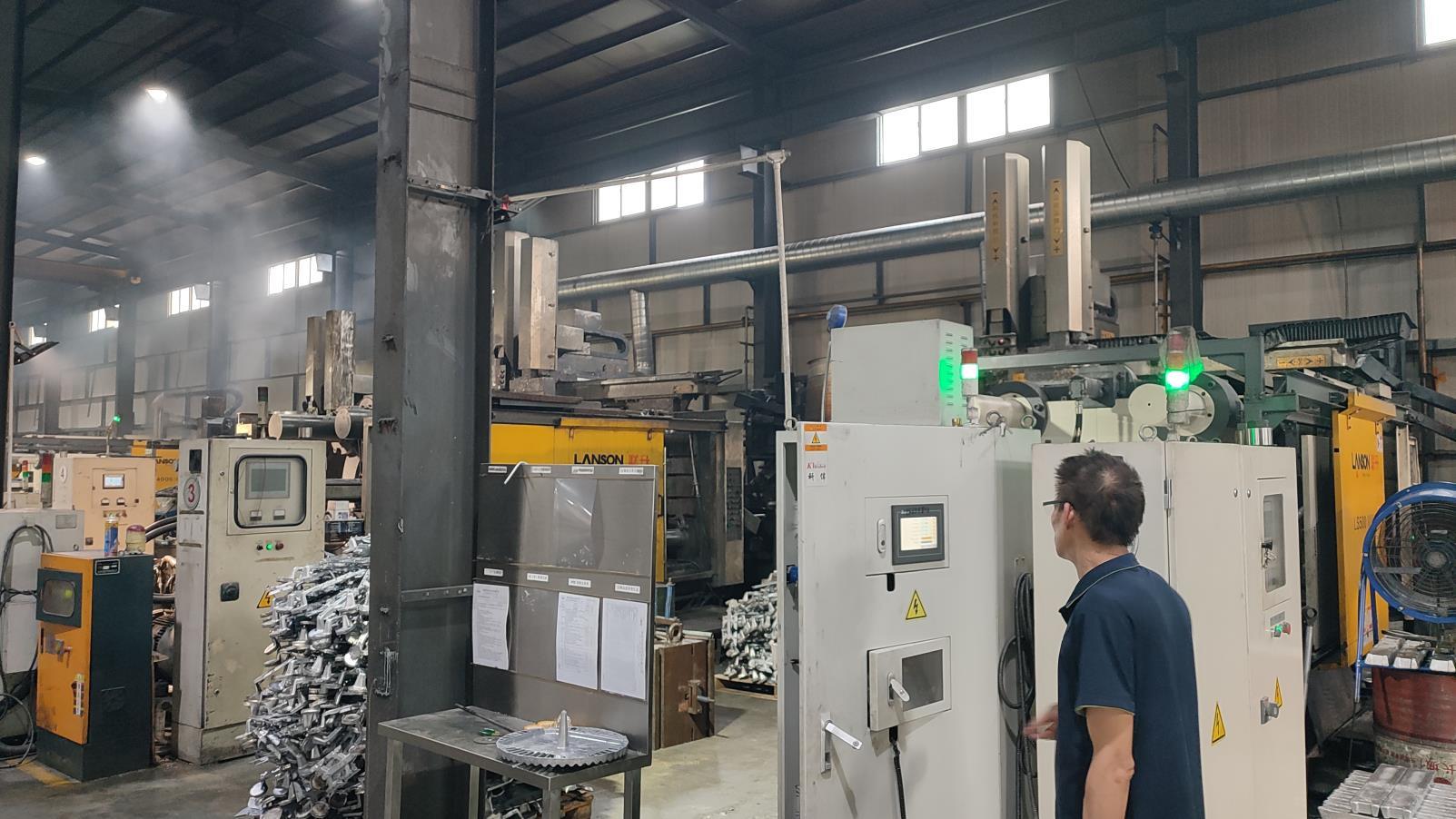
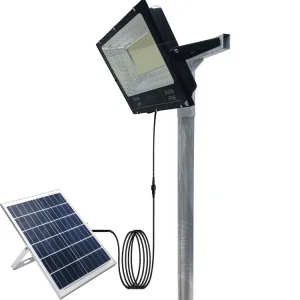
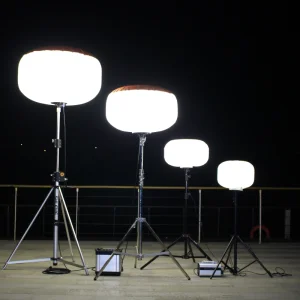
Designed for multi-role applications including construction yards, off-grid facilities, and professional sporting venues.
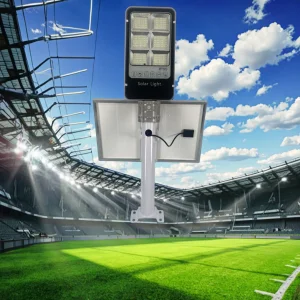
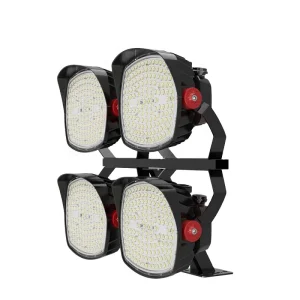
High-mast lighting demands vary significantly depending on the site characteristics and local regulatory zones within the Los Angeles metropolitan area:
High school and community athletic fields are typically located in close proximity to residential areas. In these environments, lighting design must restrict spill light to prevent disruption to surrounding homes while maintaining clean visibility for student-athletes. Integrating smart wireless control systems allows school administrators to schedule operational hours and adjust dimming levels dynamically.
The Port of Los Angeles and Port of Long Beach operate continuously, requiring heavy-duty high-mast lighting that can withstand salty, humid, and corrosive environments. Industrial luminaires deployed here require marine-grade surface finishes, high IP ratings (IP66/IP67), and optical profiles designed to provide uniform lighting across busy container yards.
With the rise of 4K ultra-high-definition broadcasting and slow-motion replays, commercial venues require stable, flicker-free illumination. Premium high-mast fixtures utilize driver technologies with low ripple current (<1%) to ensure consistent, reliable visual coverage for televised events.
Critical insights for engineers, municipal planners, and commercial developers.
Compliance requires meeting minimum luminous efficacy limits, implementing automated scheduling, and integrating dimming interfaces (like DALI or DMX) to adjust light levels based on space usage and ambient light.
Luminaires should be engineered with low Effective Projected Area (EPA) ratings. Choosing aerodynamically optimized housings reduces wind resistance, helping the assemblies withstand strong wind gusts.
While CRI measures how light renders colors to the human eye, the Television Lighting Consistency Index (TLCI) measures how cameras perceive color. A TLCI score of 90+ ensures natural, accurate color reproduction on HD and 4K broadcasts.
By working directly with manufacturers, buyers can streamline shipments through the Port of Los Angeles or Port of Long Beach, managing logistics and customs compliance effectively to keep projects on schedule.
High-conductivity aluminum alloys draw heat away from the LED diodes. Proper thermal management maintains lower junction temperatures, protecting components from thermal degradation and ensuring long-term color stability.
Yes. Modern high-power DMX512 drivers interface with central building management systems, enabling synchronized control for theatrical effects, dimming profiles, and real-time monitoring.
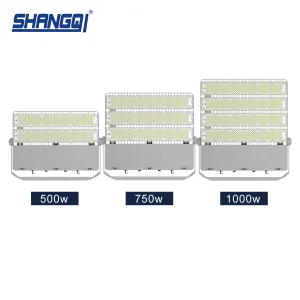
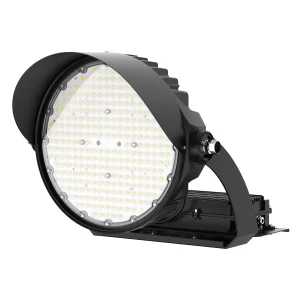
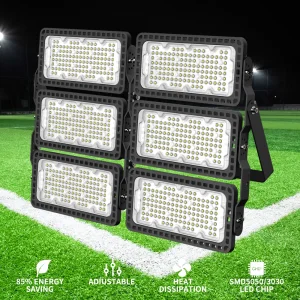
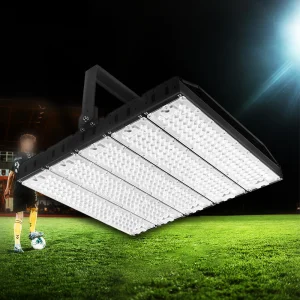
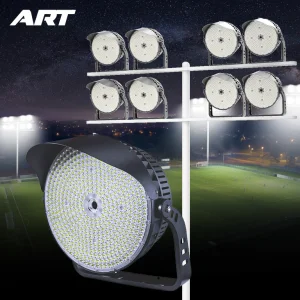
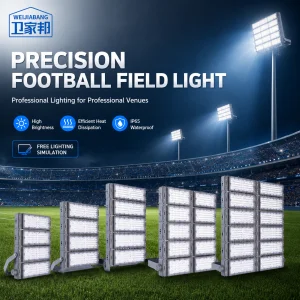
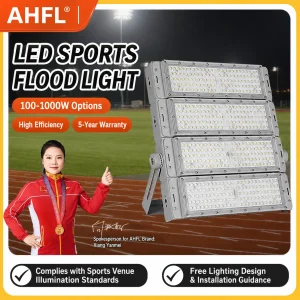
Explore our complete range of certified sports and high-mast LED solutions for commercial operations.
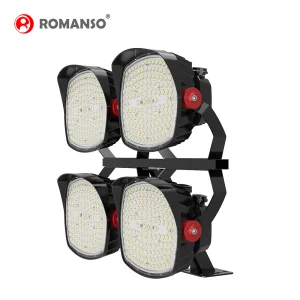
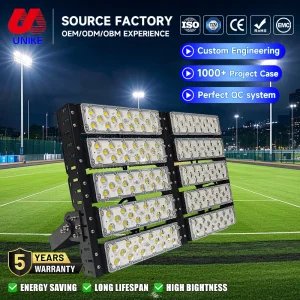
Connect with our engineering and logistics specialists to request custom photometric layouts, Title 24 compliance verification, and pricing quotes.
Send Inquiry Now Lijah Light