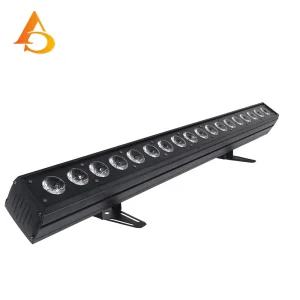
As urban development, industrial automation, and climate change drive the demand for smart infrastructure, outdoor and industrial lighting must transition from basic illumination tools to high-efficiency, multi-threat protective technical nodes. Guangdong Lijah Light Co., Ltd. is positioned at the forefront of this shift, specializing in the research, development, and high-volume manufacture of LED fog lights, high-intensity outdoor luminaires, and intelligent municipal lighting networks.
By implementing physics-driven optical designs, thermal modeling, and rigorous material selections, we serve architectural, municipal, and commercial developers worldwide. Our solutions are deployed across complex transport hubs, sub-zero cold-storage facilities, high-salinity coastal areas, and hazardous chemical processing environments, assuring operational stability and long-term energy savings.
Our engineering research focuses on solving the physical challenges of lighting, including luminous efficacy degradation, thermal bottlenecks, and localized light scattering. By using software tools like DIALux, TracePro, and ANSYS Icepak, our R&D team optimizes light paths, reduces stray light loss, and ensures maximum target illuminance. Through our DIALux simulation services, we provide project developers with exact lux distribution maps and point-by-point uniformity calculations before installation, preventing over-specification and lowering initial equipment capital expenditure.
"Through deep modeling of optical physics and thermal flow paths, our engineers minimize backscatter in fog and heavy precipitation, maximizing light penetration and visual comfort under challenging conditions."
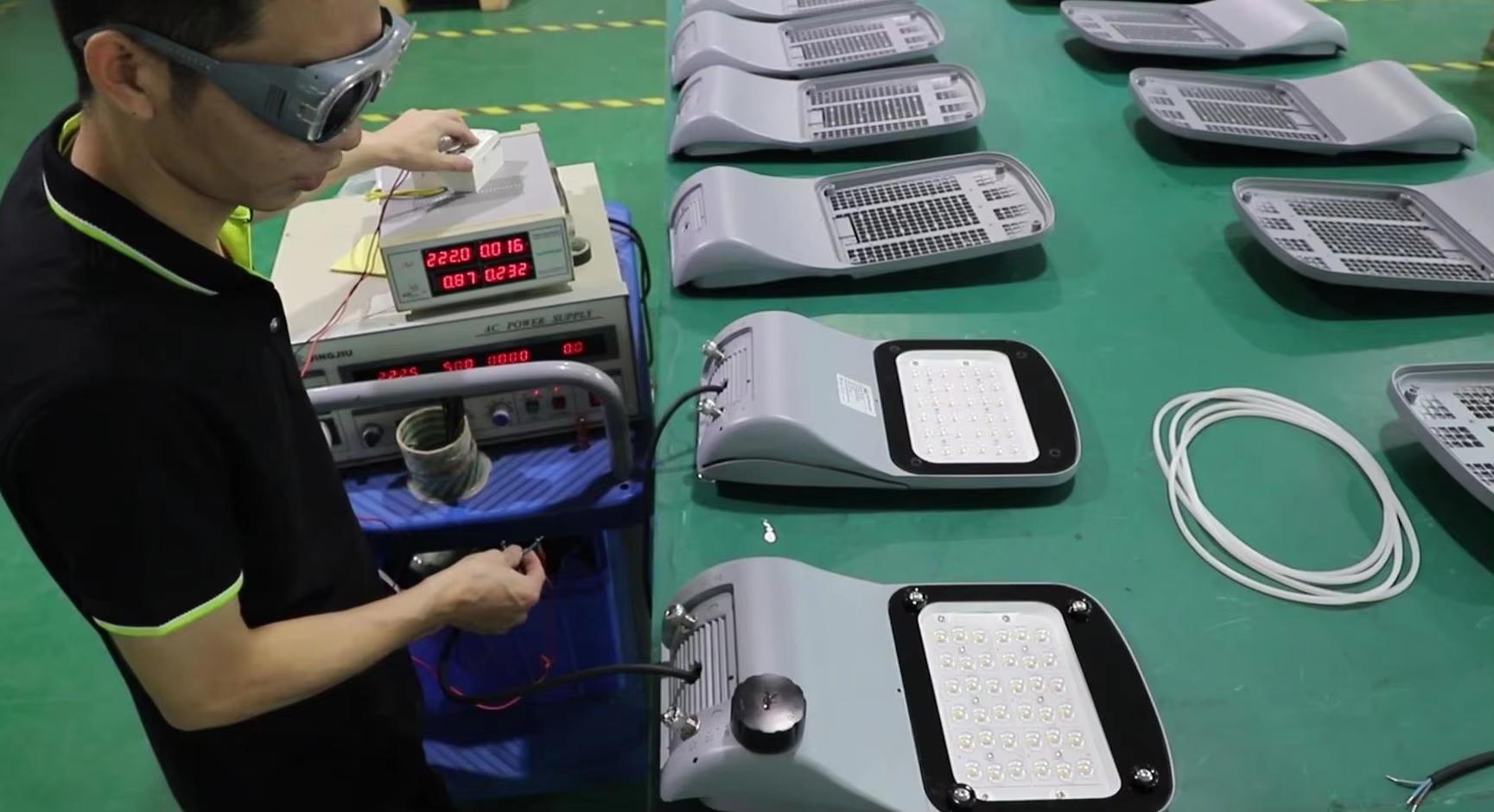
Our manufacturing and testing stages conform to major international standards. Every manufacturing batch goes through rigorous environmental and electrical stresses. Our LED products are certified to CE, RoHS, TÜV, ENEC, VDE, SAA, C-Tick, CB, LM-79, and LM-80 standards. This compliance framework ensures that our luminaires maintain structural and photometric performance over years of continuous operation, meeting the criteria of global infrastructure developers, insurance auditors, and municipal authorities.
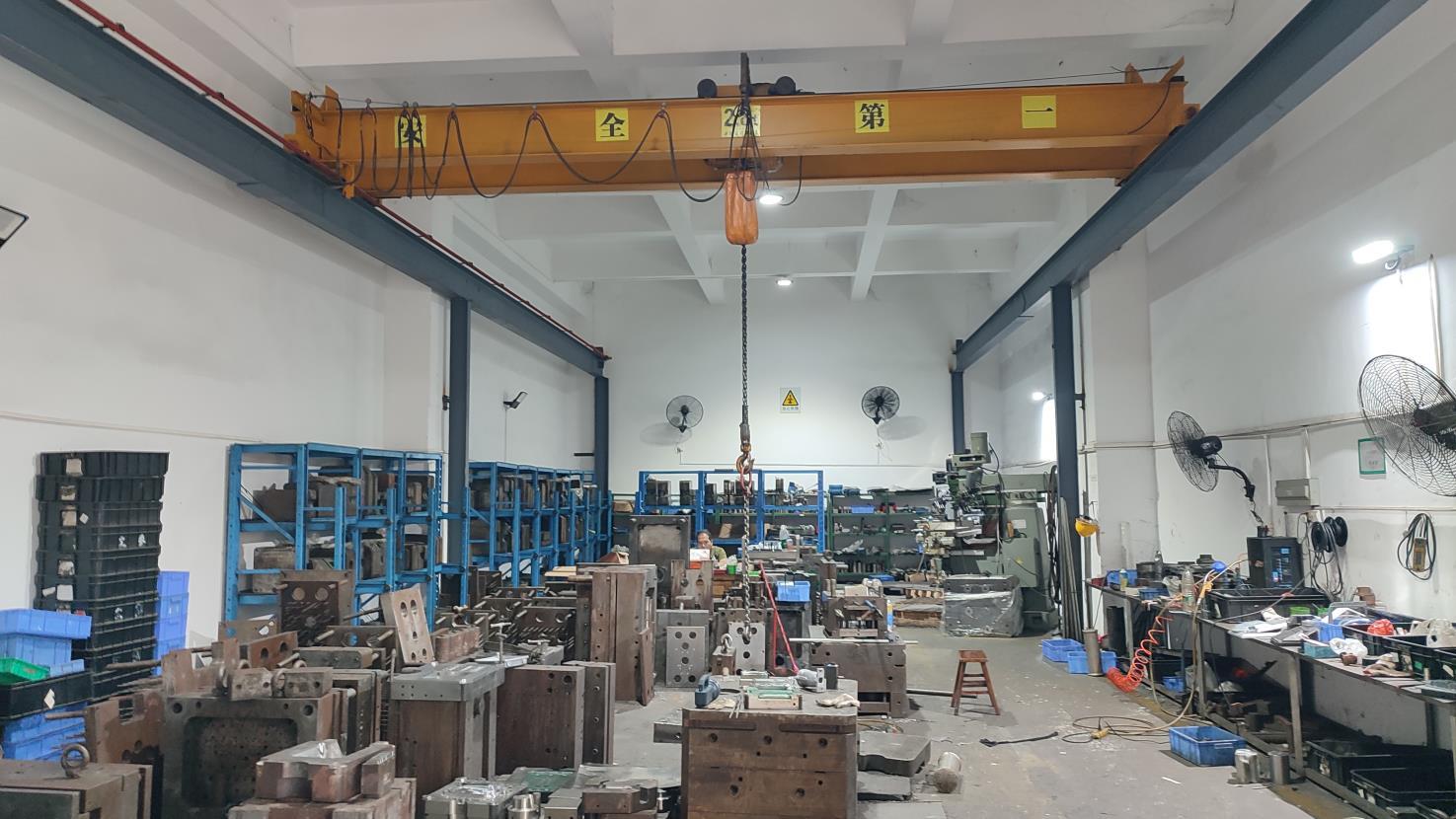
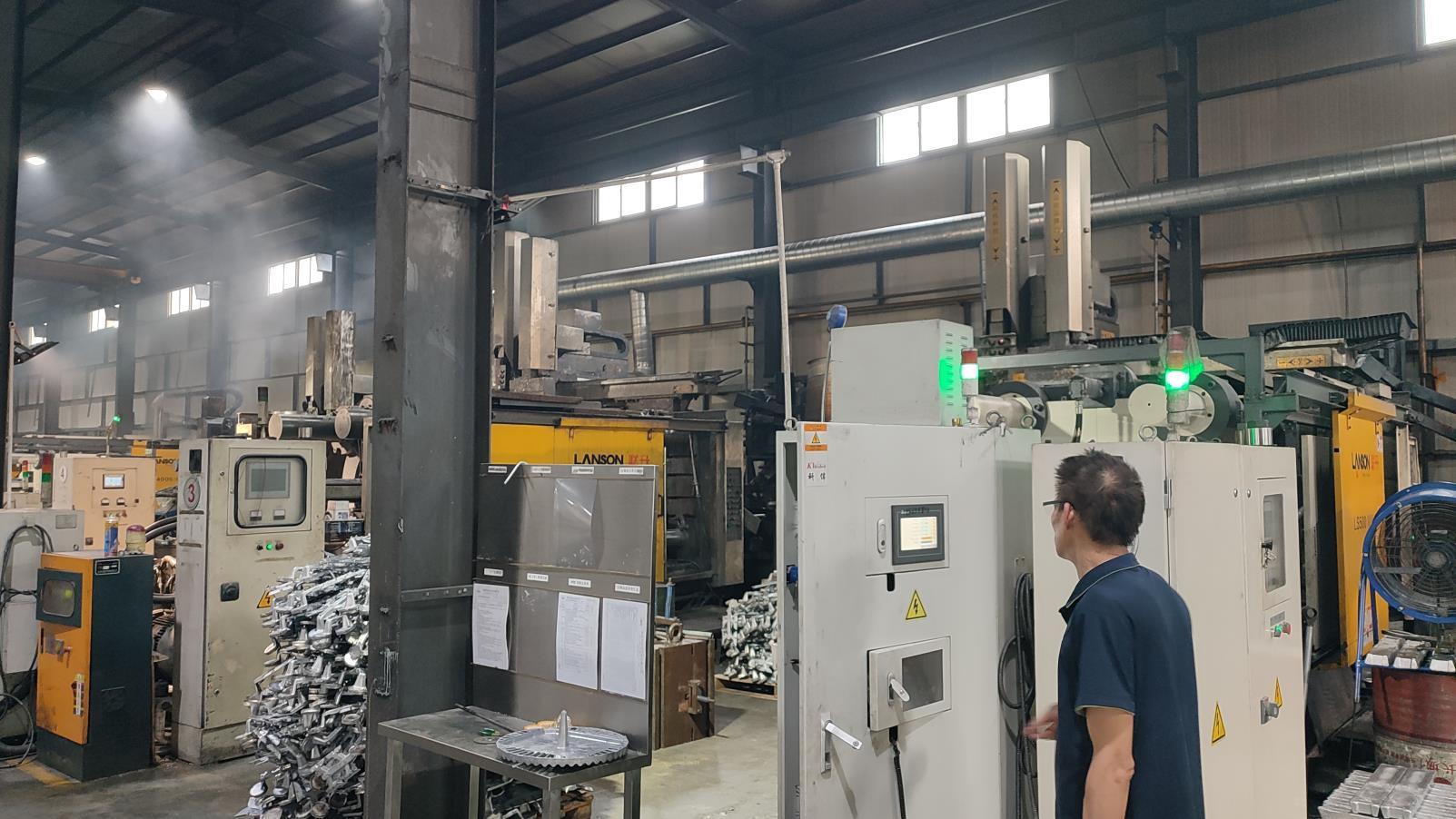
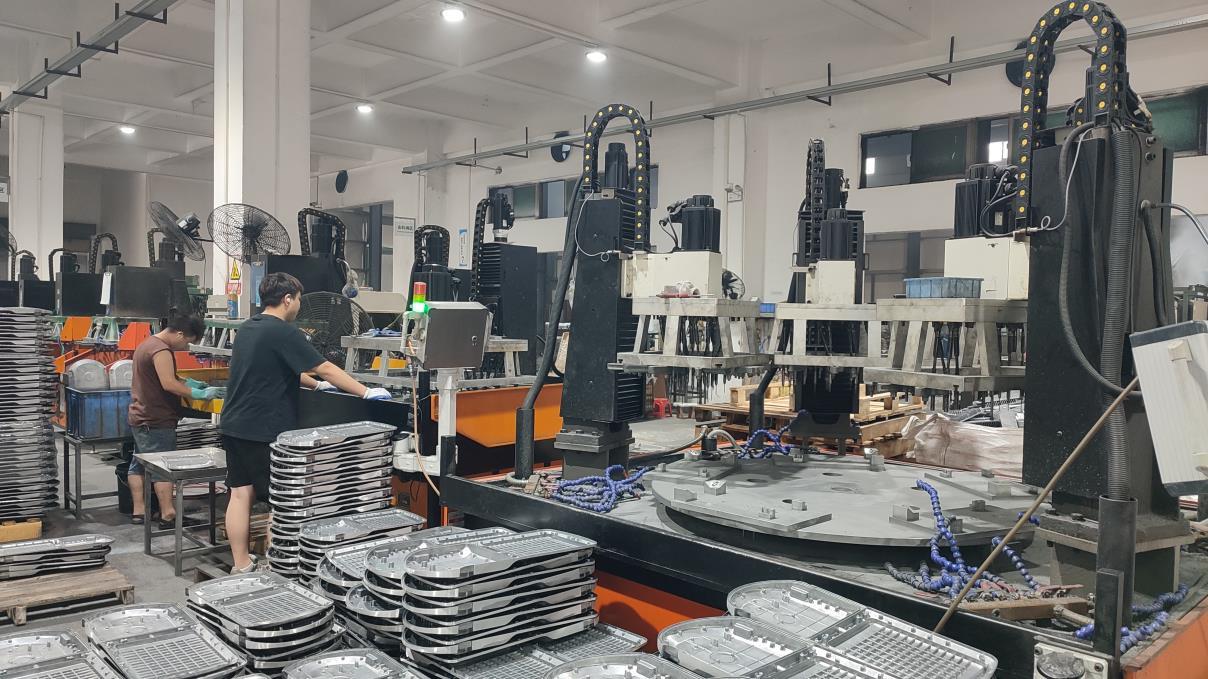
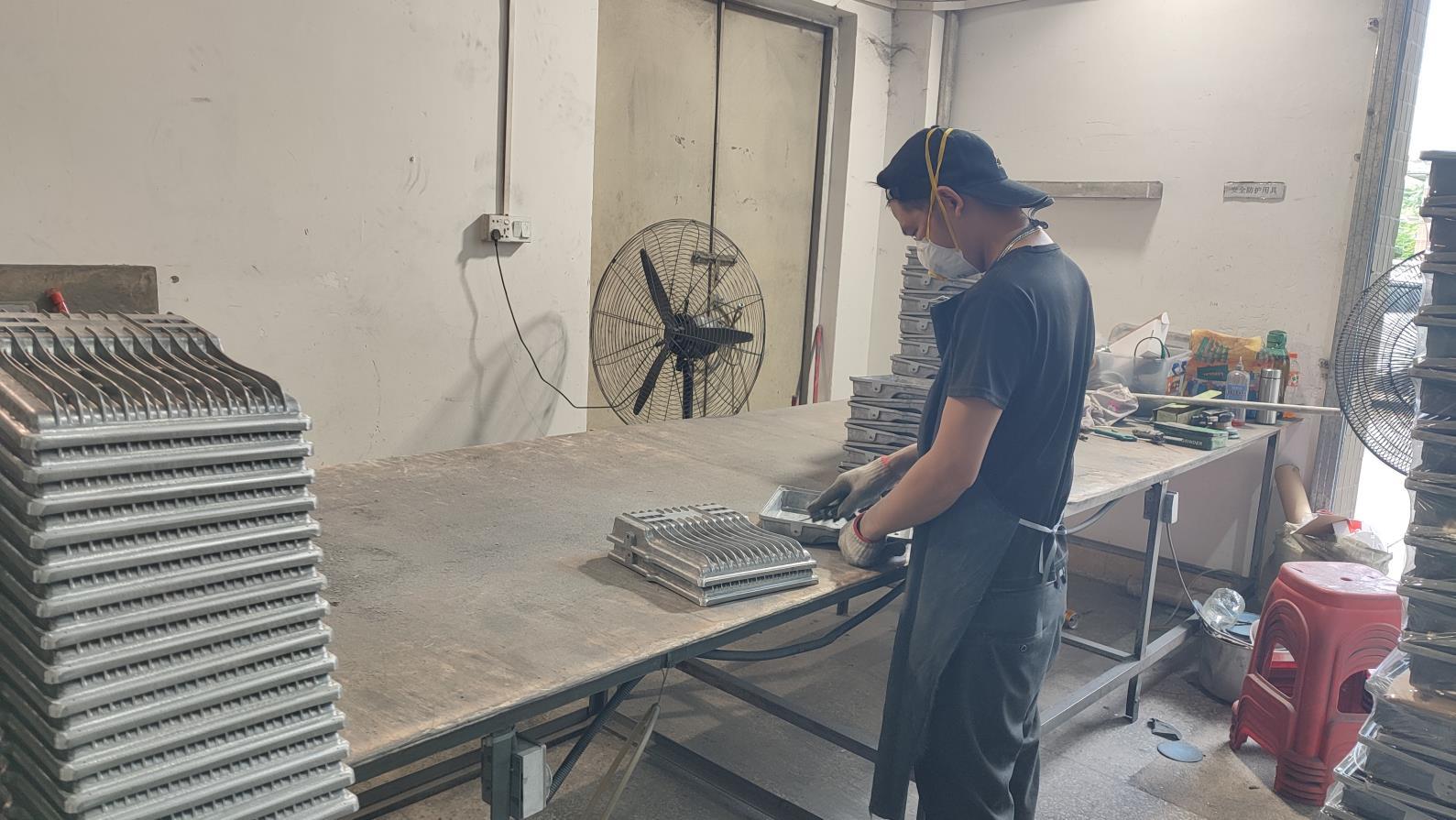
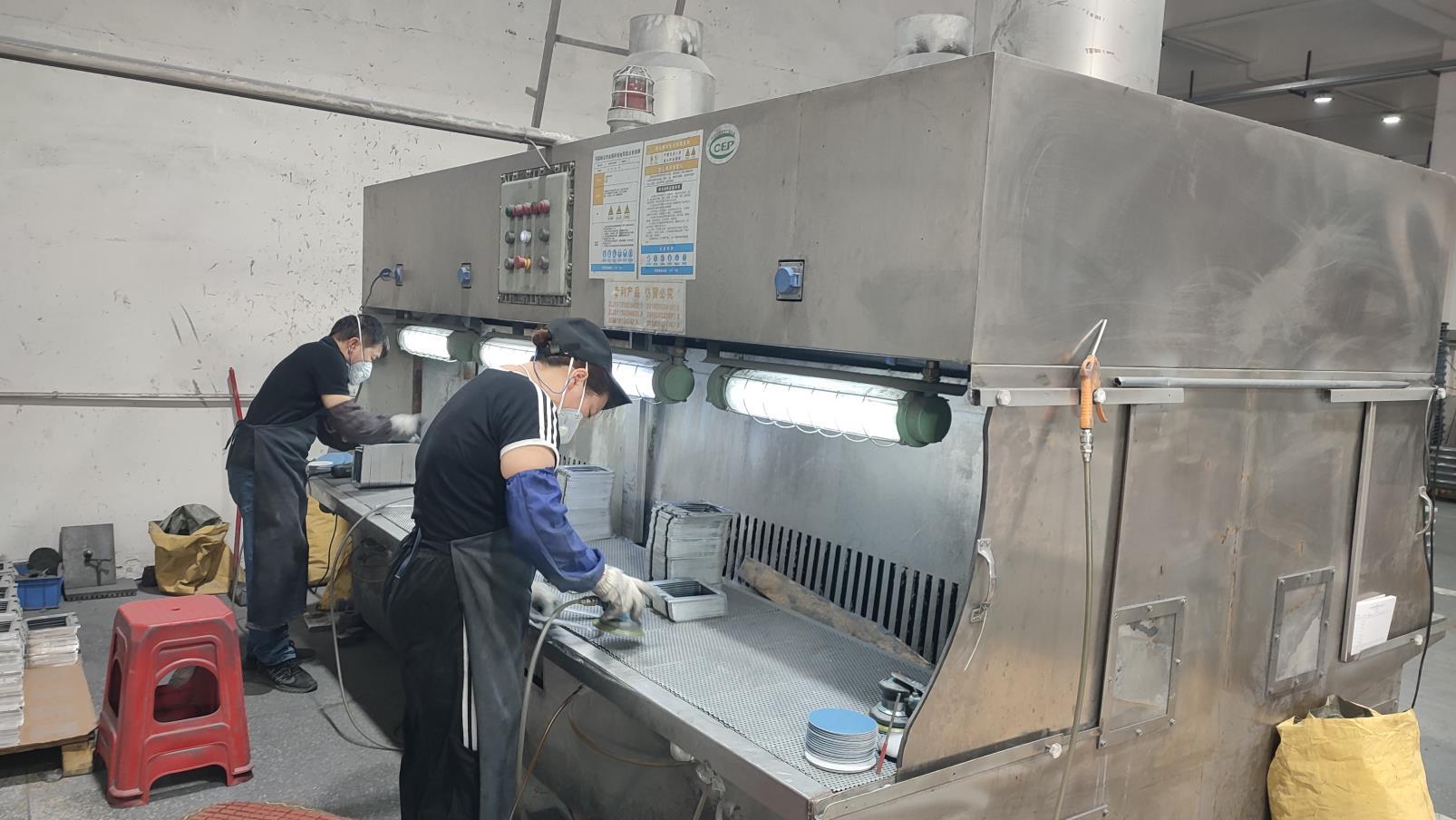
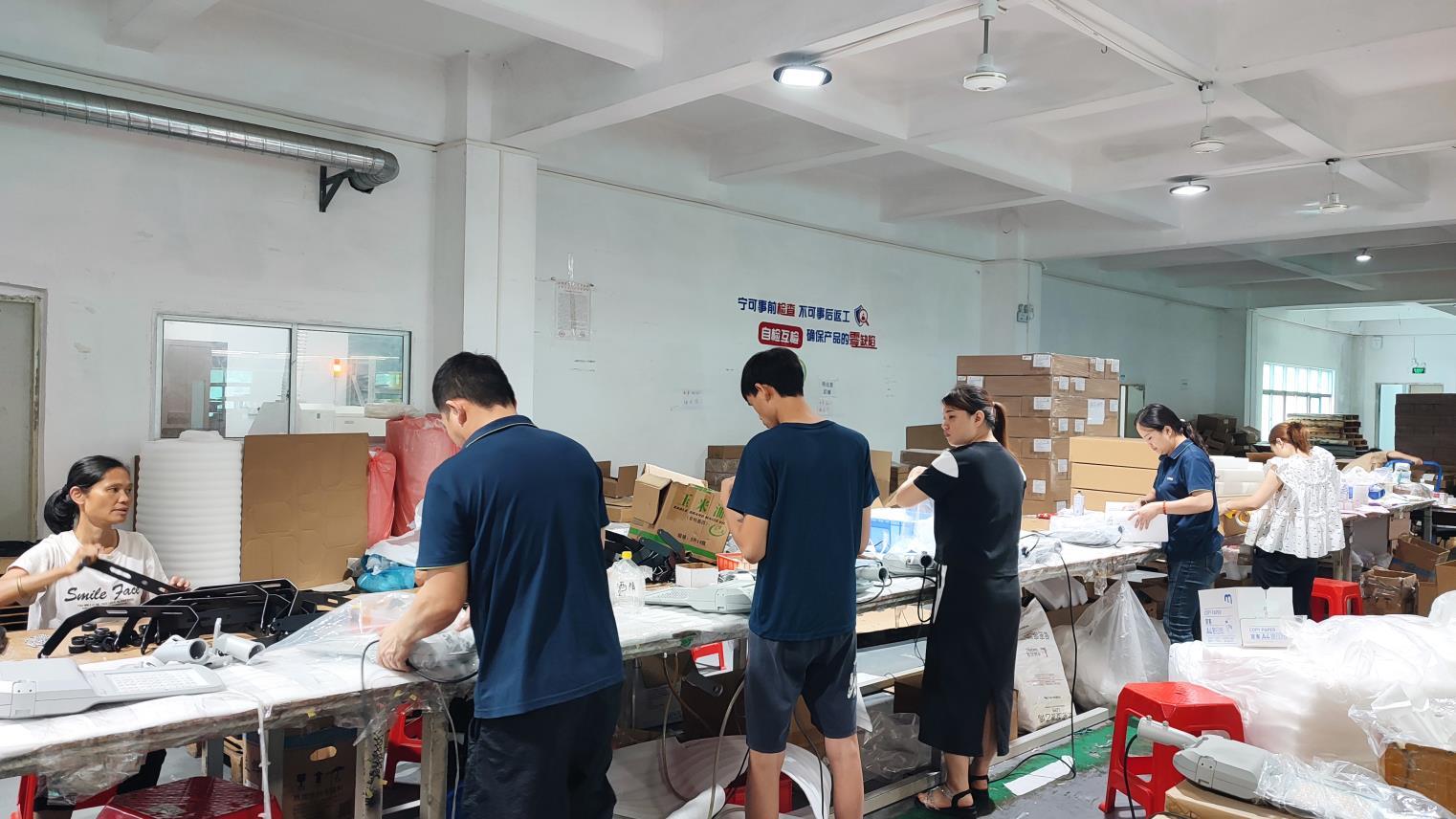
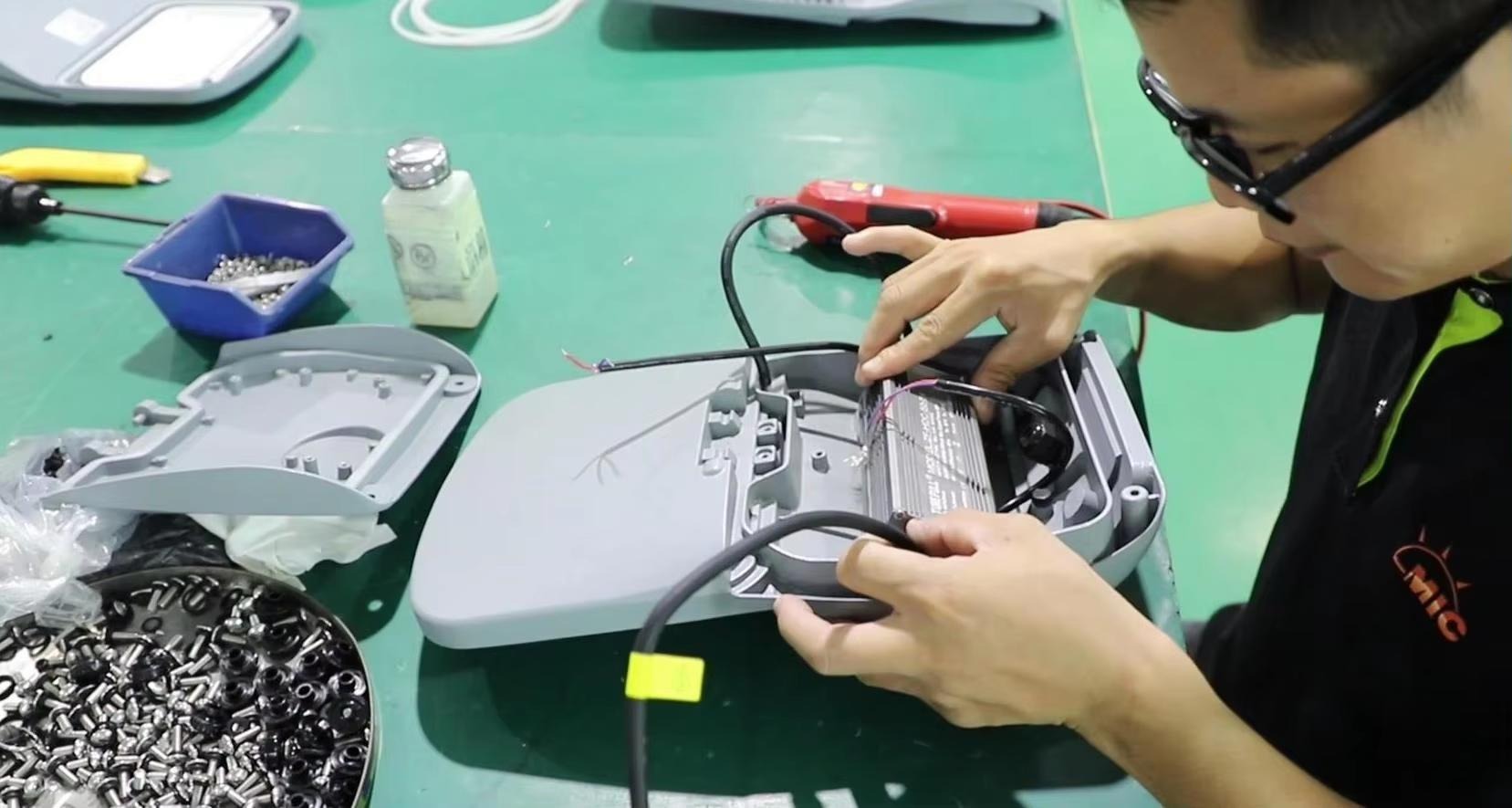
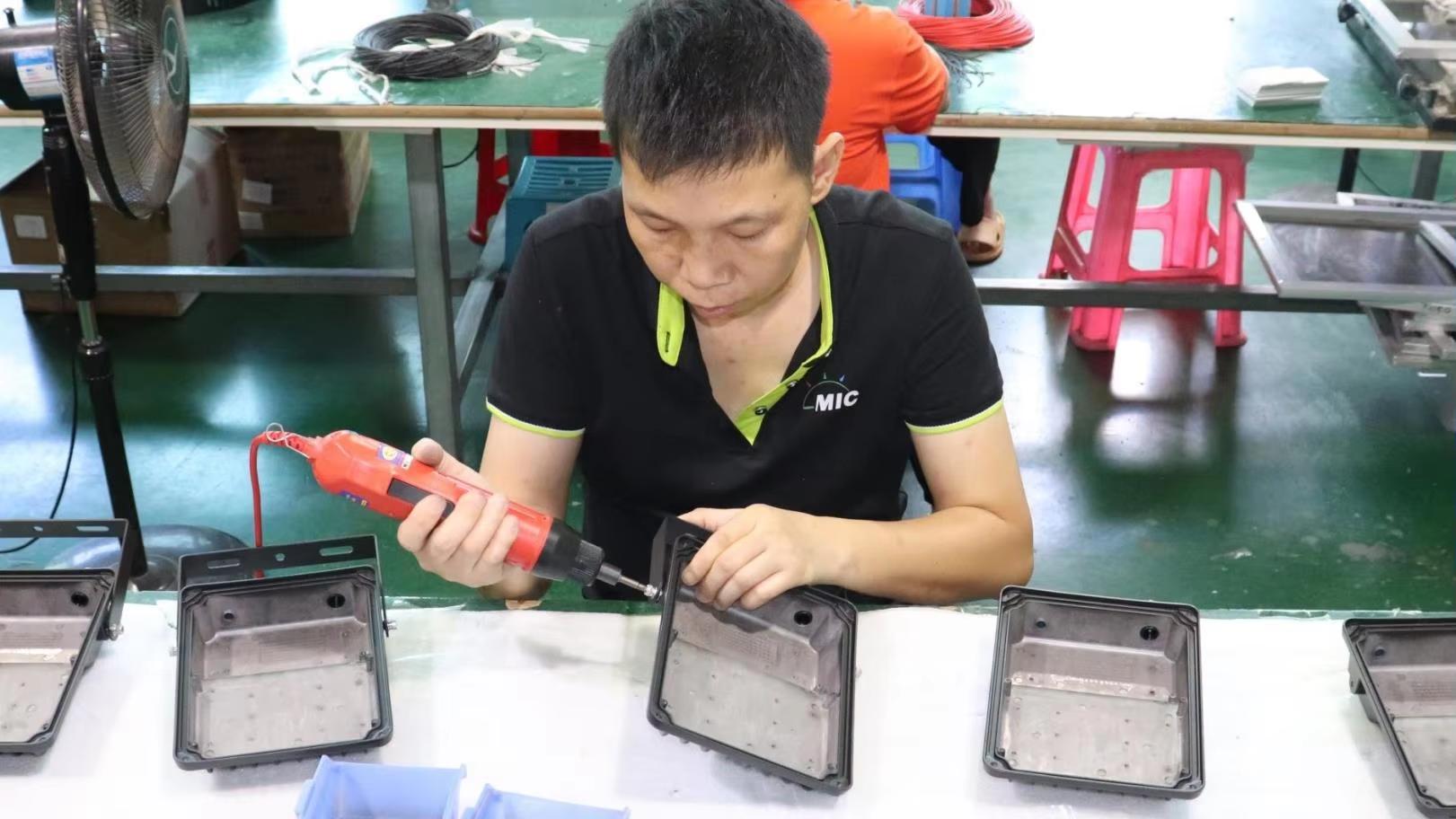
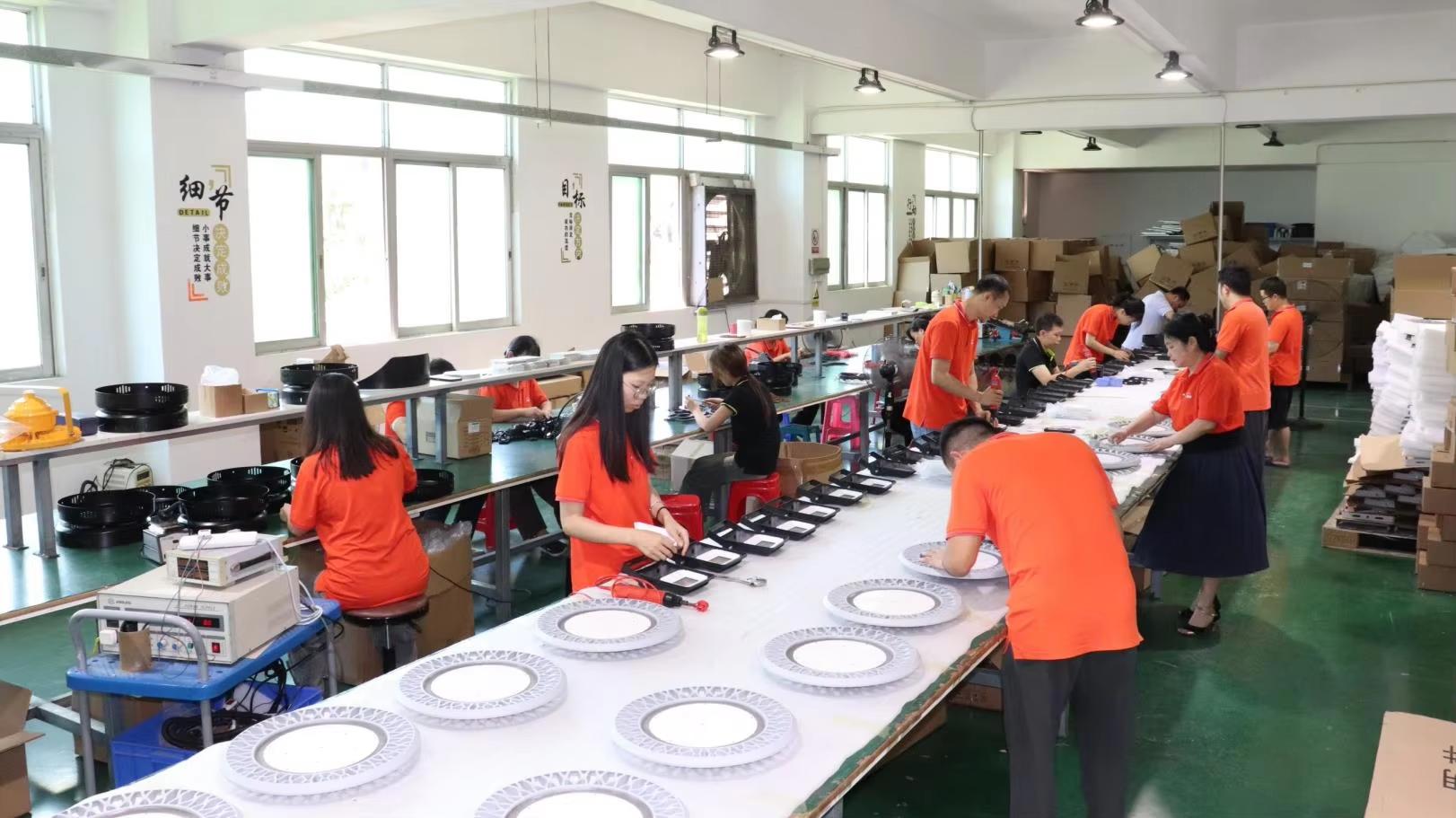
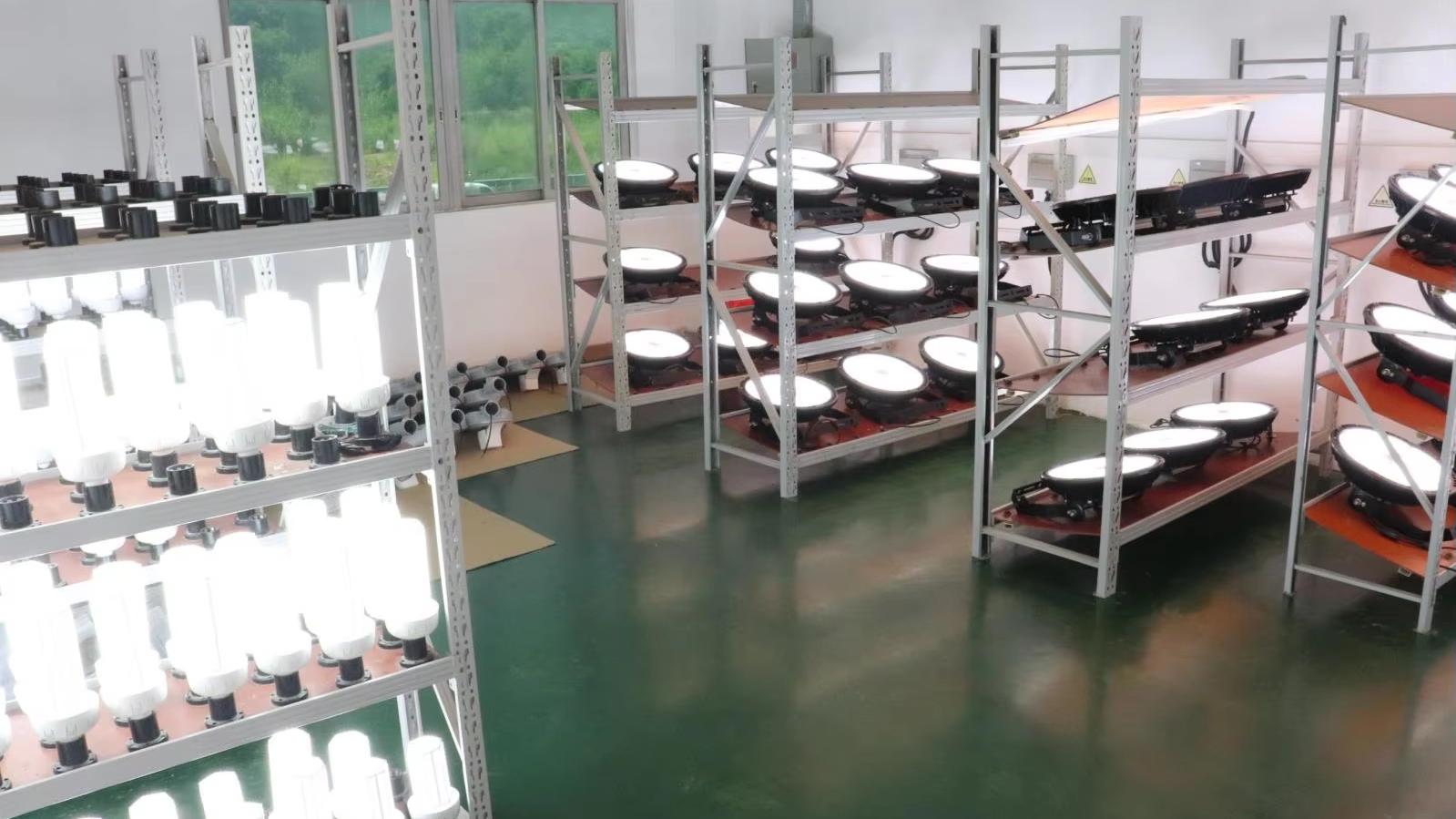
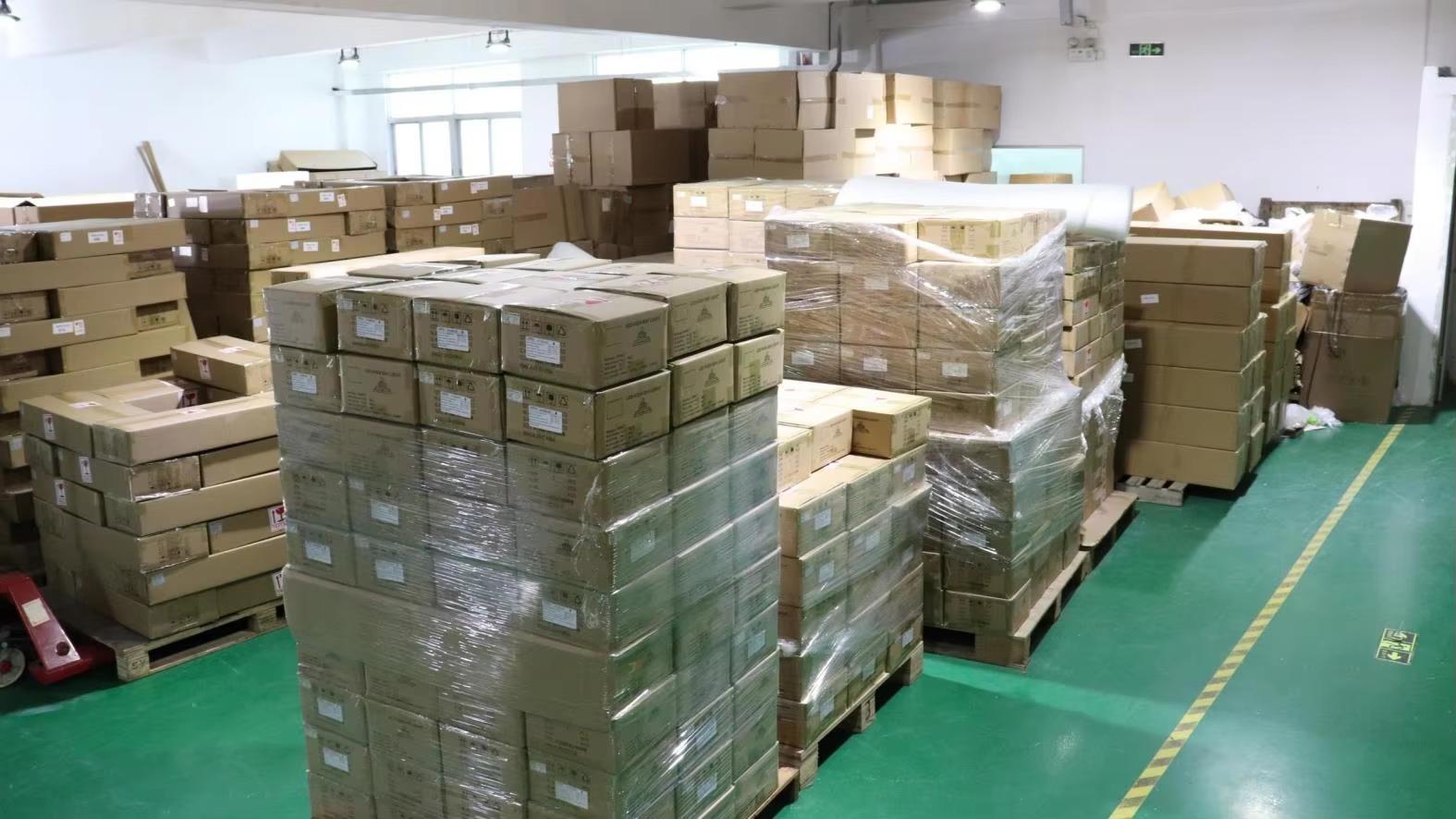
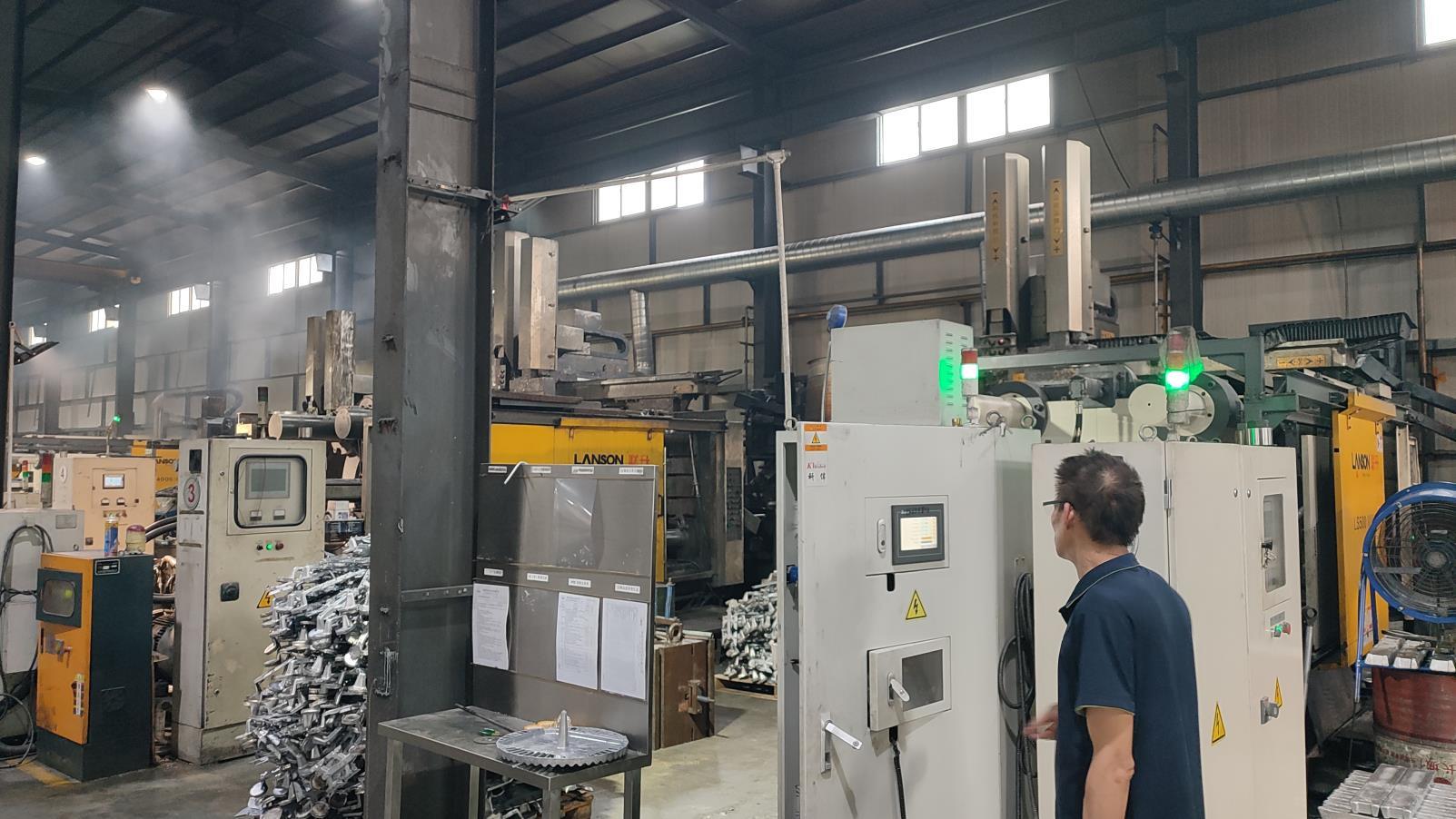
At our Guangdong industrial complex, we integrate raw die-cast metal processing with robotic electronics assembly to maintain strict quality control. Vertical integration allows us to adapt to custom OEM/ODM requests quickly, optimize thermal management, and lower production costs. Below is our 13-stage production line, showing our commitment to design consistency and durability.
As outdoor lighting integrates into smart city systems, the technological development of luminaires focuses on adaptive power management, IoT connectivity, and improved color performance. Guangdong Lijah Light is addressing these demands with targeted research and development:
Traditional electrolytic capacitors inside standard LED drivers are common failure points, especially in areas with high temperatures. Our research team is moving toward GaN-on-Silicon power chips and DOB (Driver-on-Board) designs. Eliminating external driver blocks reduces the size of the housing, improves power efficiency to 96%, and extends the operational life of outdoor luminaires in hot climates.
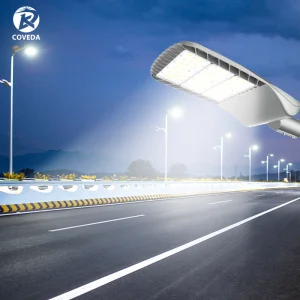
Future outdoor lighting will function as communications infrastructure. We are integrating NEMA and Zhaga (Book 18) smart sockets into our streetlights and floodlights. These interfaces support photocells, motion sensors, and wireless controllers (using Zigbee, LoRaWAN, and Cellular IoT protocols). Municipalities can adjust brightness levels based on real-time pedestrian traffic or weather conditions, reducing energy usage by up to 40% compared to standard timers.
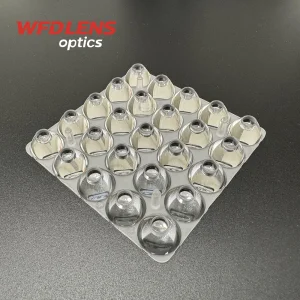
Standard white light scatters off water droplets, reducing visibility during fog, heavy rain, or snow. Our development plan includes dynamic multi-spectral systems. These systems switch from cool white light (5000K) to warm amber light (2200K) during bad weather, which helps minimize backscatter. Using precise Total Internal Reflection (TIR) optical lenses, we direct light output onto target areas, preventing light pollution and glare.
Industrial operations require customized lighting configurations. Off-the-shelf options often fail to meet specific requirements, resulting in premature equipment failure. We design and build systems tailored for various industrial sectors:
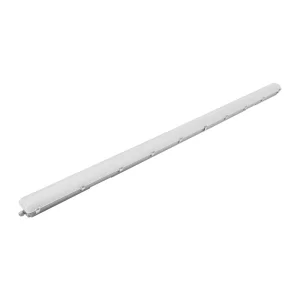
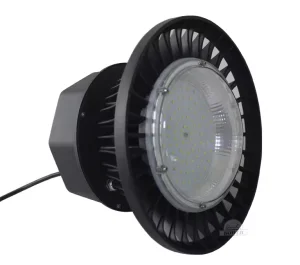
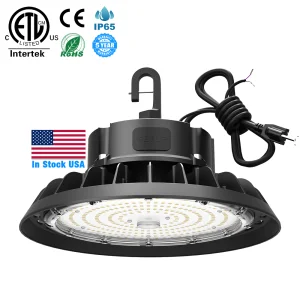
Cold-storage areas demand robust components. Our IP65/IP66 vapor-tight linear lights and UFO high bays are designed to withstand rapid temperature shifts. Specialized breathers prevent pressure buildup and seal failure, keeping moisture out. In high-ceiling warehouses, our narrow-beam optics focus light into storage aisles, improving visibility and safety for forklift operators.
Machine tools generate flying metal shavings, coolants, and constant vibrations. Our ONN-M9T series uses tempered glass fronts and vibration-resistant brackets. Operated at 24V DC, they integrate directly into machine control systems, providing durable and reliable illumination for automated workspaces.
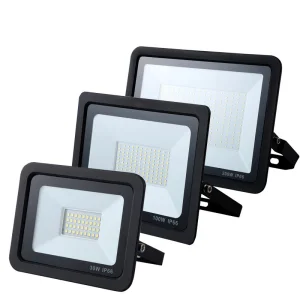
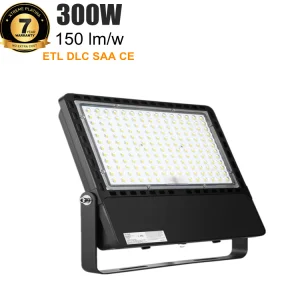
Large spaces like shipping terminals, railyards, and stadiums require powerful floodlights. Our high-power floodlights feature 10KV surge protection to safeguard against electrical surges during storms. By combining high-efficacy LEDs with precise beam angles, we deliver uniform illumination over large areas while reducing energy consumption.
Procuring industrial lighting involves navigating various regional standards. Guangdong Lijah Light helps streamline this process by aligning our products with international code requirements:
For European buyers, our luminaires carry CE, RoHS, and ENEC certifications, complying with energy and structural guidelines. For North American projects, we supply UL and ETL listed fixtures, ensuring they meet regional electrical codes. For projects in Australia and New Zealand, we offer SAA and C-Tick certified models. We also provide LM-79 and LM-80 test reports to verify light output and color consistency over time, assisting developers with local green building certifications.
 Lijah Light