High-efficiency, certified illumination systems engineered for rugged applications, distribution centers, and architectural designs.
Across the global industrial sector, the transition to high-efficiency luminaire systems is no longer merely a budget-cutting measure; it is a foundational component of corporate decarbonization plans, operational safety policies, and ESG (Environmental, Social, and Governance) targets. According to current market research, industrial warehouses, cold storage systems, logistics hubs, and heavy manufacturing plants account for more than 20% of global commercial energy consumption. Within these structures, legacy lighting systems—such as Metal Halide (MH), High-Pressure Sodium (HPS), and T12/T8 fluorescent tubes—waste up to 60% of their electrical input as thermal radiation rather than visible lumens.
The introduction of solid-state lighting (SSL) technologies, specifically engineered UFO LED High Bays and linear luminaire profiles, has disrupted this energy paradigm. Today's commercial operators look beyond initial lumens-per-watt values; they focus on comprehensive parameters including spectral distribution, glare ratings (Unified Glare Rating - UGR), and smart integration with automated building management systems (BMS). As governments in the EU, North America, and the Asia-Pacific region tighten energy efficiency policies—such as the EU's ErP Directive and North America's DLC (DesignLights Consortium) Premium V5.1 requirements—procurement teams must secure high-performance, compliant systems from experienced manufacturers.
Modern LED warehouse high bays represent a convergence of advanced thermodynamics, precision optics, and solid-state driver design. Understanding these critical technological factors is essential for making informed purchasing decisions that guarantee a high return on investment:
The lifespan of a high-power LED luminaire depends directly on junction temperature management. Leading China manufacturers use die-cast aluminum housings with optimized air-flow channels to prevent thermal degradation of the LED chips and driver. A properly engineered heat sink limits junction temperatures to below 75°C under nominal conditions, preventing early lumen depreciation.
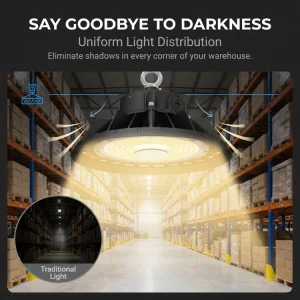
Modern distribution warehouses require narrow, symmetric, or asymmetric optical distributions (typically 60°, 90°, or 120° beam angles) to focus light along racking aisles while preventing glare. Implementing polycarbonate or tempered glass lenses with low-glare properties (UGR < 22) reduces eye strain for forklift operators, improving warehouse safety and picking accuracy.
Integrating 0-10V, DALI-2, or Zigbee/Bluetooth wireless protocols allows facilities to implement daylight harvesting, occupancy sensing, and scheduled dimming profiles. Utilizing robust drivers capable of handling input swings (100V-277V or 347V-480V) and featuring built-in 4kV-10kV surge protection is essential for ensuring reliable operation in volatile industrial environments.
Procuring industrial lighting at an enterprise level requires balancing performance metrics with financial constraints. Engineering contractors, project developers, and international distributors evaluate products based on the Total Cost of Ownership (TCO), which includes purchase price, installation labor, energy consumption, and maintenance overheads.
For a warehouse operating 24 hours a day, a luminaire system with an efficacy of 150 lm/W compared to one with 120 lm/W can yield thousands of dollars in annual energy savings. Furthermore, project developers require extensive documentation to verify international compliance: LM-79 reports for optical performance, LM-80/TM-21 data for lumen maintenance over time, and safety certifications such as CE, RoHS, TÜV, and SAA. Partnering with a manufacturer that provides comprehensive photometrical layout support via DIALux simulations allows engineers to verify compliance with local workplace lighting standards (e.g., EN 12464-1) before placing orders.
The global dominance of China as the leading hub for commercial LED manufacturing stems from a highly integrated supply chain ecosystem. Unlike fragmented regional assembly operations, China's key industrial clusters—particularly in the Pearl River Delta (Guangdong)—provide immediate access to raw materials, optical design hubs, driver developers, and high-precision testing laboratories.
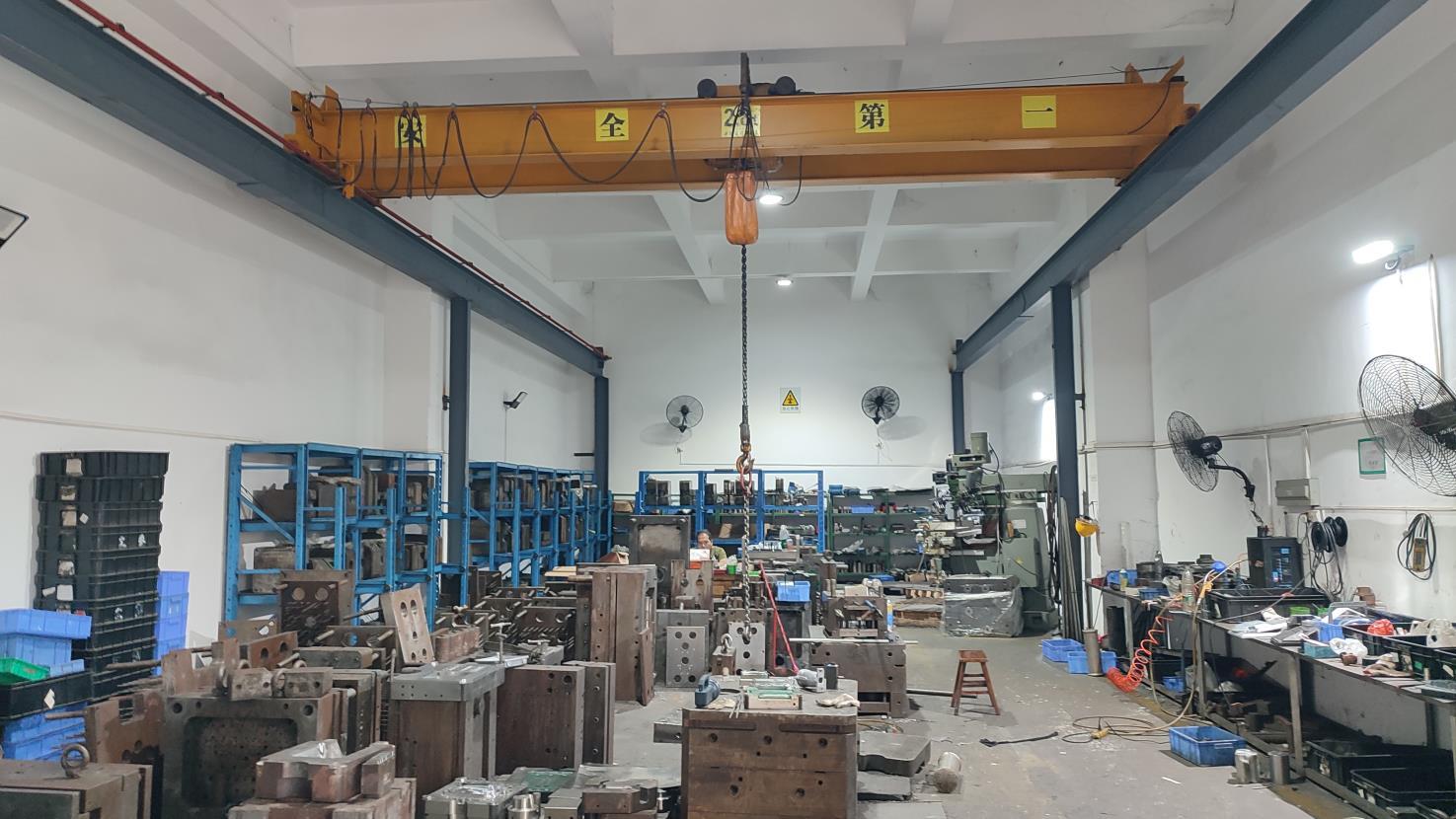
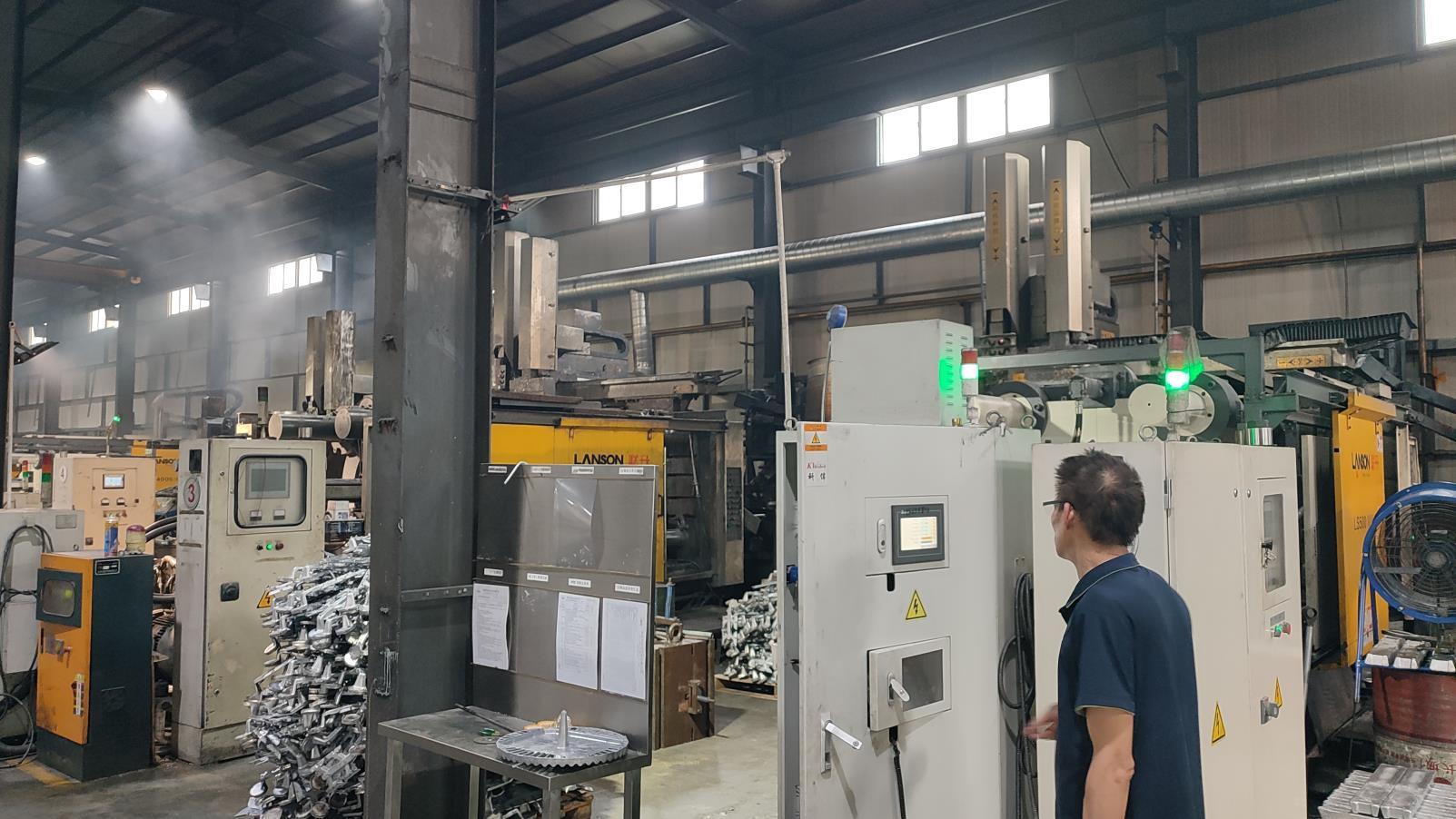
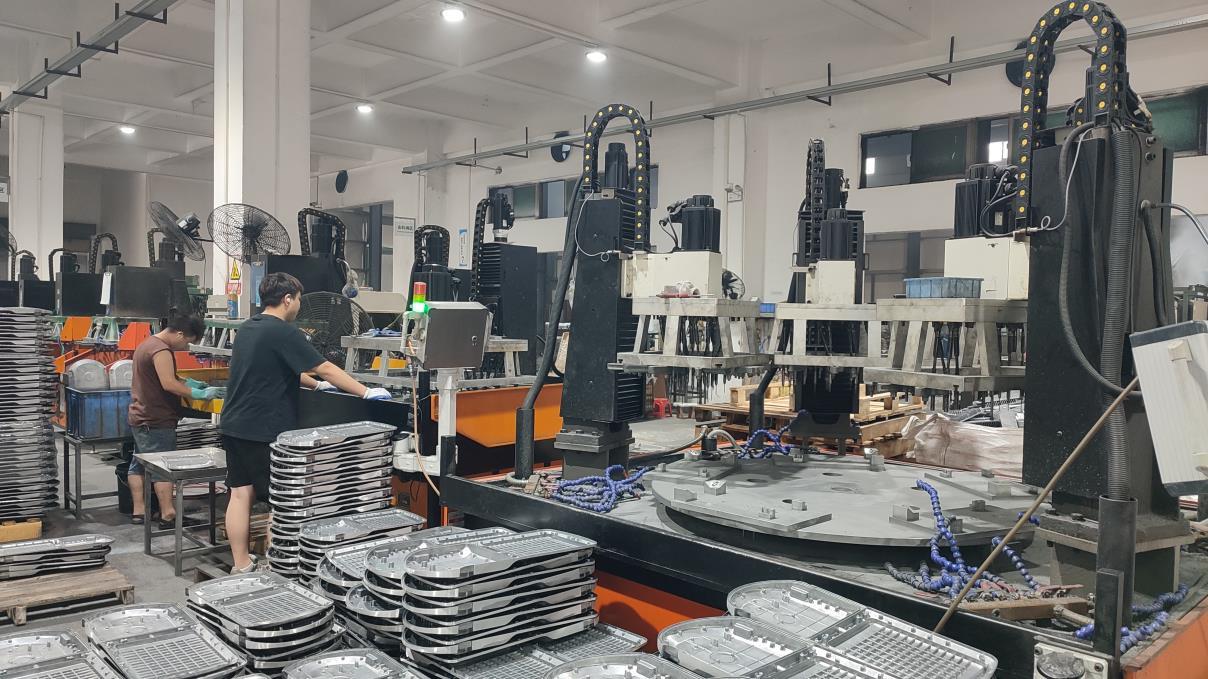
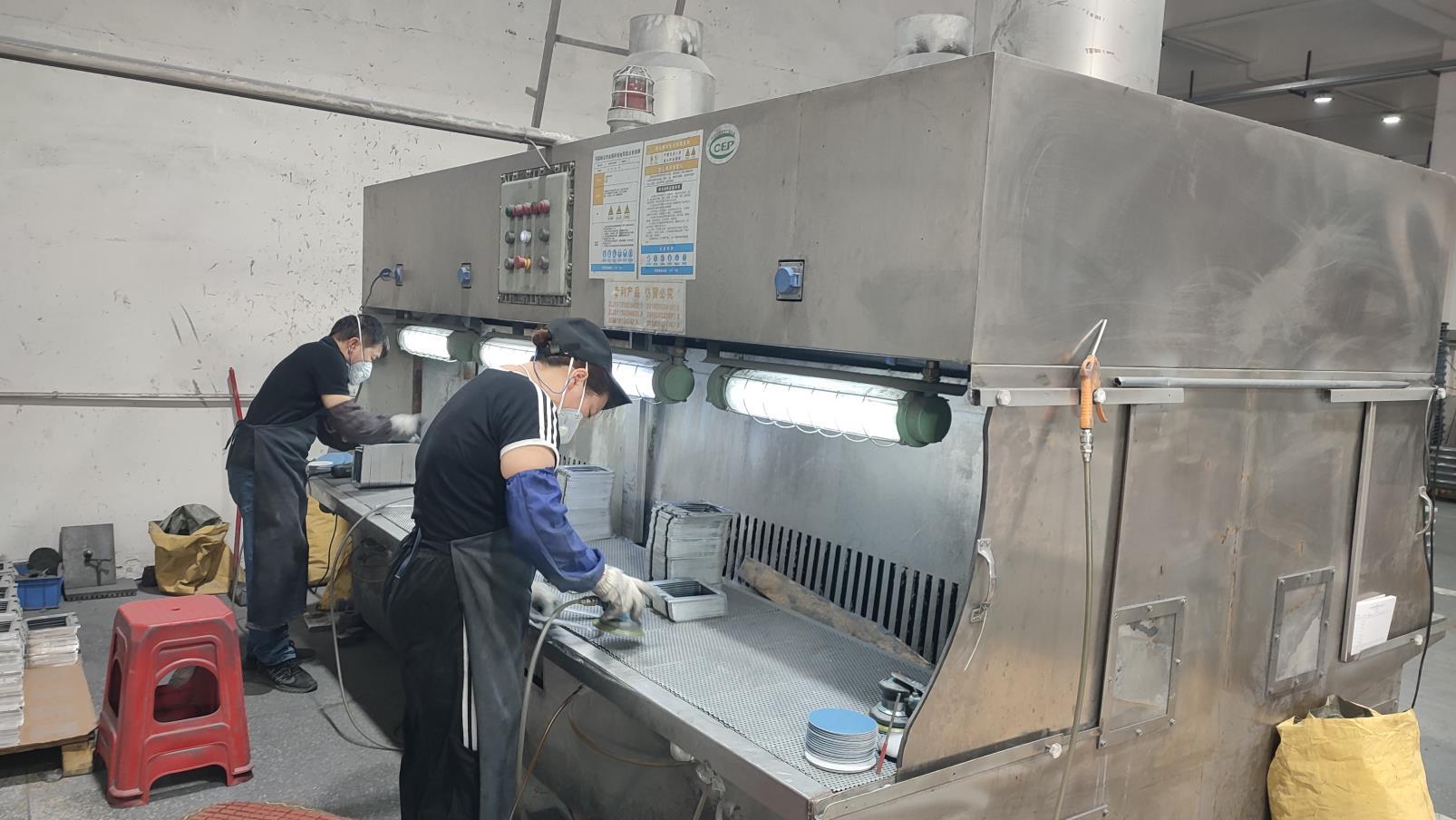
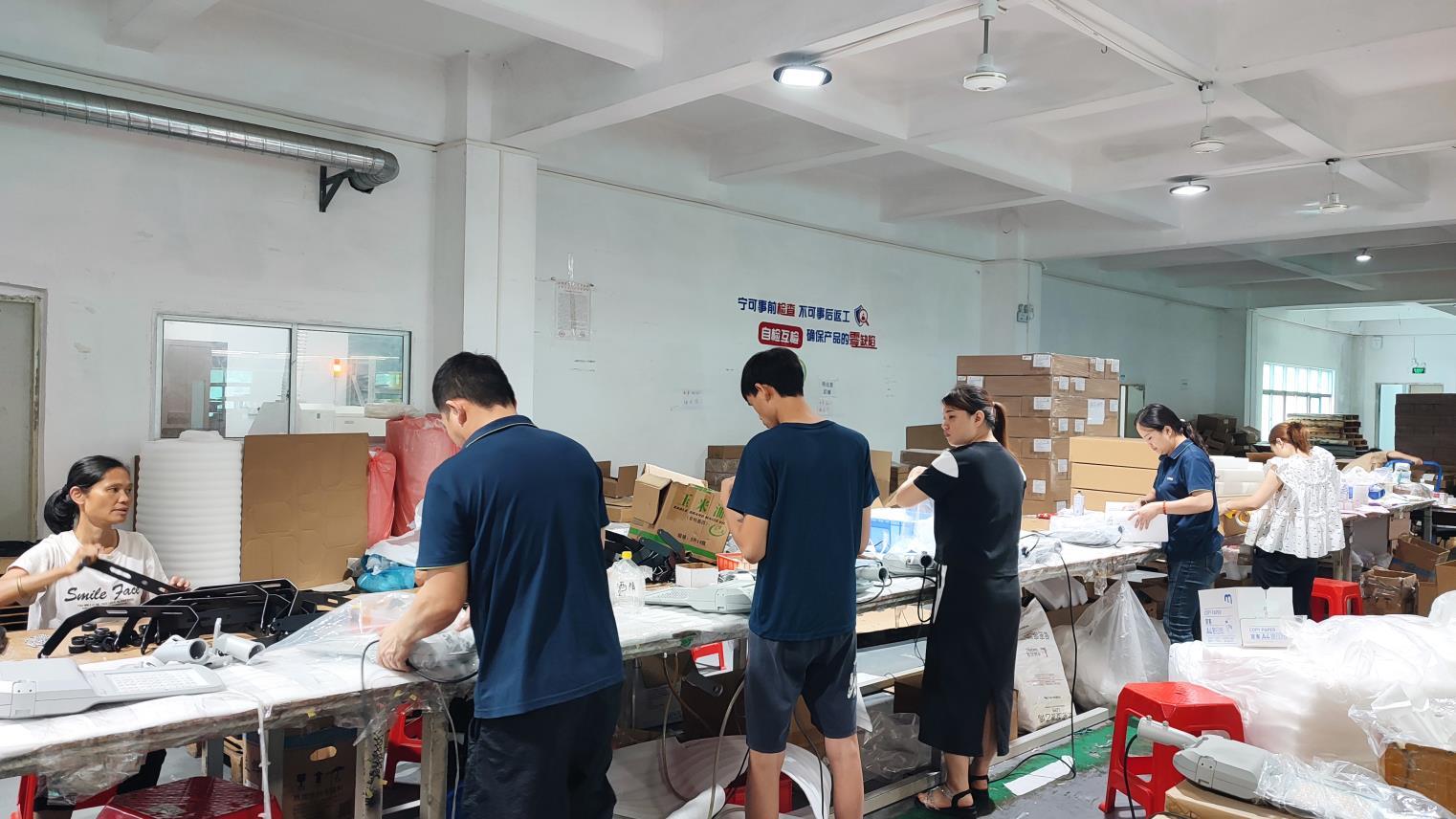
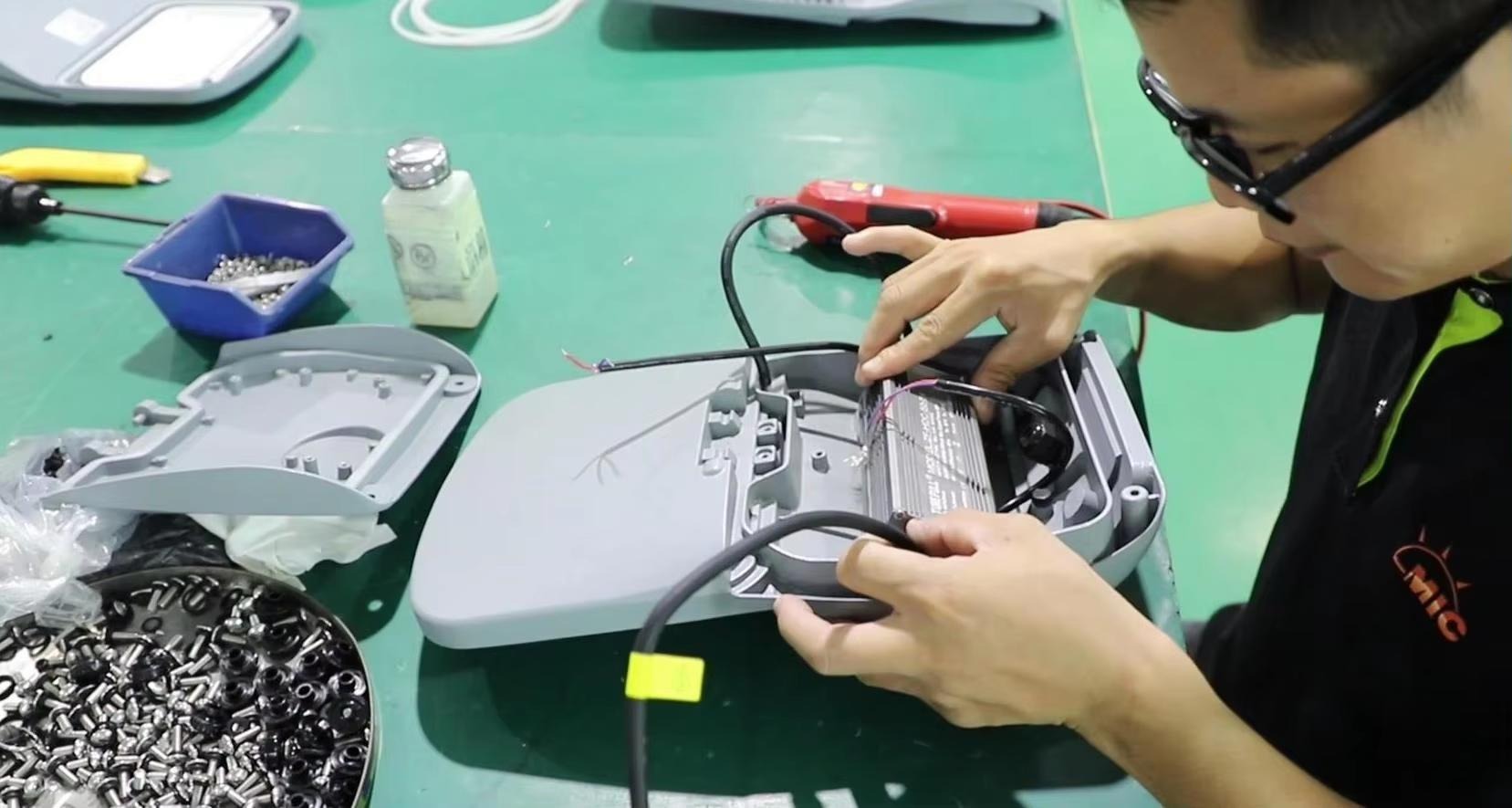
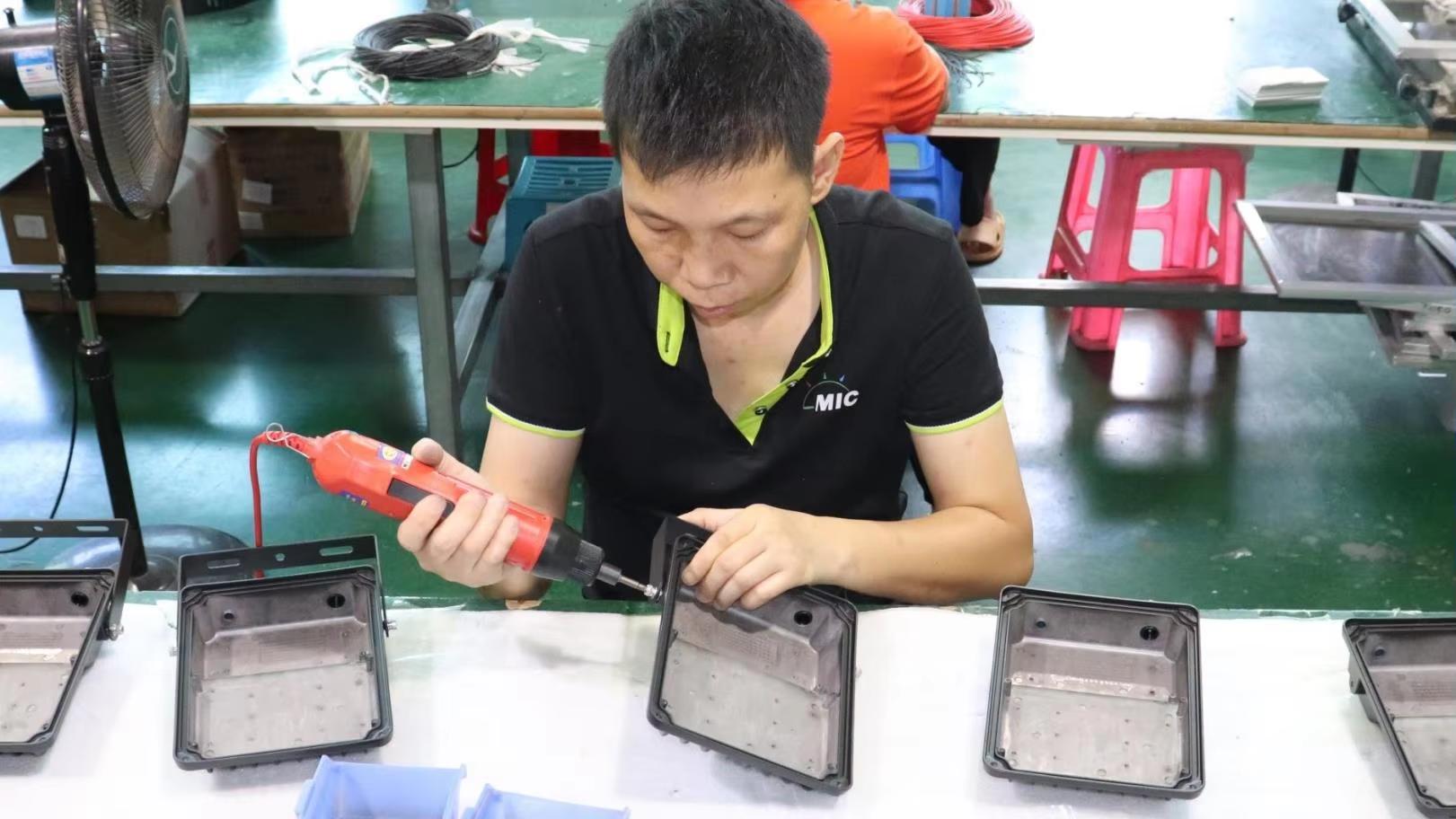
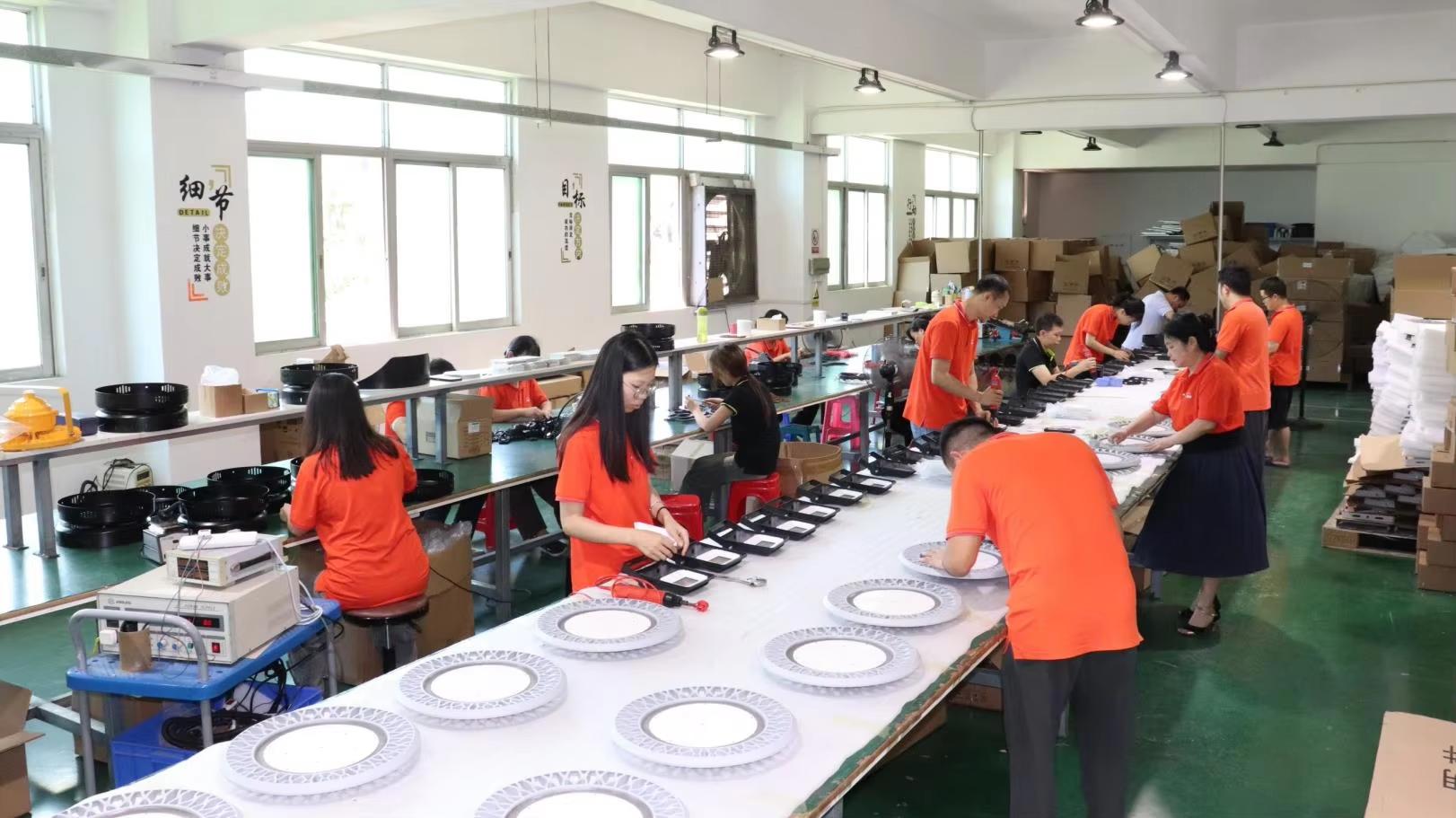
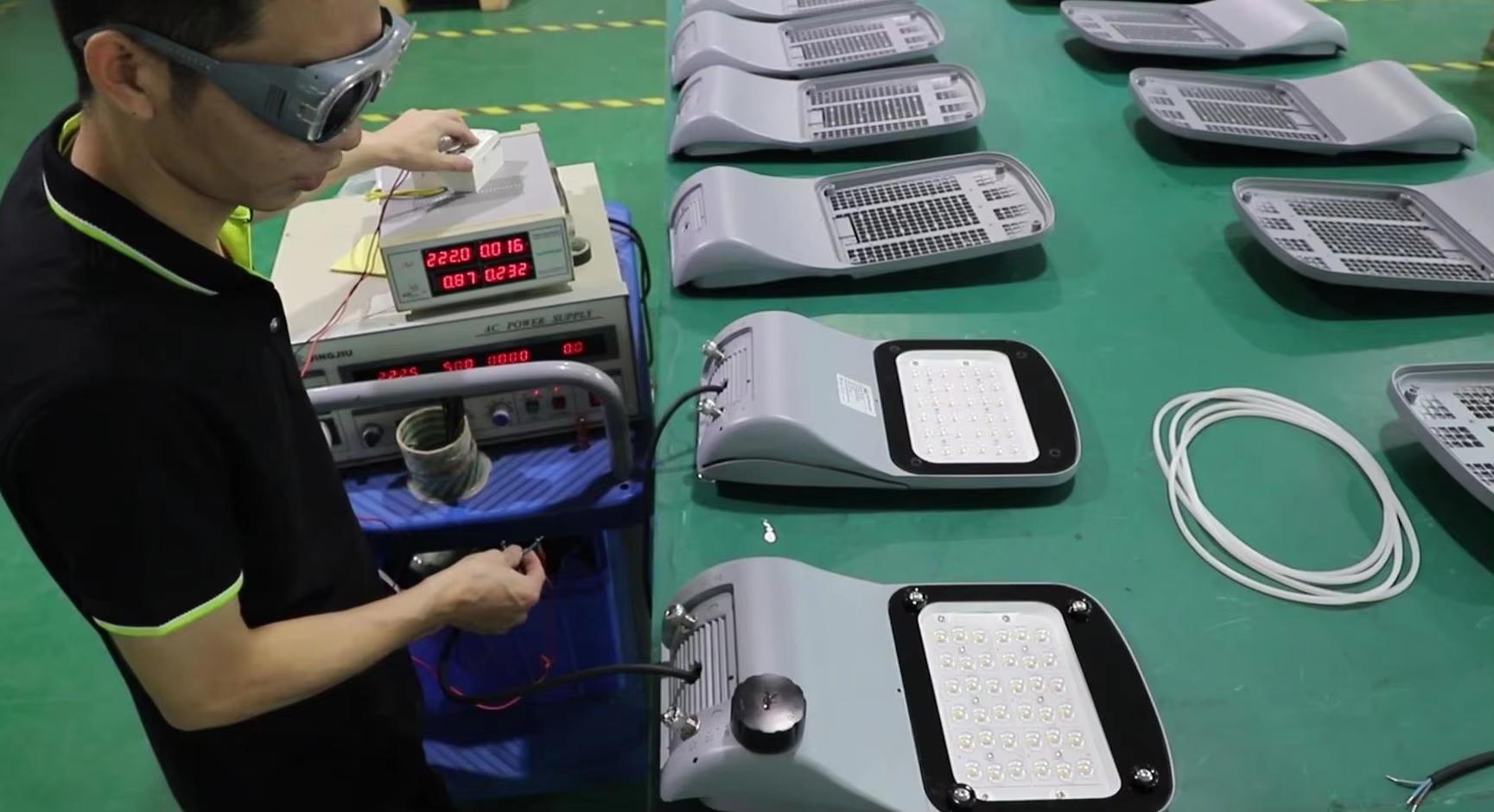
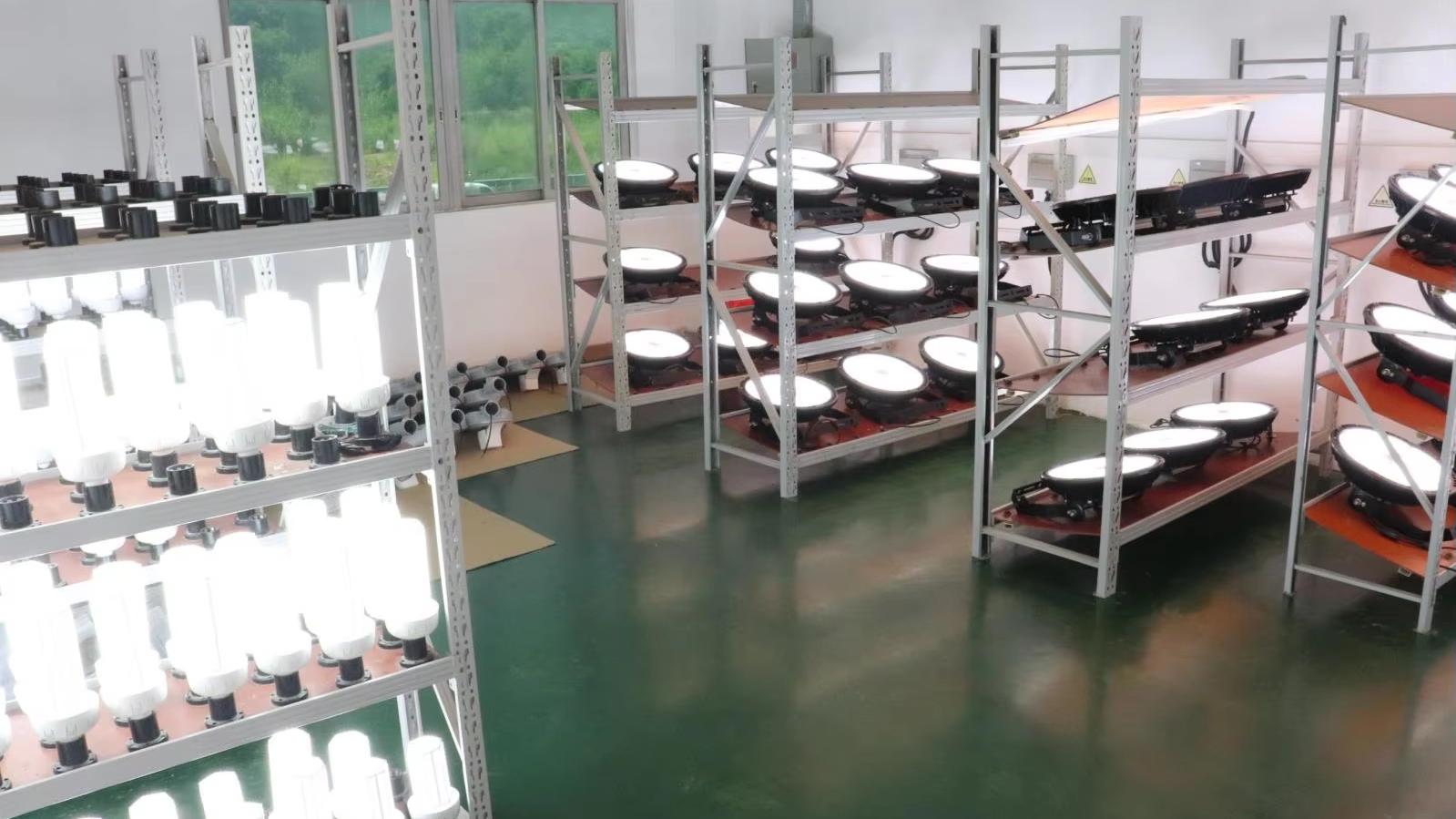
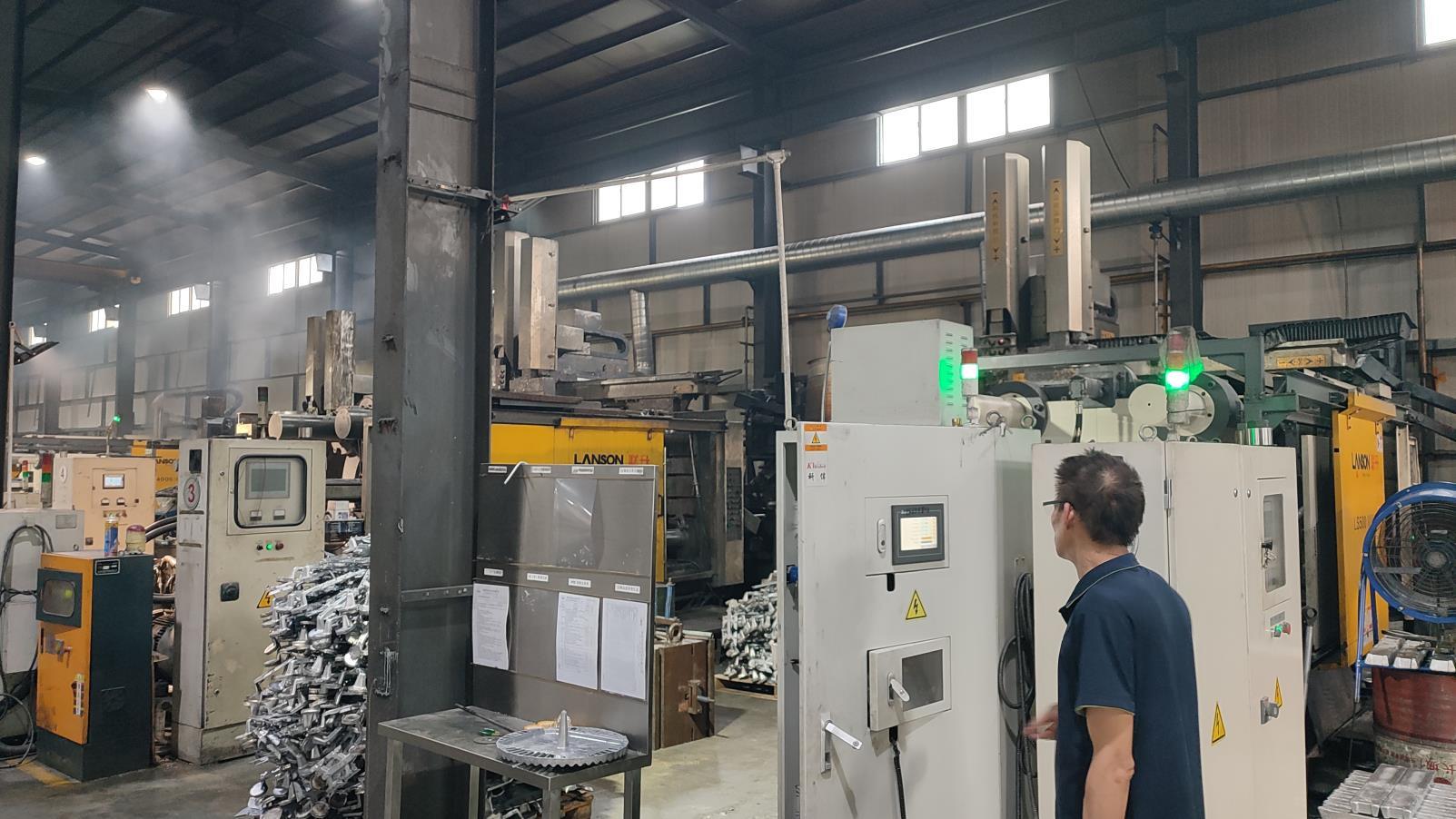
Under the "Factory 4.0" paradigm, manufacturers like Guangdong Lijah Light Co., Ltd. integrate advanced automation throughout their production lines. From high-pressure aluminum die-casting machines and automated CNC drilling, to surface-mount technology (SMT) for chip placement, automated assembly, and strict multi-hour thermal aging chambers, every manufacturing step is optimized for quality and speed. This vertical integration ensures supply chain resilience, allowing manufacturers to maintain stable pricing and lead times even during global logistics and raw material disruptions.
Different industrial environments present unique challenges. A standard LED high bay designed for a temperate assembly hall will fail prematurely if deployed in a cold storage facility or an outdoor logistics yard. Optimized deployments require matching specific technical configurations to the target environment:
Operating temperatures range from -20°C to -40°C. Standard LED luminaires suffer from driver failures due to condensation. Requirements include specialized low-temperature drivers, silicone seals, and high-efficiency chips that benefit from colder ambient temperatures to deliver higher output.
Environments with high dust, particulate concentrations, and high ambient temperatures. Requires IP65/IP66 ingress protection, robust cast aluminum housings, and remote driver configurations to isolate sensitive electronic components from extreme heat sources.
Demands excellent color rendering (CRI > 80/90) and flicker-free driver performance for high-definition sports broadcasting. High impact resistance ratings (IK08 to IK10) and protective wire cages are essential to withstand physical impacts from sports equipment.
Guangdong Lijah Light Co., Ltd. is a professional manufacturer specializing in the research, development, production, sales, and service of modern, energy-efficient, and intelligent LED lighting solutions. As a technology-driven enterprise, we are committed to providing innovative, reliable, and sustainable lighting products for industrial, commercial, and outdoor applications worldwide.
With years of industry experience, Lijah Light has become a trusted partner for distributors, wholesalers, contractors, and project developers across Europe, Oceania, Southeast Asia, the Middle East, and other international markets. By combining advanced manufacturing technologies with continuous product innovation, we provide customers with high-quality lighting solutions that deliver outstanding performance, long service life, and significant energy savings.
Innovation is the driving force behind our continued growth. Our experienced R&D team works closely with our engineering, marketing, and sales departments to develop advanced lighting solutions that meet the evolving demands of the global market. Through continuous investment in product development and technological innovation, we are able to introduce efficient, reliable, and intelligent lighting products that create greater value for our customers.
Quality is one of our core values. Our manufacturing processes are carried out under a strict quality management system to ensure every product consistently meets international standards. Our LED lighting products comply with CE and RoHS requirements, while many of our key products have also obtained internationally recognized certifications including TÜV, ENEC, VDE, SAA, C-Tick, CB, LM79, and LM80. These certifications demonstrate our commitment to product safety, environmental responsibility, and manufacturing excellence.
In addition to supplying high-quality LED lighting products, Guangdong Lijah Light provides professional lighting design support through DIALux simulation services. Our experienced engineers assist customers in optimizing lighting layouts, improving energy efficiency, and selecting the most suitable lighting solutions for industrial, commercial, and outdoor projects, helping to reduce installation costs while maximizing lighting performance.
Driven by continuous innovation and a commitment to excellence, Guangdong Lijah Light Co., Ltd. is dedicated to becoming a globally recognized brand in industrial and commercial LED lighting. We will continue to develop smarter, greener, and more energy-efficient lighting solutions that help customers reduce energy consumption, improve operational efficiency, and create safer, more sustainable environments for the future.
Guangdong Lijah Light Co., Ltd. — Lighting the Future with Innovation, Quality and Reliability.
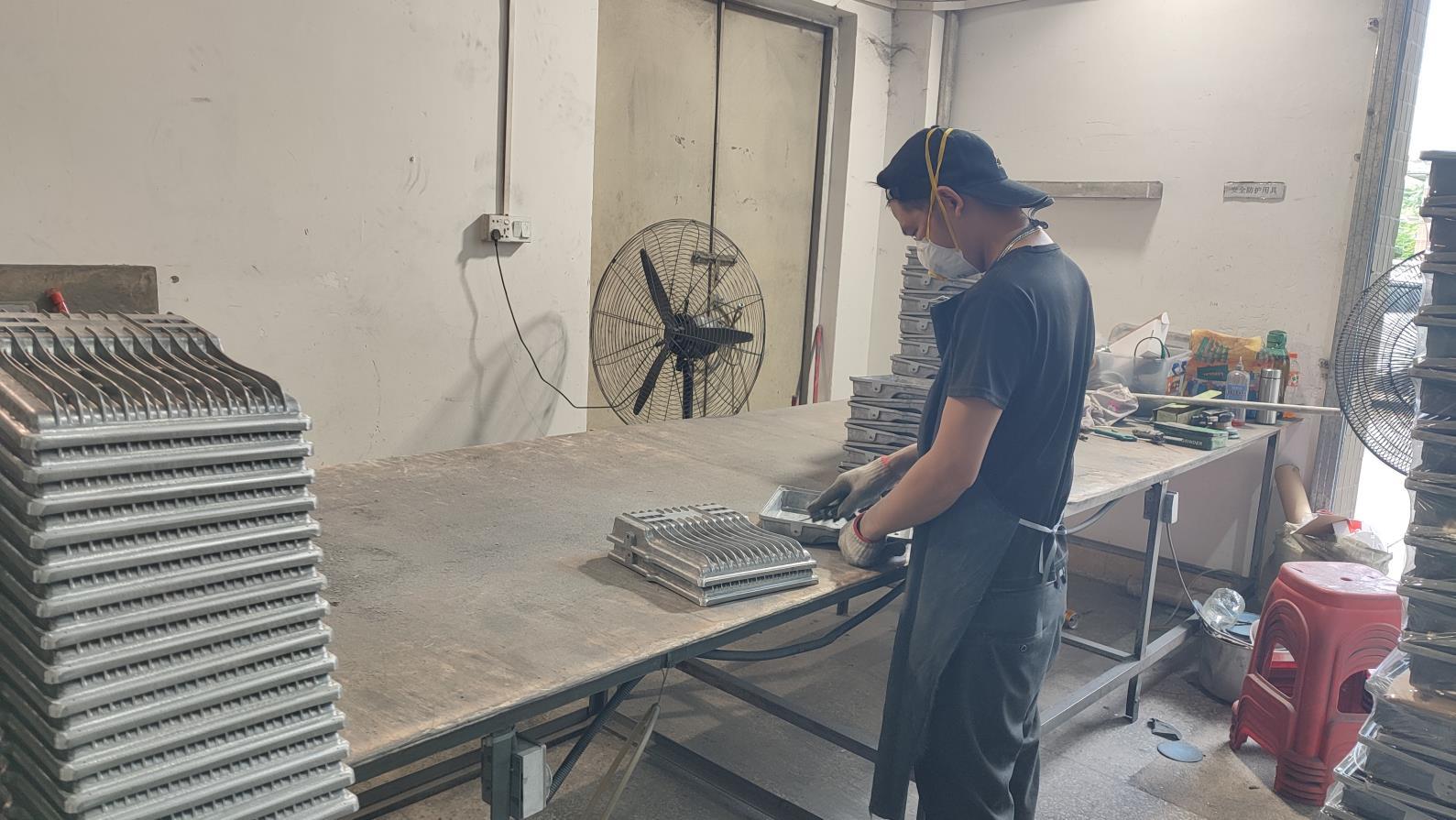
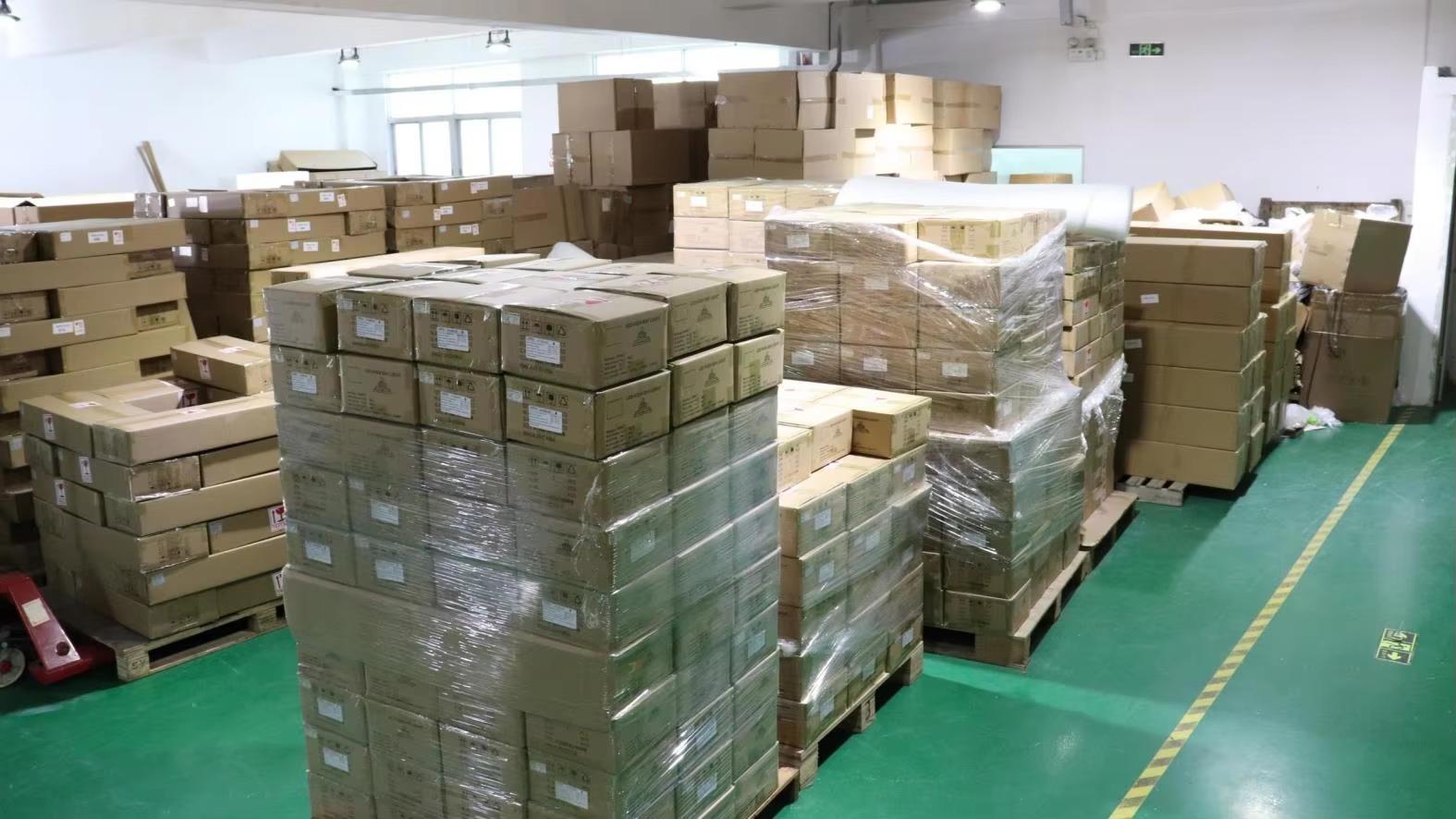
Physical proof of our manufacturing capability, quality control, and vertical integration. Every step is rigorously monitored to meet international standards.
Technical answers to key inquiries regarding industrial LED high bays procurement, certification, and system customization.
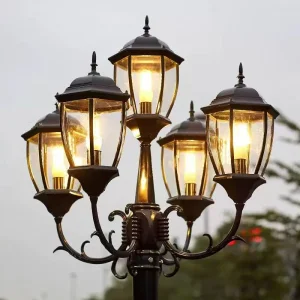
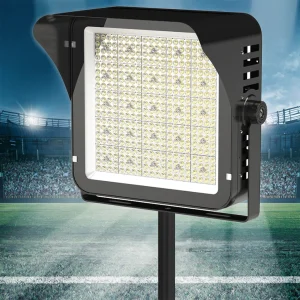
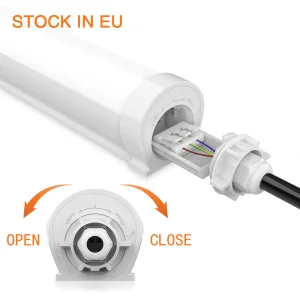
Browse our broader range of high-performance floodlights, tri-proof lights, and customizable architectural lighting solutions.
 Lijah Light