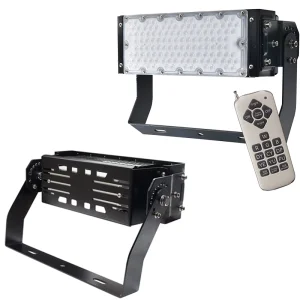
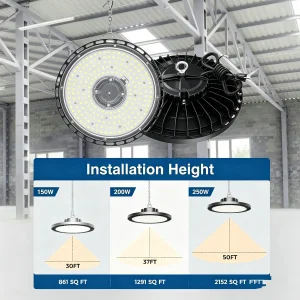
Engineered for high performance, thermal management, and long-term operating efficiency in rigorous architectural environments.
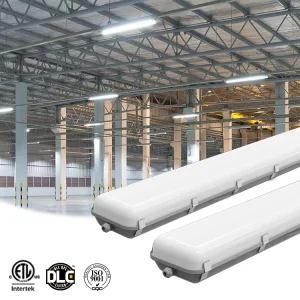
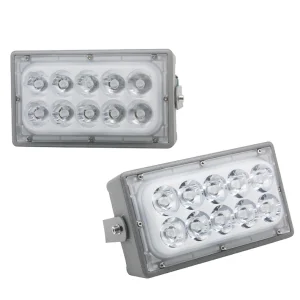
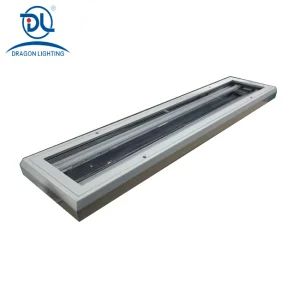
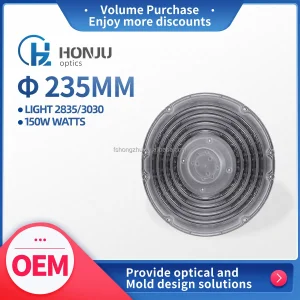
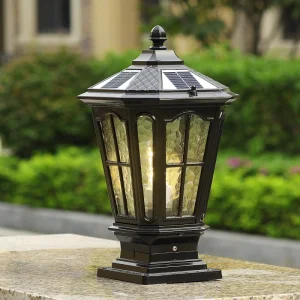
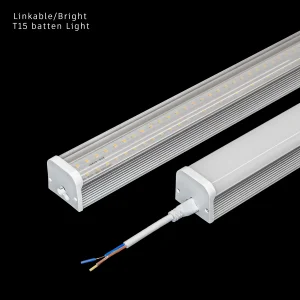
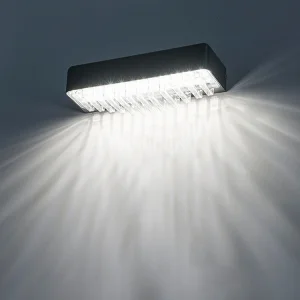
The industrial and commercial sector is undergoing a monumental paradigm shift. No longer is lighting viewed as a simple utility; it is now recognized as a critical vector for carbon mitigation, human-centric performance, and architectural integration. Modern facilities require smart, solid-state lighting systems capable of dynamic CCT tuning, high-precision glare reduction (UGR < 19), and seamless communication through building automation systems (DALI-2, Zigbee, and PoE protocols).
Global procurement teams prioritize vendors capable of delivering custom optical configurations that mitigate eye strain, support biological circadian rhythms, and achieve luminous efficacies upward of 160 lm/W. From standard linear profiles to ultra-durable, vandal-resistant vapor tight enclosures for detention centers and heavy fabrication facilities, custom OEM capability is the dividing line between successful large-scale deployment and system failure.
Innovative B2B OEM & ODM Manufacturer Redefining Commercial and Industrial Illumination
Guangdong Lijah Light Co., Ltd. stands as a premier technology-driven enterprise specializing in the research, engineering, manufacturing, and distribution of intelligent, high-efficiency indoor LED solutions. Our client base spans distributors, architectural lighting designers, general contractors, and multi-national procurement groups across Europe, Oceania, Southeast Asia, and the Americas.
We solve the fundamental challenges of modern lighting by aligning our core competencies with strict international standards. By integrating in-house product simulation (DIALux) with rigorous laboratory validation (testing for IP rating, thermal profiling via LM-79, and long-term lumen maintenance via LM-80), we assure our partners that each production batch delivers reliable performance in heavy-duty operating environments.
| Performance Metric | Engineering Target / Compliance Standard | Operational Benefit for B2B Buyers |
|---|---|---|
| Luminous Efficacy | 140 - 160 lm/W (Option-dependent) | Reduces direct operational power overhead by up to 65% compared to legacy HID/FL. |
| Color Consistency | SDCM < 3 (Standard) | SDCM < 5 (Maximum) | Eliminates visible visual mismatch between adjacent light modules. |
| Ingress & Vandal Resistance | IP65, IP66 | IK08 to IK10 Rating | Withstands high-pressure washdowns, corrosive atmospheres, and mechanical impacts. |
| Control Protocols | DALI-2, 0-10V Analog, PWM, Smart IoT (Zigbee/Bluetooth mesh) | Integrates seamlessly into Building Management Systems for automated load-shedding. |
A comprehensive overview of our physical production facility in Guangdong. Vertically integrated processes prevent defects and ensure on-time global supply logistics.
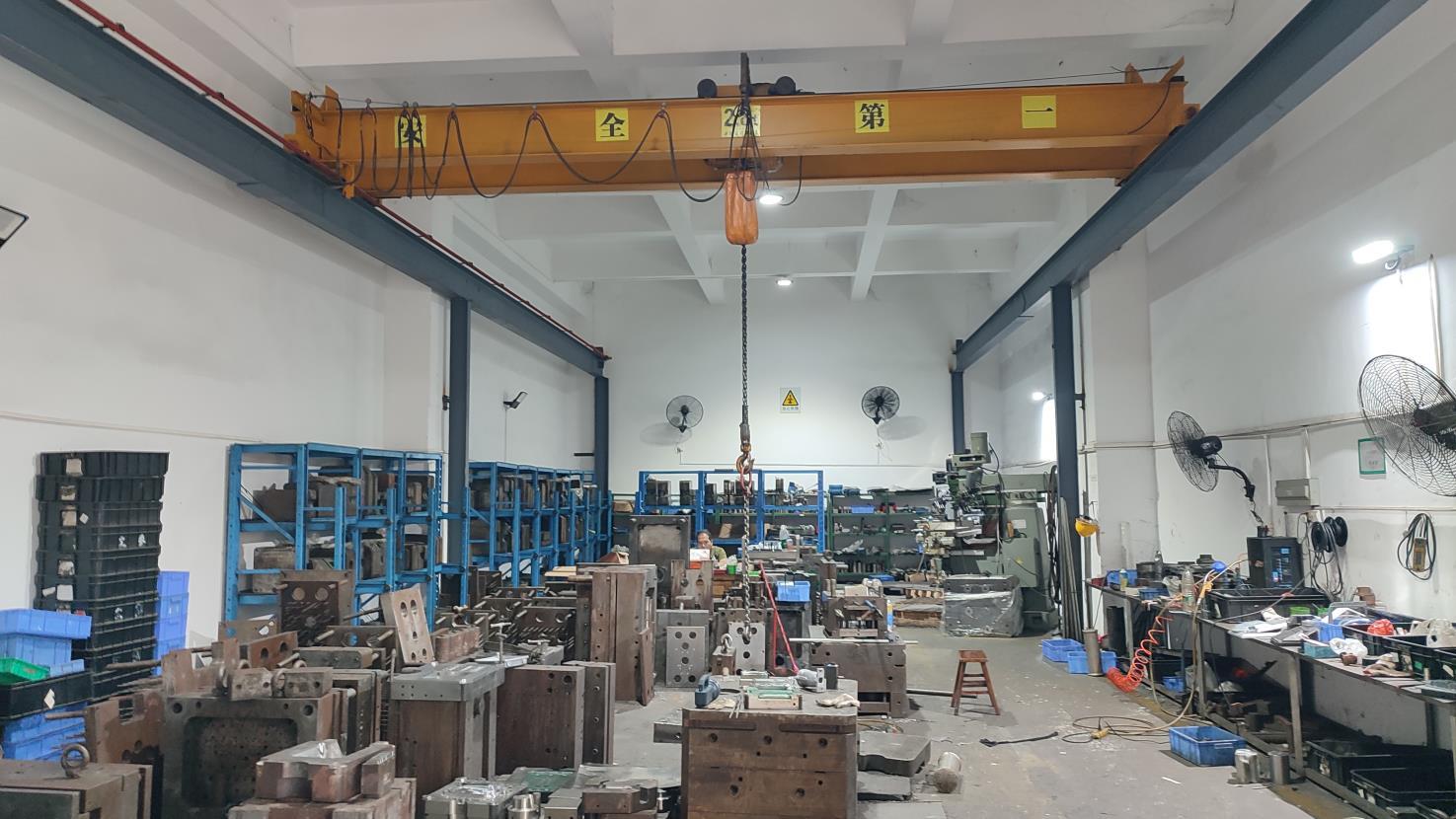
High-precision structural steel molds are engineered to guarantee tight physical dimensional tolerance values.
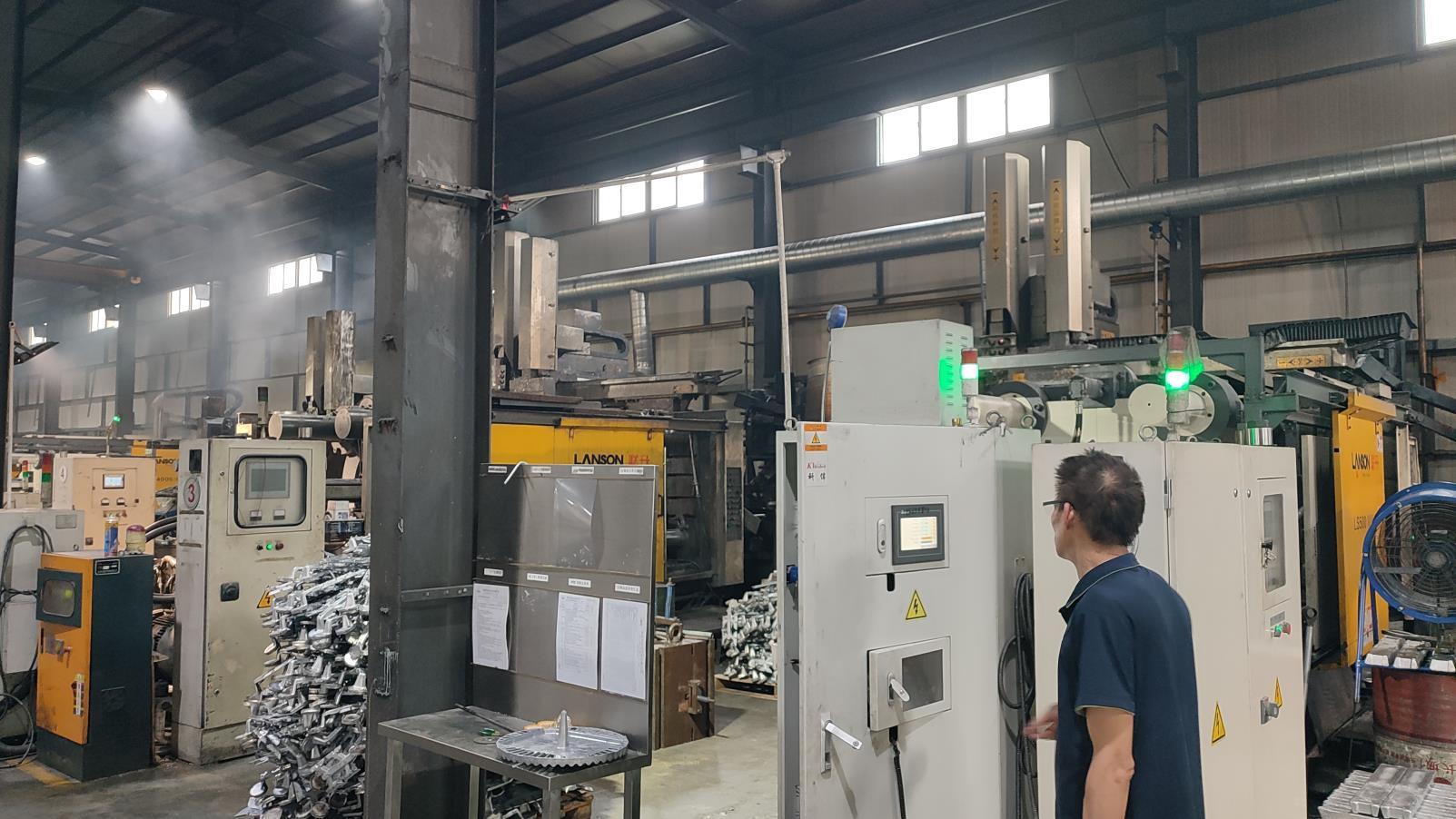
Melted aluminum alloy is injected under high pressure to construct high-density, thermally efficient driver and led enclosures.
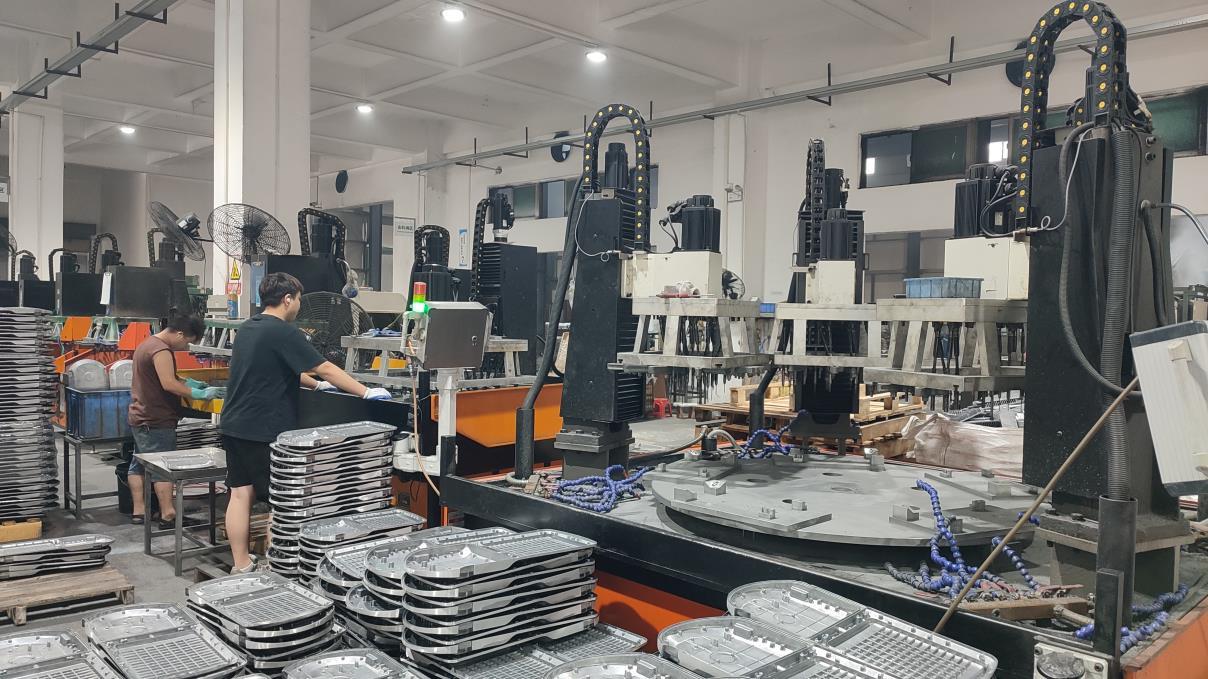
Multi-spindle automatic drills process the castings, securing uniform conduit wire-ways and precise mount channels.
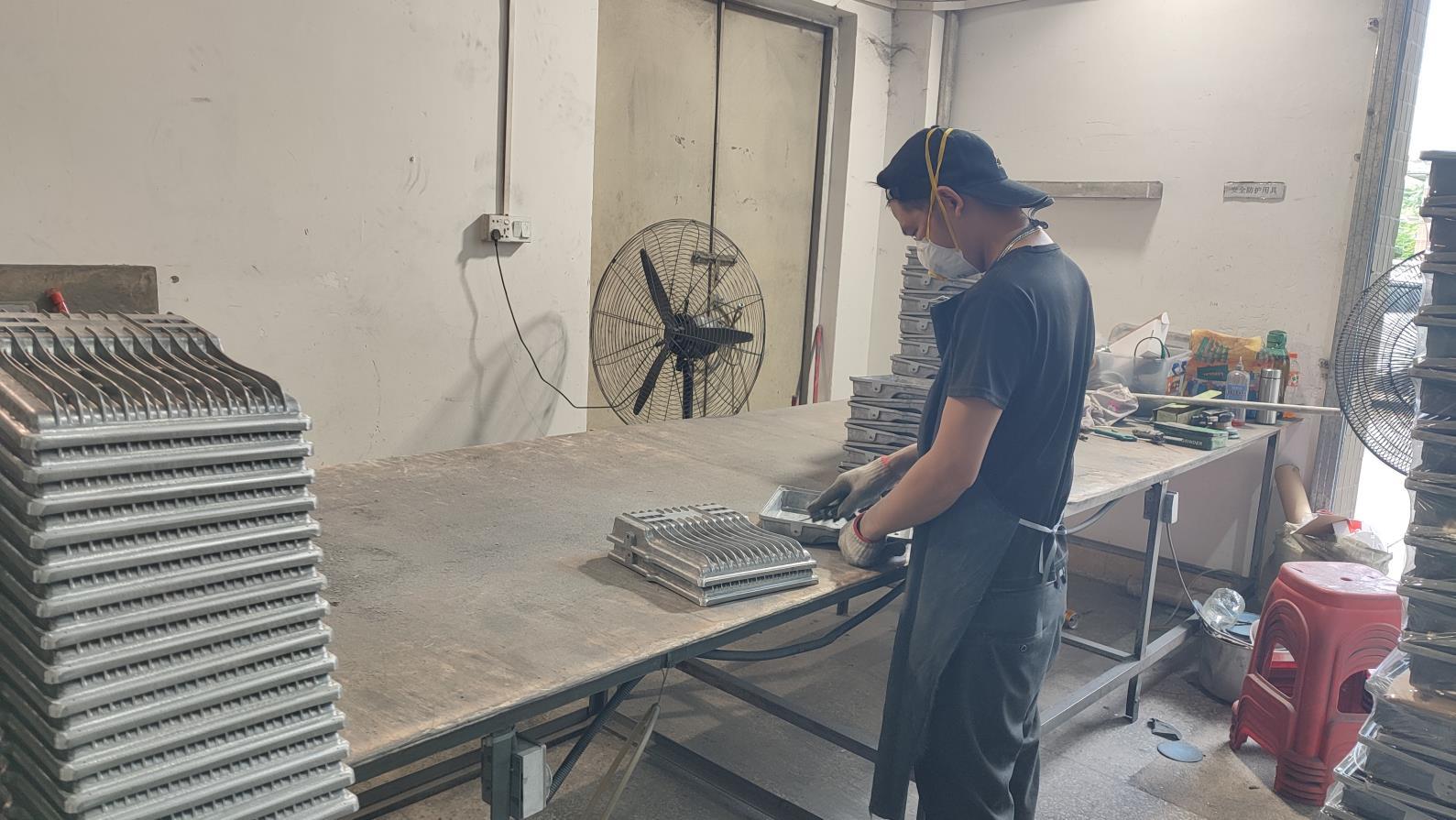
Removing excess casting flash to establish smooth, safety-compliant surfaces and seamless modular seals.
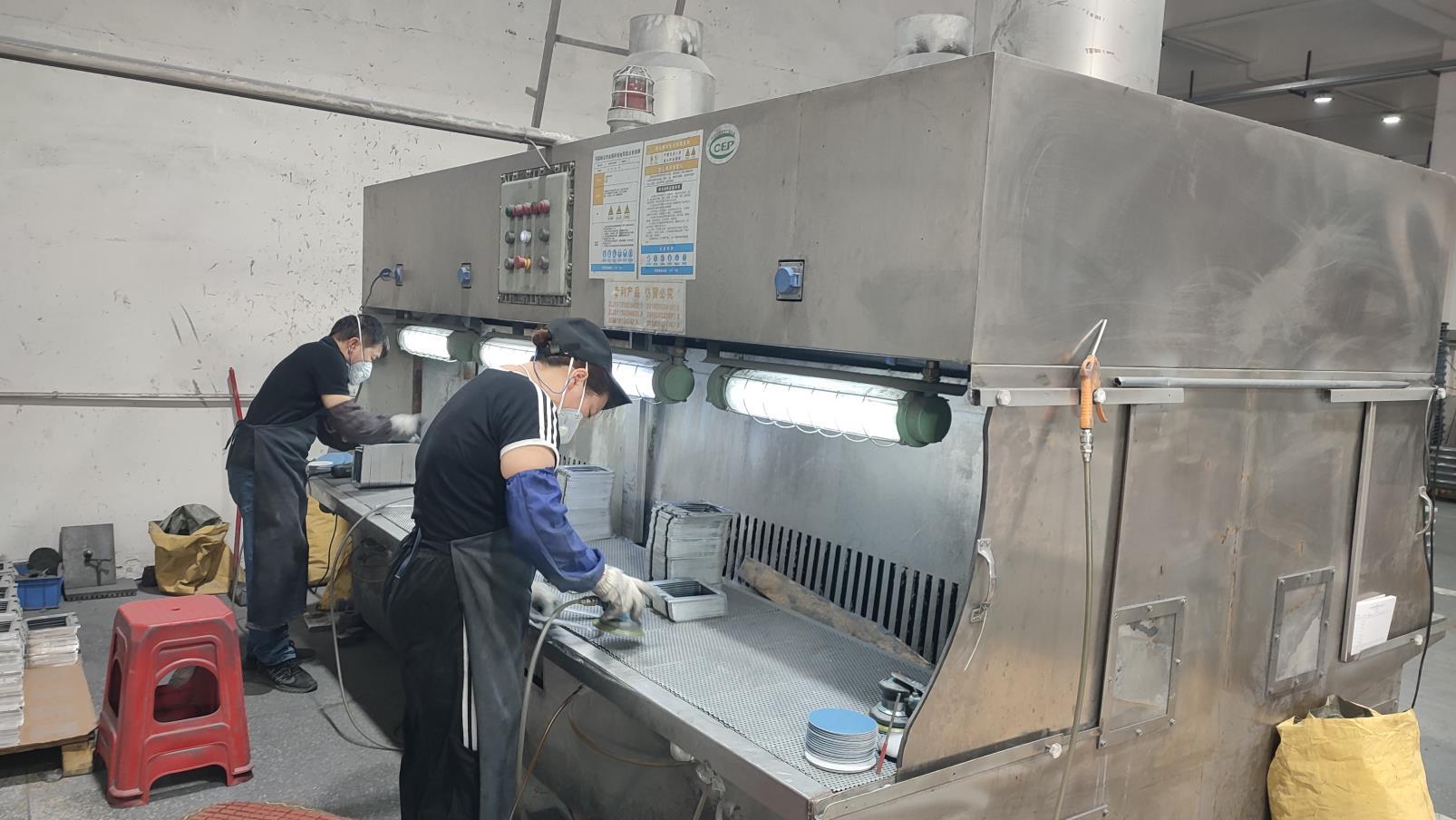
Mechanical buffing eliminates imperfections, ensuring uniform adhesion for subsequent anti-corrosion powder coating.
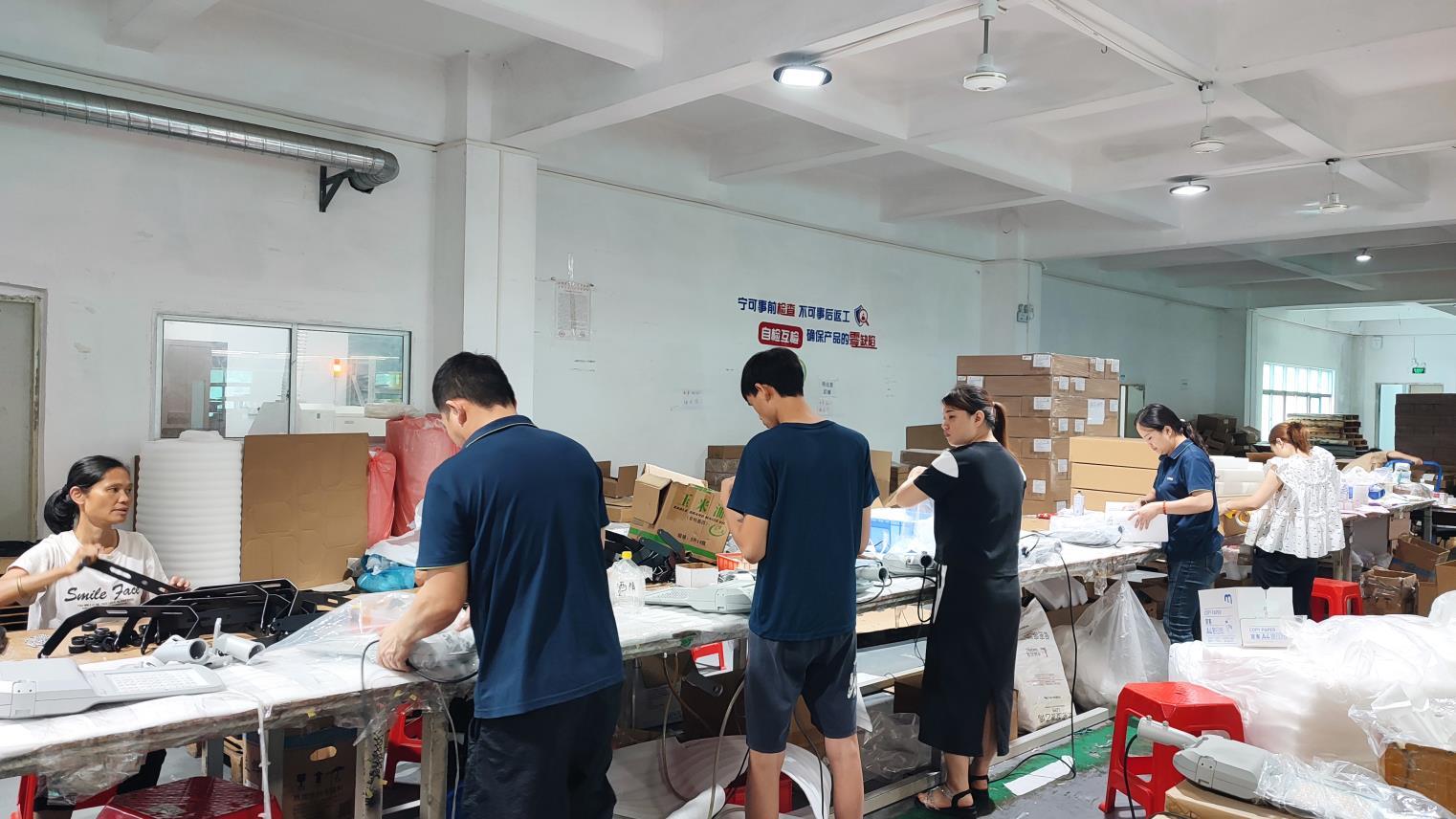
Housings and metal assemblies are placed into protective storage bins to avoid microscopic surface damage before assembly.
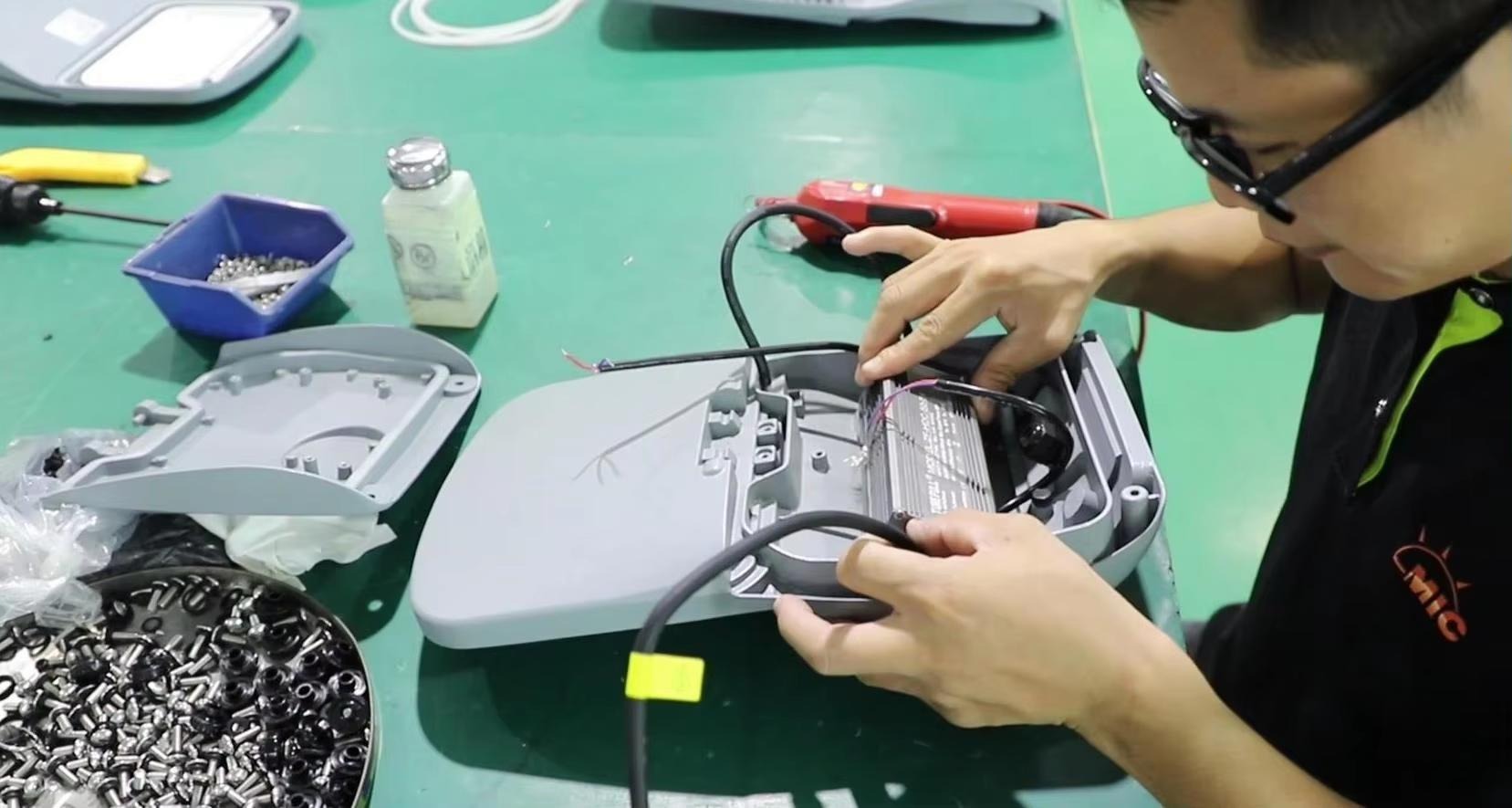
Mounting sub-components including high-transmittance PC lenses, optical reflectors, and industrial-grade power units.
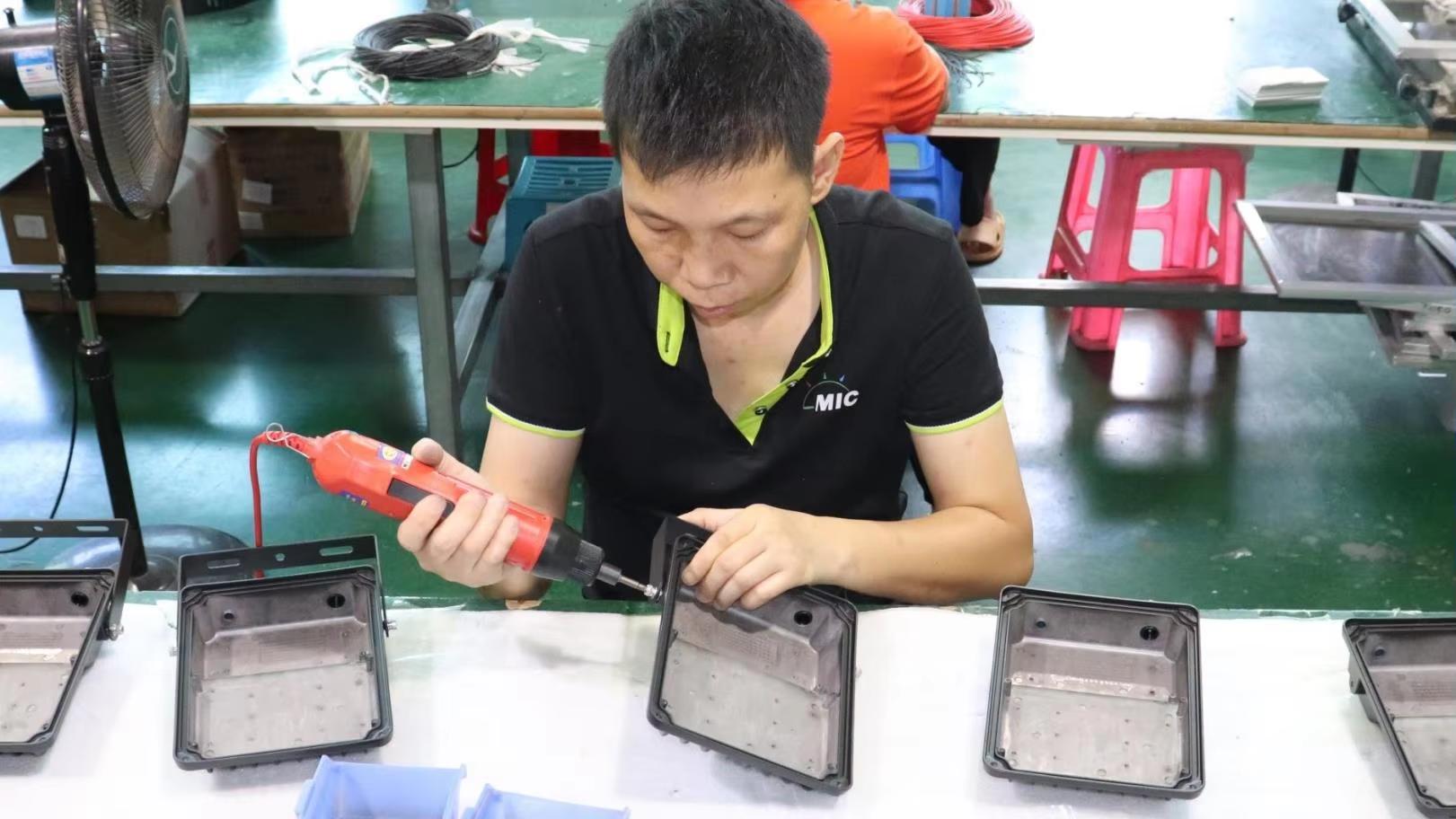
Precise mounting of SMD PCB board arrays using high-conductivity thermal paste to enable continuous heat dissipation.
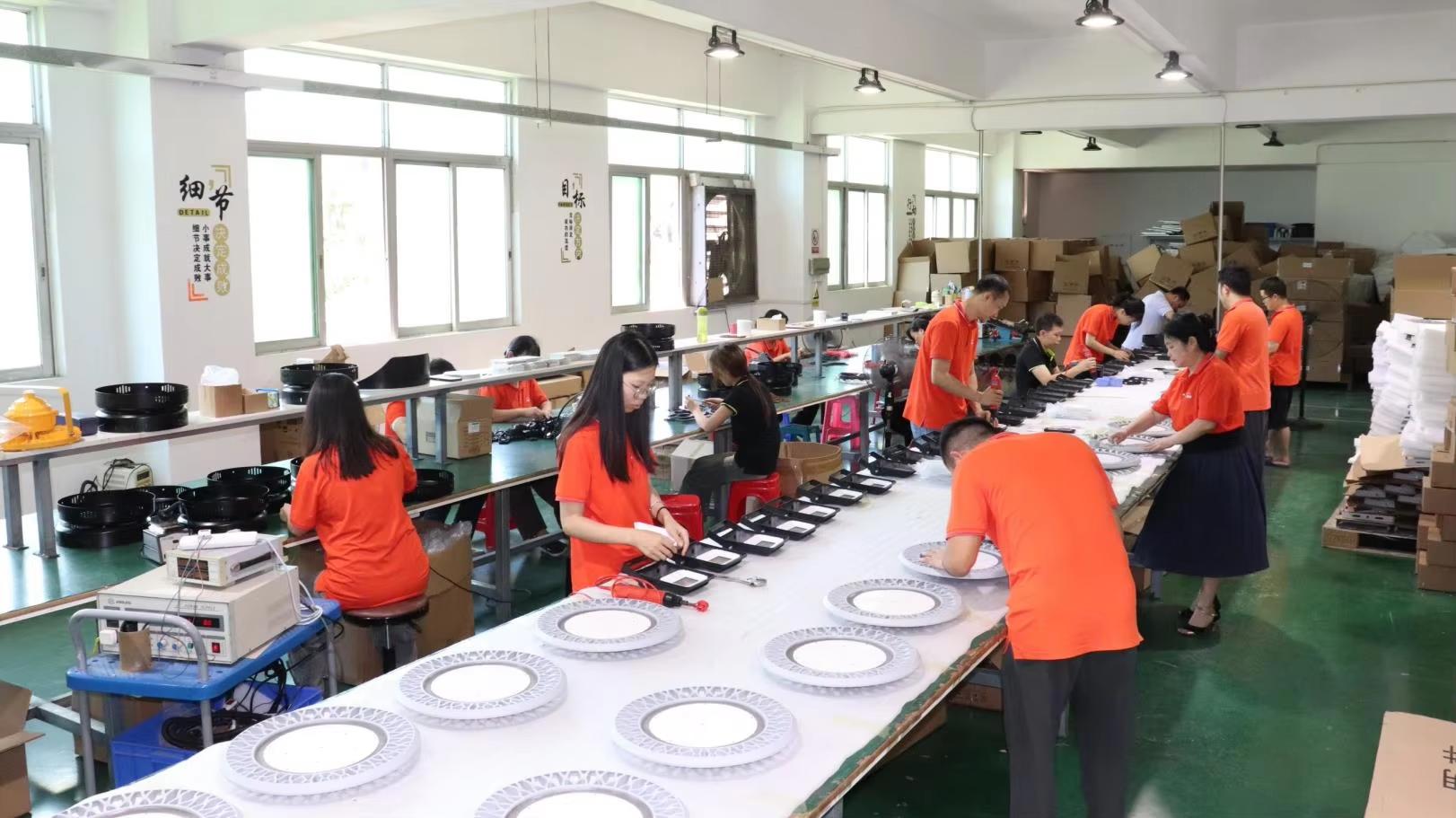
Final casing integration, wire routing, terminal block installation, and gasket alignment for IP protection levels.
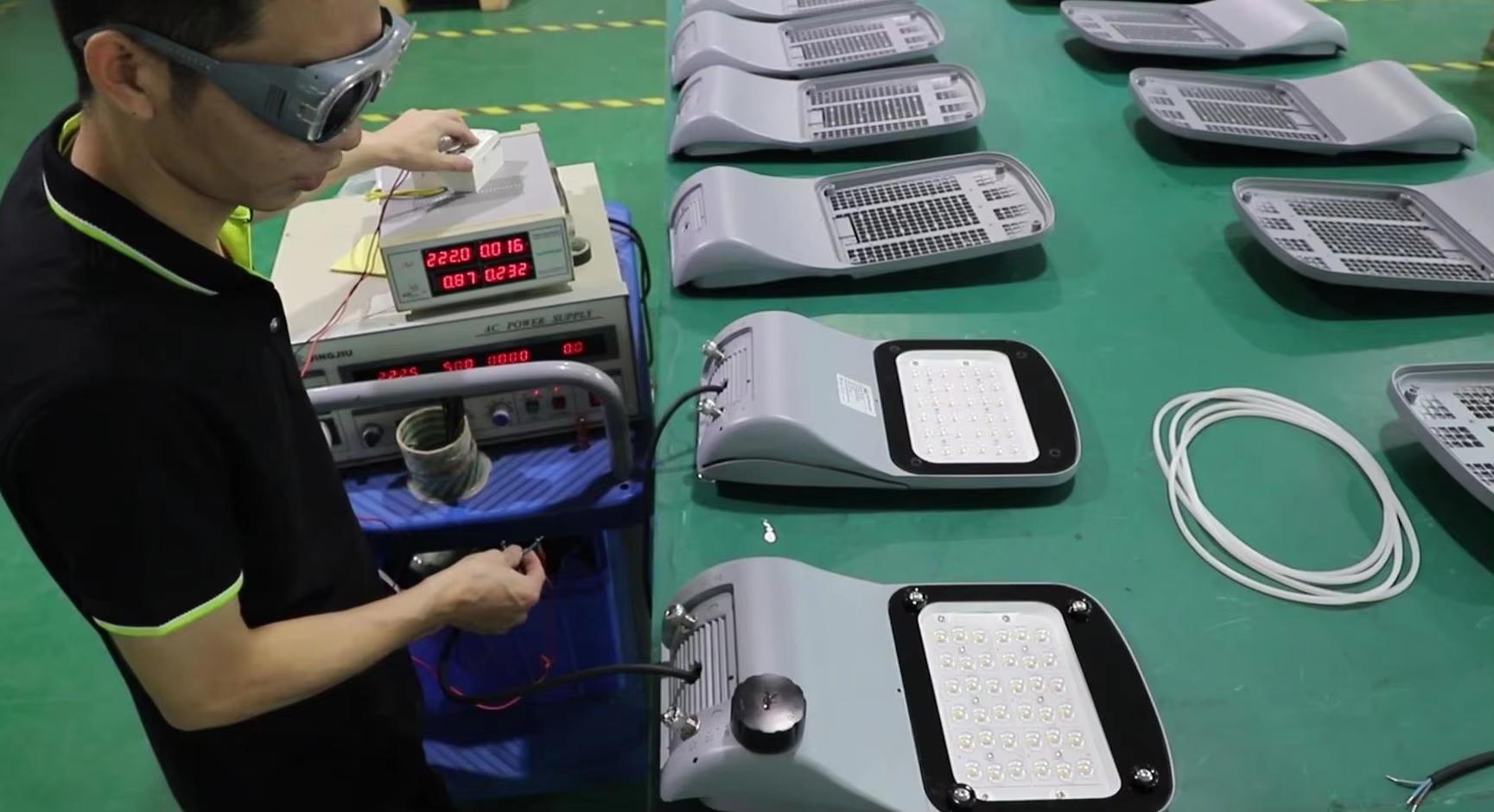
Quality inspectors evaluate driver output, insulation resistance, color consistency, and dimming curves via digital oscilloscopes.
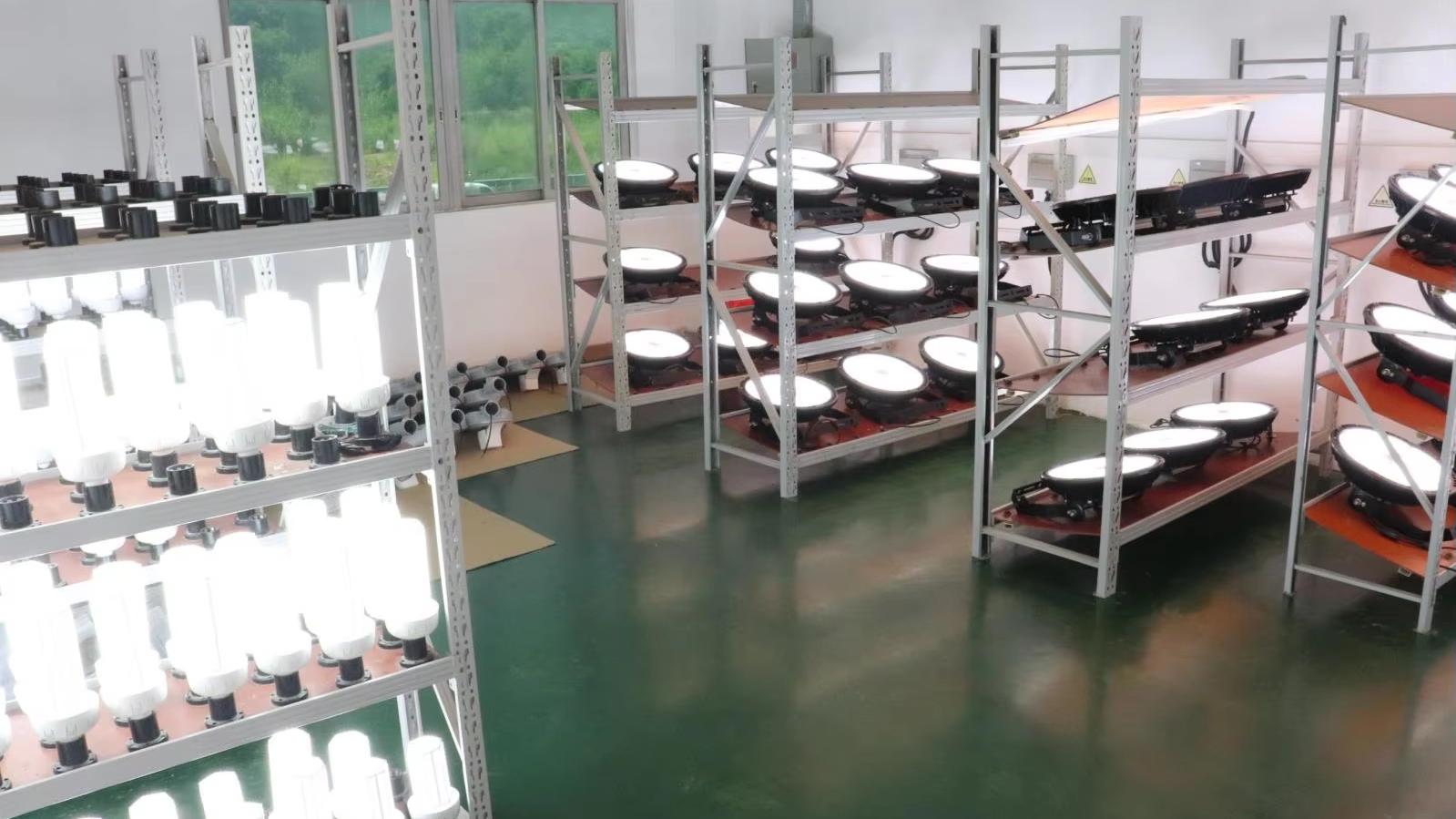
Every finished batch undergoes a 24-48 hour continuous active burn-in test to guarantee component structural longevity.
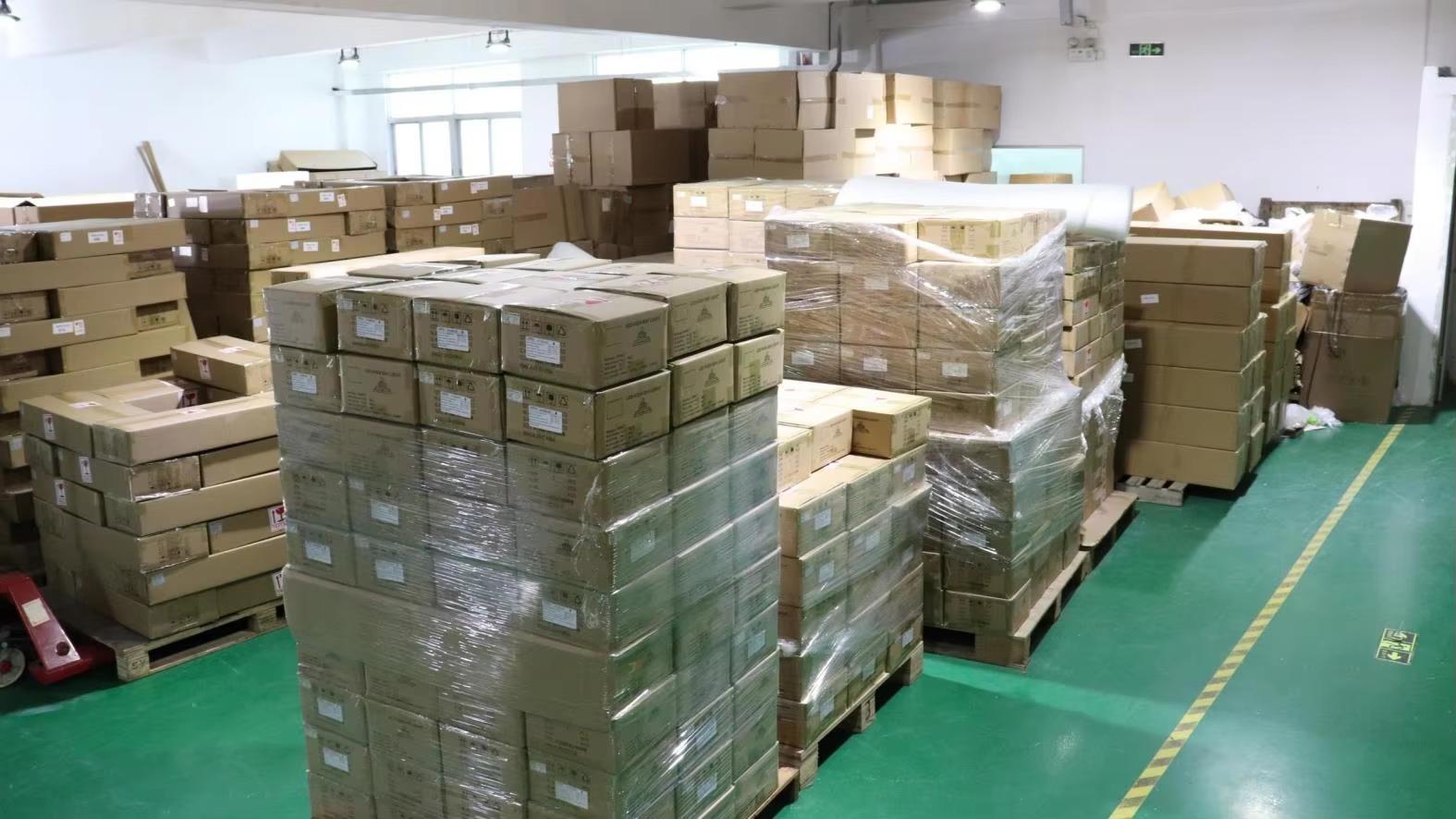
Finished inventory is protected in moisture-barrier cartons, palletized, and stored in our heavy-load logistical zone.
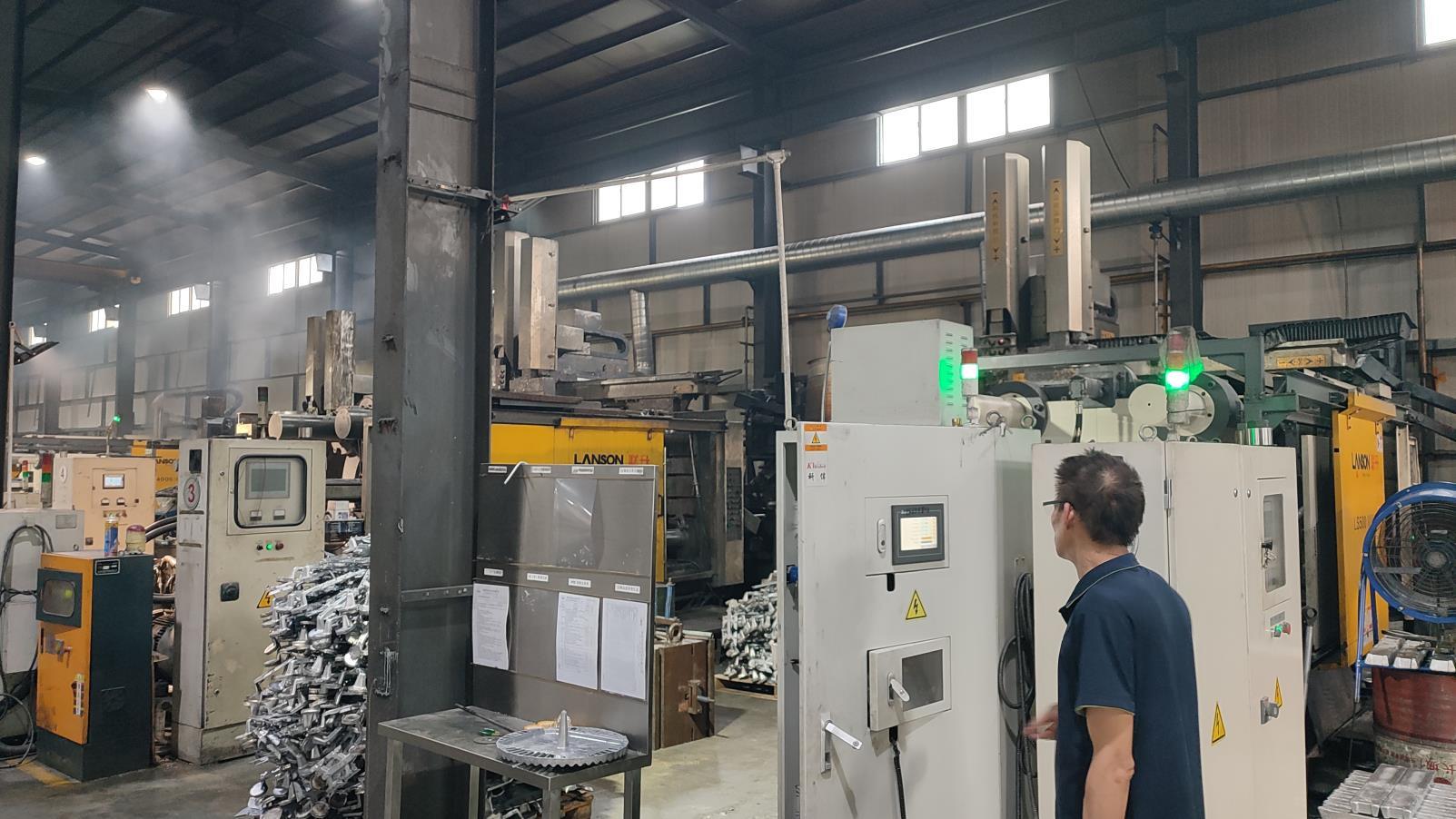
High-tonnage cold chamber die-casting machinery that serves as the manufacturing foundation for OEM volume production. It enables structural integrity and heat dissipation, keeping failure rates below 0.2%.
Our architectural lighting solutions are engineered to conform to strict performance metrics. To maintain safety compliance and quality assurance, we perform DIALux photometric calculations beforehand, validating target lux layouts, glare calculations, and spatial distribution patterns. By integrating certified driver components with robust mechanical housing, our products prevent unexpected maintenance costs and early system degradation.
Traditional indoor luminaires deteriorate rapidly under continuous operation if the junction temperature of the LED chip exceeds 85°C. At Lijah Light, we use high-conductivity aluminum alloys combined with built-in convection fins to minimize thermal resistance. This ensures the chip junction temperature remains below 65°C even in 45°C ambient temperatures, extending product life to over 50,000 hours (L80B10).
We source drivers from industry-recognized manufacturers such as MeanWell, Inventronics, and Tridonic. These units include transient surge protection (up to 6kV), low total harmonic distortion (THD < 10%), and flicker-free 0-10V/DALI dimming capability. This guarantees compatibility with modern smart city networks, commercial IoT controls, and correctional facility building systems.
Our specialized lighting configurations are deployed across several challenging industrial and commercial environments:
Answers to common questions from lighting engineers, project managers, and wholesale distributors.
We support customization across multiple parameters, including driver brand selection (MeanWell, Inventronics, Tridonic), color rendering index values (CRI > 80, CRI > 90), color temperature ranges (3000K, 4000K, 5000K, 6000K, and Tunable White), customized beam angles via interchangeable secondary optics, and physical body colors. We also design customized brackets and enclosures to fit retrofitted structural mounts.
We utilize in-house integrating spheres and goniophotometer systems to measure lumen output, luminous distribution, and chromaticity coordinates. We generate standard IES files, which are verified by third-party testing laboratories under LM-79 and LM-80 procedures. This ensures our products deliver certified, reliable performance data for architectural planners and engineering professionals.
Standard production lead times range from 20 to 30 days depending on component availability and customization requirements. Tooling design and prototyping for fully customized enclosures typically add 15 to 25 days. Every production run undergoes structural validation and testing before shipping from our warehouse.
Our products feature high-grade, anti-aging silicone gaskets and waterproof breathers. These components normalize pressure differences caused by temperature fluctuations, preventing moisture ingress and sealing failures. This ensures our vapor-tight and outdoor products maintain their IP65/IP66 ratings over years of operation.
Yes. Our engineering division provides complete DIALux simulation layouts based on your project files (DWG formats or dimensions). We supply average illuminance calculations, pseudo-color mapping, uniformity assessments, and UGR evaluations to support project specifications during the tender phase.
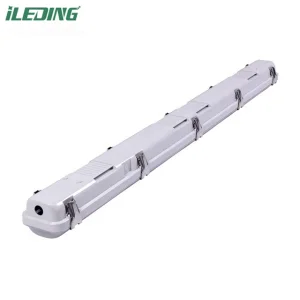
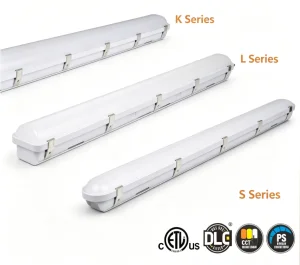
Engineered to withstand physical impacts, corrosion, and extreme weather in heavy commercial applications.
 Lijah Light