Explore our premium selection of industrial-grade directional luminaires, custom engineered to survive harsh operating parameters while ensuring maximum optical performance.
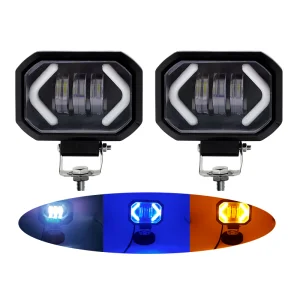
A premier global manufacturer specializing in the research, engineering, development, production, and worldwide sales of energy-efficient intelligent LED directional lighting systems.
Our dedicated engineering department integrates optical, thermal, and electrical domains, collaborating with global project developers to produce customized directional light fixtures.
We provide complimentary architectural, commercial, and industrial DIALux rendering to map exact lux distributions, prevent oversaturation, and minimize operational layout budgets.
Directional LED lighting represents a paradigm shift from traditional omnidirectional diffuse illumination. In heavy industrial, maritime, and large-scale architectural projects, redirecting light to precise surfaces determines operational efficiency, workplace safety, and energy conservation profiles. By focusing luminous flux inside specific angular spreads (typically ranging from narrow 10° spot beams to 120° wide flood spreads), optical engineers drastically decrease spill-light pollution and maximize the target area's Average Lux values.
At Guangdong Lijah Light Co., Ltd., our optical systems are designed using high-refractive-index PMMA lenses and vacuum-metallized polycarbonate reflectors. These material selections ensure a light transmission coefficient exceeding 93% while showing virtual immunity to UV degradation. Through optimized surface texturing, we achieve a Uniformity Ratio (U0) of over 0.7 across parking structures, highway networks, and stadium fields, avoiding hazardous dark spots and excessive glare indices.
For large-scale infrastructure and industrial engineering projects, a one-size-fits-all product strategy rarely satisfies structural demands. Different ambient environments require customized thermal dissipation paths, custom driver current profiles, and tailor-made brackets to resist seismic or extreme wind-shear forces. We act as a full-service OEM and ODM partner, managing projects through a structured phase-gate product development process:
Our team works closely with your engineering, marketing, and sales departments to design and supply custom LED solutions. By leveraging advanced thermal simulation software and 3D printing rapid-prototyping pipelines, we reduce the development cycle for bespoke castings down to weeks rather than months. We optimize structural parameters for the housing (utilizing heavy-duty ADC12 die-cast aluminum) and configure electrical topologies to match the grid characteristics of targeted regions, ensuring trouble-free deployments globally.
| OEM/ODM Stage | Engineering Deliverables | Quality & Design Validation Checklist |
|---|---|---|
| 1. Technical Feasibility | DIALux photometrics, initial CAD profiles, thermal simulation reports. | Validation of target Lux levels, luminous efficacy target (e.g., 160 lm/W). |
| 2. Prototyping & Tooling | CNC machined housing blocks, custom PCB layouts, optical component fitting. | Spectroradiometer tests, driver integration, preliminary thermal mapping. |
| 3. Stress & Cert Tests | IP65/IP66 chamber trials, IK08 impact testing, thermal stress testing. | Verification of compliance with CE, RoHS, TÜV, ENEC, and ETL standards. |
| 4. Mass Assembly | Custom fixture assembly, automated SMT line routing, robotic sealing. | Continuous 72-hour aging checks under full load conditions. |
Our manufacturing processes are carried out under a strict quality management system to ensure every product consistently meets international standards. Explore our internal step-by-step production flow.
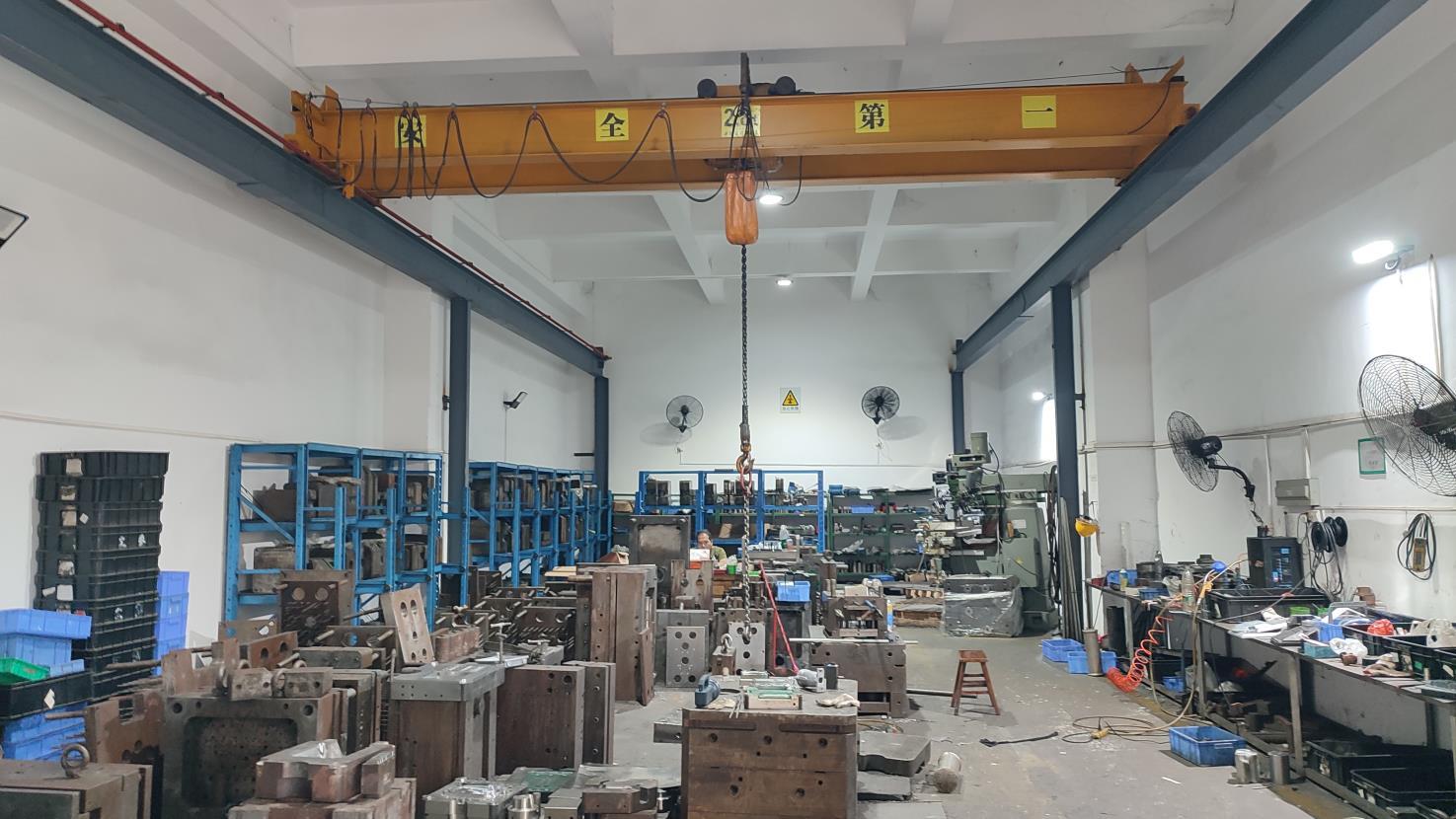
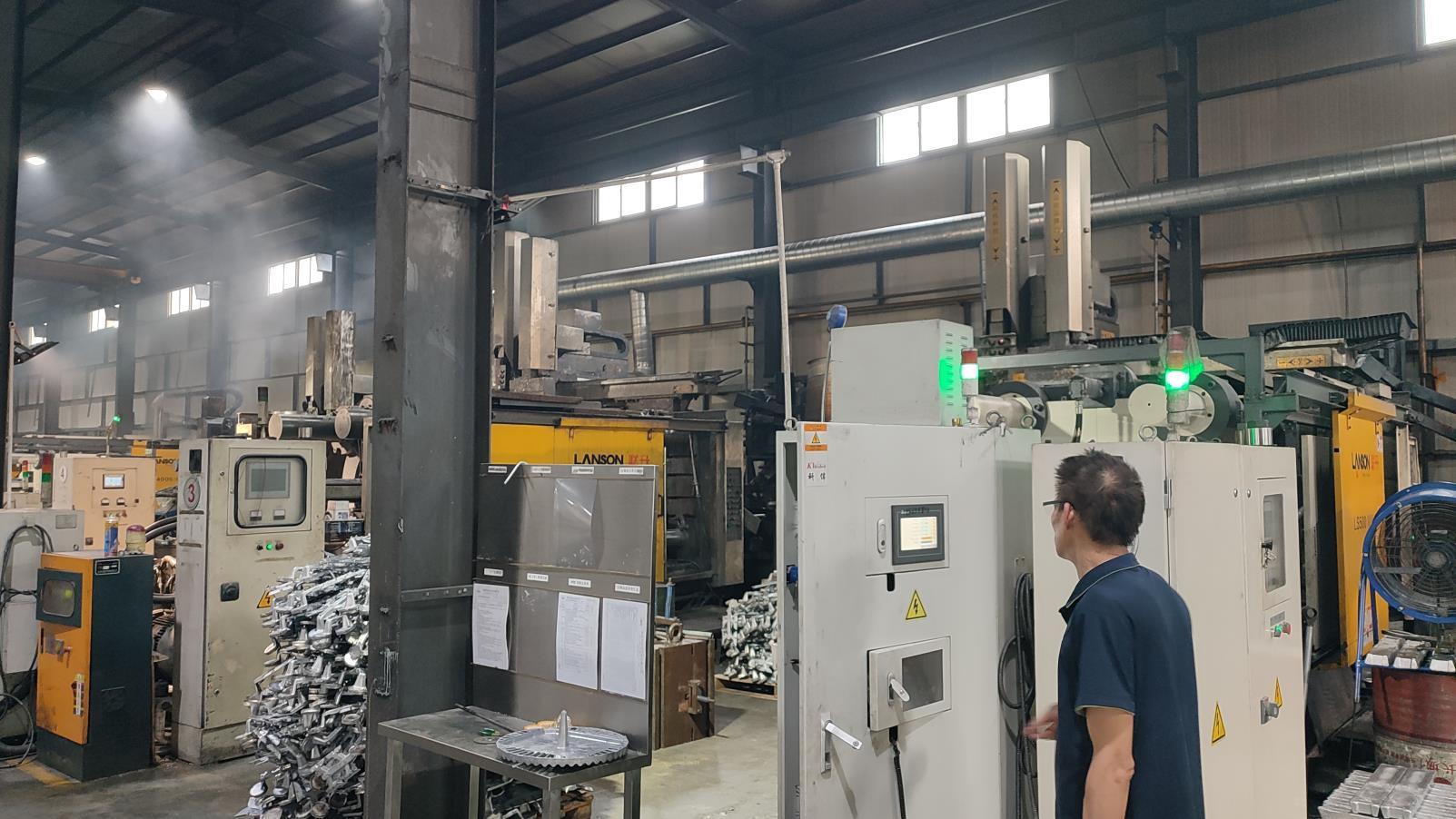
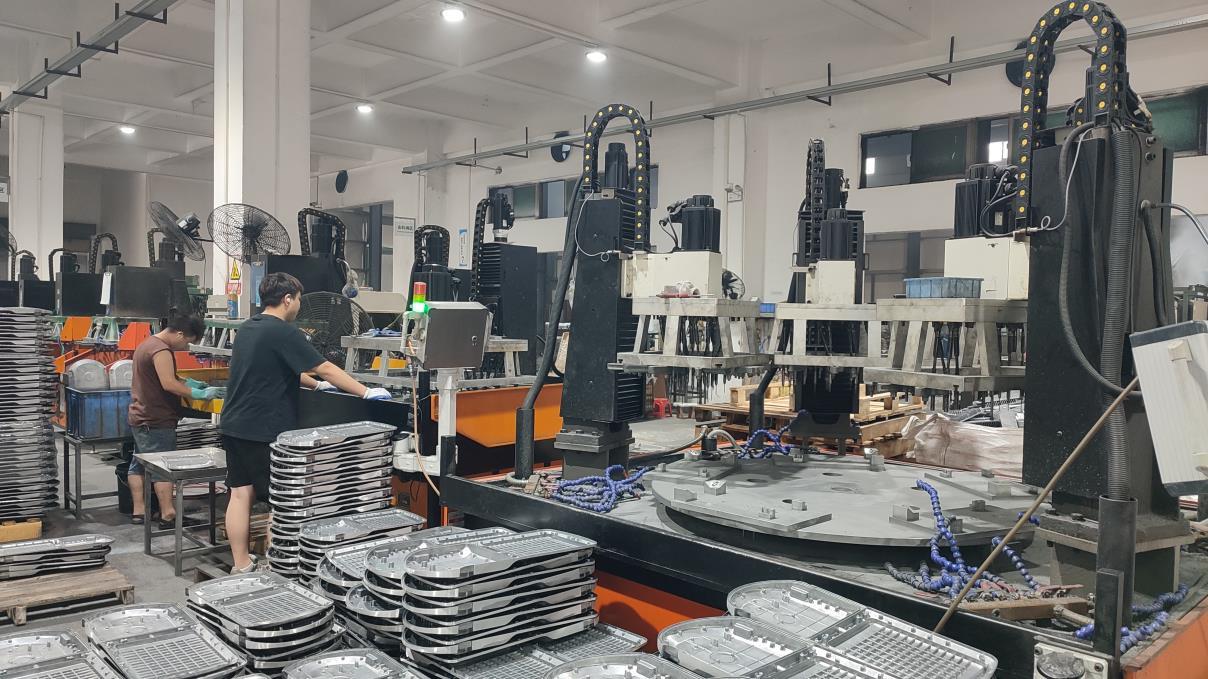
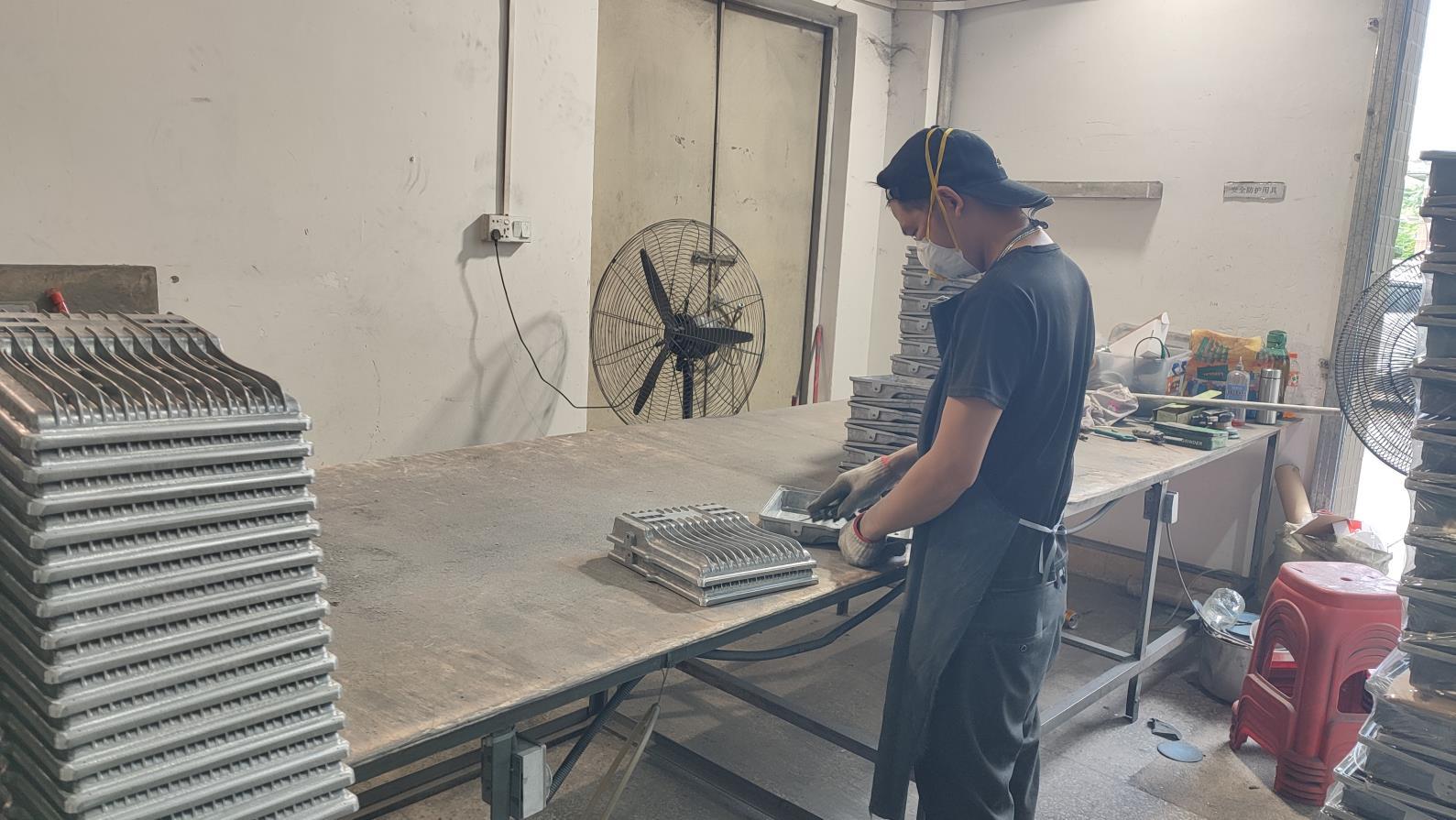
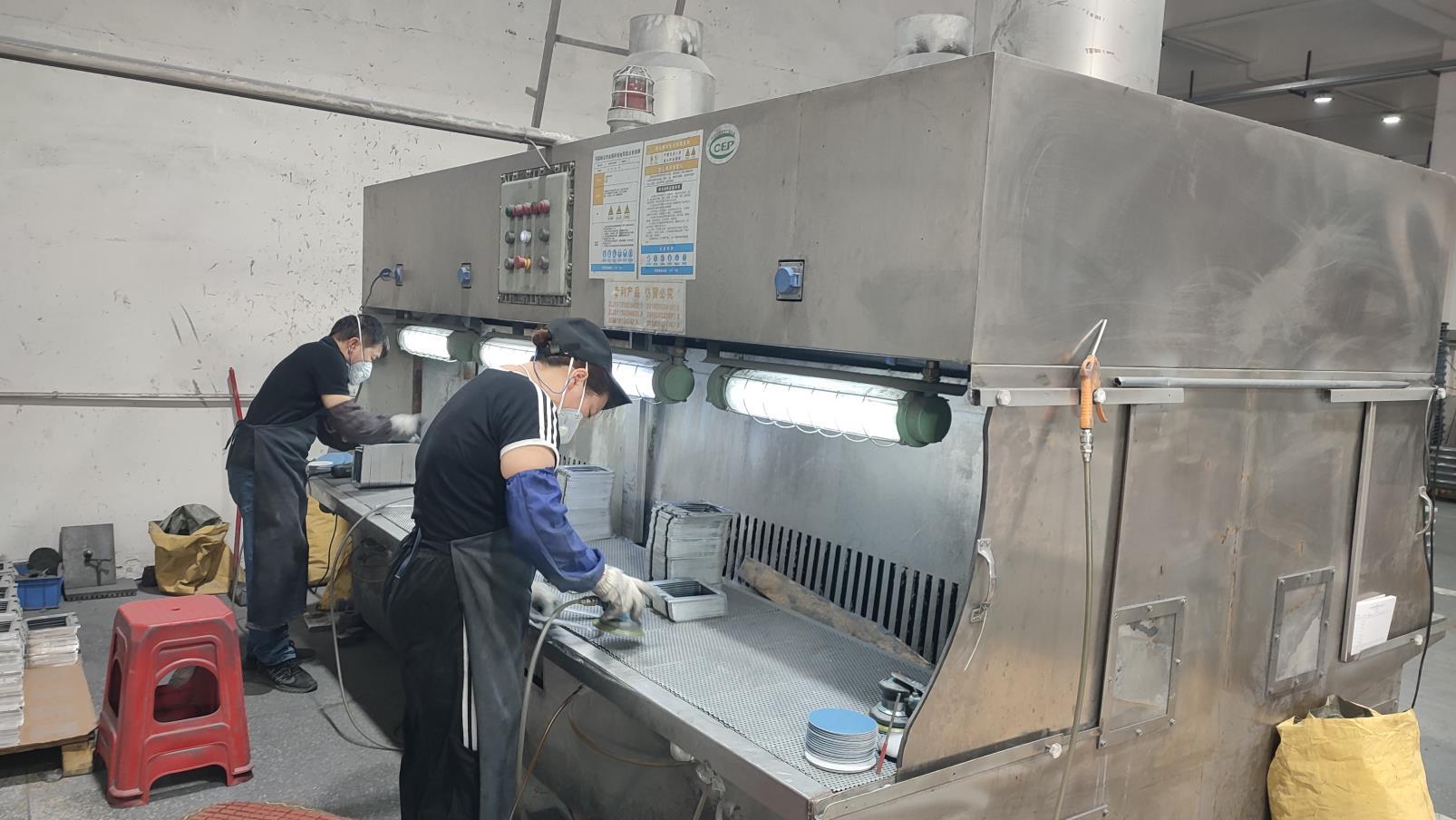
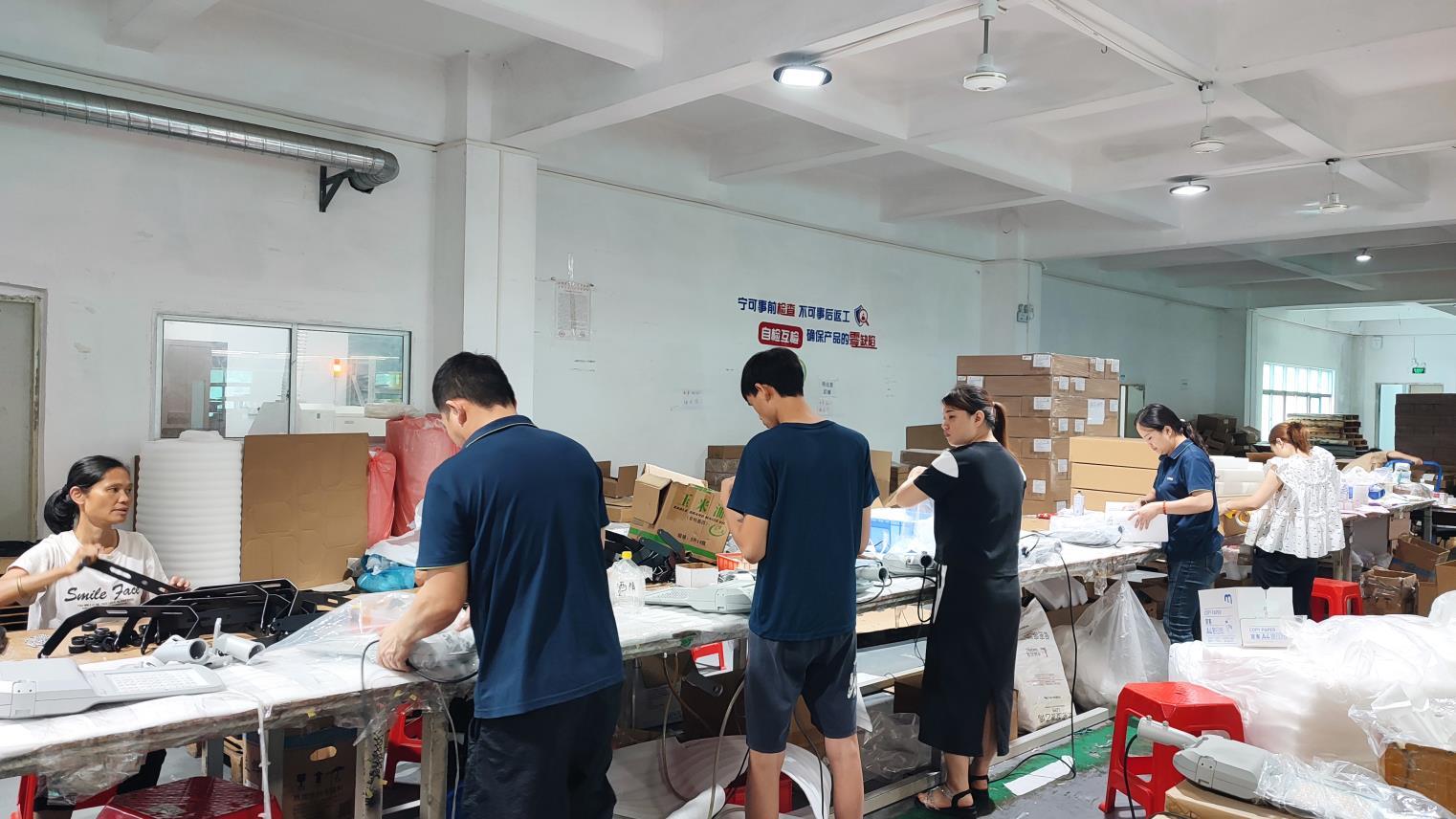
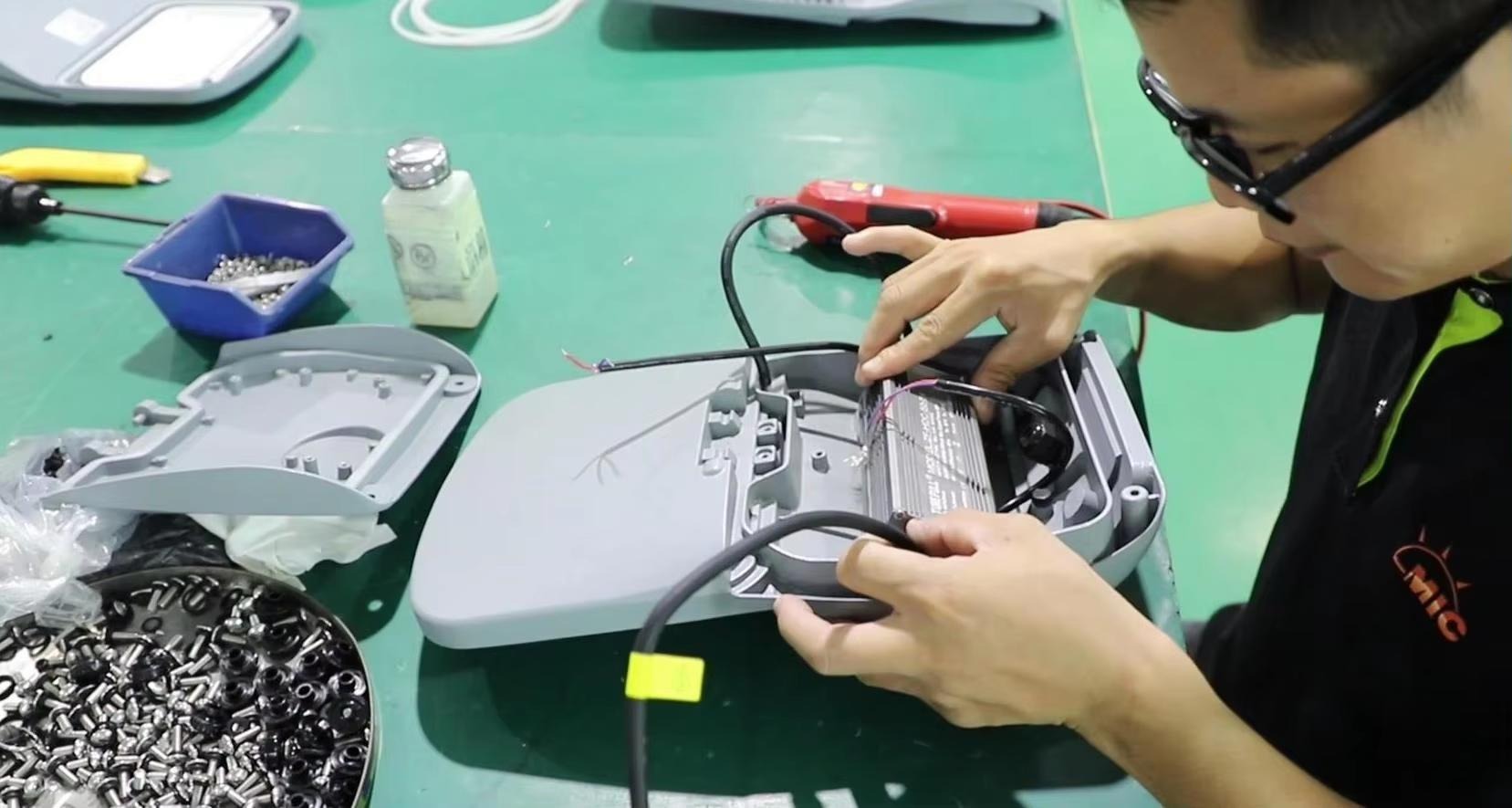
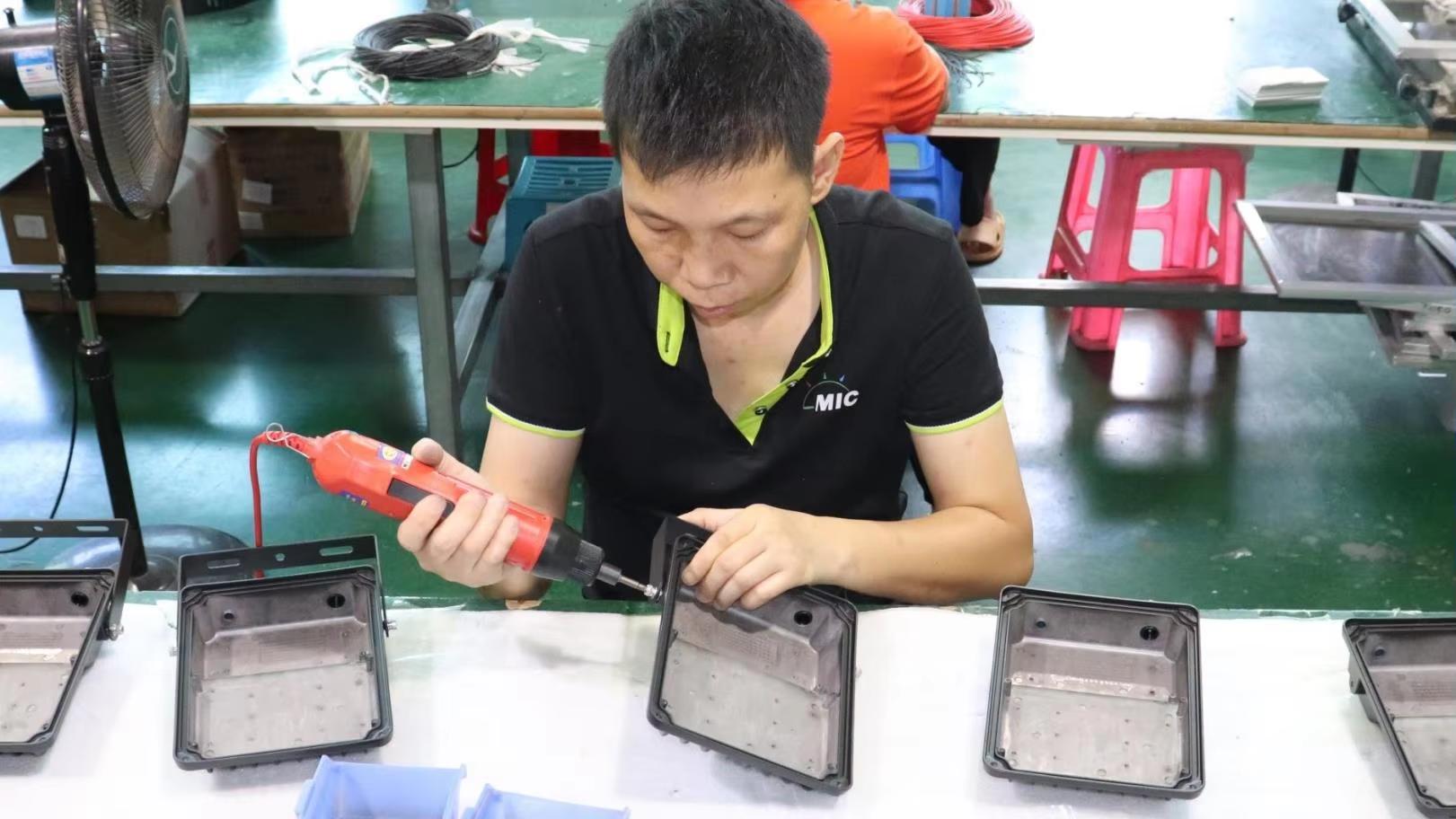
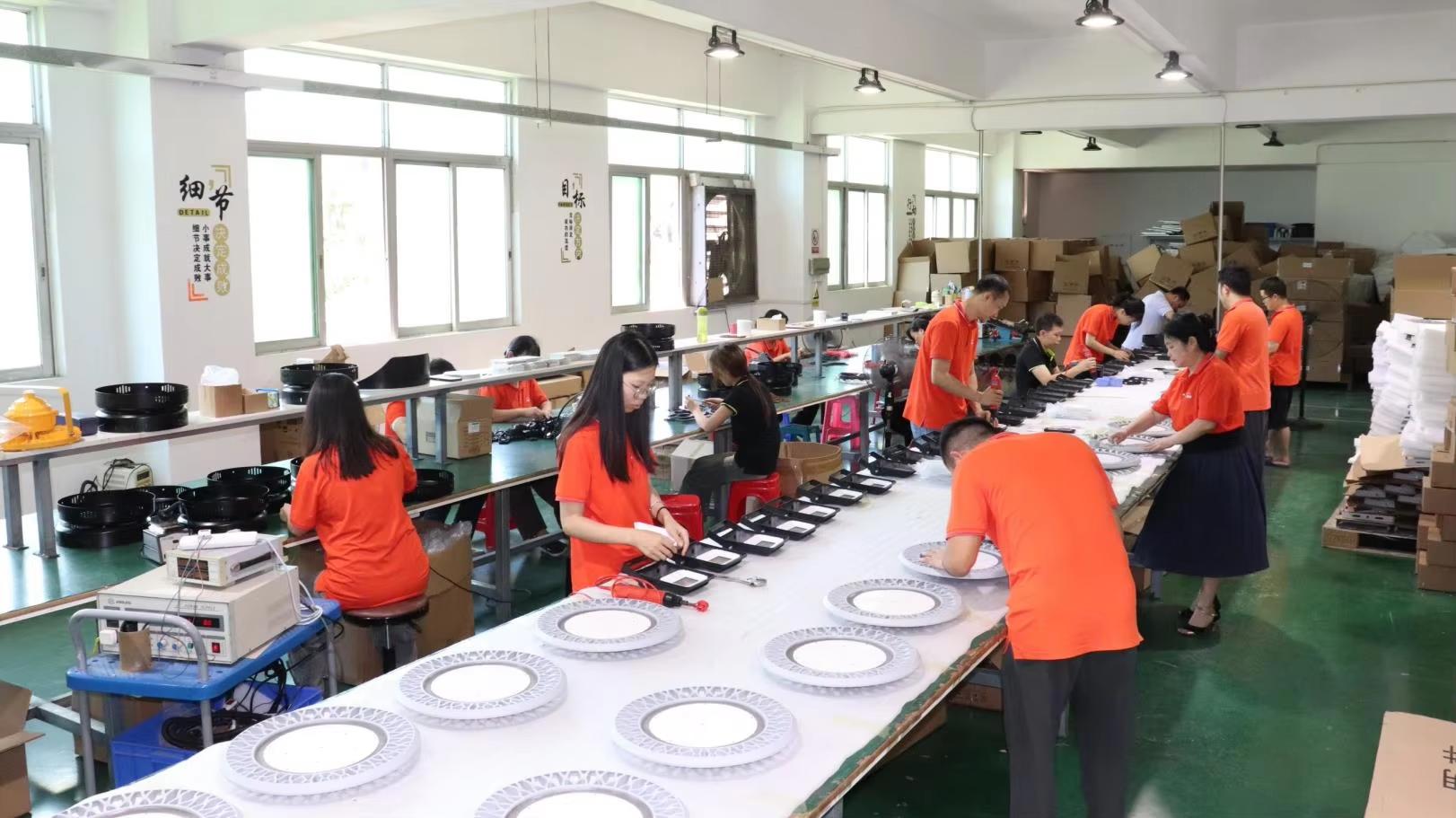
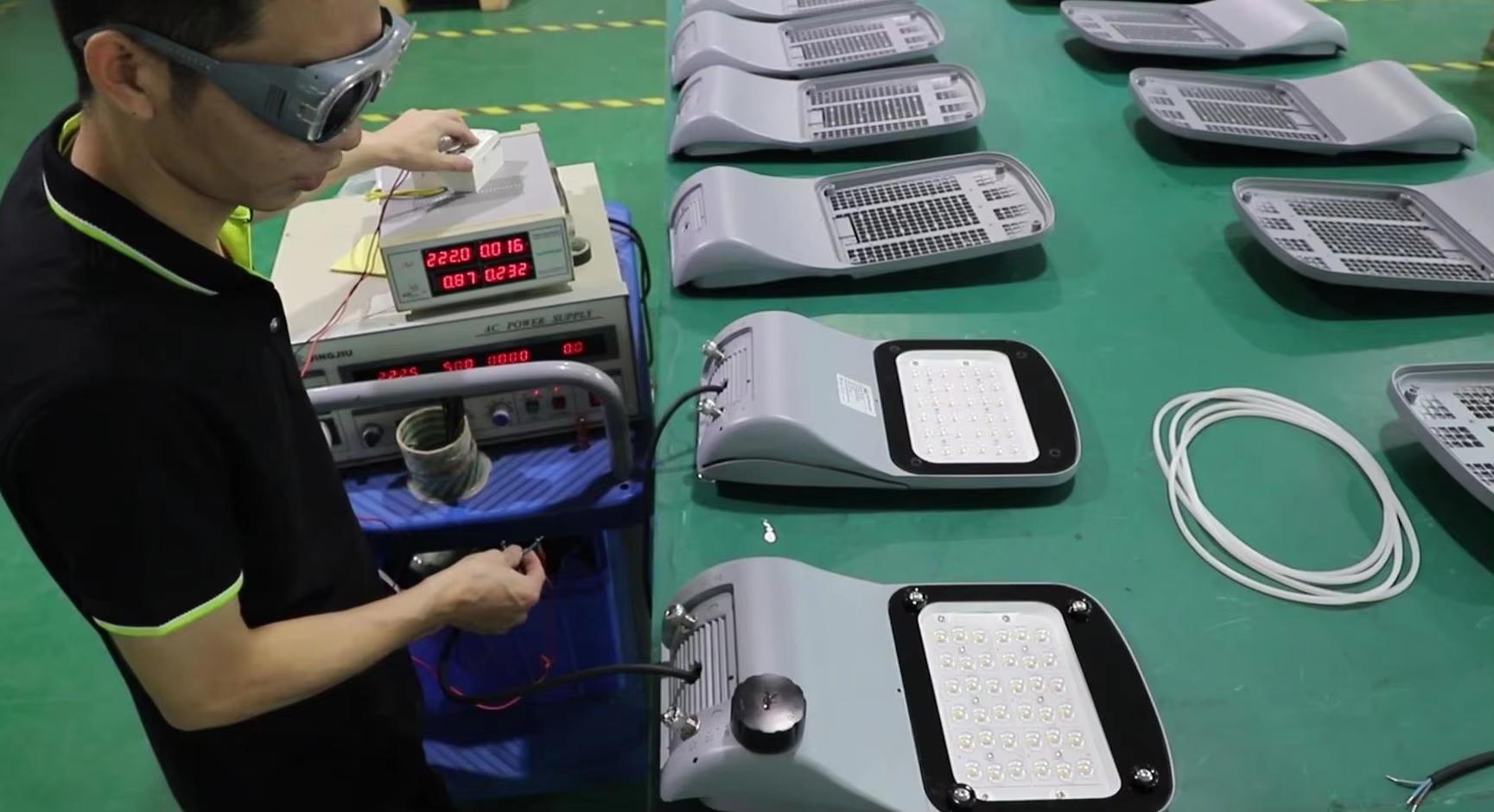
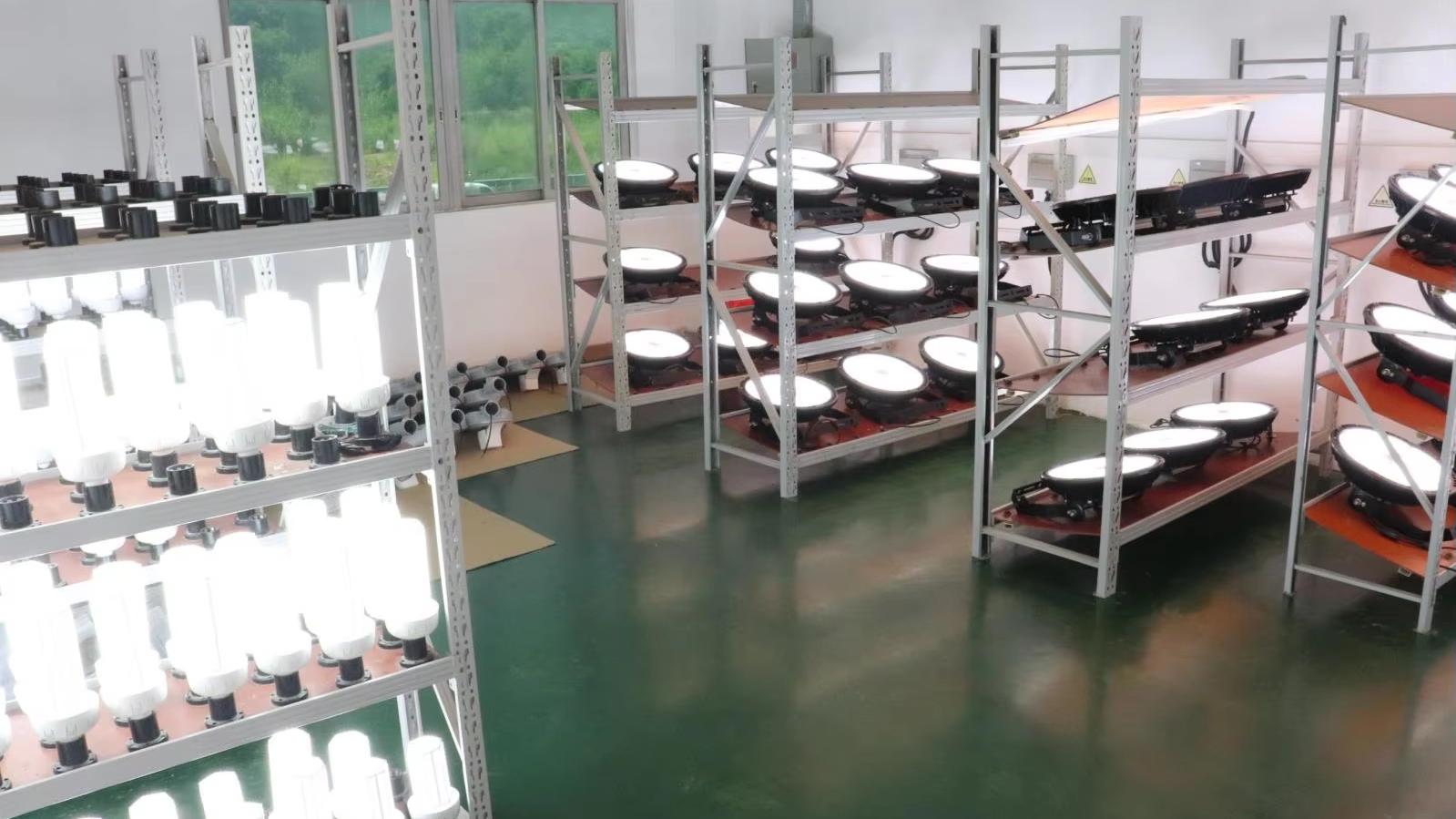
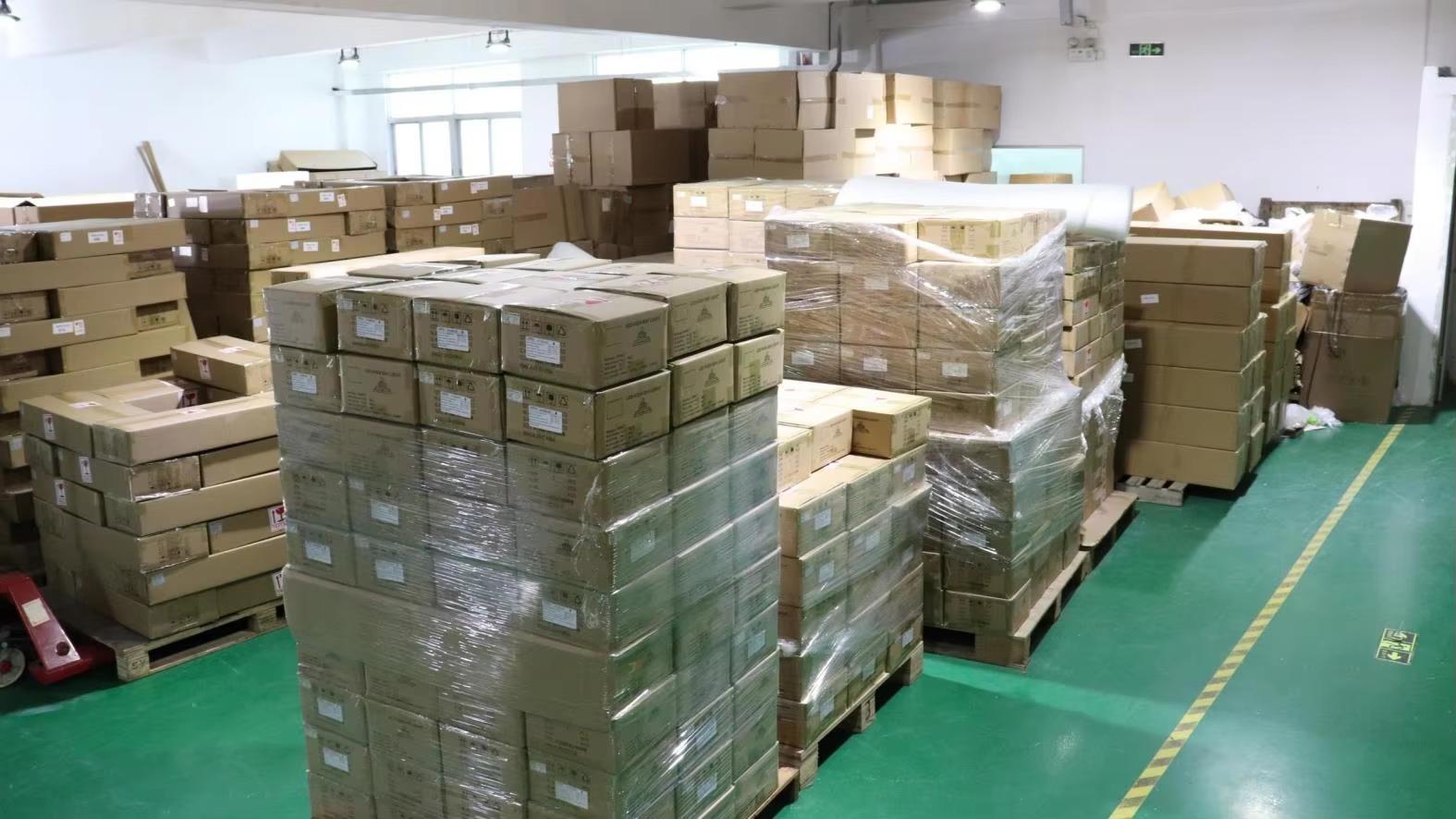
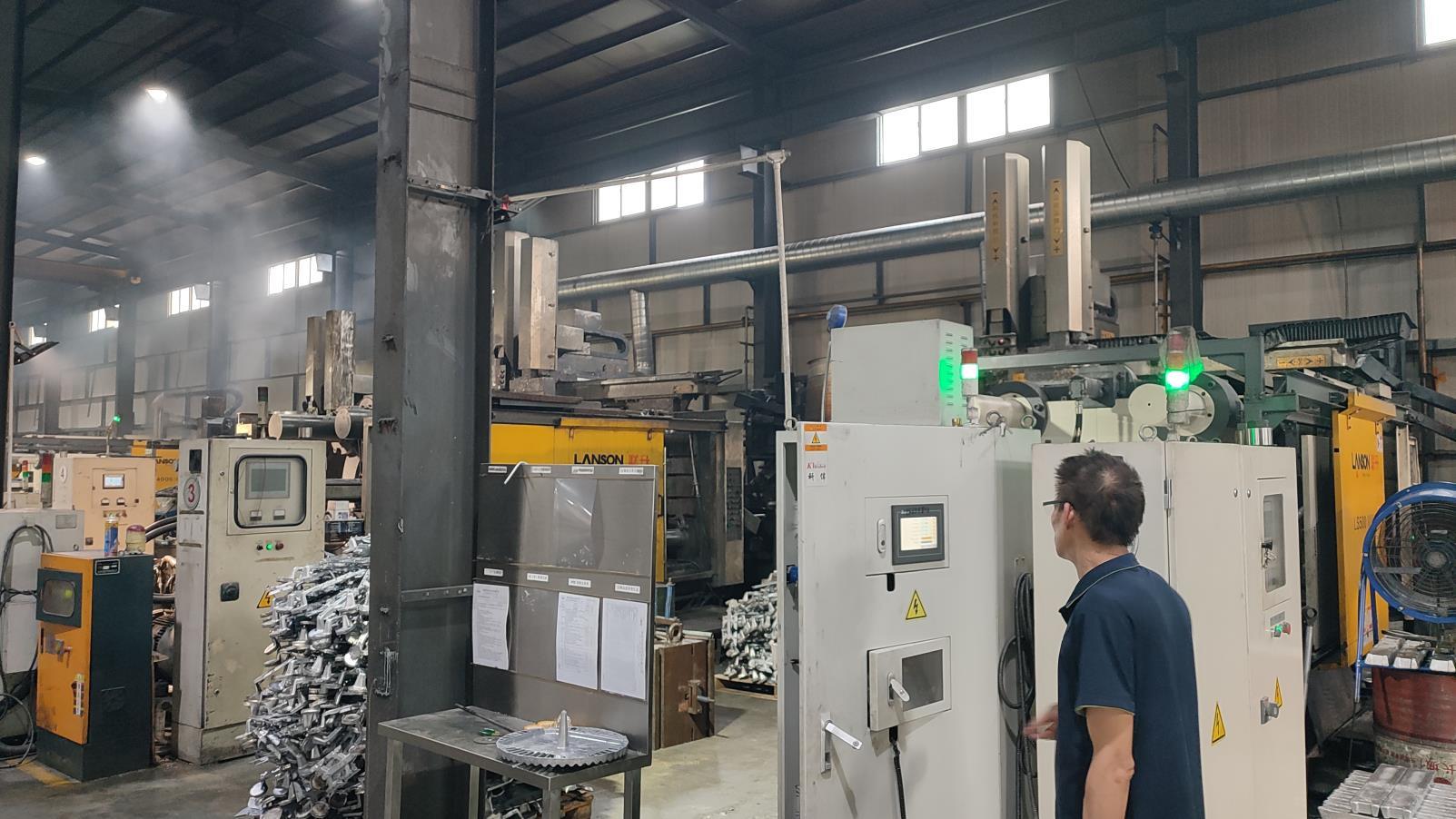
Our high-tonnage die-casting machinery ensures dense metal configuration without internal air pockets, enhancing thermal conductivity pathways and structural stability.
As the LED industry matures, simple energy saving is no longer the sole metric of success. The intersection of modern materials science, embedded firmware, and optical engineering is charting a clear path forward for directional luminaires. At Guangdong Lijah Light Co., Ltd., our R&D team tracks these developments and integrates them into our current production schedules:
Different tasks and biological profiles demand different color temperatures. The next generation of outdoor and industrial directional lighting utilizes multi-channel LED drivers to dynamically adjust CCT (Correlated Color Temperature) values from a warm 2700K to a cool 6500K. In high-precision commercial applications or specialized workspaces, our focus is on high color fidelity (CRI > 90, R9 > 50) and low-flicker operation to minimize worker fatigue and maximize task performance.
Directional lights are increasingly connected to centralized building management networks. By incorporating DALI-2 compliant drivers and IoT sensor nodes directly into standard luminaires (such as high-bay fixtures and solar-powered street lights), users can monitor energy output, analyze driver temperature, and dynamically scale down outputs during low-occupancy cycles. Remote scheduling reduces unnecessary light emissions and increases overall luminaire lifetime.
High-wattage stadium and stadium-mast systems produce significant thermal loads that must be dissipated to prevent fast lumen decay and driver failures. We are actively testing graphene-based thermal coatings for our heavy-duty die-cast aluminum heat sinks. Graphene possesses an exceptionally high thermal conductivity value, facilitating faster heat dissipation into the surrounding air and allowing for lighter fixture designs without sacrificing structural cooling capacity.
Visual comfort is critical. High-lumen directional luminaires can produce intense glare if not managed properly. By utilizing micro-prismatic optics, honeycomb diffuser panels, and recessed housing geometries, we limit direct view of the LED light source, lowering UGR ratings below 19 for indoor high-bay products. This improvement ensures better safety and comfort in high-velocity production spaces and warehouse distribution centers.
Our professional industrial fixtures are optimized to fit the regulatory and structural requirements of multiple application areas.
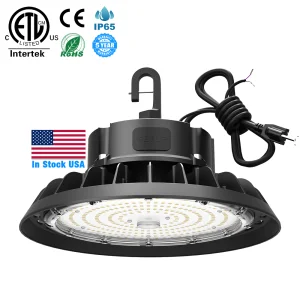
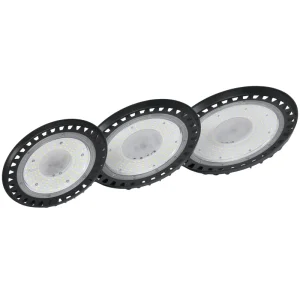
Designed for continuous, high-temperature operations in distribution facilities and heavy manufacturing plants. Combining UFO designs with CCT tuning options, our fixtures offer low glare indices and are IP65/IP66 rated for damp and dusty environments.
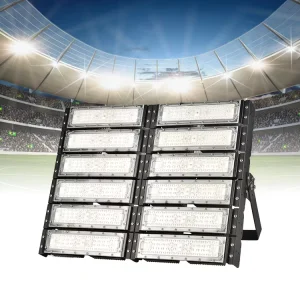
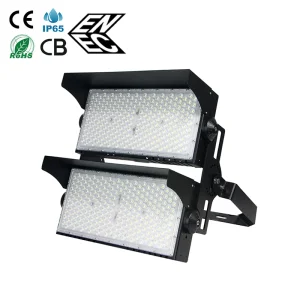
For stadium illumination, directional control is critical to avoid glare on the field and in the stands. Our modular high-mast stadium lights (ranging from 500W to 2000W) feature asymmetrical light distributions to target specific field segments.
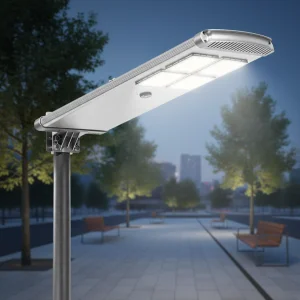
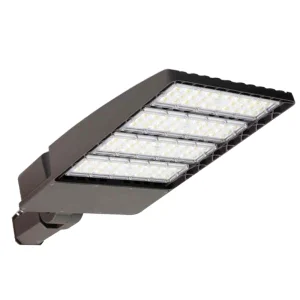
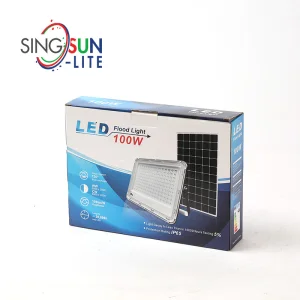
Combining solar photovoltaic power systems with durable, high-efficiency LEDs, our outdoor street lighting solutions operate reliably in remote, off-grid locations. Dusk-to-dawn sensors and integrated motion controllers optimize battery usage cycles.
Navigating global market entry requires rigorous product testing, strict verification of compliance, and certification alignment. Different regions maintain distinct environmental, safety, and electrical parameters that must be engineered directly into the luminaire design. We maintain a robust certification matrix to ensure our products are ready for immediate deployment in key target markets:
Through our comprehensive quality assurance framework, Guangdong Lijah Light Co., Ltd. guarantees that raw materials, structural housings, and electronic assemblies undergo rigorous functional testing at every step of production, minimizing on-site failure rates and warranty claims.
Find answers to common technical, commercial, and logistical questions regarding our OEM/ODM lighting capabilities.
High-performance luminaires engineered for durability and longevity under extreme environmental parameters.
 Lijah Light