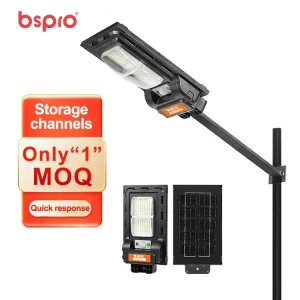
Premium photocell integrated outdoor and industrial LED fixtures designed for high-efficiency dusk-to-dawn operation.
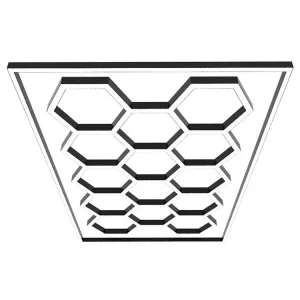
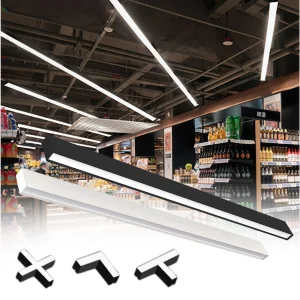
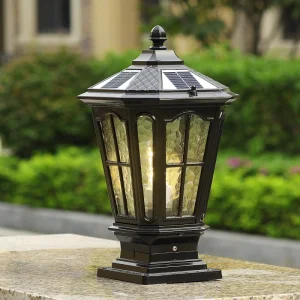
In the modern landscape of outdoor engineering, commercial municipal systems, and heavy-duty industrial management, LED Dusk to Dawn Lights represent far more than standard illumination. They serve as the cornerstone of automated security, environmental responsibility, and structural safety. Integrating photocell sensors that measure environmental lux values, these fixtures eliminate human intervention, dynamically adapting energy output to natural light cycles.
This comprehensive whitepaper investigates the manufacturing ecosystem behind the globe's premier exporters of intelligent photocell lighting. We examine key quality frameworks, engineering benchmarks, manufacturing methodologies, and systemic benefits of sourcing from China's cutting-edge smart-lighting hubs, centering our analysis on industry leader Guangdong Lijah Light Co., Ltd.
Global procurement entities, municipal contractors, and commercial distribution channels evaluate manufacturing partnerships using performance criteria that extend beyond basic cost-per-unit. Establishing a robust supply chain requires deep analysis of engineering capability, quality control, and localized compliance architectures.
"True manufacturing leadership in the LED sector is characterized by continuous material innovation. Standard dusk-to-dawn assemblies rely on static sensors, whereas high-tier manufacturers deploy IoT-ready nodes capable of dimming based on micro-lux changes and time profiles."
Guangdong Lijah Light Co., Ltd. stands as a premier manufacturer specializing in the research, development, production, and distribution of modern, energy-efficient, and intelligent LED lighting solutions. As a technology-driven enterprise, Lijah Light commits to supplying innovative, reliable, and sustainable lighting products for industrial, commercial, and outdoor applications worldwide.
With years of deep-rooted industry experience, Lijah Light has built a reputation as a trusted partner for distributors, wholesalers, contractors, and project developers across Europe, Oceania, Southeast Asia, the Middle East, and key international markets. By merging advanced manufacturing technologies with continuous research and development, they provide customers with lighting designs that deliver exceptional lumen output, long service life, and high energy savings.
Operating under strict internal QA guidelines, the factory maintains a vertically integrated production line. Below is a breakdown of their primary assembly stages:
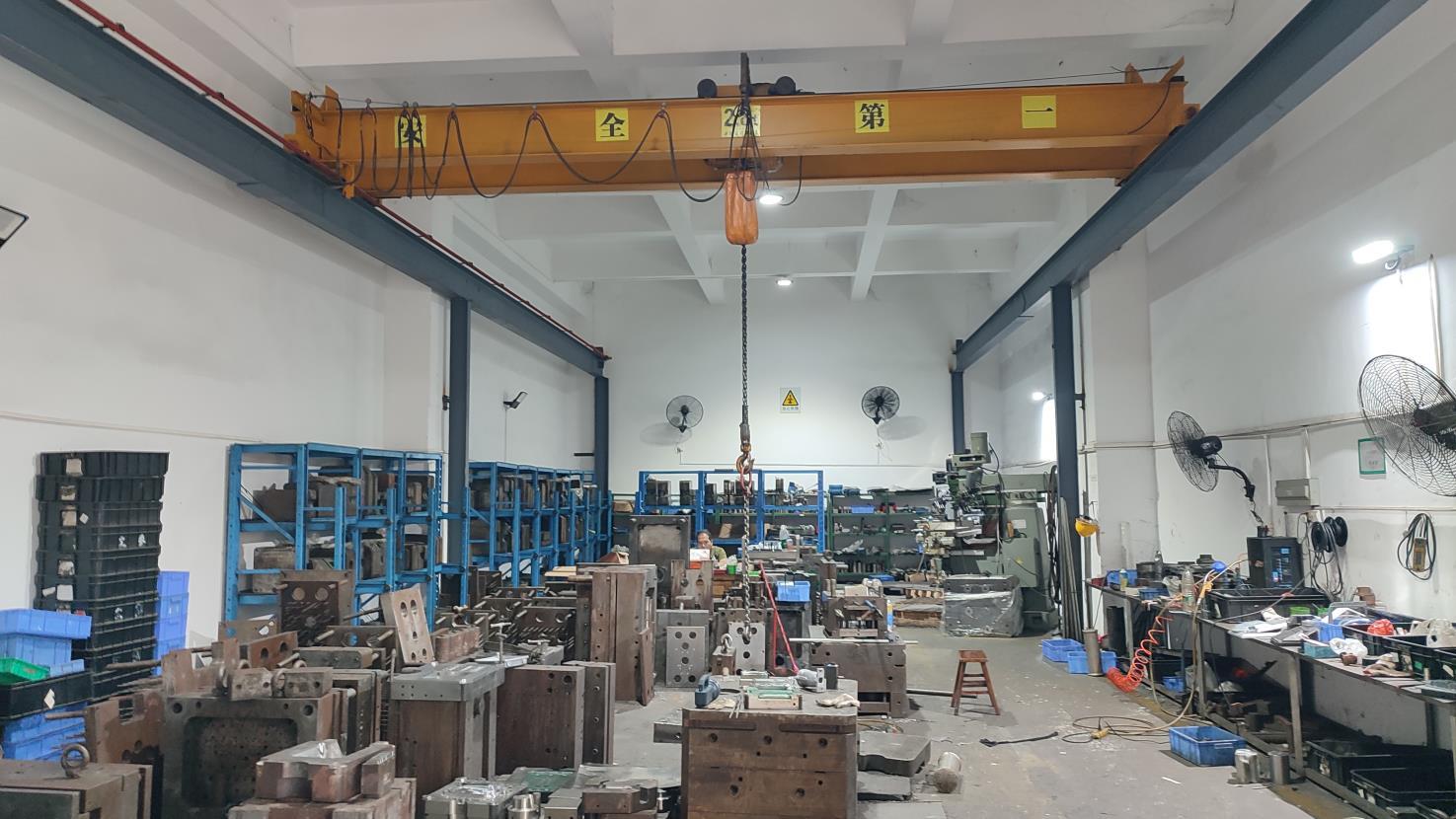
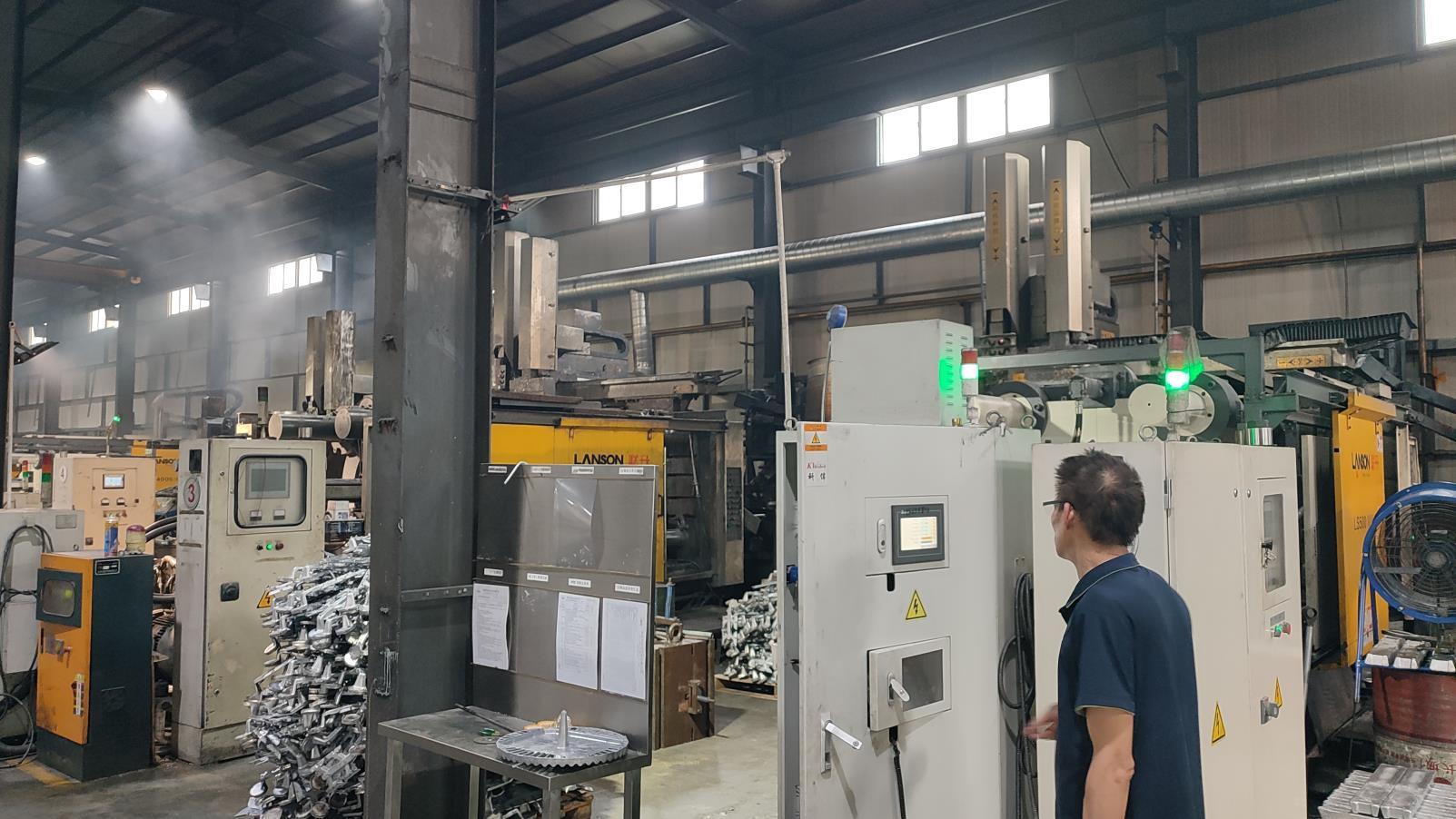
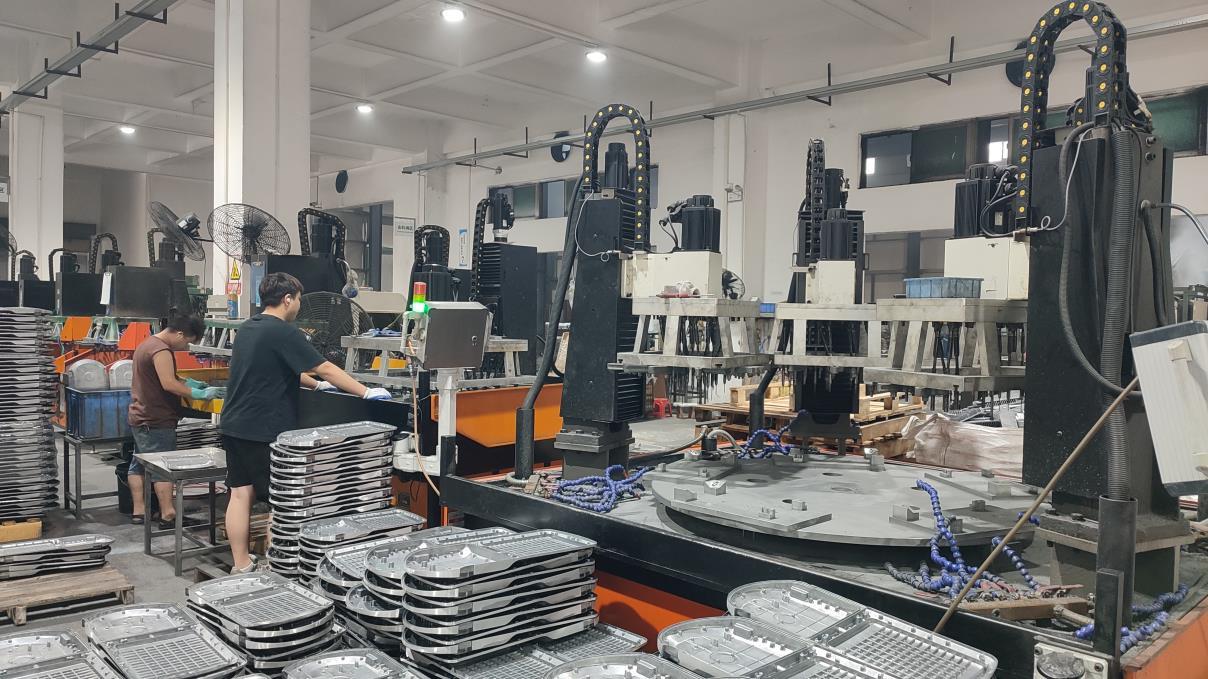
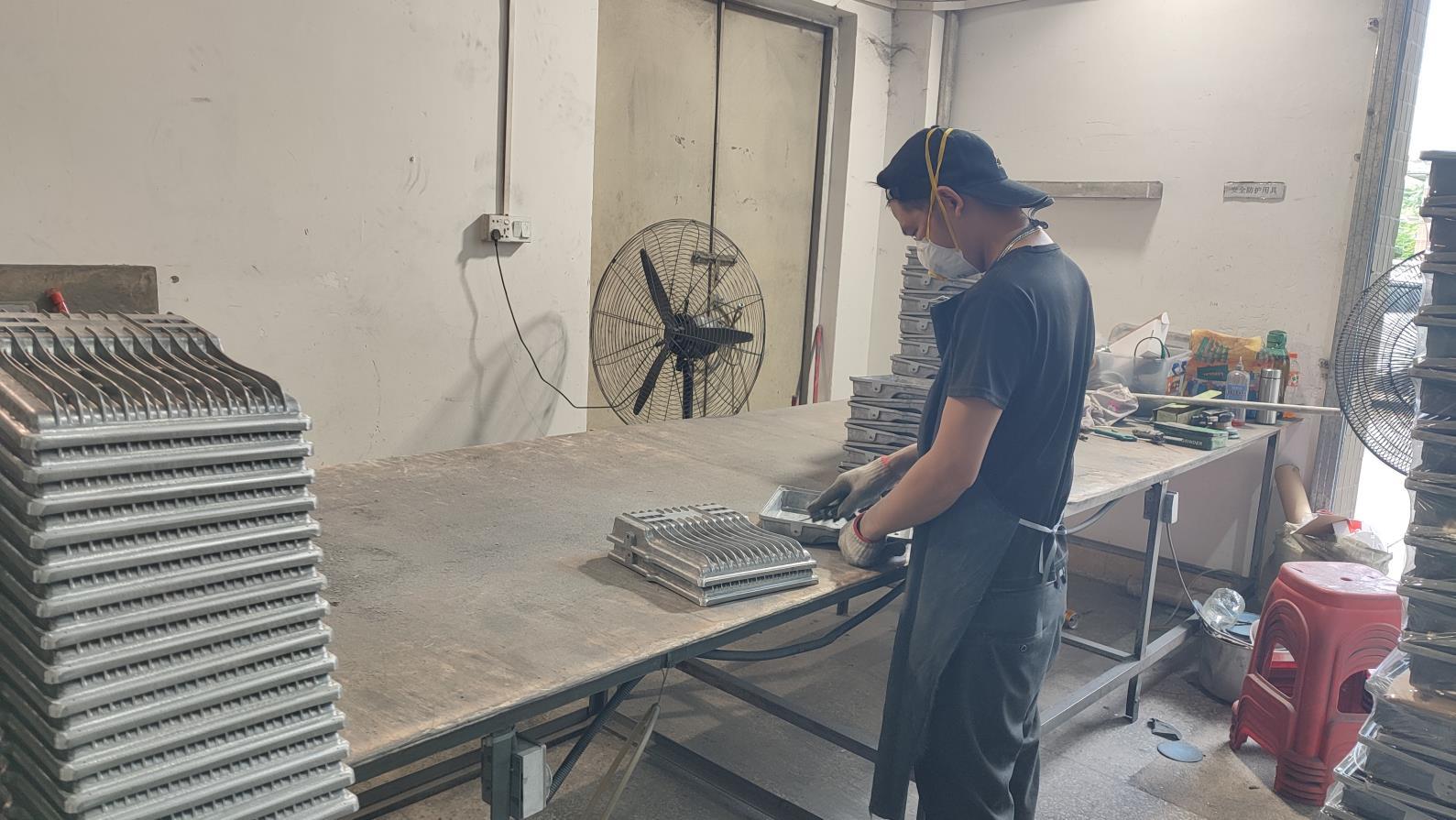
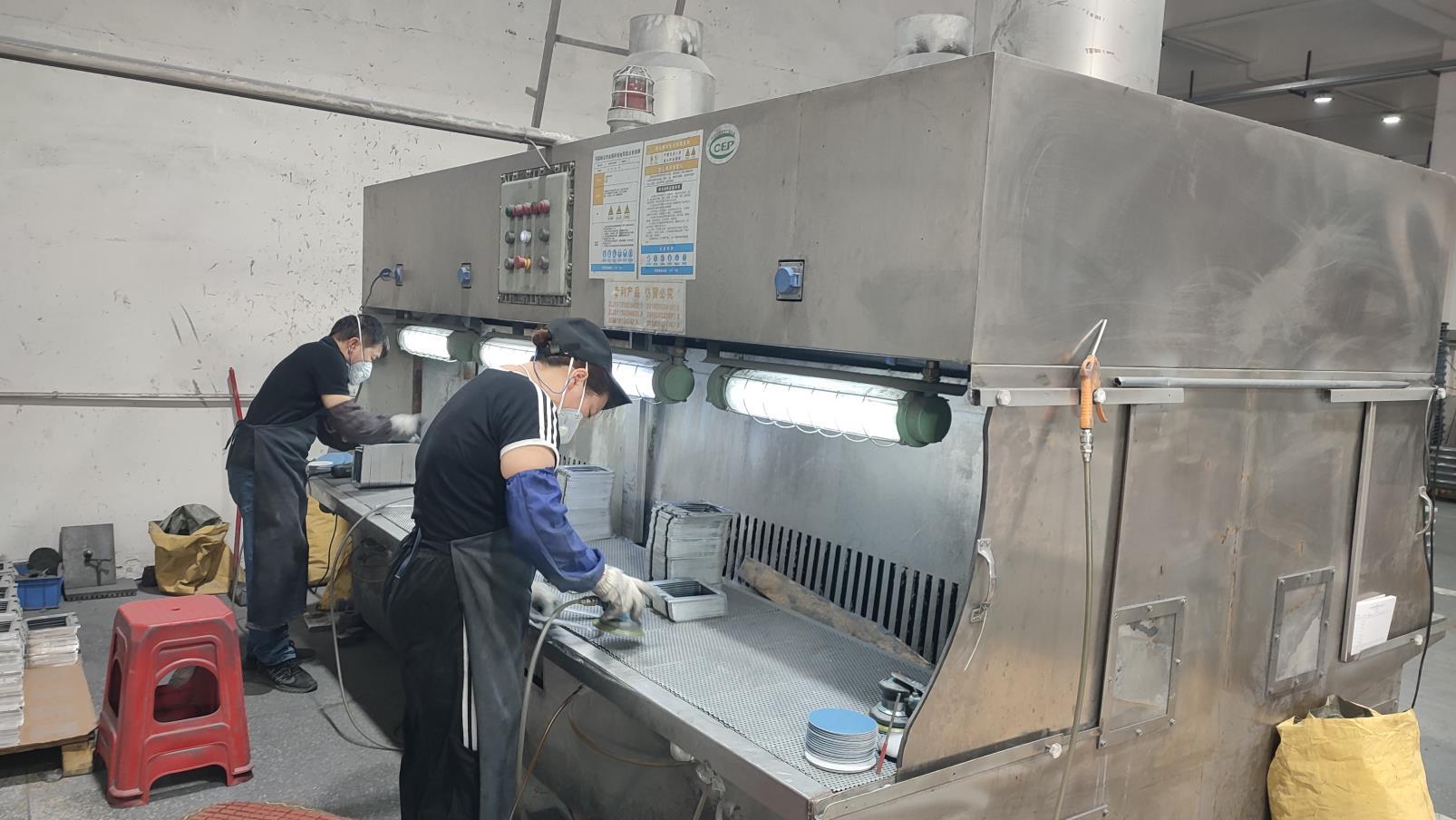
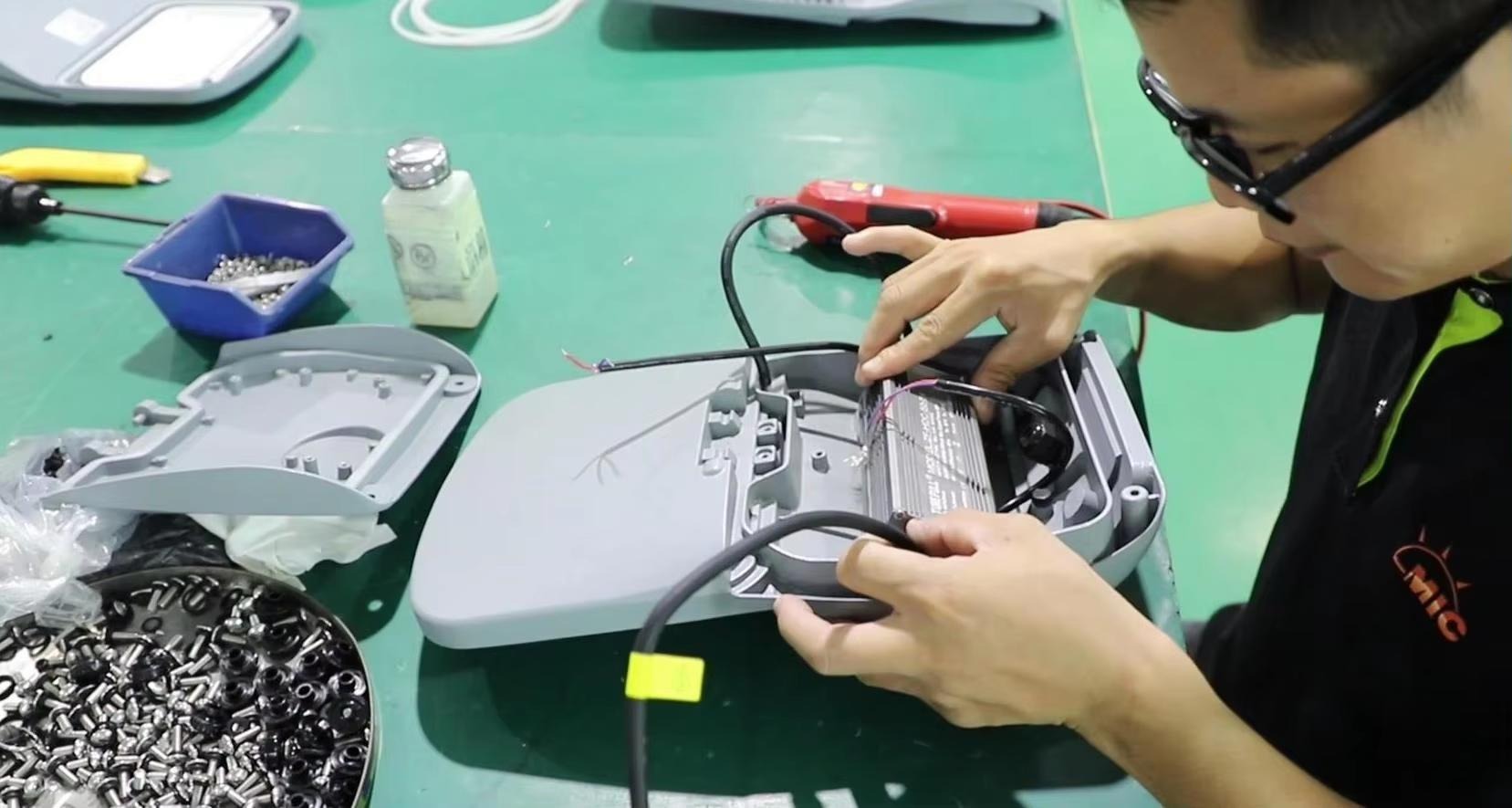

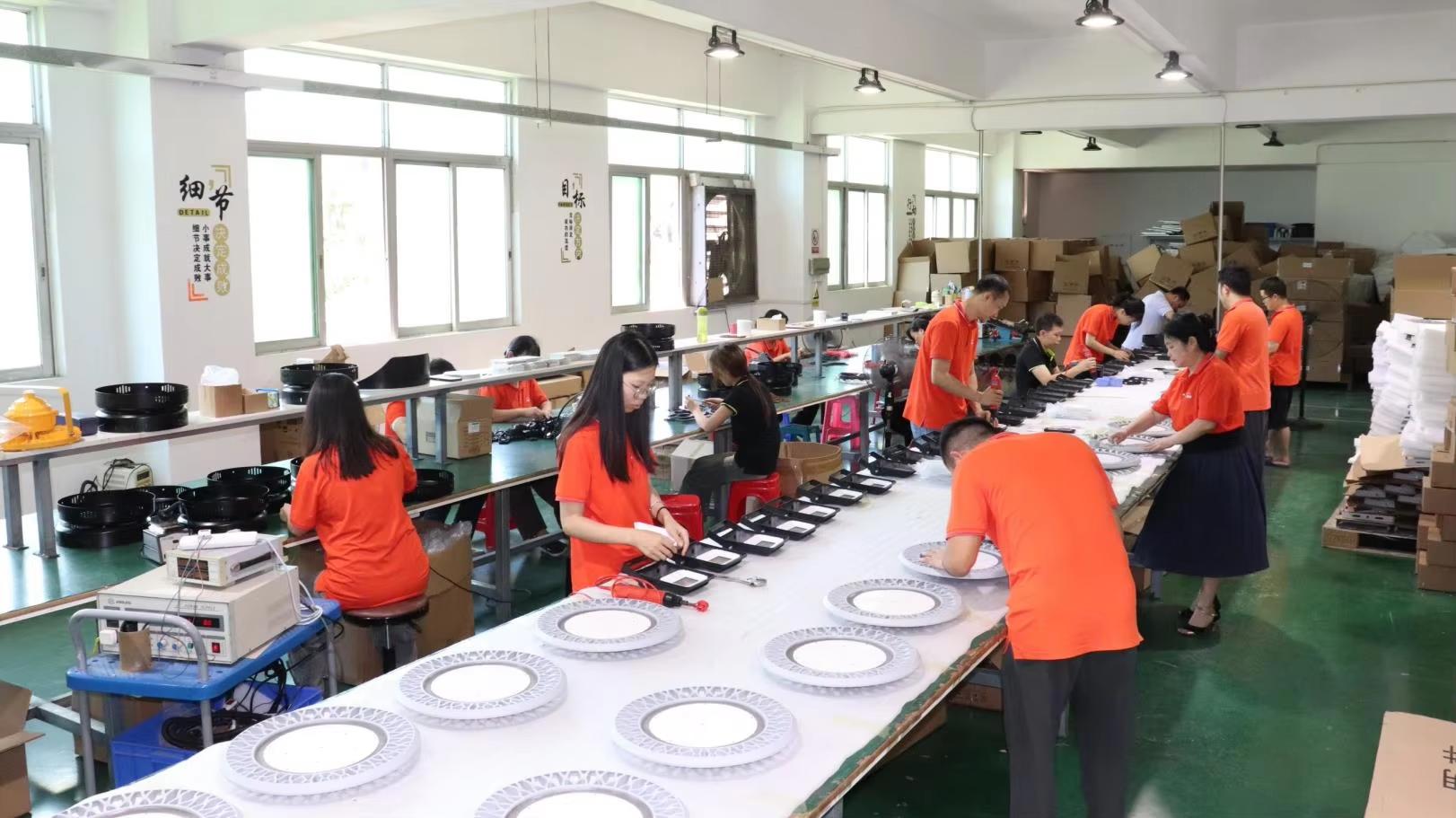
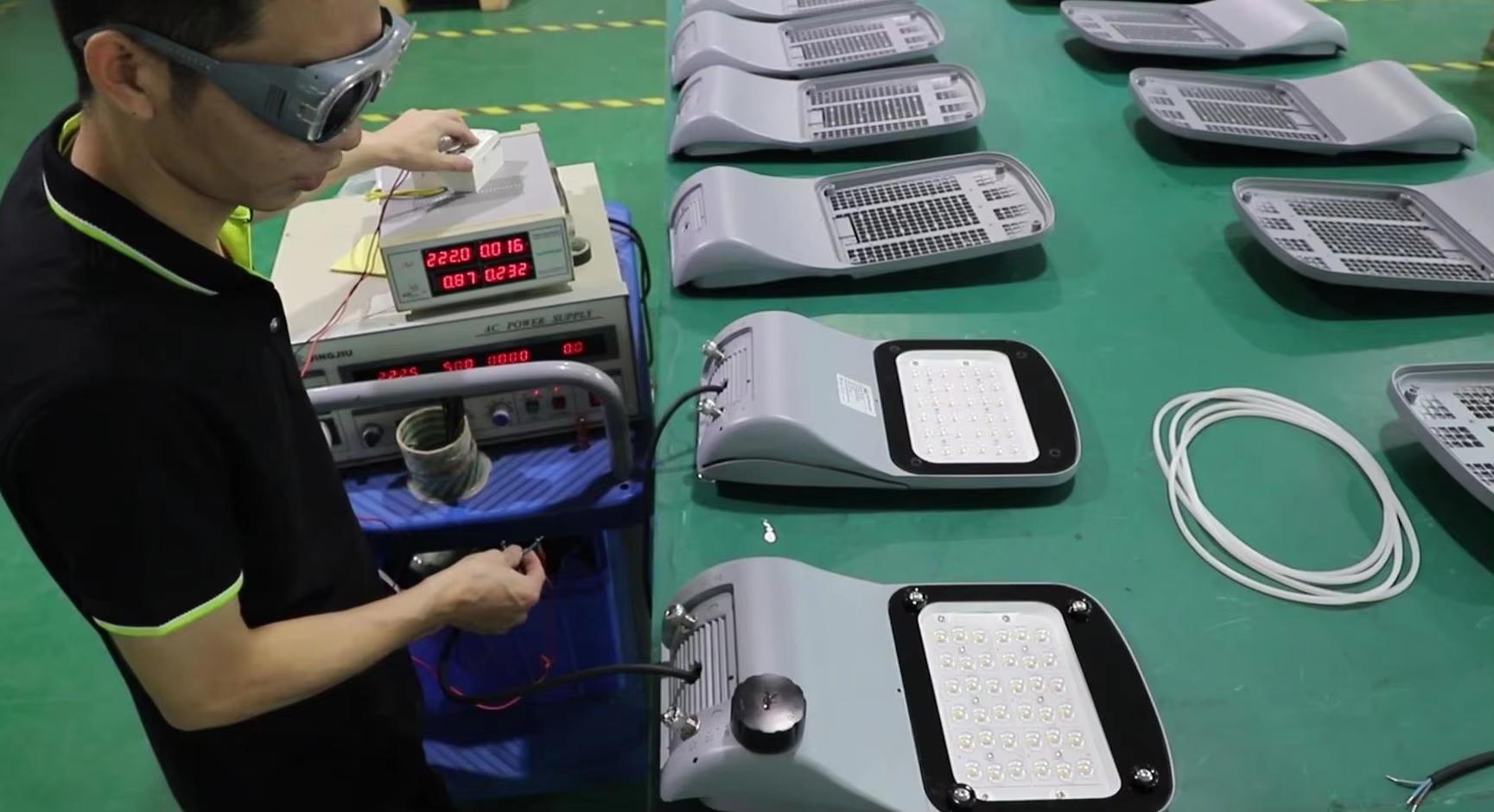
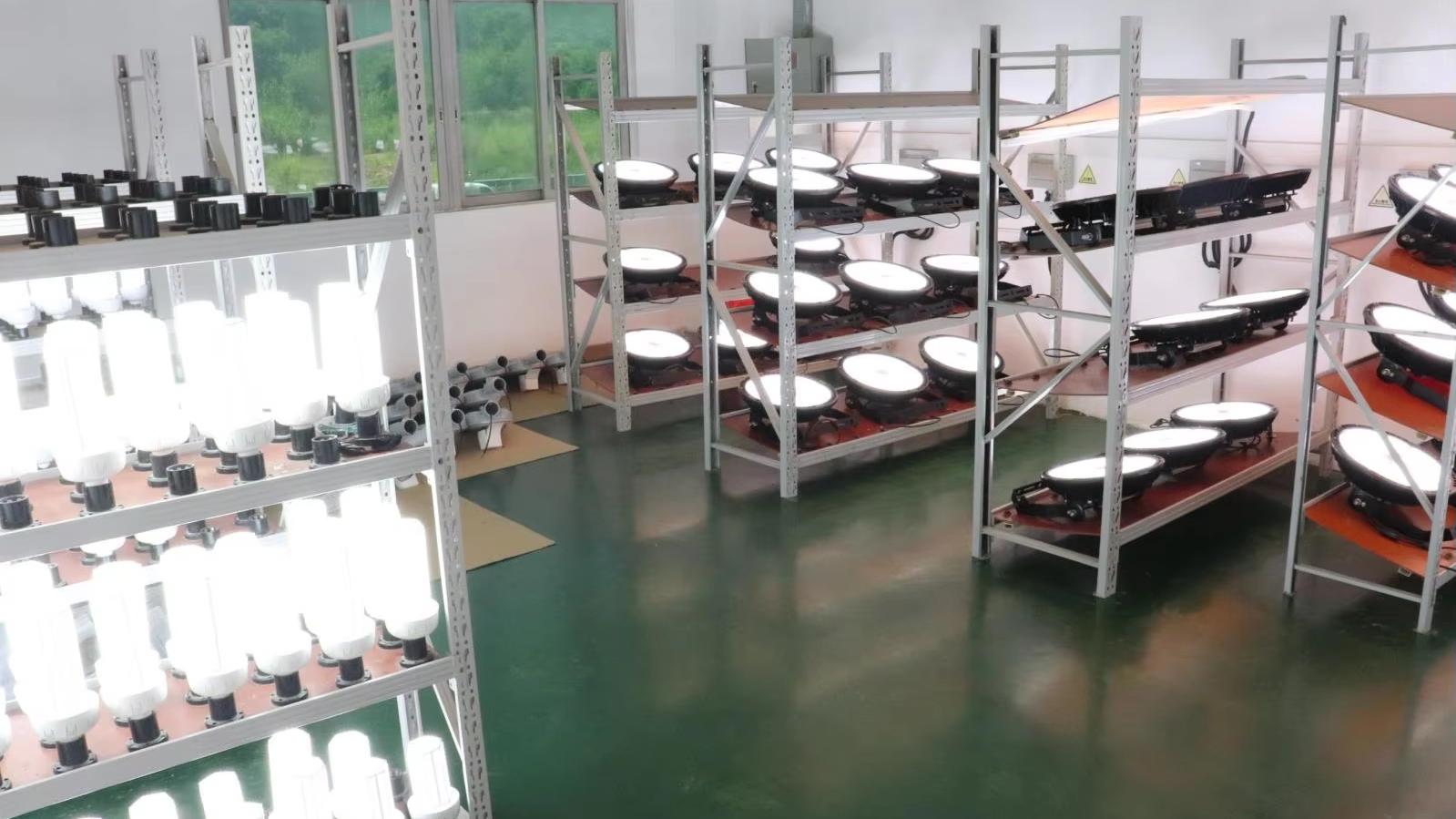
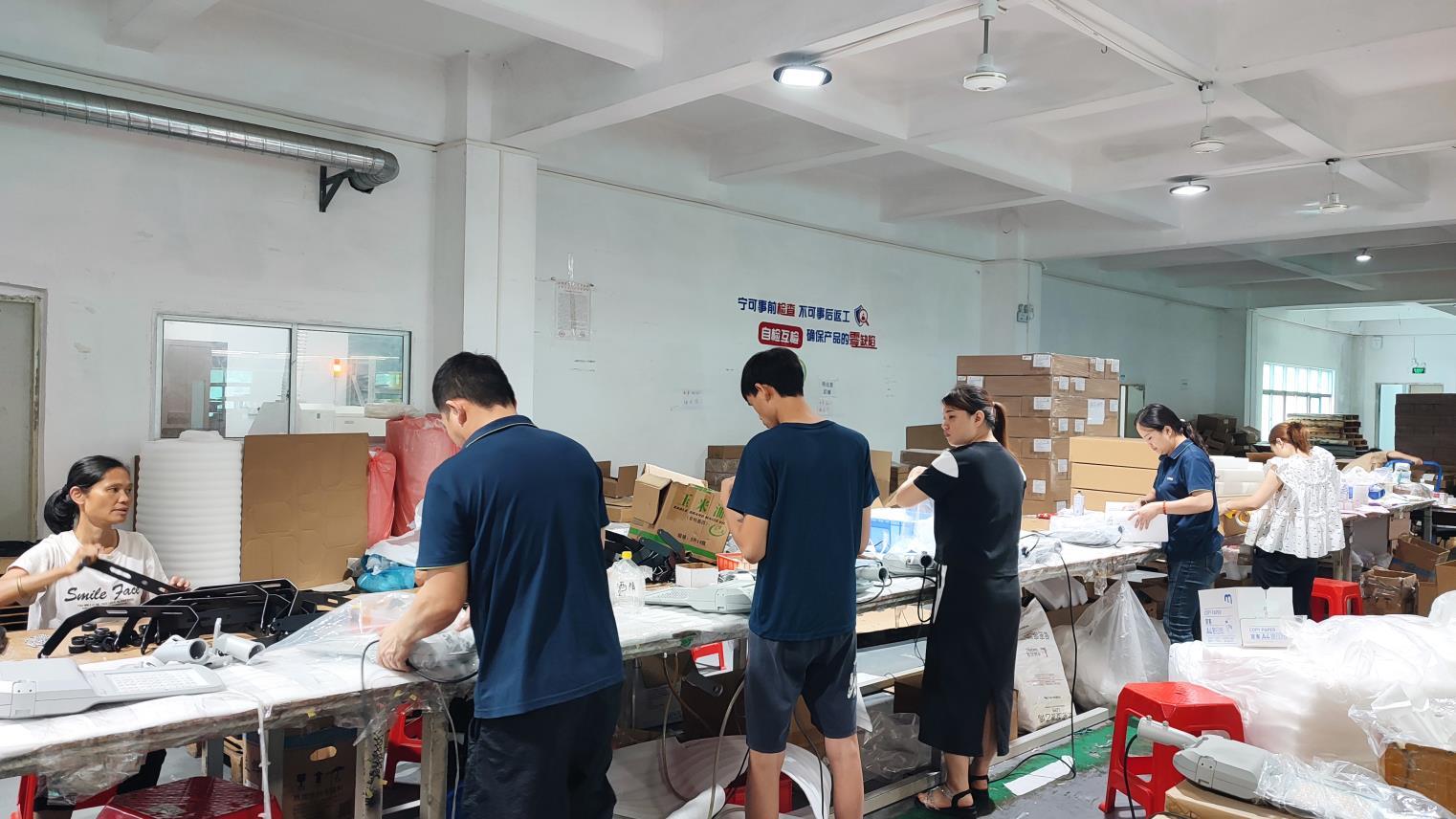

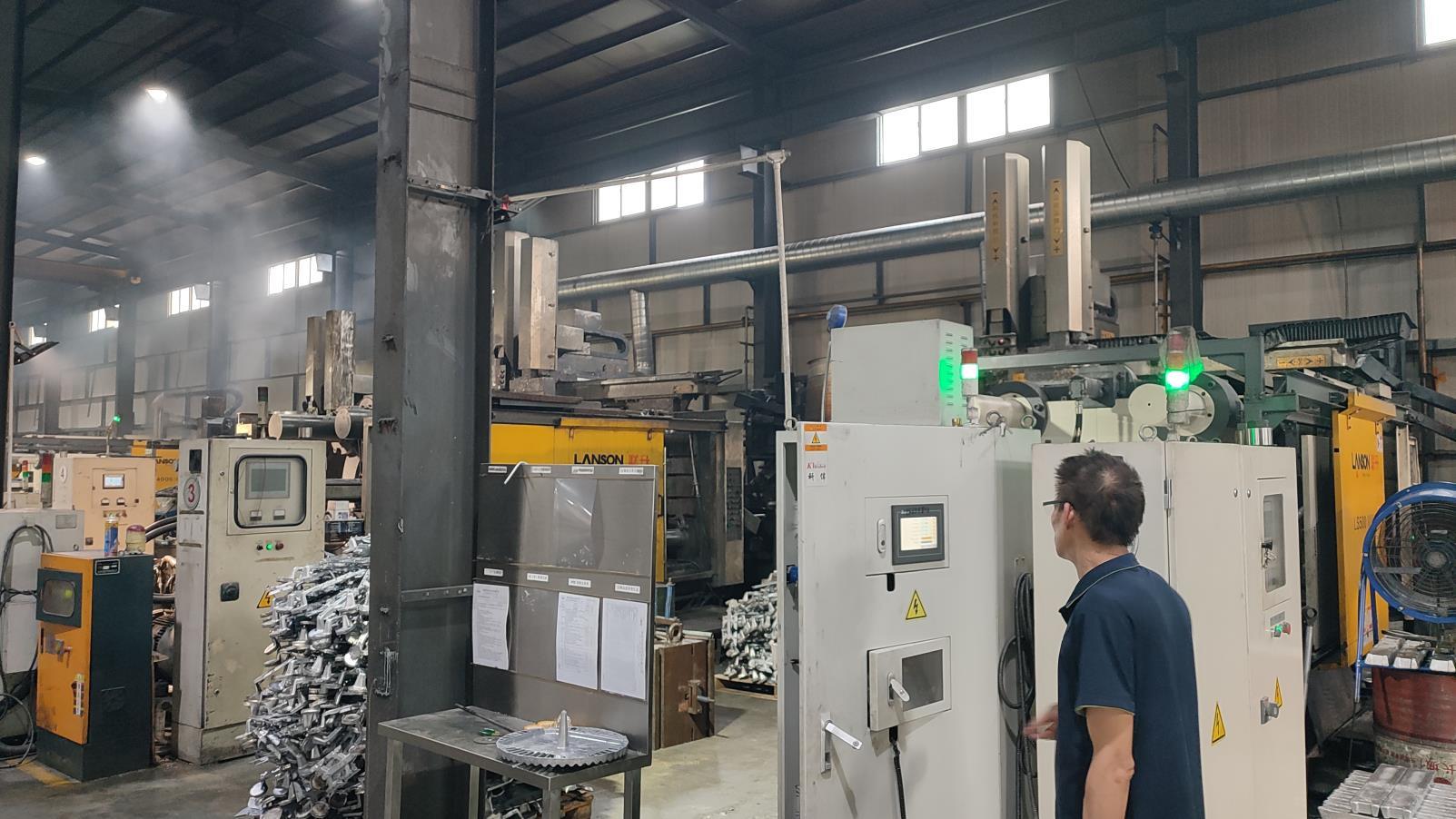
Innovation drives Lijah Light's sustained market expansion. Their experienced R&D team works in alignment with engineering, marketing, and sales departments to design and iterate on advanced commercial fixtures. By dedicating financial and logistical resources to technological development, they introduce efficient, reliable, and intelligent lighting products designed to maximize systemic value for global customers.
Quality control serves as a core operational protocol at Lijah Light. Production steps run under strict ISO-compliant frameworks to ensure finished products match international benchmarks. Their LED fixtures comply with CE and RoHS criteria, and their primary export catalogs hold verified certifications such as TÜV, ENEC, VDE, SAA, C-Tick, CB, LM79, and LM80. These credentials verify their focus on electrical safety, environmental standards, and manufacturing precision.
Beyond product supply, Guangdong Lijah Light Co., Ltd. provides expert engineering support through detailed DIALux simulations. Their staff assists clients in optimization layouts, checking average lux distributions, verifying unified glare ratings (UGR), and selecting optimal beam angles. This technical service helps reduce deployment costs while ensuring code compliance in municipal, commercial, and industrial projects.
Sourcing LED dusk-to-dawn solutions from Guangdong offers distinct advantages to global buyers. The region's industrial ecosystem provides systemic benefits across several manufacturing layers:
Direct proximity to key component producers—such as LED packaging factories, precision lens molders, and driver manufacturers—allows for rapid prototyping and shorter production lead times.
Heavy investment in automated pick-and-place lines, robotic die-casting stations, and automated testing chambers ensures consistent build quality and reduces unit labor costs.
This concentrated ecosystem enables manufacturers like Guangdong Lijah Light to balance cost efficiency with high material quality. It allows them to use premium components (such as Lumileds or Osram chips and Inventronics drivers) while maintaining competitive pricing for global distribution networks.
International trade in commercial LED lighting requires strict adherence to localized safety and performance regulations. Understanding these regional frameworks is critical for compliance:
Commercial dusk-to-dawn lighting installations require configurations tailored to their specific operational environment:
The dusk-to-dawn lighting market is transitioning from simple analog photocells to intelligent digital controllers. Modern smart cities utilize LED fixtures with 7-pin NEMA receptacles to deploy smart photocells containing wireless communication hardware (LoRaWAN, Zigbee, or Cellular IoT). These advanced nodes allow operators to remotely adjust dimming schedules, monitor real-time energy use, receive maintenance alerts, and collect environmental data, transforming standard streetlights into connected urban infrastructure.
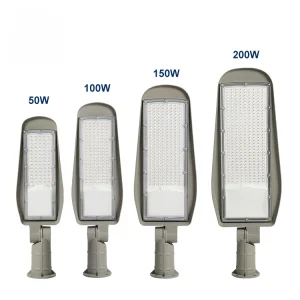
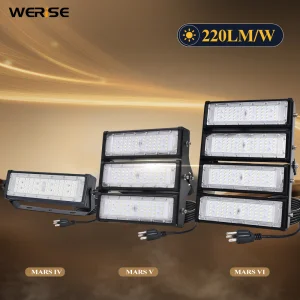
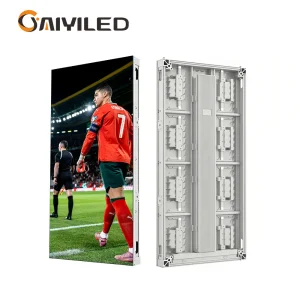
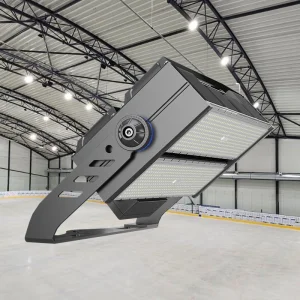
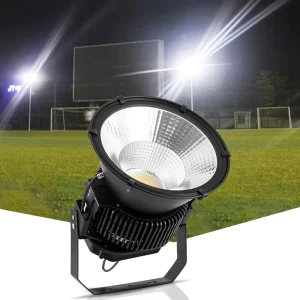
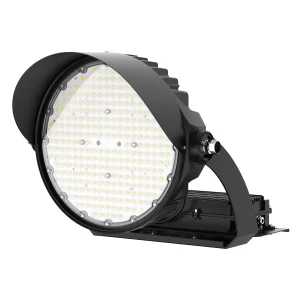
A selection of high-power, high-durability LED fixtures engineered for demanding industrial, sports, and municipal applications.
 Lijah Light