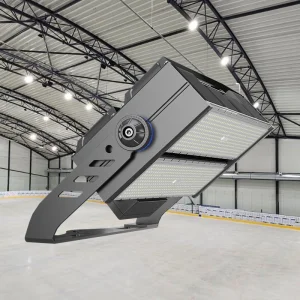
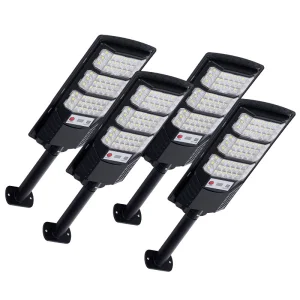
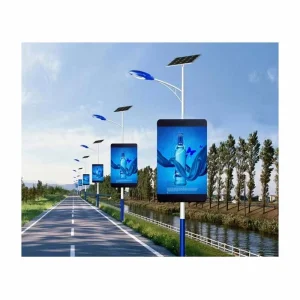
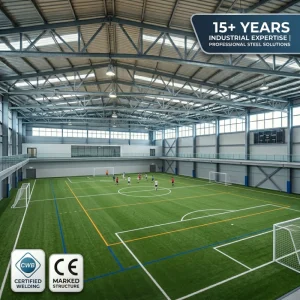
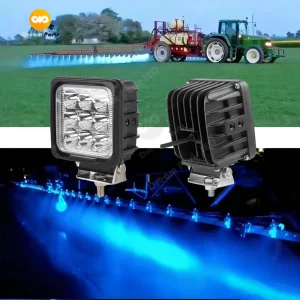
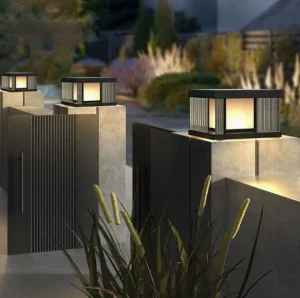
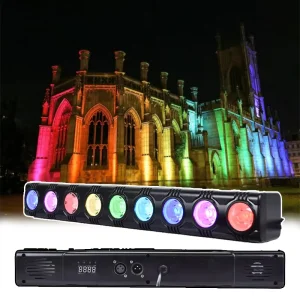
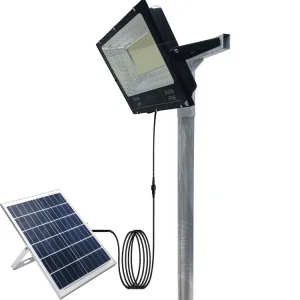
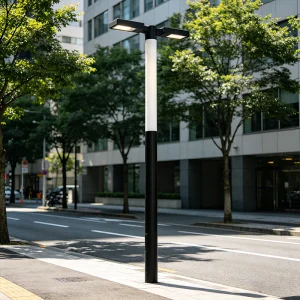
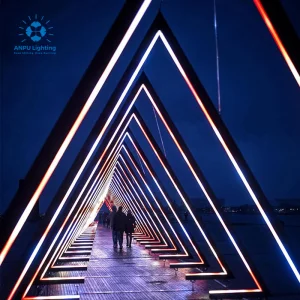
Explore our highly integrated engineering solutions designed for peak mechanical efficiency, structural durability, and optimal lumen output across commercial, agricultural, and sports applications.
The global commercial and industrial lighting sectors are undergoing an unprecedented transformation. Pushed by stringent environmental regulations, skyrocketing operational energy costs, and corporate ESG (Environmental, Social, and Governance) targets, the transition from conventional linear fluorescent lamps (LFL) to high-efficiency LED tubes is no longer just an upgrade—it is a critical compliance and financial strategy. Under the Minamata Convention on Mercury and subsequent EU RoHS directives, traditional fluorescent lamps containing toxic mercury are systematically phased out across major global jurisdictions. This regulatory tailwind makes finding a reliable, high-volume LED tube supplier a primary focus for global procurement directors, facility managers, and electrical engineering contractors.
In addition to regulatory pressures, the thermodynamic and economic profile of solid-state linear lighting holds significant business value. Modern LED tubes operate at up to 160 lm/W (lumens per Watt) in comparison to the typical 80 lm/W of older T8 and T12 fluorescent tubes. This performance translates directly to energy savings of 50% to 70%. When paired with smart lighting networks (DALI, Zigbee, 0-10V dimming protocol), these figures can exceed 80% total energy reduction through adaptive daylight harvesting and occupancy detection.
To successfully integrate linear LED tubes in mid-to-large scale facilities, engineers must understand the specific technical configurations available in the commercial landscape. Choosing between different electrical architectures determines not only the initial installation labor cost but also the long-term system reliability and maintenance overhead.
UL Type A (Ballast Compatible): Engineered to work directly with existing electronic high-frequency ballasts. While this provides the lowest initial labor cost (a simple plug-and-play retrofit), it introduces a secondary point of failure: the ballast. If the old ballast fails, the LED tube will not light, negating the reliability advantages of solid-state systems.
UL Type B (Ballast Bypass / Direct Wire): Requires the removal or bypassing of the existing ballast, routing line voltage directly to the sockets (either single-ended or double-ended power configuration). This architecture eliminates ballast maintenance costs and ensures maximum system efficiency, but requires certified electrical installation labor.
UL Type C (External Driver): The high-efficiency approach. The LED tube is powered by a dedicated external LED driver mounted in the fixture housing, similar to a traditional ballast setup. By placing the driver outside the tube casing, thermal dissipation is optimized, drastically extending both the LED chip and driver lifespan.
High-grade aluminum backings and thermally conductive PCBs (Printed Circuit Boards) pull heat away from the surface-mounted diode (SMD) arrays, maintaining junction temperatures below 75°C to prevent premature lumen degradation.
Polycarbonate (PC) diffusers are widely used for impact resistance, while modern shatterproof glass coatings deliver excellent light transmission (up to 92%) without yellowing or degradation under prolonged UV exposure.
Isolated constant-current drivers shield components from grid surges and power fluctuations, keeping Total Harmonic Distortion (THD) under 15% to maintain line quality in industrial settings.
A Technology-Driven Enterprise Specializing in Smart, Modern, and Energy-Efficient Commercial Lighting Solutions
Guangdong Lijah Light Co., Ltd. is a professional manufacturer specializing in the research, development, production, sales, and service of modern, energy-efficient, and intelligent LED lighting solutions. As a technology-driven enterprise, we are committed to providing innovative, reliable, and sustainable lighting products for industrial, commercial, and outdoor applications worldwide.
With years of industry experience, Lijah Light has become a trusted partner for distributors, wholesalers, contractors, and project developers across Europe, Oceania, Southeast Asia, the Middle East, and other international markets. By combining advanced manufacturing technologies with continuous product innovation, we provide customers with high-quality lighting solutions that deliver outstanding performance, long service life, and significant energy savings.
Innovation is the driving force behind our continued growth. Our experienced R&D team works closely with our engineering, marketing, and sales departments to develop advanced lighting solutions that meet the evolving demands of the global market. Through continuous investment in product development and technological innovation, we are able to introduce efficient, reliable, and intelligent lighting products that create greater value for our customers.
Quality is one of our core values. Our manufacturing processes are carried out under a strict quality management system to ensure every product consistently meets international standards. Our LED lighting products comply with CE and RoHS requirements, while many of our key products have also obtained internationally recognized certifications including TÜV, ENEC, VDE, SAA, C-Tick, CB, LM79, and LM80. These certifications demonstrate our commitment to product safety, environmental responsibility, and manufacturing excellence.
In addition to supplying high-quality LED lighting products, Guangdong Lijah Light provides professional lighting design support through DIALux simulation services. Our experienced engineers assist customers in optimizing lighting layouts, improving energy efficiency, and selecting the most suitable lighting solutions for industrial, commercial, and outdoor projects, helping to reduce installation costs while maximizing lighting performance.
Driven by continuous innovation and a commitment to excellence, Guangdong Lijah Light Co., Ltd. is dedicated to becoming a globally recognized brand in industrial and commercial LED lighting. We will continue to develop smarter, greener, and more energy-efficient lighting solutions that help customers reduce energy consumption, improve operational efficiency, and create safer, more sustainable environments for the future.
Guangdong Lijah Light Co., Ltd. — Lighting the Future with Innovation, Quality and Reliability.
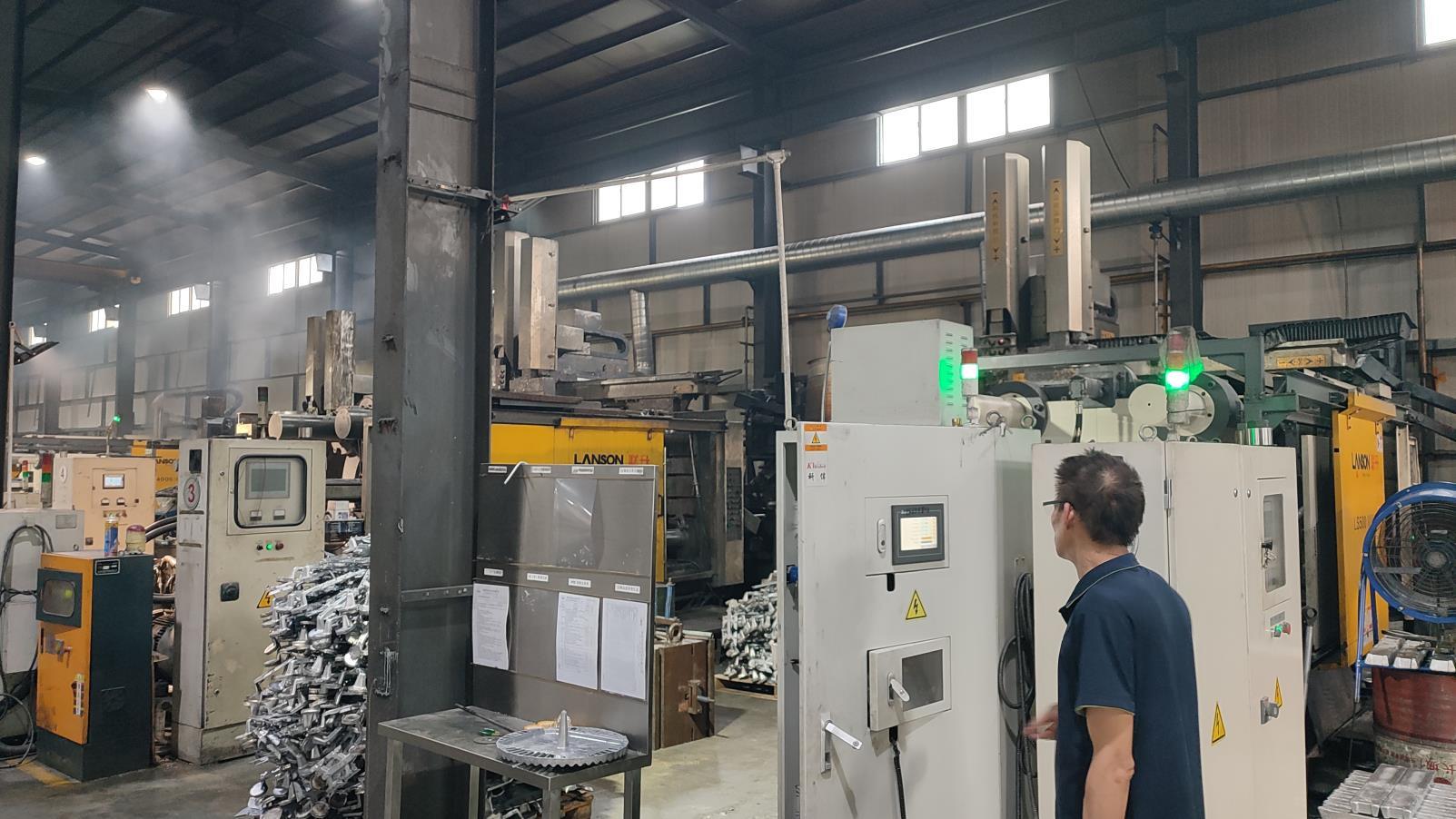
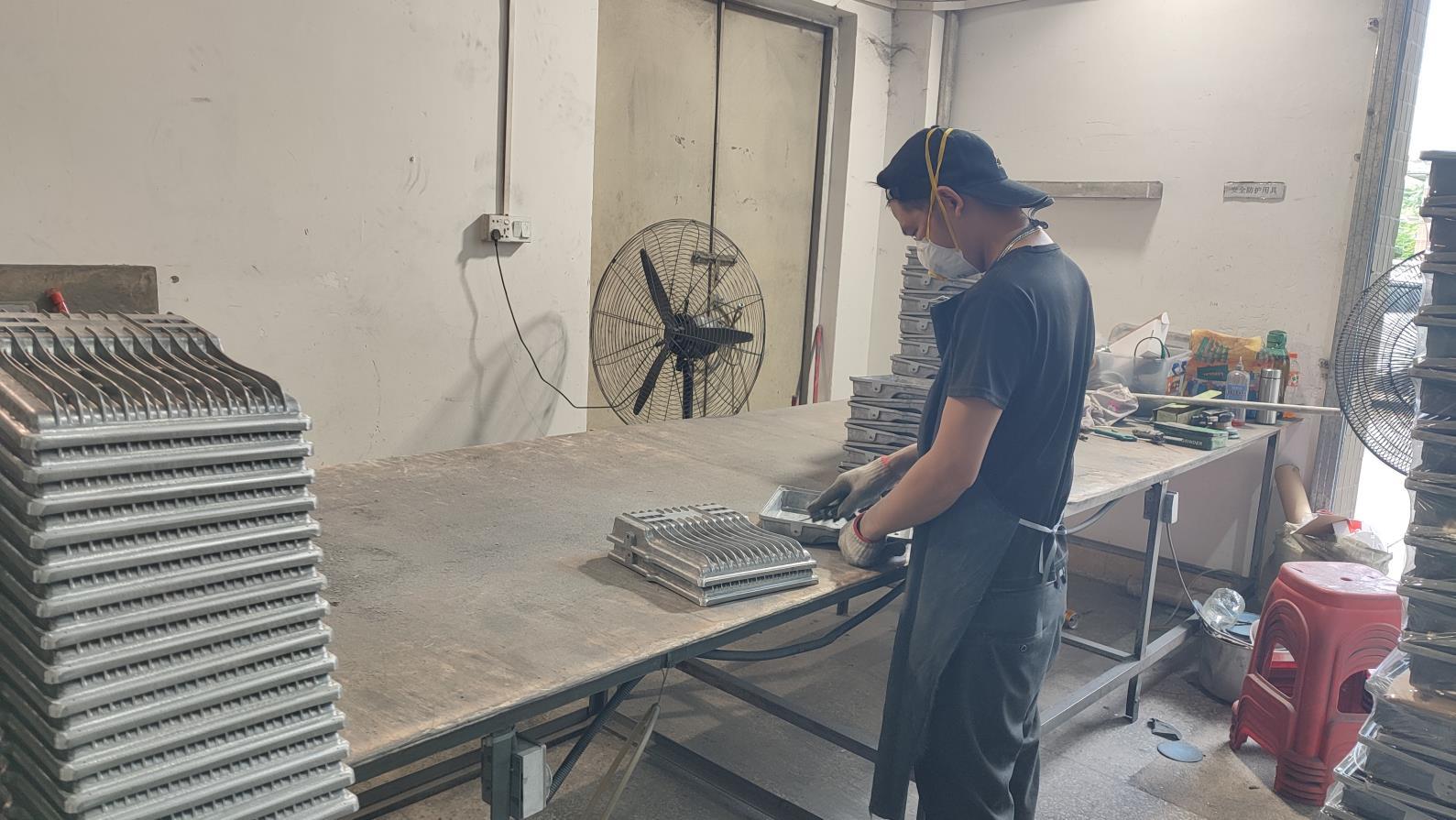
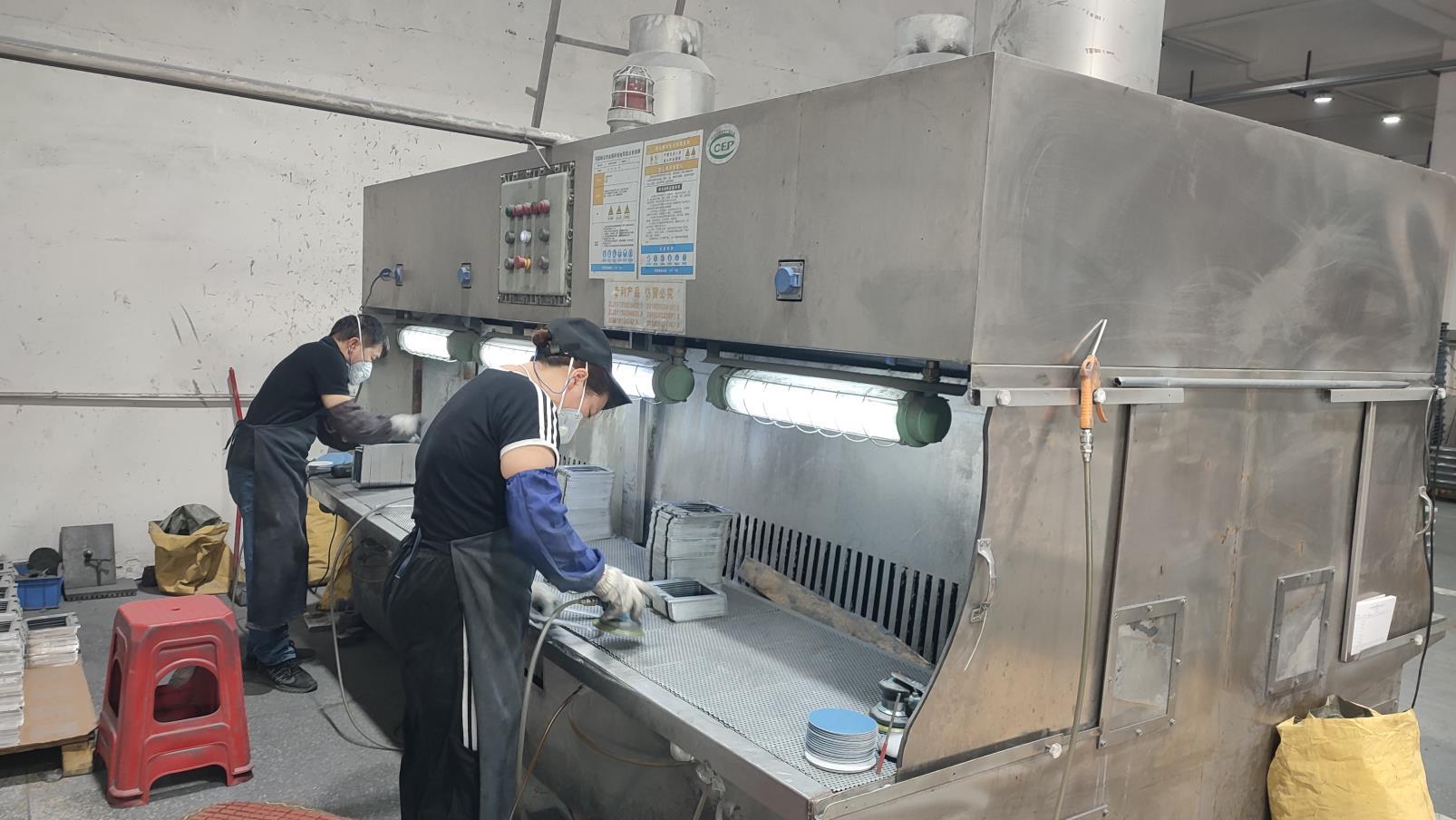
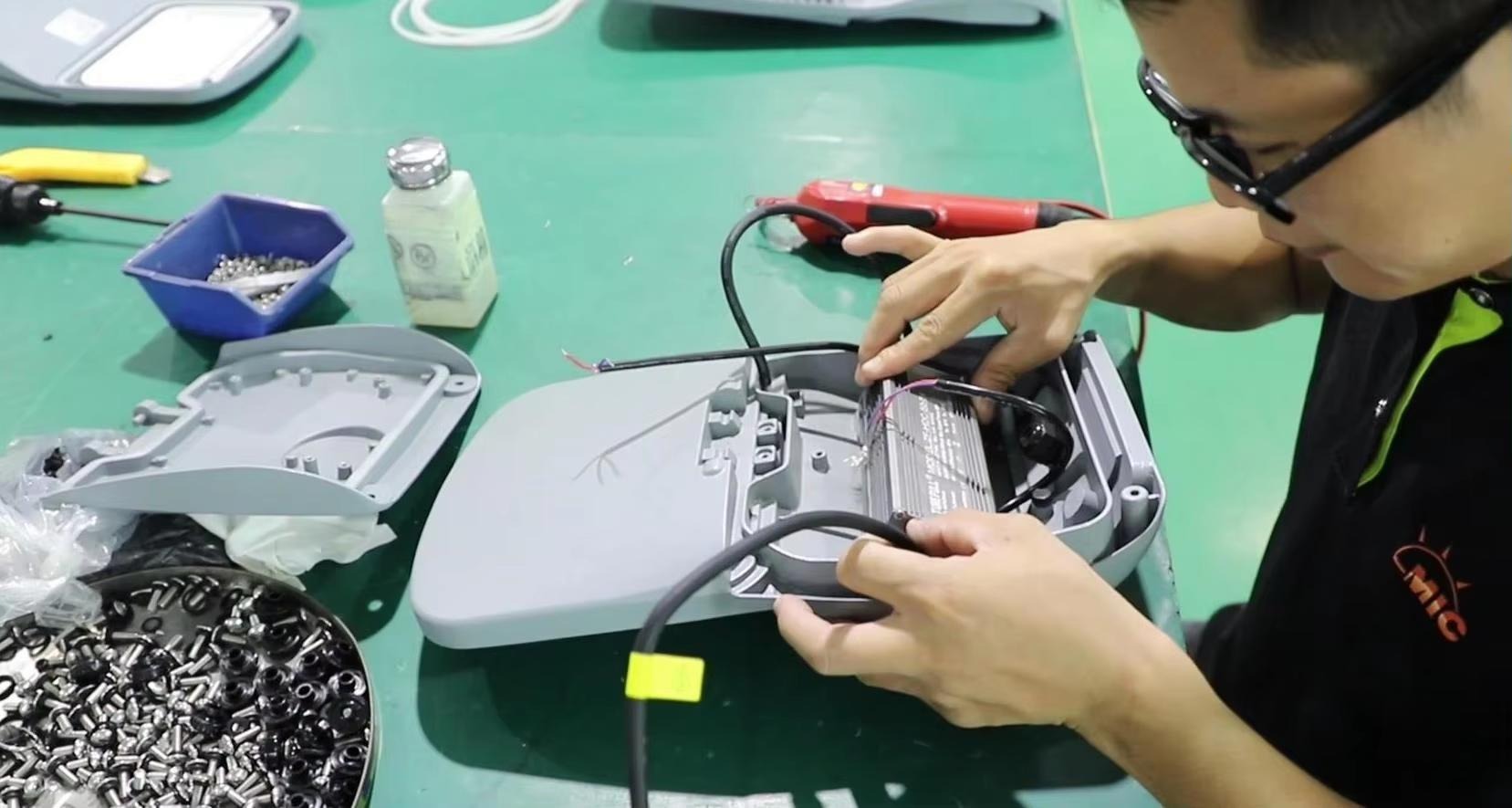
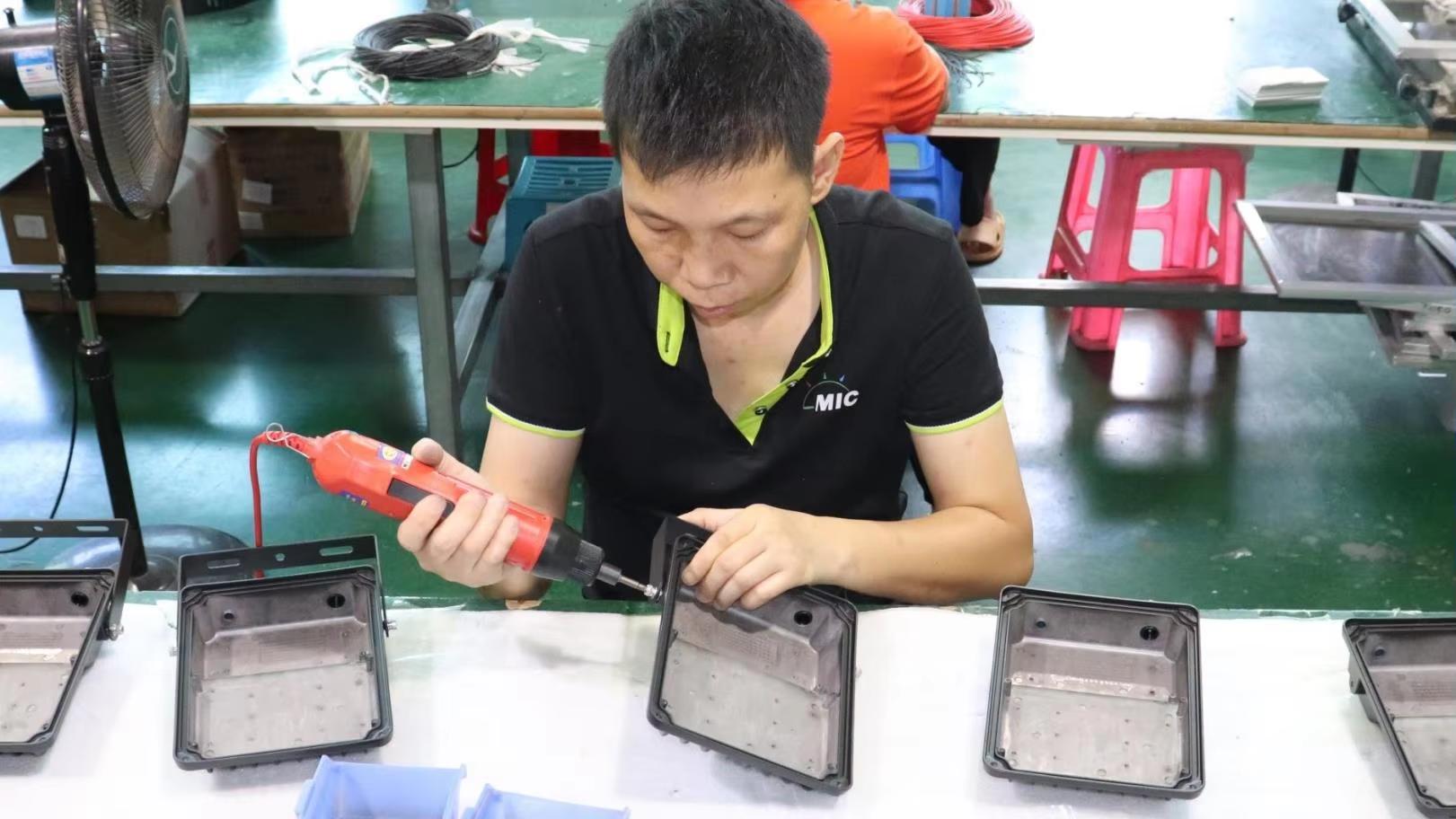
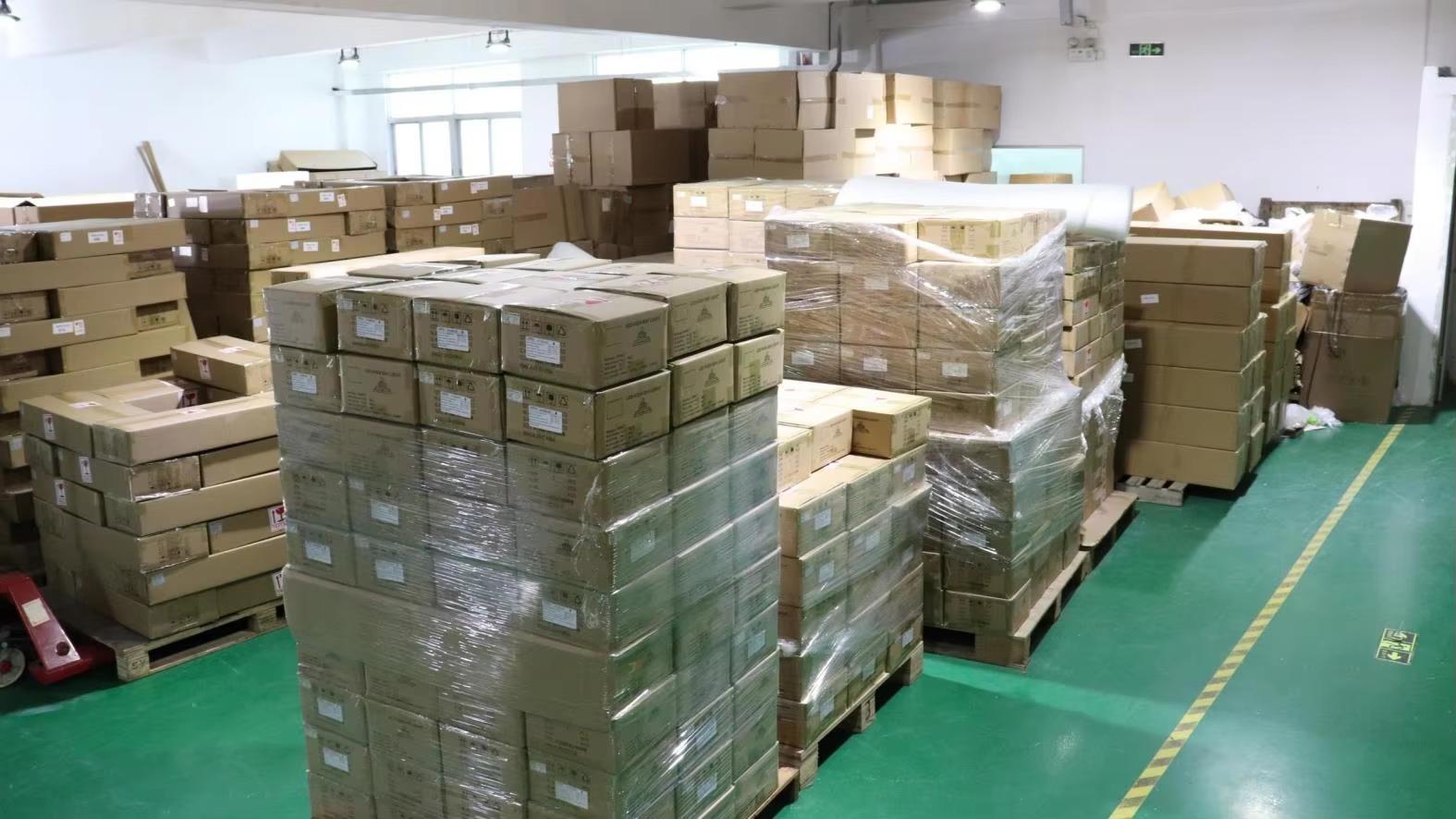
Our production facilities utilize modern technology and rigorous quality control protocols to ensure every structural casting, driver, and optic is built for long-term performance.
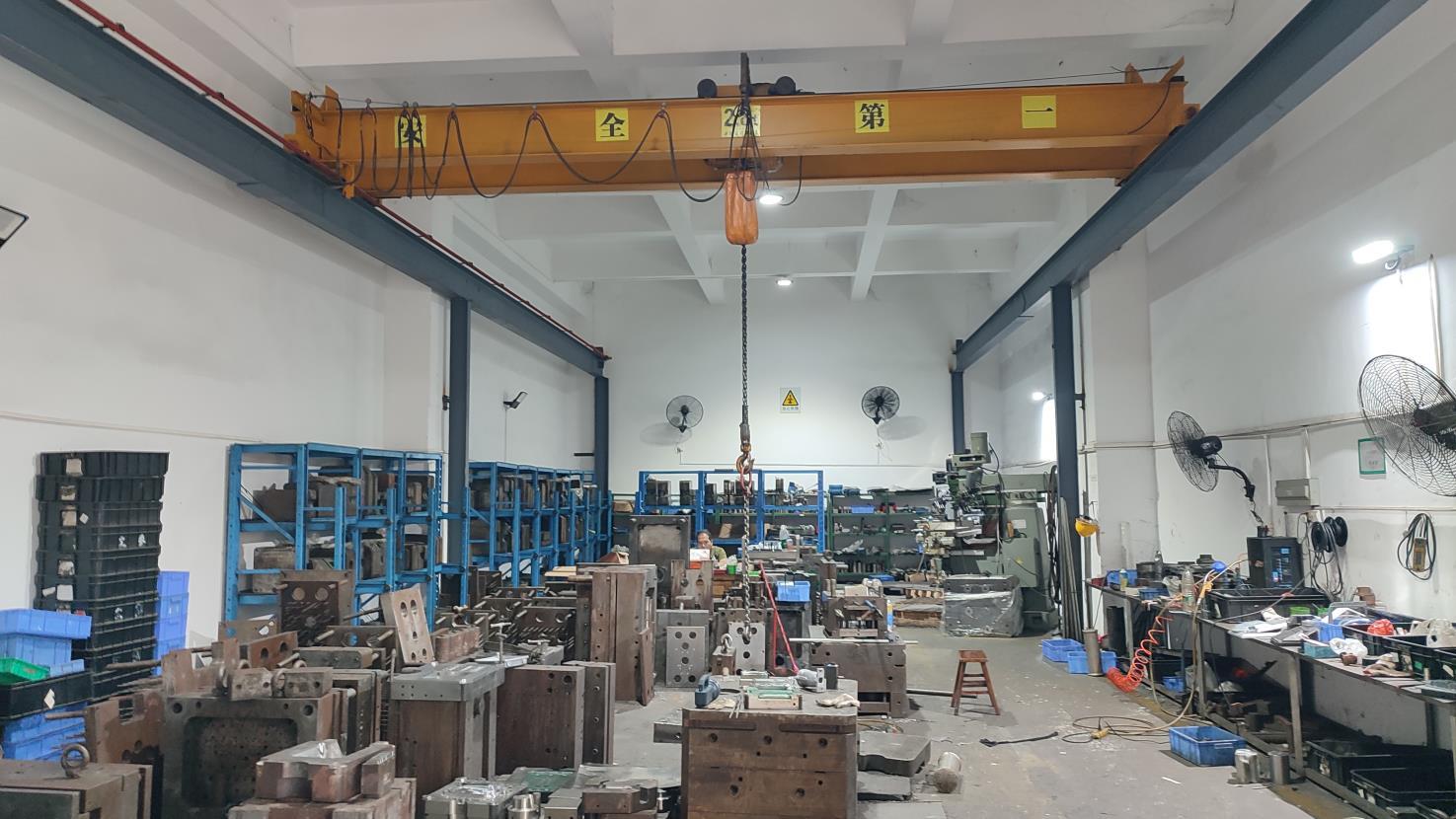
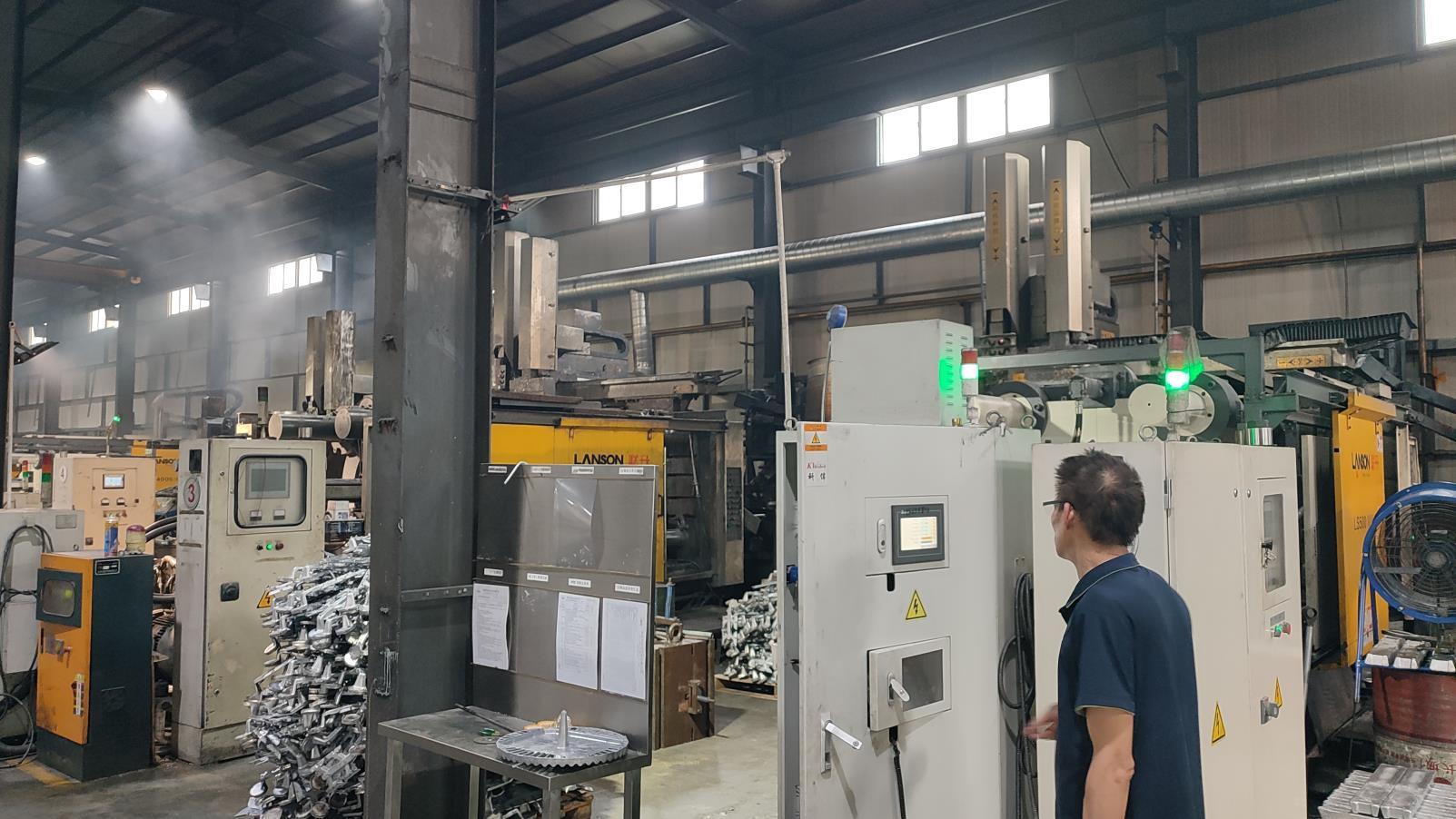
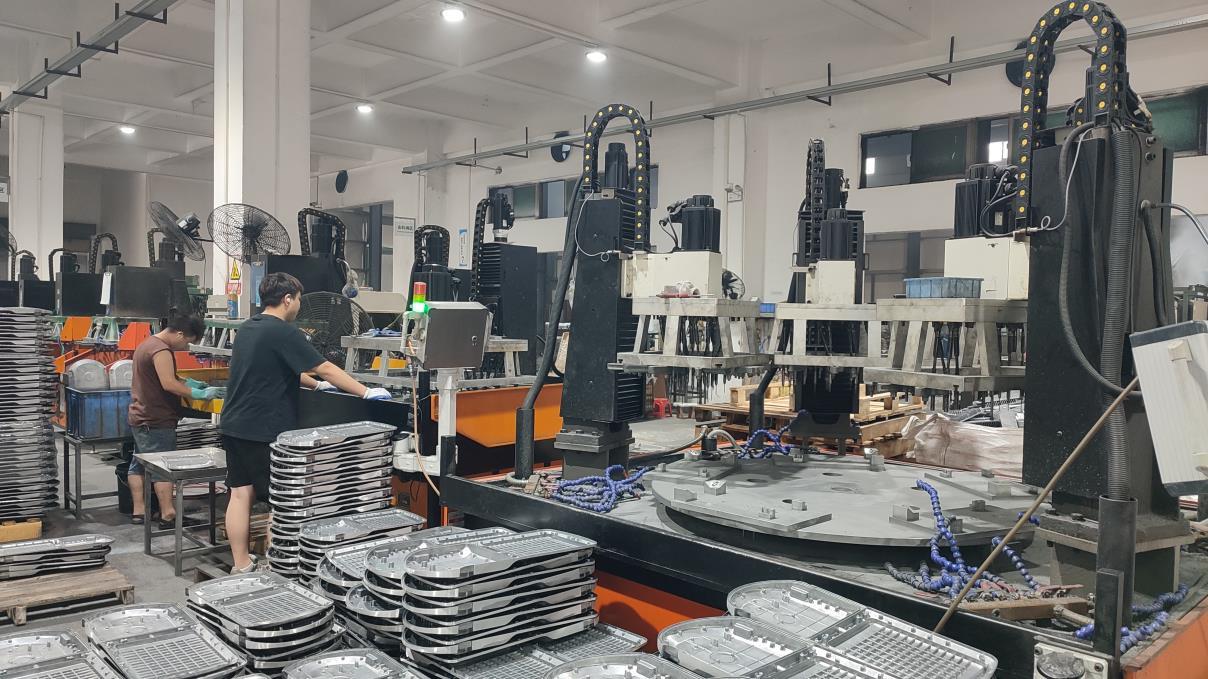
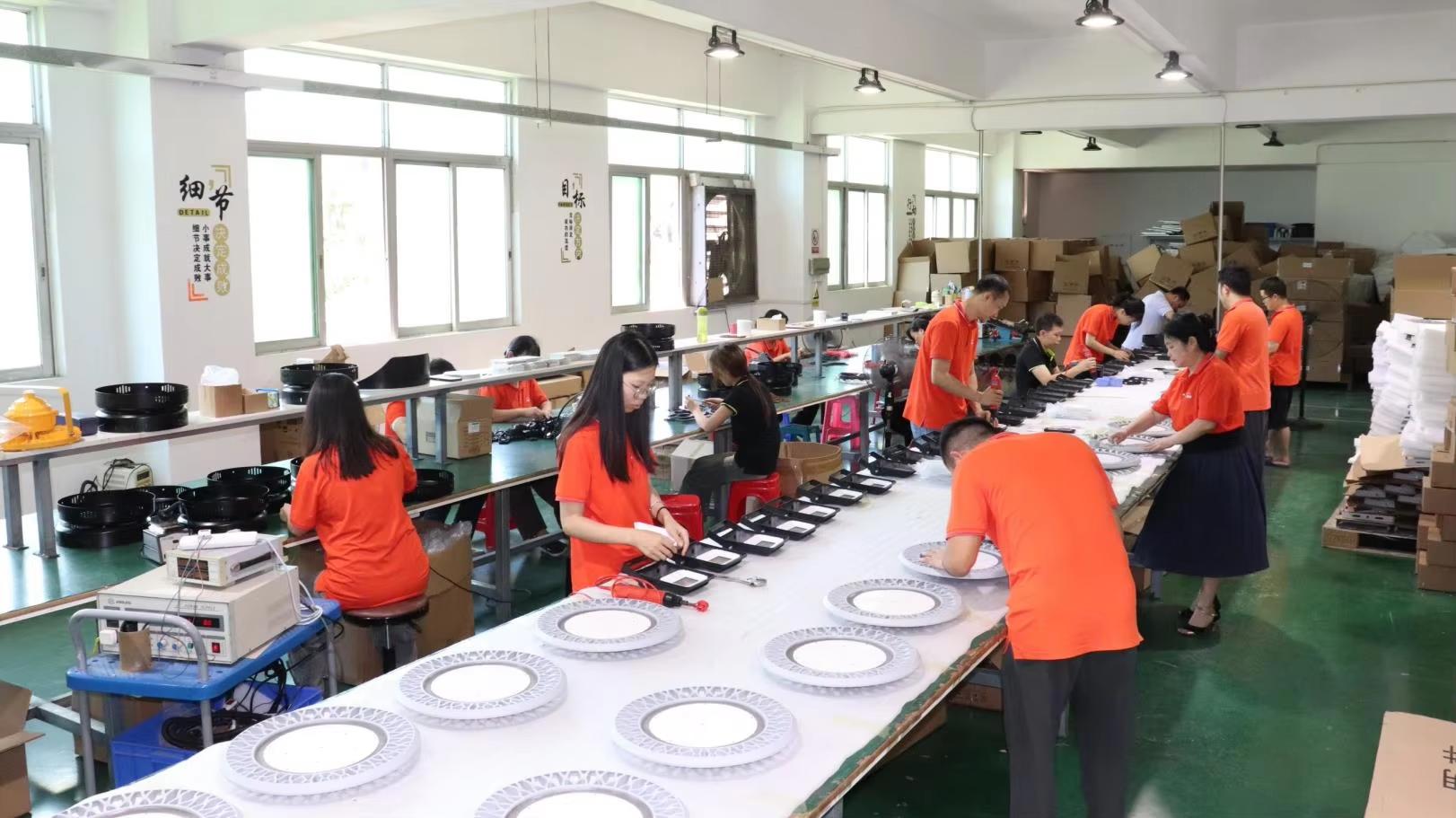
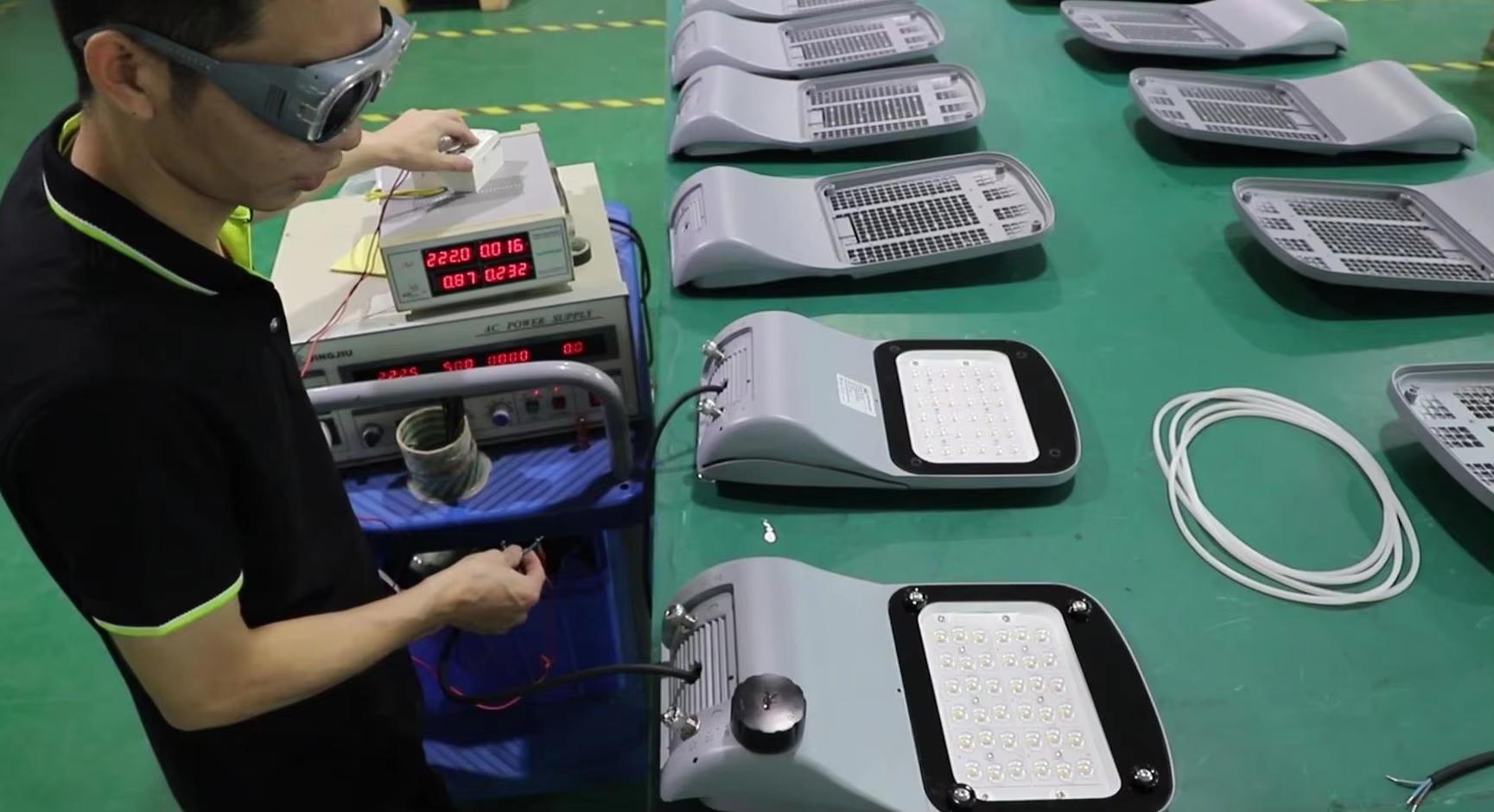
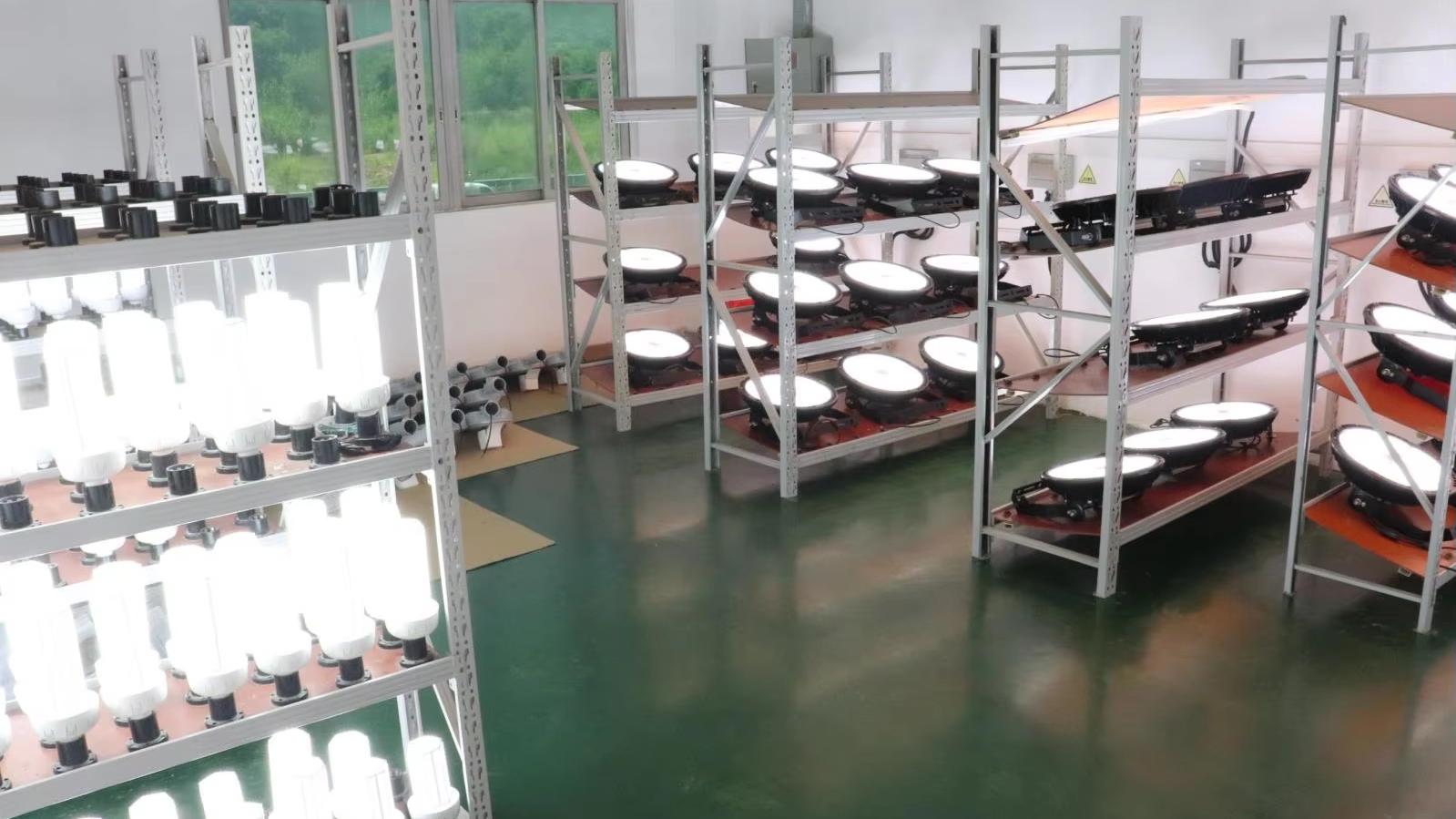
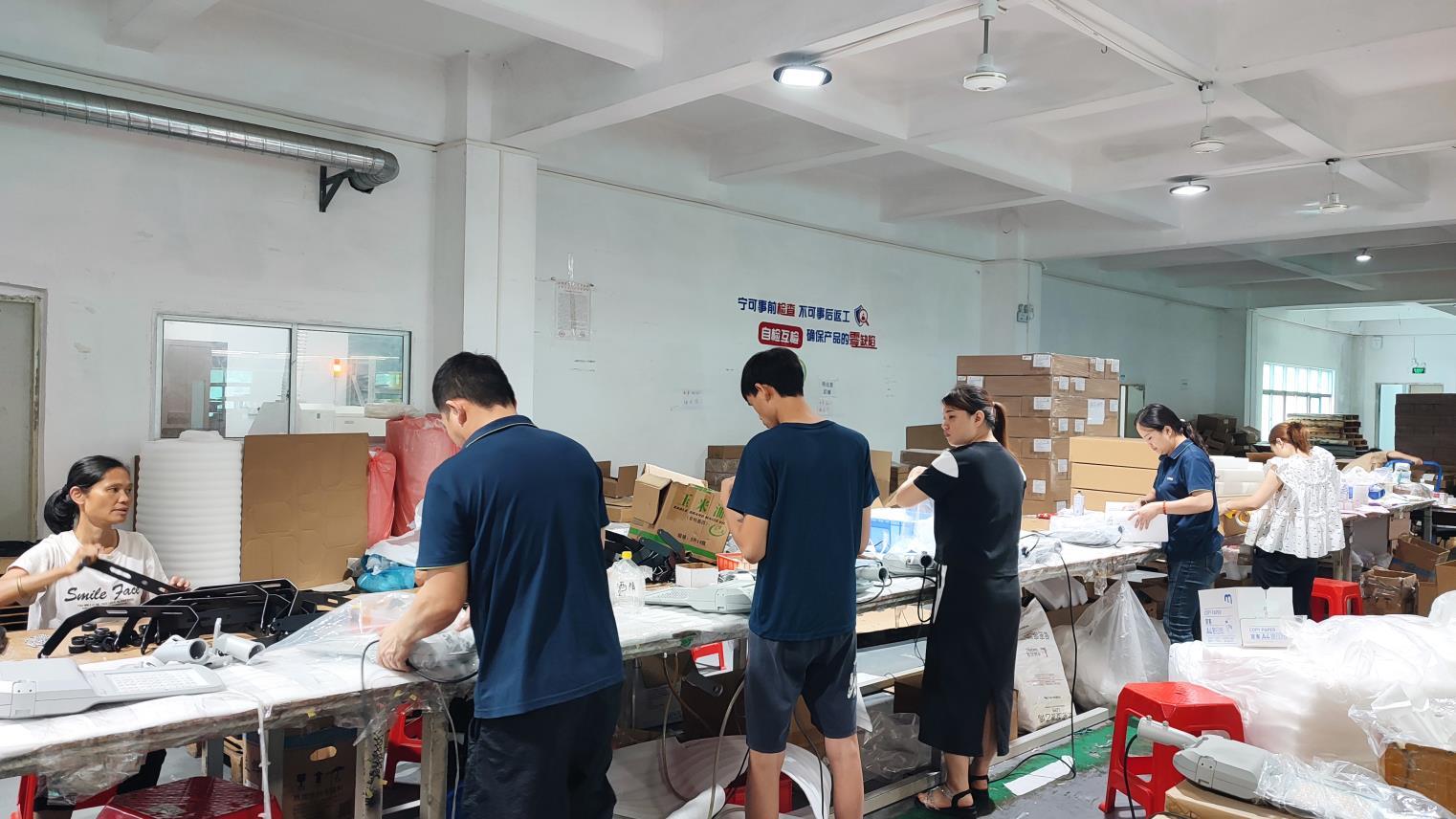
LED tubes are deployed across a wide variety of commercial and industrial settings, each placing unique demands on mechanical and optical designs. Ensuring the correct specifications for these environments prevents premature failures and guarantees long-term performance.
Fluorescent tubes perform poorly in cold environments, showing reduced lumen output and struggling to start. LED tubes thrive in cold temperatures, keeping junction temperatures low and maintaining high efficiency. In humid processing areas, IP65 vapor-tight housings protect electrical paths from condensation and corrosion.
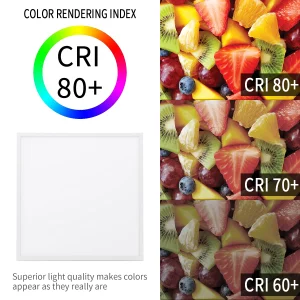
Commercial offices require comfortable, glare-controlled lighting with high color rendering. A CRI (Ra) greater than 80 is standard, while projects demanding high color fidelity use Ra > 90. Selecting the right CCT (Correlated Color Temperature), such as neutral 4000K or daylight 5000K, helps reduce eye strain and support focus.
Chemical processing and manufacturing sites need explosion-proof or highly chemical-resistant lighting enclosures. In these environments, heavy-duty polycarbonate structures are preferred over glass to eliminate the risk of shattering and contamination on the production floor.
For international projects, compliance is a non-negotiable requirement. Professional purchasers must verify that imports meet the testing protocols and regional safety standards of their local markets.
Guangdong Lijah Light Co., Ltd. ensures its product lines meet these demands by maintaining active compliance and certifications with leading international standards bodies:
Detailed answers to key engineering, integration, and supply chain questions for industrial buyers.
Select from our range of outdoor, architectural, and industrial luminaires built to meet demanding performance specifications.
 Lijah Light