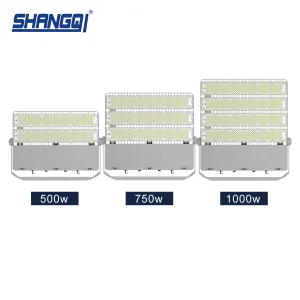
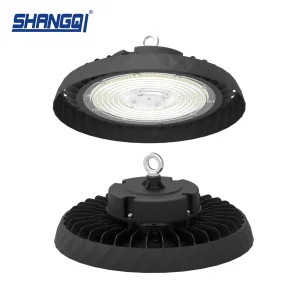
Explore our top-tier engineering fixtures designed for warehouses, sports facilities, manufacturing environments, and demanding outdoor landscapes.
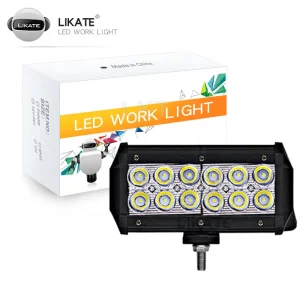
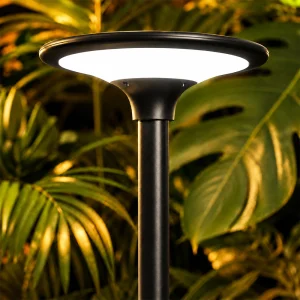
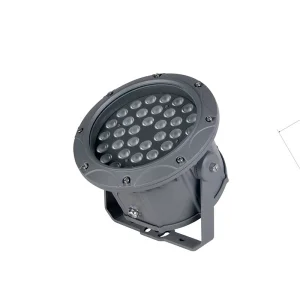
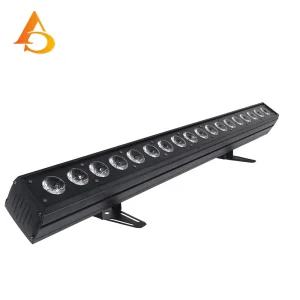
The international transition toward carbon neutrality and smart-city infrastructures has propelled LED bay lighting to the forefront of modern commercial utility designs. Industrial facilities, logistics networks, manufacturing centers, and high-ceiling commercial retail environments represent the largest share of commercial electricity sinks. In these environments, old lighting systems like high-intensity discharge (HID) and metal halide fixtures degrade rapidly, consume excess energy, and present high maintenance costs.
Today's LED high bay and low bay light engines address these industrial bottlenecks. Modern commercial bay lights offer systemic upgrades through high luminous efficacy (reaching upwards of 210 lm/W), advanced heat-sink designs, and intelligent automated dimming capabilities. According to industry analyses, replacing HID lamps with intelligent LED bay lights results in immediate energy cost reductions of up to 60-80%, alongside a drastic lowering of carbon footprints.
A technology-driven enterprise providing high-performance, energy-efficient, and intelligent LED lighting solutions to distributors, contractors, and project developers globally.
Guangdong Lijah Light Co., Ltd. is a professional manufacturer specializing in the research, development, production, sales, and service of modern, energy-efficient, and intelligent LED lighting solutions. As a technology-driven enterprise, we are committed to providing innovative, reliable, and sustainable lighting products for industrial, commercial, and outdoor applications worldwide.
With years of industry experience, Lijah Light has become a trusted partner for distributors, wholesalers, contractors, and project developers across Europe, Oceania, Southeast Asia, the Middle East, and other international markets. By combining advanced manufacturing technologies with continuous product innovation, we provide customers with high-quality lighting solutions that deliver outstanding performance, long service life, and significant energy savings.
Innovation is the driving force behind our continued growth. Our experienced R&D team works closely with our engineering, marketing, and sales departments to develop advanced lighting solutions that meet the evolving demands of the global market. Through continuous investment in product development and technological innovation, we are able to introduce efficient, reliable, and intelligent lighting products that create greater value for our customers.
In addition to supplying high-quality LED lighting products, Guangdong Lijah Light provides professional lighting design support through DIALux simulation services. Our experienced engineers assist customers in optimizing lighting layouts, improving energy efficiency, and selecting the most suitable lighting solutions for industrial, commercial, and outdoor projects, helping to reduce installation costs while maximizing lighting performance.
Quality is one of our core values. Our manufacturing processes are carried out under a strict quality management system to ensure every product consistently meets international standards. Our LED lighting products comply with CE and RoHS requirements, while many of our key products have also obtained internationally recognized certifications including:
Explore our advanced fabrication processes. By keeping die-casting, mold making, and quality control internal, we guarantee consistent quality and rapid lead times.
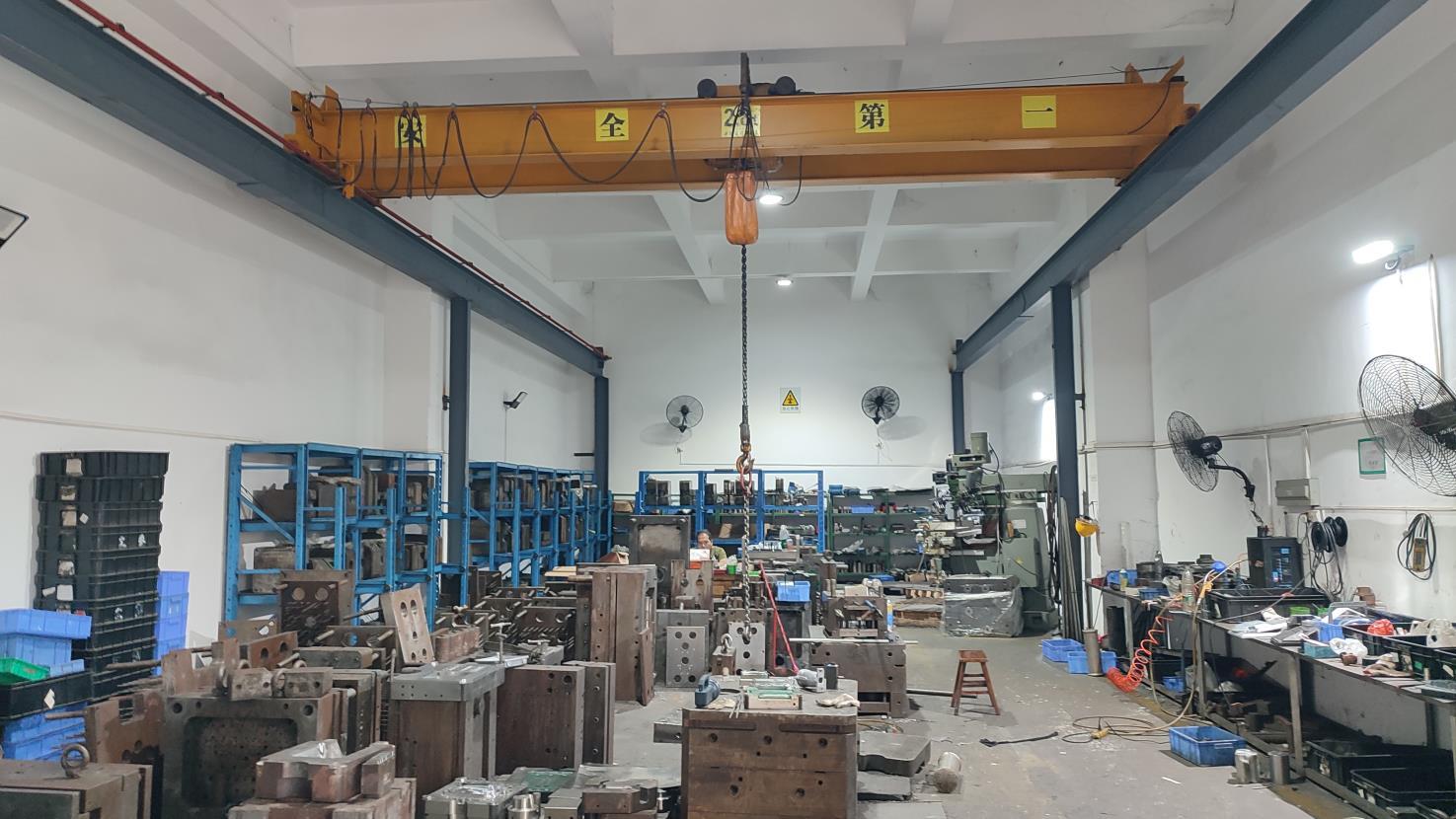
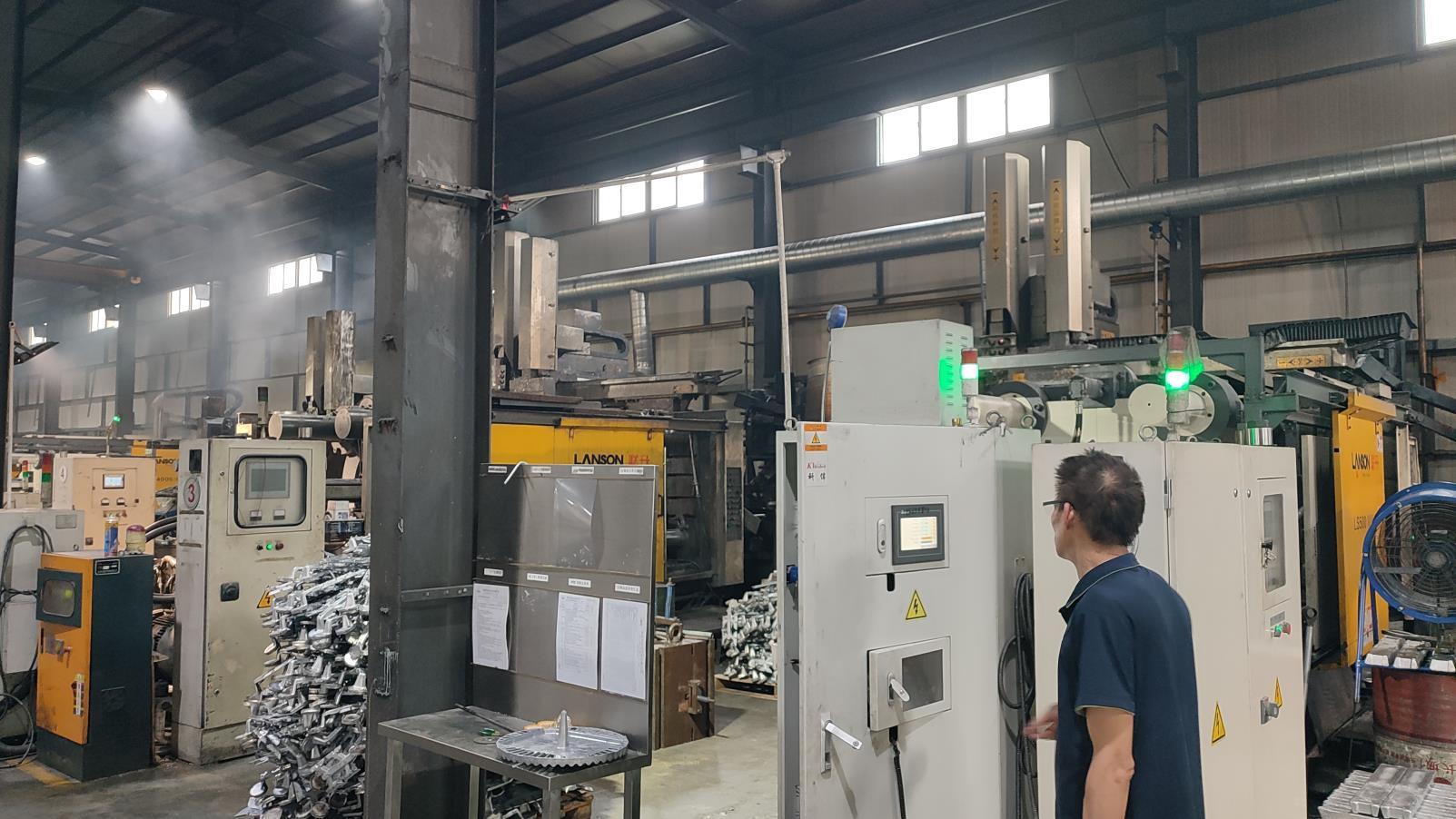
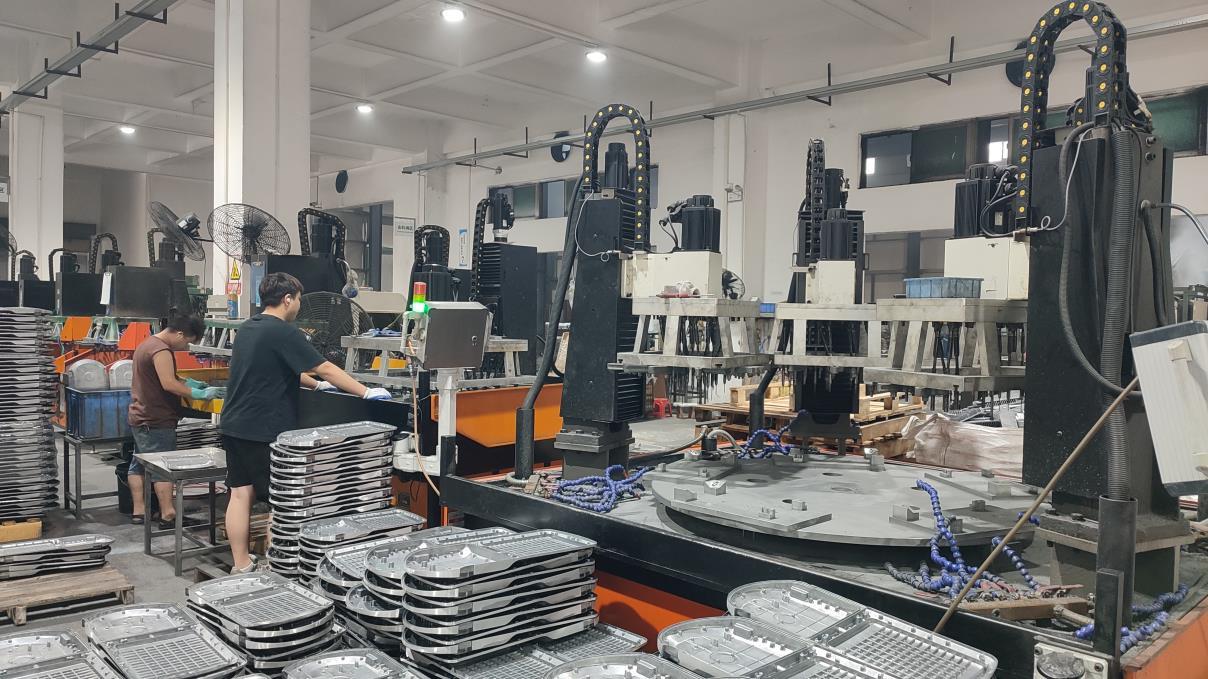
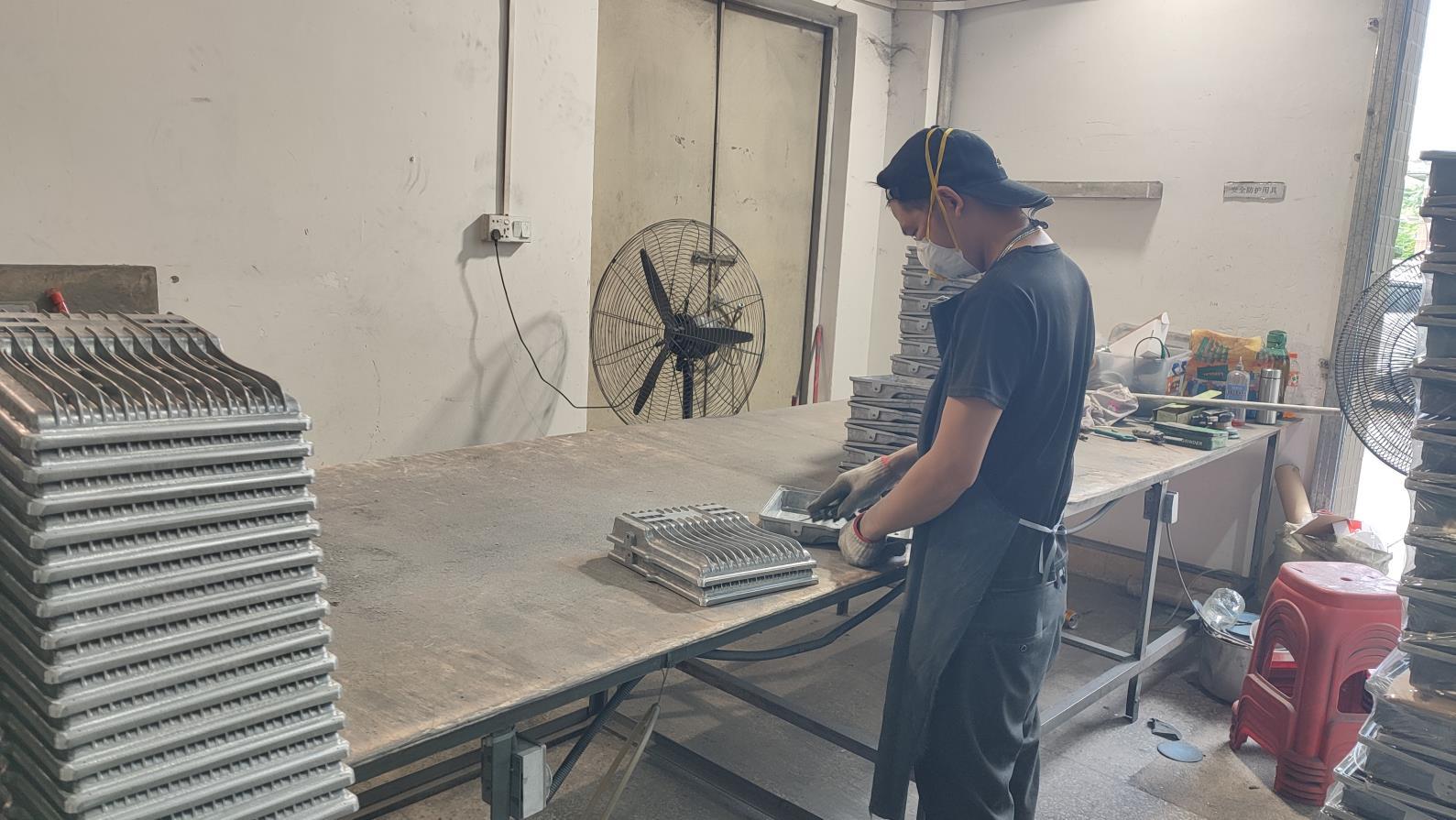
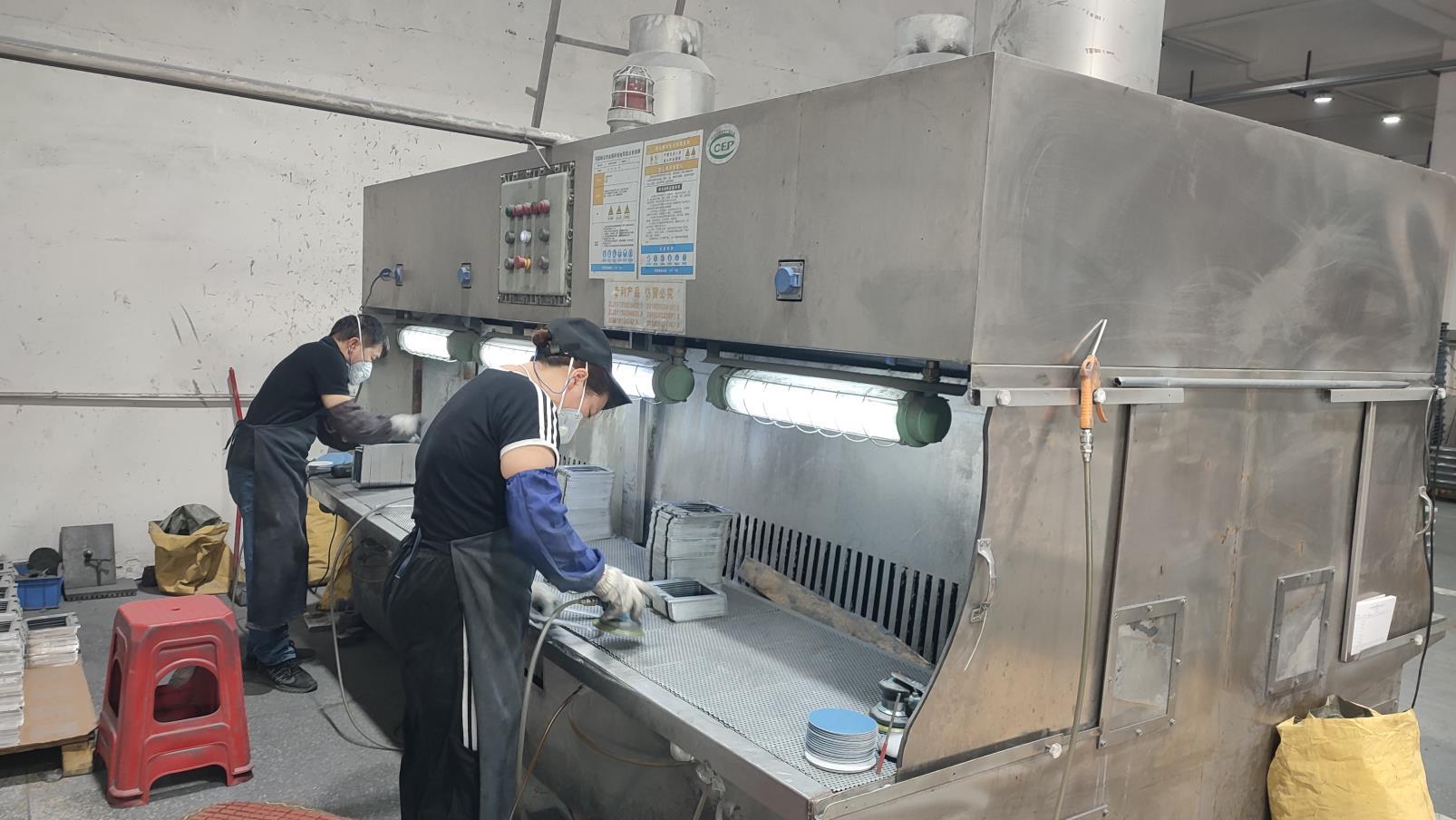
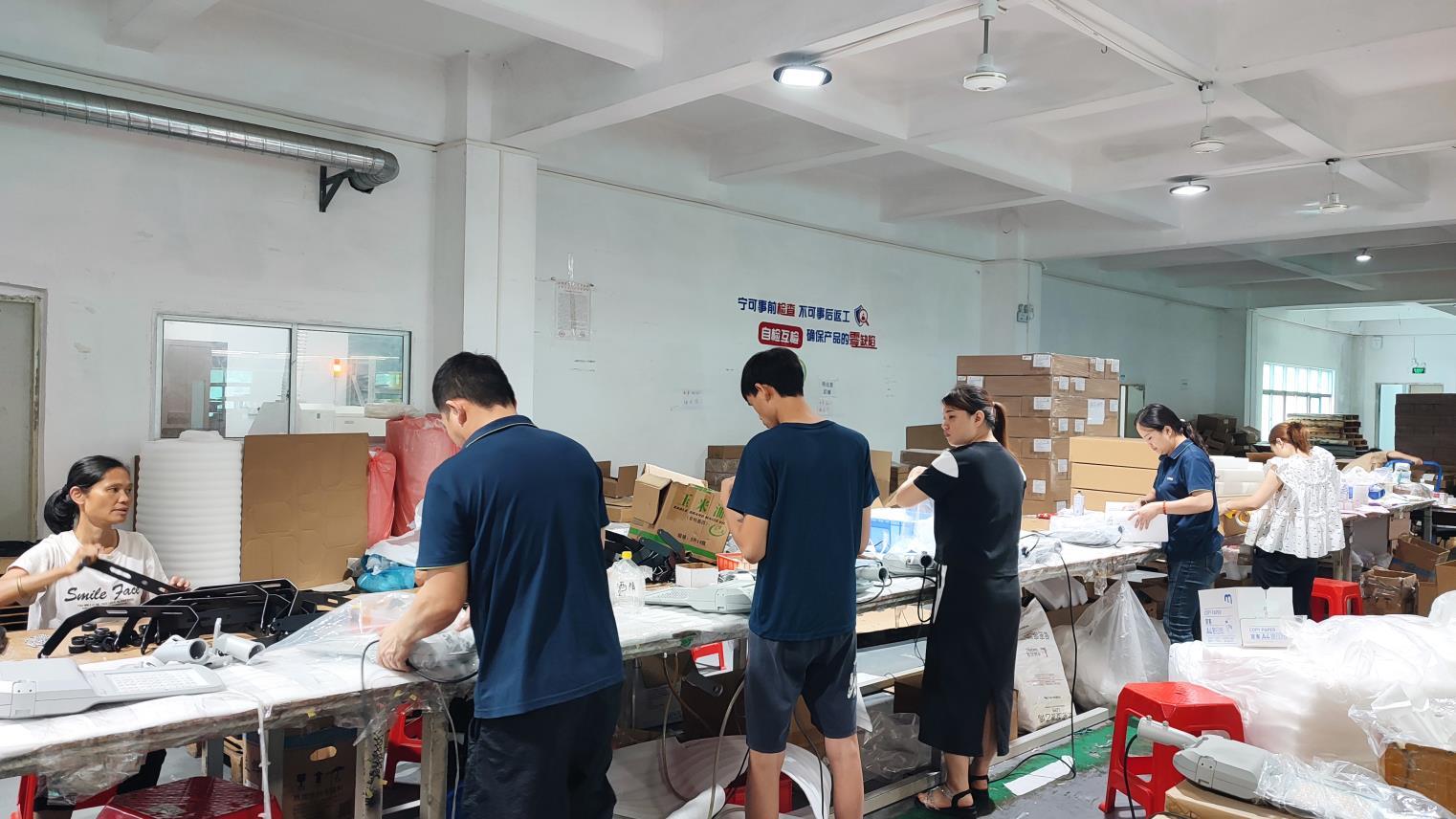
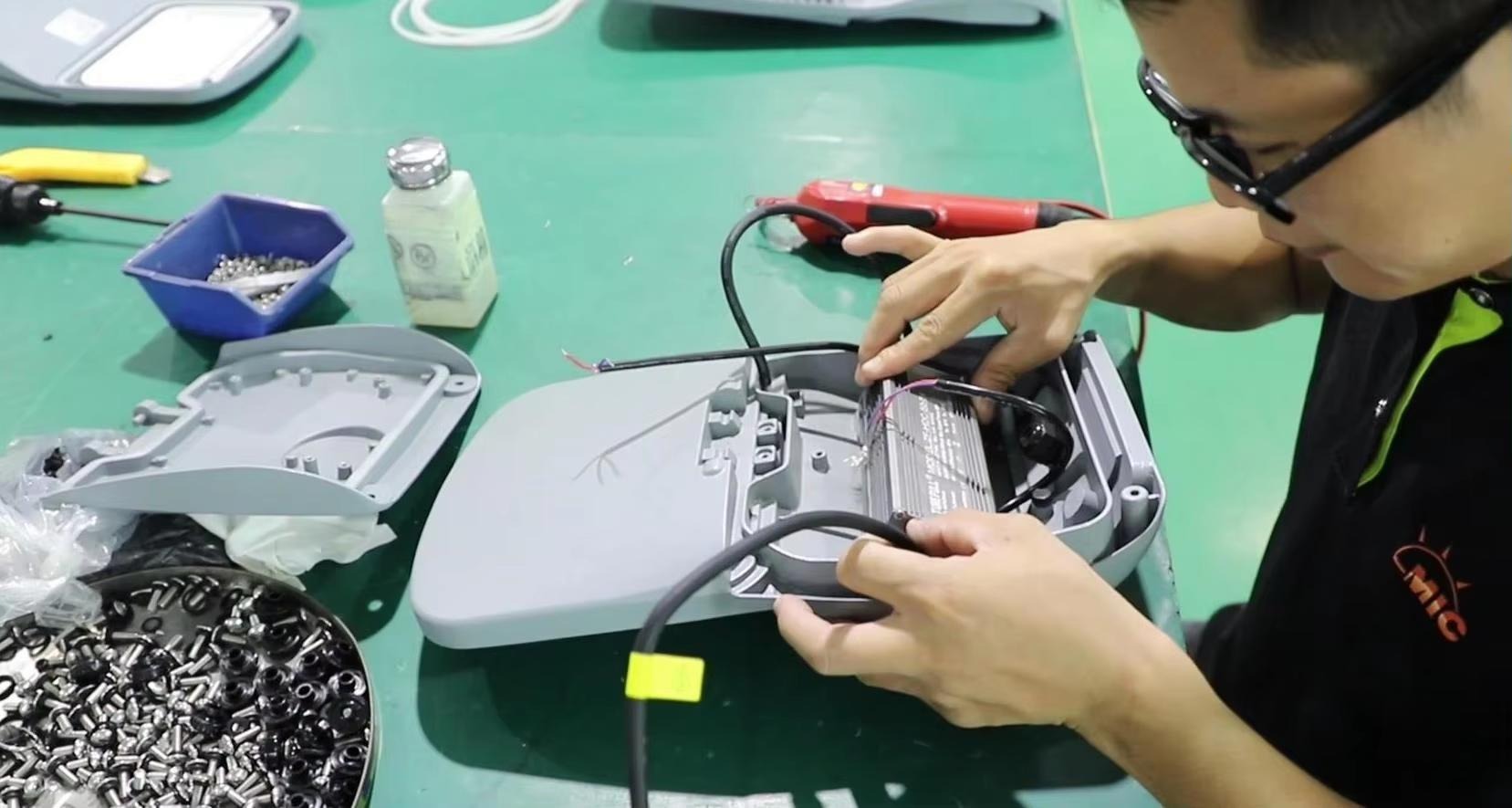
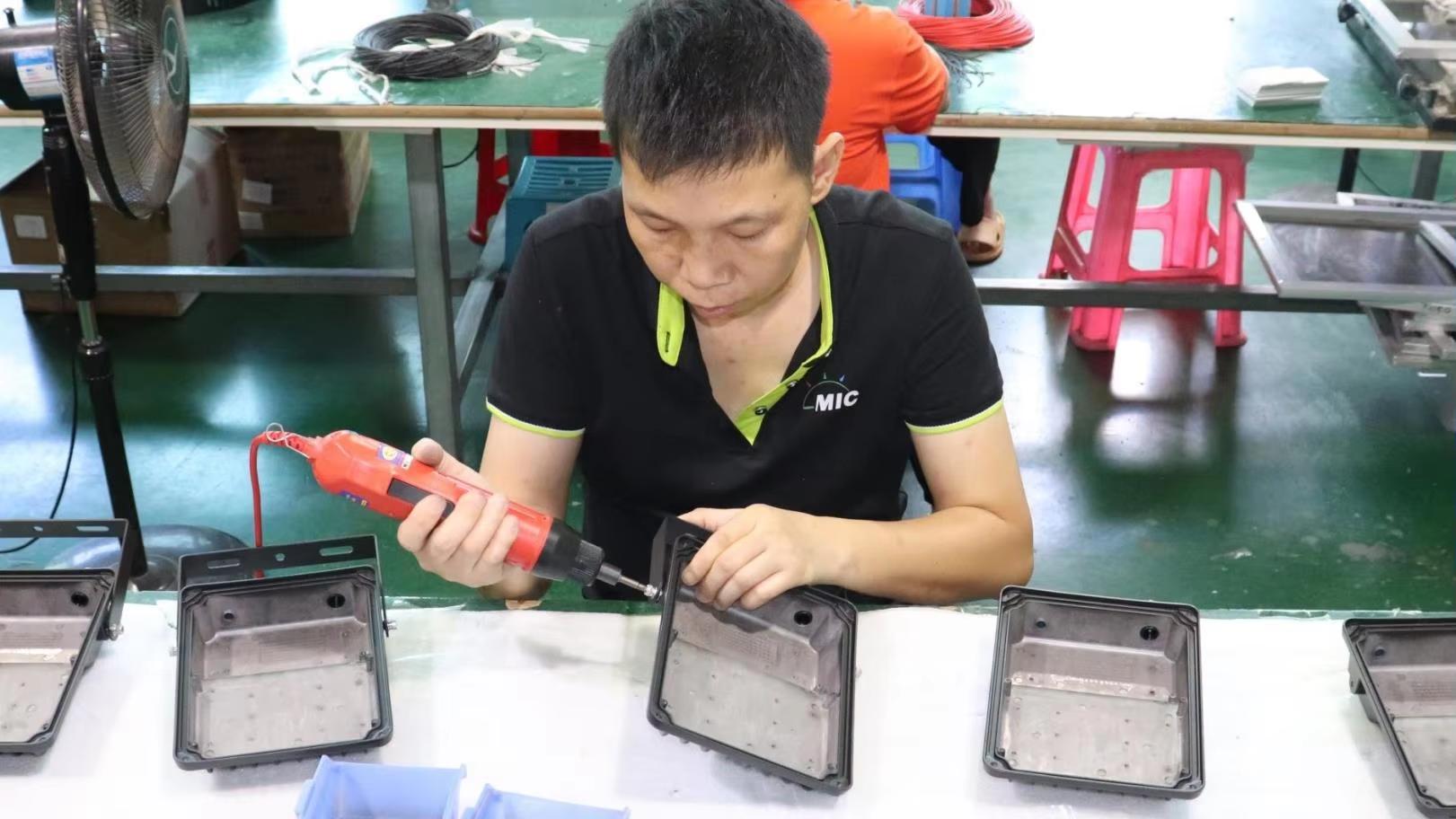
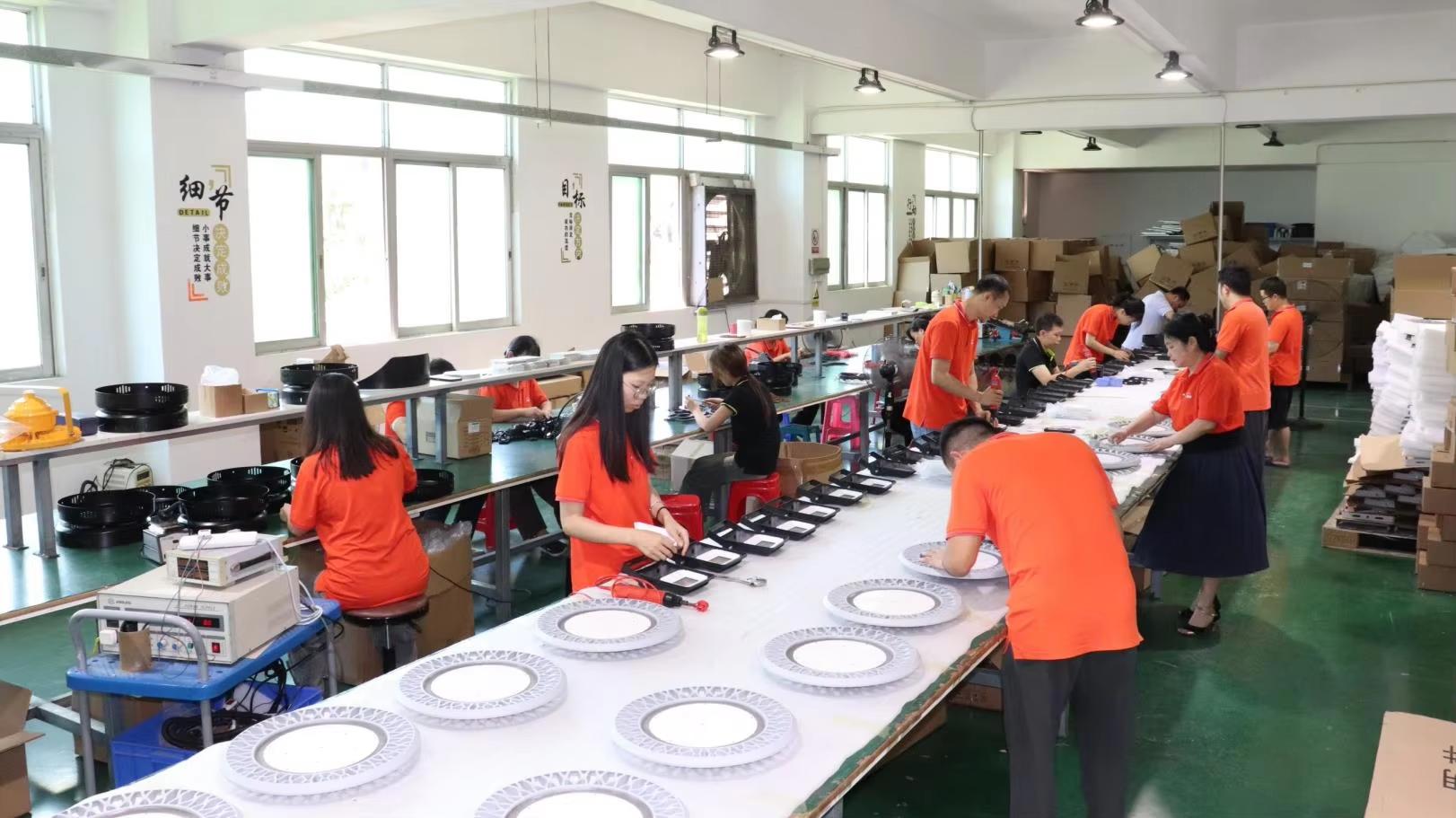
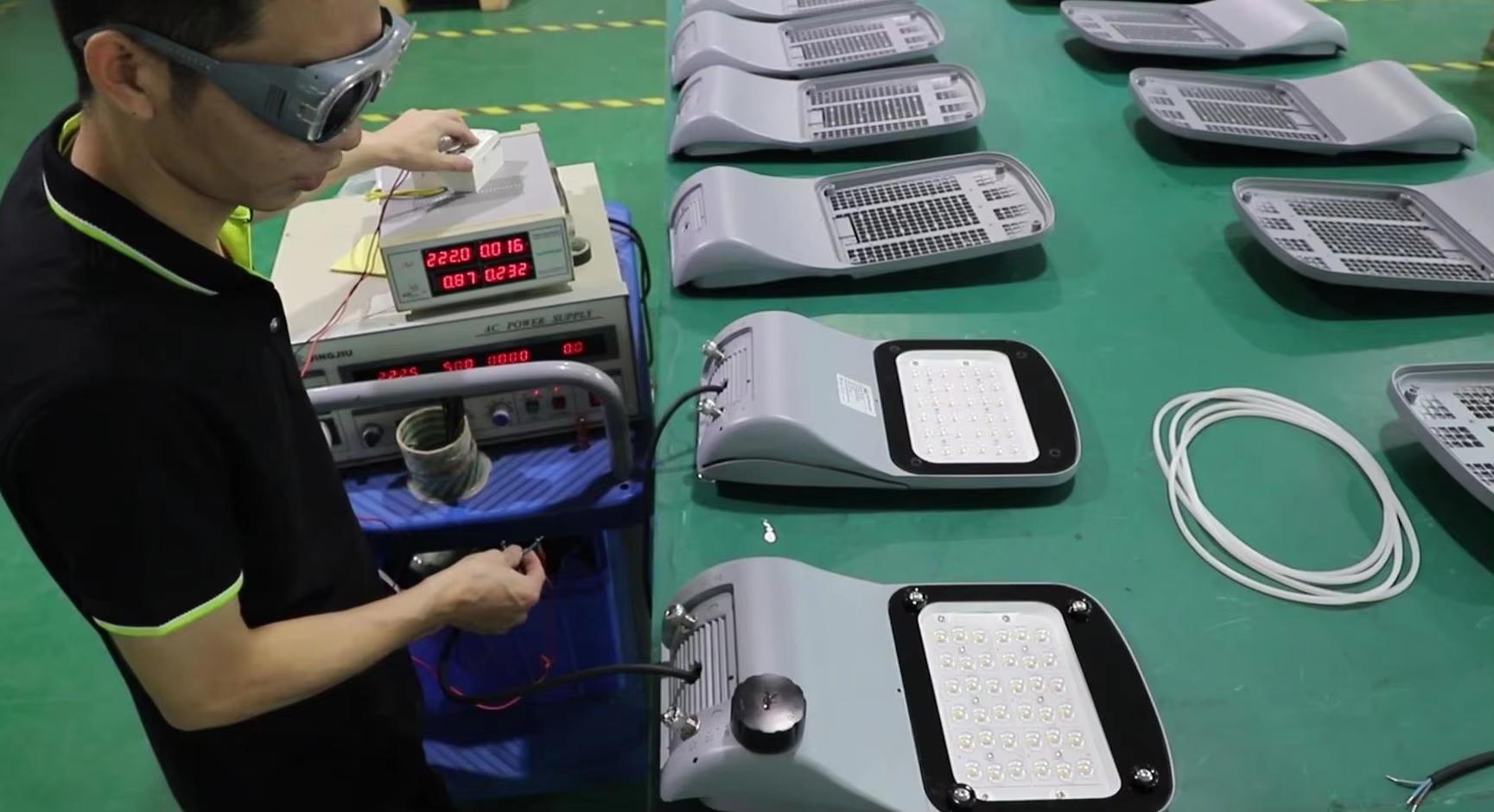
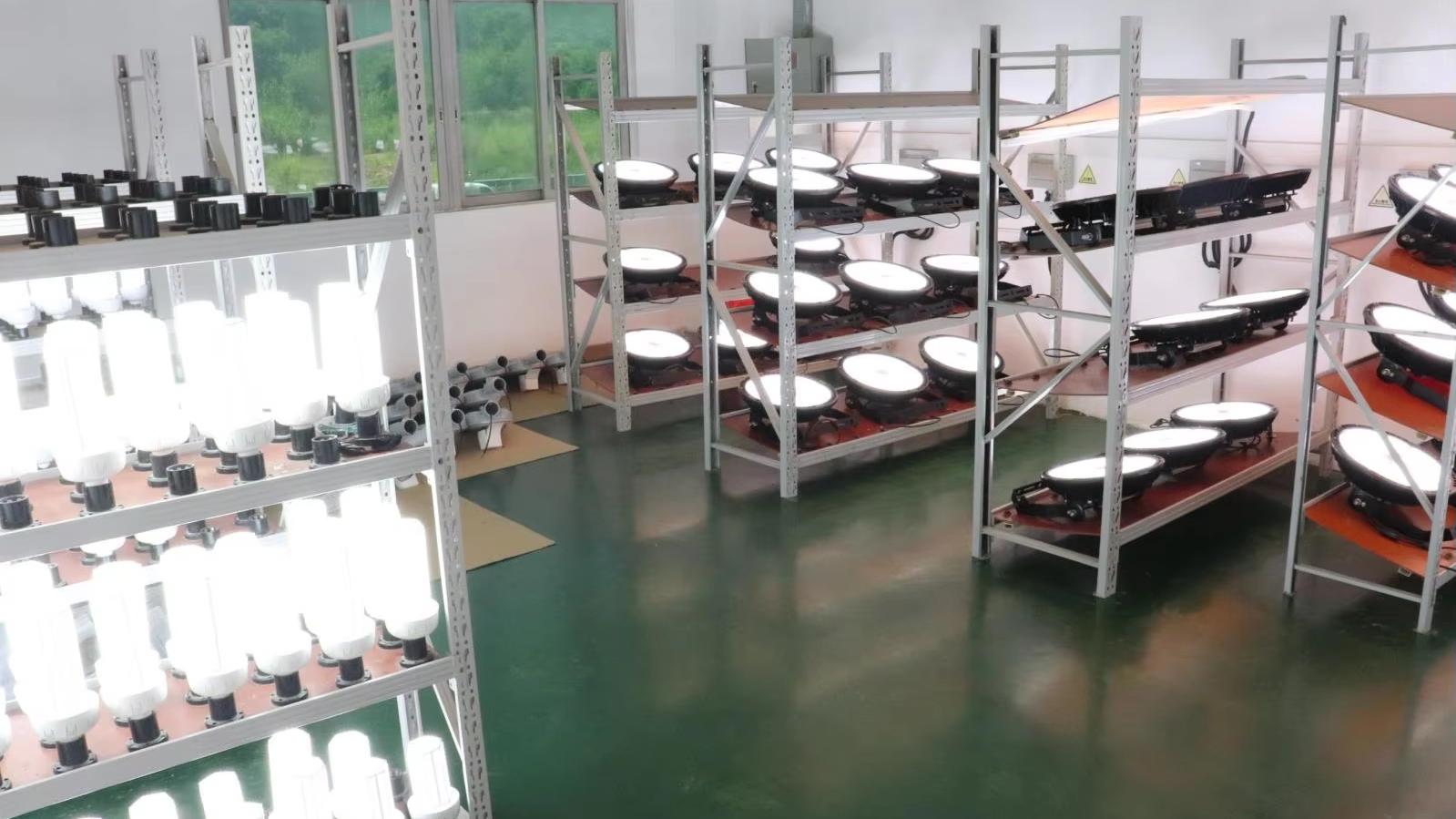
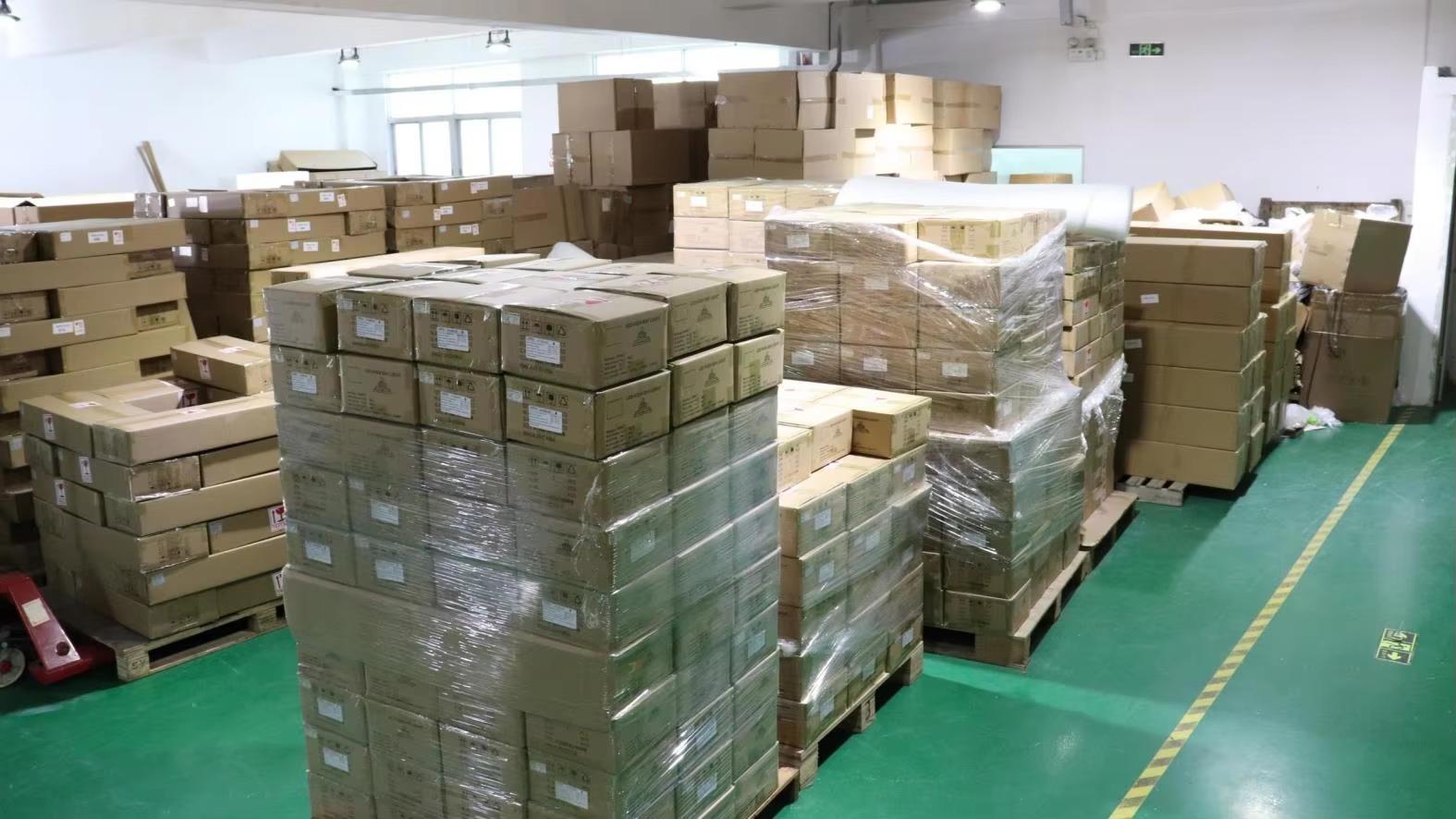
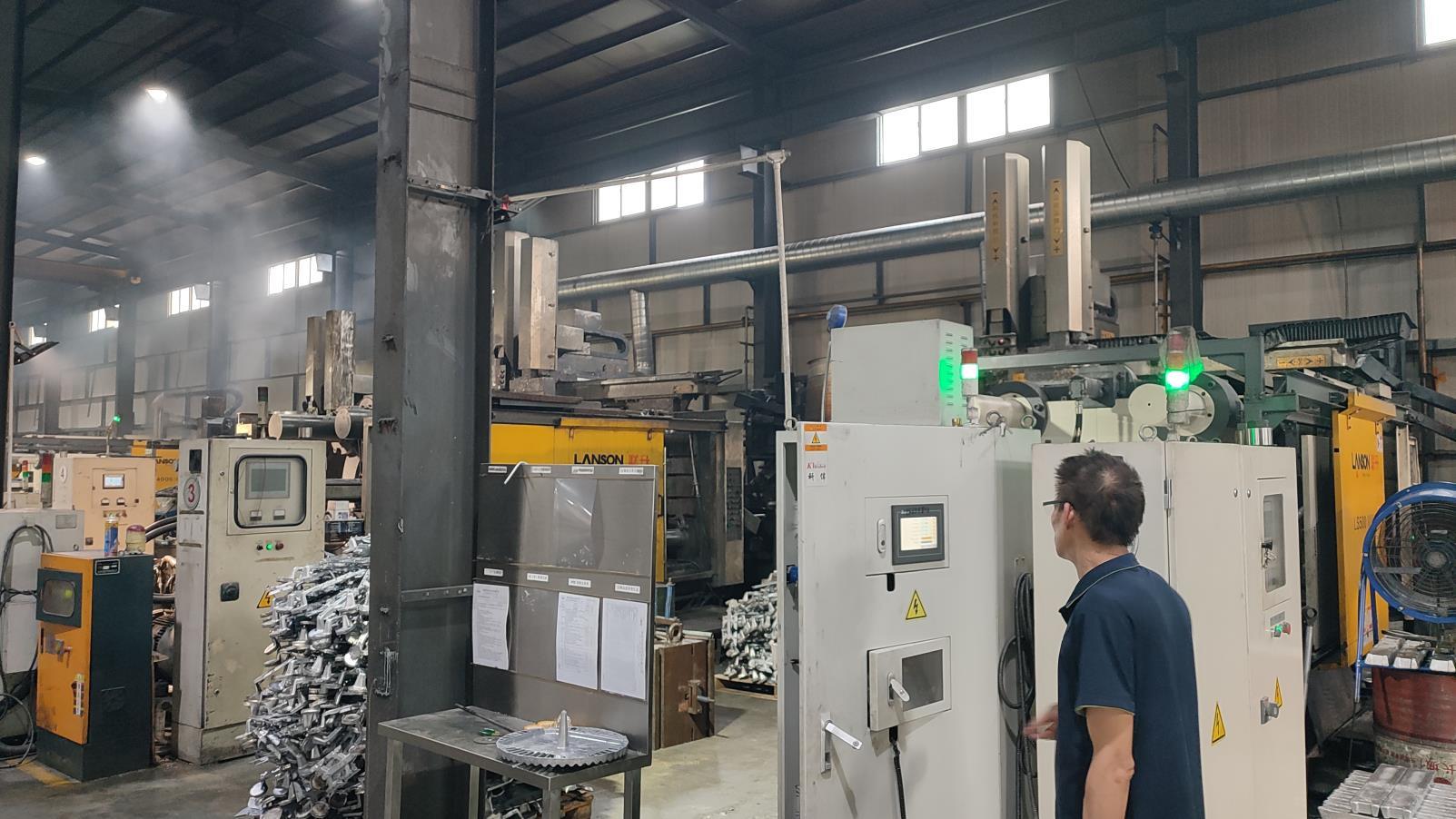
Evaluating the industrial cluster efficiencies, logistics advantages, and technology ecosystems that power Chinese LED manufacturing.
In the industrial lighting sector, speed-to-market and control over component quality are key differentiators. The Pearl River Delta lighting cluster, centered in Guangdong, represents the most vertically integrated lighting hub globally. Here, raw aluminum suppliers, precise mold makers, custom LED packaging plants, driver manufacturers, and regulatory testing labs operate within a 50-mile radius. This enables rapid prototyping, material sourcing, and efficient quality feedback loops.
For global buyers, this cluster dynamic translates to unmatched manufacturing agility. Modifications to heat sinks, changes to optical lenses, and customized driver installations can be tested and brought to production in a fraction of the time required elsewhere.
Advanced manufacturing technologies, such as automated high-pressure die-casting machinery, SMD mounting lines, and temperature-controlled aging racks, require significant capital investment. Guangdong factories amortize these investments across substantial global production runs. This makes high-end, reliable engineering accessible to mid-size projects without compromising on materials or thermal performance.
By conducting automated 48-hour high-voltage aging tests, thermal imaging reviews, and automated photometric sphere calculations on-site, Guangdong Lijah Light eliminates defects before shipping container volumes globally.
How physical environments dictate high bay lighting specifications, beam angles, and ingress protection requirements.
Large, high-density warehousing configurations require narrow, high-intensity light distribution (typically 60° to 90° beam angles) to focus illumination directly down aisles. This prevents wasted light on top racks while maintaining high vertical lux levels on storage faces, facilitating safe and accurate material handling.
Arenas demand high-output fixtures with low glare ratings (UGR <19) and high Color Rendering Indices (CRI >80 or >90) to support HDTV broadcast environments. High-output floodlights with robust wind resistance and IK08 impact ratings are required to handle dynamic atmospheric conditions.
Foundries and fabrication plants subject fixtures to high ambient heat, airborne particulate matter, and chemical vapors. Solutions require IP65 or IP66 dust-and-moisture-proof housings, combined with oversized, passive-convection aluminum heat sinks to maintain junction temperatures below critical limits.
The industrial illumination sector is shifting from basic high-wattage fixtures toward integrated systems. The integration of Internet of Things (IoT) sensors, Microwave Motion Detectors, and intelligent control protocols is redefining facility energy management.
"Driven by continuous innovation and a commitment to excellence, Guangdong Lijah Light Co., Ltd. is dedicated to becoming a globally recognized brand in industrial and commercial LED lighting. We will continue to develop smarter, greener, and more energy-efficient lighting solutions that help customers reduce energy consumption, improve operational efficiency, and create safer, more sustainable environments for the future."
Key engineering criteria to verify when reviewing supplier submittals and manufacturing test reports.
Ensure the supplier uses heavy die-cast aluminum with a high heat dissipation capacity. Standard stamped aluminum shells often lead to early lumen depreciation.
Specify quality power supplies like Sosen, Inventronics, or MeanWell. The driver is typically the first failure point in high-voltage industrial setups.
Verify LM-80 chip test reports and request TM-21 calculations to confirm light output stability and performance over time.
Check that fixtures have regional certifications such as ENEC for Europe, SAA for Australia, and CB for international markets.
Answers to technical and commercial questions concerning LED bay light sourcing and system design.
High-quality industrial LED bay lights usually come with a 5-year warranty, supported by LM-80 test reports and driver components from manufacturers like Sosen or MeanWell. Ensure your supplier provides written warranty terms that cover both parts replacement and freight assistance.
The beam angle depends on mounting height and facility layout. For heights of 8-12 meters with narrow racking, 60° to 90° angles are recommended to target floor space. For open production areas or heights below 6 meters, 120° angles help ensure smooth, even light distribution.
The L70 rating indicates the point at which an LED light output drops to 70% of its initial lumens. A standard L70 of 50,000 hours means the light will retain at least 70% of its brightness after 50,000 hours of operation under normal working conditions.
Yes. Our engineering department provides DIALux simulations. We use facility dimensions, target lux requirements, and reflectivity metrics to generate detailed reports that assist with project planning and tender presentations.
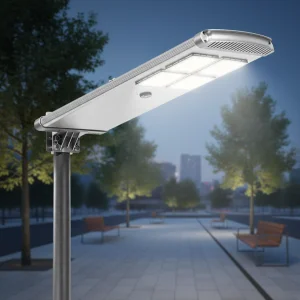
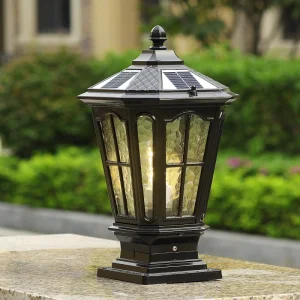
Explore our complete range of high-efficiency floodlights, area illumination, and architectural lighting solutions.
 Lijah Light