Lijah Light

Italy's Outdoor & Architectural Lighting Market Analysis
Heritage Preservation vs. Energy Efficiency
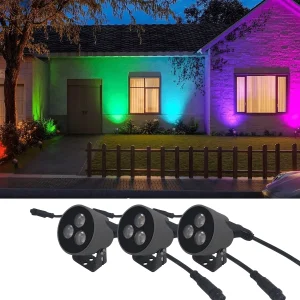
Italy is home to the world's highest density of UNESCO World Heritage Sites. Architectural illumination in historic city centers like Rome, Florence, and Siena requires a delicate balance. Lighting projects are overseen by the local Soprintendenza Archeologia, Belle Arti e Paesaggio (Superintendency of Archaeology, Fine Arts and Landscape), demanding fixtures that blend seamlessly into historical facades without visible conduits, glare, or light pollution.
At the same time, the Italian National Recovery and Resilience Plan (PNRR) has accelerated the country’s ecological transition. Public and private developers are upgrading to highly efficient LED luminaires, targeting over 140 lm/W to qualify for local tax incentives (such as the Italian Superbonus and regional green energy subsidies).
Severe Coastal Environments & C5 Corrosion Protection
Italy features over 7,600 kilometers of coastline, placing high demand on maritime architectural installations in hubs like Genoa, Venice, Naples, and Trieste. The marine air is laden with salinity, moisture, and chlorine, causing rapid oxidation in low-quality outdoor luminaires.
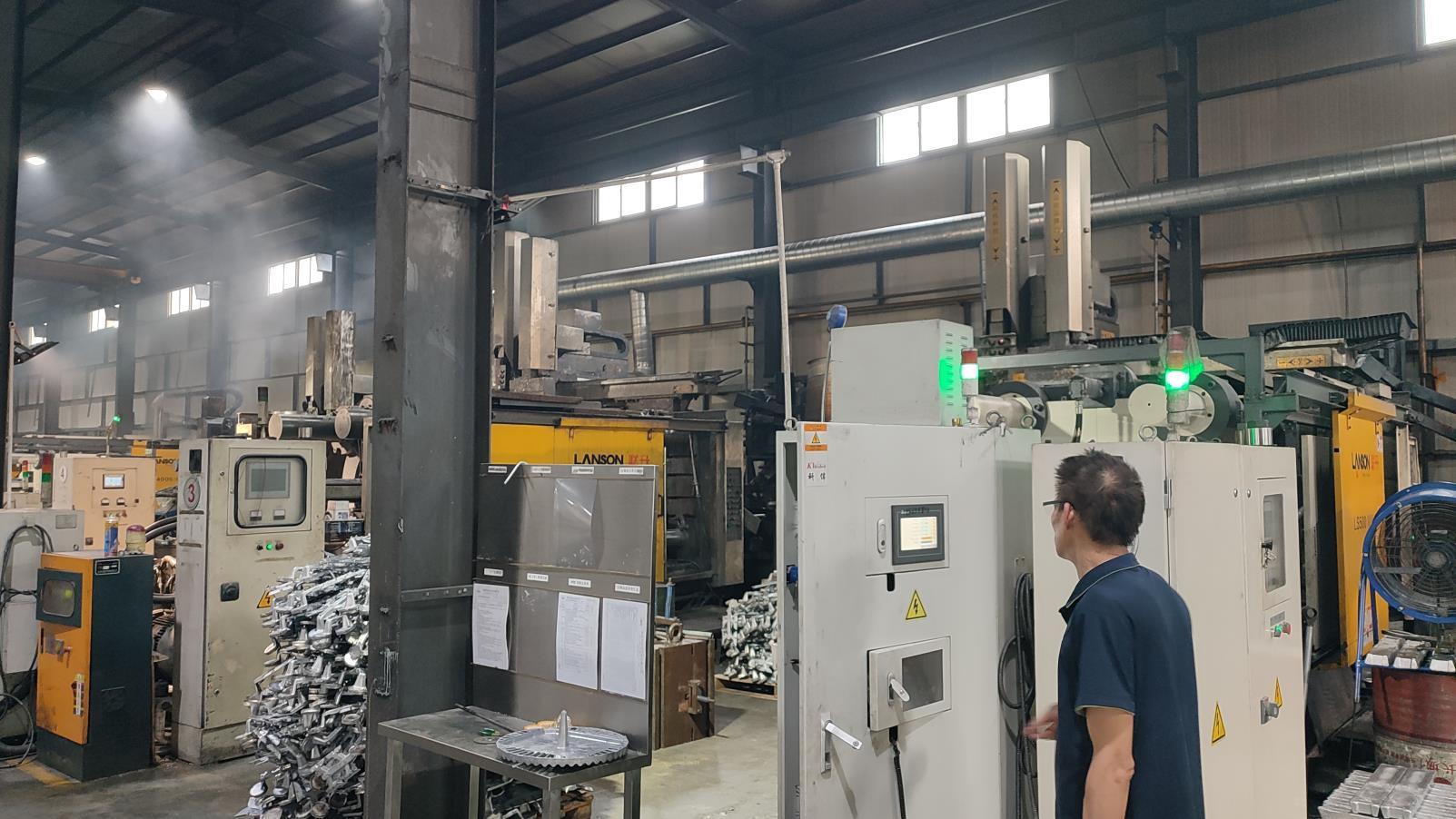
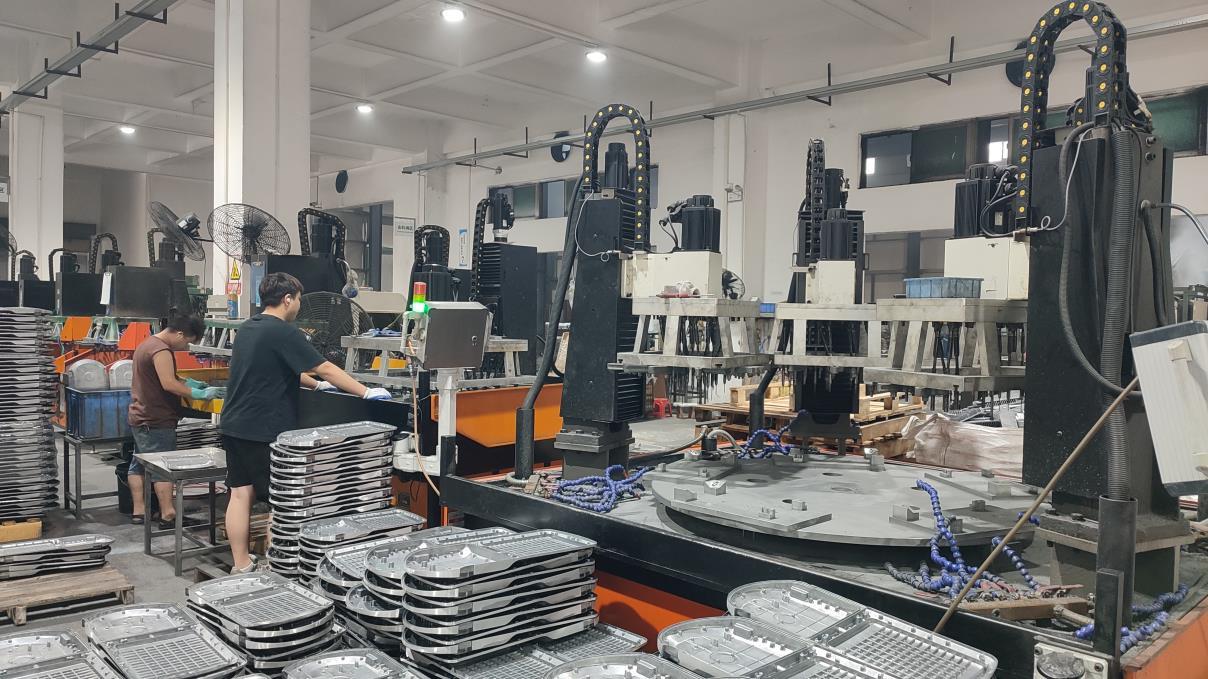
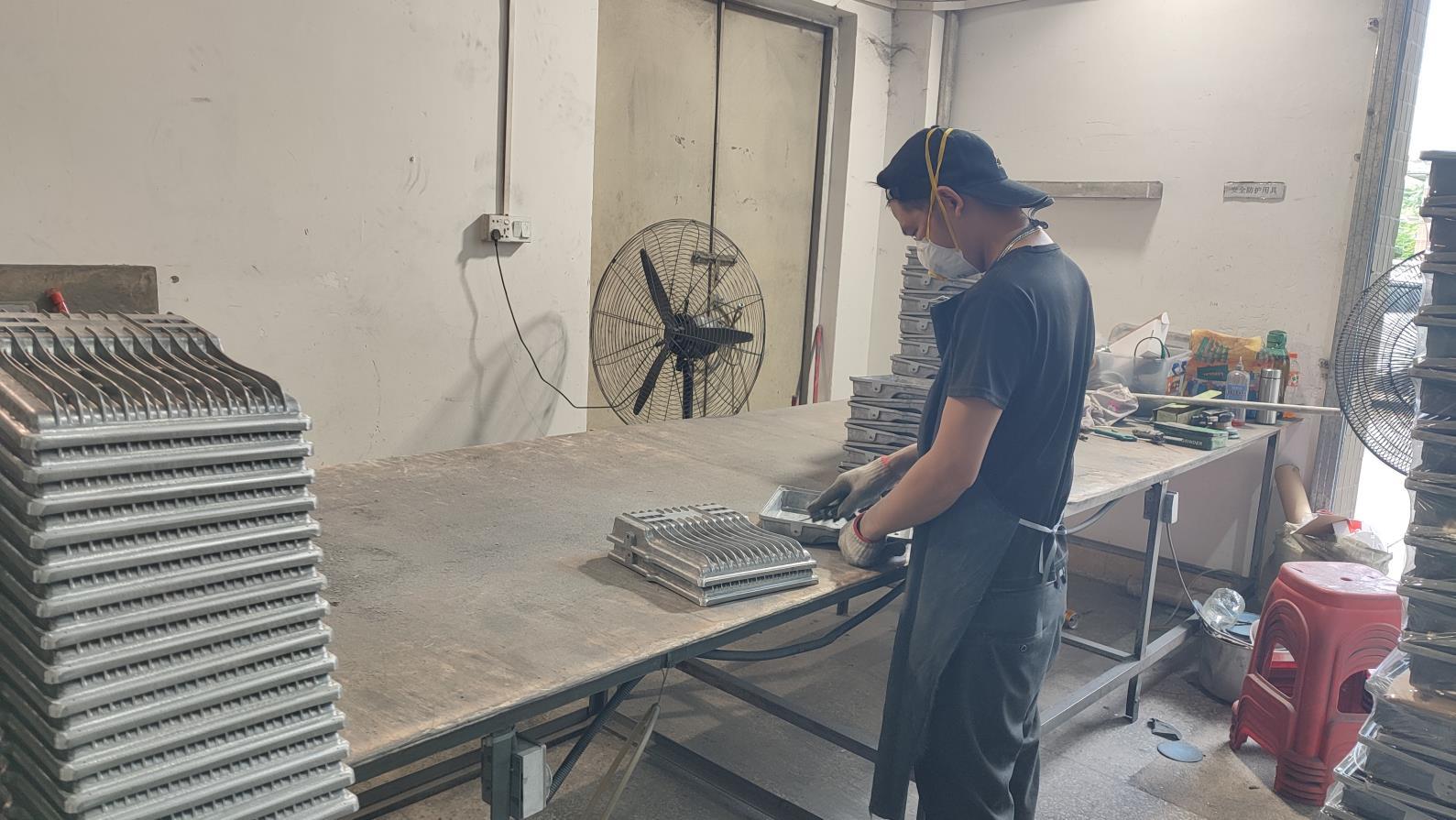
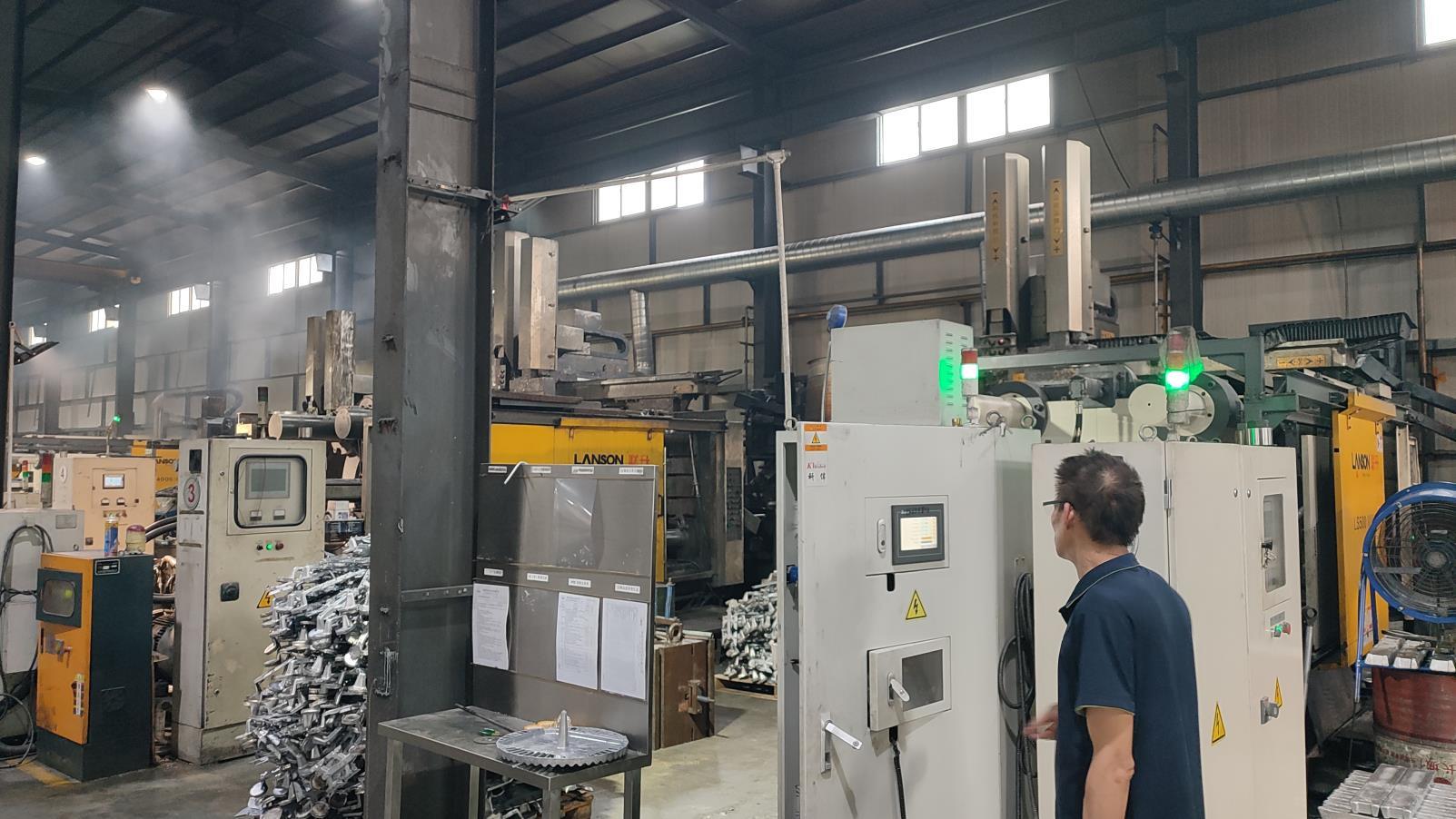
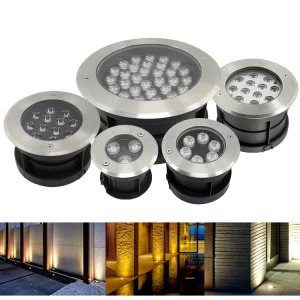
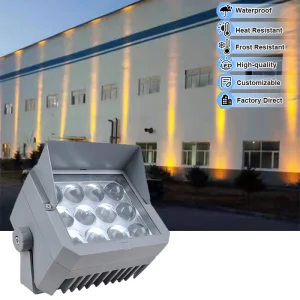
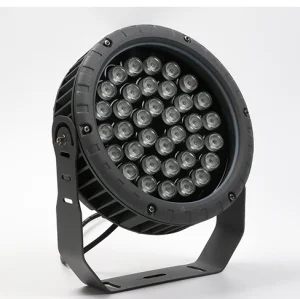
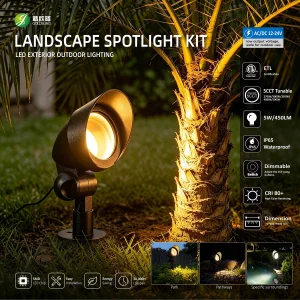
To withstand these conditions, high-end exterior spotlights must utilize die-cast copper-free aluminum alloy housings treated with specialized chromate-conversion coatings and double-layer thermosetting polyester powder coatings. Our architectural spotlights are salt-spray tested for up to 1000 hours, matching C5-M (Marine) corrosion classification requirements to prevent aesthetic deterioration and thermal failure.