The Berlin metropolitan region, spanning industrial hotspots from Siemensstadt and Tegel (Urban Tech Republic) to the manufacturing clusters in Spandau and Marienfelde, is undergoing a profound structural shift. Driven by Germany's ambitious climate neutrality goals for 2045 and the localized Berlin Energy Transition Act (Berliner Energiewendegesetz), industrial operators face rigorous targets to curb energy consumption and slash carbon footprints.
Within this legislative framework, upgrading legacy, power-hungry lighting installations (such as high-pressure sodium and T8 fluorescent systems) is no longer optional. Modernizing facilities with advanced LED systems yields instant, massive reductions in operational expenditure (OpEx), while complying with evolving sustainability audits and ESG profiling.
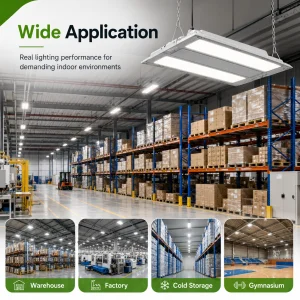
Berlin serves as a primary logistical nexus for Eastern and Central Europe. Spurred by e-commerce fulfillment requirements around Berlin Brandenburg Airport (BER) and logistics parks along the A10 outer ring road, warehouse operations run continuous, multi-shift cycles. In these environments, lighting reliability directly translates to worker safety and throughput efficiency.
Furthermore, local commercial guidelines impose strict limits on glare index limits (UGR) and require specific color rendering values (minimum Ra 80) to maintain visual clarity for sorting, assembly, and quality assurance processes. Aligning with these guidelines is critical during municipal site approvals and occupational health audits (Arbeitsschutzgesetz).
DIN EN 12464-1 governs the lighting requirements for indoor workplaces in Germany. It details exact illumination levels (lux), maximum glare ratings (UGR), and minimum color rendering (CRI) indices across various sectors. For instance, heavy metal fabrication requires at least 300 lux, while high-precision assembly halls demand up to 750 lux. Additionally, warehouse aisles must feature at least 150 lux with high vertical uniformity to prevent operator blind spots.
Under the Federal Funding for Efficient Buildings program administered by BAFA and KfW, German enterprises can access substantial grants and low-interest loans for energy efficiency retrofits. To qualify for these incentives, the installed LED systems must meet strict efficiency benchmarks, typically requiring a system efficacy of at least 140 lumens per watt (lm/W) and a sustained lifetime of L80B10 at 50,000 hours.
Partnering with a factory-direct manufacturer that provides tested, high-efficacy components (utilizing high-bin Lumileds, Osram, or Bridgelux chips and certified drivers like Mean Well or Inventronics) ensures projects easily meet these federal incentive baselines, streamlining the administrative approval process.
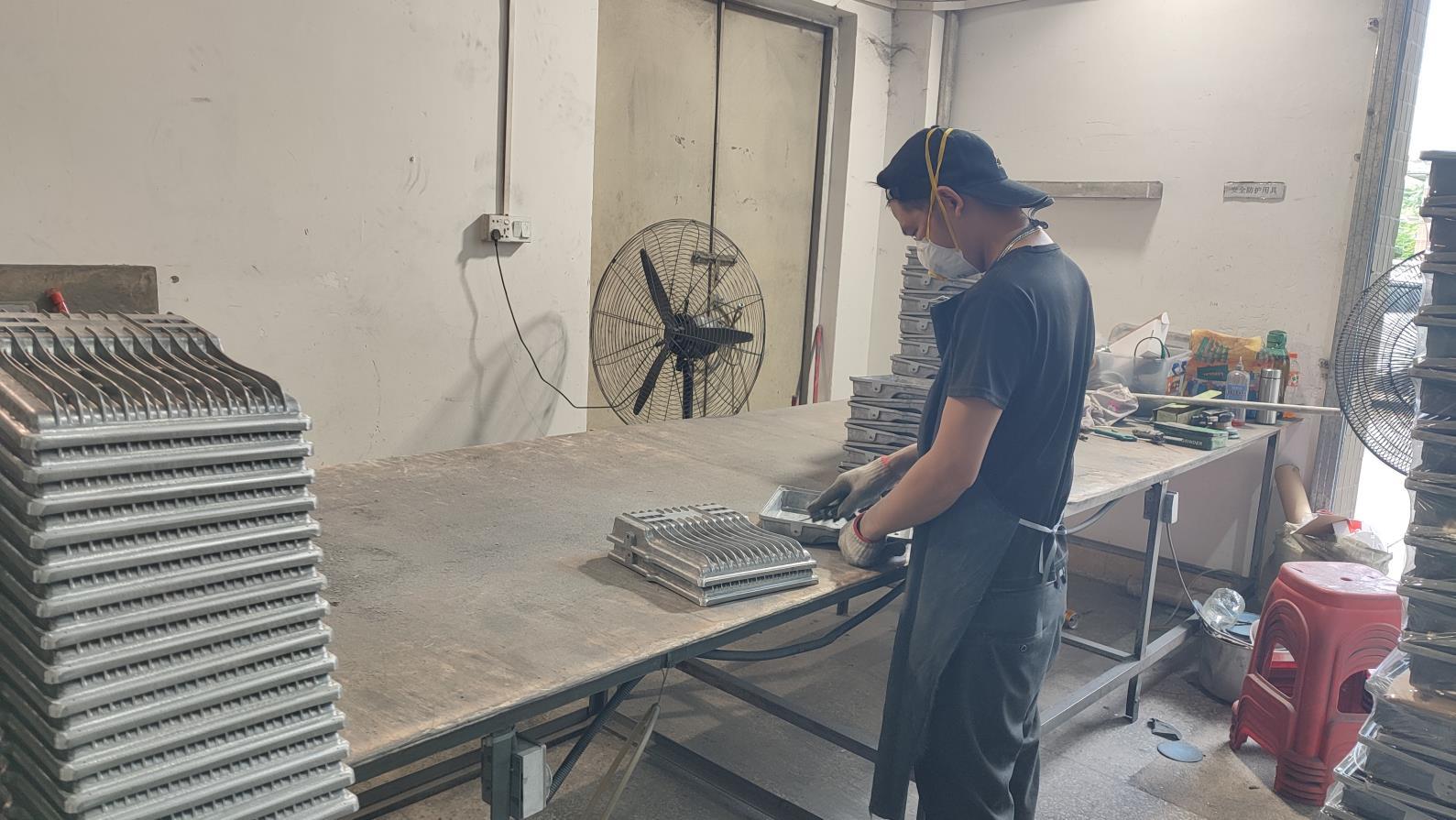
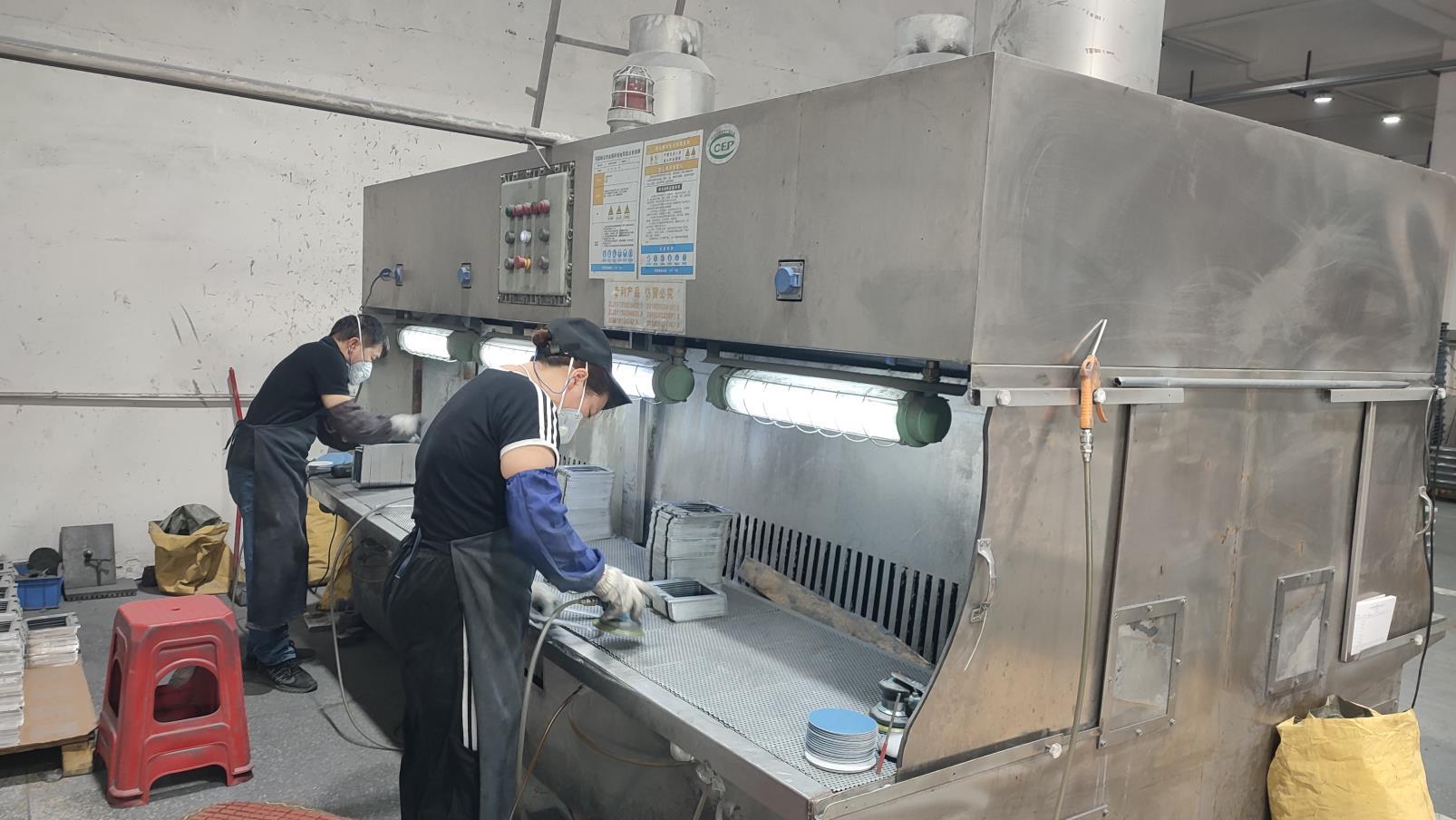
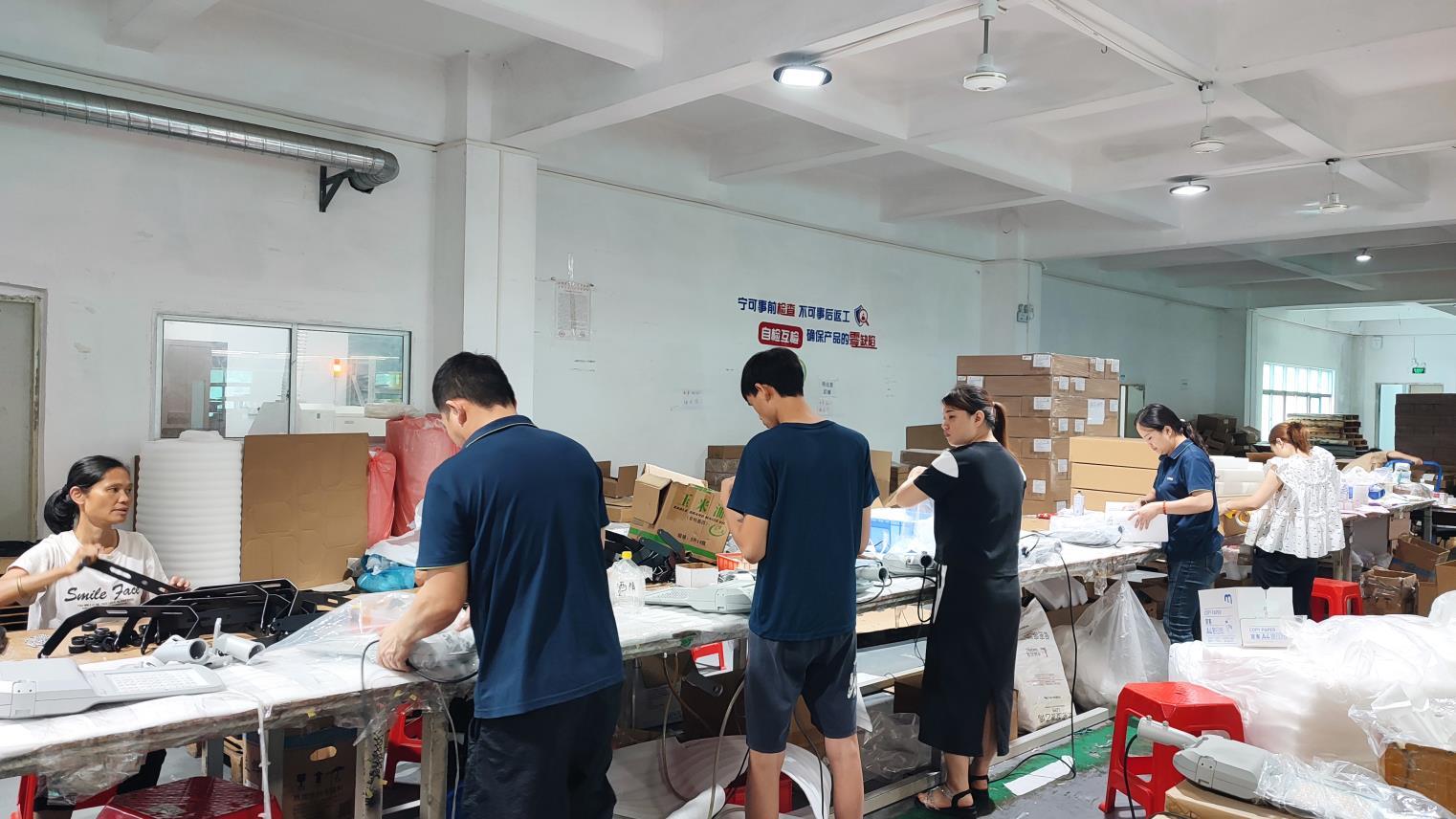
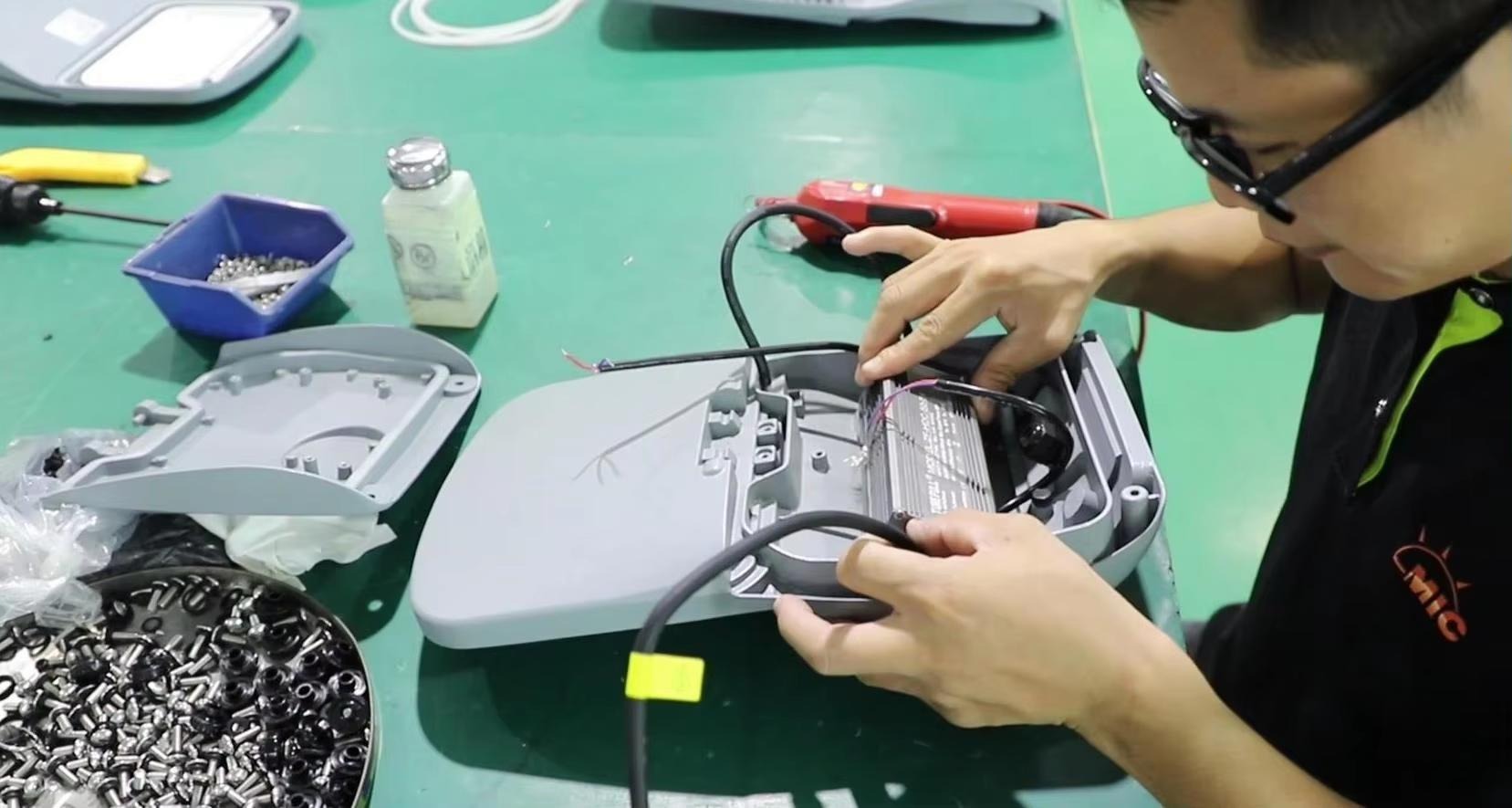
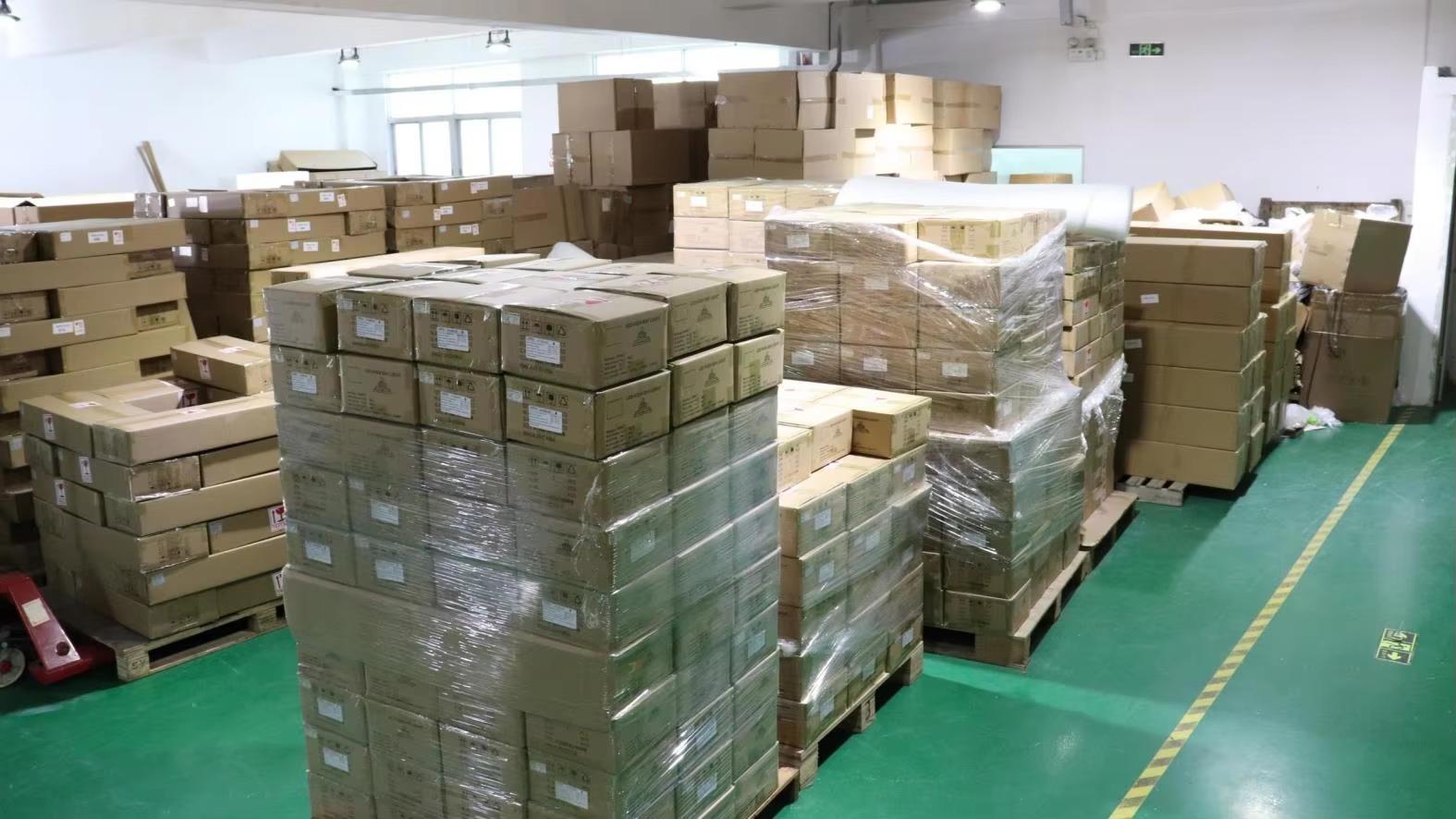
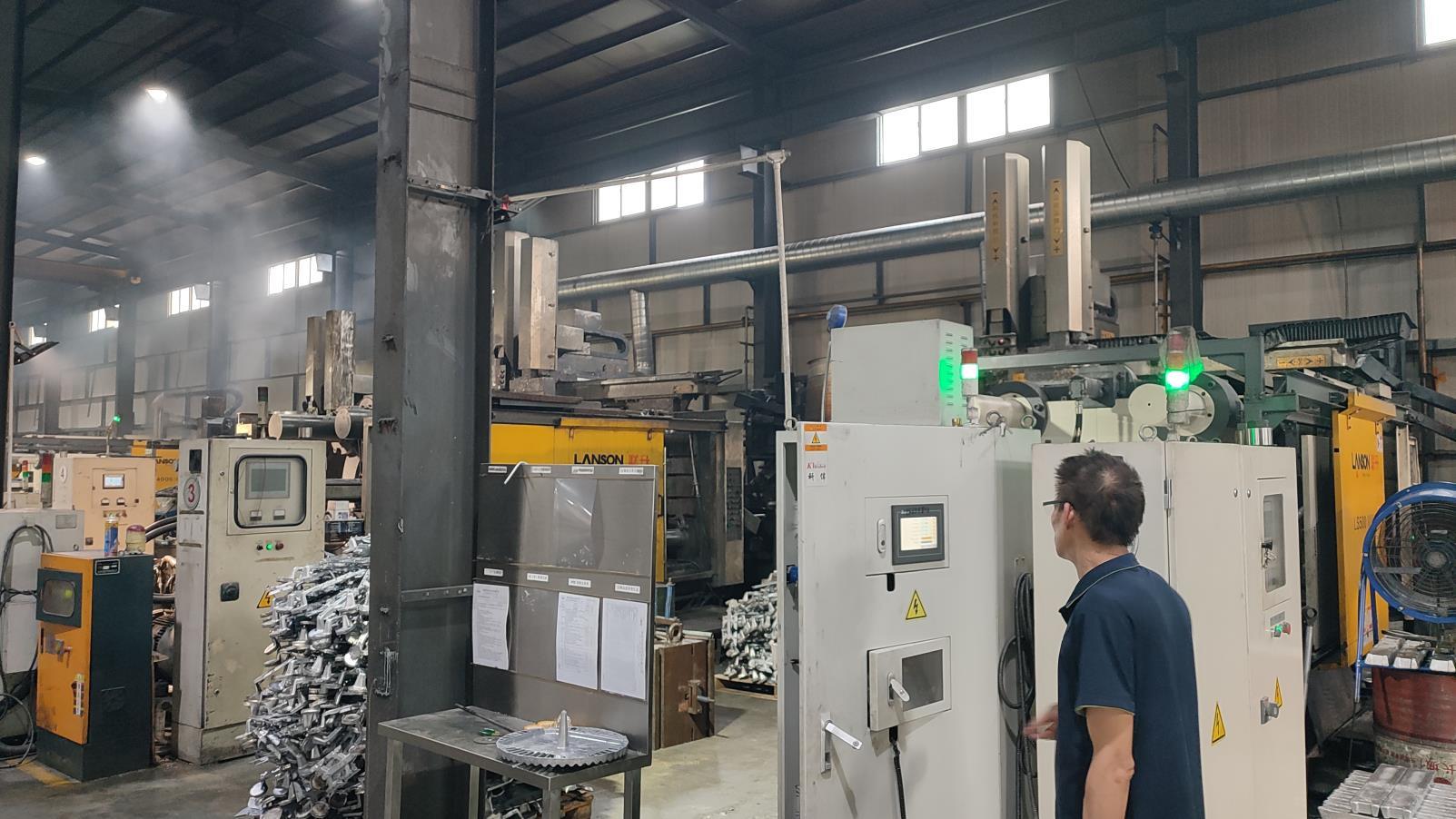
Guangdong Lijah Light Co., Ltd. is a professional manufacturer specializing in the research, development, production, sales, and service of modern, energy-efficient, and intelligent LED lighting solutions. As a technology-driven enterprise, we are committed to providing innovative, reliable, and sustainable lighting products for industrial, commercial, and outdoor applications worldwide.
With years of industry experience, Lijah Light has become a trusted partner for distributors, wholesalers, contractors, and project developers across Europe, Oceania, Southeast Asia, the Middle East, and other international markets. By combining advanced manufacturing technologies with continuous product innovation, we provide customers with high-quality lighting solutions that deliver outstanding performance, long service life, and significant energy savings.
Innovation is the driving force behind our continued growth. Our experienced R&D team works closely with our engineering, marketing, and sales departments to develop advanced lighting solutions that meet the evolving demands of the global market. Through continuous investment in product development and technological innovation, we are able to introduce efficient, reliable, and intelligent lighting products that create greater value for our customers.
Quality is one of our core values. Our manufacturing processes are carried out under a strict quality management system to ensure every product consistently meets international standards. Our LED lighting products comply with CE and RoHS requirements, while many of our key products have also obtained internationally recognized certifications including TÜV, ENEC, VDE, SAA, C-Tick, CB, LM79, and LM80. These certifications demonstrate our commitment to product safety, environmental responsibility, and manufacturing excellence.
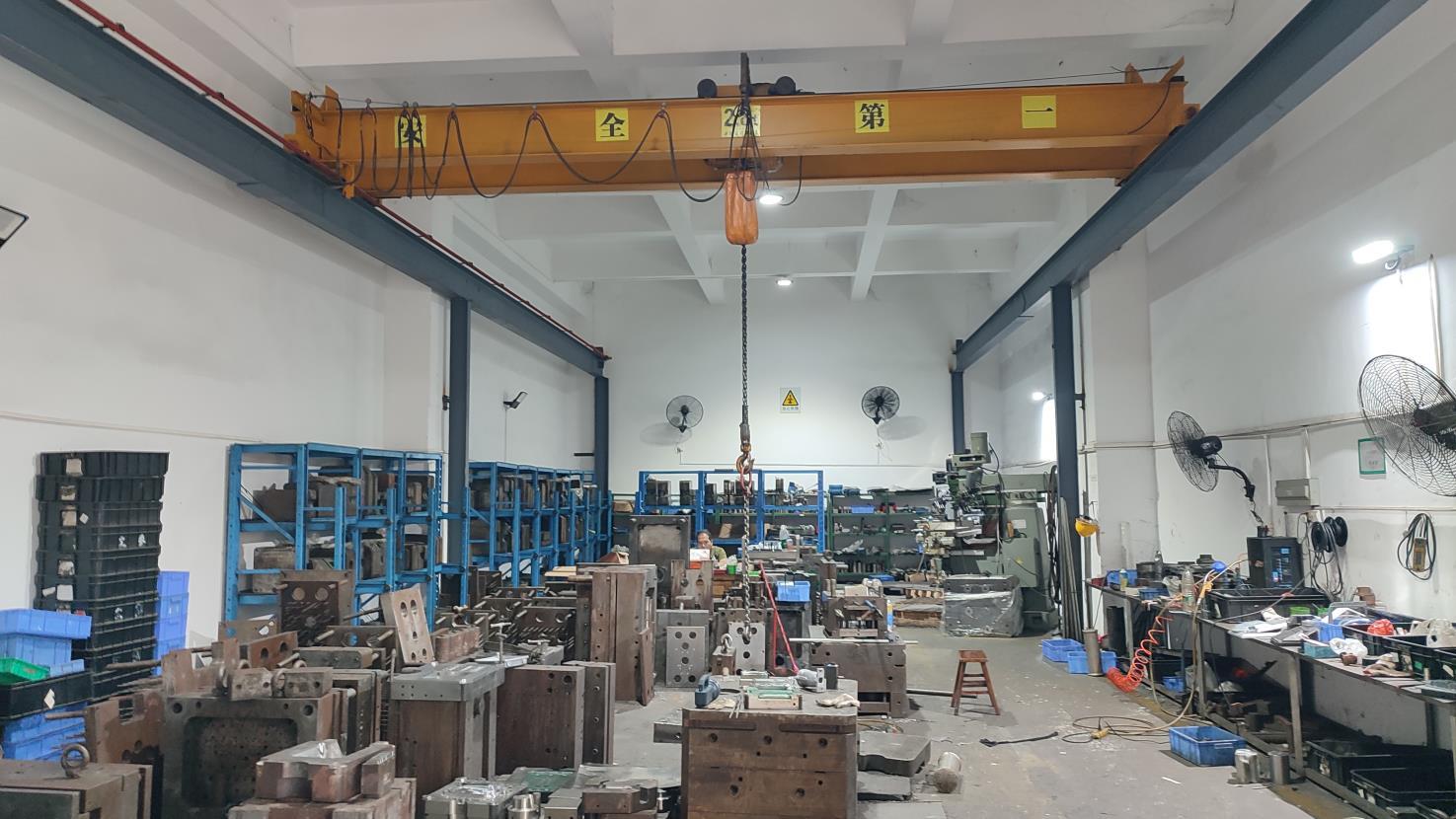
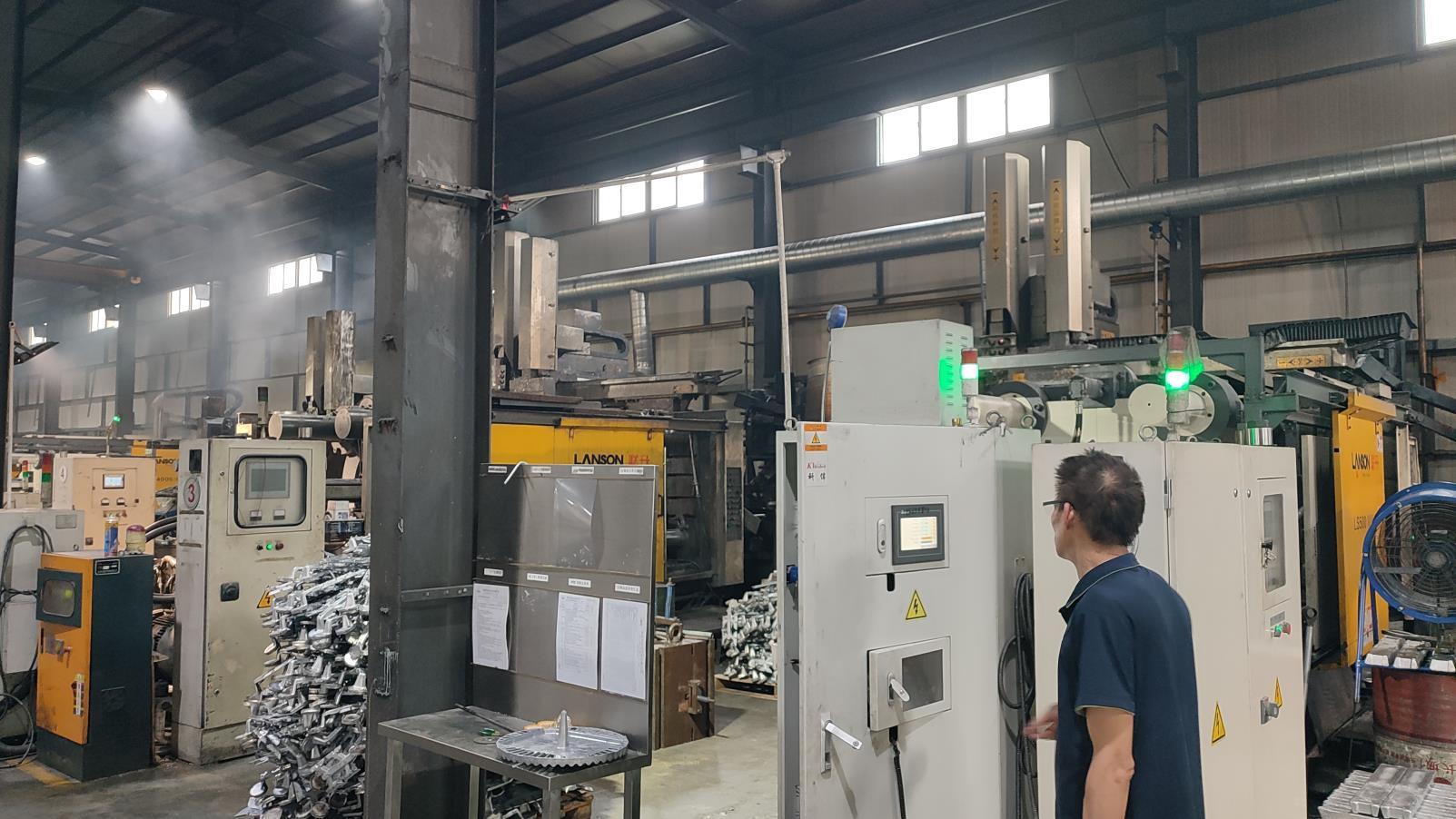
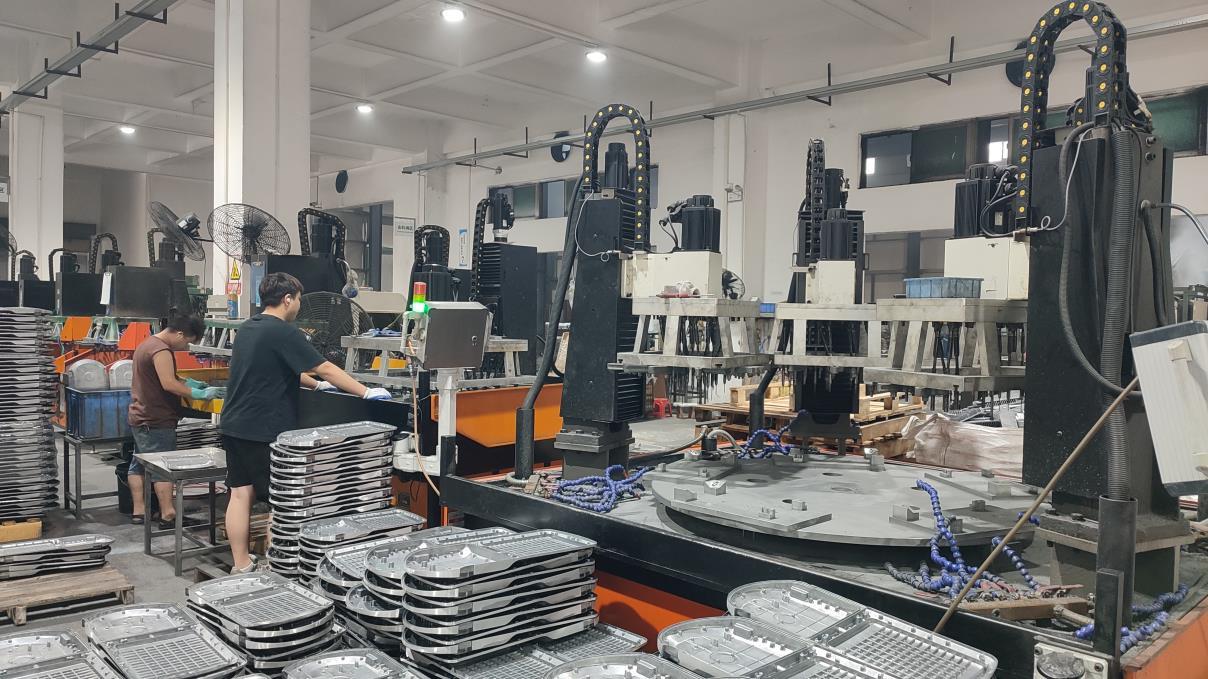
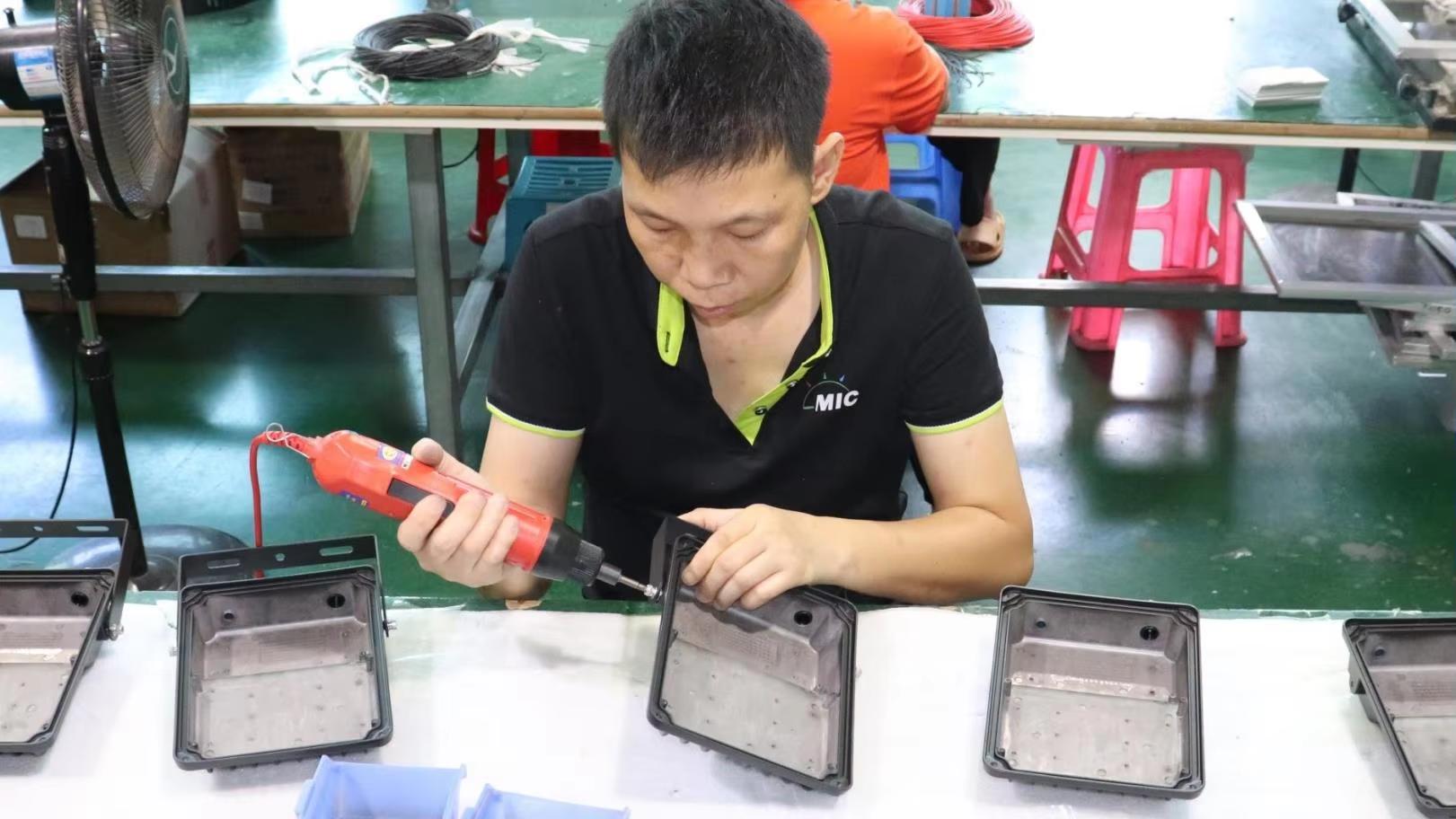
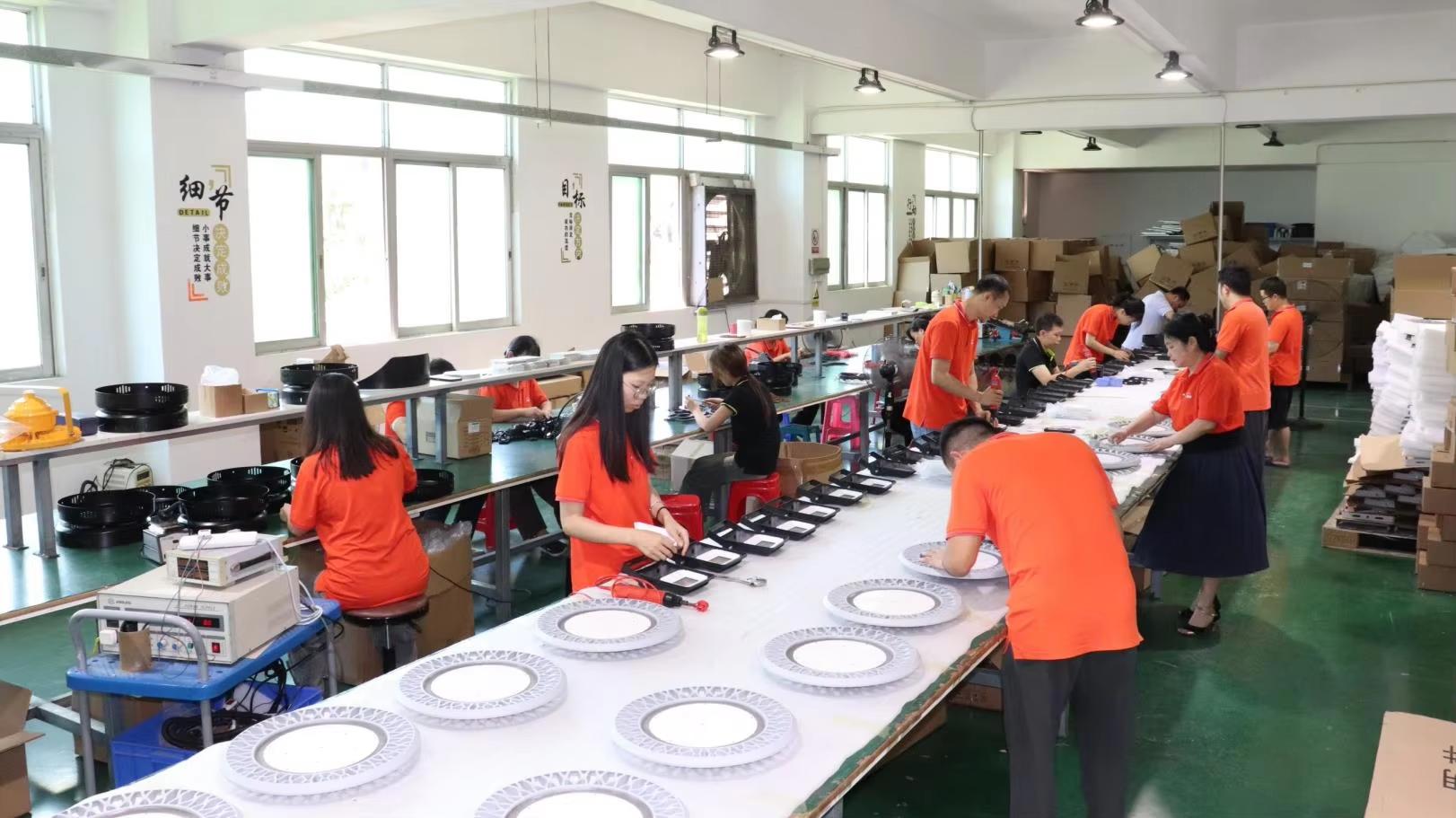
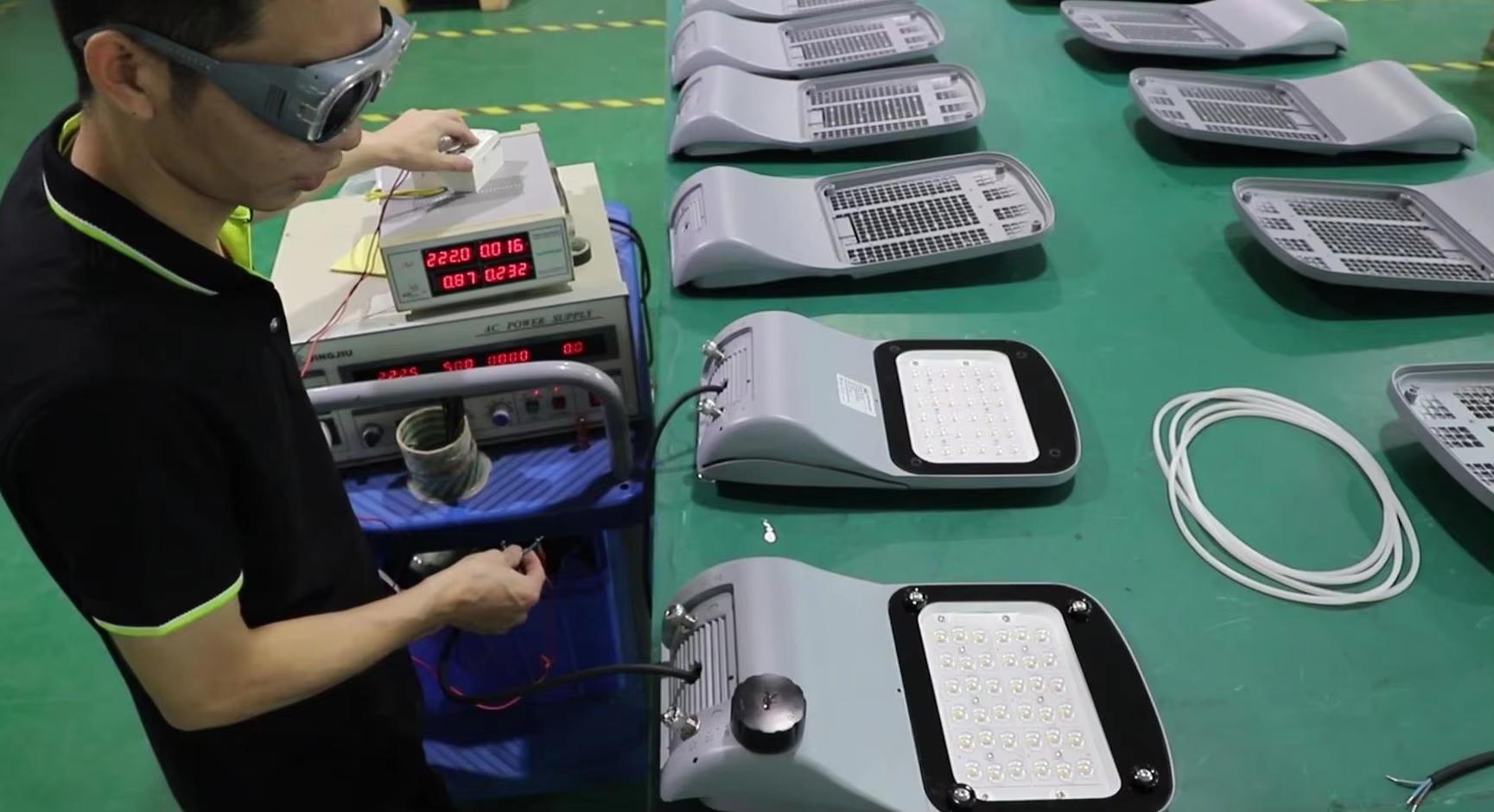
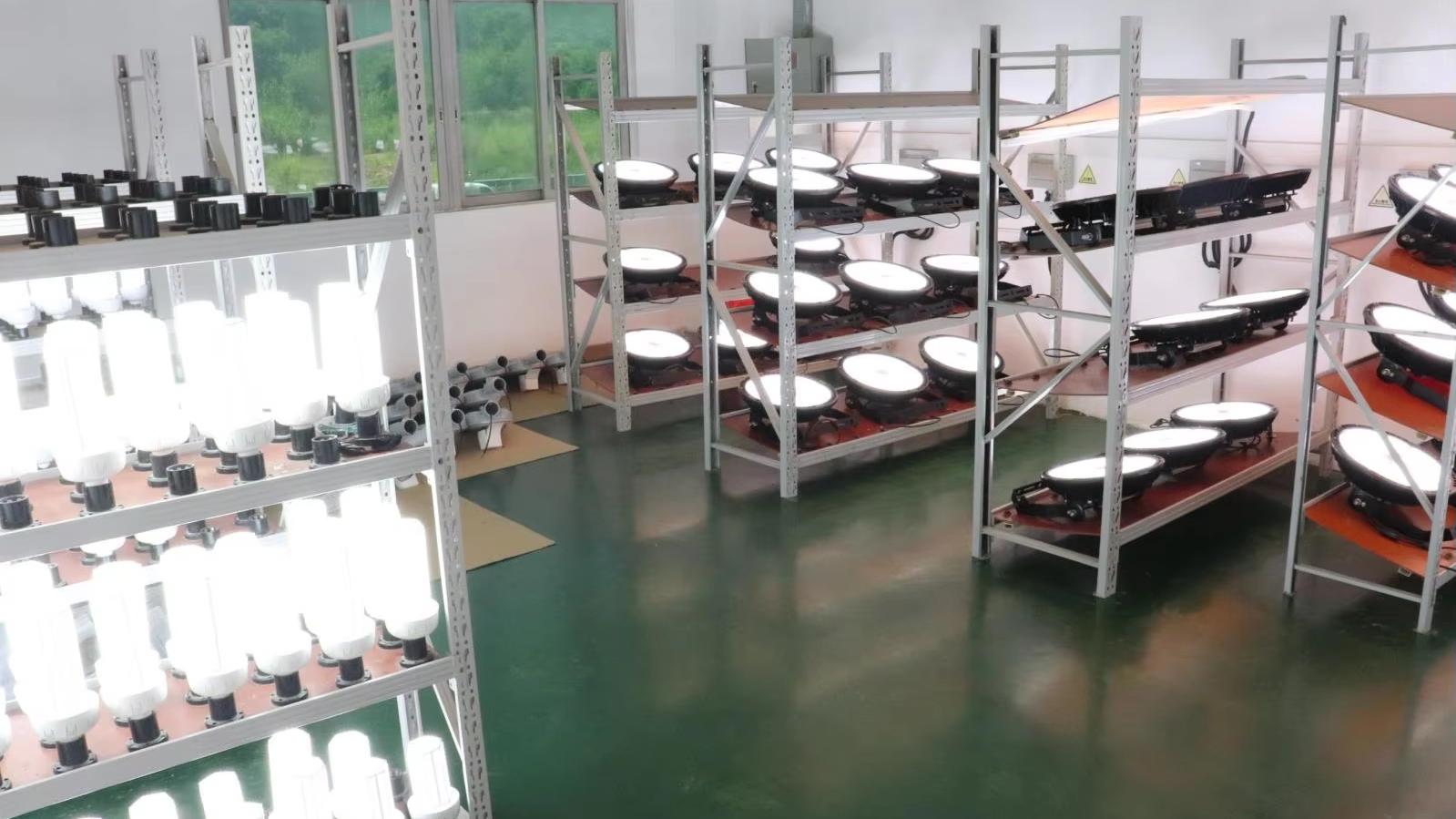
In addition to supplying high-quality LED lighting products, Guangdong Lijah Light provides professional lighting design support through DIALux simulation services. Our experienced engineers assist customers in optimizing lighting layouts, improving energy efficiency, and selecting the most suitable lighting solutions for industrial, commercial, and outdoor projects, helping to reduce installation costs while maximizing lighting performance.
By preparing standard photometrical files (.IES and .LDT format), we provide German project developers, electrical planners, and structural installers with exact visual mapping, color temperature distributions, and lux expectations before they purchase a single physical unit. This transparency prevents over-specification, reducing material costs while assuring compliance with strict workplace regulations.
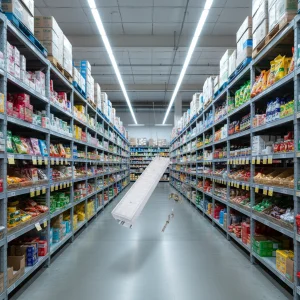
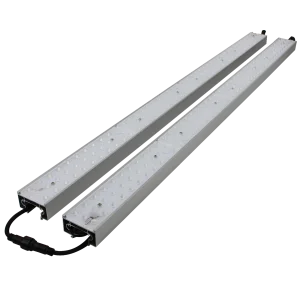
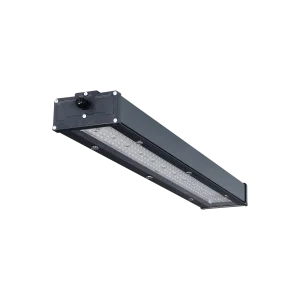
High-bay storage aisles require linear distribution lenses (80° x 150° or narrow optics) to direct light down deep racking vertical paths. Our linear fixtures maximize visibility for high-reach forklifts while minimizing side-glare for floor operators.
Manufacturing lines for automotive assemblies demand high color fidelity (CRI > 85), high lux levels (750 lux on workspace), and robust IP65 protection to prevent ingress of oils, coolants, and structural particulate matter.
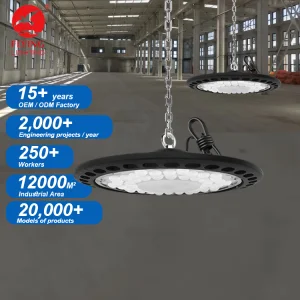
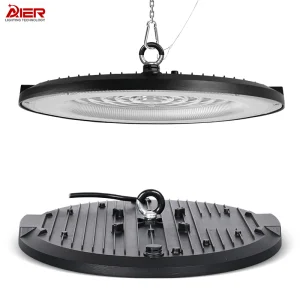
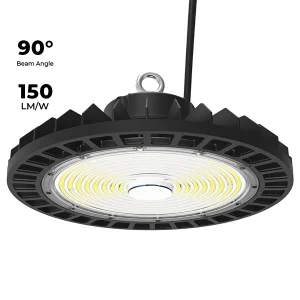
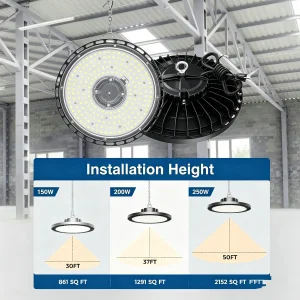
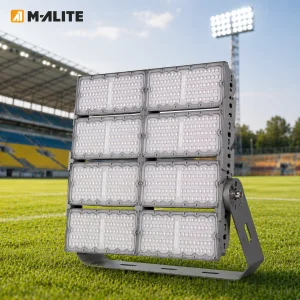
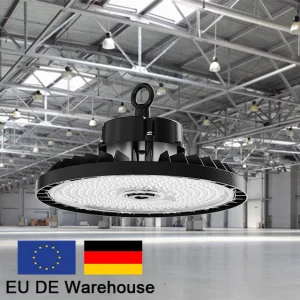
Large spaces with 10-15 meter clearance require durable UFO high bay luminaires (200W-240W) with cast-aluminum heat sinks and heavy-duty IK08 impact ratings. This ensures long operational life under constant vibration and high temperatures.
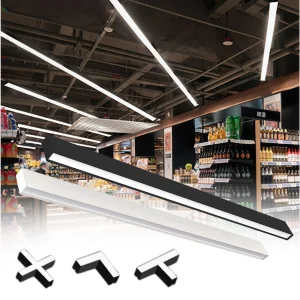
Modern industrial sites across Germany are shifting rapidly from static lighting switches to fully integrated smart environments. By adopting protocols like DALI-2 (Digital Addressable Lighting Interface) and Zigbee/Bluetooth Mesh networks, lighting becomes an active participant in warehouse management software (WMS) and building management systems (BMS).
Using localized presence sensors and ambient daylight harvesting photo-sensors, luminaires dynamically adjust output based on activity and outdoor sunlight. For instance, in automated logistics warehouses, light output remains at a minimal 10% safety glow until a forklift enters the aisle, triggering instantaneous ramp-up to 100% output. This minimizes phantom load costs.
German procurement managers increasingly evaluate the end-of-life options of structural products. Under the German Circular Economy Act (Kreislaufwirtschaftsgesetz), manufacturers must design equipment that is easy to repair, dismantle, and recycle. We support this sustainable framework by designing modular LED engines and drivers that can be replaced independently without discarding the entire aluminum chassis, saving on long-term electronic waste management costs.
Minimize energy losses, ensure full DIN EN compliance, and reduce operational expenditures by consulting with our factory engineering team today.
Send Inquiry Now Lijah Light