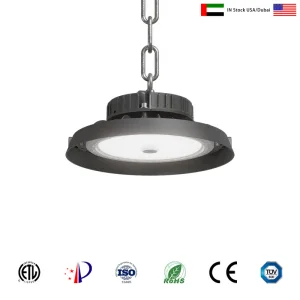
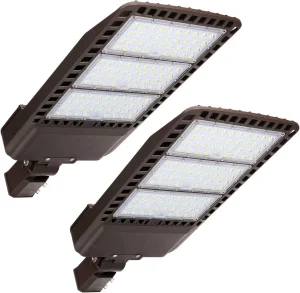
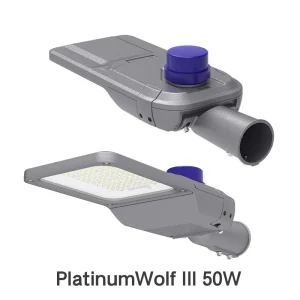
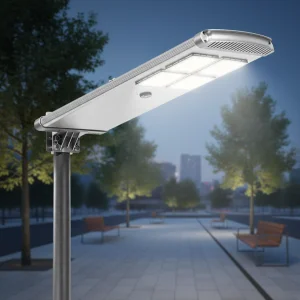
Specifically matched configurations engineered to withstand Northern German maritime climates and optimize heavy-traffic logistics yards.
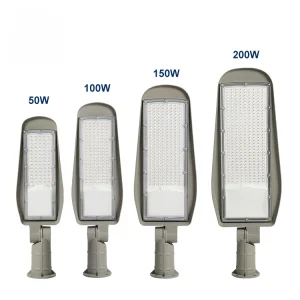
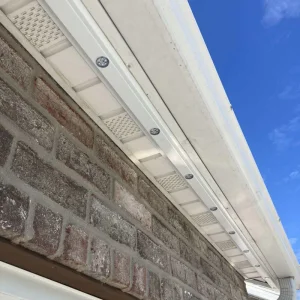
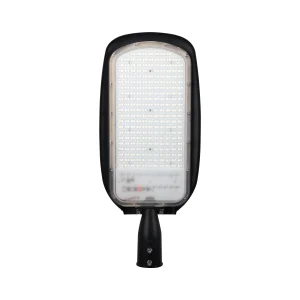
Hamburg, home to Europe's third-largest container port (Hamburger Hafen) and major logistics terminals in Harburg and Wilhelmsburg, operates under critical 24/7 schedules. Ensuring safe, efficient, and reliable outdoor illumination is a high-priority goal for property operators and municipal authorities. Under the Hamburg Climate Plan (Hamburger Klimaplan), the city aims for a 70% reduction in CO₂ emissions by 2030 and absolute climate neutrality by 2040. Upgrading old, high-pressure sodium (HPS) and metal halide (MH) fixtures to intelligent industrial-grade LED parking lot lights is a high-ROI mechanism to achieve these carbon targets.
Operating near the Elbe River and the North Sea means outdoor lighting installations face rigorous coastal weather challenges. These include persistent high humidity, heavy salt spray, and extreme wind loads. Standard outdoor lights degrade quickly in such conditions, causing driver failures, yellowed lenses, and accelerated housing corrosion. High-quality LED parking lot lights localized for the Hamburg market feature C5-M marine-grade anti-corrosion finishes, integrated 10kV/20kV surge protection devices (SPDs), and robust IK08/IK10 impact protection. These specifications prevent failures from physical stress, coastal humidity, and power fluctuations on the industrial grid.
"By implementing high-efficacy fixtures with smart control systems, Hamburg logistic depots and industrial terminals can reduce exterior lighting energy consumption by up to 75% while complying with DIN EN 12464-2 and DIN EN 13201 directives."
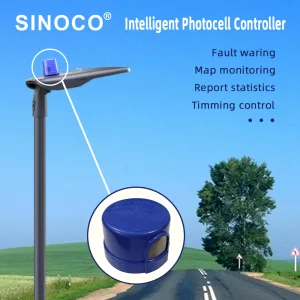
The outdoor lighting industry has evolved from simple analog fixtures to integrated, intelligent systems. Guangdong Lijah Light Co., Ltd. builds its technical roadmap around three main pillars: smart control compatibility, advanced optical distributions, and superior thermal management. Integrating NEMA 7-pin and Zhaga Book 18 sockets allows for easy, plug-and-play installation of smart photocells, motion sensors, and IoT communication nodes.
Utilizing the DALI-2 (Digital Addressable Lighting Interface) protocol and wireless control systems like LoRaWAN and Zigbee, facility managers can customize dimming profiles based on operational schedules. Dynamic scheduling reduces power consumption during low-traffic hours (e.g., midnight to 4:00 AM) while maintaining full output during active loading shifts.
To prevent light pollution and ensure compliance with European environmental standards, our fixtures use precision PMMA optics. These deliver Type III (broad roadway), Type IV (forward throw), and Type V (symmetric area) light distributions. This targets the light where it is needed and maintains a zero-uplight rating (U0) to protect local ecosystems.
Using premium thermal interface materials and A380 die-cast aluminum heat sinks, our engineering designs keep the junction temperature (Tj) of the LEDs well below 85°C. Lower operational temperatures help prevent early lumen depreciation and ensure the luminaire achieves its rated lifetime (L90B10) of over 100,000 hours.
By shifting to tunable CCTs (Correlated Color Temperature), B2B buyers can select warm-white output (3000K) for public walkways and urban spaces to minimize blue light scatter, or neutral-white output (4000K-5000K) for industrial docks and logistics yards to optimize worker safety and visibility.
For large-scale infrastructure projects, such as retrofitting the Port of Hamburg container terminals or major shipping centers, proper lighting planning is essential. Standard luminaire catalogs do not guarantee safety or regulatory compliance. Designing an optimal lighting layout requires detailed virtual simulation before procuring hardware.
Our experienced engineering team provides comprehensive, professional DIALux simulation support. By importing the physical coordinates of your project site, pole placement constraints, mounting heights, and target illuminance levels, we create a precise 3D rendering of the light distribution. This simulation ensures compliance with German and European standards, specifically DIN EN 12464-2 (lighting of outdoor workplaces) and DIN EN 13201 (road lighting).
The core goals of our DIALux modeling include:
| Area Type | Avg. Lux (Em) | Min. Uniformity (Uo) | UGR Limit |
|---|---|---|---|
| Logistics & Loading Docks | 50 Lux | ≥ 0.40 | ≤ 25 |
| Heavy Traffic Parking Lots | 20 Lux | ≥ 0.25 | ≤ 28 |
| Pedestrian Walkways | 10 Lux | ≥ 0.25 | ≤ 30 |
| Container Storage Areas | 30 Lux | ≥ 0.30 | ≤ 25 |
Sourcing commercial lighting equipment from overseas requires meeting clear safety and quality benchmarks. In Germany, safety, reliability, and electromagnetic compatibility are governed by strict guidelines. Guangdong Lijah Light Co., Ltd. ensures all products meet these requirements, ensuring smooth customs clearance and compliant commercial use.
Our LED parking lot lights are manufactured in strict compliance with the following international and European standards:
CE marking ensures adherence to EU health, safety, and environmental protection standards. RoHS compliance guarantees that our products do not contain hazardous substances like lead, mercury, or cadmium.
These marks confirm compliance with European safety standards (EN 60598 series) via independent testing, offering reliable quality assurance for project planners.
LM-79 reports detail the electrical and photometric measurements of the luminaire, while LM-80 and TM-21 reports verify LED lumen maintenance over time, confirming long-term performance.
We work with established European logistics networks and local distributor channels to simplify the delivery process. For large commercial upgrades, municipal bids, or industrial retrofits, we provide comprehensive technical documentation, installation manuals, and warranty support to keep your project running smoothly.
Guangdong Lijah Light Co., Ltd. operates a vertically integrated factory. We manage the entire manufacturing process in-house—from raw material tooling to final quality testing and thermal aging. This hands-on control helps us optimize production costs, maintain consistent product quality, and shorten lead times for our global partners.
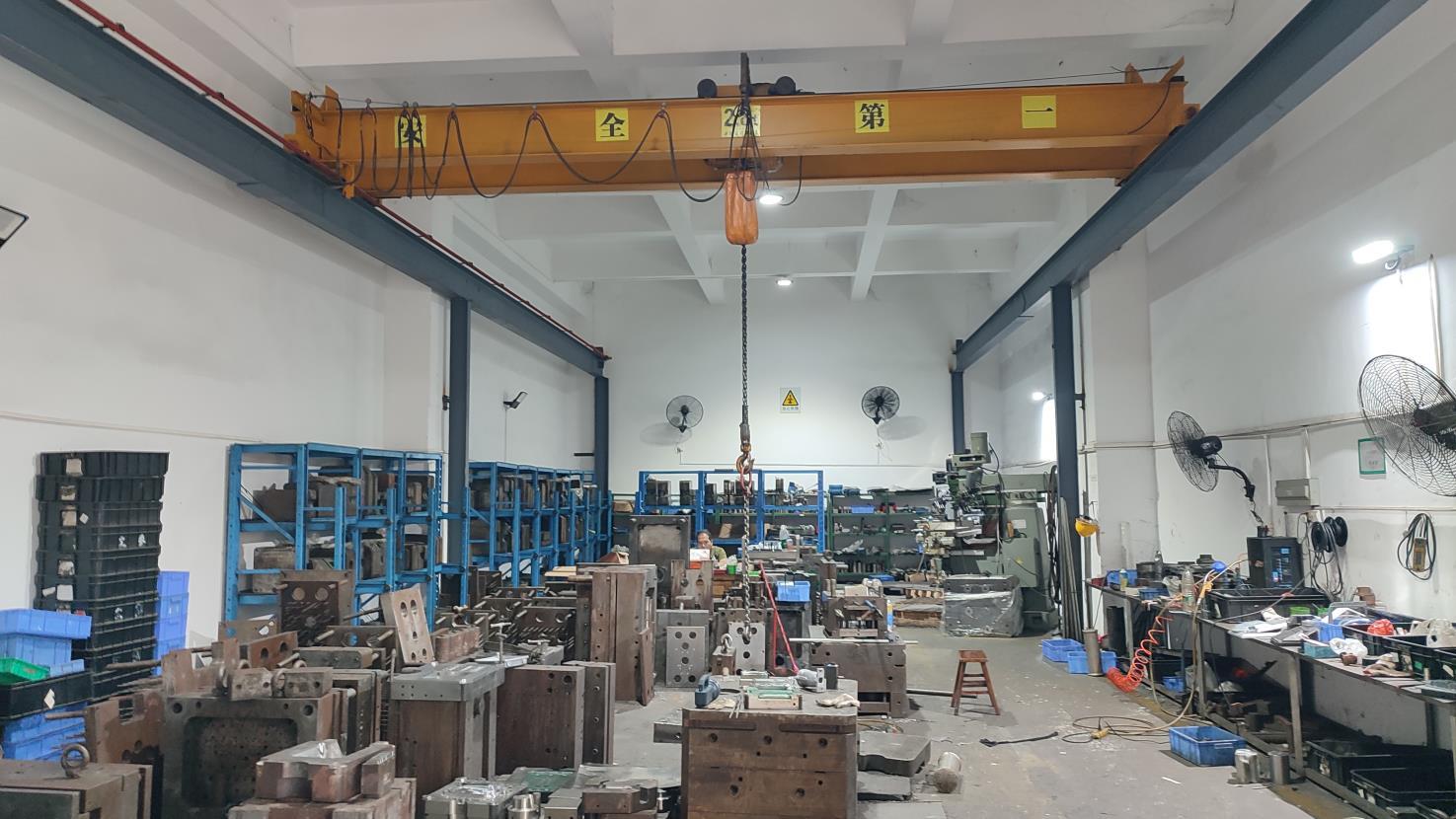
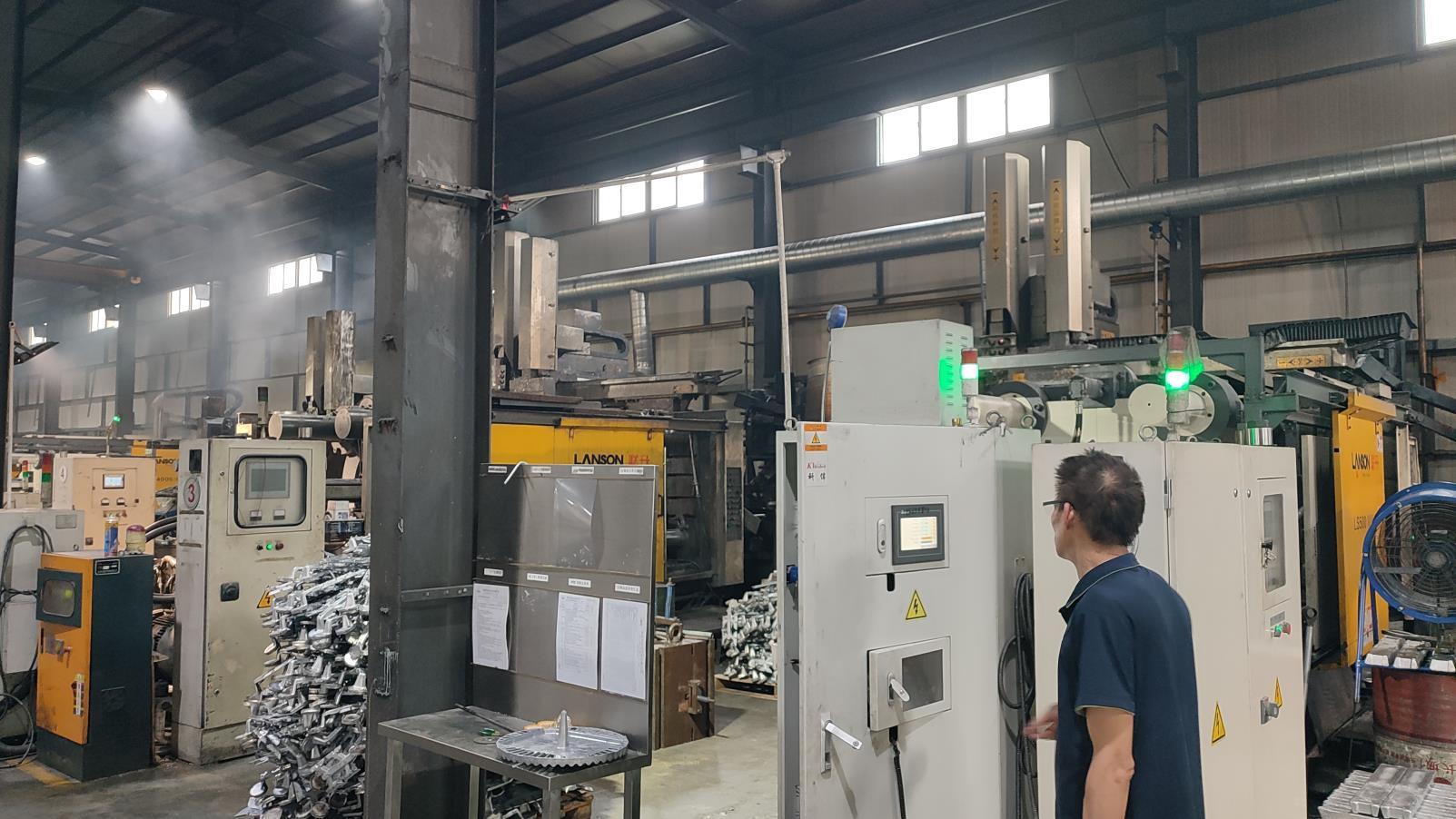
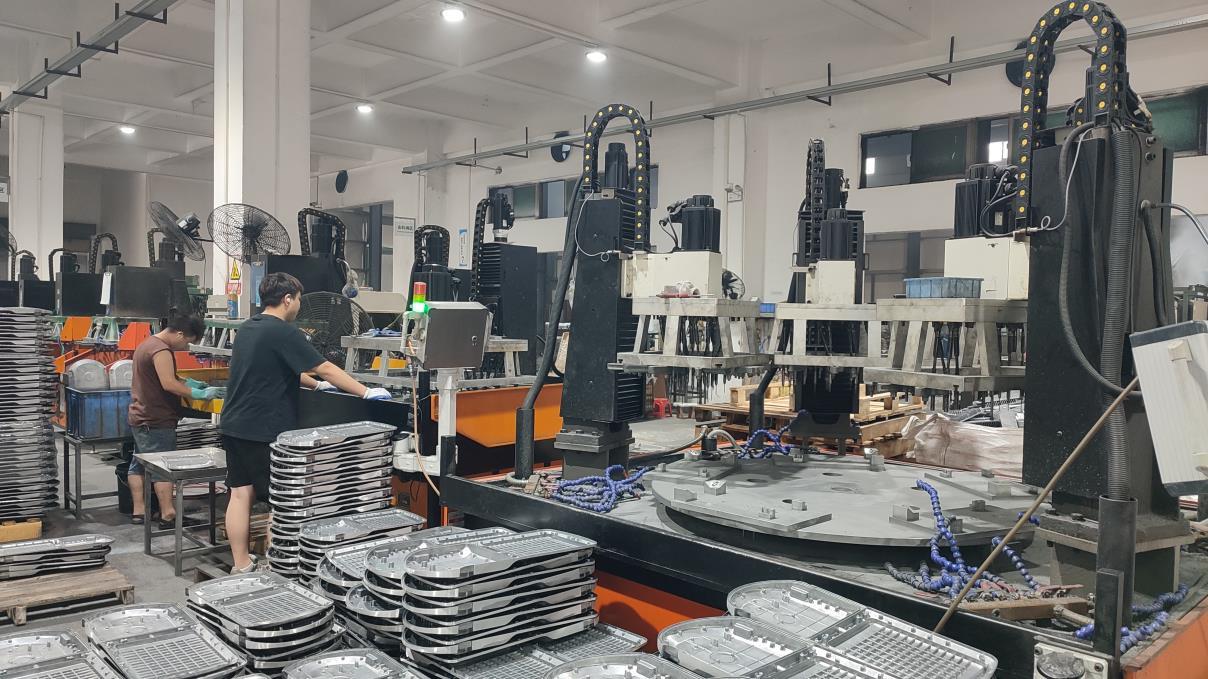
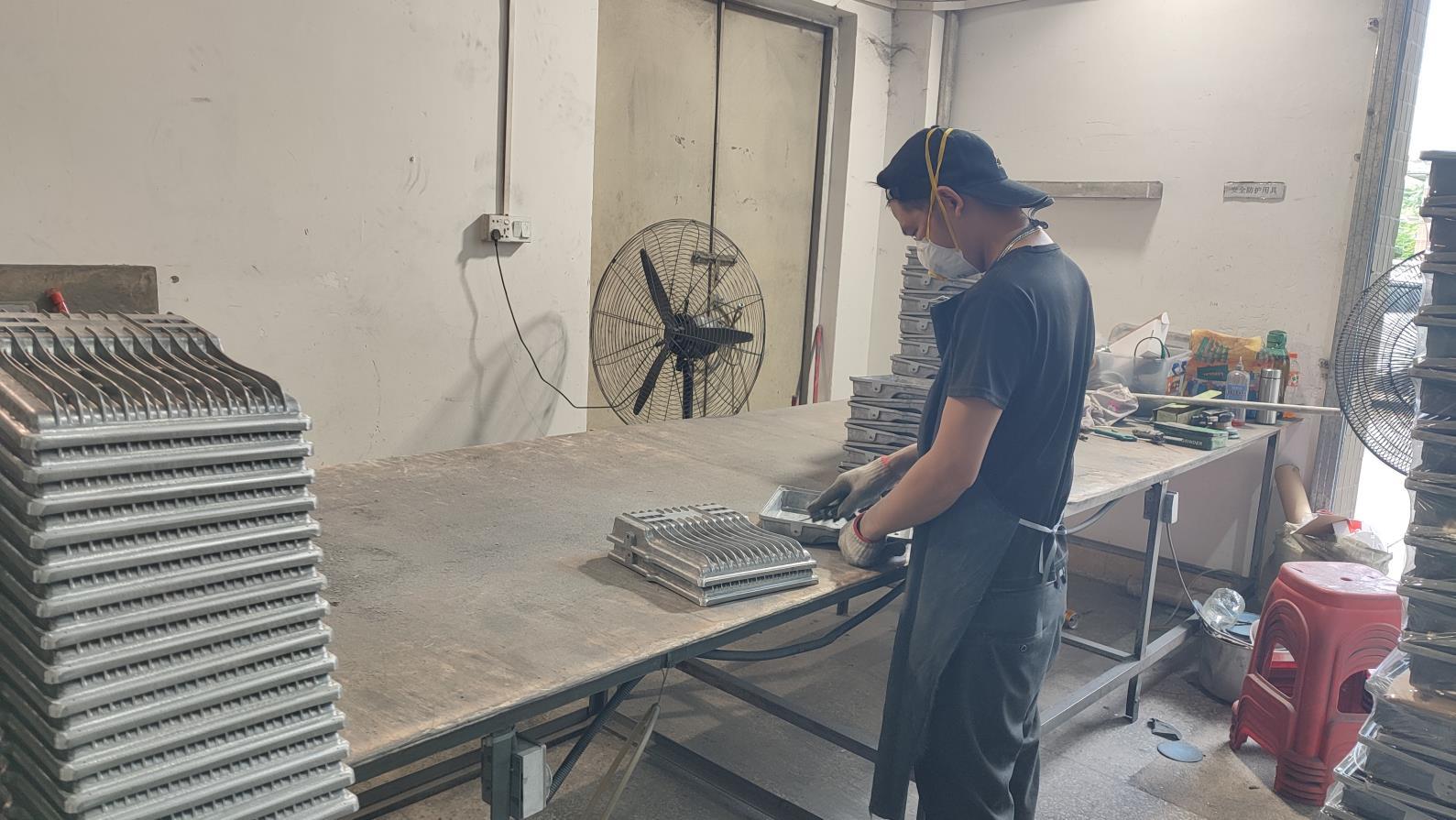
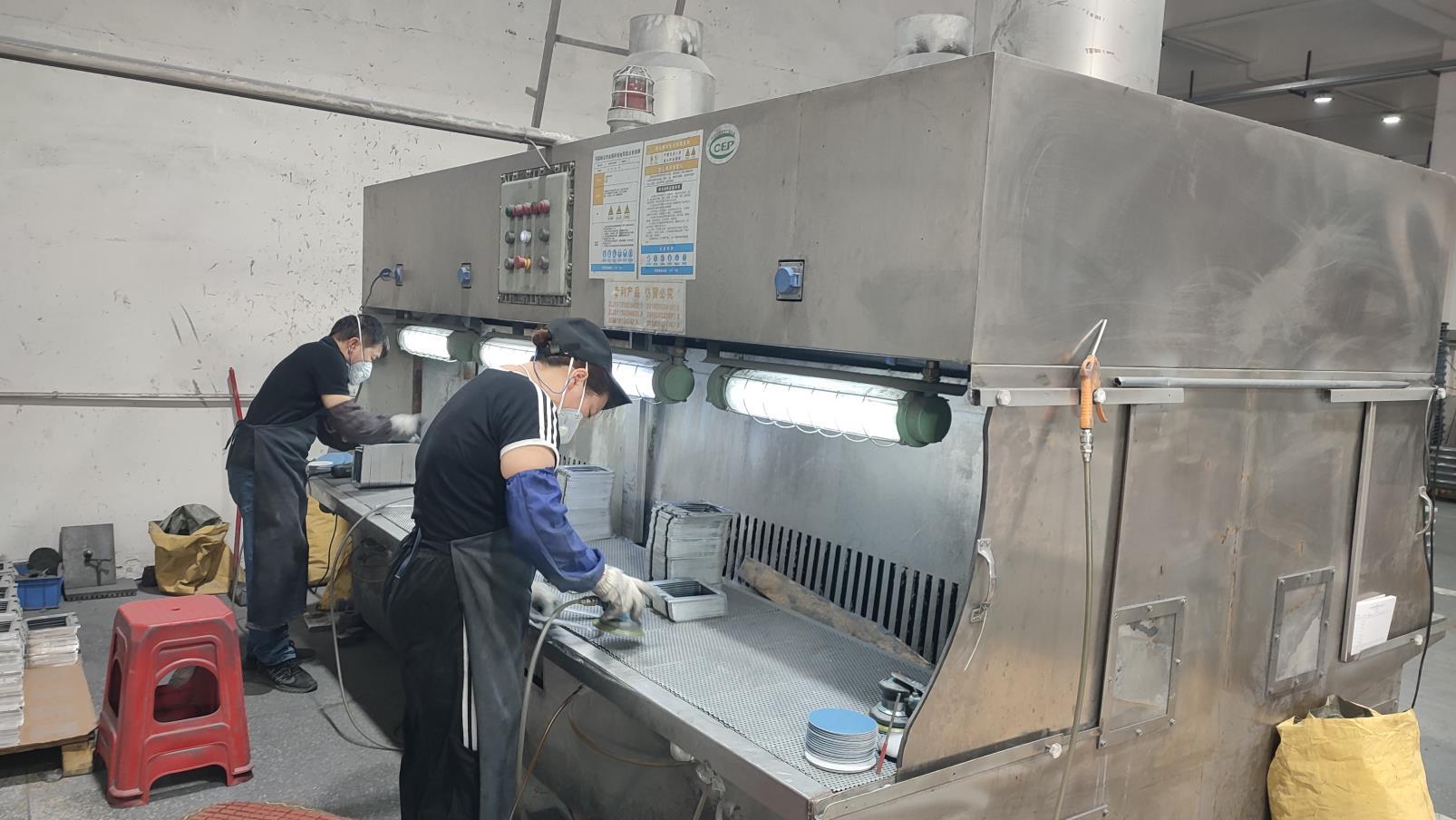
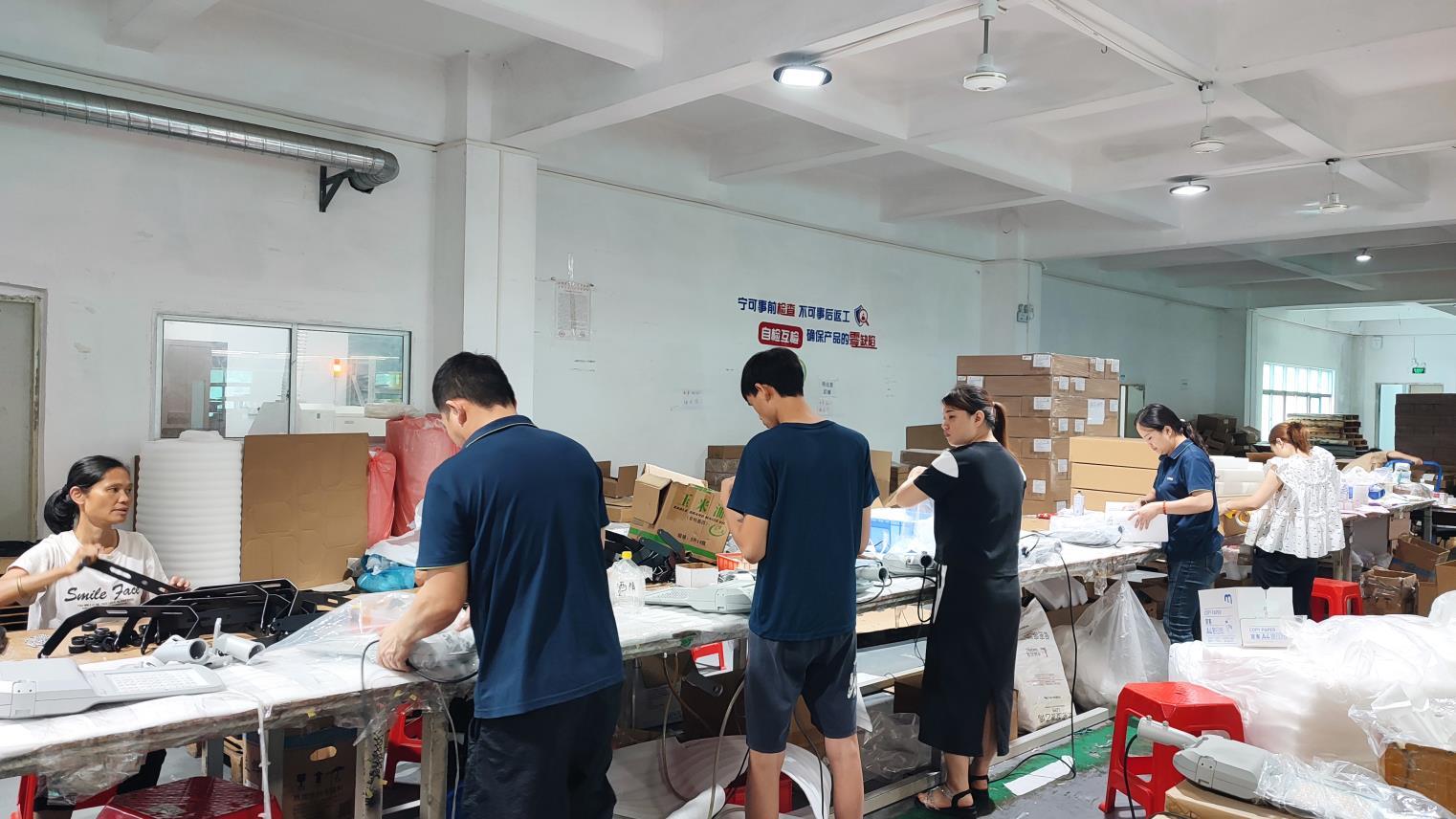
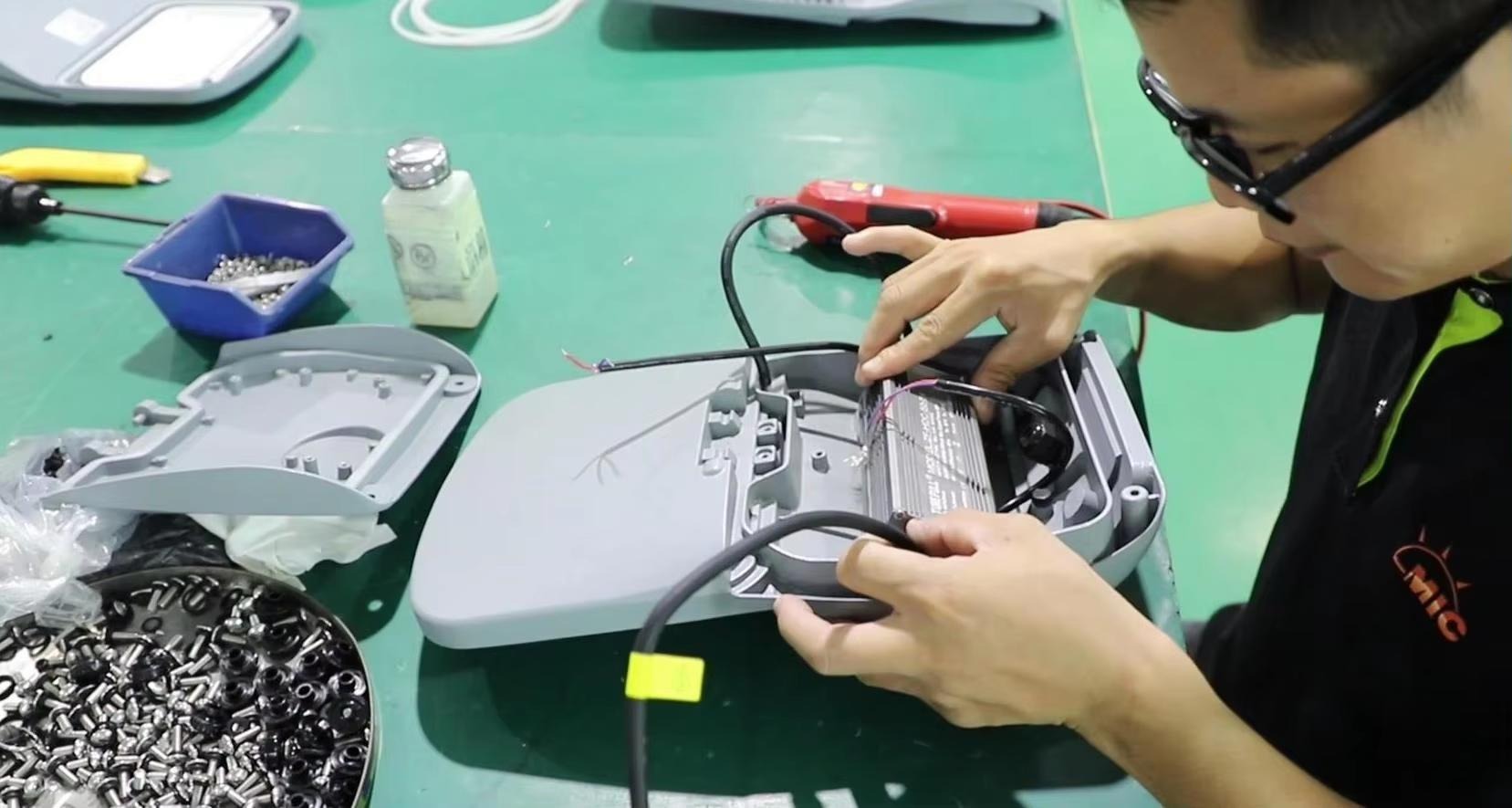
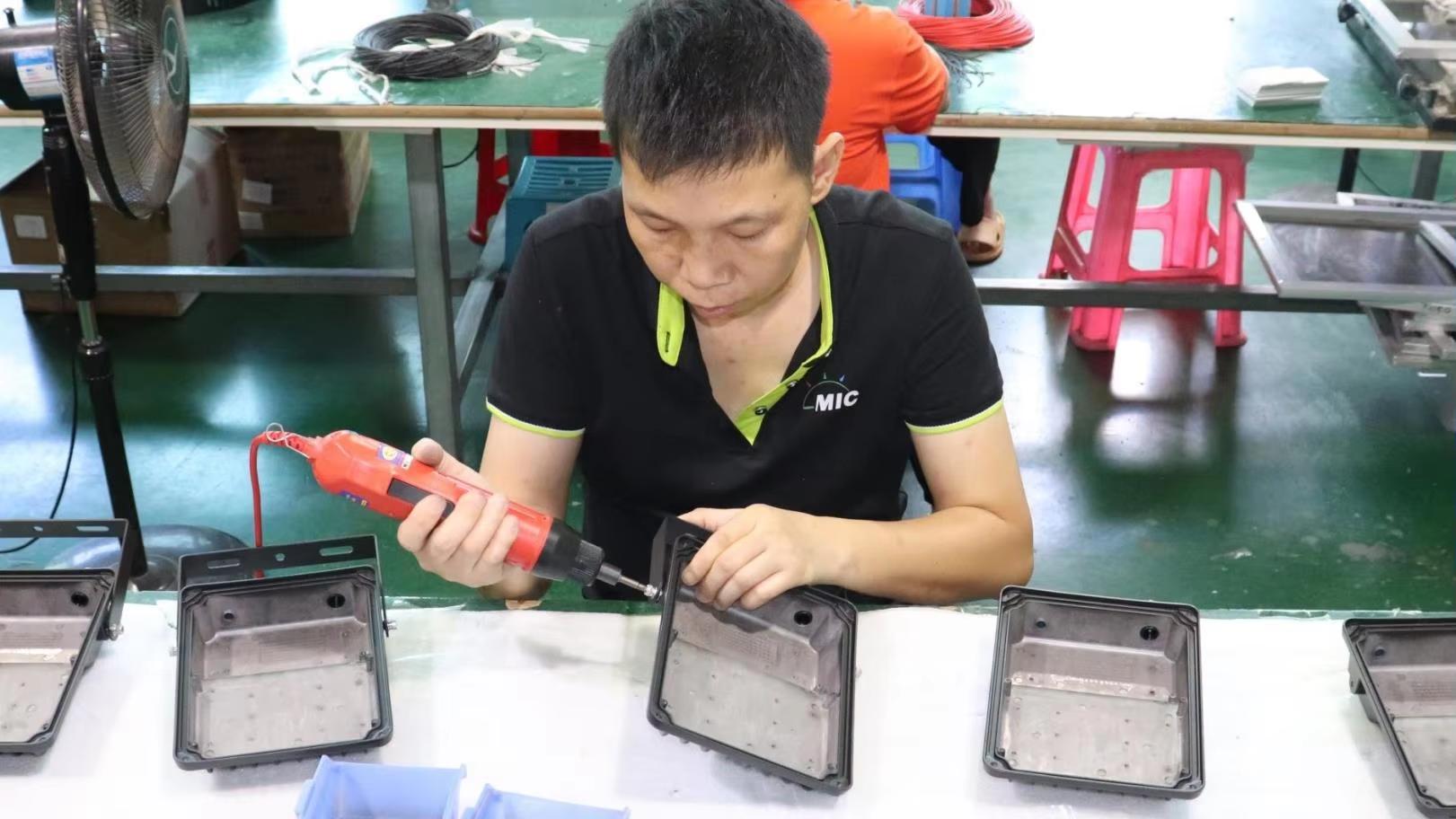
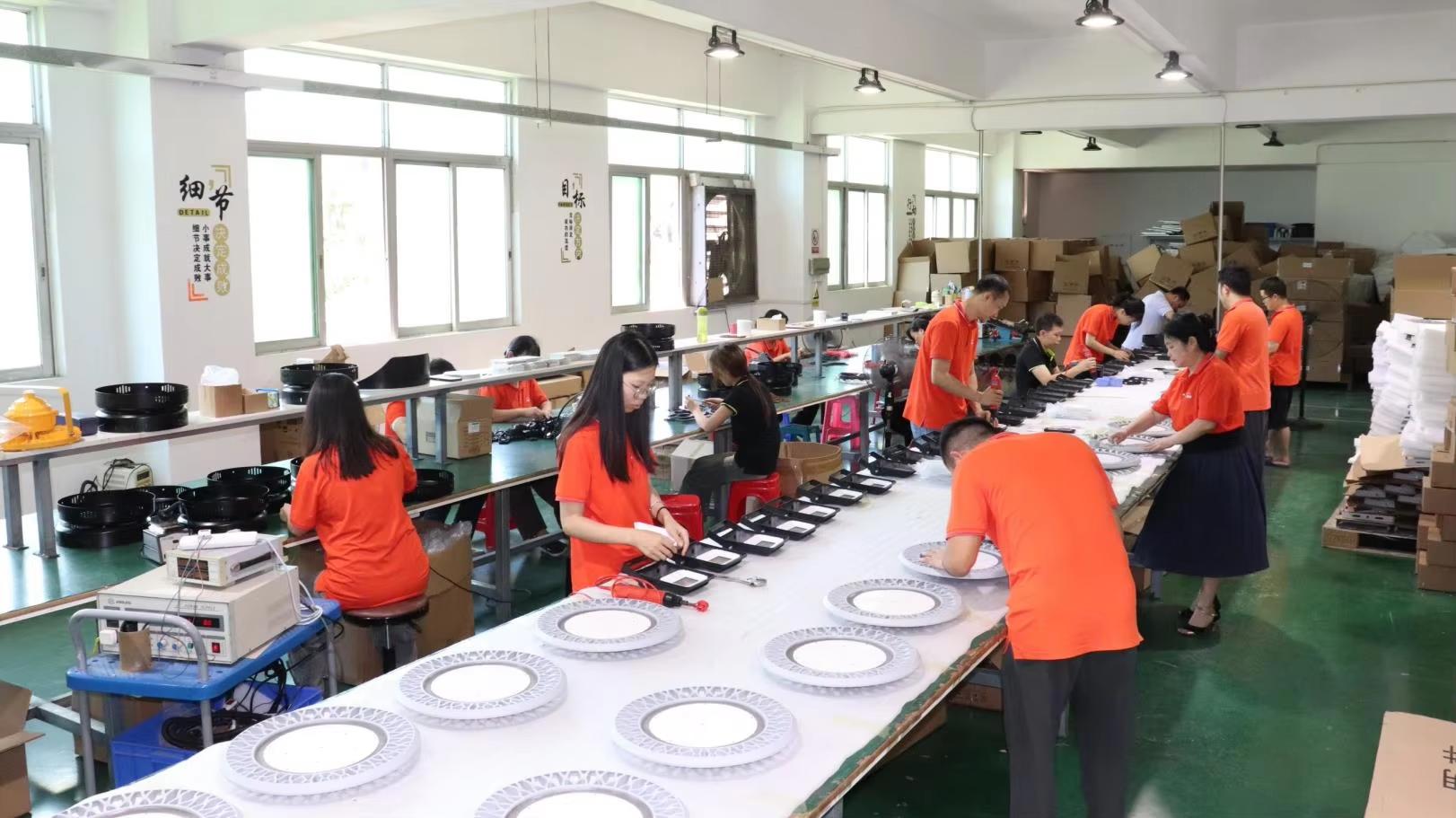
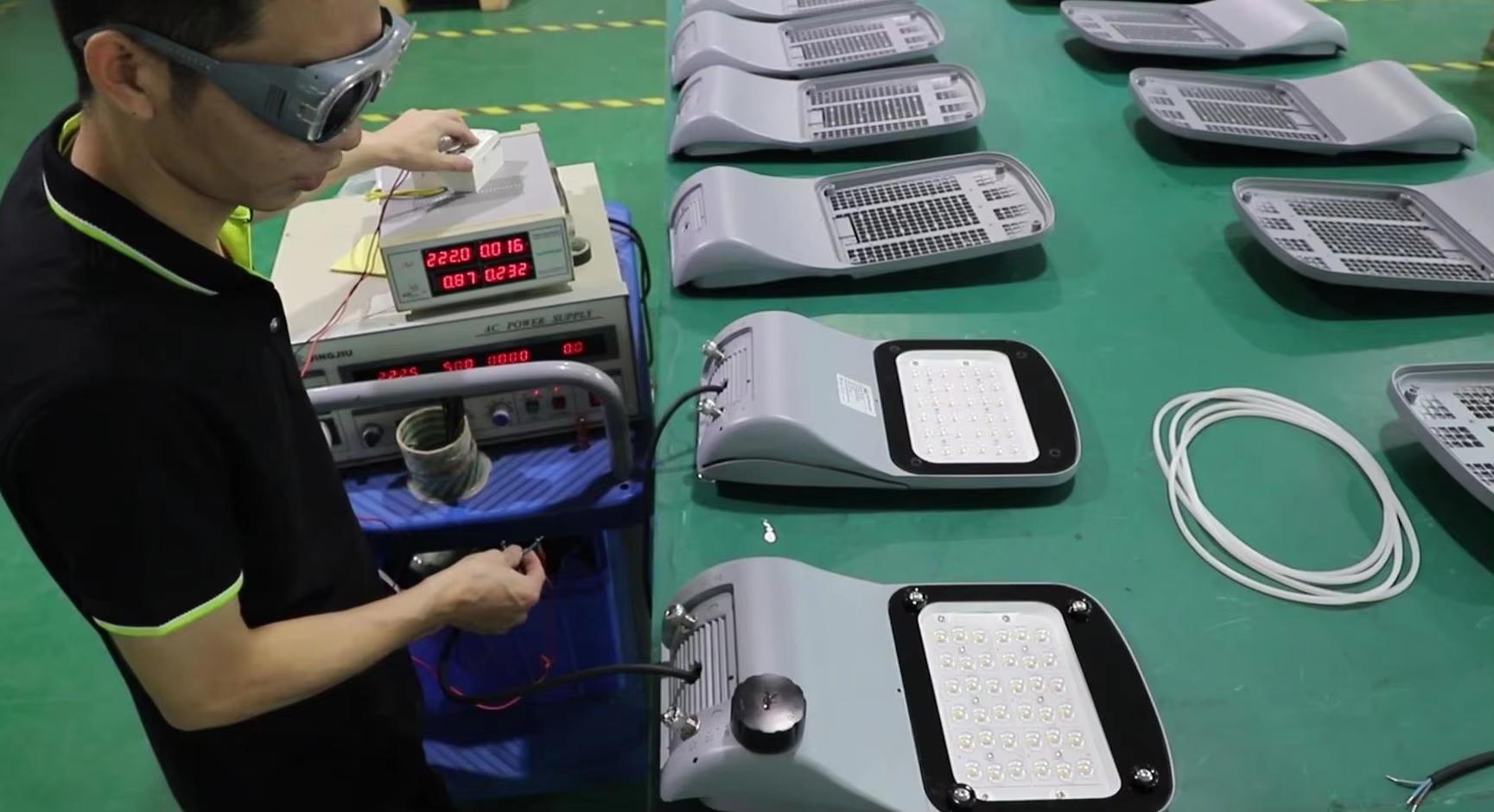
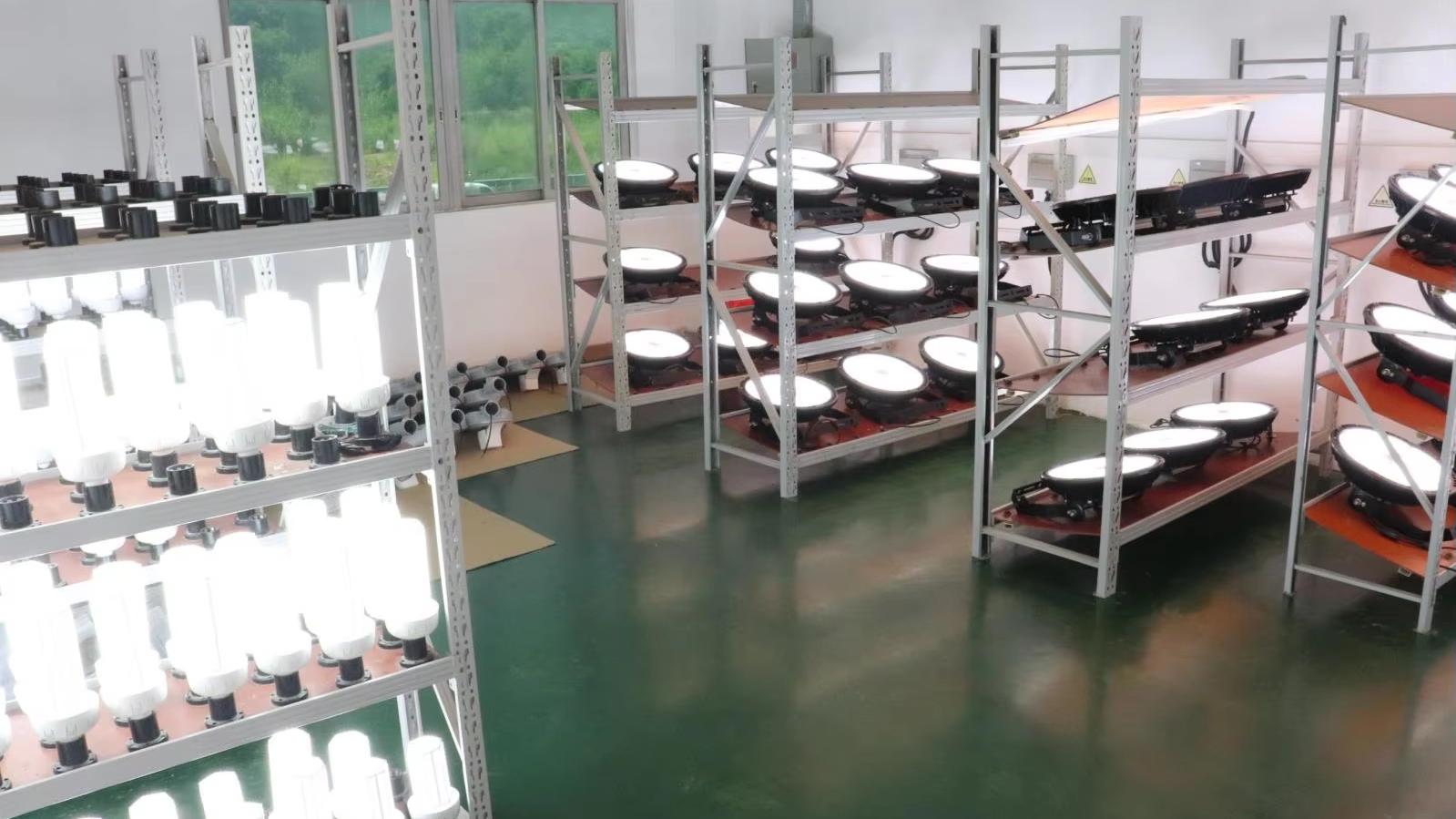
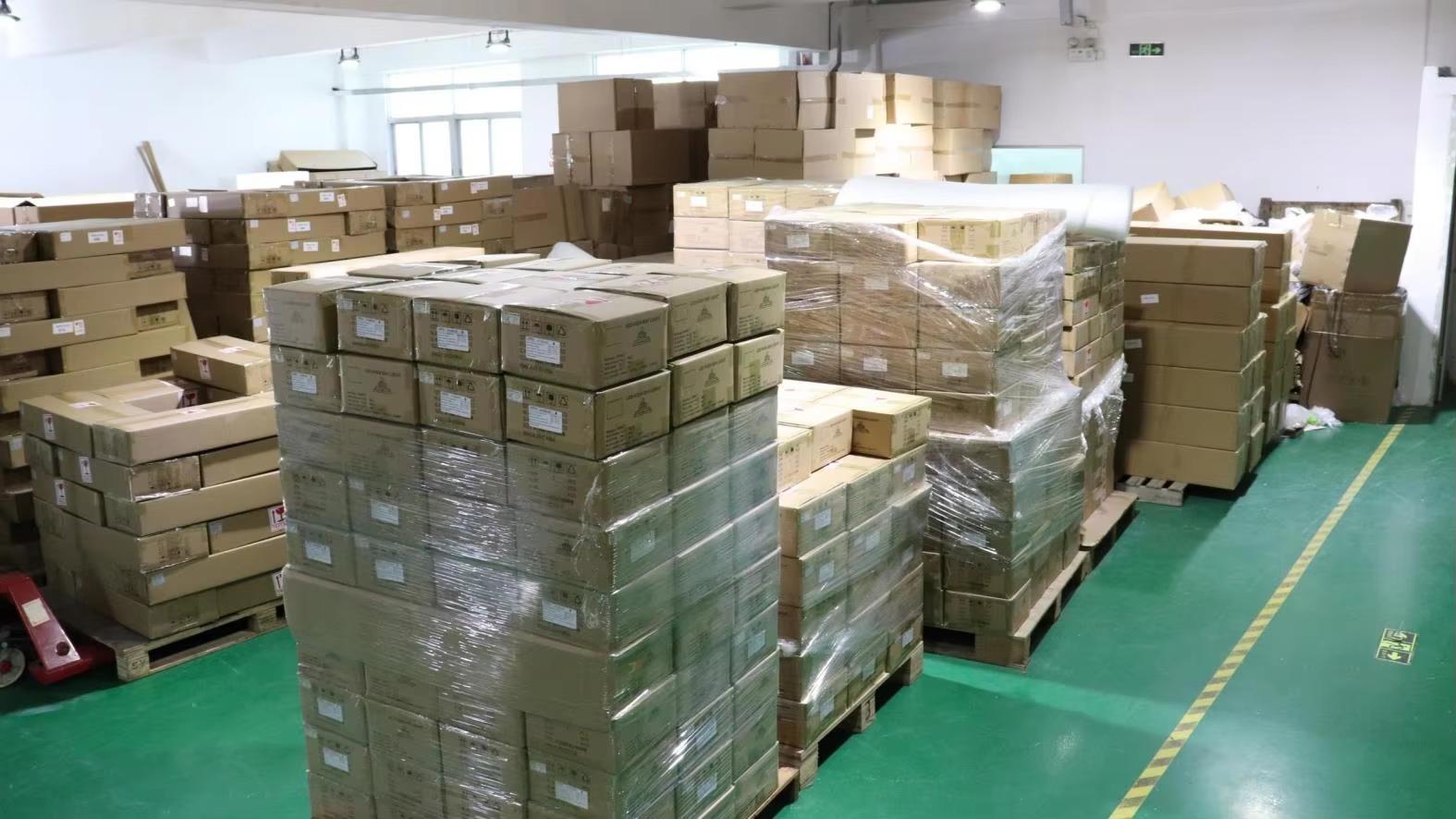
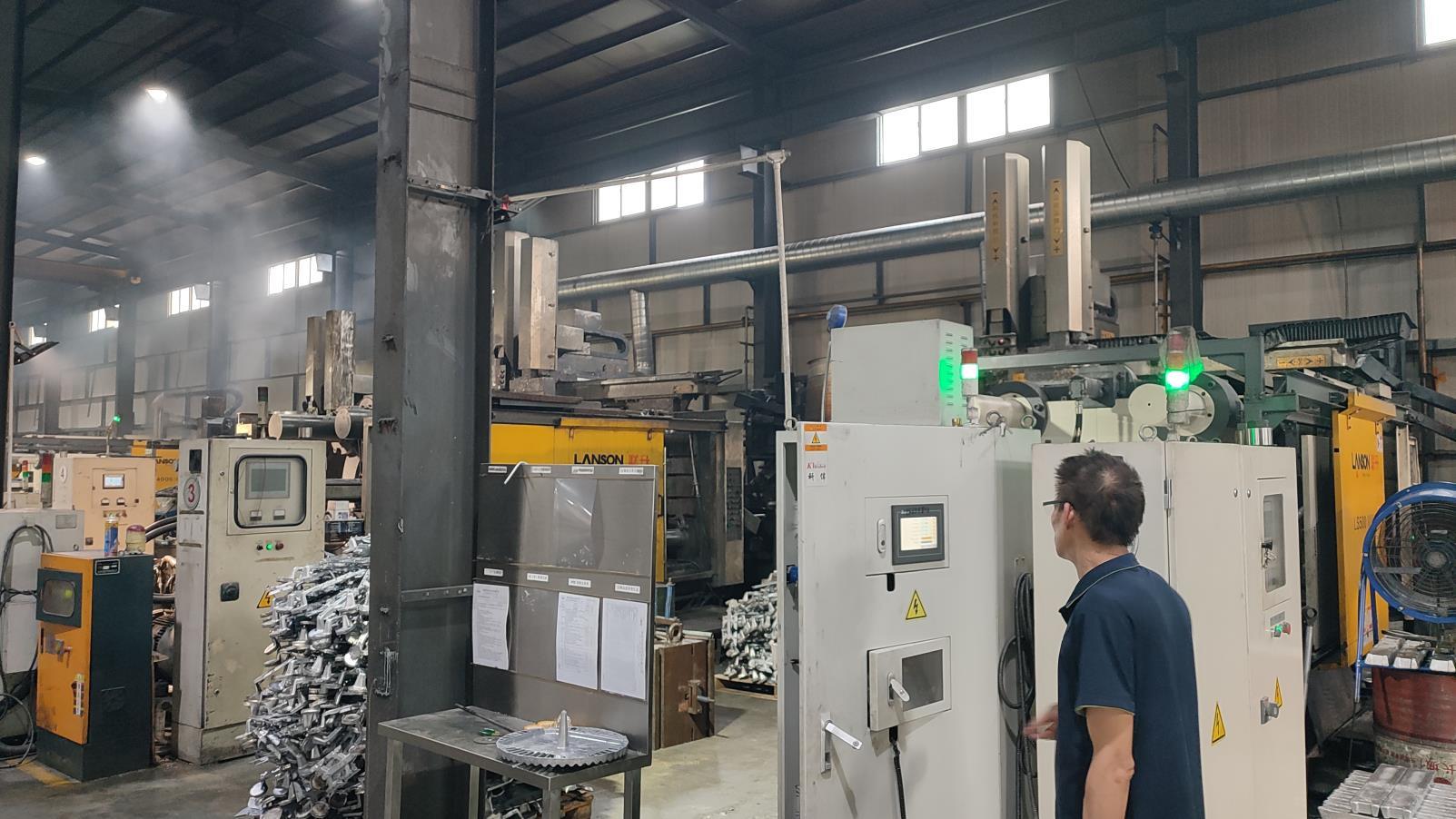
Our high-pressure die-casting machines produce dense, void-free housings. This provides the structural integrity and thermal conductivity necessary to withstand heavy wind loads and salt-spray corrosion in seaside environments.
When sourcing industrial LED lighting, experienced B2B buyers look beyond initial purchase prices. They evaluate total cost of ownership, compliance reliability, and supply chain transparency. For German project developers, managing import logistics and certification verification is a critical part of the process.
Key checkpoints for evaluating overseas LED manufacturing partners include:
Ensure the factory provides complete testing documentation. This includes accredited IES files for DIALux simulations, LM-79 reports, thermal imaging data, and EMC compliance documents. Reliable data is essential for verified site planning.
Verify that the manufacturer handles key production steps in-house—such as die-casting, CNC milling, automated SMT, and testing. Vertically integrated production reduces manufacturing defects and ensures consistent product quality.
Select partners who can customize key components. This includes offering specific brackets (slipfitter, arm, or trunnion mounts), custom housing colors (e.g., specific RAL tones), and specialized photocells or motion sensors.
Look for manufacturers with experience shipping to the Port of Hamburg. Proper packaging, correct HS code classification (typically 940540), and complete export documentation help prevent custom delays.
Working with Guangdong Lijah Light Co., Ltd. gives B2B buyers direct access to factory-direct pricing, customized engineering support, and reliable logistics assistance. We help you navigate every step of the sourcing process, ensuring your project is delivered on time and within budget.
Ready to upgrade your industrial parking lot, commercial road, or terminal lighting? Get in touch with our engineering team today for a free project consultation, DIALux simulation, and a competitive volume quote.
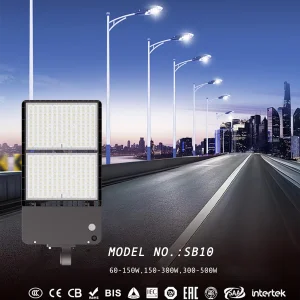
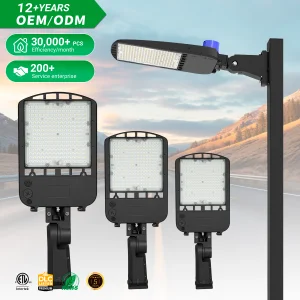
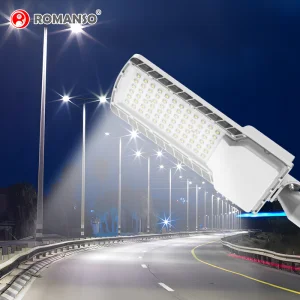
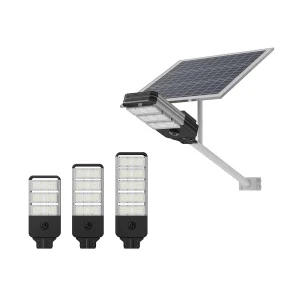
Explore our selection of heavy-duty, smart-compatible LED streetlights, area floodlights, and solar configurations designed for commercial and municipal projects.
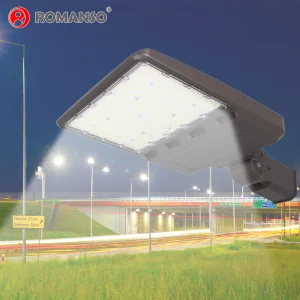
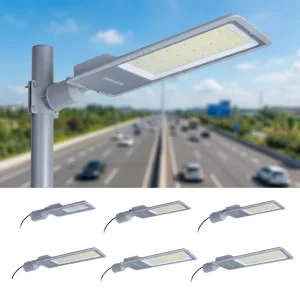
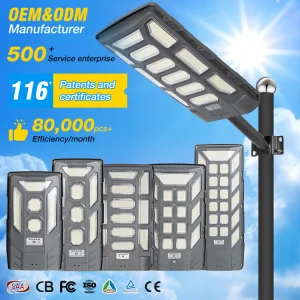
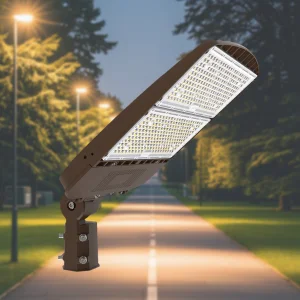
Common questions from B2B buyers, electrical contractors, and project planners sourcing outdoor lighting solutions for Northern Germany.
To withstand Hamburg's maritime climate (characterized by salt mist, high humidity, and wind loads from the North Sea), luminaires require a minimum IP66 rating (IP67 preferred), an IK08 or IK10 impact resistance rating, and a specialized C5-M marine-grade anti-corrosion powder coating. The heat sink must be made of low-copper die-cast aluminum (e.g., A380 alloy) to prevent electrochemical degradation, and the housing design should minimize dust and moisture accumulation.
DIN EN 13201 defines strict illuminance levels, uniformity ratios, and glare limits for public roads and outdoor parking areas. Adhering to these standards requires selecting the appropriate beam optics (e.g., Type III for access lanes, Type V for open yards). Selecting the correct optical distribution ensures compliance, improves safety, and minimizes light spill onto neighboring properties.
NEMA 7-pin sockets are a traditional standard that handles both AC power and analog dimming (0-10V) or digital control lines. Zhaga Book 18 represents a modern, more compact interface designed for smart, low-voltage DALI-2 sensors and nodes. Both allow for plug-and-play installation of photodetectors, motion sensors, and wireless controllers to integrate your lighting into building management or smart city systems.
Luminaires must carry the CE mark and comply with the RoHS directive to clear customs and be legally installed in Germany. Additionally, having independent certifications like ENEC and TÜV validates that the product meets European safety standards (EN 60598-1 and EN 60598-2-3). Electromagnetic compatibility (EMC) compliance is also required to prevent interference with nearby equipment.
We use high-quality components, including Tier 1 LED chips (Philips Lumileds or Bridgelux) and top-grade drivers (MeanWell, Inventronics, or Sosen). Every production run goes through strict quality control checks, including 100% electrical testing and a 24-to-72 hour burn-in aging test. These processes help us eliminate early component failures and ensure long-term stability.
A DIALux simulation uses accurate IES photometric files to model light distribution on your specific site. This allows you to verify that the planned pole spacing, mounting height, and luminaire wattage will achieve the required lux levels and uniformity before buying hardware, reducing design risks and optimizing your budget.
 Lijah Light