Lijah Light
Strategic Insights: LED Parking Lot Lighting Infrastructure in Sydney
An executive-level whitepaper exploring commercial lighting requirements, cost-benefit analyses, and compliance parameters for Sydney developers and public works departments.
1. The Sydney Commercial & Industrial Lighting Landscape
Sydney's commercial real estate, metropolitan logistics hubs, and retail precincts are experiencing a structural shift toward smart infrastructure. Driven by the NSW Net Zero Plan Stage 1: 2020-2030, enterprise asset owners are mandated to reduce energy footprint while ensuring safety and operational compliance. Outdated high-pressure sodium (HPS) and metal halide (MH) fixtures in multi-level carparks and open-air parking lots are rapidly being replaced with high-efficiency LED systems.
In New South Wales, parking lot lighting is not merely about visibility; it is governed by rigorous legal and utility codes. The AS/NZS 1158 standards (specifically Class P11/P12 for parking areas and pedestrian corridors) specify luminous uniformity levels, glare control index values, and minimum color rendering index (CRI) requirements to guarantee pedestrian safety, CCTV video clarity, and vehicular safety. Additionally, the coastal geography of Sydney—ranging from Botany Bay to the Northern Beaches—presents an aggressive corrosion environment. Salt-mist, humidity, and high ultraviolet exposure require lighting enclosures to feature marine-grade powder coatings and superior Ingress Protection (IP66/IP67) alongside high impact protection indices (IK08/IK10).
2. Global Procurement Dynamics & The China Manufacturing Advantage
Global procurement networks for industrial-grade LED parking lot lighting face challenges from fluctuating raw material costs, logistics disruptions, and the urgent demand for smart city compatibility. Large-scale infrastructure projects require lighting suppliers that balance custom photometric design capability, supply chain stability, and strict quality control certifications.
As a leading Chinese industrial lighting manufacturer, Guangdong Lijah Light Co., Ltd. offers a compelling value proposition to Sydney importers and contractors:
- Direct-to-Factory Procurement: Eliminating local intermediary markups, allowing for project budgets to be optimized without compromising quality.
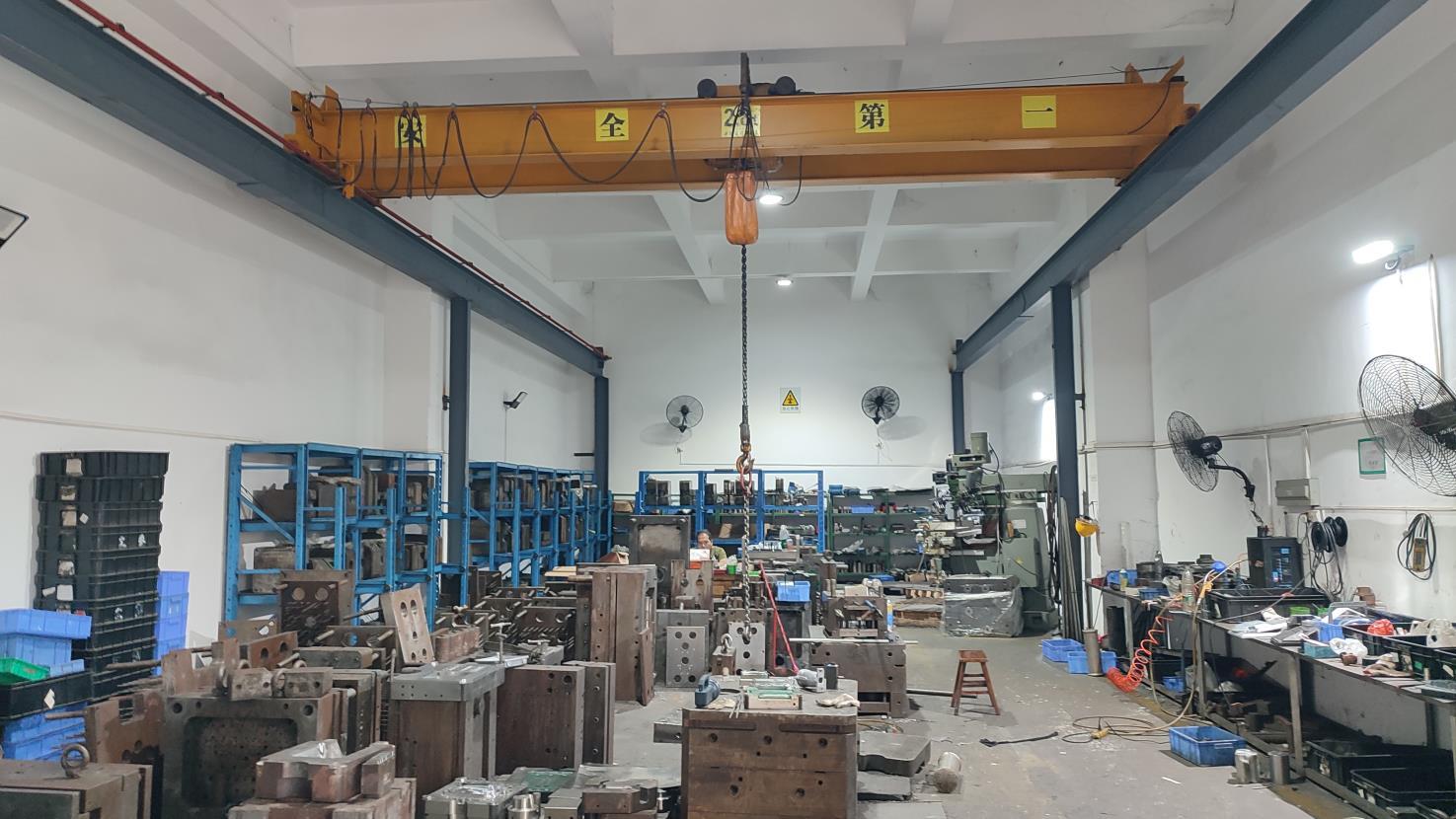
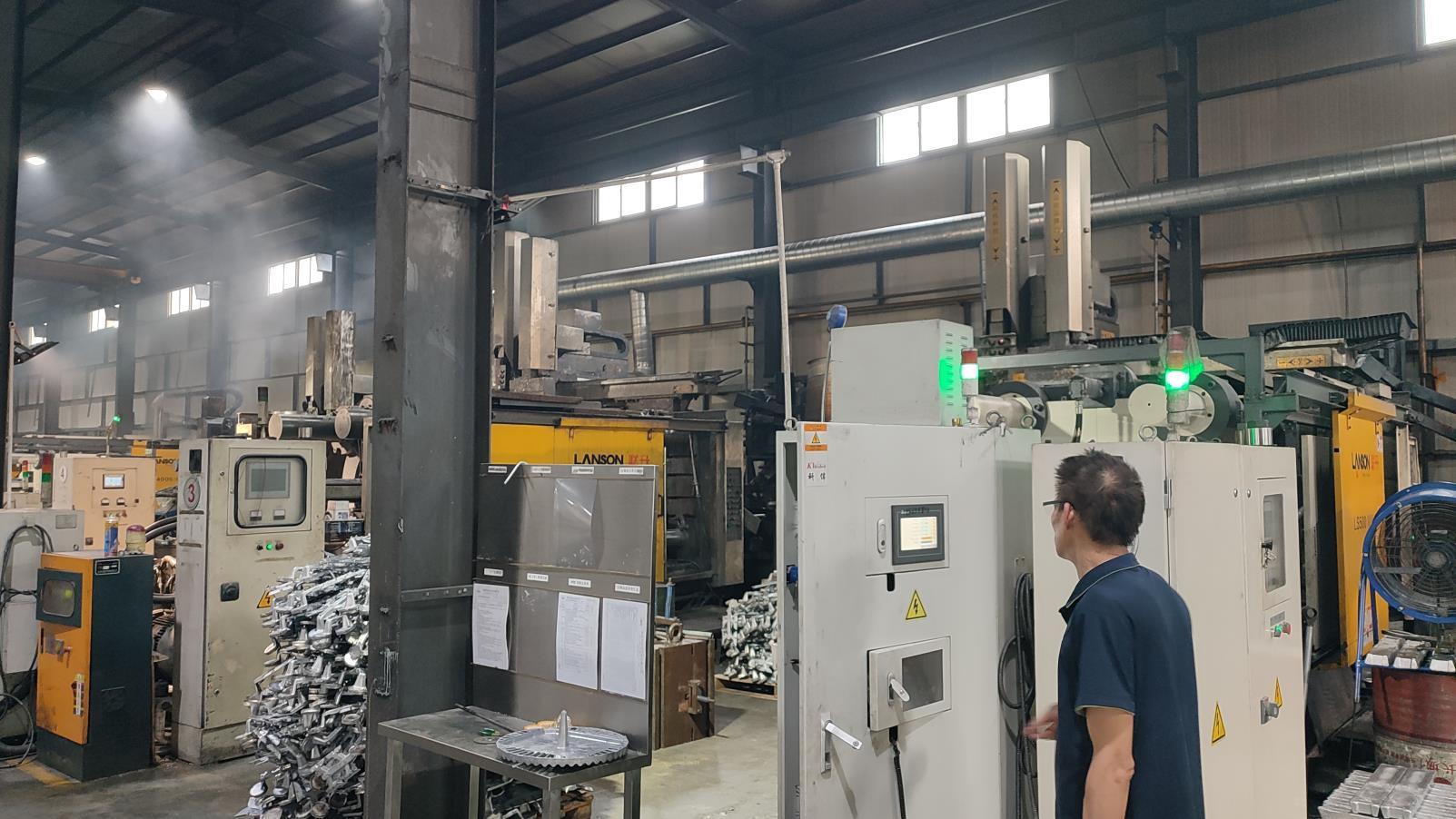
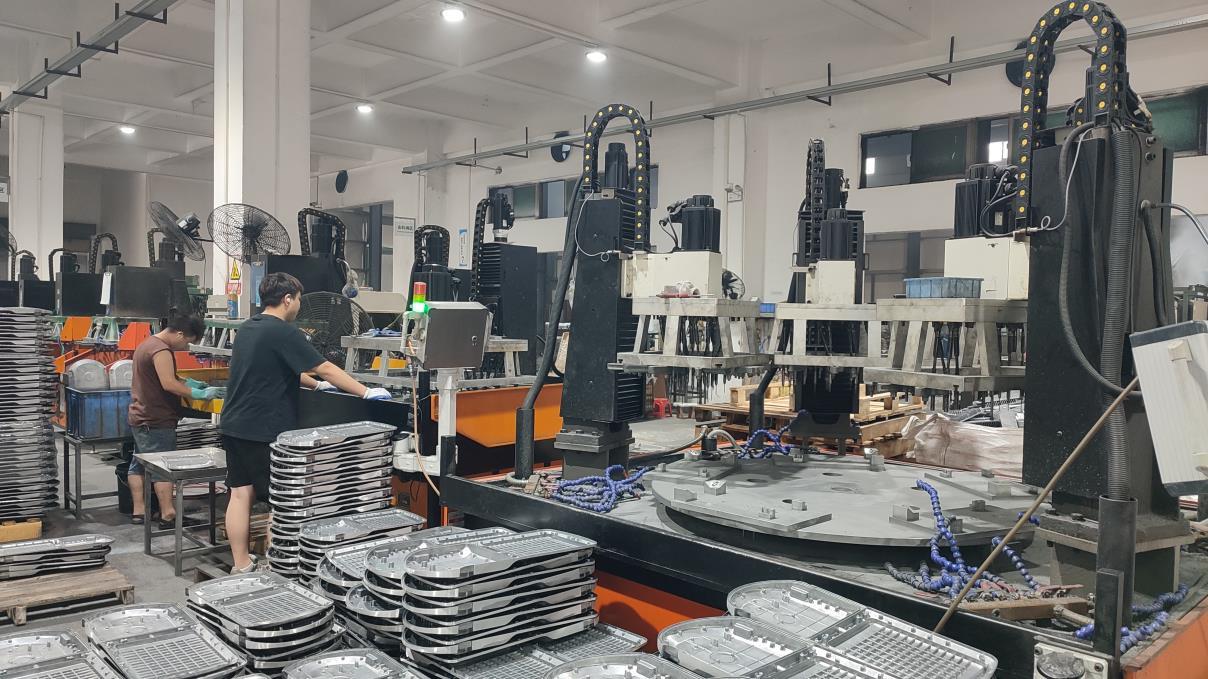
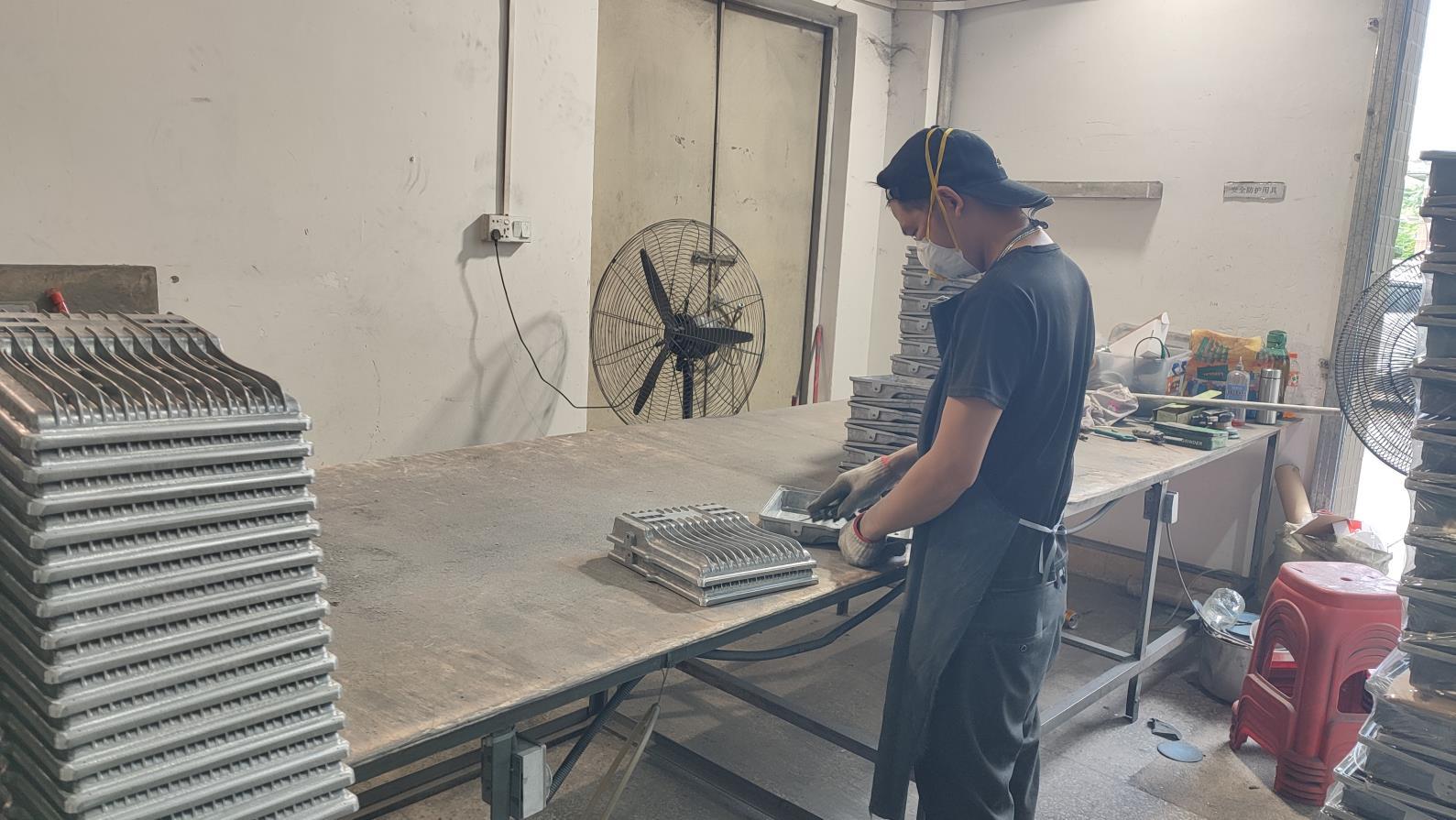
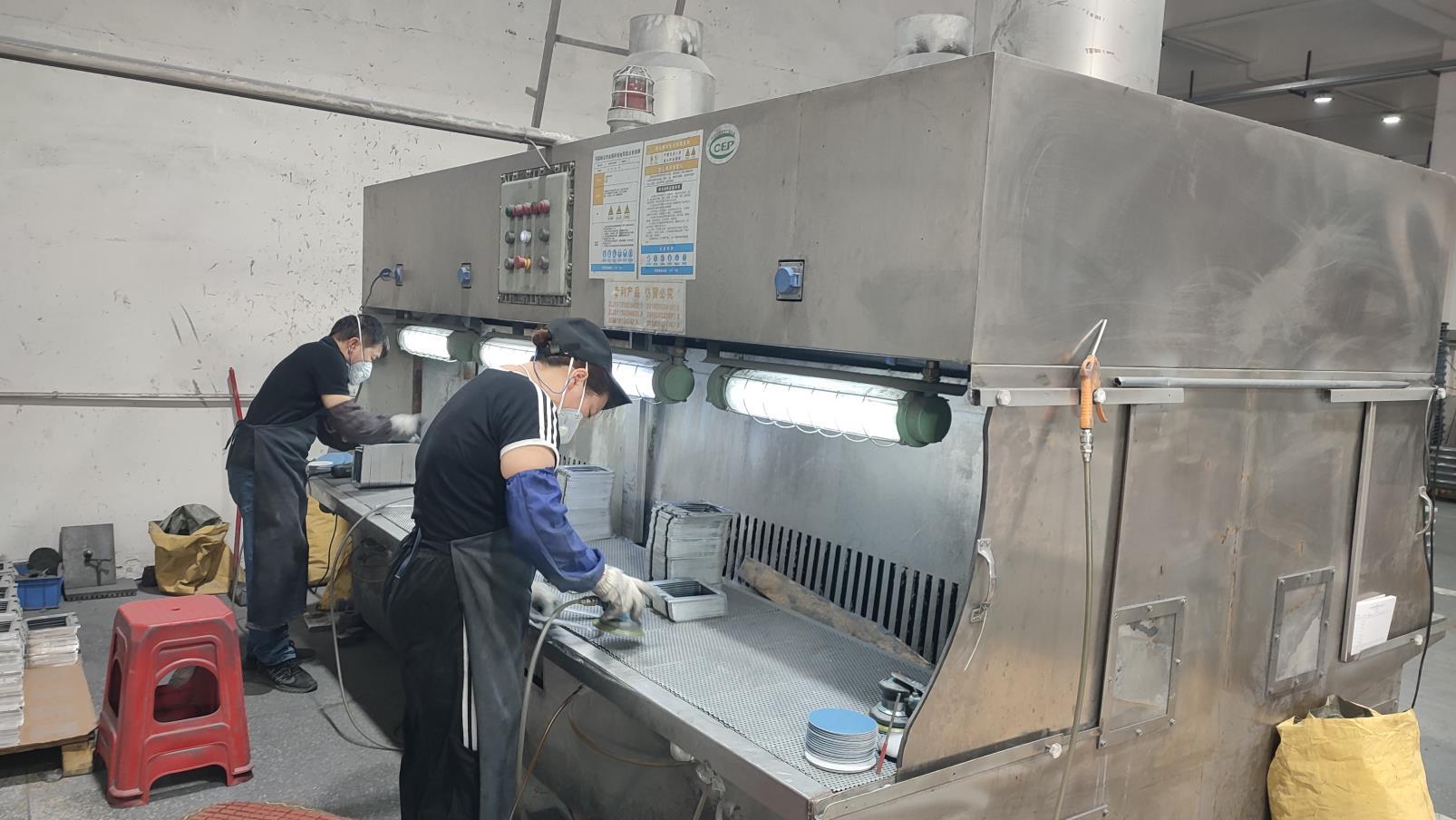
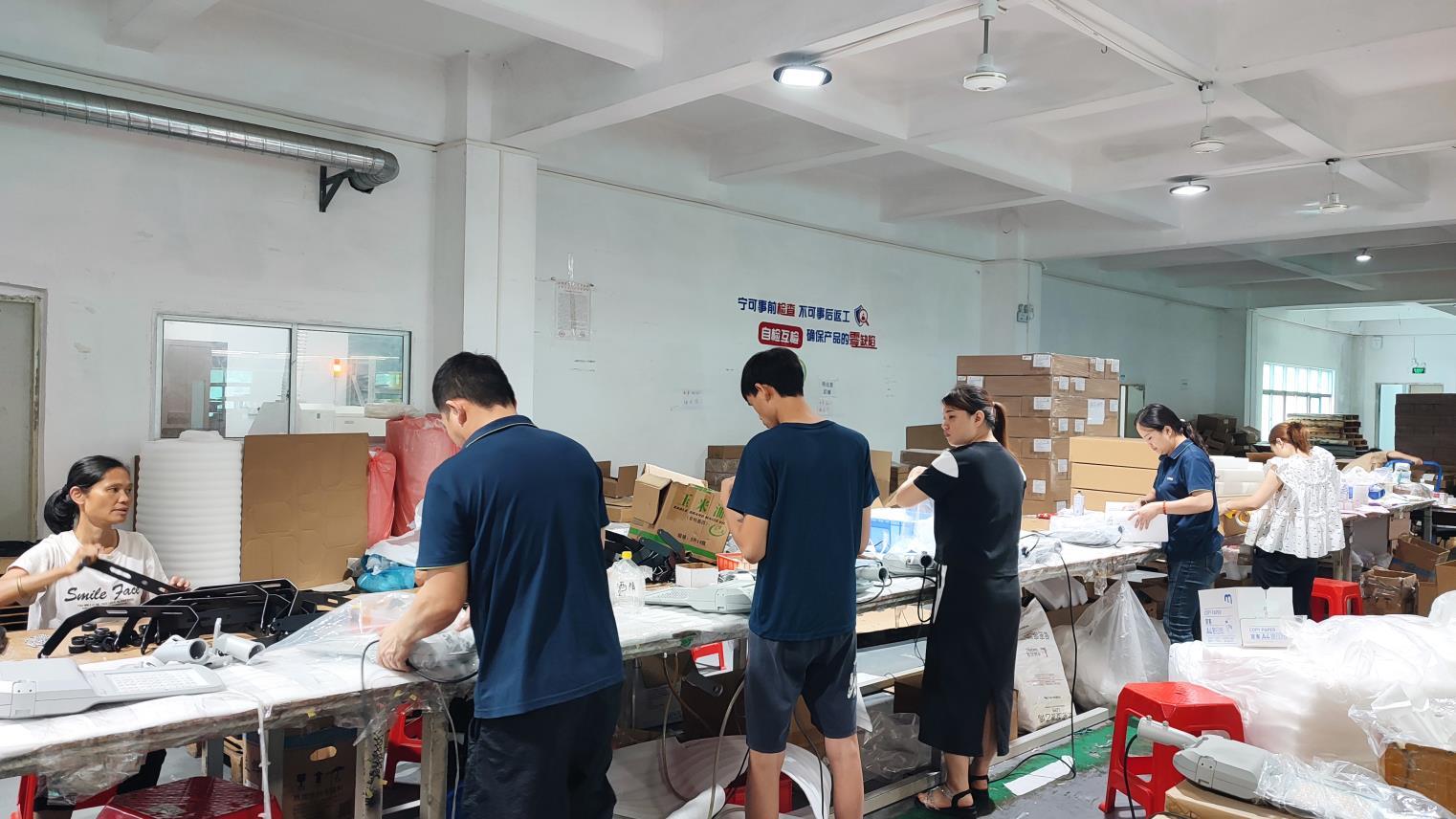
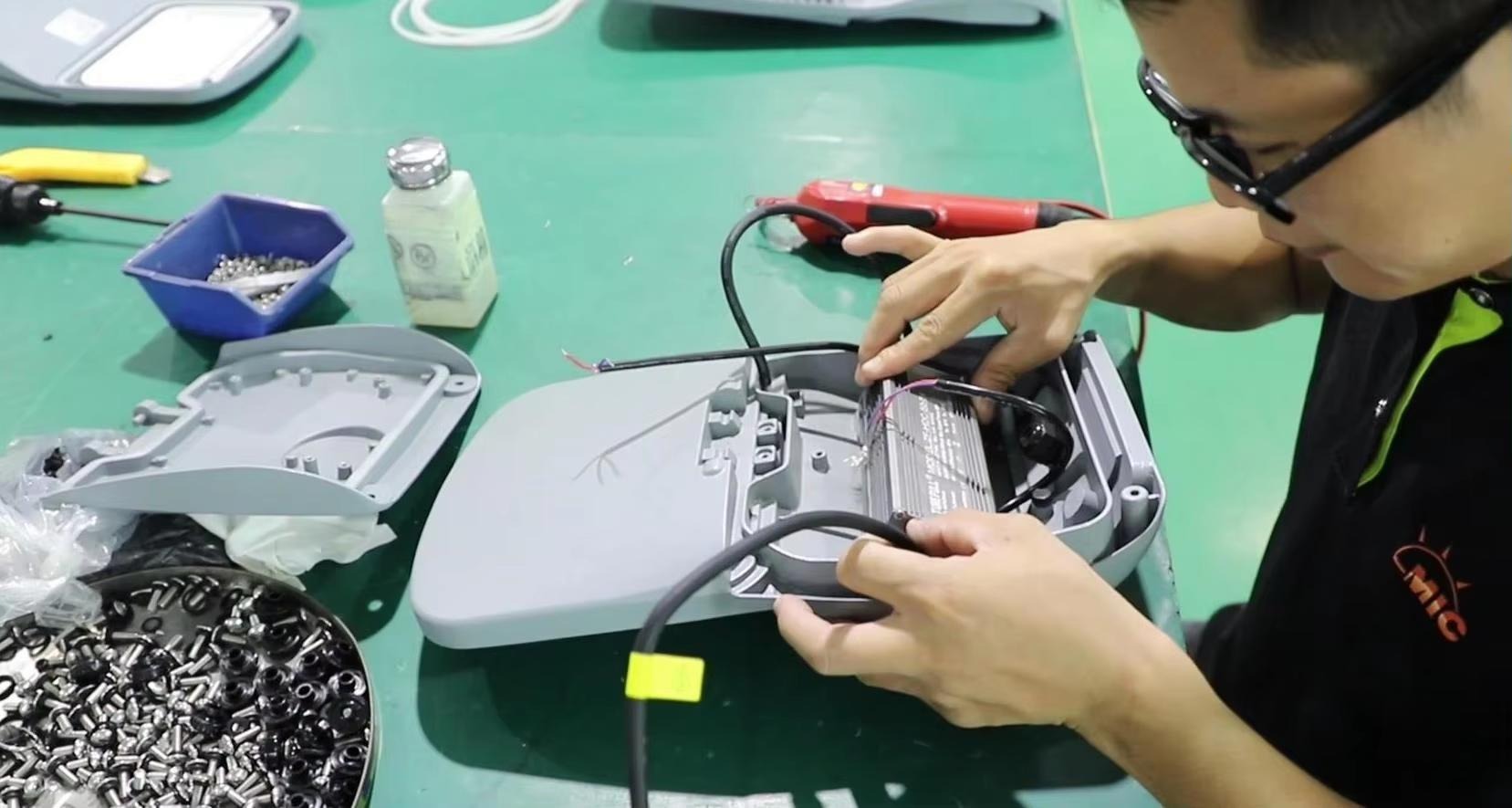
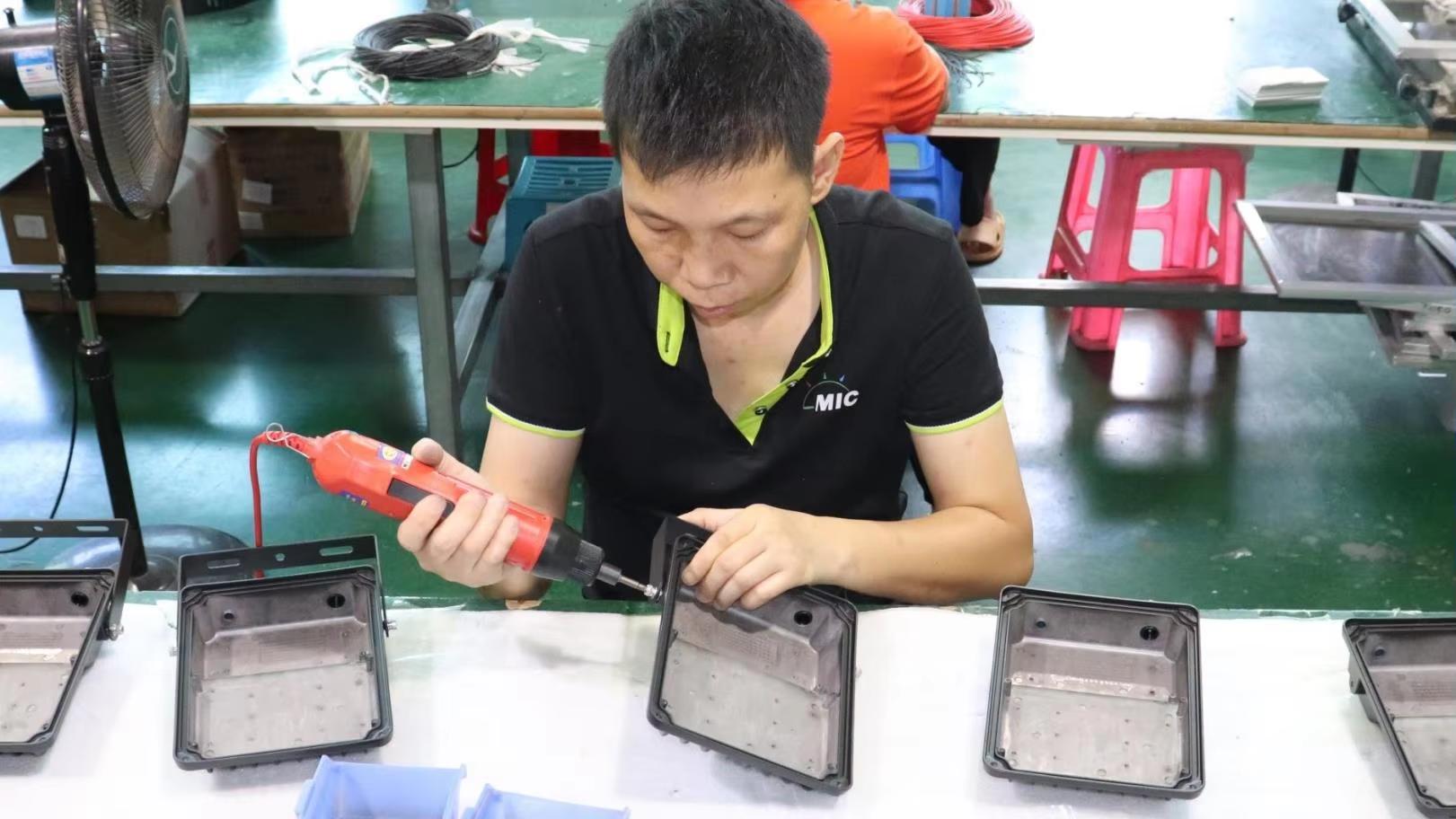
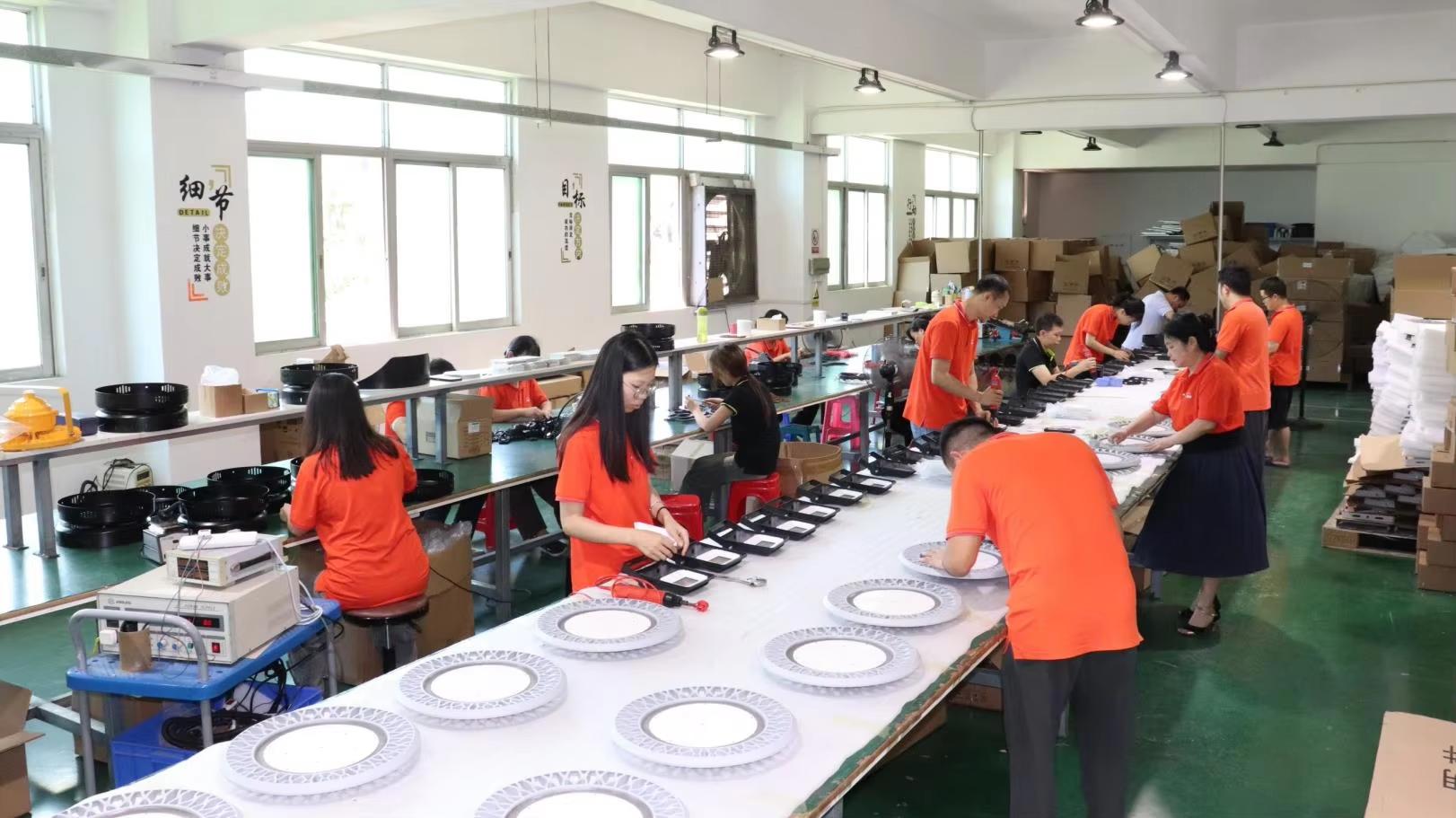
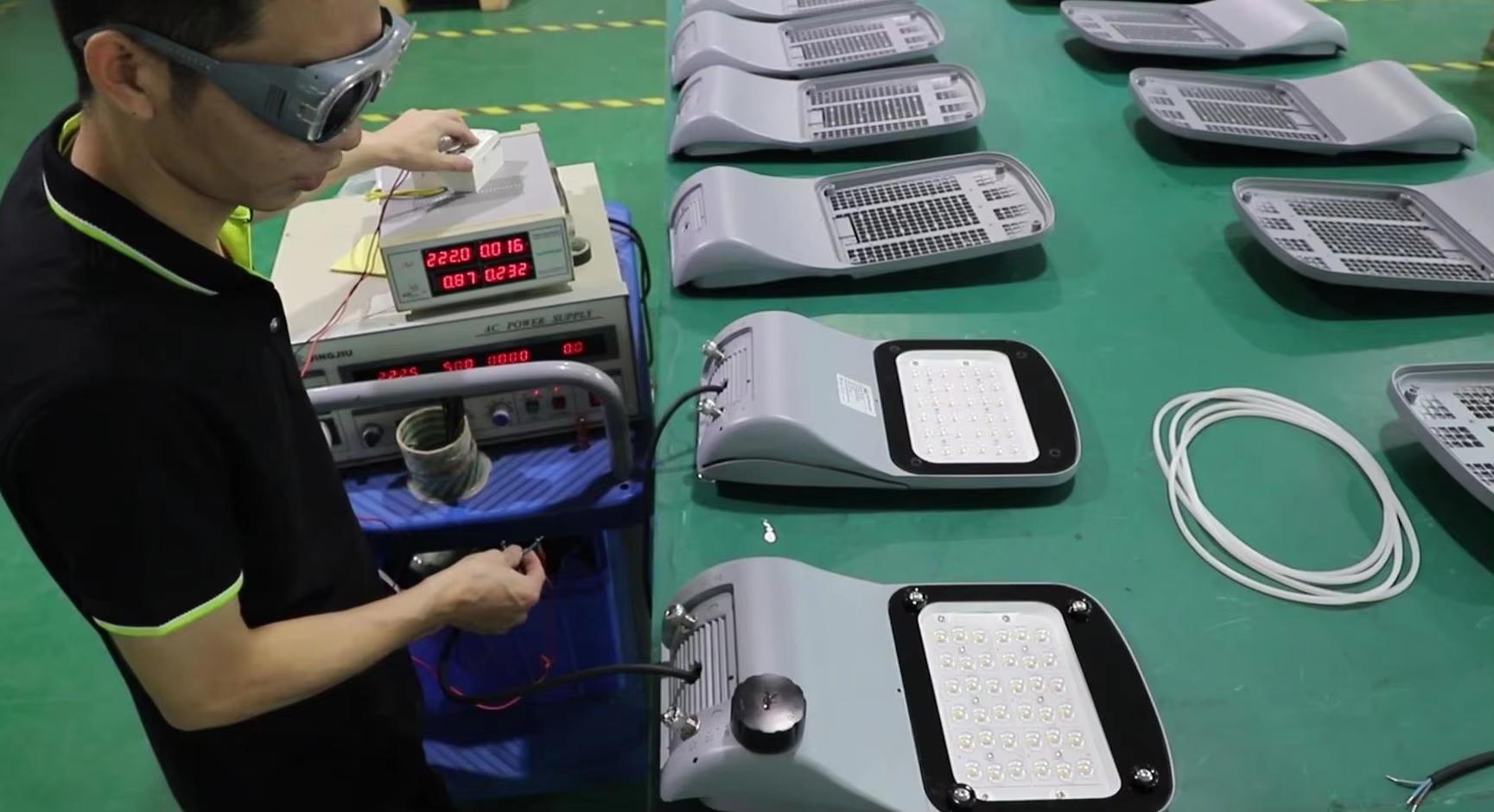
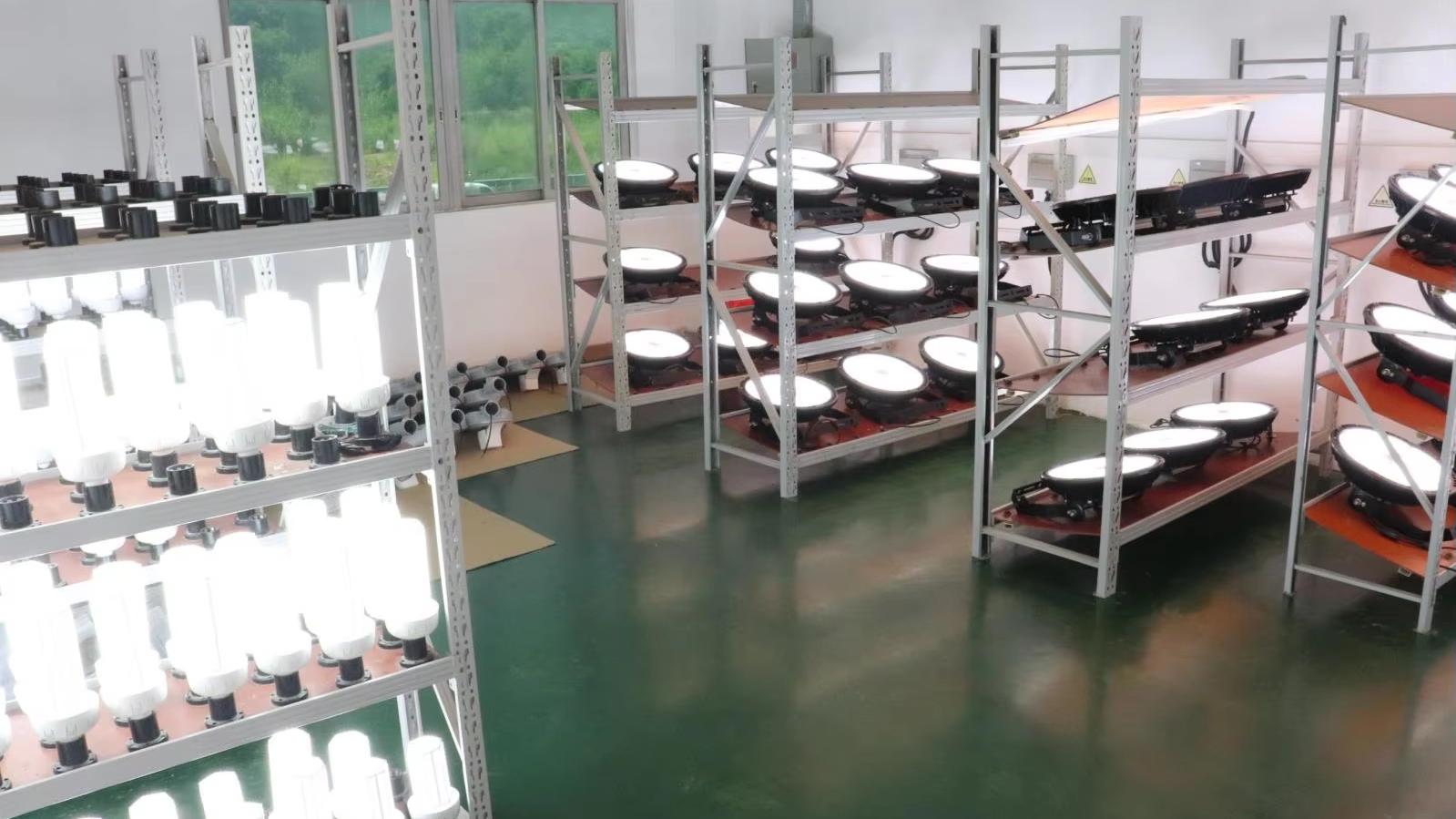
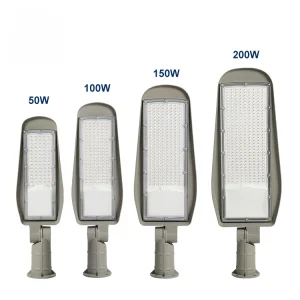
- Vertically Integrated Manufacturing: Our facility manages the entire production cycle—from high-pressure die-casting, precision CNC machining, and automated SMT surface mounting, to rigorous aging tests. This ensures component compatibility and strict adherence to specifications.
- Certifications & Standards Compliance: All manufactured lots are certified for global markets. For the Australian and Oceania markets, our products meet the compliance parameters of SAA, C-Tick, CE, and RoHS, complete with reliable LM-79, LM-80, and TM-21 testing data.
- Advanced R&D and DIALux Simulations: Before the first unit is shipped, our engineering team uses DIALux software to build simulated light fields, ensuring the selected fixtures meet the exact lux levels required by Australian standards for any layout.
| Lighting Parameter | Legacy Metal Halide / HPS | Lijah LED Parking Lot Lights | Sydney Operational Impact |
|---|---|---|---|
| Luminous Efficacy | 60 - 80 Lm/W | 140 - 180 Lm/W | Over 60% reduction in municipal & commercial electricity costs. |
| Operational Lifespan | 10,000 - 15,000 hours | > 50,000 hours (L70) | Virtually eliminates frequent high-reach maintenance costs on poles. |
| Color Rendering Index (CRI) | CRI < 40 (Yellow-orange tint) | CRI > 70 or > 80 (Natural daylight) | Enhances CCTV resolution and passenger security in retail hubs. |
| Smart Controls | Instant ON/OFF not supported | DALI-2, 0-10V Dimming, NEMA/Zhaga | Integrates with motion sensors to dim lighting to 20% during off-peak. |
3. Localized Application Scenarios in Sydney's Industrial Hubs
A "one-size-fits-all" approach to commercial lighting often leads to premature failures or compliance violations. We tailor our product lines to address specific localized urban scenarios across the Greater Sydney Area:
A. Coastal Commercial Hubs & Harbourside Parking (Sydney CBD, Darling Harbour, Manly)
Fixtures installed along coastal interfaces are continuously exposed to corrosive marine atmospheres. The humidity and airborne salt can corrode standard aluminum structures within 18 months. Our solutions use specialized die-cast marine-grade aluminum alloys, treated with multi-layer C5-M anti-corrosion powder coating. Stainless steel external fasteners and silicone seals prevent internal water ingress, ensuring stable operation even in stormy marine conditions.
B. High-Throughput Logistics Warehouses (Western Sydney, Eastern Creek, Badgerys Creek)
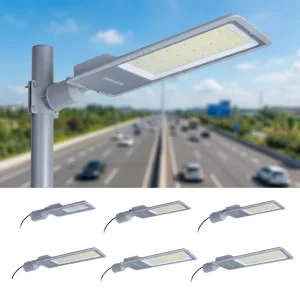
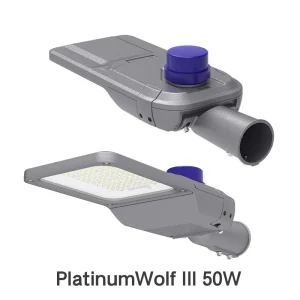
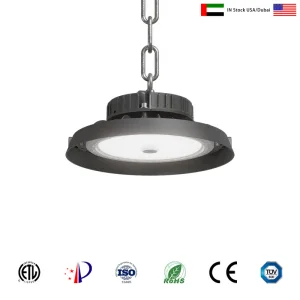
With the rapid development of the Western Sydney Aerotropolis, distribution hubs demand continuous, reliable illumination. Industrial properties require high-bay lighting and surrounding roadway fixtures that run continuously. In these environments, thermal management is key. Our UFO High Bay series and modular roadway lights use thick aluminum heat sinks to draw heat away from the LED chips, maintaining luminaire integrity in high ambient temperatures.
C. Public Infrastructure & Commercial Office Parking (North Sydney, Parramatta)
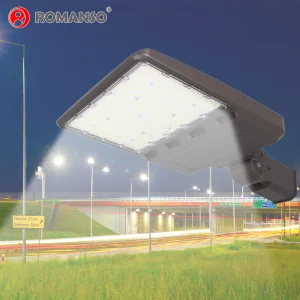
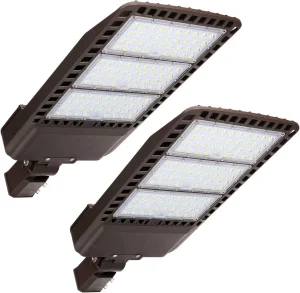
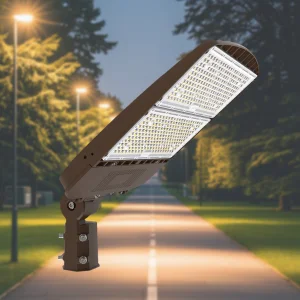
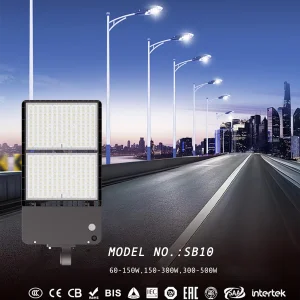
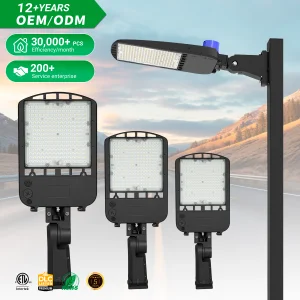
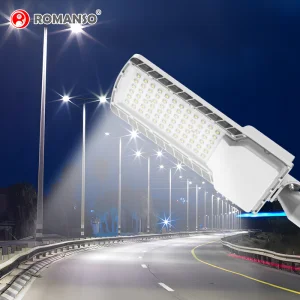
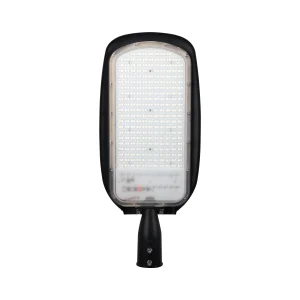
Public-access outdoor zones require lighting that balances human safety with environmental impact. Our shoebox and streetlights offer precise Type III or Type V optical distributions, focusing light onto driving surfaces while minimizing spill light into neighboring residential areas. This meets local council requirements for dark-sky compliance.
4. Key Market Trends Transforming Outdoor Lighting (2024–2030)
The transition from analog fixtures to intelligent networks is driving several major trends in the outdoor lighting industry:
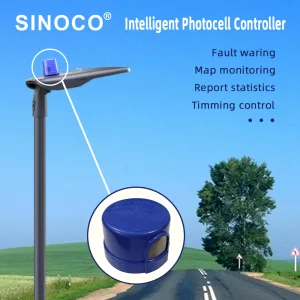
- Smart Control Protocols (IoT Integration): Outdoor poles are increasingly fitted with NEMA or Zhaga receptacles. This enables smart controllers to regulate output based on real-time pedestrian activity, ambient daylight levels, or network commands.
- Dark-Sky and Wildlife-Friendly Lighting: Local government areas (LGAs) in Sydney are enforcing strict regulations on upward light spill to reduce urban light pollution. Luminaires with a 0% Uplight rating (U0) are becoming standard requirement.
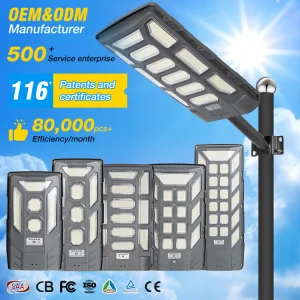
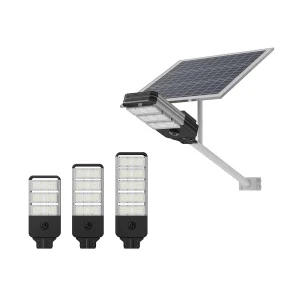
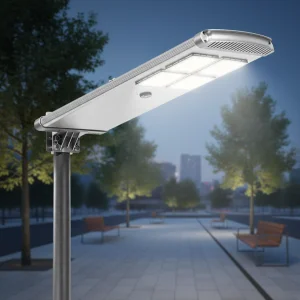
- Off-Grid Solar Integration: In remote spaces or areas where cabling costs are high, all-in-one and split solar streetlights with intelligent charge controllers and LiFePO4 battery storage offer a practical, self-sustaining alternative.